

For any feedback please reach out to info@festivalinside.com
- 12 Literary Feuds So Intense, They Changed the Course of Literature - August 11, 2026
- 10 Mysterious Disappearances of Famous Figures That Still Puzzle Experts - August 11, 2026
- 10 Foods We Thought Were American But Were Actually Invented Somewhere Else. - August 11, 2026
Television commercials once held a unique power to seep into everyday life. They crafted shared phrases and memories that lingered long after the screen went dark.
These spots shaped how people talked, what they bought, and even how they saw the world. Generations later, they stir a deep sense of nostalgia, reminding us of simpler times.[1][2]
Tootsie Pop “How Many Licks?” (1969)
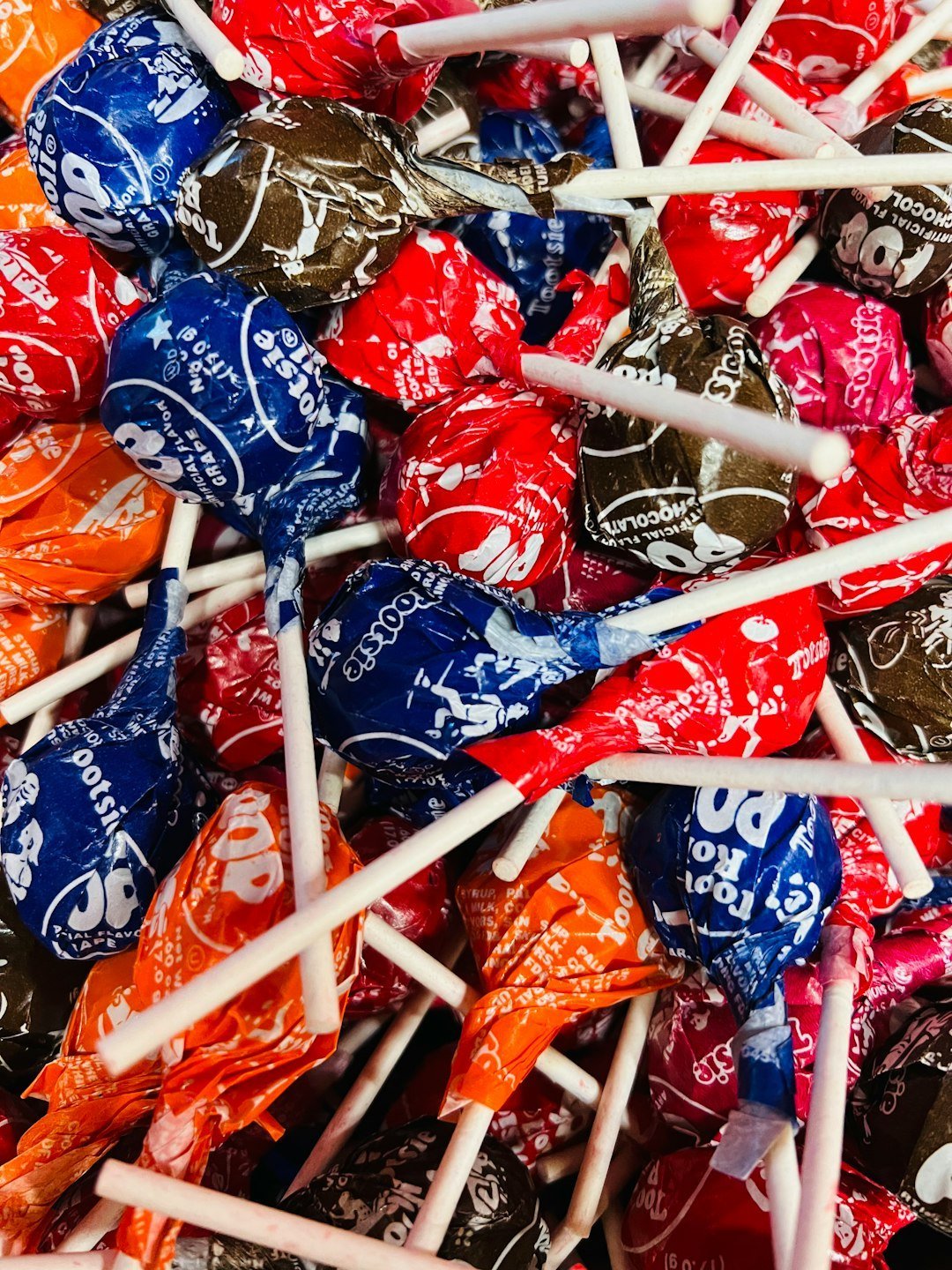
The ad opens with a boy pondering the eternal question of how many licks it takes to reach the Tootsie Pop center. He consults various animals, but the wise owl delivers the punchline after three licks by biting right through. Simple animation keeps it light and engaging, turning a candy into a riddle everyone wants to solve.[2]
This spot sparked scientific curiosity, with kids worldwide testing the theory themselves. It boosted Tootsie Pop sales and made the question a playground staple. Even today, the ad runs on TV, proving its timeless charm across decades.[3][4]
Alka-Seltzer “I Can’t Believe I Ate the Whole Thing” (1970)

A man groans in bed, clutching his stomach after overindulging at dinner. He mutters the famous line while reaching for relief, capturing that universal post-meal regret perfectly. The straightforward setup relies on relatable humor and the product’s quick fizz for drama.
The catchphrase entered American slang, echoing in conversations about excess. It helped Alka-Seltzer dominate the antacid market during a time of hearty eating. Viewers still reference it when nursing holiday regrets.[1]
Coca-Cola “Hilltop” (1971)
Dozens of young people from diverse backgrounds gather on an Italian hillside. They sing a joyful tune about harmony while holding Coke bottles, evoking unity amid a divided era. The sweeping visuals and catchy melody make it feel like a music video before that was common.[2]
The song topped charts after release as a single, blending ad and hit record seamlessly. It symbolized hope during Vietnam War tensions. Coke’s message of togetherness resonates in tough times even now.
Keep America Beautiful “Crying Indian” (1971)

Iron Eyes Cody paddles through polluted waters in Native American garb. Trash litters the landscape as cars speed by, culminating in a single tear down his face. Minimal words let the stark imagery drive home the environmental plea.
This PSA shifted public views on littering, boosting anti-pollution efforts nationwide. Cody’s image became synonymous with conservation. It aired for years, influencing policy and habits long-term.[1][3]
Life Cereal “Mikey Likes It” (1972)
Two brothers debate feeding new “healthy” Life cereal to picky Mikey, who hates everything. They trick him into trying it, and his simple approval seals the deal. Everyday kid dynamics make it instantly relatable.
The line “Mikey likes it” fueled sales and sparked urban legends about the actor. It captured family breakfast rituals of the era. Nostalgia compilations keep it alive for new viewers.[1]
Coca-Cola “Mean Joe Greene” (1979)
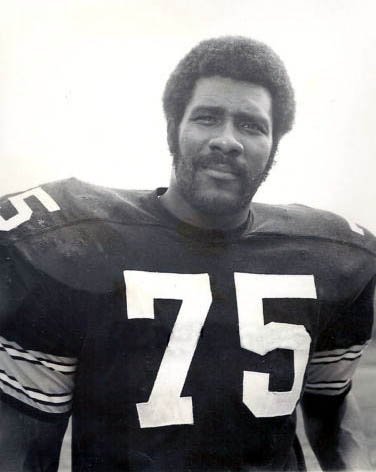
Gruff NFL star Joe Greene limps to the locker room after a rough game. A young fan offers a Coke, softening the giant into a smile as he tosses his jersey. Quiet emotion builds to a feel-good payoff.
Winning multiple awards, it humanized athletes and boosted Coke’s wholesome image. The heartfelt exchange defines sports ad tenderness. Fans still tear up watching it decades later.[1]
Wendy’s “Where’s the Beef?” (1984)
Tiny Clara Peller inspects a rival’s fluffy bun hiding scant meat. Her raspy demand for substance cuts through the fluff cleverly. Quick wit targets competitors head-on.
The phrase exploded into politics and pop culture, aiding Wendy’s rise. Sales surged as it championed quality over hype. It remains a benchmark for sassy fast-food rivalry.[2][3]
Apple “1984” (1984)
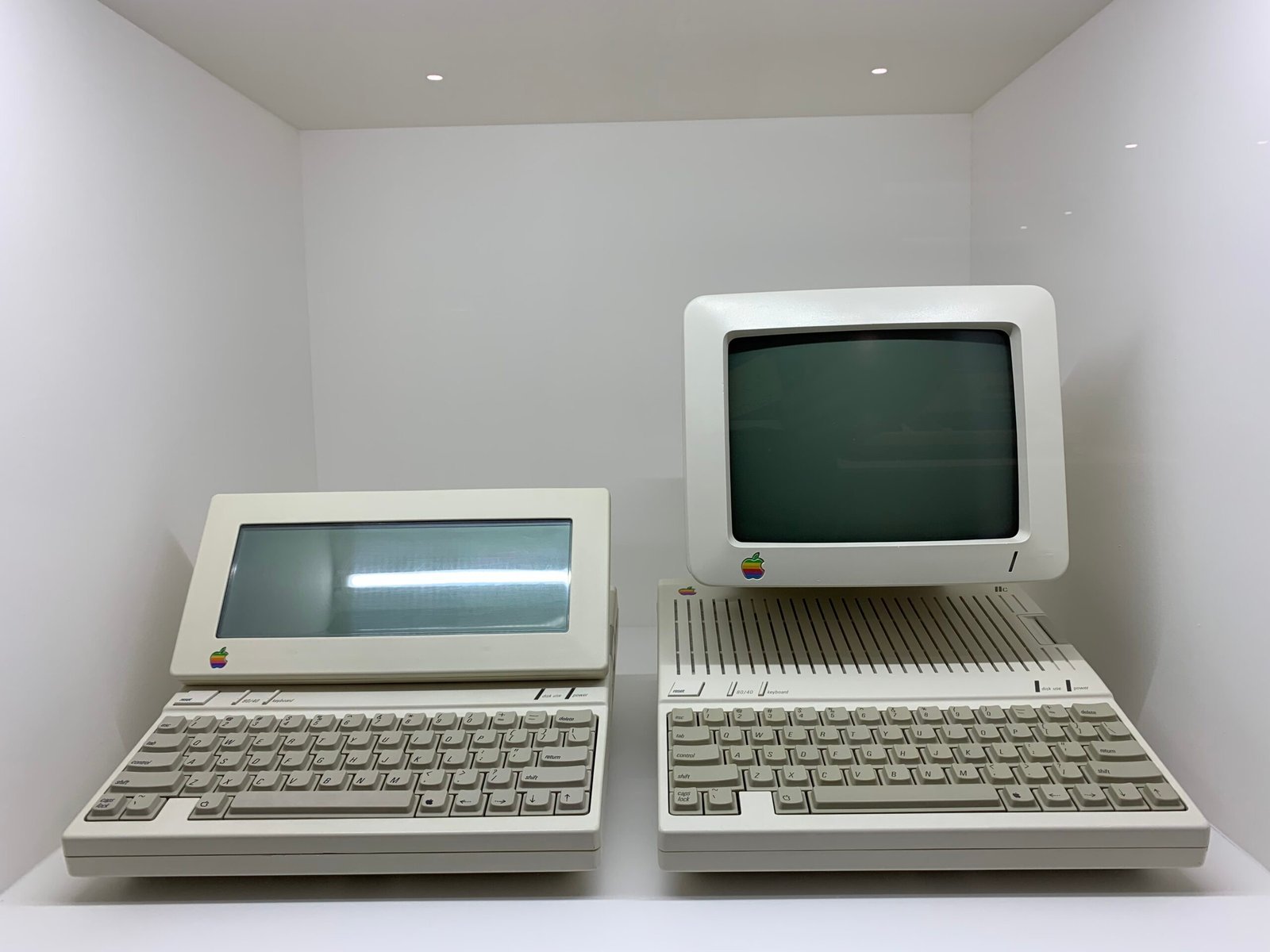
Ridley Scott directs a dystopian Orwellian scene where masses stare blankly at Big Brother. A woman hurls a hammer, shattering the screen to introduce the Macintosh. Epic scale turns tech launch into revolution.
Aired once at Super Bowl, it redefined Super Bowl ads forever. Positioned Apple as rebel against IBM conformity. Its cinematic legacy influences ads today.[2]
California Raisins (1986)
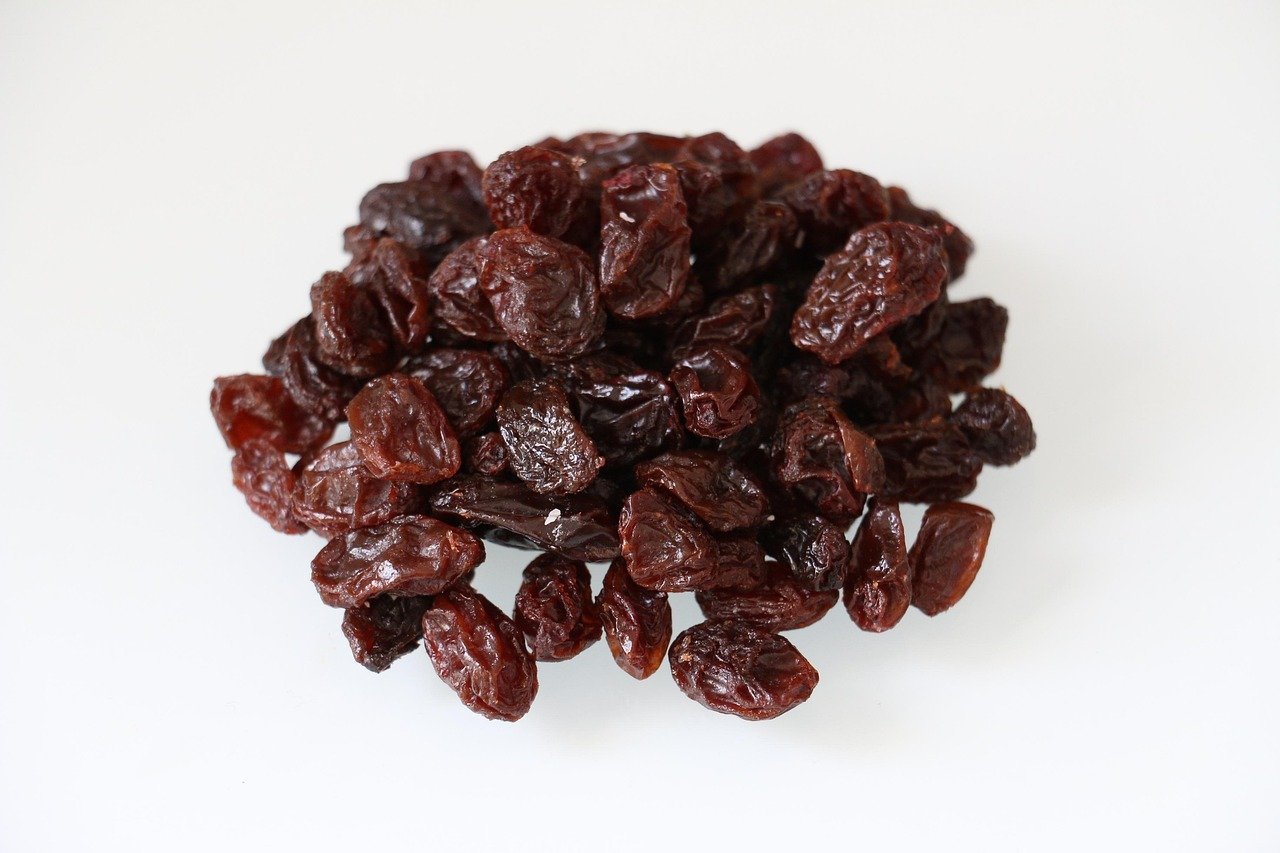
Claymation raisins groove to “I Heard It Through the Grapevine” like a Motown band. Their wrinkled charm transforms boring snacks into cool performers. Music and stop-motion create infectious fun.
Spawning toys, specials, and charts, they made raisins trendy for kids. The campaign sold millions but faded by early 90s. It showed animation’s ad power.[3]
Budweiser “Whassup?” (1999)
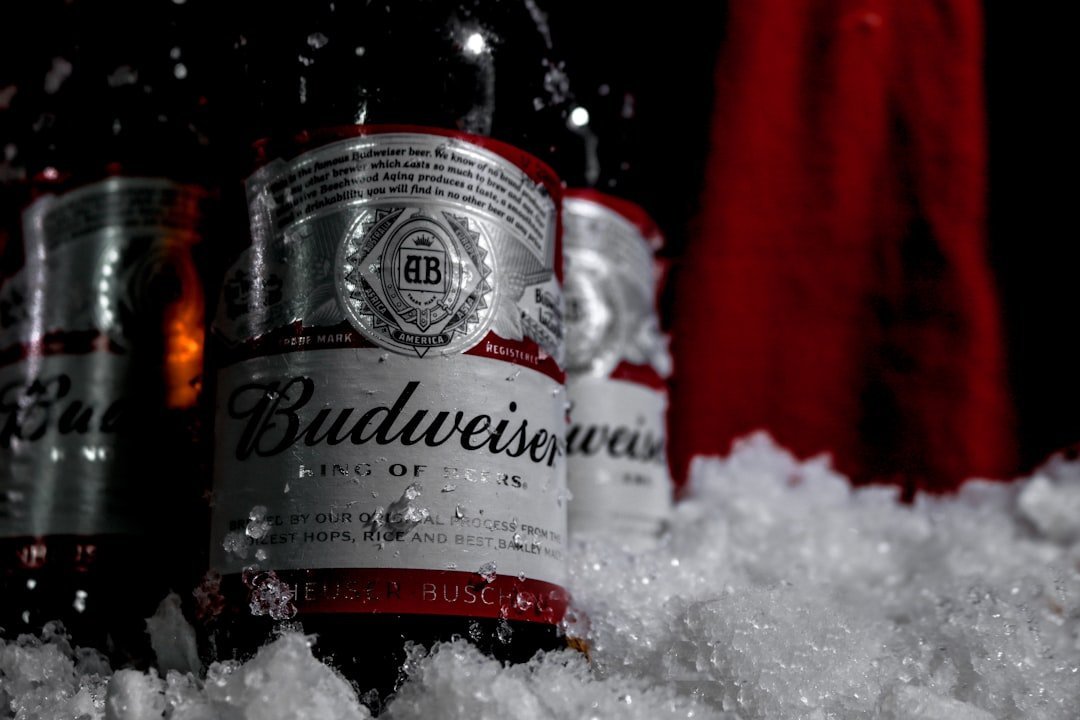
Friends greet with elongated “Whassup?” yells over phone and in person. Exaggerated delivery turns casual hellos into comedy gold. Repetition builds absurd hilarity.
The greeting swept parties and calls, embedding in Y2K lingo. From short film origins, it humanized beer buddies. Parodies kept it culturally fresh.[1][2]
Advertising as Timeless Storytelling
These commercials prove ads excel as mini-narratives that stick. They mirror societal moods, from unity calls to quality quests.
Storytelling endures because it connects emotionally, outlasting products. In a streaming age, their simplicity reminds us why we tune in.[4]

Christian Wiedeck, all the way from Germany, loves music festivals, especially in the USA. His articles bring the excitement of these events to readers worldwide.
For any feedback please reach out to info@festivalinside.com
