

For any feedback please reach out to info@festivalinside.com
- 12 Literary Feuds So Intense, They Changed the Course of Literature - August 11, 2026
- 10 Mysterious Disappearances of Famous Figures That Still Puzzle Experts - August 11, 2026
- 10 Foods We Thought Were American But Were Actually Invented Somewhere Else. - August 11, 2026
In the early days of Hollywood, the film industry burst onto the scene as a glamorous escape, yet it quickly faced backlash from a series of shocking off-screen events. These controversies exposed rampant drug use, wild parties, and moral lapses among stars, prompting moral watchdogs and politicians to demand oversight. The fallout reshaped everything from strict censorship guidelines to ironclad studio contracts that policed personal lives.
Audiences adored the silver screen fantasies, but real-life headlines shattered illusions of stardom. Civic groups and religious organizations decried the perceived corruption, pushing studios to self-regulate before governments stepped in. This era set enduring precedents for celebrity accountability and content control that echoed through decades.[1][2]
The Poisoning of Olive Thomas
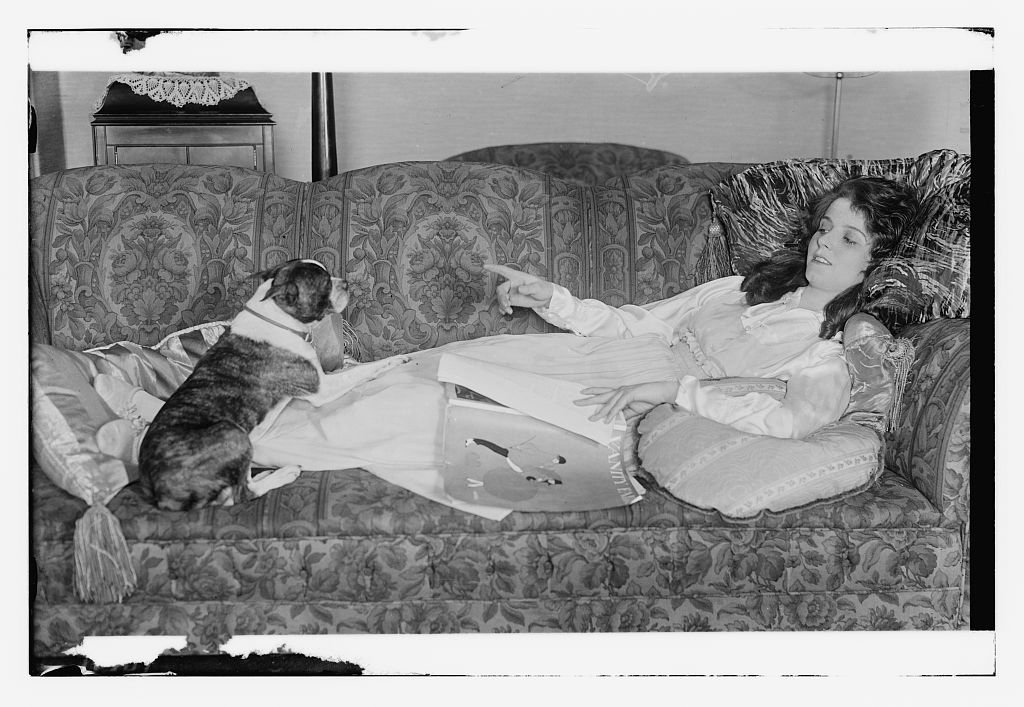
Olive Thomas, a rising Ziegfeld Follies girl turned silent film star, died in 1920 during a Paris honeymoon with husband Jack Pickford. After a night of partying, she accidentally drank mercury bichloride solution from a mislabeled flask, mistaking it for water or a tonic. The substance, meant for her husband’s syphilis treatment, caused fatal kidney damage despite hospital care.[3]
Press frenzy speculated suicide or murder tied to Pickford’s infidelities, drawing massive crowds to her New York funeral. The public, still adjusting to idolizing movie stars, recoiled at tales of excess abroad. Studios began eyeing tighter moral oversight, as this marked one of the first scandals to spotlight Hollywood’s hedonistic underbelly and fuel calls for industry reform.[3]
Roscoe Arbuckle’s Devastating Trial
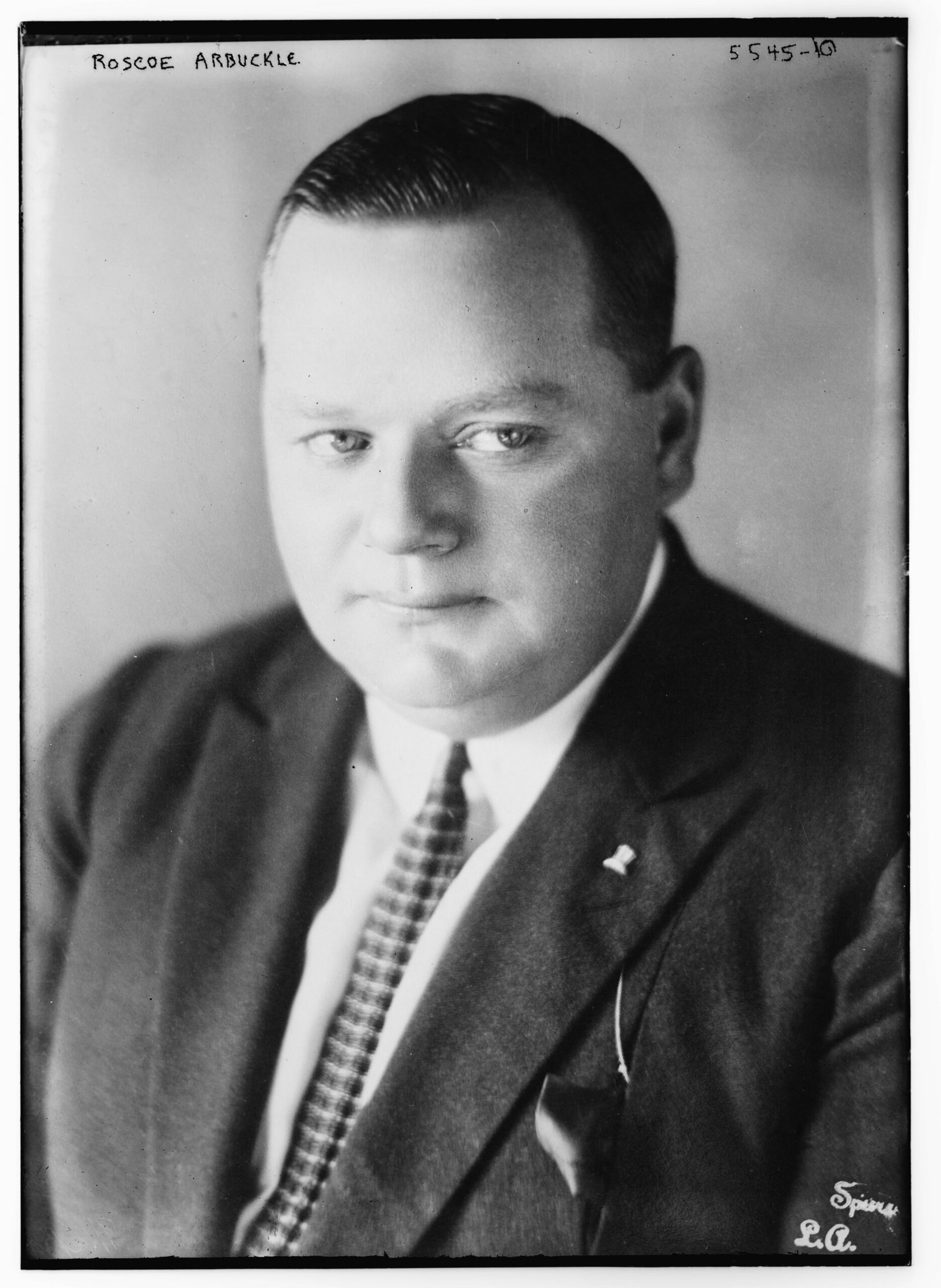
Catalog: https://lccn.loc.gov/2014713188
Image download: https://cdn.loc.gov/service/pnp/ggbain/33000/33036v.jpg
Original url: https://www.loc.gov/pictures/item/2014713188/, Public domain)
Comedian Roscoe “Fatty” Arbuckle faced accusations in 1921 after aspiring actress Virginia Rappe fell ill and died at his San Francisco hotel party. Claims swirled of rape involving a bottle or ice, though medical evidence pointed to her chronic cystitis worsened by alcohol. Three trials ended in acquittal, with the jury apologizing for the ordeal.[2]
Yellow journalism from Hearst papers inflamed outrage, with morality groups demanding execution and boycotts of his films. Despite innocence, public venom destroyed his career, as studios banned his work. This catastrophe birthed moral clauses in contracts, allowing dismissal for scandals, and hastened Will Hays’ appointment to lead self-censorship via the MPPDA.[2][1]
The Unsolved Murder of William Desmond Taylor
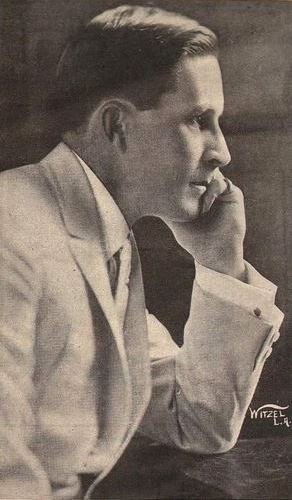
Director William Desmond Taylor turned up shot in his Los Angeles bungalow in 1922, sparking a media storm. His valet found the body; a pistol vanished, along with cash. Suspects ranged from valet Edward Sands to actress Mabel Normand, his last visitor, and child star Mary Miles Minter, whose love letters surfaced.[4]
Newspapers sensationalized ties to drugs and affairs, branding Hollywood decadent like ancient Rome. Fans and critics alike turned hostile, amplifying anti-film sentiment. The case entrenched moral turpitude clauses in studio deals and intensified pressure for the Hays Office to police talent and content, shielding the industry from further reputational damage.[4][1]
Wallace Reid’s Fatal Addiction
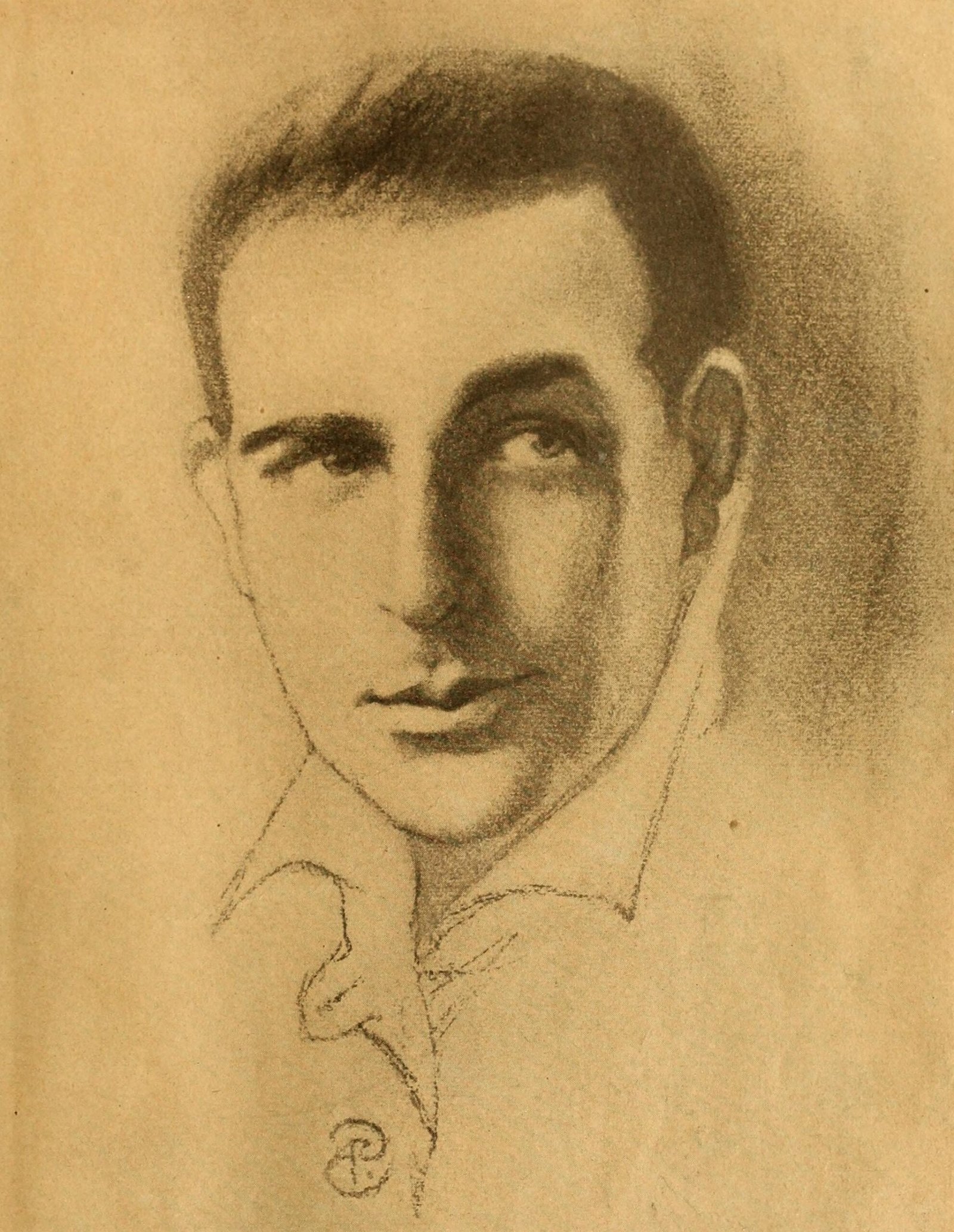
Matinee idol Wallace Reid spiraled into morphine dependence after a 1919 train wreck injury during filming. Prescribed the drug for pain, he hid his struggle amid grueling schedules with no rehab options. He died in 1923 at 31 from related complications in a sanatorium.[5]
His widow publicized the tragedy through the film Human Wreckage, touring to warn of narcotics. Mourning fans grappled with their hero’s fall, heightening perceptions of industry excess. Reid’s story spurred early anti-drug campaigns within Hollywood and bolstered arguments for self-regulation to curb such vulnerabilities.[5]
Mabel Normand’s Cocaine Entanglements
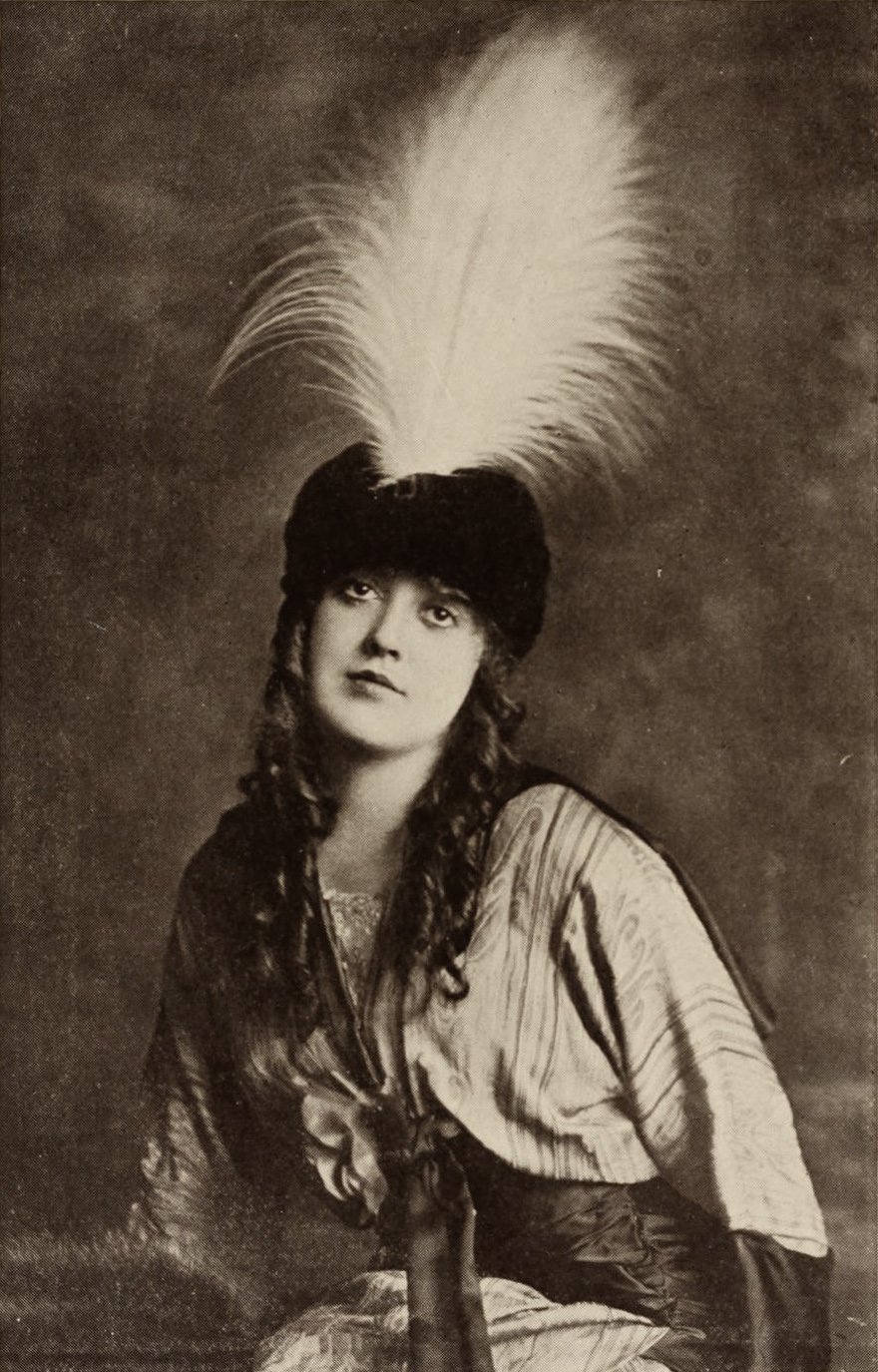
Comic actress Mabel Normand battled cocaine addiction, with director William Desmond Taylor aiding her before his 1922 murder. She visited him that night, fueling suspicions amid her prior party scandals. Links to Arbuckle and drugs tarnished her once-bright career.[4]
Headlines vilified her, eroding public trust in wholesome screen personas. Theater owners pulled her films amid boycotts. This reinforced demands for oversight, embedding addiction clauses in contracts and accelerating the MPPDA’s formation to monitor stars’ behaviors.[4]
Paul Bern’s Mysterious Demise
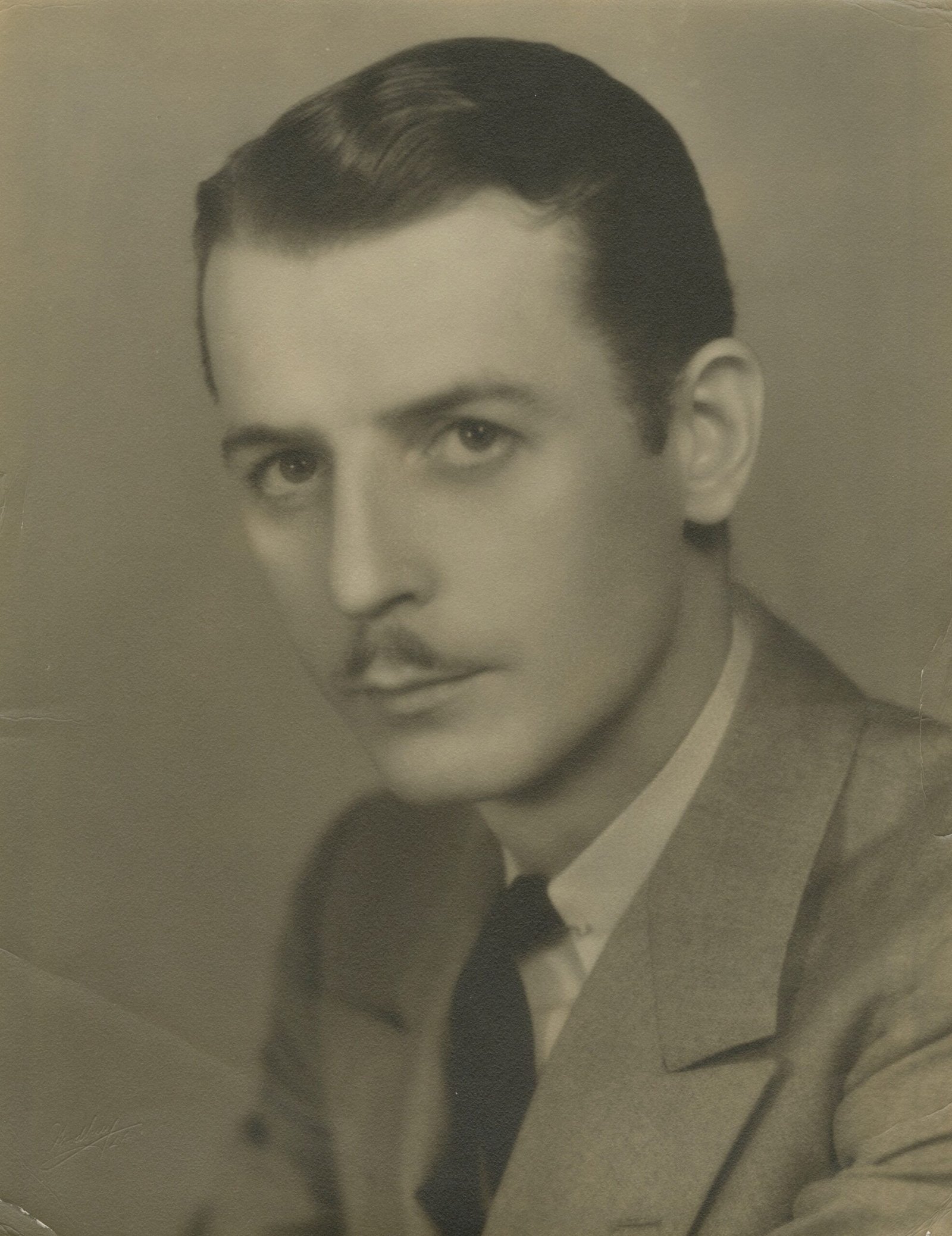
In 1932, MGM producer Paul Bern died by gunshot in his home shared with new wife Jean Harlow, ruled suicide but shadowed by his ex-lover Dorothy Millette’s nearby death. Rumors of murder or cover-up swirled, with MGM swiftly managing the narrative. Harlow stayed silent under studio pressure.[6]
Audiences buzzed with suspicion, questioning studio spin on private lives. The incident highlighted fixers’ roles in suppressing stories. It solidified Hollywood’s reputation management tactics, influencing stricter personal conduct rules amid tightening Production Code enforcement.[6]
The Enduring Shadow of Early Scandals
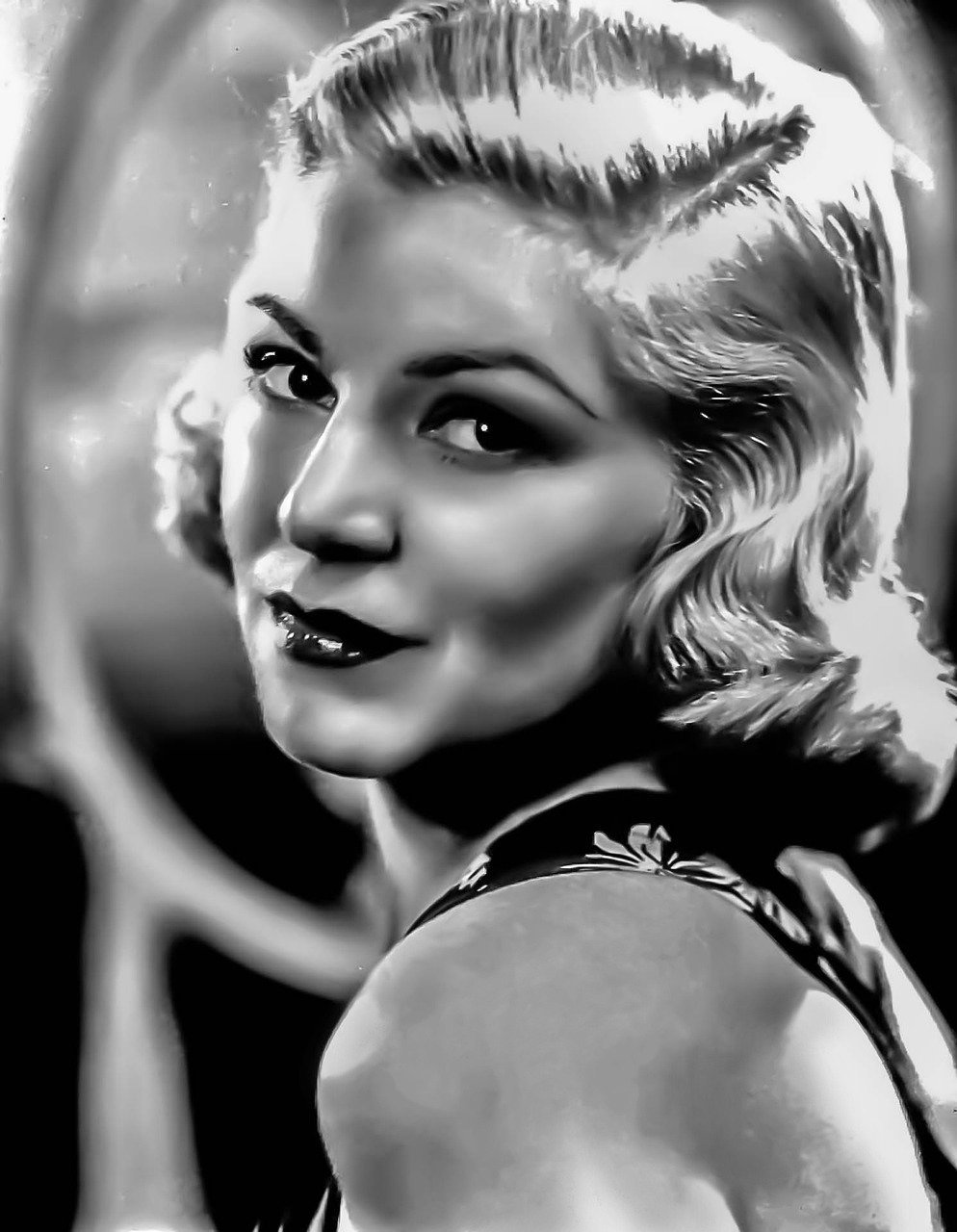
These events collectively forged Hollywood’s defensive posture, birthing the Hays Code that dictated content until the 1960s. Studios gained tools to control narratives, from moral clauses to fixers, preserving the dream factory’s allure. Yet they also sowed seeds for later reckonings with power imbalances.
Modern Hollywood navigates scandals with PR machines refined over a century, but the core tension persists between private flaws and public pedestals. Those forgotten headlines remind us how fragile stardom remains, even in an era of endless scrutiny.[1]

Christian Wiedeck, all the way from Germany, loves music festivals, especially in the USA. His articles bring the excitement of these events to readers worldwide.
For any feedback please reach out to info@festivalinside.com
