

- 8 Gardening Hacks That Will Make Your Roses Bloom Like Never Before - August 11, 2026
- 8 Incredible Beaches Around the World You Won’t Believe Are Real - August 11, 2026
- 10 Classical Music Masterpieces That Will Transport You Through Time - August 11, 2026
Authors often spend years refining their stories, and characters frequently evolve through multiple revisions. These changes can sharpen motivations, heighten tension, or align traits more closely with the overall narrative arc. What starts as a rough sketch might transform into an iconic figure that resonates for generations.
Early drafts reveal how creators experiment freely before settling on the versions that capture the imagination. Such revisions highlight the painstaking craft behind timeless literature.
Aragorn from The Lord of the Rings
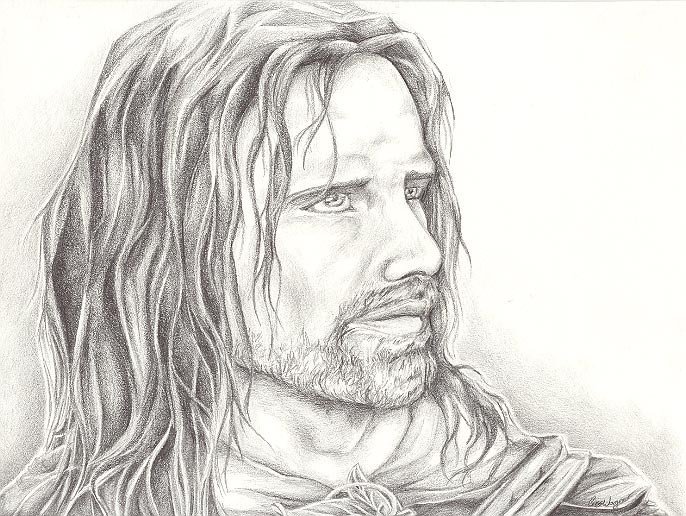
J.R.R. Tolkien first conceived Aragorn as a hobbit named Trotter, or sometimes Peregrin Boffin, a quirky ranger who wore wooden shoes due to torture in Mordor.[1][2] This version joined the adventure as one of Gandalf’s recruited hobbits, complete with a backstory of captivity and odd prosthetics. His role felt more like a comic sidekick than a destined leader.
Through revisions, Tolkien elevated him to a tall, noble human, the long-lost heir to Gondor’s throne known as Strider. This shift amplified his heroic stature and romantic destiny, making him central to the epic’s themes of kingship and renewal. The wooden-shoed hobbit faded away, replaced by the dignified ranger readers adore.[1]
Faramir from The Lord of the Rings
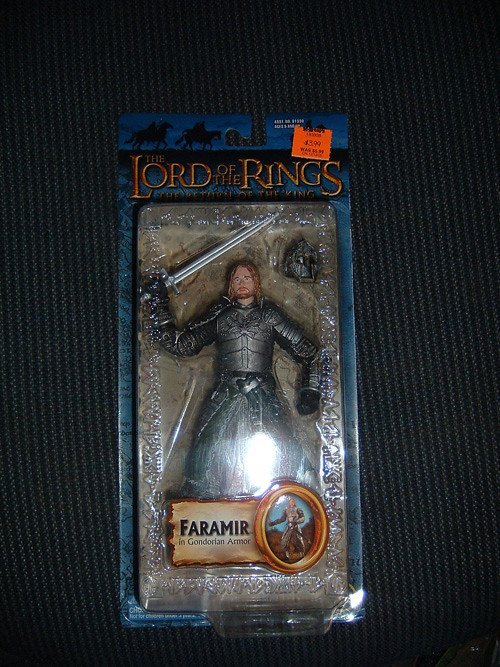
In Tolkien’s drafting process, Faramir appeared suddenly in the woods of Ithilien, an unplanned intruder who stalled the plot with lengthy tales of Gondor and Rohan.[1] Tolkien later admitted he hadn’t invented the character beforehand and felt surprised by his arrival. This early incarnation disrupted the pace, forcing the author to weave him into the fabric organically.
Revised into Boromir’s younger brother, Faramir became a wise, self-respecting captain embodying Tolkien’s own values. His role expanded to provide moral contrast and depth to Gondor’s leadership. Readers now cherish him as a beacon of restraint amid war’s temptations.[1]
Arwen from The Lord of the Rings
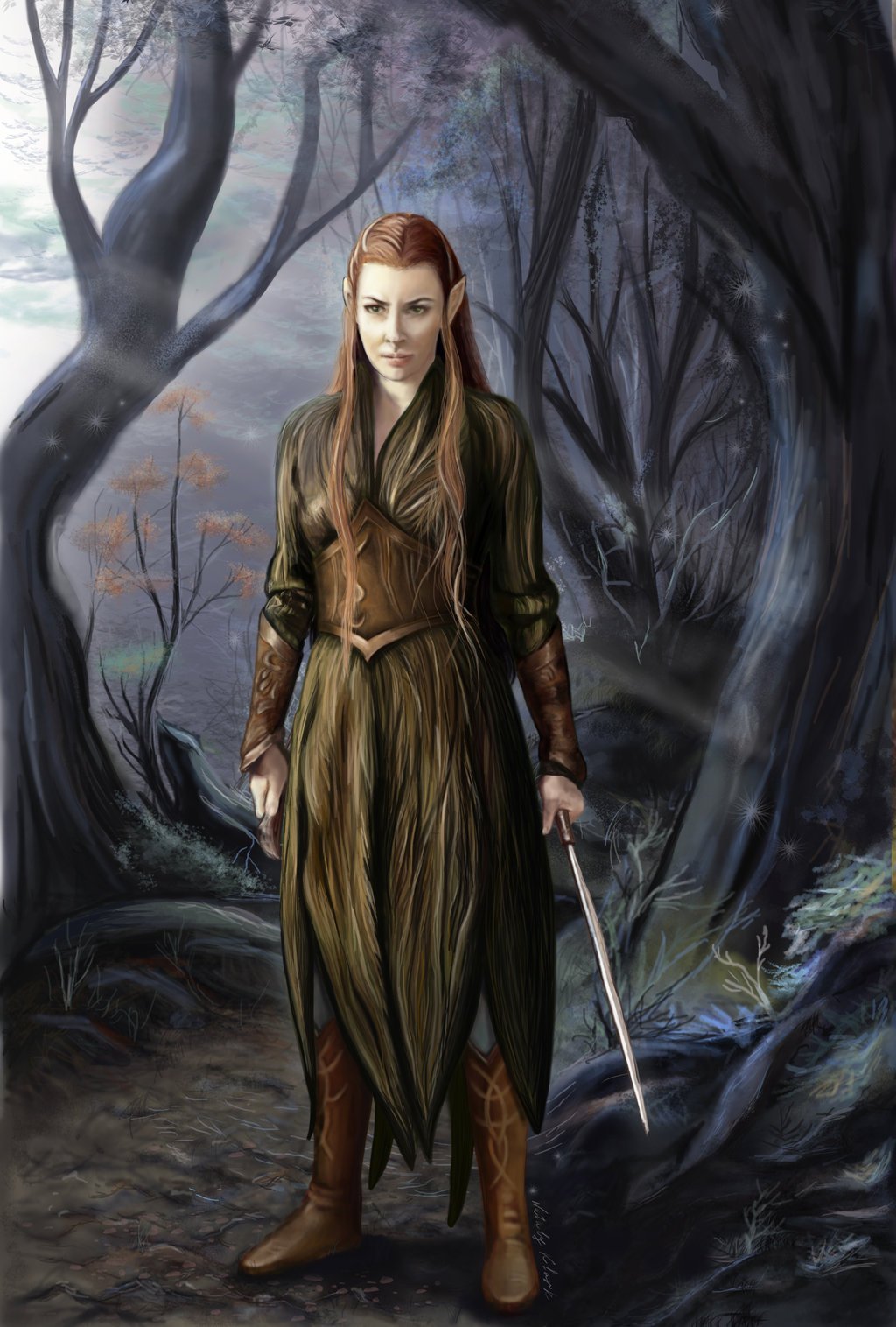
Arwen entered Tolkien’s manuscript late, only after he had nearly completed the first draft up to the Mount Doom confrontation.[1] She started as a mere afterthought, absent from the core adventure. Tolkien inserted references retrospectively to flesh her out.
In the final version, she emerges as Aragorn’s beloved, an elven princess whose love story adds poignant sacrifice and immortality’s cost. Her role underscores themes of choice and loss, transforming a blank space into a quietly pivotal figure. This evolution enriched the legend without overshadowing the quest.[1]
Atticus Finch from To Kill a Mockingbird

Harper Lee’s Go Set a Watchman, an early draft, portrays Atticus as a flawed segregationist who attends a Citizens’ Council meeting tinged with Klan sympathies.[3] He expresses skepticism toward federal intervention in Southern affairs and holds prejudiced views on racial integration. This version clashed with the noble lawyer image.
Revisions for To Kill a Mockingbird recast him as a principled defender of justice, defending Tom Robinson against bigotry. His courtroom stand and parenting lessons became symbols of moral courage. The change elevated him to an enduring icon of integrity.[4]
Jay Gatsby from The Great Gatsby
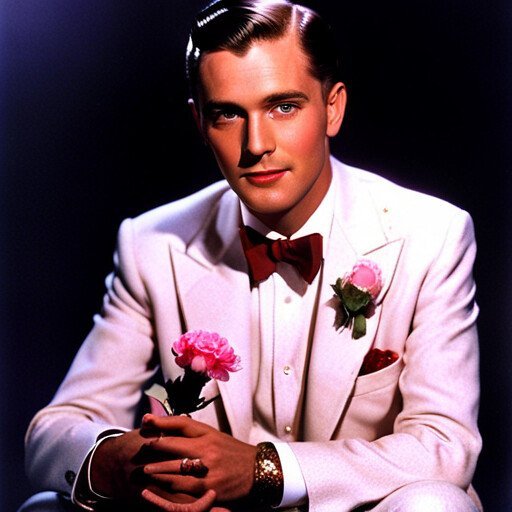
F. Scott Fitzgerald’s Trimalchio, an early typescript, depicts Gatsby as angrier and darker, with more overt confrontations like a heated argument with Tom Buchanan.[5] He frowns frequently to show discomfort, revealing raw vulnerability. The portrayal feels rawer, less polished.
In the polished novel, Gatsby gains enigmatic charm and tragic poise, his smile enigmatic rather than scowling. Revisions softened his edges, heightening the mystery of his dream. This made him the quintessential symbol of the American pursuit.[6]
Boromir from The Lord of the Rings
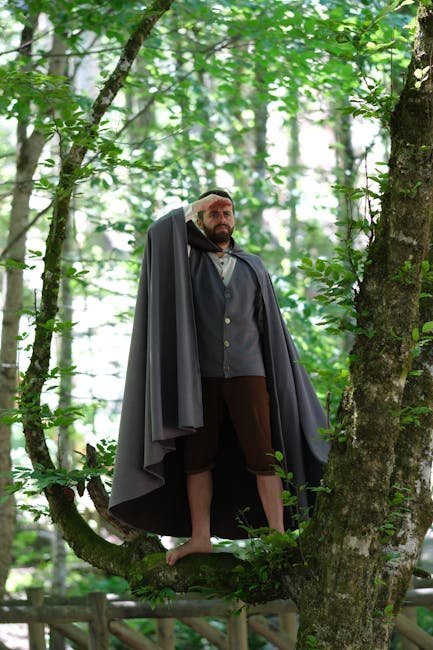
Early drafts cast Boromir as bitterly jealous of Aragorn’s claim, enraged by Gondor’s rally behind the ranger.[7] His resentment boiled over into potential violence against the heir. This made him more villainous from the start.
Tolkien refined him into a noble warrior tempted by the Ring but redeemed through sacrifice. His arc highlights loyalty’s struggle, earning sympathy. Readers remember his horn and final stand with admiration.[7]
Treebeard from The Lord of the Rings
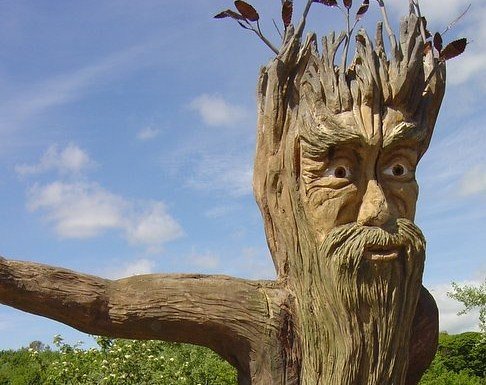
In initial sketches, Treebeard appeared as a treacherous ent, plotting betrayal against the protagonists.[8] His ancient wisdom masked darker intentions, threatening the fellowship’s trust. This version heightened forest dangers.
Revisions turned him into a slow, deliberate ally, wary but ultimately helpful. His “hasty” speech and march on Isengard became comic relief and pivotal aid. He now embodies nature’s cautious power.[8]
Sam Vimes from Guards! Guards!
Terry Pratchett rushed Sam Vimes into being as a noir cliché: a cynical, barely functional alcoholic stirred only by justice.[1] He served as a viewpoint for police procedural tropes in the decaying Night Watch.
Later drafts built him into a complex leader, evolving through Discworld’s city tales. His grit and principles made him a fan favorite, anchoring urban fantasies. Pratchett’s tweaks added layers of humor and heart.[1]
Carrot Ironfoundersson from Guards! Guards!
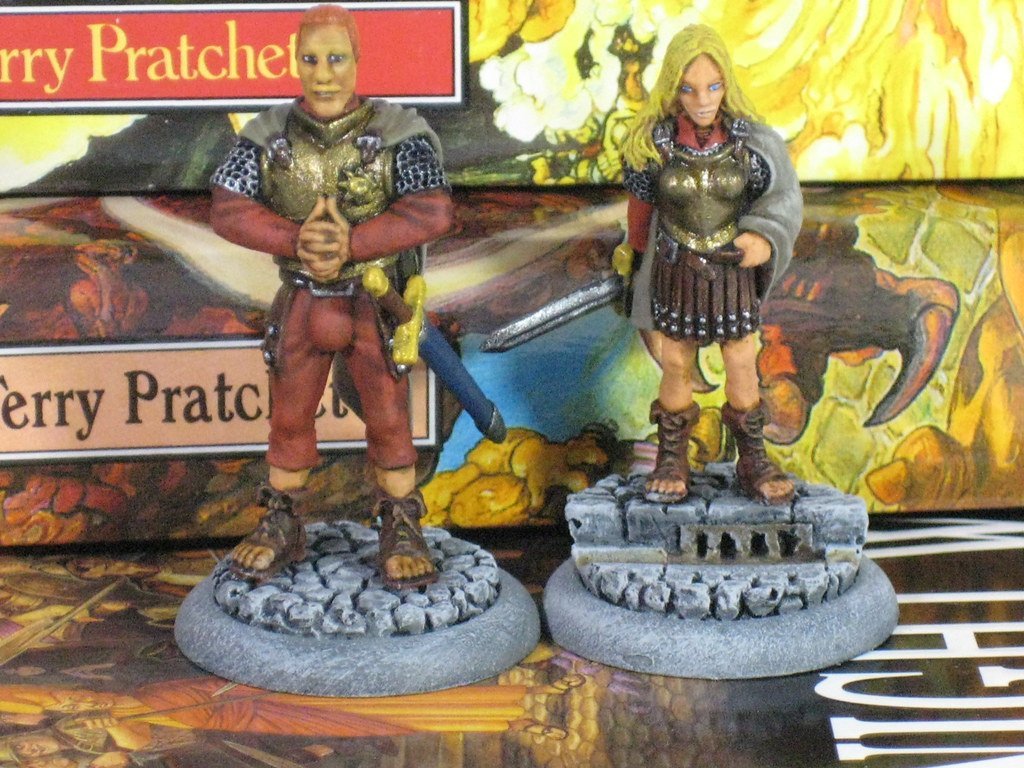
Pratchett planned Carrot as the main protagonist, a dwarf-raised human hinted as Ankh-Morpork’s lost king, with narrative from his perspective.[1] His charisma drove the plot directly.
Revisions delayed his arrival and shifted viewpoint away, leaving his depths mysterious. He became a supporting force, his kingly aura intriguing rather than overt. This made him enduringly enigmatic.[1]
Estella from Great Expectations
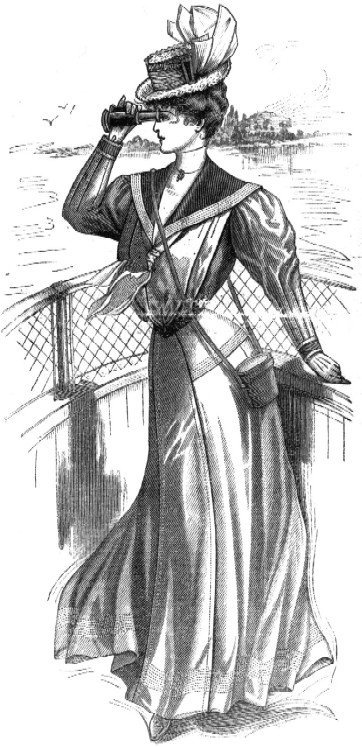
Charles Dickens first ended with Estella remarried, cold and unrepentant, leaving Pip in bitter parting.[9] Her manipulative upbringing defined her without redemption. Friends urged revision for hope.
The published close shows her softened by suffering, arm-in-arm with Pip ambiguously. This tweak humanized her, blending cruelty with growth. She lingers as a complex love interest.[9]
Conclusion
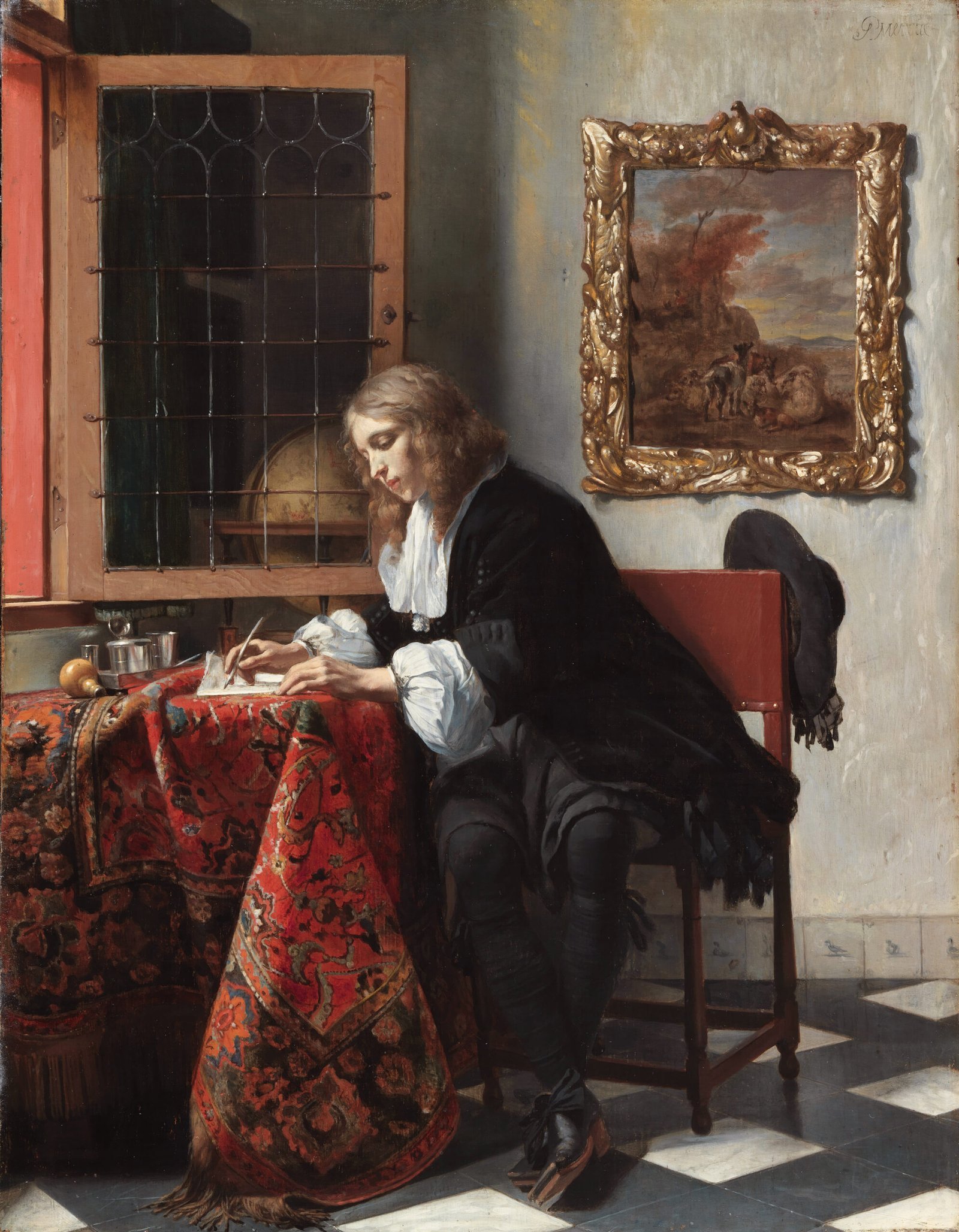
These transformations show revision as literature’s secret engine, where raw ideas yield polished gems. Authors like Tolkien and Lee discarded misfits to forge icons that endure.
Behind every beloved character lies a trail of discarded selves, reminding us creation thrives on bold cuts and reinventions. The final draft wins, but the process shapes the magic.

Besides founding Festivaltopia, Luca is the co founder of trib, an art and fashion collectiv you find on several regional events and online. Also he is part of the management board at HORiZONTE, a group travel provider in Germany.
