

For any feedback please reach out to info@festivalinside.com
Movies often capture the imagination in ways textbooks rarely do. A gripping scene or heroic figure can lodge in the public mind, overshadowing drier accounts from historians.
Cinematic tales prioritize emotional arcs over timelines, leading viewers to embrace dramatic versions of events as truth. This shapes how generations view the past, sometimes more than scholarly debates ever could.[1][2]
Braveheart (1995)
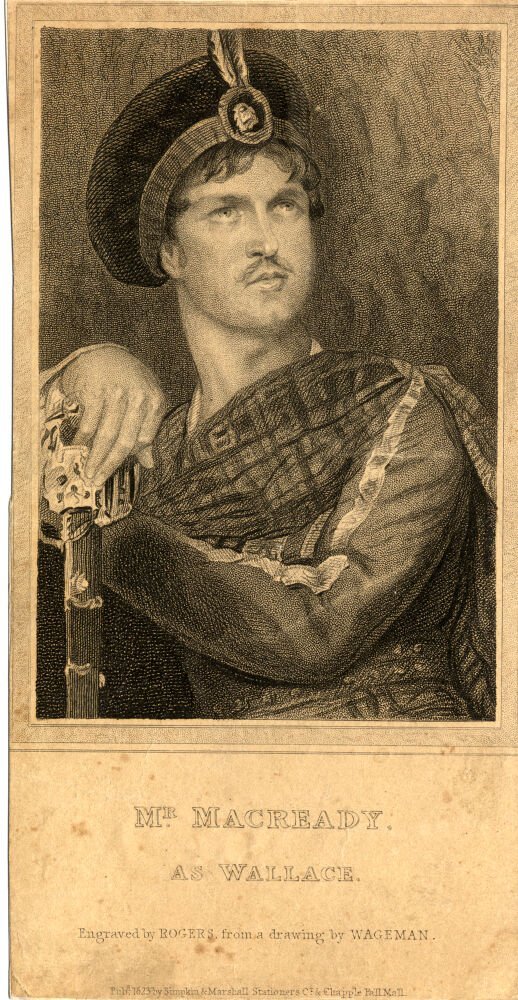
Record in source catalog
DPLA identifier: 2fa10f1a3c5b1dbfd3ce90e33580a8a8, Public domain)
The film depicts William Wallace leading Scots in kilts and blue face paint against English tyranny, including a fictional romance with Princess Isabella. In reality, kilts emerged centuries later, and face paint harked back to ancient Picts, not medieval warriors. Wallace never met Isabella, who was a child at the time, and he did not sack York as shown.[3][4]
Filmmakers amplified these elements to craft a rousing underdog story, heightening national pride and personal stakes. The movie boosted Scottish identity worldwide, yet many now picture medieval Scots in tartan, blurring fact with legend. Such changes served epic pacing over precision.[5]
The Patriot (2000)

Mel Gibson’s character witnesses British troops burning a church full of civilians, a scene echoing no known Revolutionary War event. The film portrays redcoats as sadistic villains, while real British forces included many who followed rules of war. Militia tactics like the final battle mix inspirations from figures like Francis Marion but invent wholesale heroics.[6][7])
Director Roland Emmerich sought visceral drama to evoke American heroism, simplifying complex loyalties. Public views of the war often retain this black-and-white framing, influencing perceptions long after viewings. The alterations ramped up emotional investment at history’s expense.[8]
300 (2006)
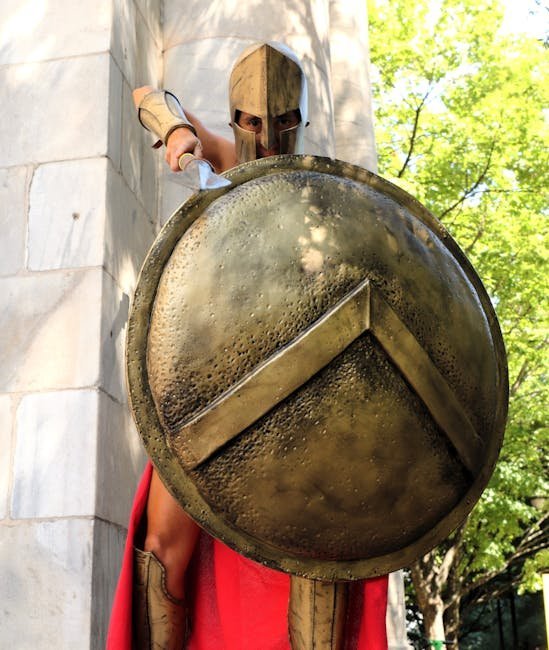
Spartans battle grotesque Persians, including black ninjas and a half-goat oracle, far from the diverse Persian empire’s reality. The film claims 300 held Thermopylae alone, ignoring thousands of Greek allies. Ephialtes appears as a twisted hunchback, unlike historical traitors.[9][10]
Based on a graphic novel, Zack Snyder stylized for visual punch, turning Herodotus’s account into fantasy. It popularized a hyper-macho Spartan myth, shaping pop culture’s view of ancient Greece over nuanced history. Narrative flair trumped fidelity here.[11]
Gladiator (2000)
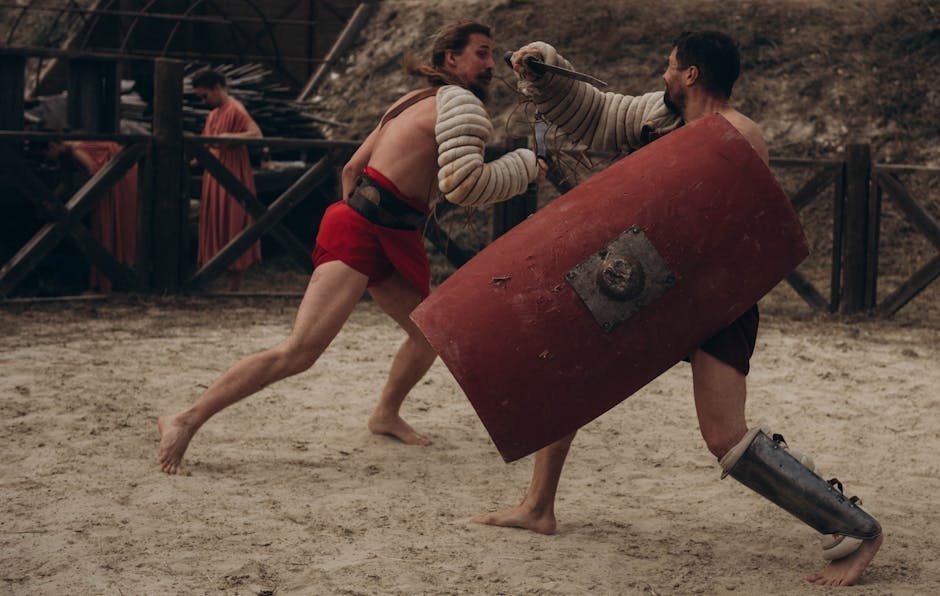
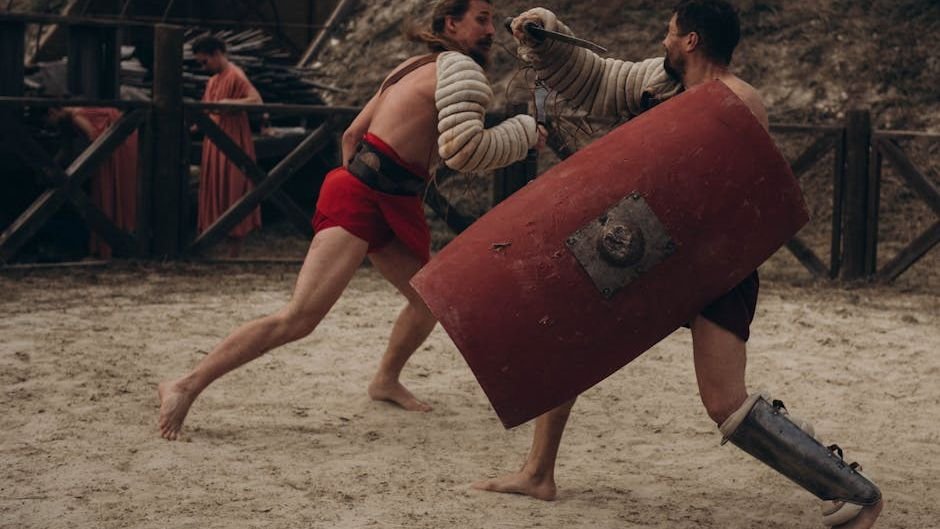
Commodus murders his father Marcus Aurelius and fights in the arena, events without historical basis. Thumbs-up/down for gladiator verdicts is a myth; Romans used handkerchiefs or hidden gestures. Maximus, the fictional hero, embodies traits from real figures like Cincinnatus but fabricates his arc.[12][13]
Ridley Scott aimed for crowd-pleasing revenge, blending eras for spectacle. The film revived interest in Rome but cemented misconceptions like arena signals. Dramatic consolidation made ancient politics thrillingly personal.[14]
Pocahontas (1995)
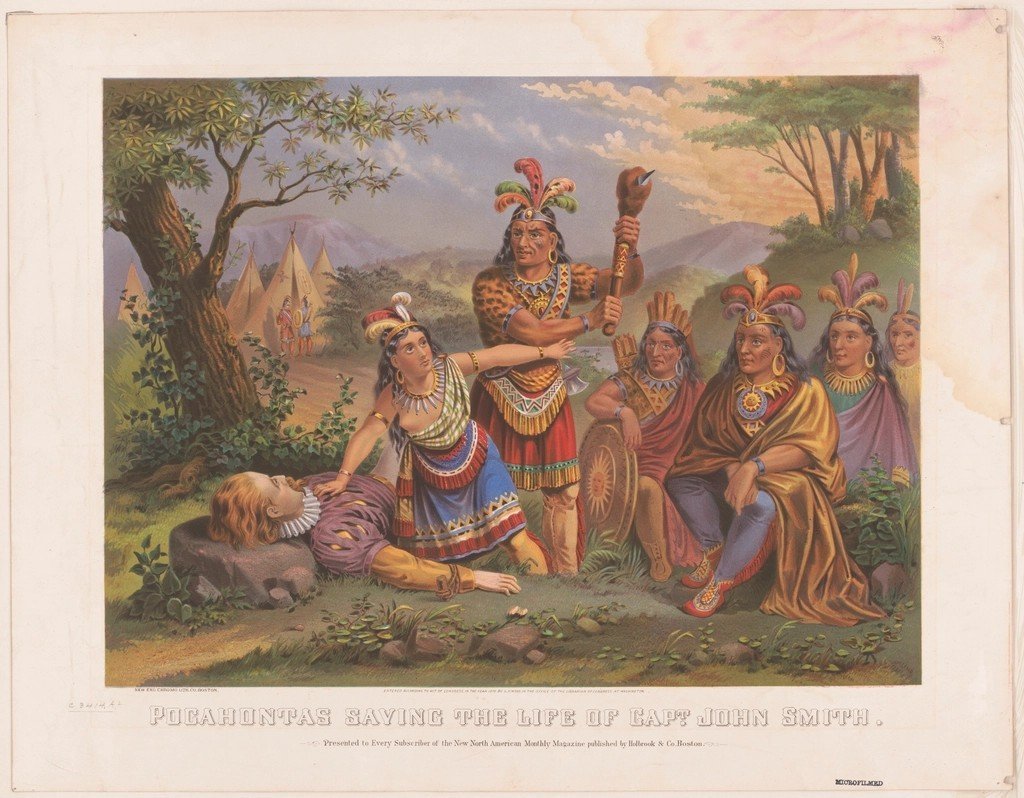
Disney shows a teenage Pocahontas romancing John Smith amid singing trees, ignoring her age of about 11 or 12 upon his arrival. The “saving” gesture was likely ceremonial, not literal rescue, and no romance occurred. Colonists planted corn in hills, not rows as depicted.[15][16]
Animators softened colonial clashes for family appeal, promoting harmony over conflict. It influenced generations to see early America as interracial idyll, downplaying tensions. Such tweaks prioritized wonder over grit.[17]
U-571 (2000)

American submariners seize the first Enigma machine from a U-boat, crediting the U.S. with a British achievement aboard HMS Bulldog in 1941. No Yankee crew pulled off such a raid; the film compresses multiple captures. Depth charge scenes defy physics of sub survivability.[18][19]
Writer Jonathan Mostow admitted fictionalizing for Hollywood heroism, sparking UK parliamentary ire. It skewed American views of codebreaking primacy, overshadowing Allied teamwork. Thrills demanded national glory.[20]
Pearl Harbor (2001)
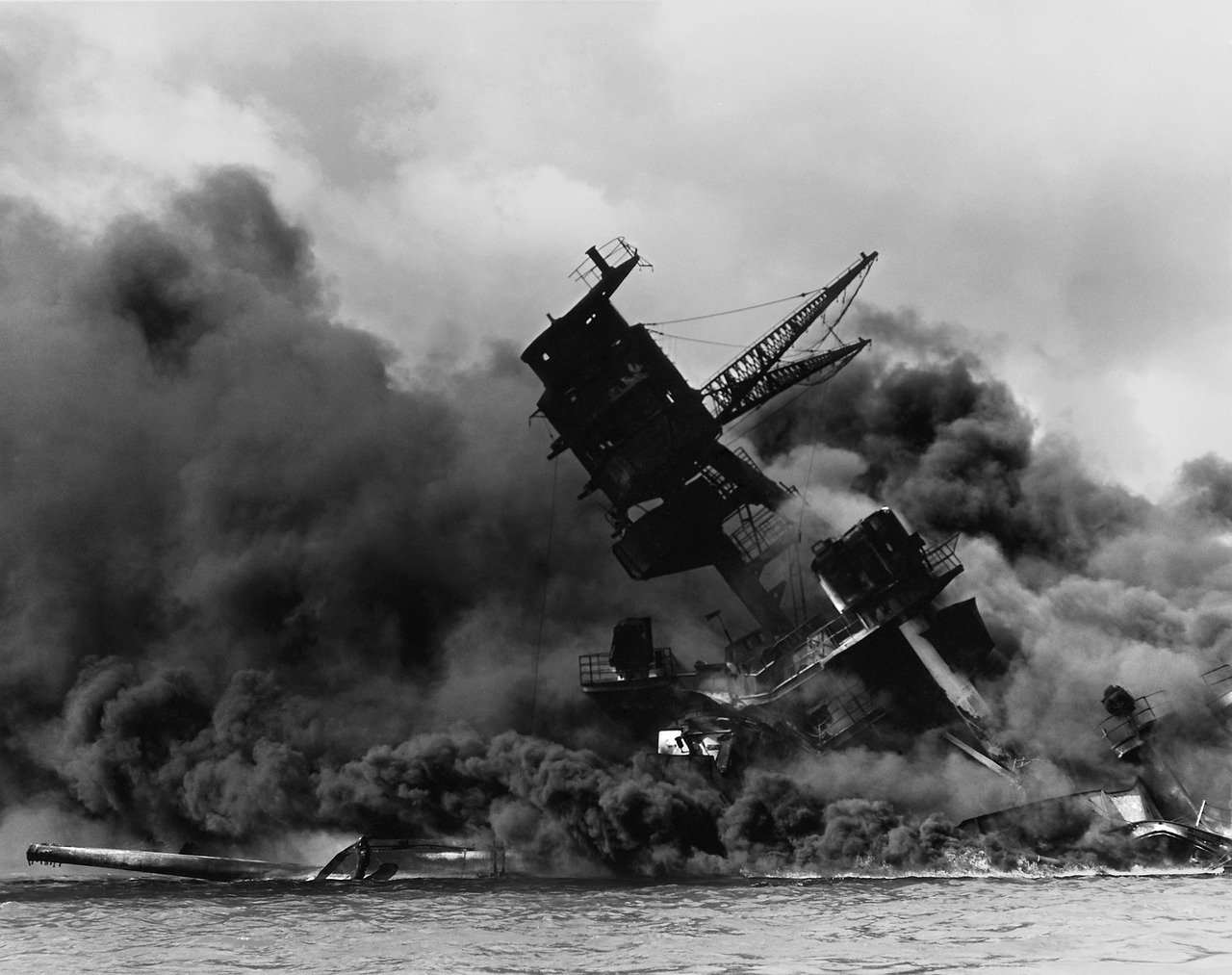
The Doolittle Raid follows immediately, with pilots using P-40s instead of B-25s launched from a carrier. Hospitals take direct hits unrealistically; real damage was limited. Fictional heroes eclipse actual aces like George Welch.[21][22]
Michael Bay focused on romance amid explosions, blending timelines for momentum. Viewers often recall its spectacle over facts, coloring WWII memories. Emotional beats outpaced chronology.[23]
Alexander (2004)
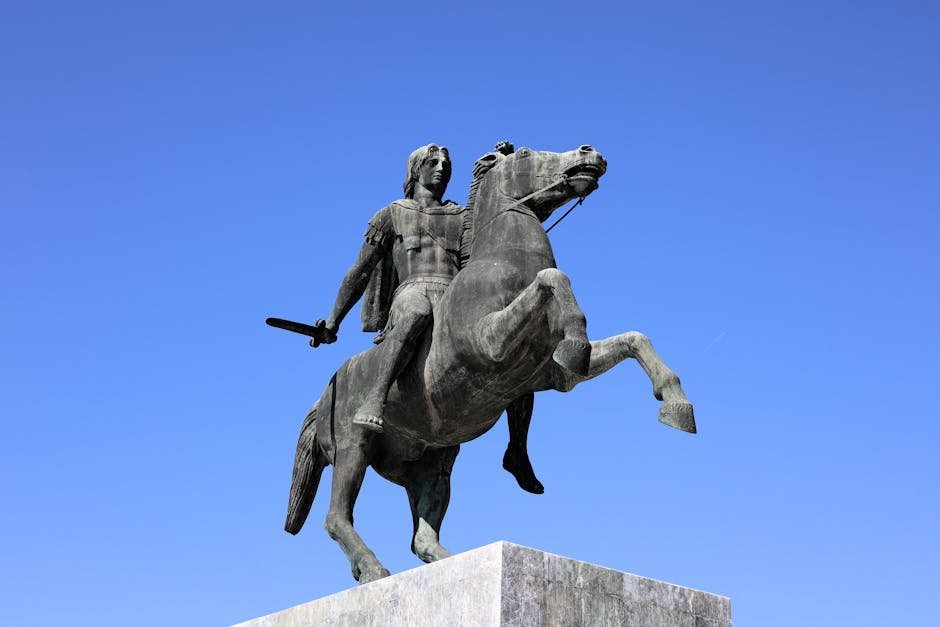
Oliver Stone’s epic mangles battles like Gaugamela and exaggerates Alexander’s relationships for psychodrama. The conqueror dies young as shown, but timelines and tactics stray from records. Bisexuality draws from sources yet amplifies controversy.[24][25]
Stone consulted experts but bent facts for character depth, facing backlash. It framed Alexander as tormented genius, influencing modern biographies. Ambition favored interpretation over strict recounting.[26]
The Last Samurai (2003)
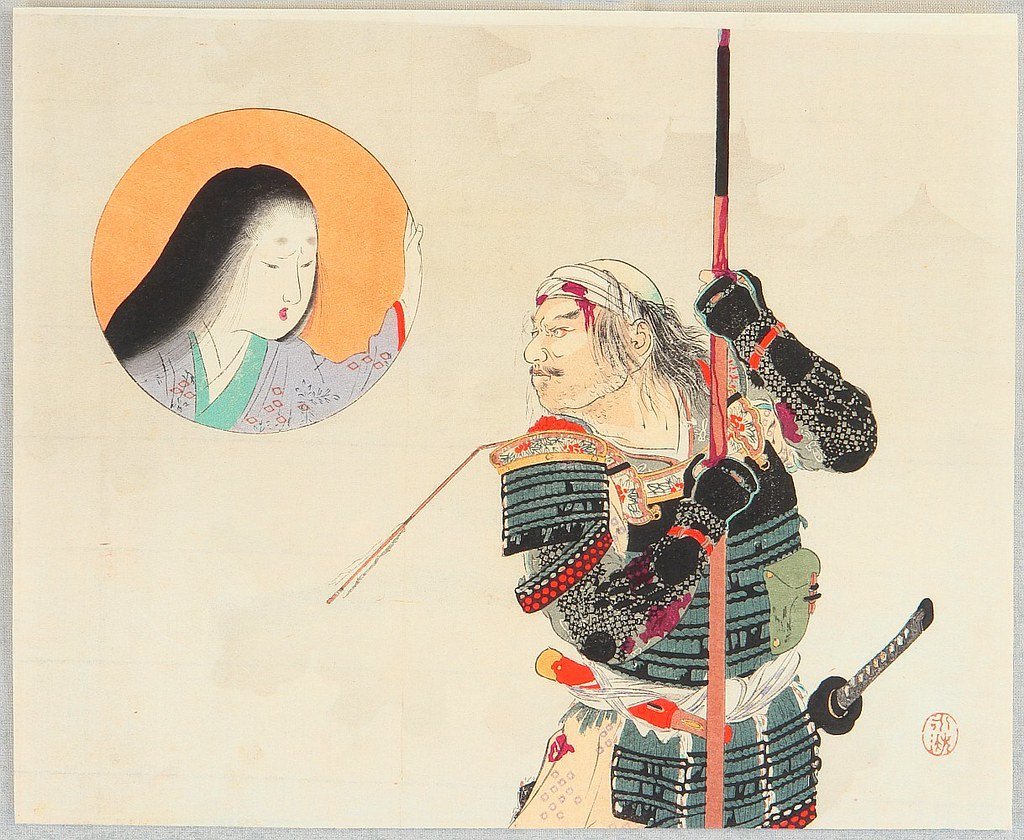
Tom Cruise becomes a white samurai aiding rebels against modernization, with no historical parallel. The Satsuma Rebellion involved Japanese leaders like Saigo Takamori, aided by French advisors, not Americans. Samurai charged modern guns futilely, as filmed, but context shifts.[27][28]
Director Edward Zwick romanticized bushido for outsider’s redemption arc. It popularized samurai lore unevenly, blending eras. Cultural epic needed a Western lens.[29]
Troy (2004)
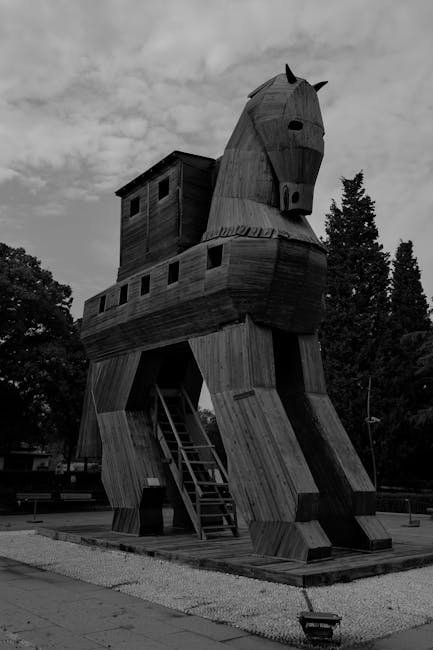
The war wraps in weeks, not Homer’s decade; Achilles dies from a heel arrow post-film. Bronze Age armor mixes with later Greek styles, and gods vanish for realism. Hector drags nobly, but Troy’s walls look impregnable wrongly.[30][31]
Wolfgang Petersen grounded myth in archaeology yet shortened for pace. It etched a godless Iliad in minds, altering epic perceptions. Streamlining served modern heroism.[32]
Conclusion

Films thrive on bold strokes, yet they mold collective memory amid factual trade-offs. Historians nudge toward nuance, but silver screen simplicity endures.
Entertainment’s pull versus accuracy’s demand leaves viewers wiser only if they dig deeper. The past deserves both thrill and truth, balanced somehow.

Christian Wiedeck, all the way from Germany, loves music festivals, especially in the USA. His articles bring the excitement of these events to readers worldwide.
For any feedback please reach out to info@festivalinside.com
