

For any feedback please reach out to info@festivalinside.com
Fictional characters from books have long transcended the pages they inhabit. Designers draw inspiration from their wardrobes, readers emulate their styles, and entire eras of fashion shift in subtle response.
These figures spark trends that echo through generations. Their visual signatures, born in prose, gain new life in film adaptations and runway revivals.[1][2]
Elizabeth Bennet from Pride and Prejudice
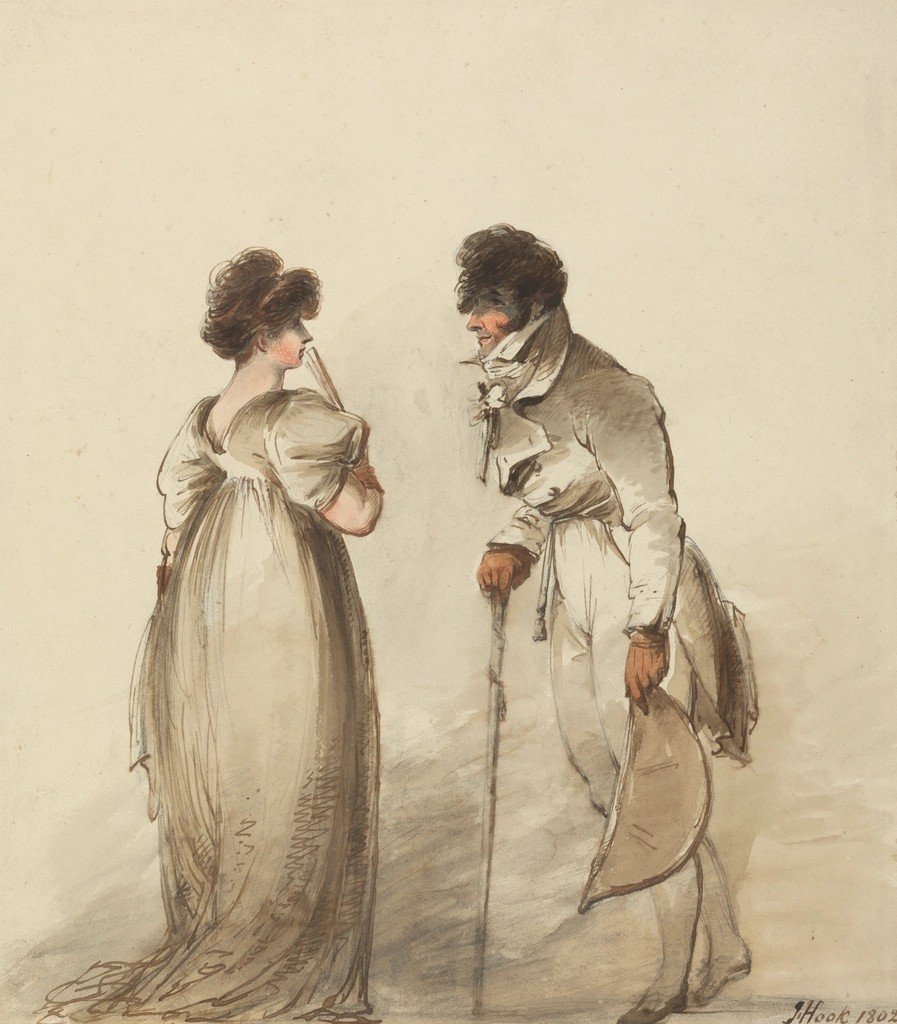
Elizabeth Bennet embodies Regency-era practicality with her high-waisted empire dresses and simple muslin gowns. Jane Austen’s heroine favors lightweight fabrics that allow freedom of movement, contrasting the rigid corsetry of the time. Her style reflects a spirited independence, often walking long distances in boots and spencers.
Modern adaptations, like the 2005 film with Keira Knightley, popularized flowing Regency silhouettes on red carpets and high streets. Designers reference her look for romantic blouses and bias-cut skirts that blend nostalgia with wearability. Elizabeth’s influence persists in bridal wear and cottagecore aesthetics.[1]
Jane Eyre from Jane Eyre
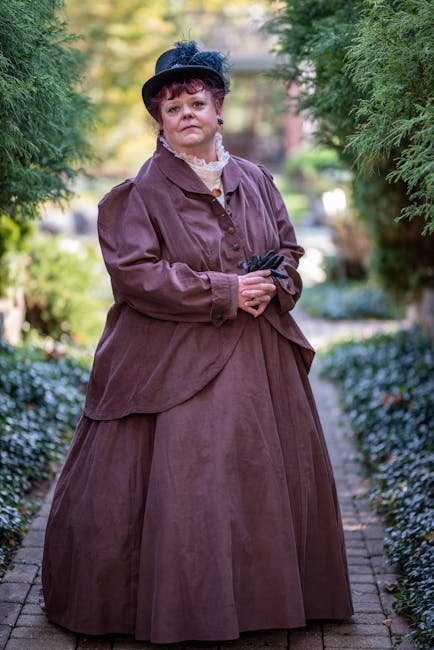
Jane Eyre’s wardrobe centers on modest grey wool dresses and plain white collars, symbols of her governess role and moral fortitude. Charlotte Brontë describes her attire as unadorned, emphasizing intellect over ornamentation in Victorian society. A single pearl necklace marks rare moments of elegance.
Film versions, including the 2011 adaptation with Mia Wasikowska, highlight this minimalism, inspiring minimalist fashion lines. Her style prefigures modern athleisure with its functional layers. Jane’s look influences sustainable fashion advocates who prioritize simplicity and ethics.[3]
Scarlett O’Hara from Gone with the Wind
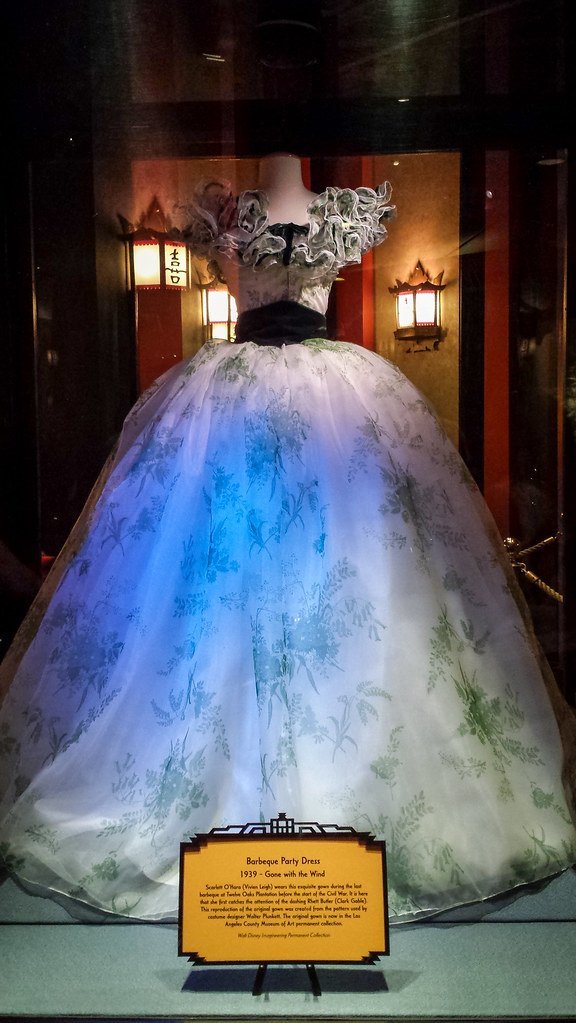
Scarlett O’Hara dazzles in antebellum hoop skirts, velvet gowns, and that infamous curtain dress fashioned from green drapery. Margaret Mitchell paints her as a resourceful Southern belle, layering ruffles and bustles amid Civil War scarcity. Her bold colors and dramatic silhouettes capture resilience.
Vivien Leigh’s portrayal in the 1939 film cemented Scarlett’s legacy, sparking revivals of hourglass silhouettes. Couturiers like Christian Dior nodded to her structured waists in New Look designs. Today, her DIY ethos resonates in upcycled fashion trends.[4]
Jay Gatsby from The Great Gatsby
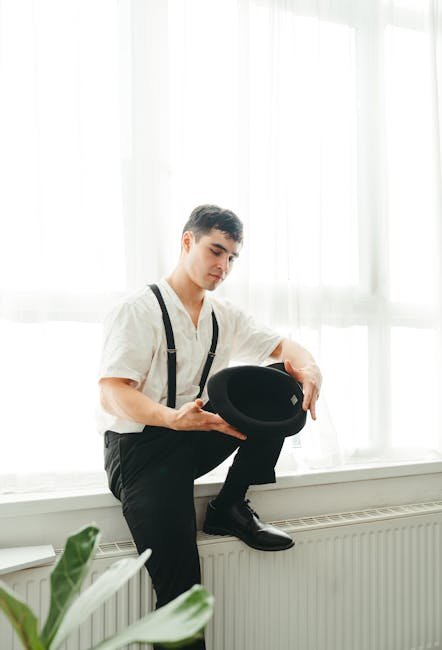
Jay Gatsby exudes Jazz Age opulence in bespoke white linen suits, silk shirts, and gold cufflinks. F. Scott Fitzgerald details his wardrobe as a facade of old money, with rose-colored vests and Panama hats. Every accessory screams excess amid 1920s excess.
Baz Luhrmann’s 2013 film with Leonardo DiCaprio reignited Gatsby suits on runways from Ralph Lauren to Gucci. Tailored blazers and pocket squares draw from his polished aesthetic. Gatsby’s influence shapes contemporary menswear, blending vintage flair with street style.[1]
Holly Golightly from Breakfast at Tiffany’s
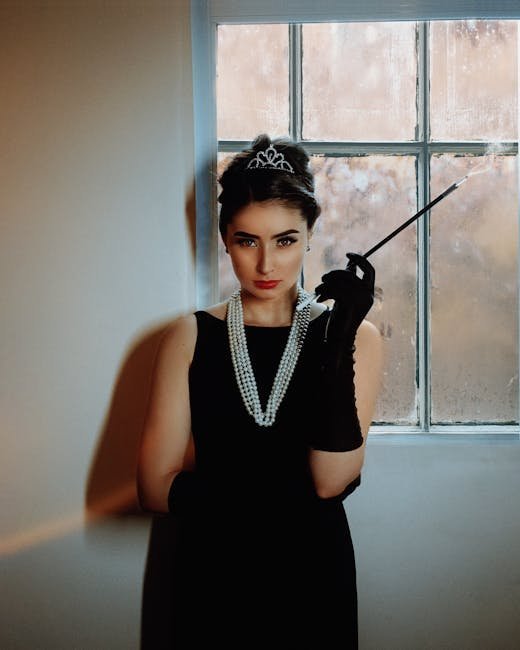
Holly Golightly defines mid-century chic with her little black dress, pearl necklaces, and oversized sunglasses. Truman Capote’s novella portrays her in cigarette holders and satin gloves, evoking New York glamour. Her look mixes whimsy with sophistication.
Audrey Hepburn’s 1961 film performance made the LBD iconic, inspiring Givenchy and countless replicas. Holly’s style fuels vintage revivals and minimalist evening wear. Sunglasses and shift dresses still nod to her effortless allure.[2]
Anna Karenina from Anna Karenina
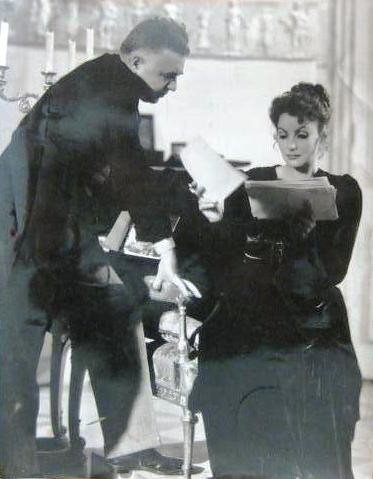
Anna Karenina glides through ballrooms in lavish velvet gowns and fur-trimmed cloaks, capturing Russian imperial elegance. Leo Tolstoy describes her hats adorned with feathers and jewels that turn heads. Her wardrobe mirrors her passionate turmoil.
Adaptations like the 2012 film with Keira Knightley amplified fur boas and corseted bodices in luxury fashion. Designers channel her drama in opulent outerwear. Anna’s legacy endures in red carpet gowns blending romance and rebellion.[3]
Dorian Gray from The Picture of Dorian Gray
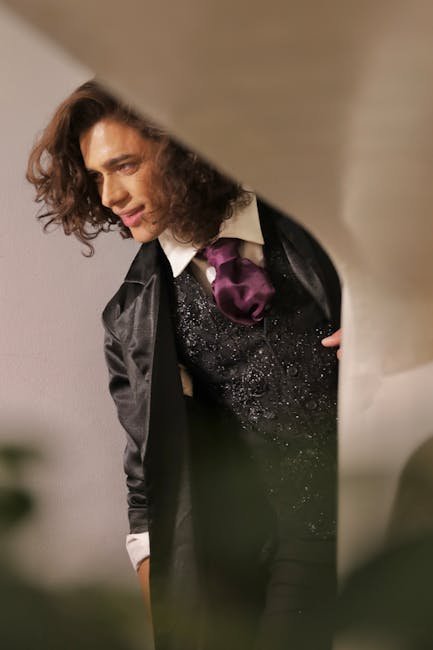
Dorian Gray personifies Aesthetic movement dandyism with velvet jackets, lace cravats, and languid poses. Oscar Wilde outfits him in peacock hues and embroidered waistcoats, rejecting Victorian restraint. His style celebrates beauty as art.
Film interpretations, such as the 2009 version, revive brocade and asymmetry in avant-garde collections. Gothic subcultures adopt his decadent layers. Dorian influences gender-fluid tailoring in today’s menswear.[2]
Katniss Everdeen from The Hunger Games
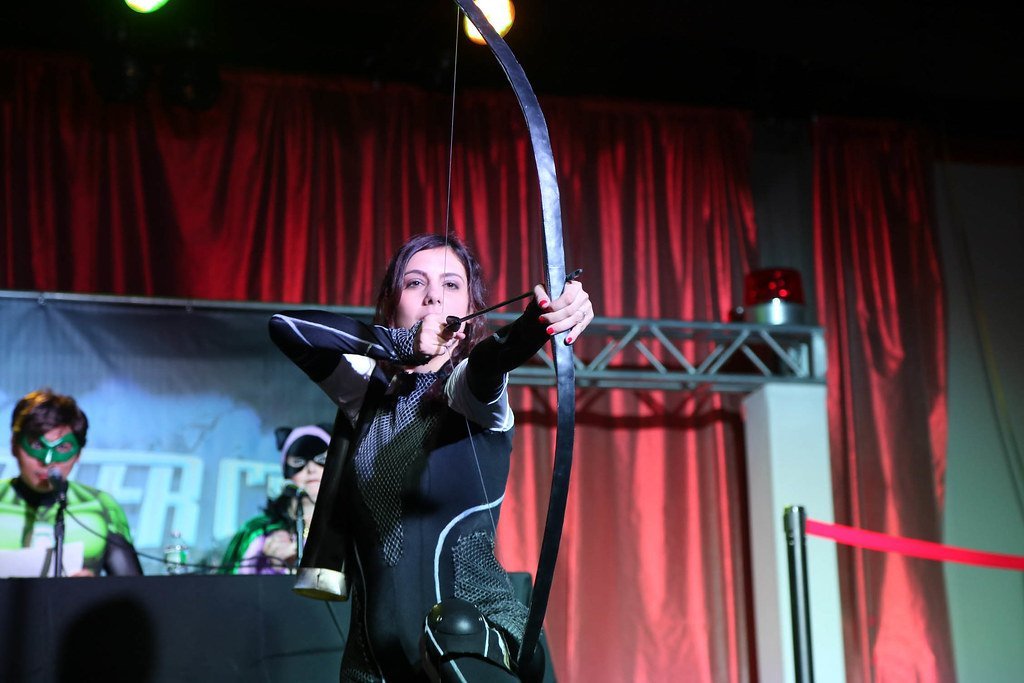
Katniss Everdeen sports practical archery jackets, braided hair, and mockingjay pins in dystopian gear. Suzanne Collins equips her with rugged pants and boots for survival. Her look fuses utility with subtle rebellion.
The film series starring Jennifer Lawrence popularized braid hairstyles and leather moto jackets worldwide. Activewear brands reference her for empowering athleisure. Katniss shapes eco-conscious, functional fashion for the modern adventurer.[5]
The Timeless Bond Between Books and Style
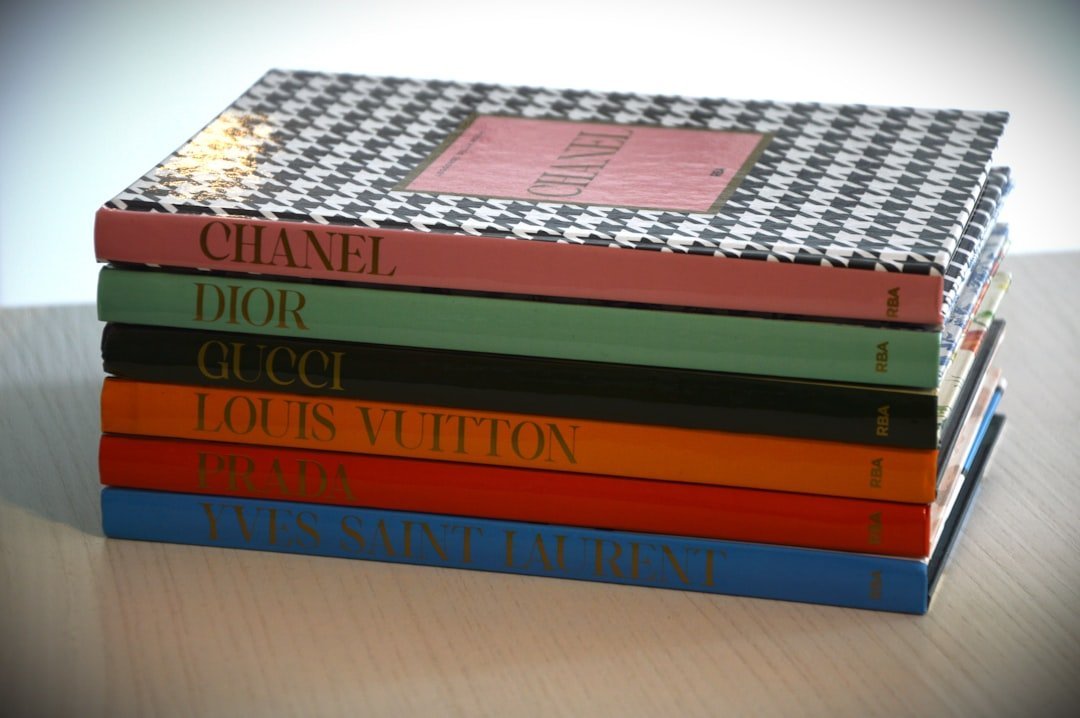
Literature and fashion intertwine in ways that redefine personal expression. Characters like these offer blueprints for identity, blending narrative with attire.
As trends cycle back, their influences remind us that style tells stories. What we wear carries echoes of imagined lives, inviting endless reinvention.

Christian Wiedeck, all the way from Germany, loves music festivals, especially in the USA. His articles bring the excitement of these events to readers worldwide.
For any feedback please reach out to info@festivalinside.com
