

For any feedback please reach out to info@festivalinside.com
Music videos burst onto the scene with MTV’s launch in 1981, turning raw choreography into instant global sensations. Artists captured precise steps on film, beaming them into homes worldwide and sparking waves of imitation among teens and kids alike.
These moves went beyond entertainment. They influenced street fashion, playground games, and even how youth bonded over shared rhythms, creating a visual language that crossed borders and lingered through decades.
The Moonwalk
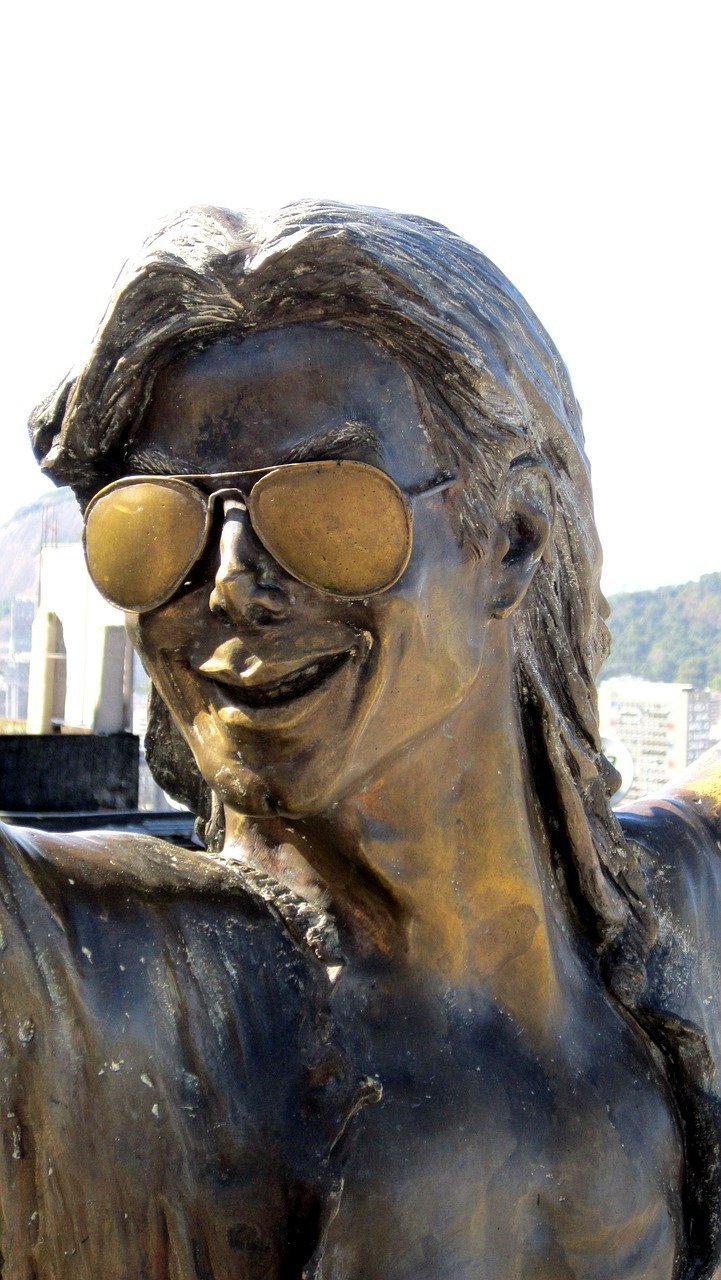
Michael Jackson unveiled the moonwalk in his 1983 “Billie Jean” video, gliding backward while appearing to walk forward under stark streetlights. The sleek black loafers and fedora added to the illusion, making it look effortless against the song’s pulsing beat. MTV’s nonstop rotation turned this solo trick into a must-master skill overnight.
Kids practiced on linoleum floors, mimicking Jackson’s precise foot slides during recess and parties. Live Motown 25 performance replays fueled the frenzy, cementing it as a symbol of 80s cool. Its simplicity let anyone try, yet perfection demanded practice, ensuring instant recognition decades later.
The Thriller Zombie Shuffle
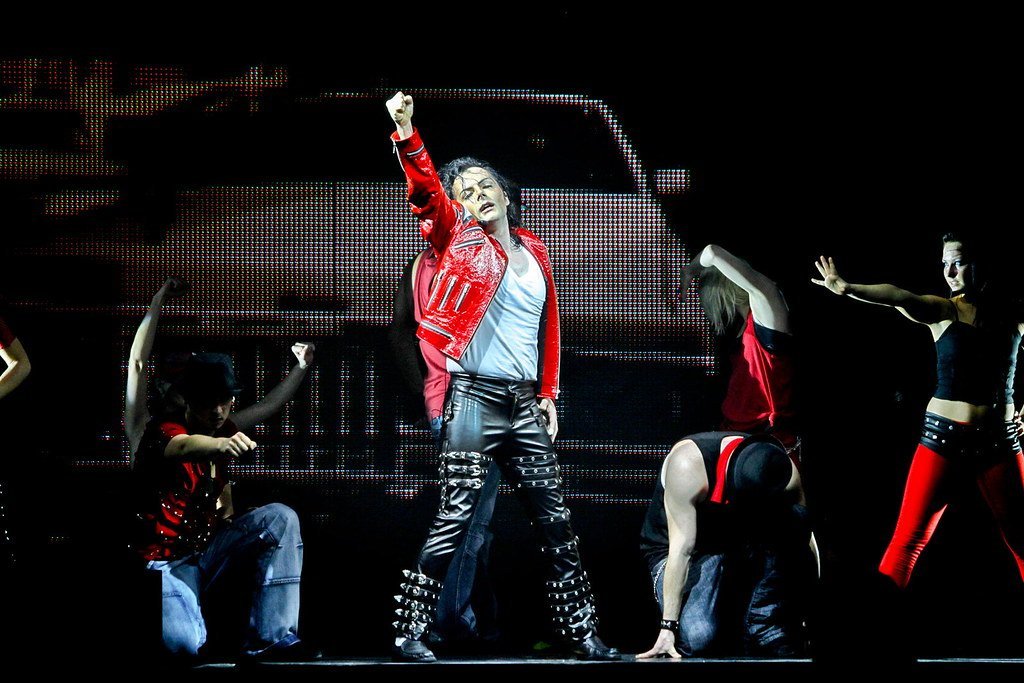
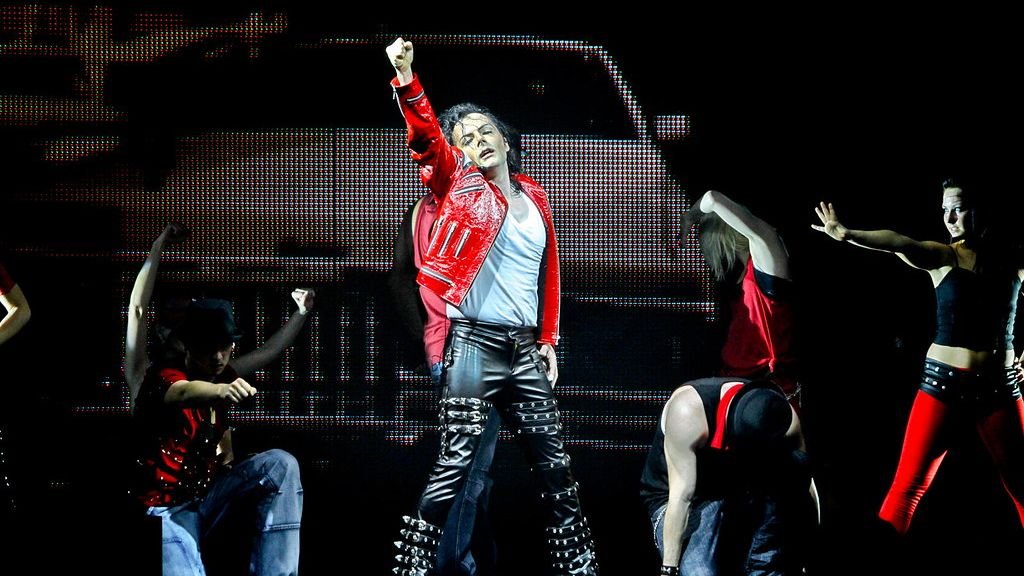
John Landis directed Michael Jackson’s 1983 “Thriller” as a 14-minute mini-movie, where Jackson leads zombies in synchronized arm thrusts and shoulder rolls amid foggy streets. The red jacket and eerie transformation hooked viewers, blending horror with pop. Heavy MTV airplay made group rehearsals a weekend ritual for friends everywhere.
Halloween parties recreated the shuffle lines, with white gloves and suits becoming staples. Jackson’s live tours amplified it, as crowds echoed the moves en masse. That jerky, undead precision stuck because it invited crowds to join, defining 80s dance floors.
The Anti-Gravity Lean
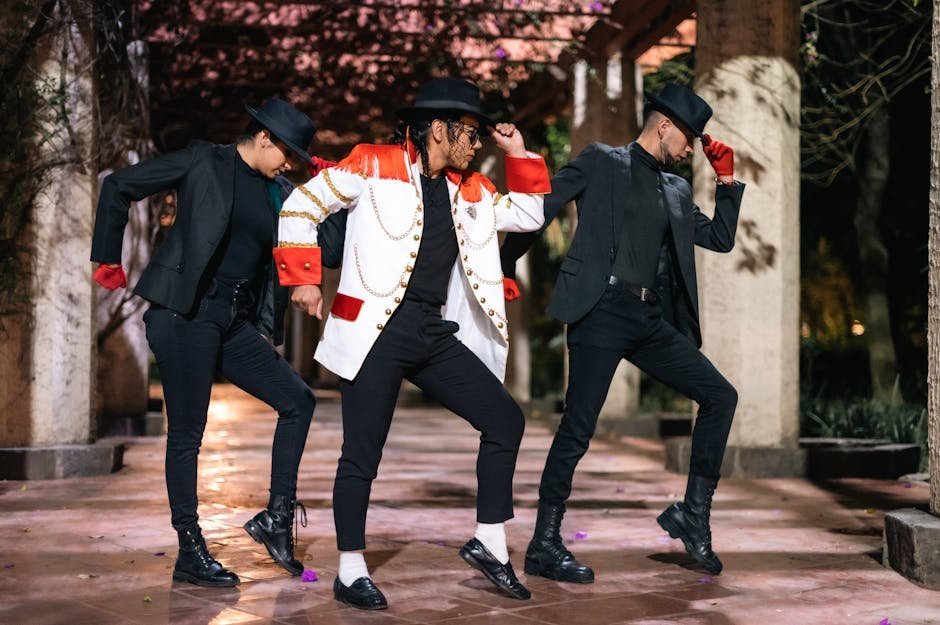
In the 1987 “Smooth Criminal” video, Michael Jackson and dancers tilt forward at impossible 45-degree angles in a speakeasy set, held by hidden wires. The white suit and fedora sharpened the stark lines against blue lighting. MTV treated it like a short film, replaying the lean endlessly to baffled fans.
Teens rigged door frames at home to copy the stunt, sharing tips in schoolyards. Jackson’s Dangerous tour live versions wowed arenas, sparking physics debates. Its defiance of gravity made it unforgettable, a trick still attempted at gatherings today.
The Hammer Shuffle
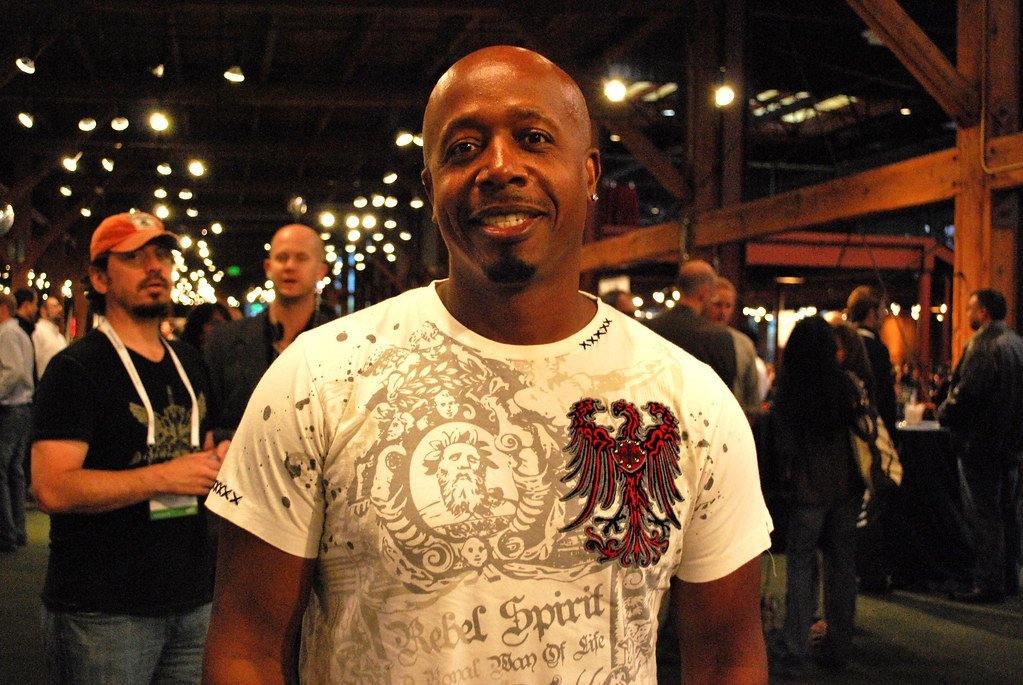
MC Hammer’s 1990 “U Can’t Touch This” video showcased baggy pants flowing during rapid side-to-side shuffles and typewriter taps on an invisible keyboard. Gold chains gleamed under bright lights as he hyped the sampled Rick James riff. MTV’s top rotation blasted it into every home, igniting playground challenges.
School dances featured lines of hammer shuffles, pants sagging comically wide. Hammer’s arena tours had crowds chanting “stop, hammer time” mid-move. The upbeat energy and loose clothes made it accessible, turning 90s parties into shuffle zones.
Voguing Poses
Madonna brought ballroom culture mainstream in her 1990 “Vogue” video, striking sharp hand frames and catwalk struts in black-and-white glamour shots. The house beat pulsed as she posed like supermodels against Vogue magazine covers. MTV looped it constantly, drawing straight and queer audiences alike.
Club kids imitated the dips and snaps at raves, blending it with everyday fashion. Madonna’s Blond Ambition tour live voguing electrified stadiums. Those dramatic freezes captured attitude, making voguing a pose for selfies long before social media.
The Macarena
Los Del Rio’s 1995 “Macarena” video mixed flamenco flair with arm waves, hip sways, and hand claps in sunny Spanish settings. The Bayside Boys remix added English lyrics, boosting its party vibe. Global TV channels, including MTV, played it non-stop at events and weddings.
Party lines formed worldwide, from proms to sports stadiums, as groups synced the flips over heads. Live festival versions kept crowds locked in step. Its foolproof sequence ensured everyone joined, marking 90s gatherings forever.
The Bye Bye Bye Wave
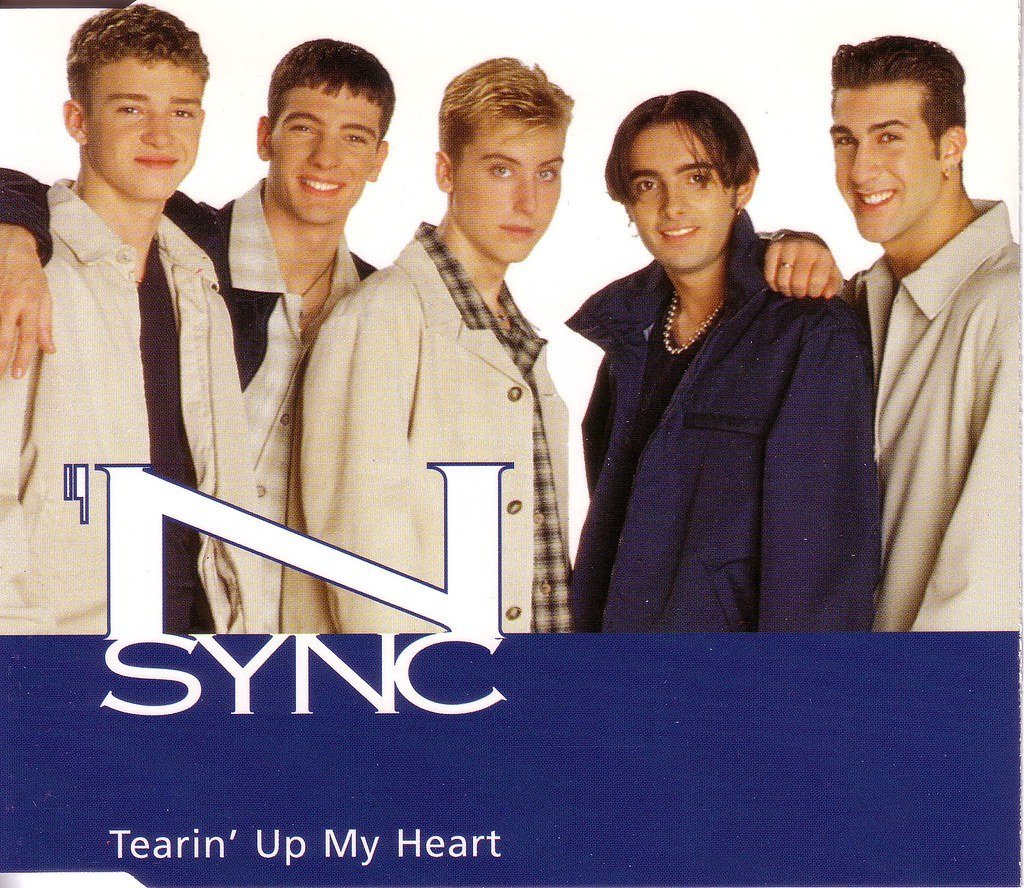
*NSYNC’s 2000 “Bye Bye Bye” video trapped the group in a box, unleashing synchronized shoulder pops, finger waves, and hip isolations amid watery effects. Justin Timberlake led the crisp boy band precision to the bubblegum hook. MTV’s TRL countdowns replayed it obsessively, fueling teen fan armies.
Girls choreographed mirror routines in bedrooms, performing at talent shows. VMAs live renditions had arenas waving in unison. The playful rejection theme paired with tight sync made it a breakup anthem move.
The Oops!… I Did It Again Jumps
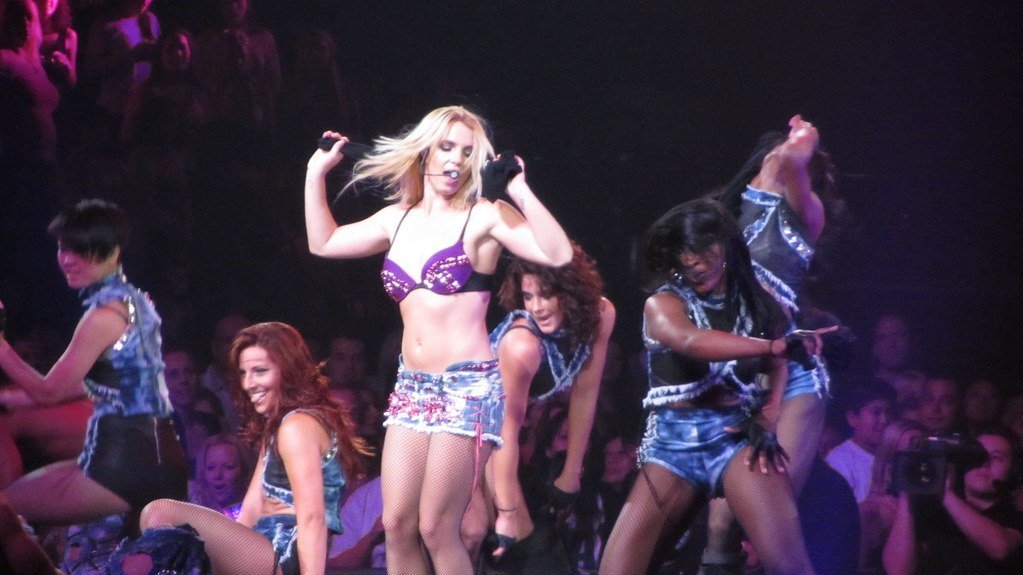
Britney Spears owned the 2000 “Oops!… I Did It Again” video in a red catsuit, leaping into splits and astronaut twirls on Mars with NSYNC cameos. The platform heels and sparkling suit amplified every bounce. MTV’s heavy rotation made teen girls obsess over the high-energy pops.
Sleepovers turned into jump rehearsals, outfits copied for school dances. Spears’ tour live versions scaled it up for coliseums. That bubbly confidence defined early 2000s pop innocence.
The Yeah! Shoulder Crank
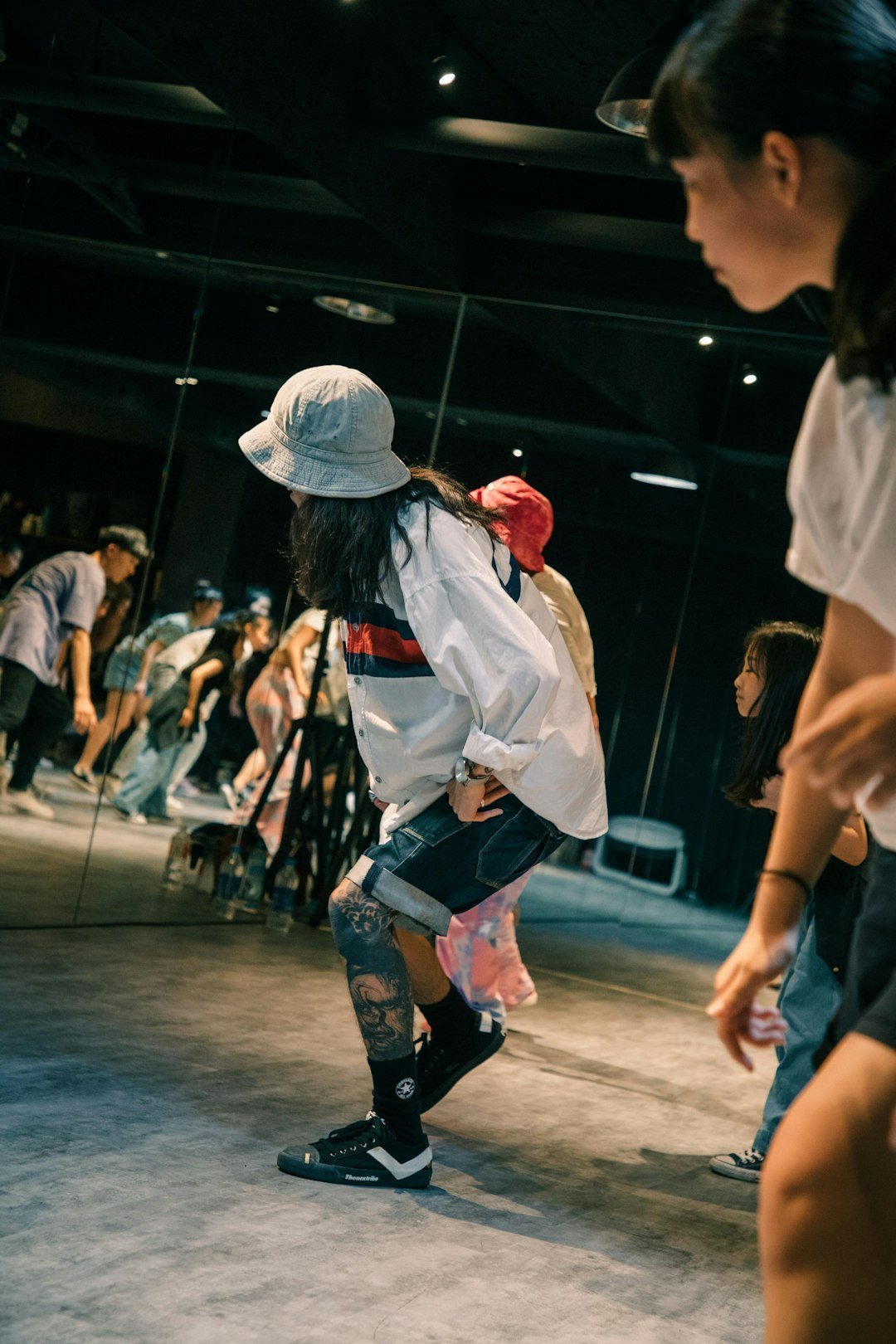
Usher’s 2004 “Yeah!” video lit up an Atlanta club with Lil Jon and Ludacris, cranking shoulders back in sync to crunk beats amid strobe lights. Leather jackets and chains added swagger. BET and MTV blasted it, dominating urban radio visuals.
Club-goers leaned and cranked in lines, spilling to house parties. Usher’s Evolution tour had fans echoing every twist. The raw party energy made it a staple for nights out.
The Promise Matrix Lean
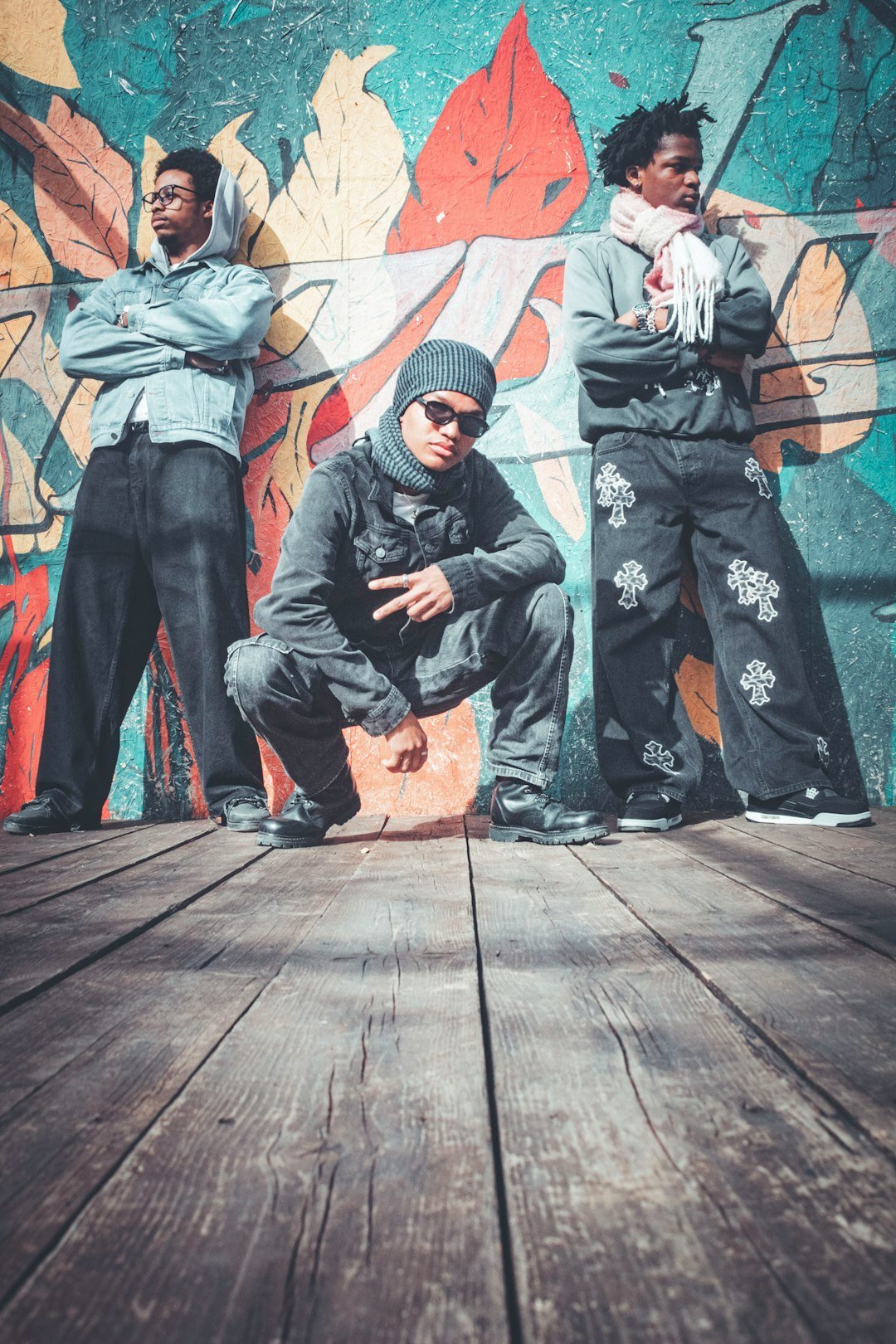
Ciara debuted the 2006 “Promise” video leaning backward like the Matrix bullet dodge, flowing into smooth body rolls in a dimly lit mansion. The R&B groove highlighted her curves and control. MTV Jams and BET rotation hyped the sultry precision.
Dance crews broke it down online early, inspiring bedroom tutorials. Live award show versions drew cheers for the slow-motion effect. Its sensual control marked mid-2000s R&B sensuality.
The Single Ladies Arm Jerk
Beyoncé’s 2008 “Single Ladies (Put a Ring on It)” video featured three dancers in leotards jerking arms side-to-side with fierce heel drops to the empowerment anthem. Minimalist black sets focused on sharp isolations. MTV and YouTube exploded it globally.
Women formed circles at clubs, snapping fingers in sync. VMAs live performance with gold gloves went viral pre-TikTok. The sassy independence resonated, empowering group dances everywhere.
The Crank That Superman

Soulja Boy’s 2007 “Crank That (Soulja Boy)” video taught the shoulder lean into superman swoops and spins in suburban backyards. The DIY Chicago house beat invited replication. YouTube and BET pushed it from underground to mainstream.
Teens filmed their versions on flip phones, spreading regionally then national. House party cyphers featured superman battles. Its instructional hook made cranking a self-taught rite for late 2000s youth.
Choreography as Pop Culture’s Shared Memory
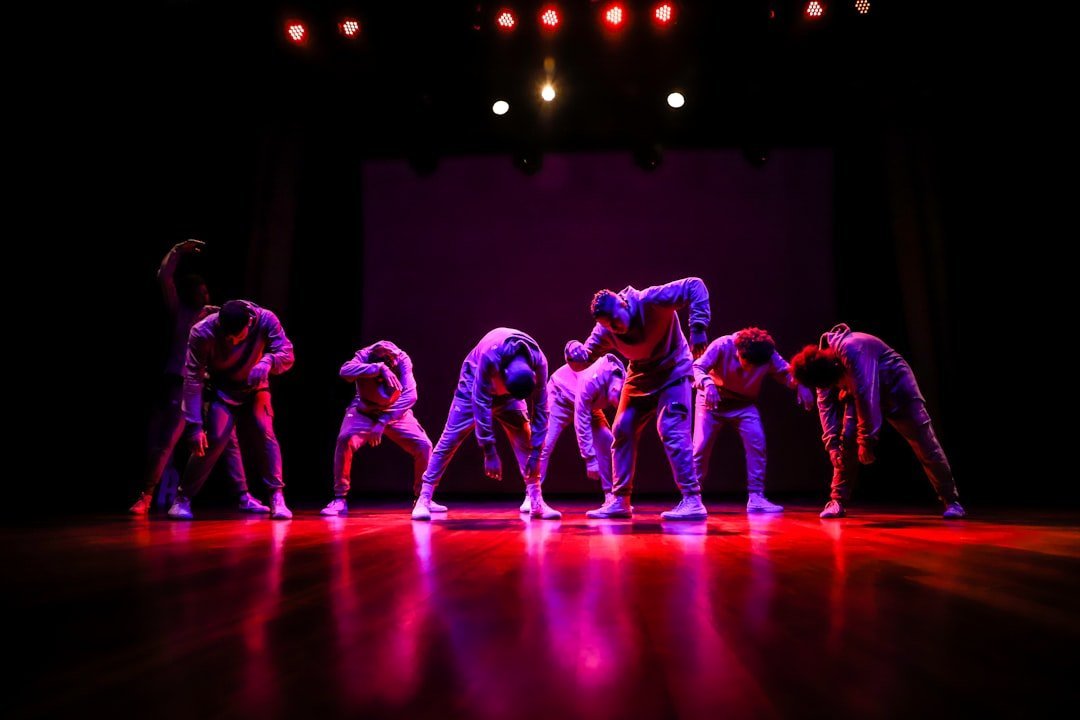
These moves etched themselves into collective recall, revived at reunions or viral challenges. They remind us how videos built tribes across screens.
Today, new generations remix them, proving dance endures as pop’s universal dialect. Try one next time a classic drops, it might just pull you back in time.

Christian Wiedeck, all the way from Germany, loves music festivals, especially in the USA. His articles bring the excitement of these events to readers worldwide.
For any feedback please reach out to info@festivalinside.com
