

For any feedback please reach out to info@festivalinside.com
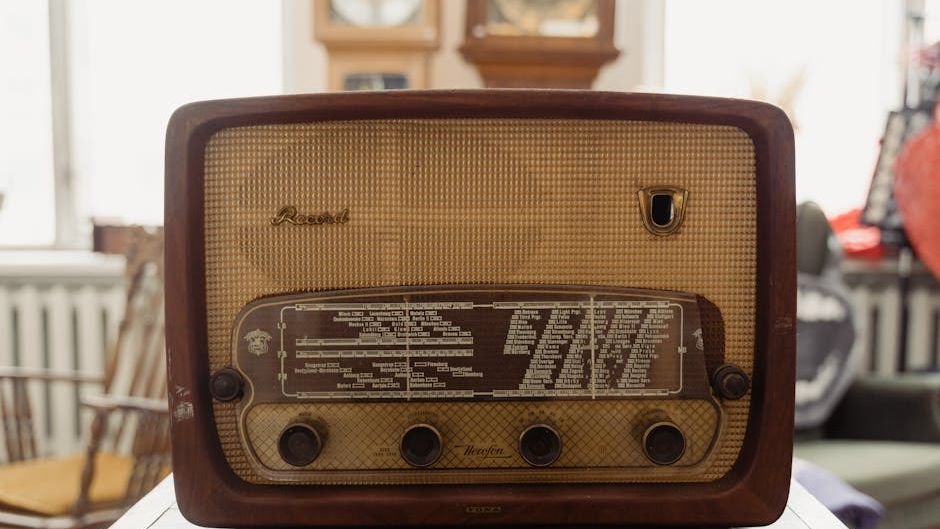
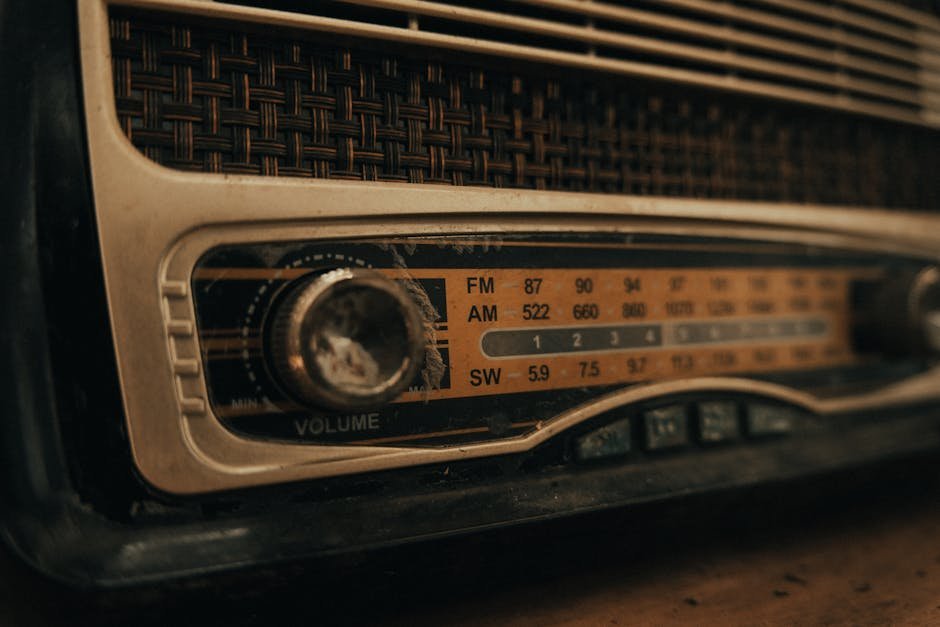
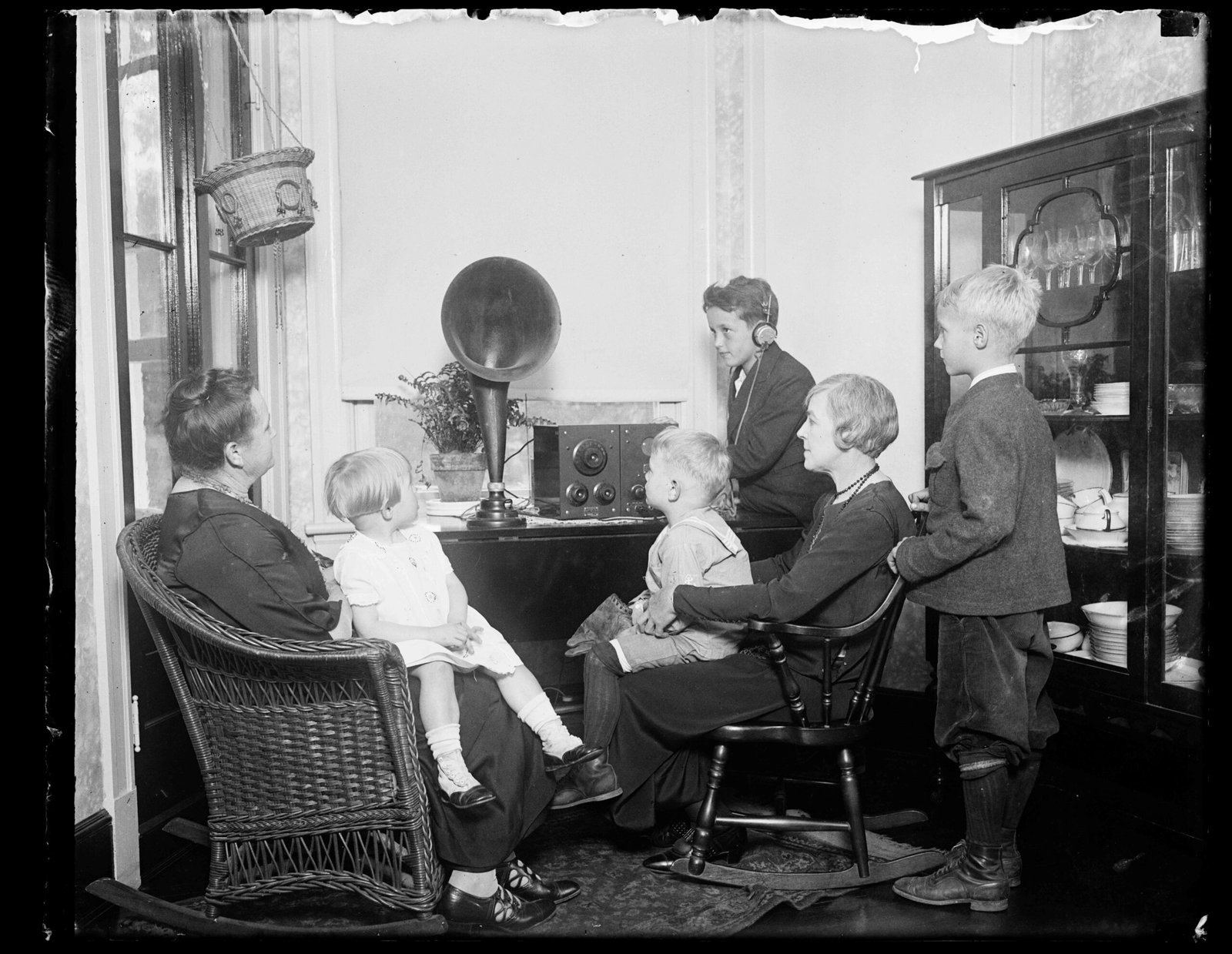
Before television drew eyes to glowing screens in American homes, radio dramas ruled the airwaves during the 1930s through the 1950s. Families huddled around bulky receivers each evening, transported by voices and sounds alone into realms of mystery and adventure. This period crafted storytelling norms that television eagerly adopted, from tight pacing to cliffhanger endings.[1][2]
Radio fostered vast shared audiences, with millions tuning in weekly to serialized tales that built unbearable suspense. Listeners debated plots at work and school, much like water cooler talk for modern shows. These broadcasts laid the groundwork for national cultural moments long before prime-time TV.[1]
Orson Welles and “The War of the Worlds”
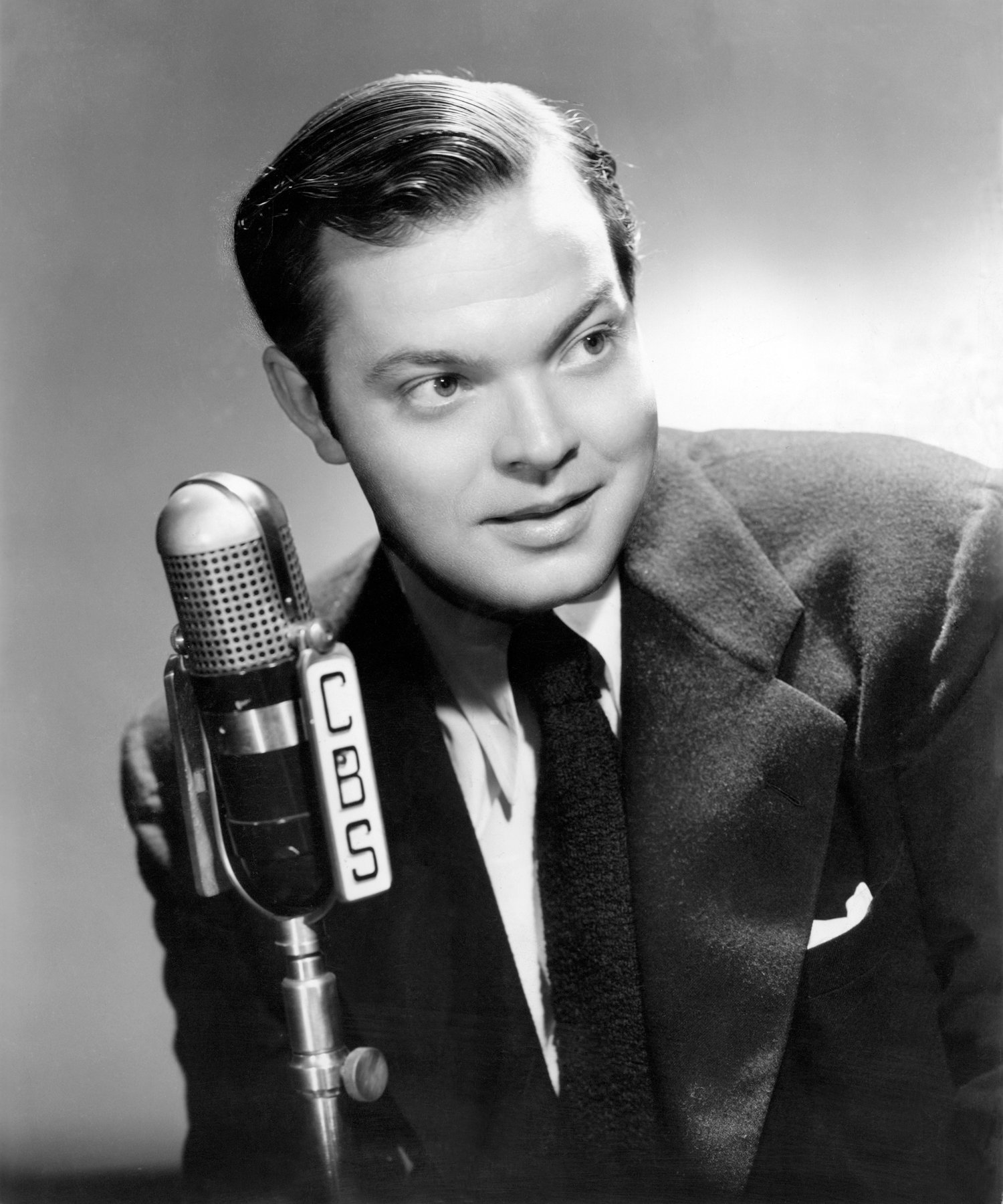
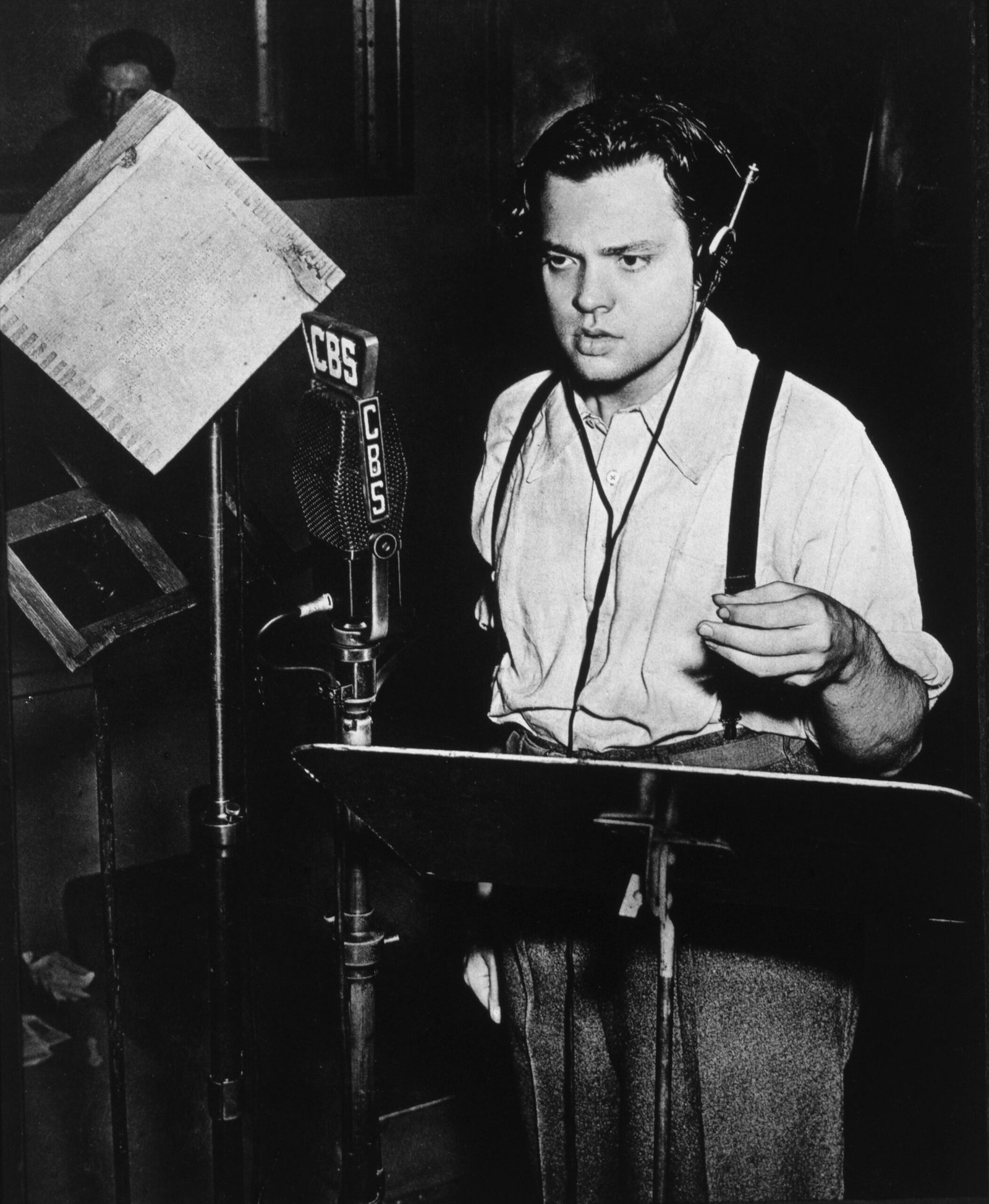
Orson Welles directed and starred in the Mercury Theatre on the Air’s adaptation of H.G. Wells’s novel on October 30, 1938, presenting a Martian invasion as faux news bulletins. The broadcast sparked widespread panic among some listeners who mistook it for reality, highlighting radio’s immersive power. This event showcased innovative scripting that blurred fiction and fact, drawing national headlines and scrutiny.[3])[4]
Welles’s techniques influenced cinema, as seen in his later film Citizen Kane, where layered audio and dramatic tension echoed radio roots. Television borrowed the urgent, realistic narration for news-style dramas and sci-fi anthologies. The incident underscored radio’s ability to command attention, paving ways for visual media’s suspense builds.[5]
The Shadow’s Commanding Presence
Debuting in 1937, “The Shadow” featured a crime-fighting vigilante whose chilling tagline introduced episodes from 1930 onward as a magazine narrator. Orson Welles voiced Lamont Cranston early on, embodying the character’s ability to “cloud men’s minds.” The show ran until 1954, blending pulp adventure with psychological intrigue that captivated weekly listeners.[6]
Its shadowy anti-hero archetype shaped comic books and films like Batman, while radio’s voice modulation techniques carried into film noir voiceovers. Television crime series adopted the mysterious narrator for shows like The Fugitive. “The Shadow” proved single voices could dominate drama, influencing how TV built enigmatic protagonists.[7])
Suspense: Masters of Tension
Launching on CBS in 1942, “Suspense” delivered anthology tales of psychological thrillers and noir, running until 1962. Hollywood stars often guest-starred, lending prestige to half-hour episodes packed with twists. The format emphasized building dread through pacing and reveals, defining radio’s suspense genre.[8])[9]
This blueprint fed into television’s Alfred Hitchcock Presents and The Twilight Zone, where twist endings became staples. Cinema suspense films drew from its economical storytelling, proving visuals weren’t essential for chills. “Suspense” elevated radio drama’s reputation for high-stakes narratives that TV refined with images.[10]
Inner Sanctum Mysteries’ Eerie Welcome
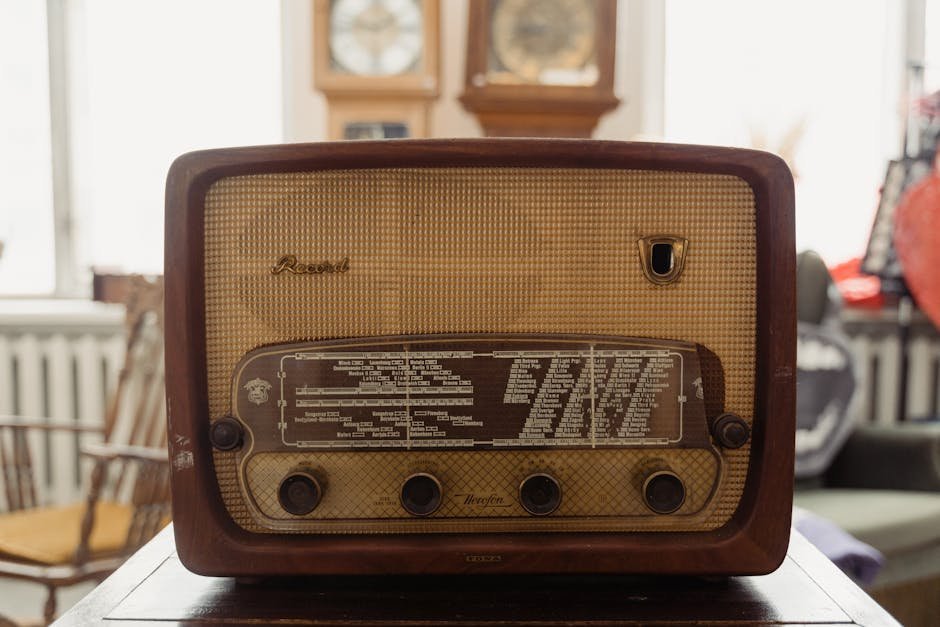
From 1941 to 1952 on NBC and CBS, “Inner Sanctum Mysteries” opened with a creaking door and wry host remarks, framing horror and detective stories. Episodes explored terror through everyday settings turned sinister, relying on atmospheric buildup. The series became synonymous with radio chills, airing hundreds of tales.[11]
Its horror anthology style influenced TV’s Thriller and One Step Beyond, blending camp with genuine frights. Film adaptations of similar mysteries echoed the door motif and host narration. “Inner Sanctum” taught that suggestion outperformed gore, a lesson cinema and television still apply in subtle scares.[12]
Lux Radio Theatre’s Hollywood Allure
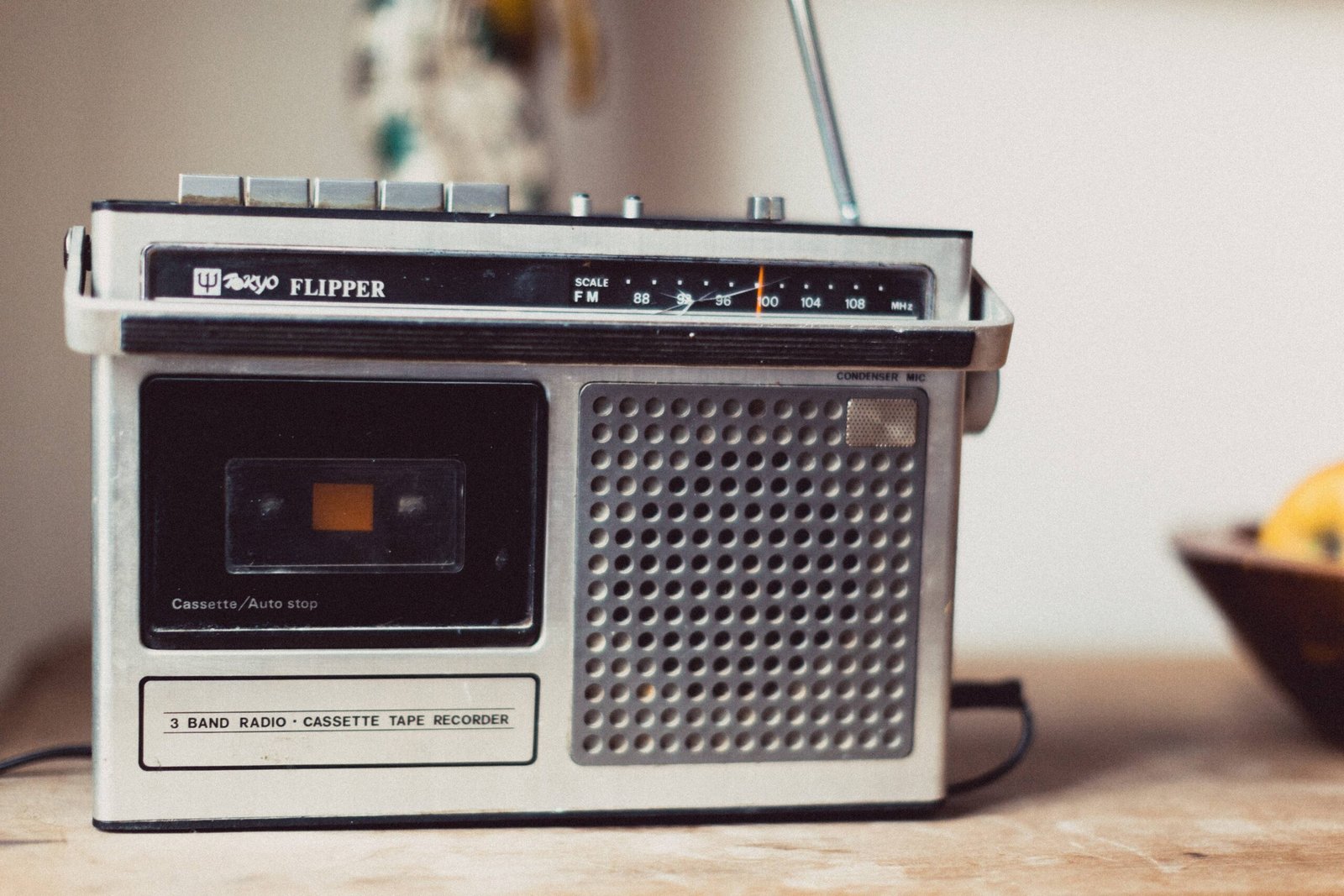
Starting in 1934, Lux Radio Theatre adapted recent films with original stars like Clark Gable and Marlene Dietrich reprising roles live. Cecil B. DeMille hosted many episodes, drawing massive audiences through celebrity draw. The show bridged stage and screen, condensing movies into hour-long broadcasts.[13]
This star-driven format prefigured television’s reliance on familiar faces for drama series. Cinema benefited from radio exposure, boosting ticket sales for adapted films. Lux demonstrated drama’s portability, smoothing radio’s transition into TV’s visual celebrity culture.[14]
Live Sound Design Innovations
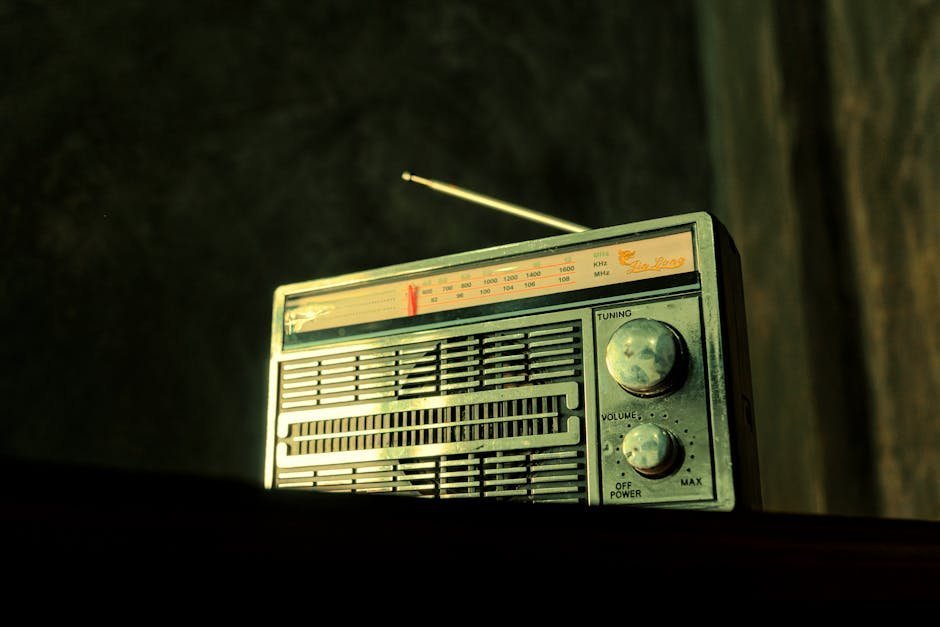
Golden Age engineers crafted footsteps from coconut shells, gunshots from slamming books, and winds from fans over mics, all live during broadcasts. Orson Welles layered effects for depth, turning invisible scenes vivid. These Foley precursors made radio theater for the mind a reality.[15][16]
Film sound editing evolved directly from these methods, as in Welles’s movies and post-war Hollywood. Television sound mixes retained the emphasis on immersive effects for drama. Radio’s audio artistry proved sound could rival visuals, shaping cinematic techniques still in use.[5]
Serialized Suspense and Audience Bonds
Catalog: https://lccn.loc.gov/2016894380
Image download: https://cdn.loc.gov/service/pnp/hec/45100/45134v.jpg
Original url: https://www.loc.gov/pictures/item/2016894380/, Public domain)
Shows like soap operas and adventure serials ended episodes on cliffhangers, hooking listeners for next week’s installment. This format created communal rituals, with families and neighbors sharing anticipation nationwide. Radio’s serialization built loyalty unmatched until TV soaps.[2]
Television prime-time serials like Dallas mirrored this weekly pull, while cinema franchises adopted ongoing arcs. The technique fostered “appointment listening,” evolving into binge culture. Radio participation came through collective imagination, influencing how media engages masses.[15]
Radio Drama’s Continuing Legacy
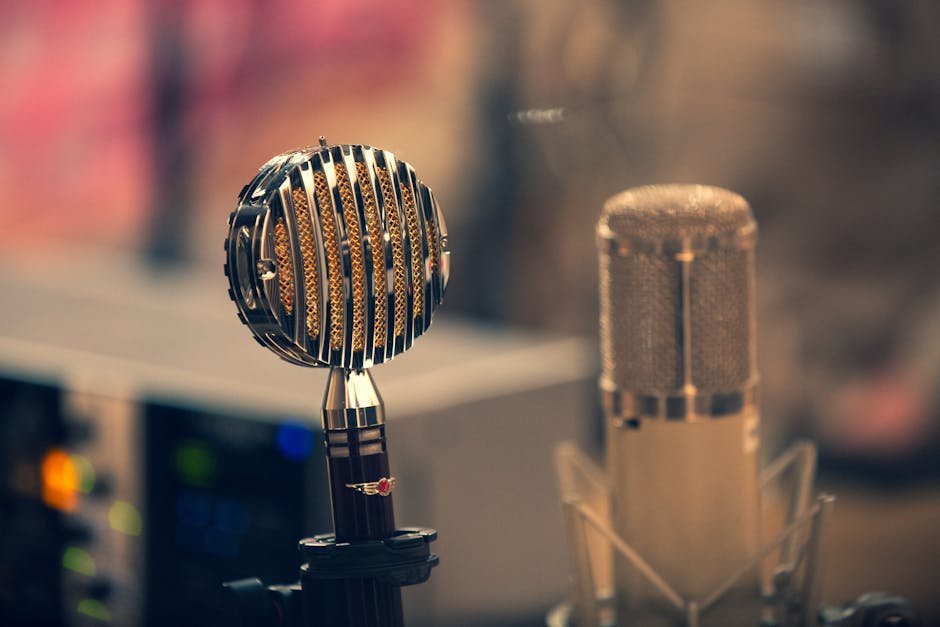
The Golden Age’s audio-first tales echo in today’s podcasts, where shows like The NoSleep Podcast revive suspense anthologies. Sound design remains central, with creators nodding to creaking doors and layered effects. Serialized formats thrive in audio fiction, drawing global listeners sans screens.
Television and cinema owe their narrative tension to radio pioneers, yet pure audio endures for its intimacy. In a visual-saturated world, these dramas remind us stories need no images to grip the soul. Their techniques quietly power modern entertainment, proving the ear’s imagination outpaces the eye.[17]

Christian Wiedeck, all the way from Germany, loves music festivals, especially in the USA. His articles bring the excitement of these events to readers worldwide.
For any feedback please reach out to info@festivalinside.com
