

Cultural shifts have long reshaped clothing norms, turning garments into markers of social change. What starts as a response to war, technology, or rebellion often becomes everyday wear, influencing generations.
From liberating silhouettes to blurring gender lines, these transformations reflect broader societal evolutions. Fashion rarely stands still, adapting to the times in ways that redefine personal expression.
Paul Poiret Abolishes the Corset (Early 1900s)
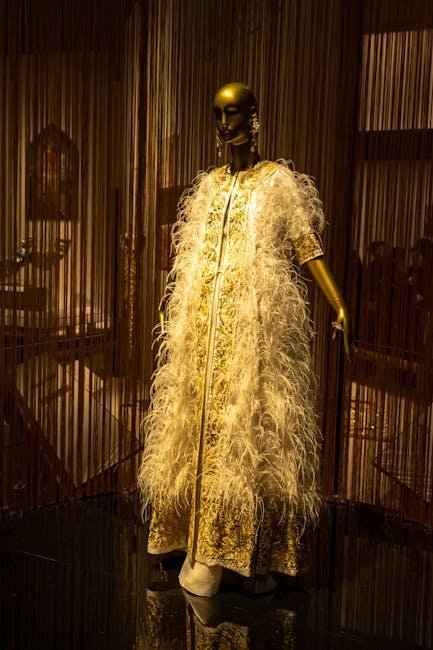
Paul Poiret revolutionized women’s fashion by rejecting the restrictive corset around 1906, favoring draped designs like hobble skirts and harem pants. His approach drew from Eastern influences and emphasized comfort over constriction, aligning with emerging ideas of female liberation. He also pioneered fashion shows and editorials, such as the 1911 photoshoot by Edward Steichen for Art et Décoration, elevating clothing to art.[1][2]
This shift marked the end of the S-bend silhouette, paving the way for looser, modern forms. Poiret’s innovations laid the groundwork for the ready-to-wear industry and designer branding. Today, his legacy lives in fluid, body-positive styles that prioritize movement.
Coco Chanel Unveils the Little Black Dress (1926)

In 1926, Coco Chanel introduced the little black dress through an illustration in American Vogue, challenging the idea that black suited only servants or mourning. The simple, knee-length design captured the Roaring Twenties’ liberated spirit, promoting accessible elegance for all classes. It flipped traditional color hierarchies in women’s wardrobes.[1]
The LBD became a timeless staple, influencing minimalist aesthetics across decades. Chanel’s egalitarian vision democratized high fashion, making sophistication everyday. Its versatility endures in modern closets, from casual to formal occasions.
Christian Dior Launches the New Look (1947)
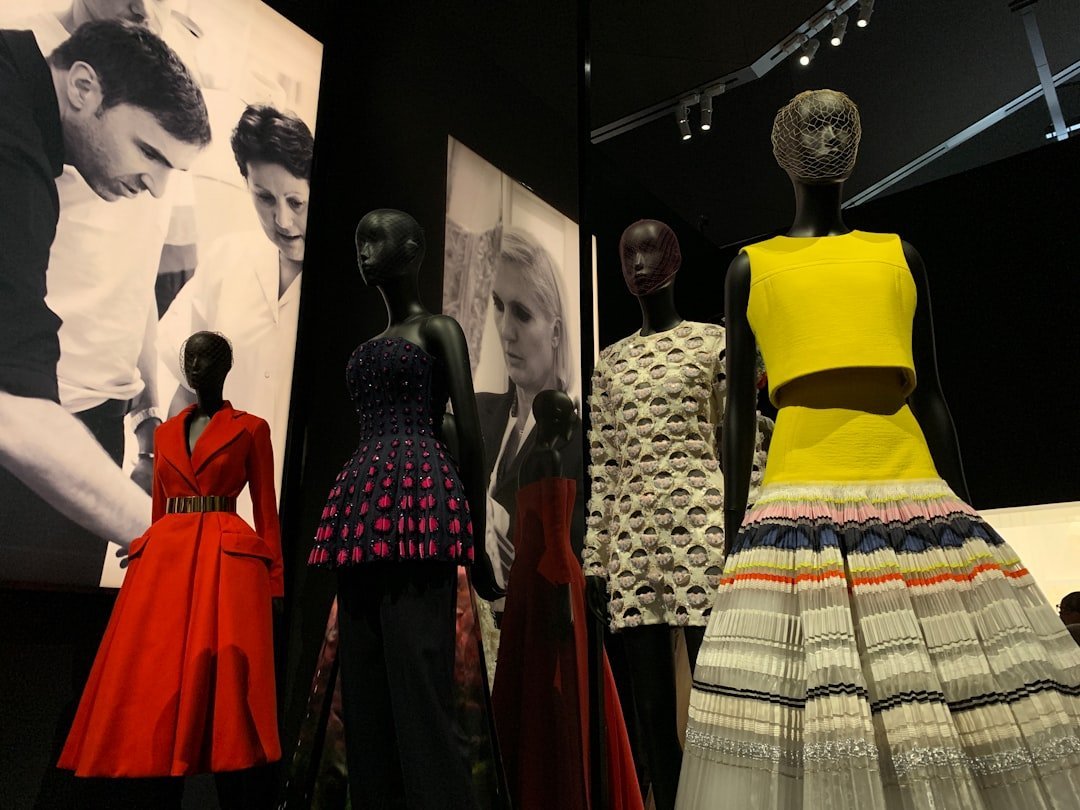
Christian Dior’s 1947 debut collection at 30 Avenue Montaigne featured full skirts, cinched waists, and padded shoulders, contrasting wartime rationing with feminine opulence. Known as the “New Look,” it included 90 looks like the Bar suit, signaling post-war optimism and luxury. Women embraced it despite fabric shortages, viewing it as a return to joy.[1][2]
This moment redefined the feminine silhouette, boosting haute couture’s revival. It influenced skirt lengths and proportions for years, embedding hourglass shapes in popular culture. The New Look’s emphasis on extravagance still echoes in contemporary evening wear.
Louis Réard Invents the Bikini (1946)
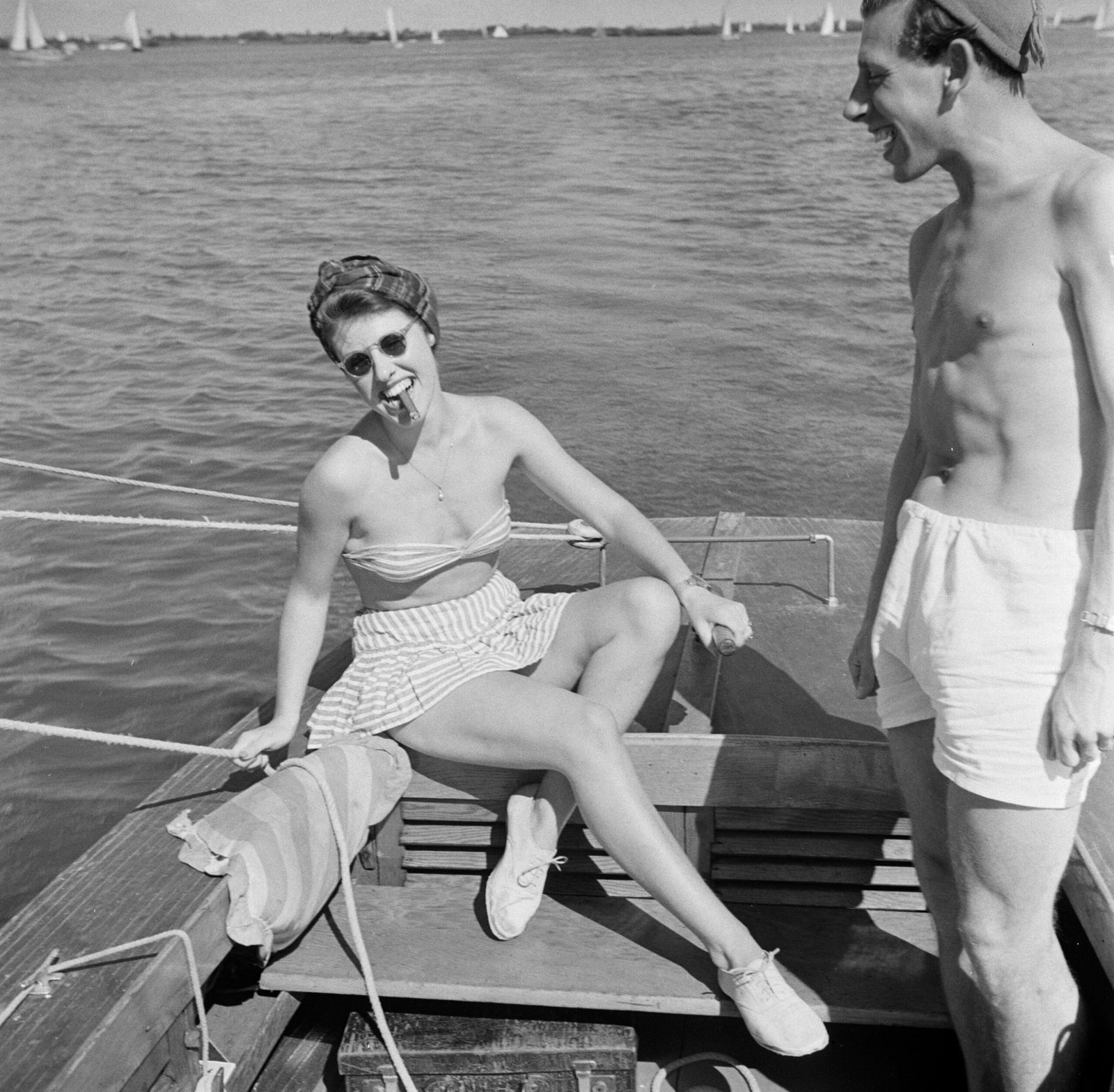
In 1946, Louis Réard unveiled the bikini, a two-piece swimsuit smaller than prior designs like Jacques Heim’s Atome, named after a nuclear test site for its explosive impact. It challenged modesty norms amid post-war freedom, initially shocking audiences. Practicality met daring exposure, altering beachwear forever.[3]
The bikini normalized revealing swimwear, empowering body confidence and leisure culture. It spurred a global industry of diverse styles and sizes. Today, its influence persists in sporty and fashionable beach attire worldwide.
Mary Quant Popularizes the Miniskirt (1965)
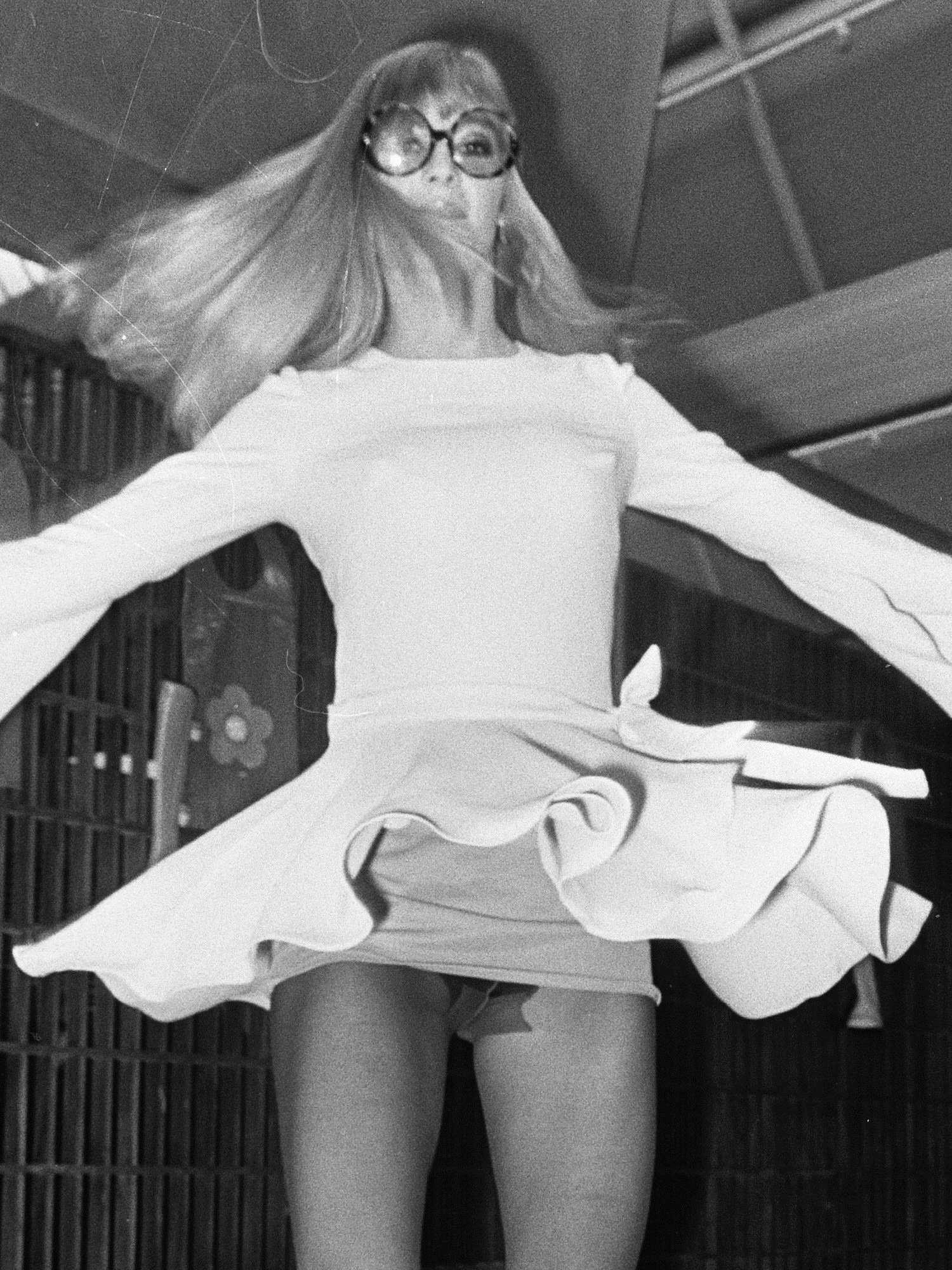
Mary Quant launched the miniskirt in 1965, crediting London’s street style for its rise above the knee, paired with flats for mobility. It embodied youth rebellion and the Swinging Sixties, breaking from formal hemlines. Designers like André Courrèges contributed, but Quant made it iconic.[2]
This hemline revolution symbolized women’s autonomy and modernity. It shifted skirt lengths permanently shorter in casual wear. The miniskirt’s legacy fuels ongoing debates and innovations in leg-baring fashion.
Yves Saint Laurent Introduces Le Smoking (1966)
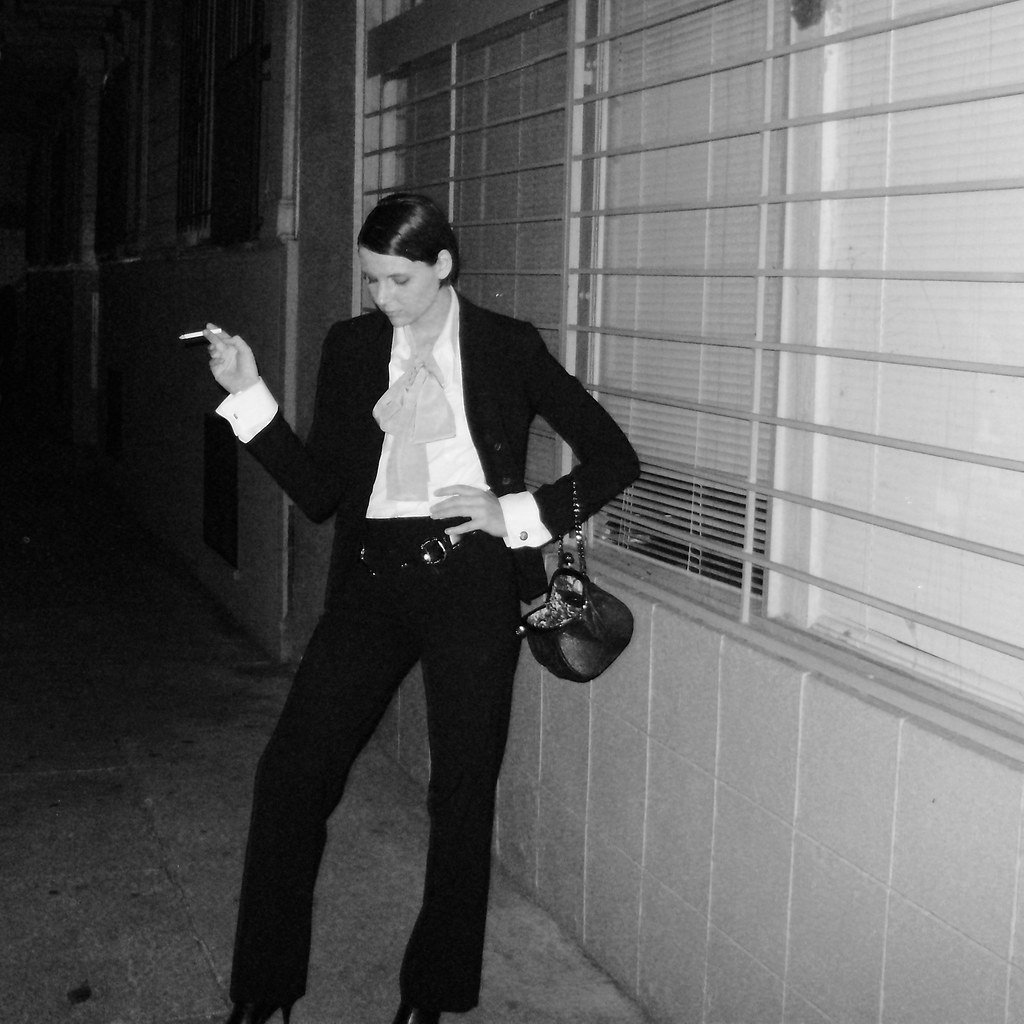
Yves Saint Laurent debuted Le Smoking, the first women’s tuxedo, in his 1966 autumn/winter collection, featuring silk lapels and tailored lines inspired by menswear. It blurred gender boundaries during a progressive era, despite past bans on women in suits. Pea coats and pantsuits followed, feminizing masculine cuts.[1][2]
This tuxedo normalized androgyny in formal attire, expanding women’s options. It influenced power dressing and gender-fluid trends. Le Smoking remains a symbol of bold, versatile elegance.
Calvin Klein Puts Jeans on the Runway (1976)
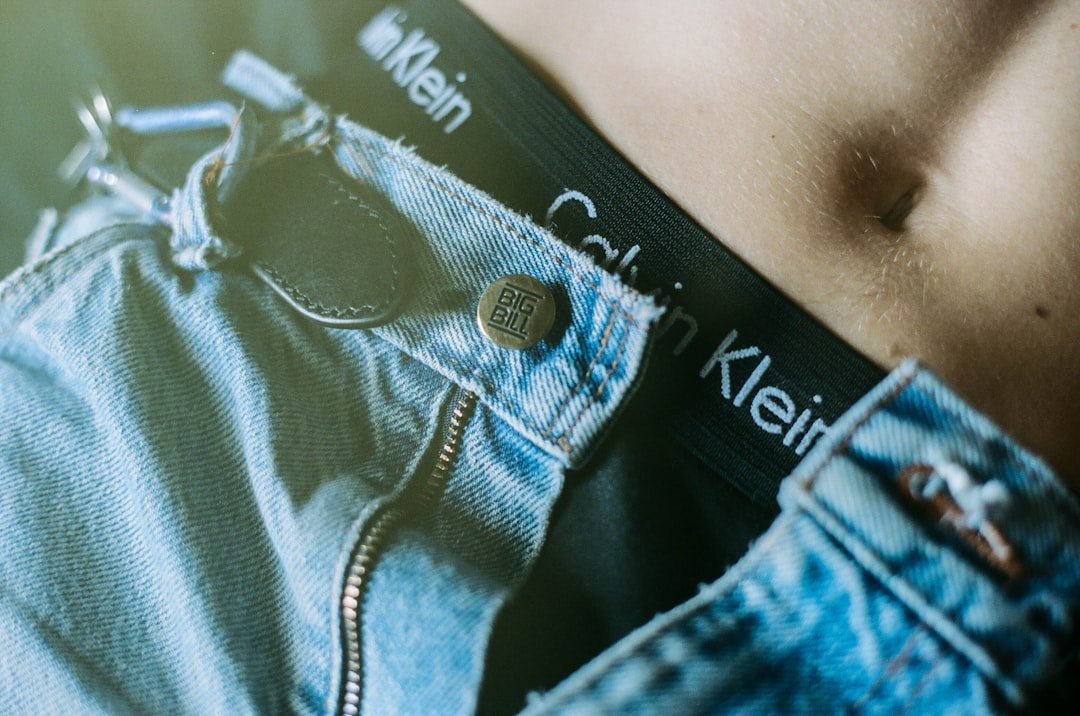
In 1976, Calvin Klein showed jeans on the runway, branding them with his name on pockets and marketing through provocative ads like Brooke Shields’. It elevated denim from workwear to high fashion, tapping casual youth culture. This move created a denim empire.[1][2]
Jeans became ubiquitous, bridging street and couture. They democratized fashion, prioritizing comfort over formality. Their dominance shapes wardrobes from athleisure to designer lines today.
Rei Kawakubo Shocks Paris with Deconstruction (1982)
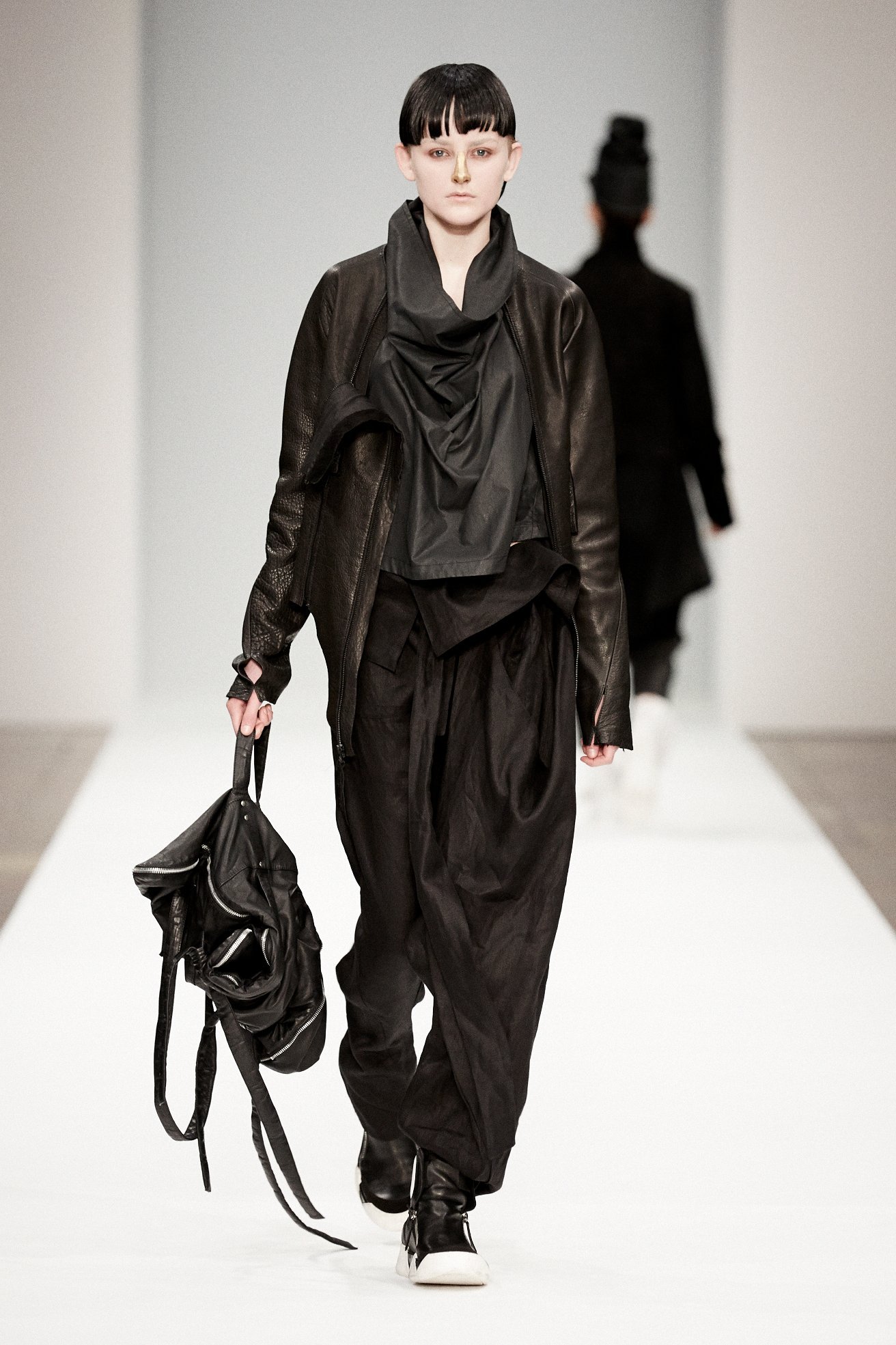
Rei Kawakubo of Comme des Garçons debuted in Paris in 1982 with black, asymmetrical, frayed designs, countering 1980s glamour excess. Aimed at independent women, it embraced imperfection and volume. Her lack of formal training allowed radical innovation.[1]
This introduced avant-garde to mainstream runways, challenging beauty ideals. It inspired anti-fashion movements and conceptual wear. Kawakubo’s influence lingers in oversized, experimental silhouettes.
Vivienne Westwood Ignites Punk Fashion (1970s)
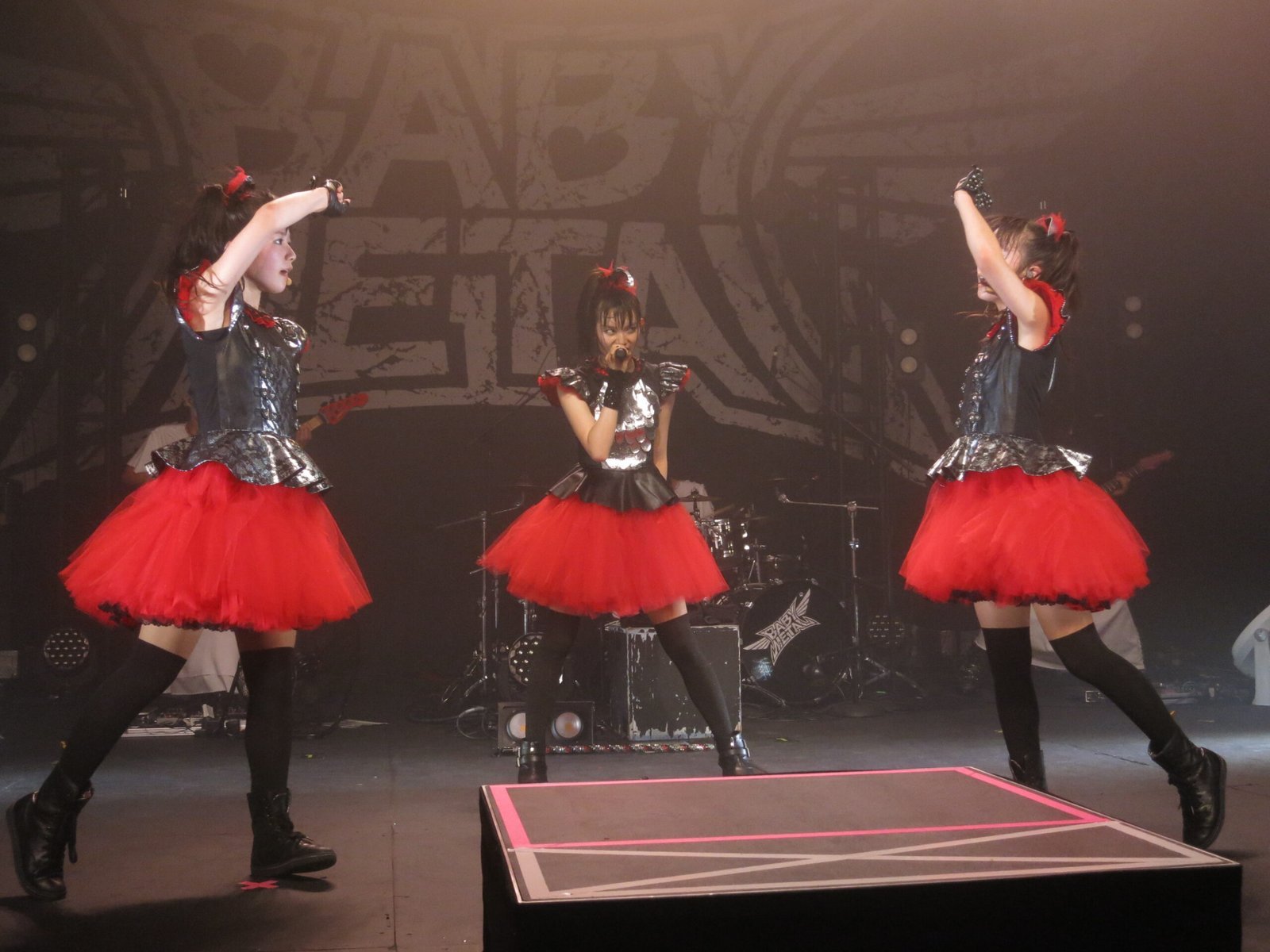
Vivienne Westwood pioneered punk in the 1970s with ripped fabrics, safety pins, and provocative prints like the 1977 God Save the Queen T-shirt. Collaborating with Malcolm McLaren, she channeled rebellion against establishment norms. It turned subculture into style.[4]
Punk democratized DIY aesthetics, rejecting polish for raw expression. It influenced streetwear and sustainability through upcycling. Westwood’s edge defines alternative fashion enduringly.
Marc Jacobs Brings Grunge to Perry Ellis (1993)
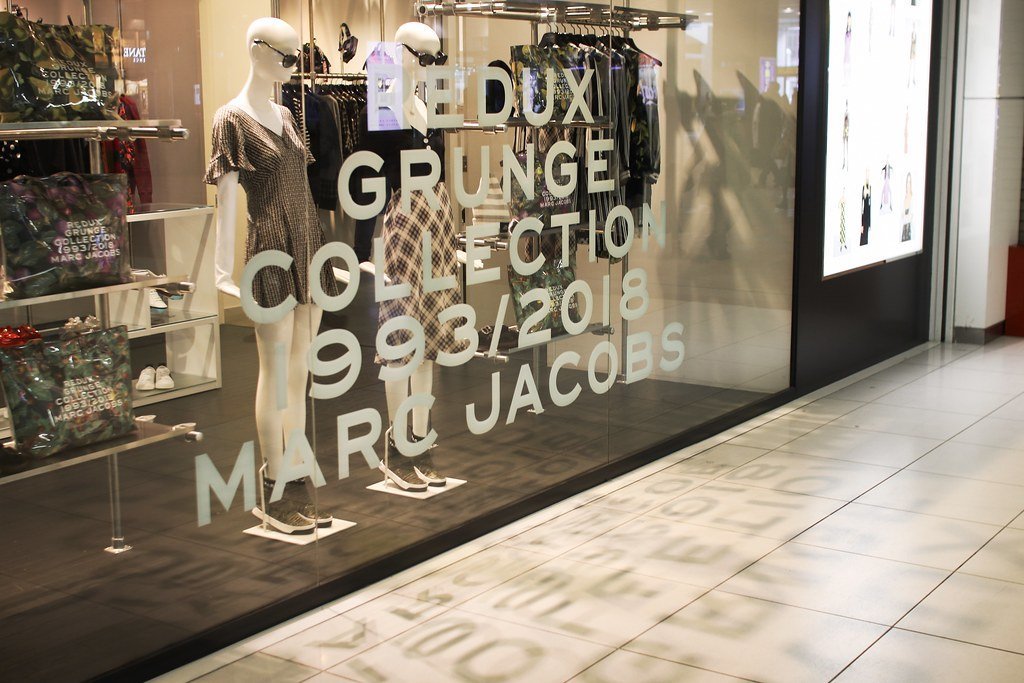
In 1993, Marc Jacobs showed grunge at Perry Ellis with plaid shirts, thrift flannels, and distorted proportions, mirroring Seattle music scenes. It injected reality into high fashion, making casual staples runway-worthy. The bold move cost him the job but launched his career.[1]
Grunge blurred luxury and everyday, popularizing layered, distressed looks. It shifted fashion toward inclusivity and youth culture. Elements like oversized knits persist in contemporary wardrobes.
Conclusion

Fashion serves as a mirror to social transformation, capturing shifts in gender, class, and identity through clothing. Each pivotal moment built on the last, making dress more democratic and expressive.
These changes remind us that what we wear evolves with society, inviting ongoing reinvention. In 2026, that cycle continues, blending history with tomorrow’s norms.

- These Ancient Civilizations Possessed Technologies So Advanced, They Mystify Experts Today. - August 24, 2026
- Certain Festival Performances Are So Legendary, They Transcend Time and Space. - August 24, 2026
- 10 Groundbreaking Art Movements That Dramatically Challenged the Status Quo - August 24, 2026

