
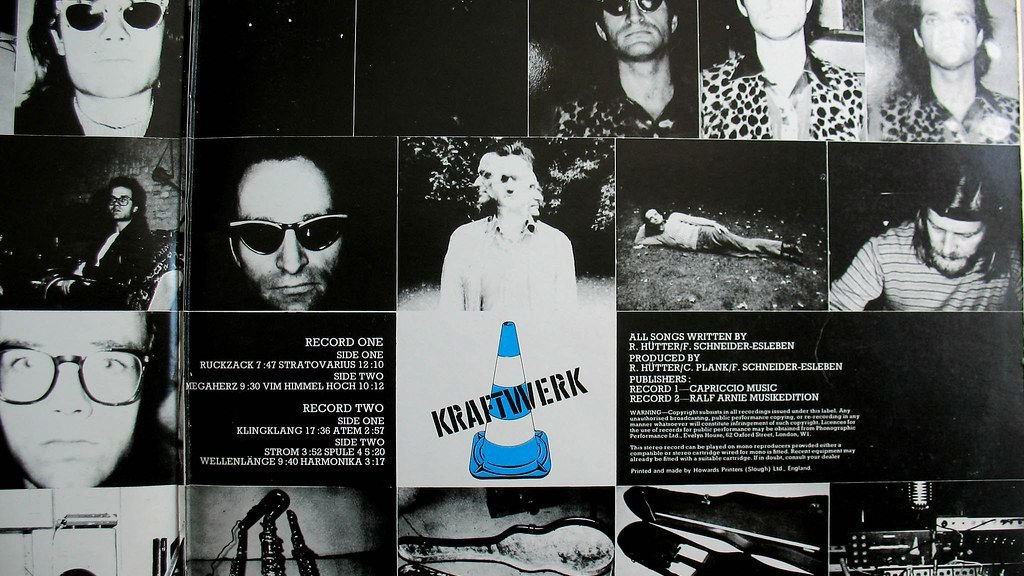
Musical styles rise and fall like tides, often vanishing not because they lack spark but because cultural winds shift. Innovative sounds that once pulsed through clubs or studios get buried under dominant trends, their cultural weight forgotten amid the rush of the new.[1][2]
These genres carried unique energies, from hypnotic rhythms to raw experimentation, shaping what came after even as they faded. Rediscovering them could inject fresh vitality into airwaves crowded by repetition.
Krautrock
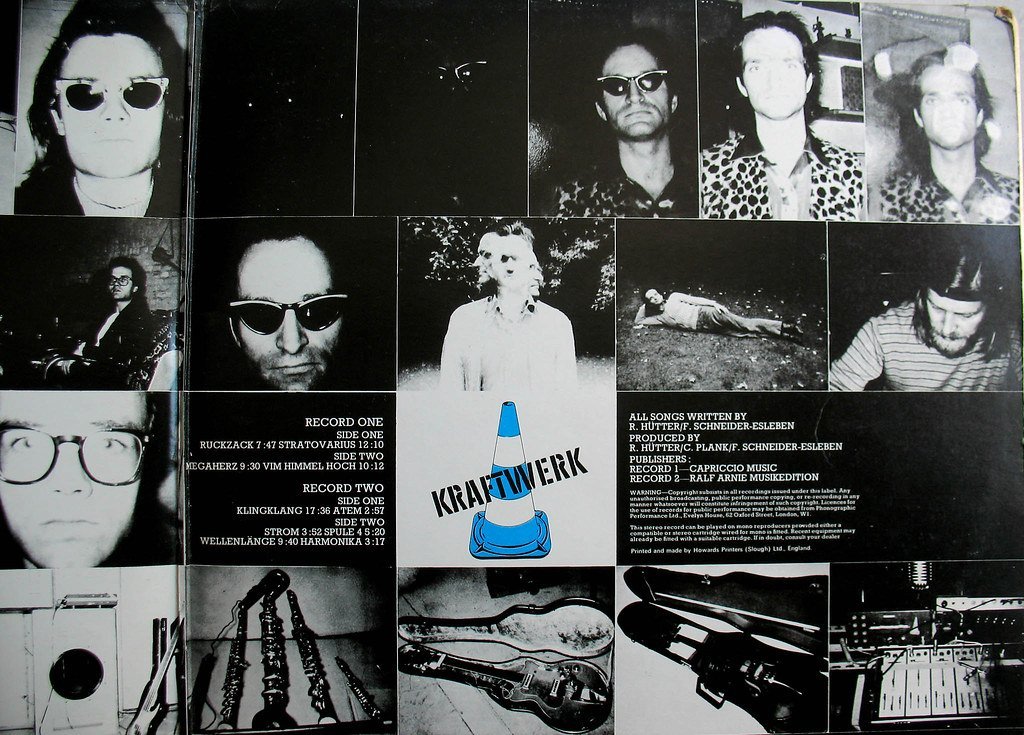
Krautrock emerged in 1970s postwar Germany, driven by bands like Can, Neu!, Faust, and early Kraftwerk. It rejected traditional rock structures in favor of hypnotic motorik beats and minimalist grooves. Icy synths and experimental textures created repetitive, trance-like momentum without relying on guitar solos.[1]
Though never mainstream, its influence echoes in Bowie’s Berlin work, punk, post-punk, and modern acts like Radiohead. A revival today could blend its forward propulsion with electronic production, offering an antidote to formulaic beats and restoring experimental edge to radio.[1]
Psychedelic Folk
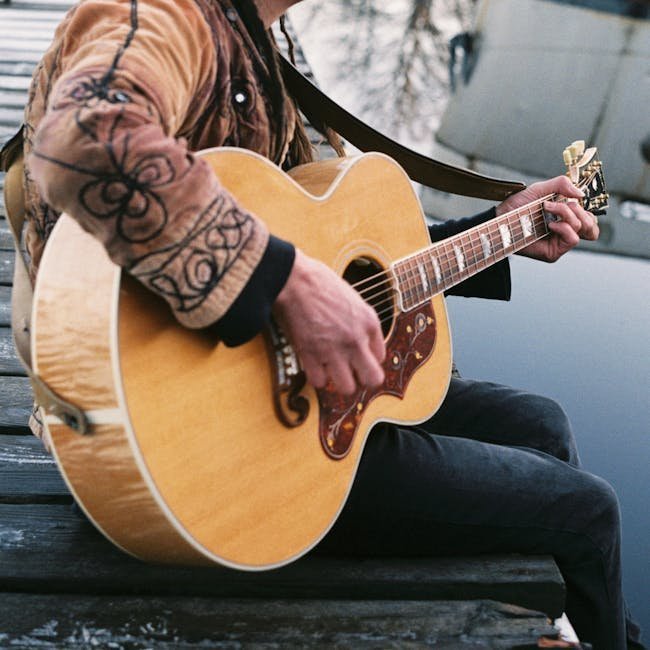
This genre took root in the late 1960s counterculture, especially around acts like The Incredible String Band, Fairport Convention, Comus, Donovan, and Vashti Bunyan. Acoustic guitars drenched in reverb paired with mystical lyrics, sitars, dulcimers, and pagan chants built pastoral, dreamy, or eerie atmospheres.
The back-to-the-land hippie vibe faded in the 1970s, splintering into singer-songwriters or electric folk-rock. Its brief 2000s freak-folk nod shows revival sparks, yet fuller airplay could merge its otherworldly introspection with ambient trends, captivating listeners seeking depth beyond pop gloss.[1]
Pub Rock
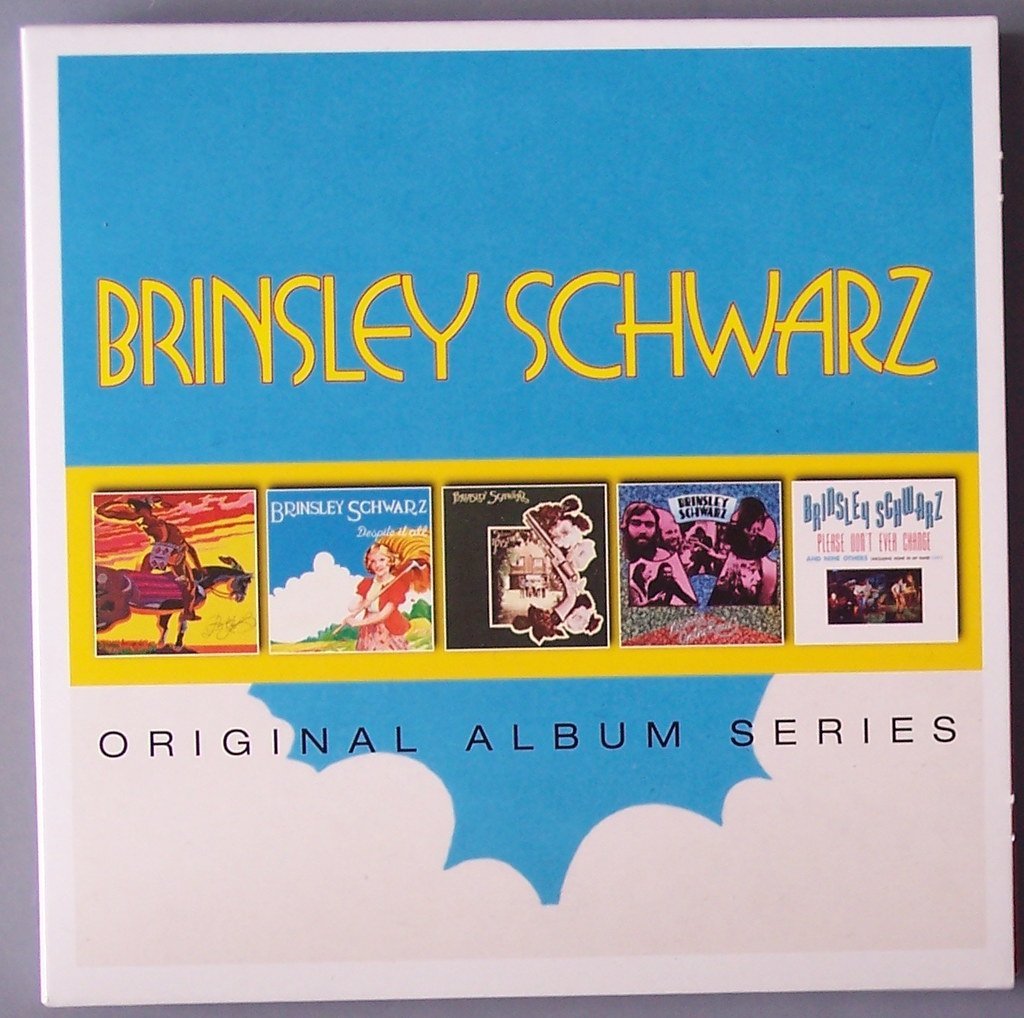
Pub rock brewed in mid-1970s Britain with bands like Dr. Feelgood, Brinsley Schwarz featuring Nick Lowe, and Ducks Deluxe. Stripped-down rock ‘n’ roll drew on Chuck Berry riffs, greasy barroom keys, and sweaty high-energy sets perfect for beer-soaked singalongs.
It mutated into punk by the late 1970s, making a standalone return unnecessary. Still, its raw, no-frills energy could counter polished streaming hits, reviving communal grit in an era of isolated listening and fueling live scenes hungry for unpretentious fun.[1]
New Romantics
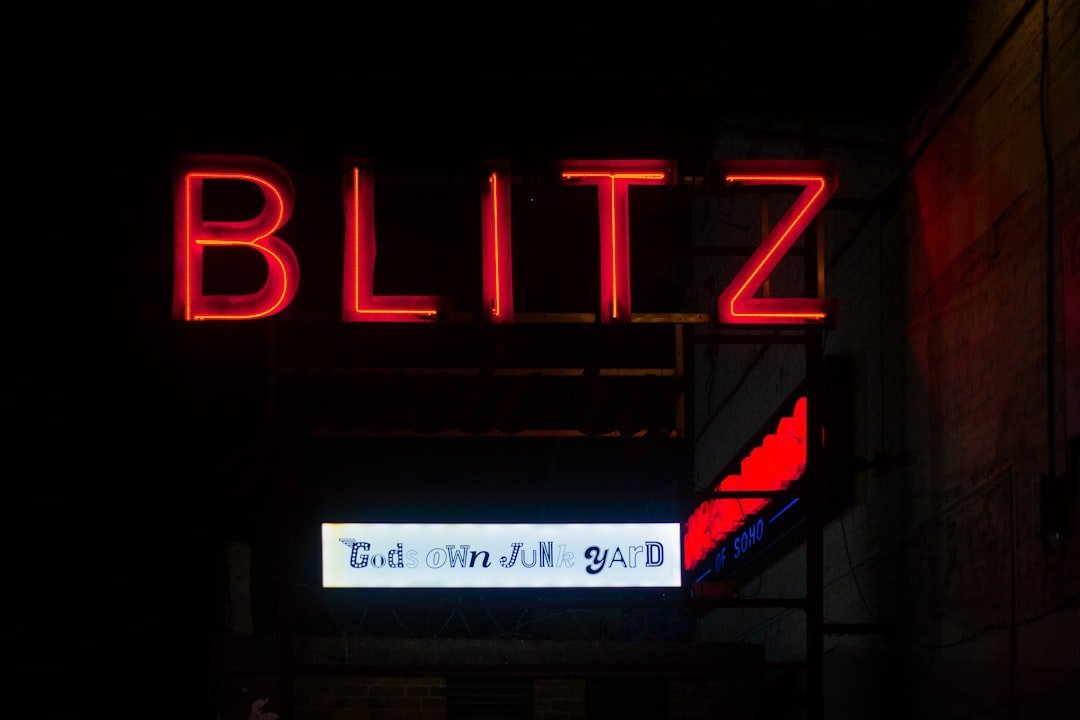
Born in early 1980s London clubs like The Blitz during Thatcher-era Britain, Spandau Ballet, Duran Duran, and Visage defined it. Extravagant gender-bending fashion met synthesizer-heavy synthpop, delivering lush, glamorous escapism with hyper-specific subcultural exclusivity.[1]
Its underground edge clashed with MTV mainstreaming by mid-decade, dissolving into generic 80s pop. Revival potential lies in updating its visual drama for visual platforms, blending synth lushness with today’s indie electronica to recapture that fleeting, opulent thrill.
Arena Rock
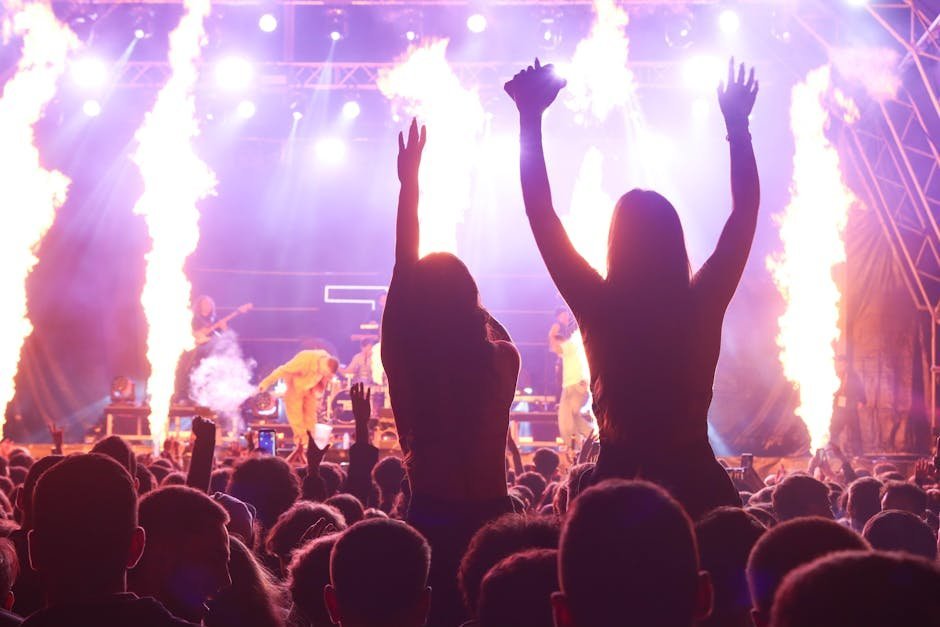
Arena rock filled stadiums in the late 1970s and 1980s, boosted by high-fidelity sound and FM radio, with Journey as a prime example. Massive anthems, pyrotechnics, and communal rituals suited vast crowds perfectly.
Grunge’s intimacy and audience fragmentation killed its monoculture by the 1990s. Yet its epic scale could thrive in festival eras, merging grandiosity with modern production to deliver unifying spectacles amid fragmented playlists.[1]
Freakbeat
Freakbeat stirred in mid-1960s Britain, blending British Invasion R&B with jazzy beats and psychedelia, as in Small Faces and The Pretty Things. Journalists coined the name later, marking it as garage rock’s UK twist.[3][4]
Its punchy, experimental edge faded into broader psych rock. Bringing it back could infuse garage revival with mod flair, its quirky rhythms cutting through indie sameness for vibrant, danceable airwave bursts.
Lowercase
Steve Roden coined lowercase in 2001, crafting extreme minimal ambient from amplified everyday sounds like paper rustles or light bulbs, looped and affected. It prioritizes subtle, mesmerizing textures over melody.[5][3]
Niche from the start, it lingers in experimental corners. Revival on airwaves might pair it with ambient podcasts, its quiet intensity offering calm in noisy feeds and inspiring sound designers.
Northern Soul
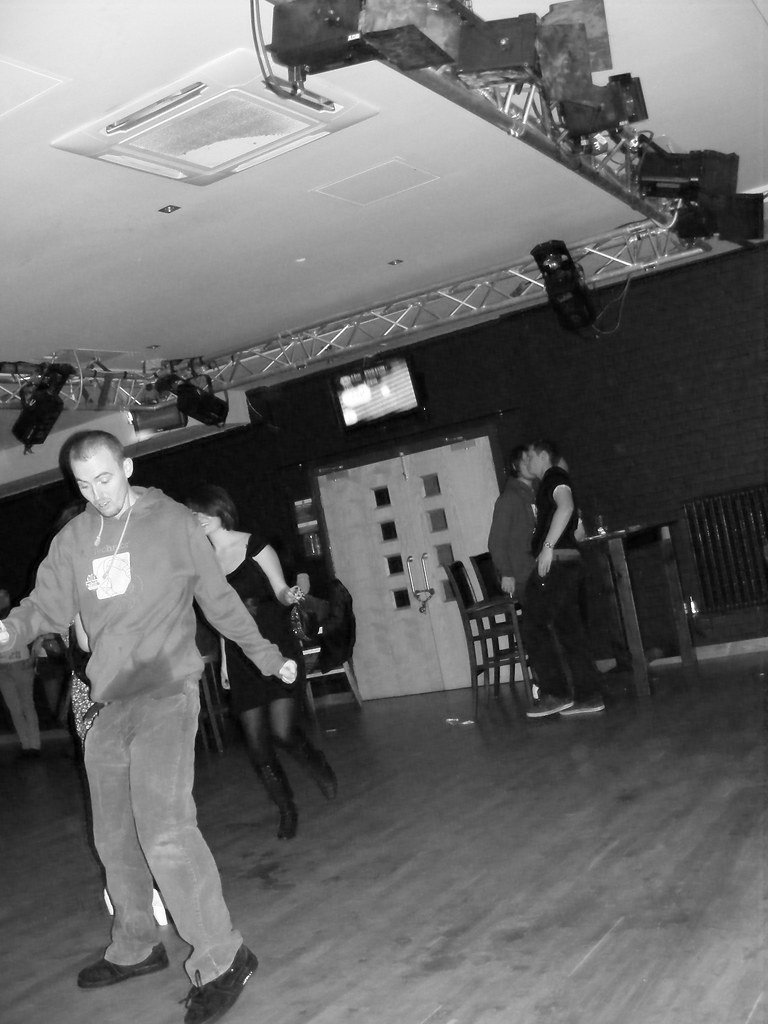
Northern Soul swept 1960s-1970s UK with rare American soul records, high-energy stomps, and all-night dances in venues like Wigan Casino. Fast tempos and obscure 45s fueled fervent subculture.[6]
It waned as sources dried up, evolving into other dances. Its relentless joy could electrify club nights, blending vintage soul with house for inclusive, euphoric revivals that honor working-class roots.
Italo-Disco
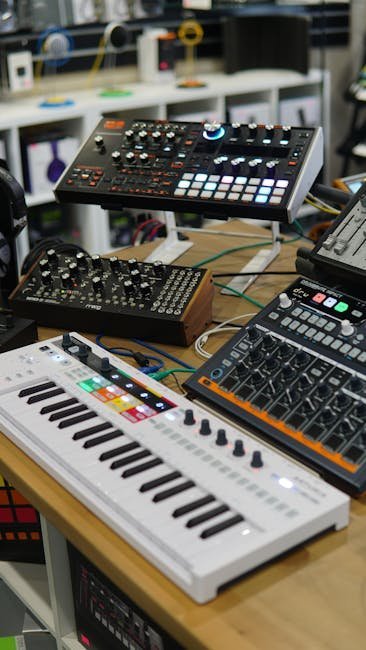
Italo-disco lit up 1980s Italy, fusing Euro disco with synths and catchy hooks for export hits. Producers crafted slick, melodic tracks with robotic vocals and driving basslines.
Supplanted by house and techno, it survives in nostalgia. Airwave revival could remix its sunny synths into nu-disco, capturing escapist vibes perfect for global dancefloors craving retro futurism.[6]
Miami Bass
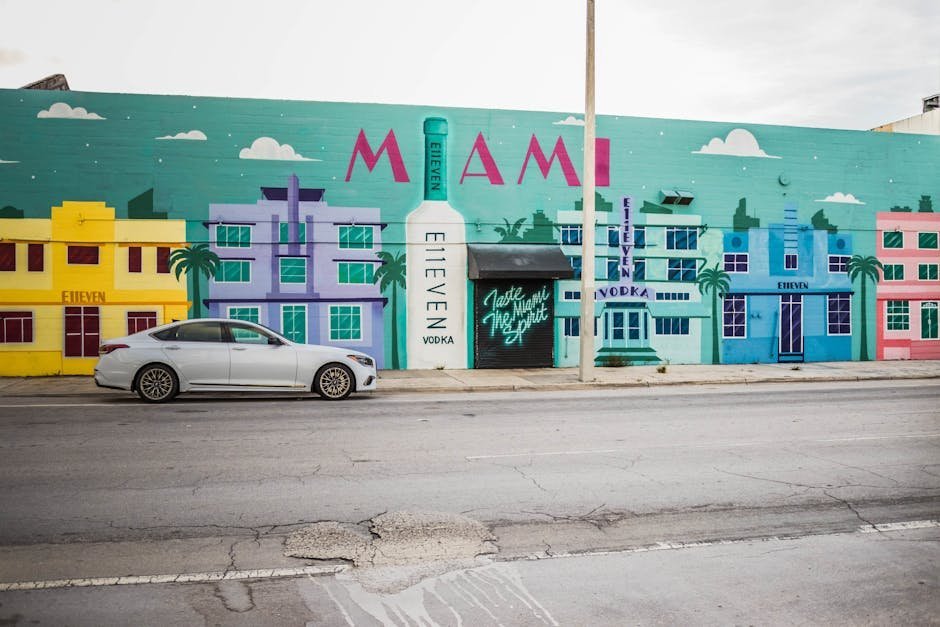
Miami bass boomed in late 1980s Florida, with 2 Live Crew pushing raunchy, bass-heavy beats and party chants. Roland 808 drums and rapid-fire hi-hats defined its booty-shaking sound.[6]
Cultural backlash and genre shifts dimmed it. Updating its low-end thump for trap hybrids could dominate clubs, reviving Southern party energy with fresh edge.
Goa Trance
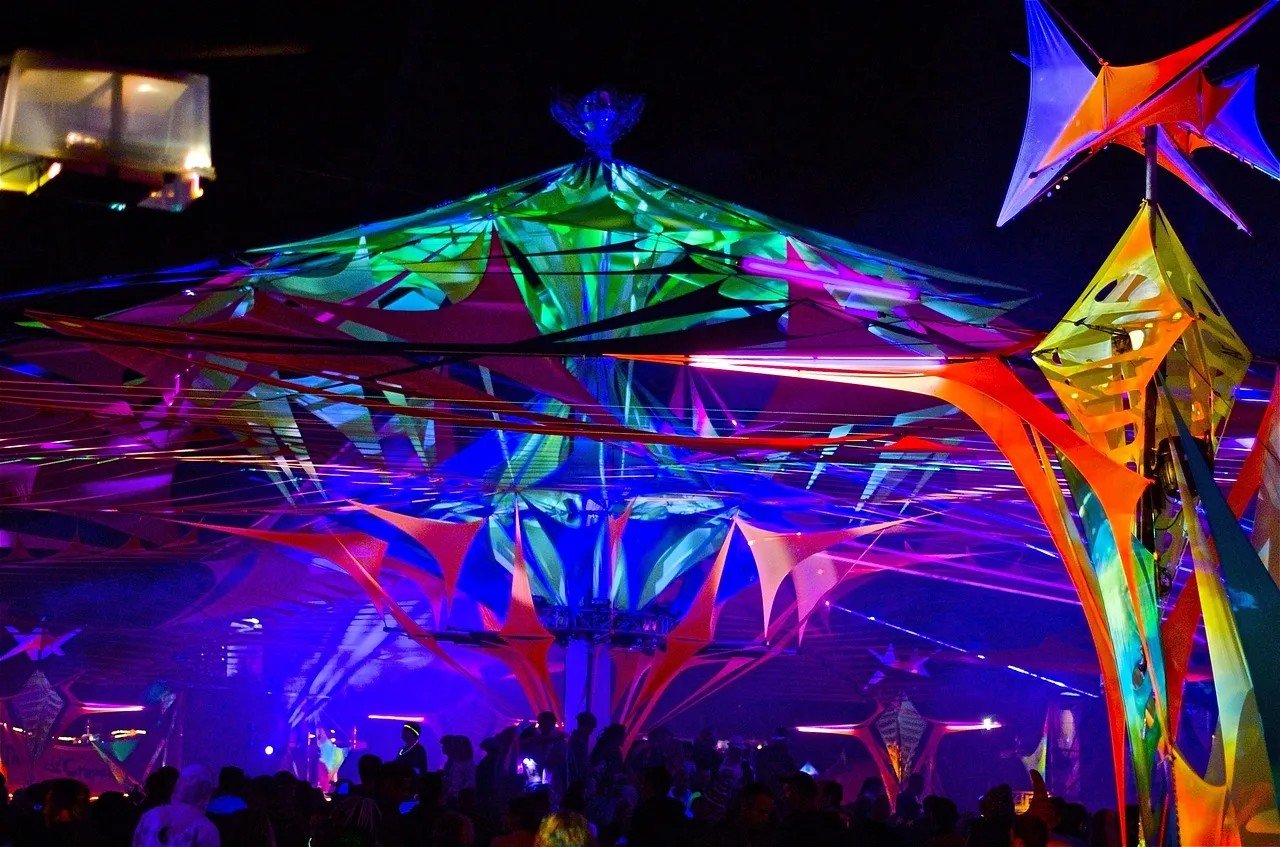
Goa trance psychedelized 1990s Indian beaches, layering hypnotic arpeggios, ethnic samples, and building acid lines over 145 BPM. Pioneers like Goa Gil shaped its spiritual pulse.
Overshadowed by broader psytrance, it faded from peaks. Its ecstatic builds suit festival sets, potentially fusing with world beats for transcendent airplay moments.[6]
2-Step Garage
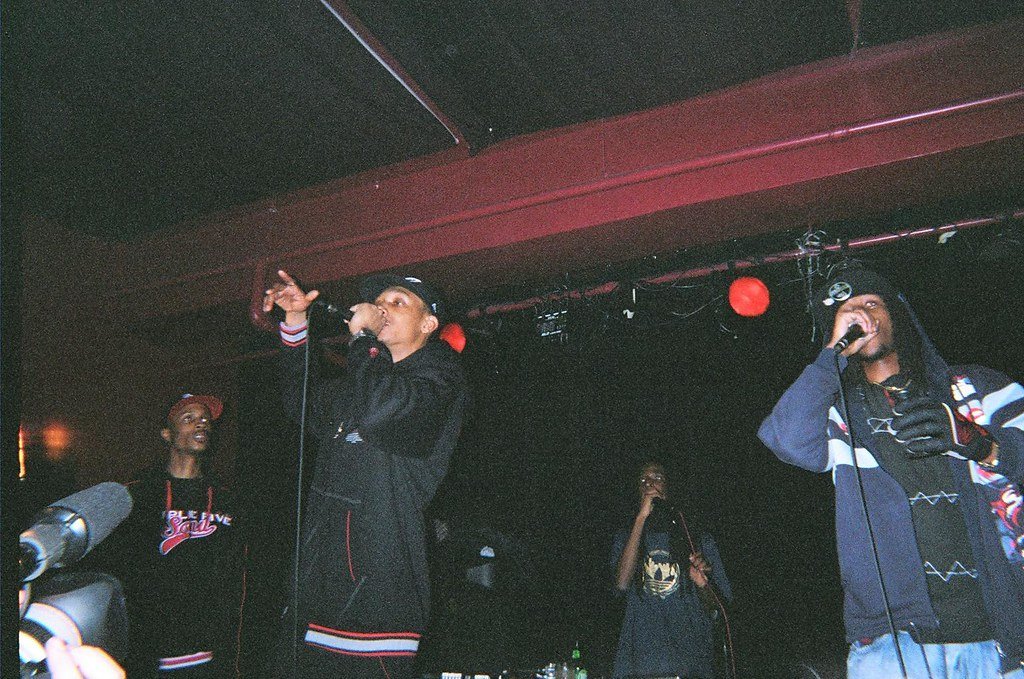
2-Step garage skipped into late 1990s UK from garage roots, with shuffled “skippy” drums, deep bass, and soulful vocals. It skipped the 4/4 thump for bouncy grooves.[2][6]
Grime and dubstep absorbed it by mid-2000s. Revival could highlight its slick rhythms in UK funky crossovers, adding swing to rigid EDM.
Yacht Rock
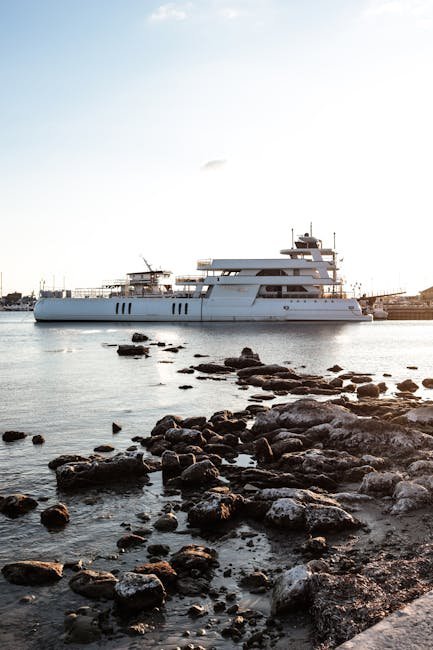
Yacht rock sailed late 1970s coasts with smooth Steely Dan, Toto, and Michael McDonald vibes. Polished jazz-funk harmonies and yacht-life leisure defined its breezy sheen.
Grunge sank it in the 90s. Its sophisticated grooves could refresh chillwave, bringing adult-oriented polish to summer playlists.
Power Pop
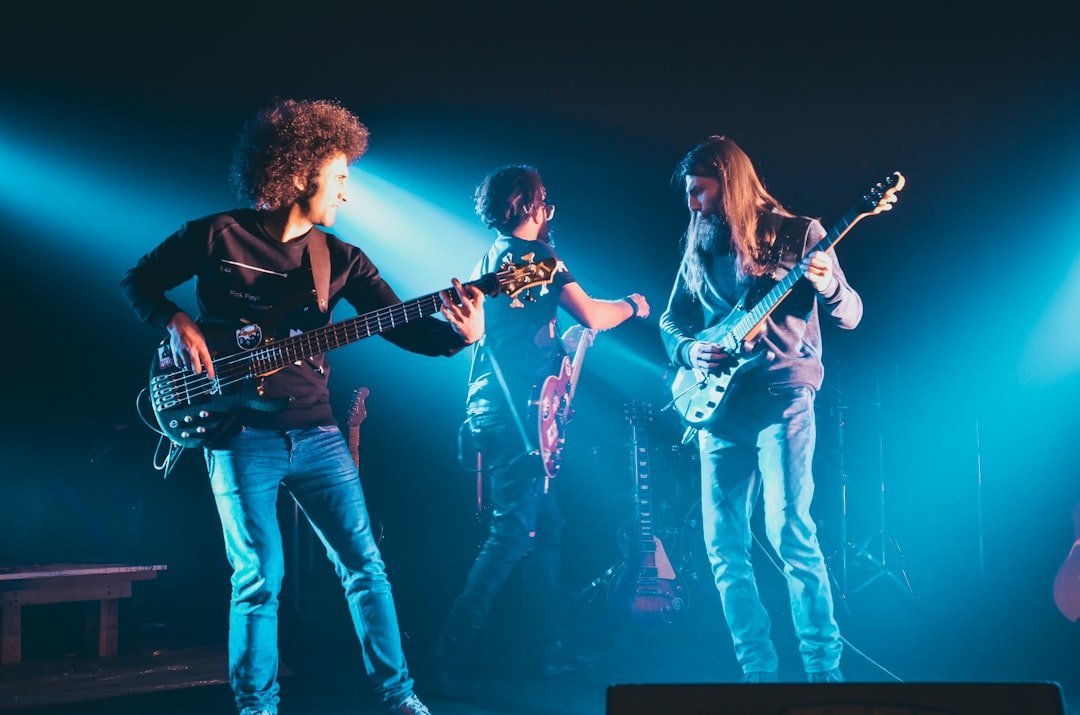
Power pop powered late 1970s with Cheap Trick, The Knack, and Big Star crafting Beatlesque hooks and crunchy guitars. Melody trumped bombast in tight anthems.
Punk and new wave eclipsed it. Its infectious craft merits radio slots, bridging classic rock nostalgia with indie power.
No Wave
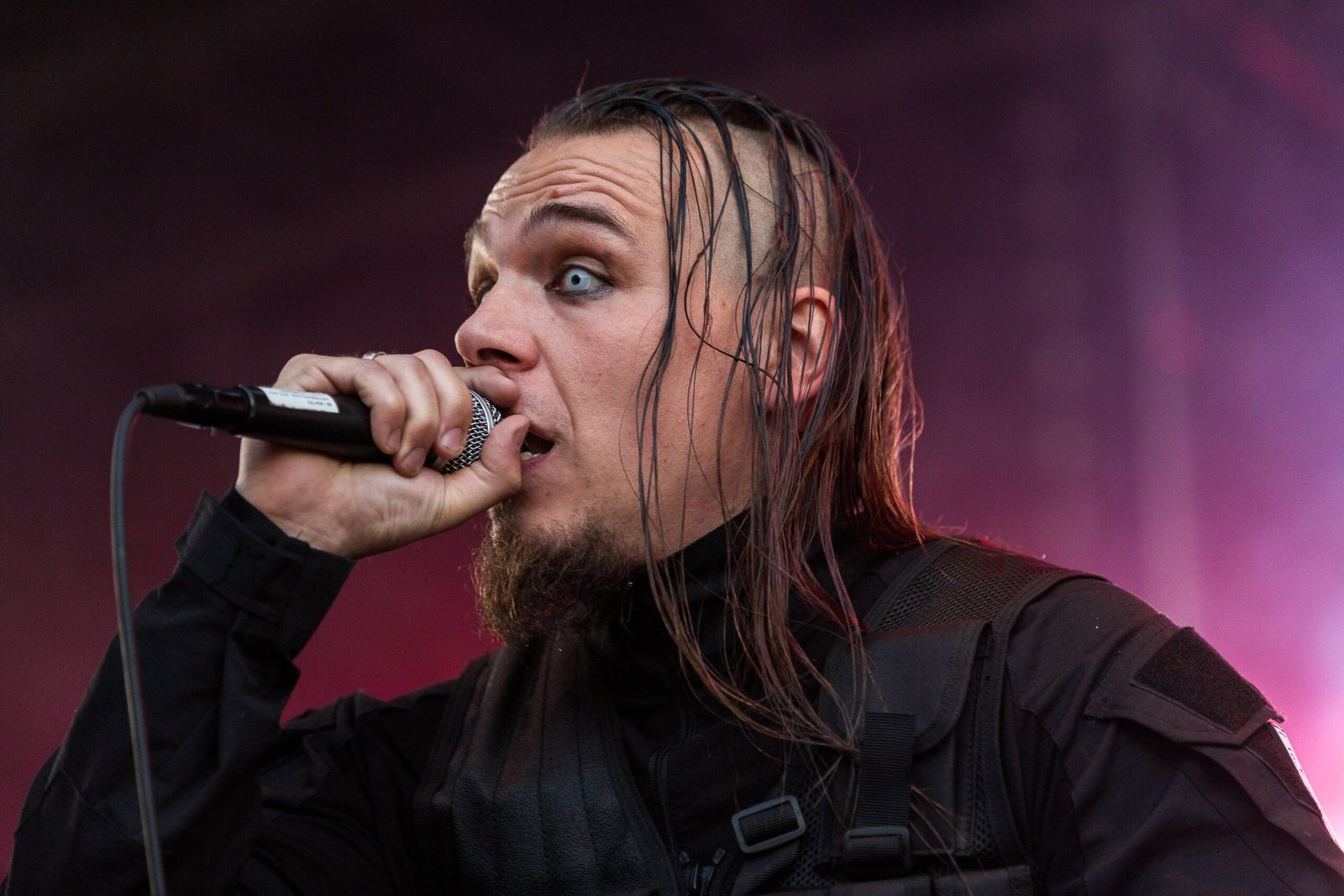
No wave erupted in late 1970s New York with DNA, Teenage Jesus, and Mars, scorning punk polish for atonal noise and primitive art-punk. DIY chaos rejected convention.
Too abrasive for longevity, it influenced noise rock. Revival might temper its fury for experimental airplay, sparking avant-garde curiosity.[1]
Rediscovering Forgotten Rhythms
Digging into these lost genres reveals how innovation often outpaces fame, leaving treasures for curious ears. Platforms now make revival easier, letting niche sounds ripple outward.
Music culture thrives on such cycles, where yesterday’s obscurity becomes tomorrow’s hit. Tuning in could remind us that the airwaves hold room for the unconventional still.


