

Buried under sand, overgrown by jungle, or simply overlooked for centuries, many of the world’s most astonishing ancient sites slipped from collective memory. These places, built by ingenious civilizations, faced neglect from natural disasters, shifting empires, or the passage of time itself. Their stories remind us how fragile human achievements can be.
Yet dedicated explorers, archaeologists, and even chance discoveries brought them back into the light. From hidden rock cities to underground refuges, these wonders reveal the resilience of history when given a second chance. Each one carries lessons about the past that continue to unfold today.
Petra, Jordan
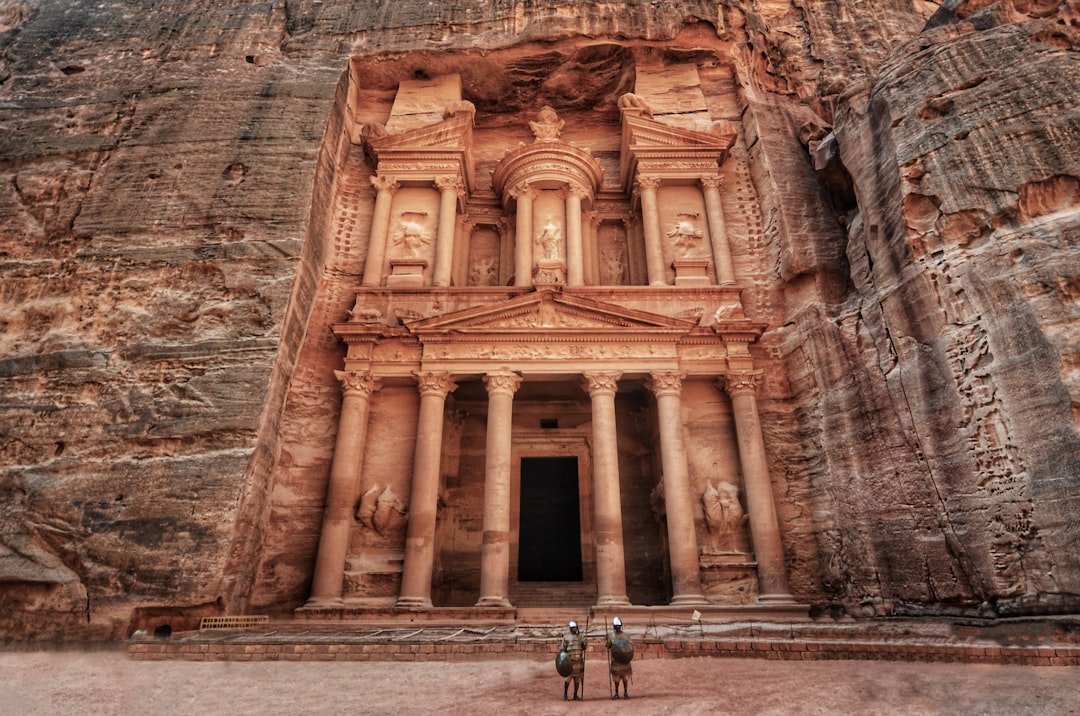
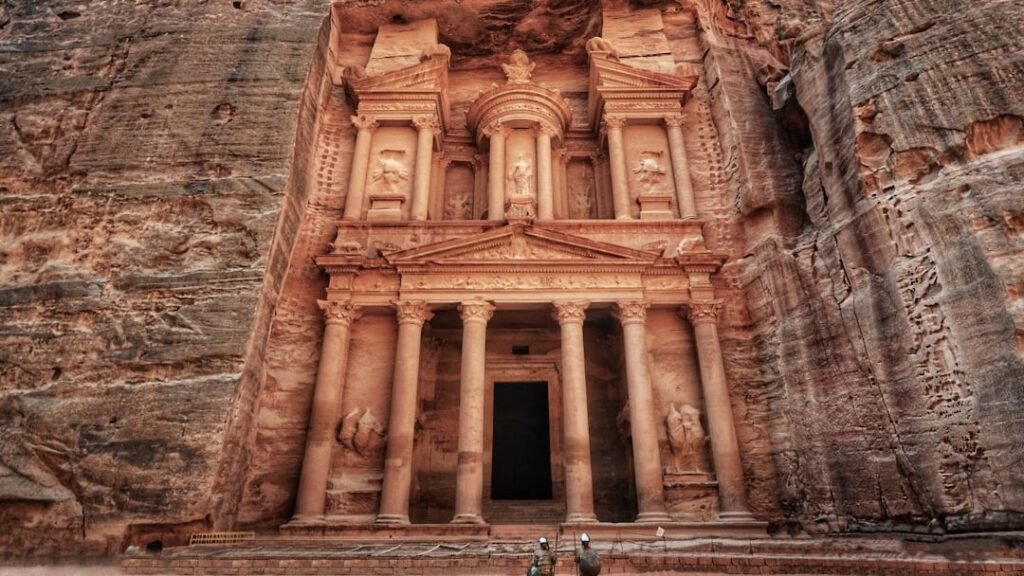
Carved directly into rose-red sandstone cliffs around the 1st century BC, Petra served as the thriving capital of the Nabataean Kingdom. This nomadic Arab people transformed a desert canyon into a bustling trade hub linking Arabia, Egypt, and the Mediterranean. Advanced water management systems, like cisterns and channels, sustained life in an arid landscape, supporting temples, tombs, and grand facades such as the iconic Treasury.[1]
Earthquakes in the 4th and 7th centuries AD led to its gradual abandonment, and shifting trade routes buried its fame under sand. Swiss explorer Johann Ludwig Burckhardt rediscovered it for the Western world in 1812, disguised as an Arab scholar to gain local access. Preservation efforts since then, including UNESCO status in 1985, have protected it from erosion and tourism pressures, revealing more of its hydraulic genius.[1]
Machu Picchu, Peru
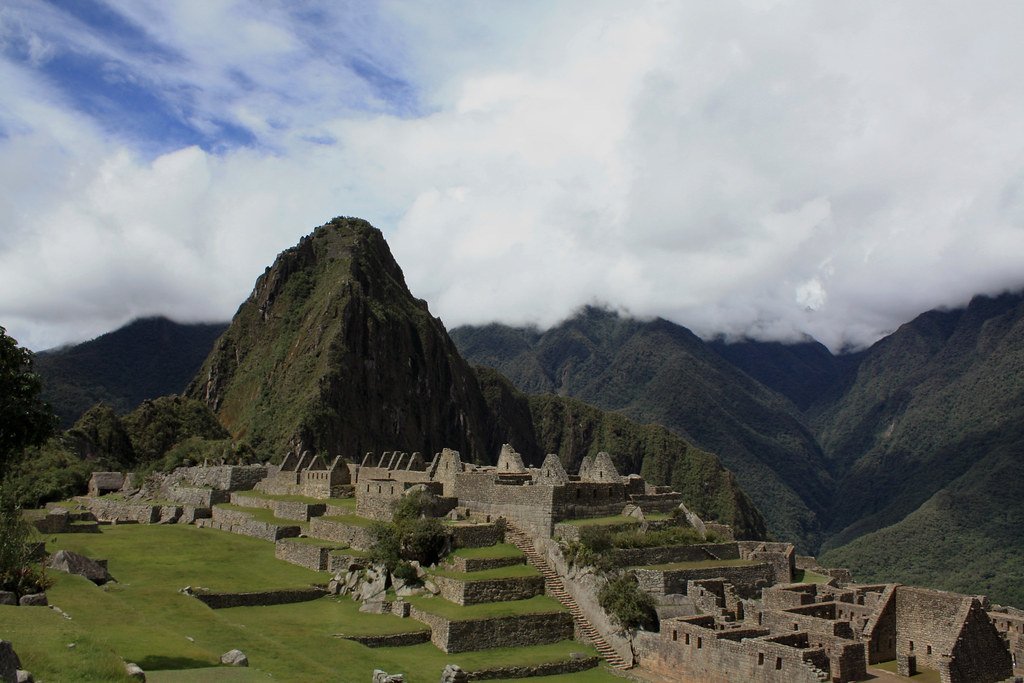
Constructed around 1450 AD high in the Andes by Inca emperor Pachacuti, Machu Picchu functioned as a royal estate and spiritual retreat. Terraced fields, precise stonework without mortar, and sacred sites like the Temple of the Sun showcased Inca engineering mastery. About 750 people lived there amid misty peaks, cultivating crops and honoring deities until Spanish arrival brought disease and disruption.[2]
The site faded from maps as the empire collapsed, overgrown by cloud forest. American historian Hiram Bingham stumbled upon it in 1911 after a local farmer’s tip, sparking global fascination. Now a UNESCO site since 1983, ongoing conservation battles erosion and visitor impact to safeguard its intact structures and panoramic views.[2]
Pompeii, Italy
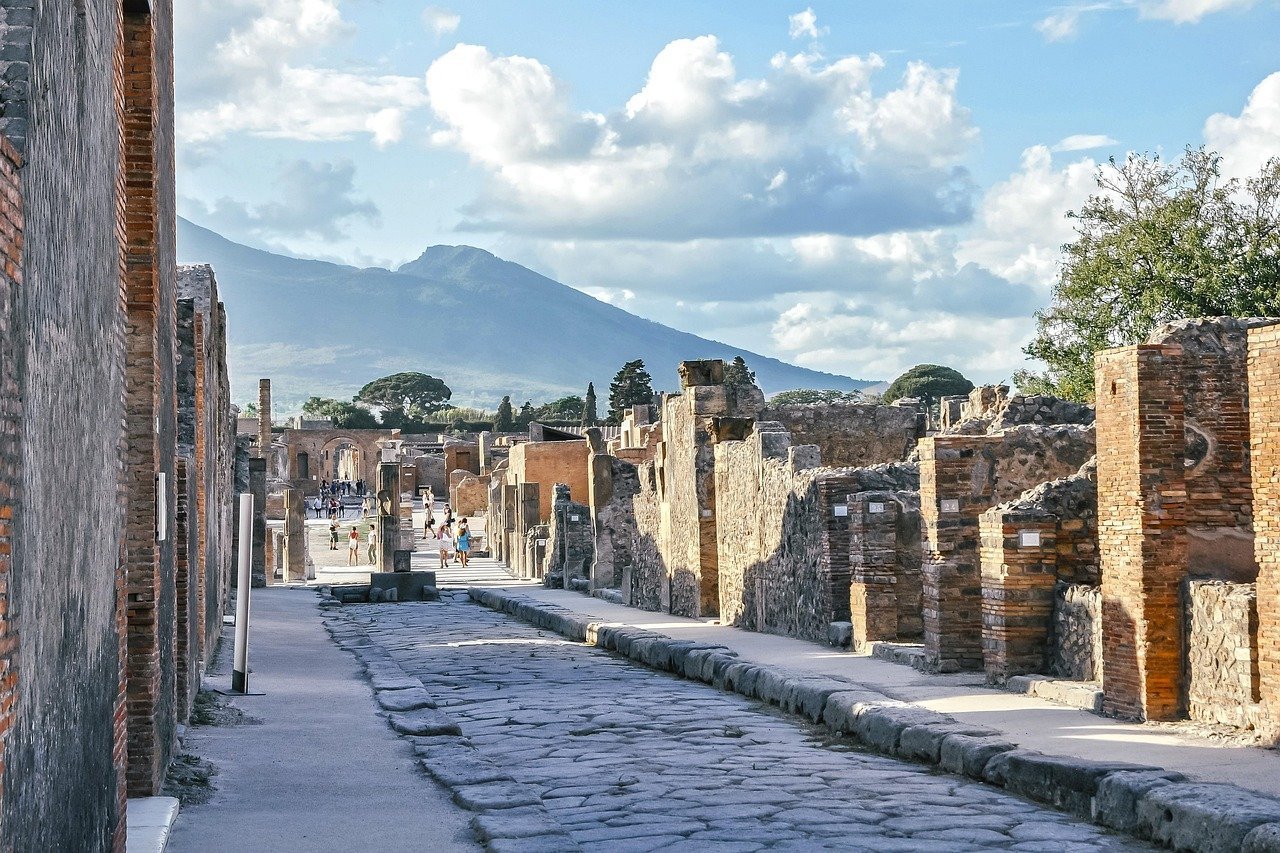
A prosperous Roman port city by the 1st century AD, Pompeii buzzed with markets, theaters, villas, and public baths. Mount Vesuvius’s eruption in 79 AD buried it under ash and pumice, preserving everyday life in tragic detail from frescoes to bakeries. Thousands perished, their forms later cast in plaster voids left by decayed bodies.[2]
Forgotten for 1,700 years amid volcanic debris, workers uncovered it in 1748 while building a palace for the King of Naples. Systematic digs revealed streets and homes, turning it into an open-air museum. UNESCO recognition in 1997 aids preservation against modern threats like earthquakes and overtourism.[2]
Sigiriya, Sri Lanka
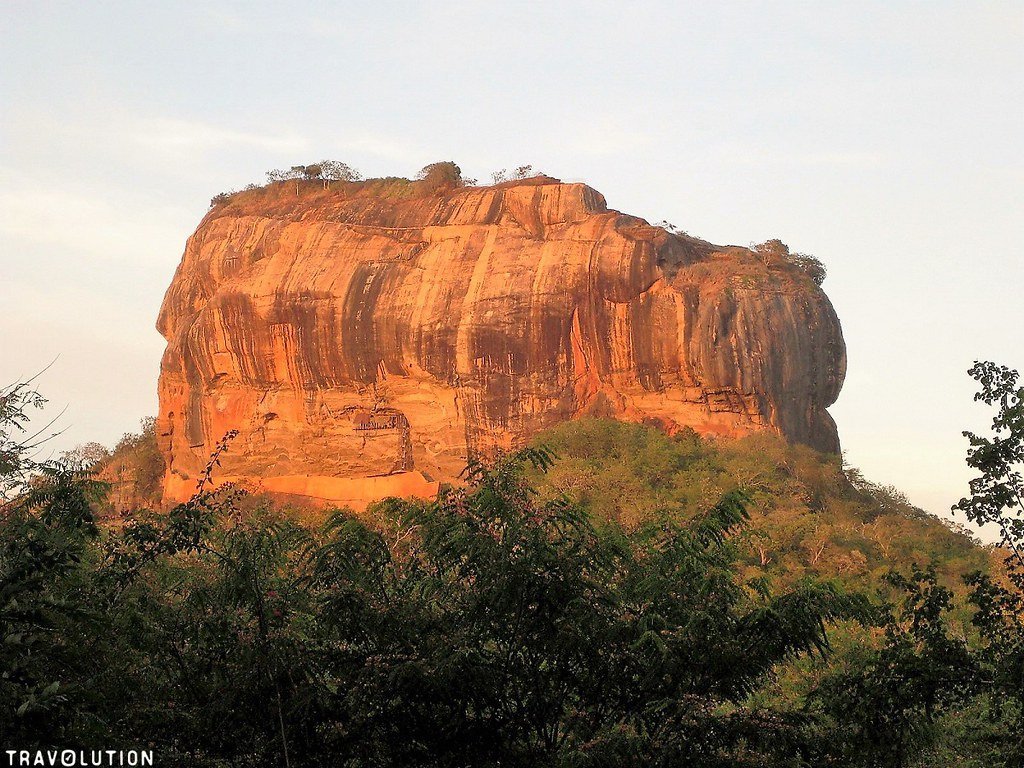
In the 5th century AD, King Kashyapa turned a massive rock plateau into a fortress-palace atop 200-meter cliffs. Surrounded by gardens, pools, and mirror walls, it featured vibrant frescoes of celestial maidens and sophisticated hydraulics. Buddhist monks later repurposed it as a monastery before jungle claimed it.[2]
Abandoned by the 14th century, British Major Jonathan Forbes rediscovered it in 1831 while riding through dense foliage. Archaeological work unveiled its layers, earning UNESCO status in 1982. Today, careful management protects its murals and hydraulic systems from weathering and climbers.[2]
Göbekli Tepe, Turkey
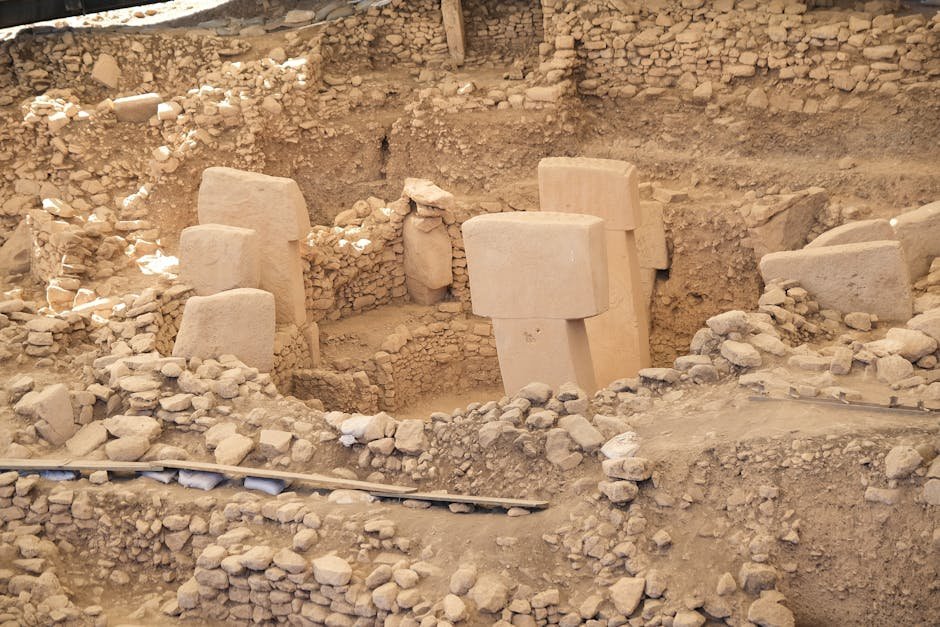
Dating to around 9600 BC, this hilltop complex of T-shaped pillars predates Stonehenge by millennia. Hunter-gatherers erected massive stones carved with animals and symbols in circular enclosures, likely for rituals. It challenges ideas of early society, suggesting religion drove complex organization before farming.[1]
Intentionally buried around 8000 BC, locals knew of mounds but its significance escaped notice. A 1963 survey noted it, but German archaeologist Klaus Schmidt began full excavations in 1995, transforming our view of prehistory. UNESCO listing in 2018 supports ongoing digs amid threats from development.[3]
Derinkuyu Underground City, Turkey
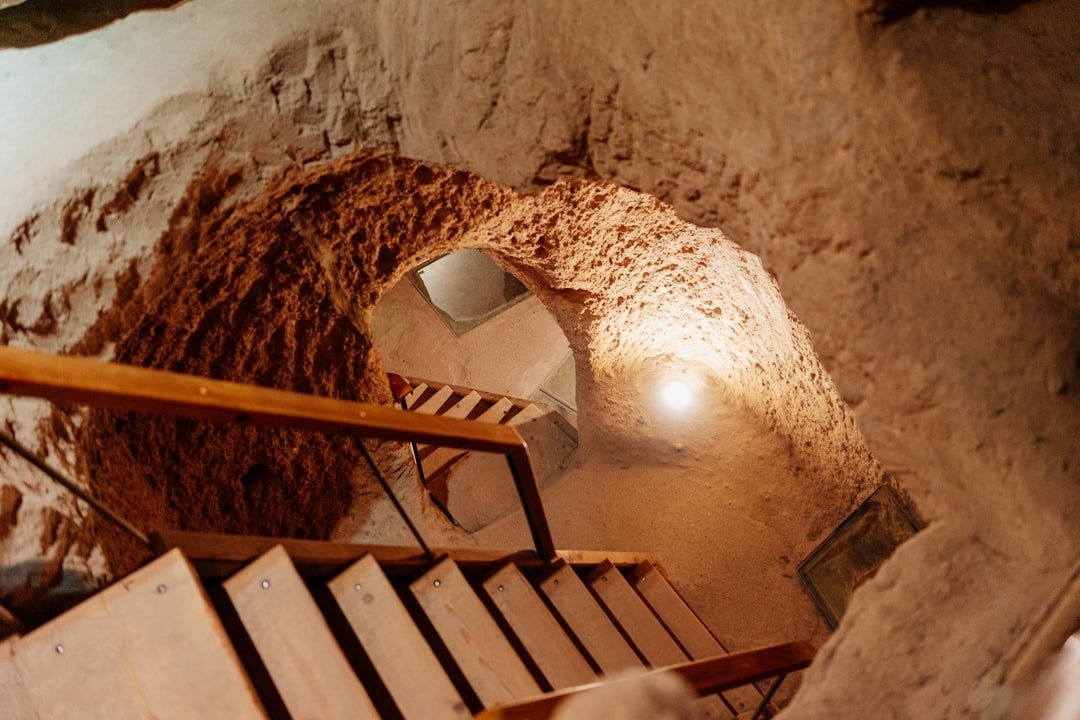
In Cappadocia, this multi-level subterranean refuge dates possibly to Hittite times around 1200 BC, expanded by later groups like Byzantines. Vast tunnels housed up to 20,000 with stables, chapels, wineries, and ventilation shafts over 18 stories deep. It offered sanctuary from invasions in the soft volcanic tuff.[4]
Sealed entrances hid it for centuries until 1963, when a resident broke a basement wall during renovations, revealing the network. Further exploration mapped its scale, now a tourist site with preservation focusing on stability. It stands as a testament to ancient survival ingenuity.[4]
Mohenjo-Daro, Pakistan
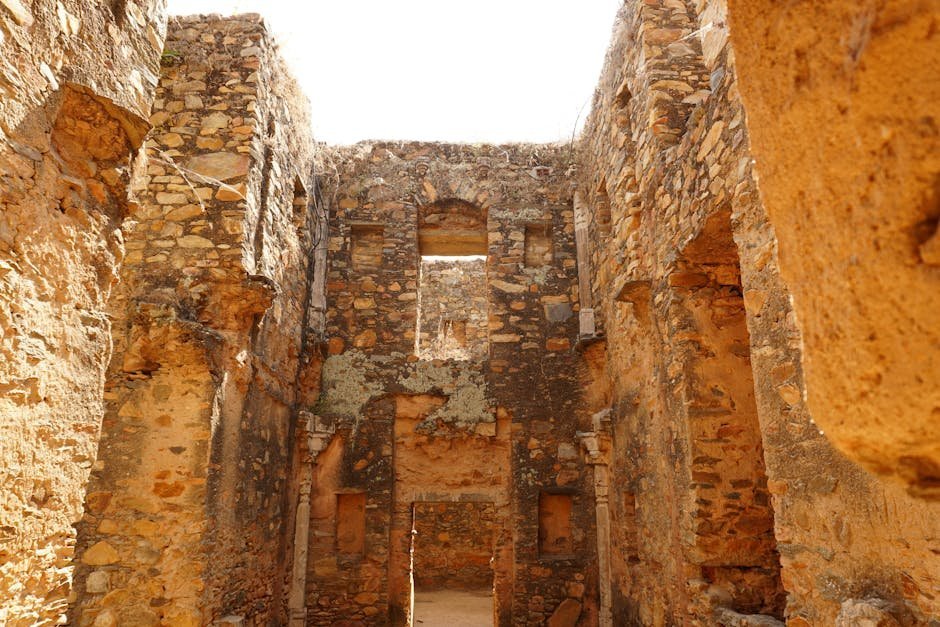
Flourishing from 2500 BC in the Indus Valley, this planned city held 50,000 with grid streets, a Great Bath for rituals, and advanced drainage. Standardized bricks and seals pointed to trade and bureaucracy in a peaceful society. Climate shifts around 1900 BC led to its desertion.[2]
Mounds disguised it until 1922, when R.D. Banerji identified it during a Buddhist site hunt. Major excavations in the 1920s uncovered its sophistication; UNESCO status since 1980 combats salinity and floods. Efforts continue to protect its baked-brick legacy.[2]
Hampi, India
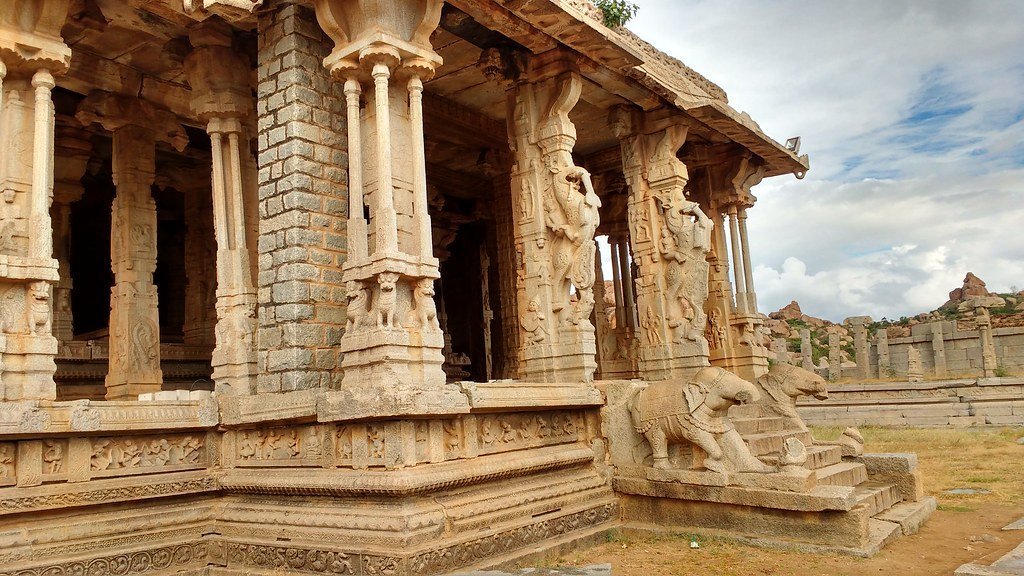
Capital of the Vijayanagara Empire from the 14th century, Hampi dazzled with temples, bazaars, and aqueducts amid boulder-strewn landscapes. It thrived on diamond trade and Hindu architecture until a 1565 defeat scattered its people. Ruins lingered as sacred ground for locals.[2]
Scottish officer Colin Mackenzie mapped it in 1800 amid overgrown stones. UNESCO designation in 1986 spurred restoration of chariots and stables. Balancing tourism with conservation keeps its epic scale alive.[2]
Skara Brae, Scotland
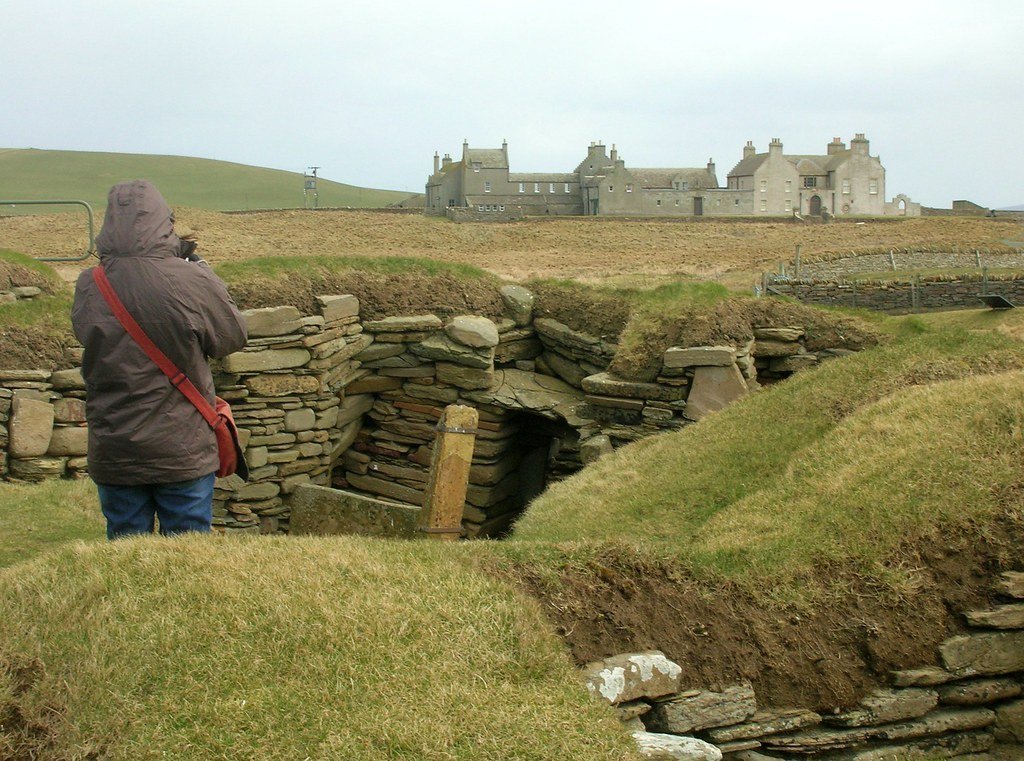
This Neolithic village from 3200 BC nestled in Orkney sands, with stone houses boasting hearths, beds, and drains. Farmers and herders lived without metal, their clustered homes showing early community life older than pyramids. Storms and dunes sealed it perfectly.[2]
A fierce 1850 storm exposed it, leading laird William Watt’s excavations. By the 1920s, its preservation under sand earned UNESCO nods in 1999. Walkways now shield the fragile homes from elements and feet.[2]
Caral, Peru
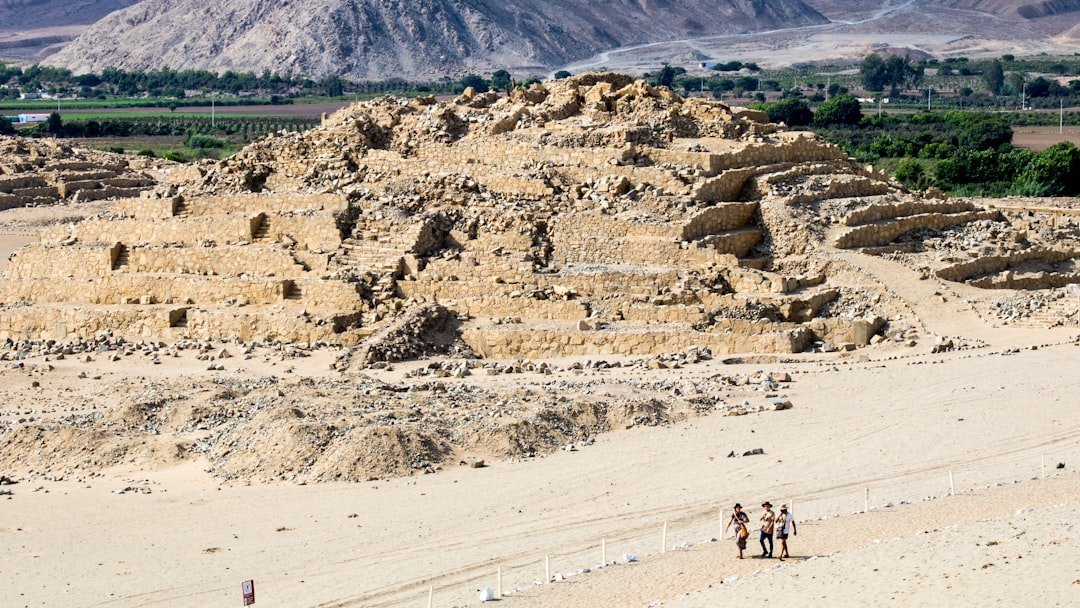
The oldest city in the Americas at 5000 years old, Caral featured pyramids, plazas, and an amphitheater for 3000 peaceful residents. No weapons marked its commerce-focused society with flutes and textiles. Arid shifts ended it by 2000 BC.[2]
Paul Kosok spotted it in 1948 amid desert terraces. UNESCO in 2009 highlights its primacy; anti-erosion work sustains the site. It rewrites New World timelines.[2]
Preserving the Echoes of Forgotten Wonders
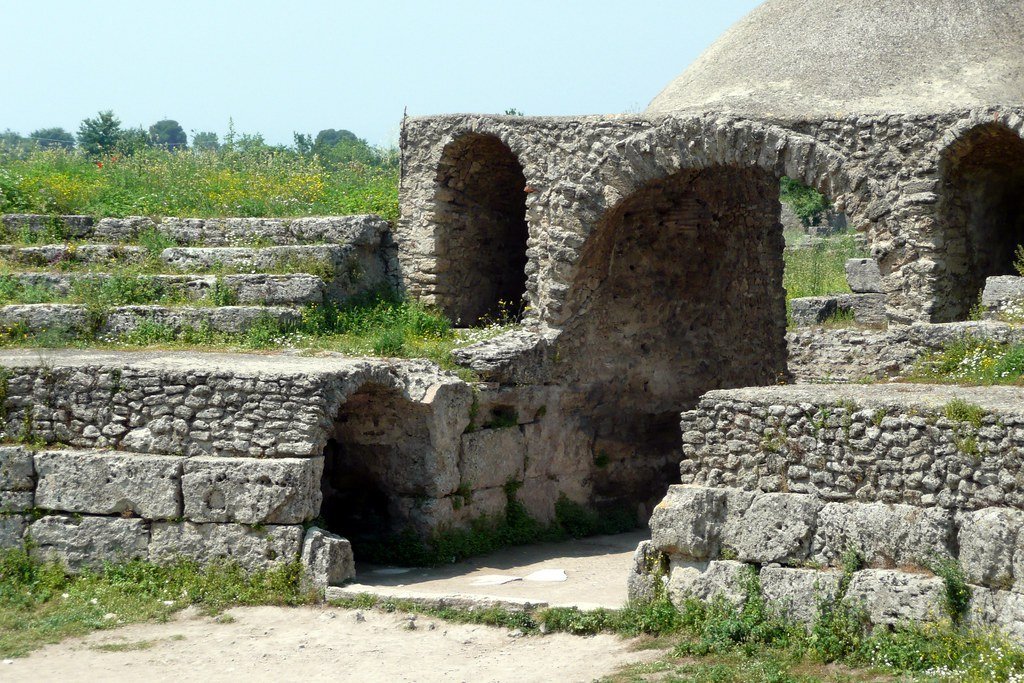
These sites, once teetering on oblivion, now anchor our understanding of human potential. Neglect eroded them, but rediscovery and stewardship revived their tales. Ongoing efforts against climate, crowds, and decay ensure future generations hear their whispers.
Cultural preservation binds us to ancestors, fostering humility and inspiration. In a fast-changing world, safeguarding these wonders honors the builders who defied time once before. Their survival depends on our resolve today.

Besides founding Festivaltopia, Luca is the co founder of trib, an art and fashion collectiv you find on several regional events and online. Also he is part of the management board at HORiZONTE, a group travel provider in Germany.
