

Live music has a way of capturing the spirit of a time, turning fleeting nights into shared cultural touchstones. Certain performances rise above the rest, etching themselves into collective memory through sheer energy, innovation, or raw emotion. These moments didn’t just entertain; they shifted how people saw music, society, and themselves.
From the electric hum of folk turning rock to stadium anthems uniting millions, these concerts marked turning points. They rallied generations around sounds that echoed far beyond the stage.
Bob Dylan Goes Electric at Newport Folk Festival, 1965
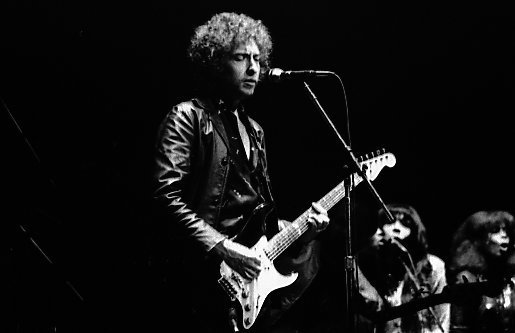
Folk purists gathered expecting acoustic strums, but Dylan plugged in with the Paul Butterfield Blues Band for a blistering set. He ripped into “Maggie’s Farm” and “Like a Rolling Stone,” the electric guitars slicing through the traditional air. Boos rained down from the crowd, some even hurling insults, yet Dylan pressed on, flipping the script on expectations.[1][2]
This pivot symbolized rock’s invasion of folk territory, bridging divides and birthing folk-rock. It challenged rigid genres, inspiring artists to experiment freely. Dylan’s defiance became a blueprint for artistic rebellion, influencing everyone from the Byrds to Springsteen. The backlash only amplified its legend, marking the start of a new musical era for baby boomers.
Jimi Hendrix Sets His Guitar Ablaze at Monterey Pop Festival, 1967
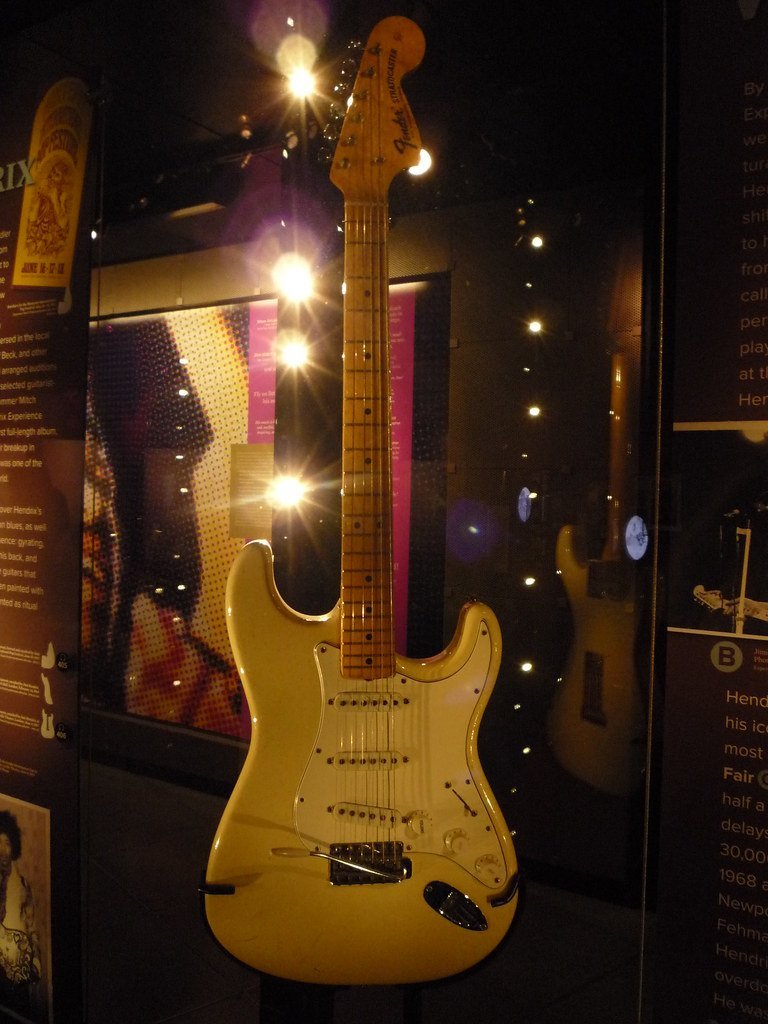
Hendrix knelt center stage, dousing his white Stratocaster in lighter fluid during “Wild Thing.” Flames erupted as he played, the fire mirroring his psychedelic fury. He smashed the burning instrument, tossing shards into the crowd, a ritual of destruction that stunned witnesses like Pete Townshend and Paul McCartney.[3]
The act crowned Hendrix as rock’s new wizard, elevating guitar performance to theater. It set the template for spectacle in festivals, from Woodstock onward. Monterey launched him stateside, defining psychedelic rock’s visual edge. Generations later, it remains the ultimate symbol of rock excess and innovation.
The Beatles’ Rooftop Concert at Apple Corps, 1969
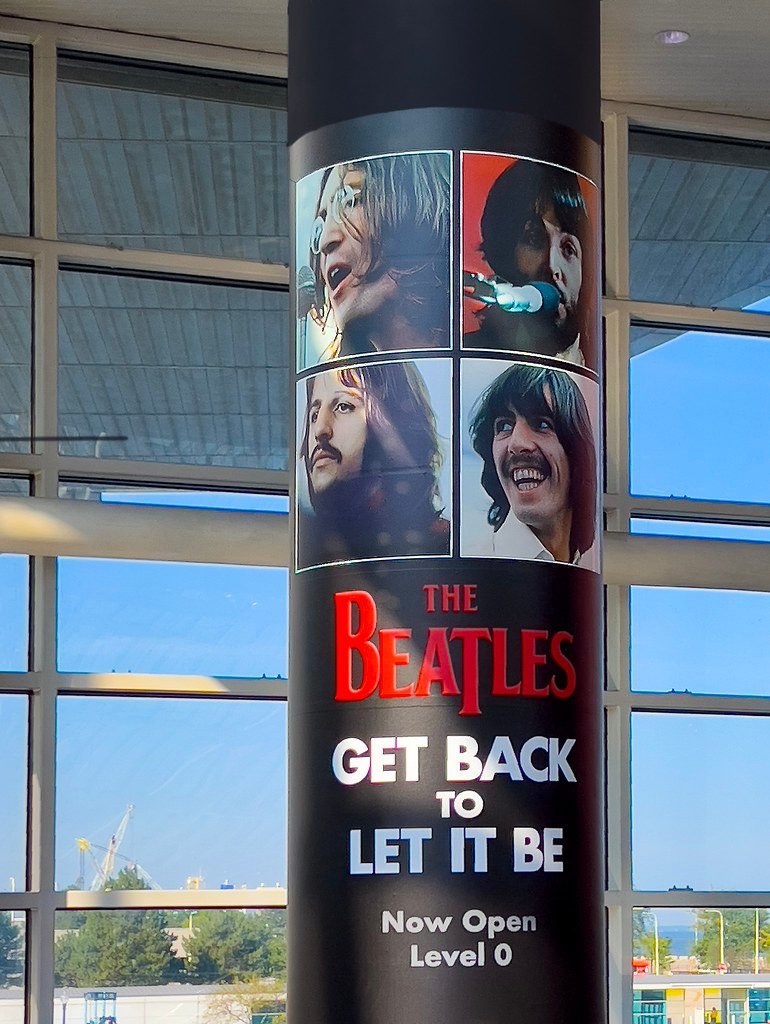
On a chilly London rooftop, the Beatles launched into “Get Back” with Billy Preston on keys, visible to passersby below. Police soon climbed up to shut them down after 42 minutes of joy. John quipped about the law over the amps, capturing their playful defiance amid breakup rumors.[1][2]
This impromptu farewell humanized the Fab Four, stripping away studio polish for street-level intimacy. It encapsulated the end of the 1960s dream, rooftop footage becoming Let It Be’s emotional core. Fans worldwide felt the loss, cementing the Beatles as generational icons. The moment endures as rock’s most poignant goodbye.
Jimi Hendrix’s Star-Spangled Banner at Woodstock, 1969
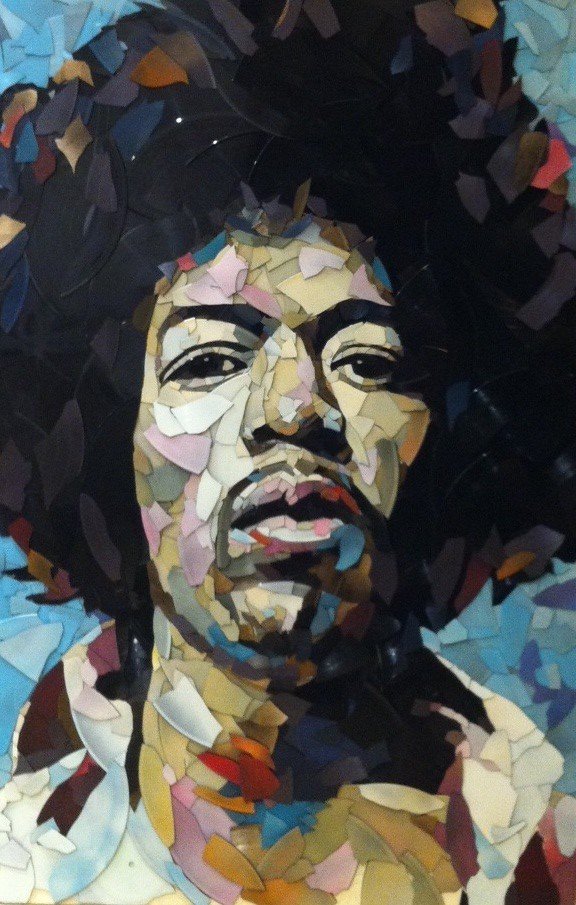
Dawn broke over a muddy field as Hendrix unleashed feedback and distortion on the national anthem. Sirens wailed like napalm, rockets red-glared through whammy bar dives. The three-day festival’s exhausted crowd stood transfixed by his improvised protest.[4][1]
Hendrix’s rendition captured Vietnam’s chaos, turning patriotism into anguished art. Woodstock became synonymous with counterculture peace, his set closing the book on hippie idealism. It redefined guitar heroism, inspiring endless covers and tributes. Boomers still invoke it as music’s power to confront history.
The Rolling Stones at Altamont Speedway, 1969
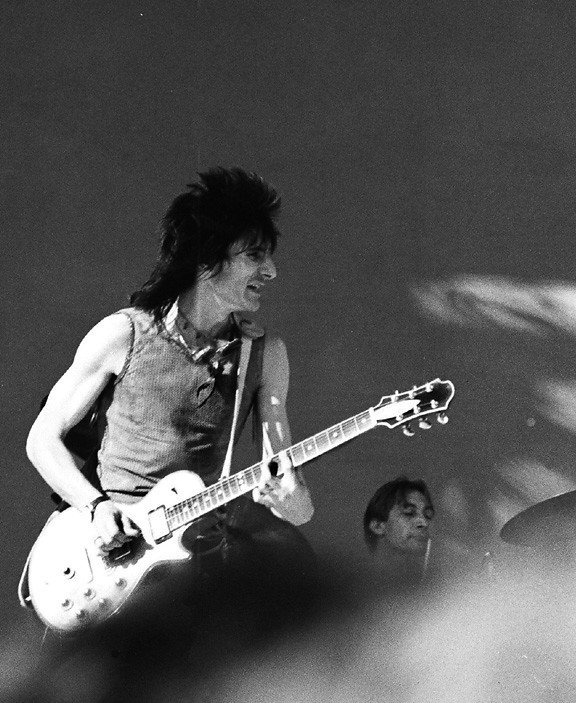
Free concert hype drew 300,000, but Hells Angels security turned violent amid the Stones’ set. As “Sympathy for the Devil” played, a fan was stabbed to death before the stage. Mick Jagger pleaded for calm, yet the darkness unfolded, shattering festival dreams.[4]
Altamont marked the 1960s’ violent unraveling, contrasting Woodstock’s bliss. It exposed rock’s limits in managing crowds, prompting safer concert standards. The Gimme Shelter documentary immortalized the tragedy, sobering a generation. Rock matured overnight, trading utopia for realism.
Queen at Live Aid, Wembley Stadium, 1985
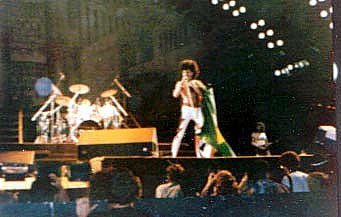
Freddie Mercury owned 72,000 fans and 1.9 billion viewers with operatic flair. “Bohemian Rhapsody” soared, “Radio Ga Ga” clapped in unison, his stage command electric. In 20 minutes, Queen eclipsed the all-star bill for Ethiopian famine relief.[4][1]
This set revived Queen’s career, crowning stadium rock’s pinnacle. It showcased showmanship’s timeless pull, influencing modern acts. Mercury’s charisma became legend, especially post-AIDS diagnosis. Gen X embraced it as arena anthems’ gold standard.
Bruce Springsteen Plays East Berlin, 1988
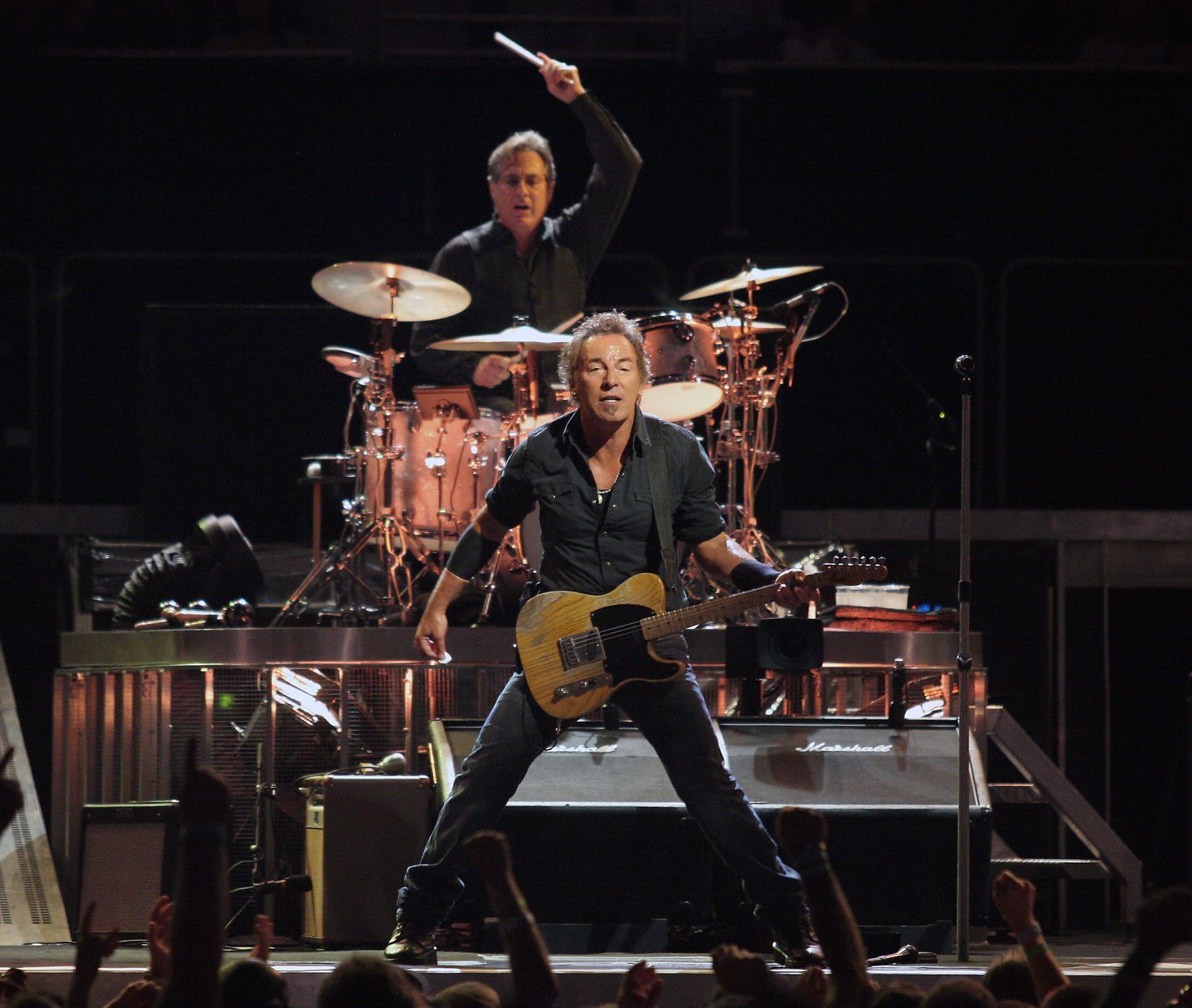
Over 300,000 East Germans surged past barriers for the Boss’s marathon show. He dedicated “Chimes of Freedom” in broken German, urging unity. “We Are the World” thundered, bridging Cold War divides with sweat-soaked heartland rock.[1][2]
The concert chipped at the Iron Curtain, foreshadowing the Wall’s fall. Springsteen’s everyman anthems resonated across ideologies, proving music’s borderless reach. It defined late-80s hope, inspiring reunification dreams. His working-class ethos shaped Gen X’s global consciousness.
Nirvana’s MTV Unplugged in New York, 1993
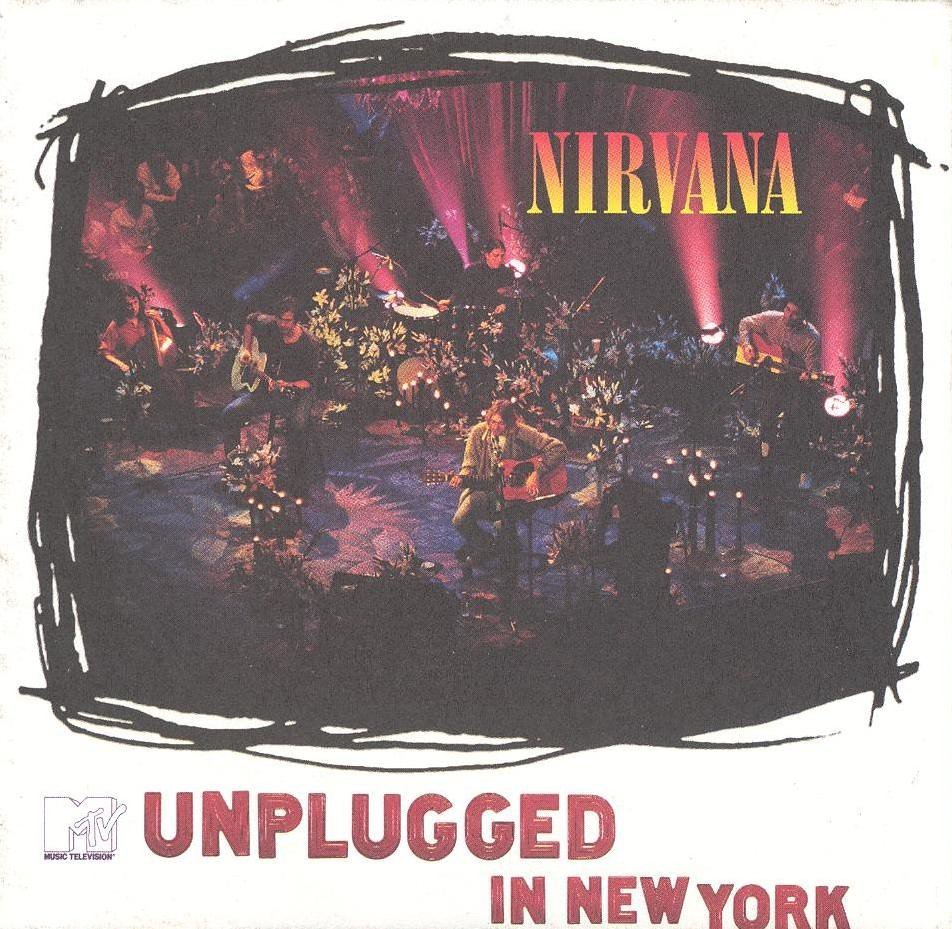
Kurt Cobain, frail from withdrawal, led acoustic renditions of grunge hits and covers. “Come as You Are” hushed, “Where Did You Sleep Last Night” haunted with raw wail. Candles flickered as Nirvana bared vulnerability before a stunned audience.[4][2]
The taping, aired post-Cobain’s death, canonized grunge’s emotional core. It contrasted arena rage with intimate despair, influencing alt-rock intimacy. MTV’s format peaked here, defining 90s authenticity. Millennials inherited its specter of genius lost young.
U2 at Red Rocks Amphitheatre, 1983
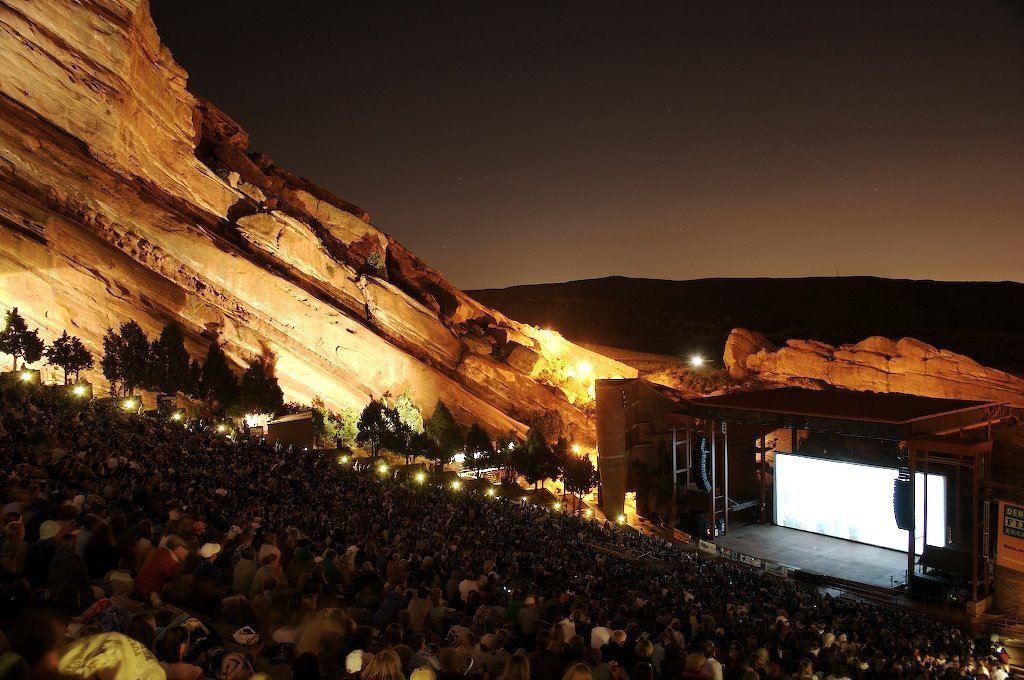
Rain poured during “Sunday Bloody Sunday,” Bono flag-waving amid lightning. The Edge’s echoes filled the canyon, urgency cutting through the storm. Filmed for Under a Blood Red Sky, it captured youthful fire.[4]
This elevated U2 from post-punk to stadium saviors, blending politics and passion. Red Rocks’ majesty amplified their anthemic rise, setting 80s rock’s epic tone. It taught generations how environment enhances myth. Bono’s activism took root here.
The Clash at US Festival, 1983
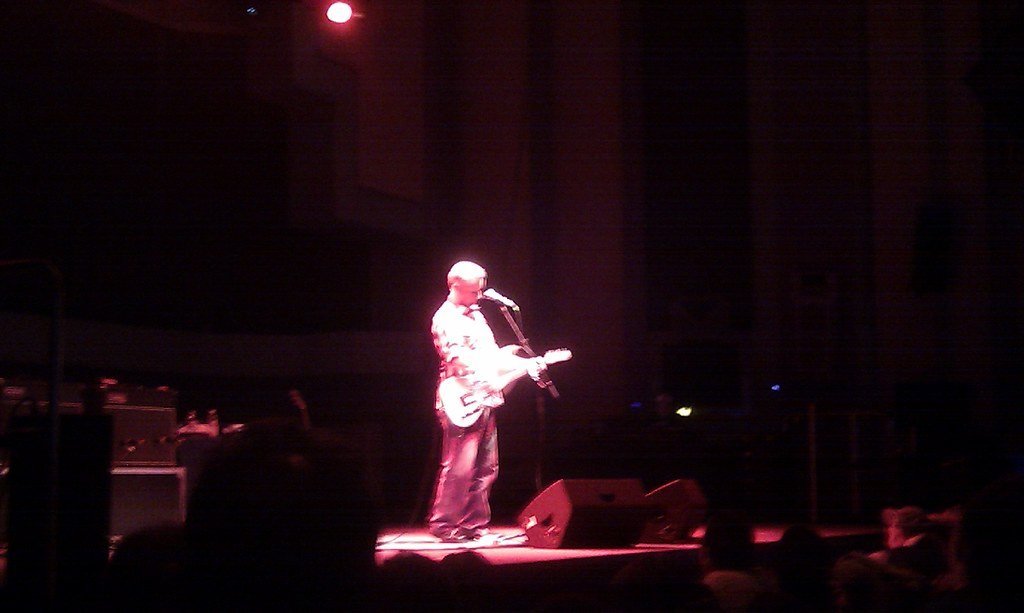
Punk rebels scaled a corporate stage, blasting “Should I Stay or Should I Go?” with middle fingers high. Joe Strummer rallied against the event’s beer sponsor, pure defiance. Their set scorched amid Van Halen headliners.[4]
The Clash proved punk’s mainstream bite, refusing assimilation. It highlighted 80s tensions between rebellion and commerce. Their fury inspired indie ethos, echoing into grunge. Gen X latched onto its anti-corporate snarl.
Pink Floyd’s Pulse Tour, 1994
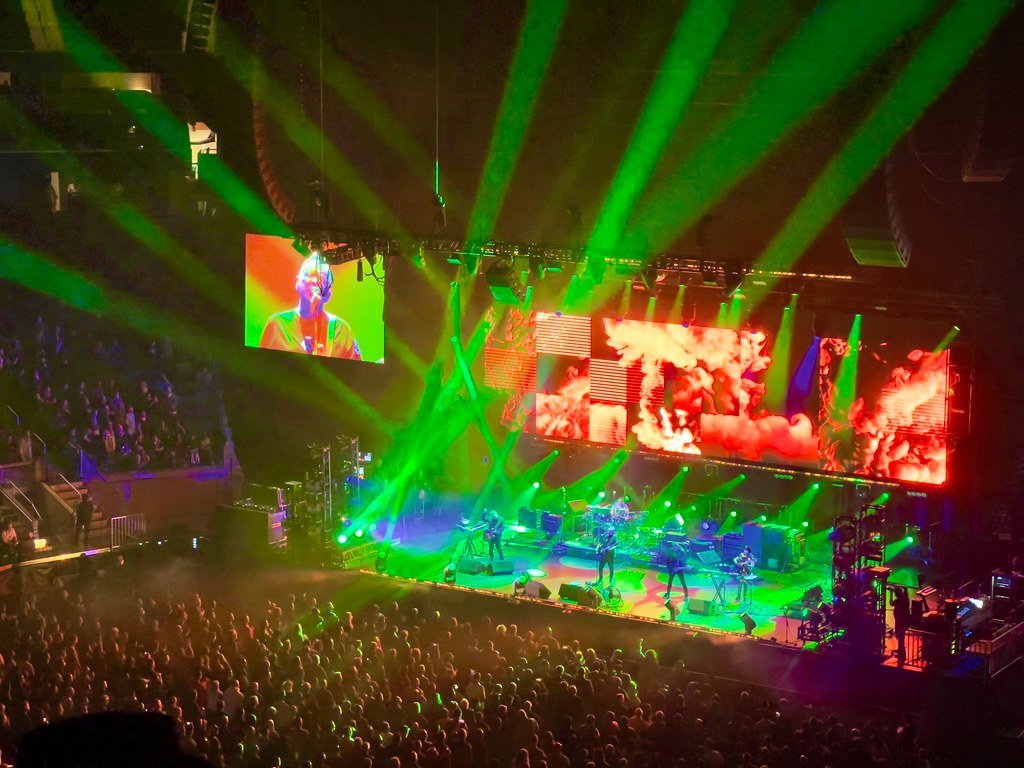
The Wall inflated, lasers sliced “Comfortably Numb’s” soaring close. Gilmour’s guitar wept over arena vastness, visuals immersing thousands. Post-reunion tension fueled precision pyrotechnics.[4]
Pulse elevated prog to spectacle art, influencing immersive tours. It bridged 70s icons to 90s tech, sustaining Floyd’s legacy. Emotional peaks defined arena escapism. Newer fans discovered prog’s depth through it.
Beyoncé Headlines Coachella, 2018

“Beychella” marched with HBCU band, black feminist anthems like “Formation.” Greek mythology met trap beats, dancers fierce. Homecoming film preserved the cultural thesis.[1]
First black woman headliner reframed festivals through identity. It set diversity benchmarks, blending pop with history lessons. Millennials and Gen Z embraced its empowerment. Live music evolved toward purposeful spectacle.
The Enduring Legacy of Live Music
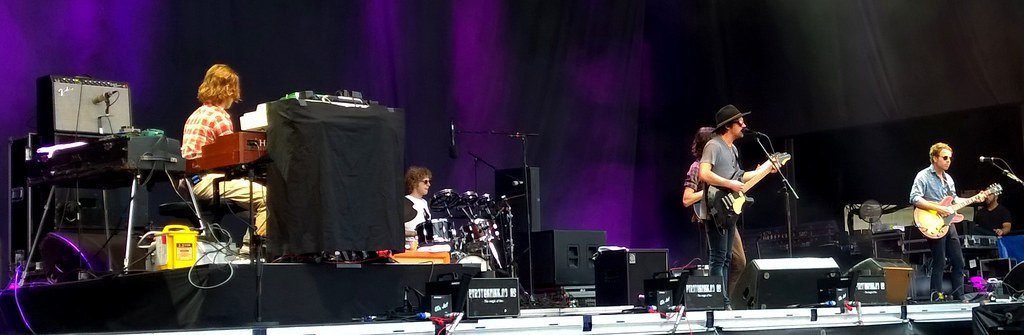
These moments remind us why stages matter: they forge bonds across divides, challenge norms, and preserve raw humanity. From Dylan’s boos to Beyoncé’s march, each etched generational scars or triumphs.
Live music thrives not despite chaos, but because of it. In 2026, as holograms rise, nothing tops flesh-and-blood electricity. Those who were there carry the proof; the rest chase echoes.

Besides founding Festivaltopia, Luca is the co founder of trib, an art and fashion collectiv you find on several regional events and online. Also he is part of the management board at HORiZONTE, a group travel provider in Germany.
