

Literature often pushes boundaries, holding up a mirror to society’s deepest fault lines. When a book questions religious dogma, racial hierarchies, or moral conventions, it can ignite fury that spills into the streets.
These works have faced bans, burnings, and in some cases, outright riots, as readers and authorities clashed over their ideas. They remind us how words on a page can stir the collective conscience, for better or worse.
The Satanic Verses by Salman Rushdie

Released in 1988, Salman Rushdie’s novel weaves magical realism with the immigrant experience in Britain, featuring a controversial dream sequence parodying Islamic history. Muslim communities worldwide condemned it as blasphemous, leading to riots in Bombay where twelve people died amid book burnings and clashes with police.[1][2]
Further violence followed in Pakistan and elsewhere, with bombings targeting bookstores and deaths of translators. The Iranian fatwa against Rushdie amplified the chaos.
Today, the book stands as a testament to the clash between artistic freedom and religious offense. Reading it offers insight into cultural hybridity and the costs of provocation, making it essential for understanding global tensions.
Its narrative depth rewards patient readers with profound reflections on faith and identity.
The Protocols of the Elders of Zion
This forged document, first serialized in Russia in 1903, purported to reveal a Jewish plot for world domination. It quickly fueled antisemitic pogroms, violent riots that ravaged Jewish communities in Kishinev and beyond, claiming dozens of lives in waves of mob attacks.
Despite being debunked repeatedly, it circulated widely, inciting hatred across Europe and later Nazi Germany. Governments and extremists alike weaponized its lies.
The text’s lasting shadow highlights propaganda’s destructive power. Encountering it firsthand reveals how fabricated narratives can justify atrocities, a lesson vital in an age of misinformation.
Studying it sharpens critical thinking against conspiracy theories.
The Turner Diaries by Andrew Macdonald
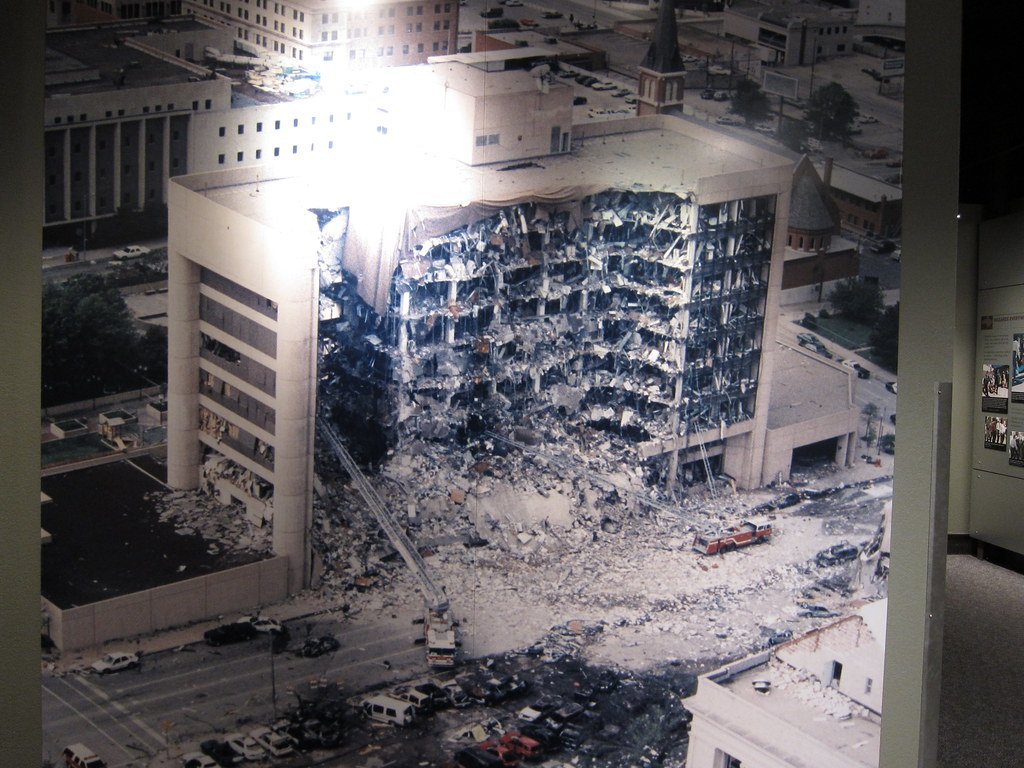
Published in 1978 under a pseudonym, this dystopian novel outlines a white supremacist uprising against a imagined Jewish-controlled government. It directly inspired Timothy McVeigh’s 1995 Oklahoma City bombing and other extremist attacks, fueling fringe groups’ violent fantasies.[3][4]
Militias and neo-Nazis treated it as a blueprint, leading to arrests and plots mimicking its scenarios. Its raw depiction of race war alarmed authorities.
Though repulsive, it exposes the mechanics of radicalization. Readers gain a window into hate ideologies, better equipping them to counter them.
Its influence on real-world violence underscores fiction’s unintended reach.
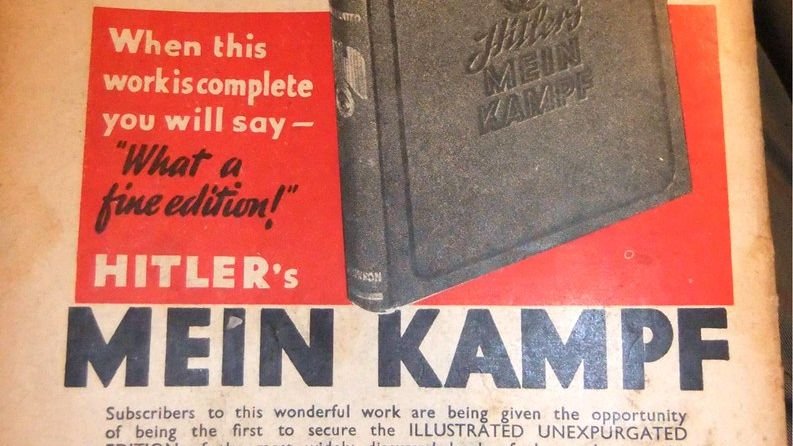
Mein Kampf by Adolf Hitler
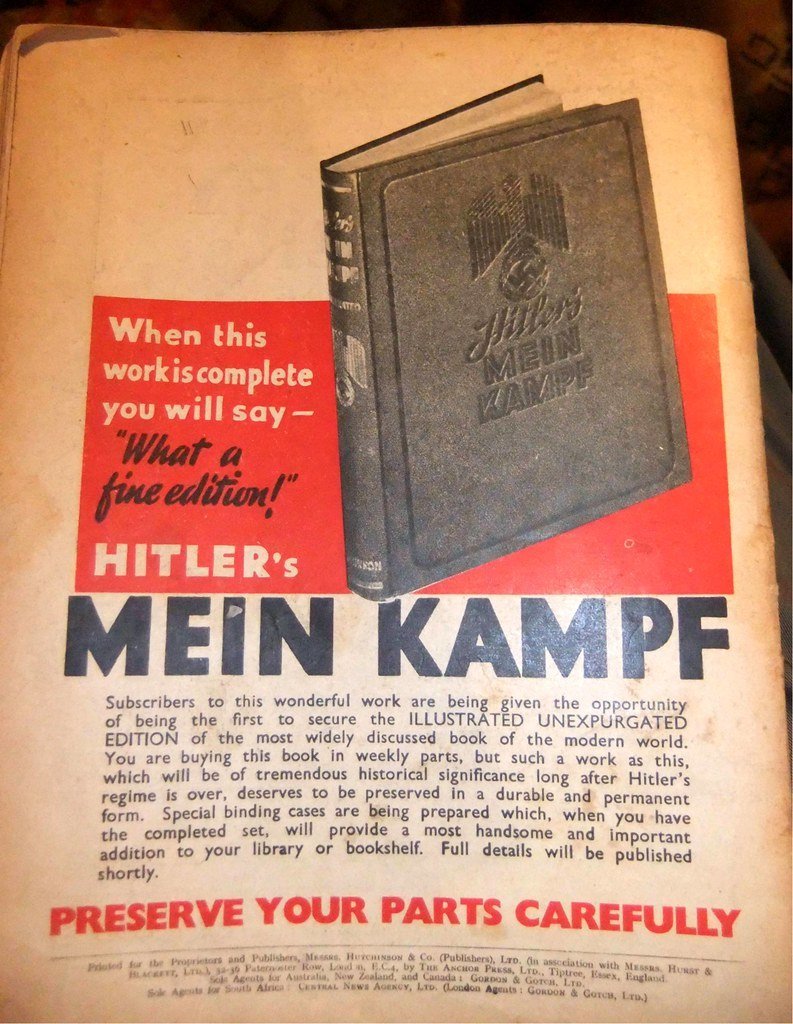
Adolf Hitler’s 1925 manifesto laid out Nazi ideology, antisemitism, and expansionist dreams. Its publication emboldened street brawls and pogroms, escalating into the Holocaust’s groundwork as SA thugs used it to rally mobs.
Bans followed World War II, but underground copies persisted, sparking neo-Nazi revivals. Governments monitored its spread due to riot risks.
Grasping its rhetoric demystifies totalitarianism’s appeal. It serves as a historical warning, urging vigilance against charismatic demagogues.
Analyzing it builds resilience to manipulative propaganda.
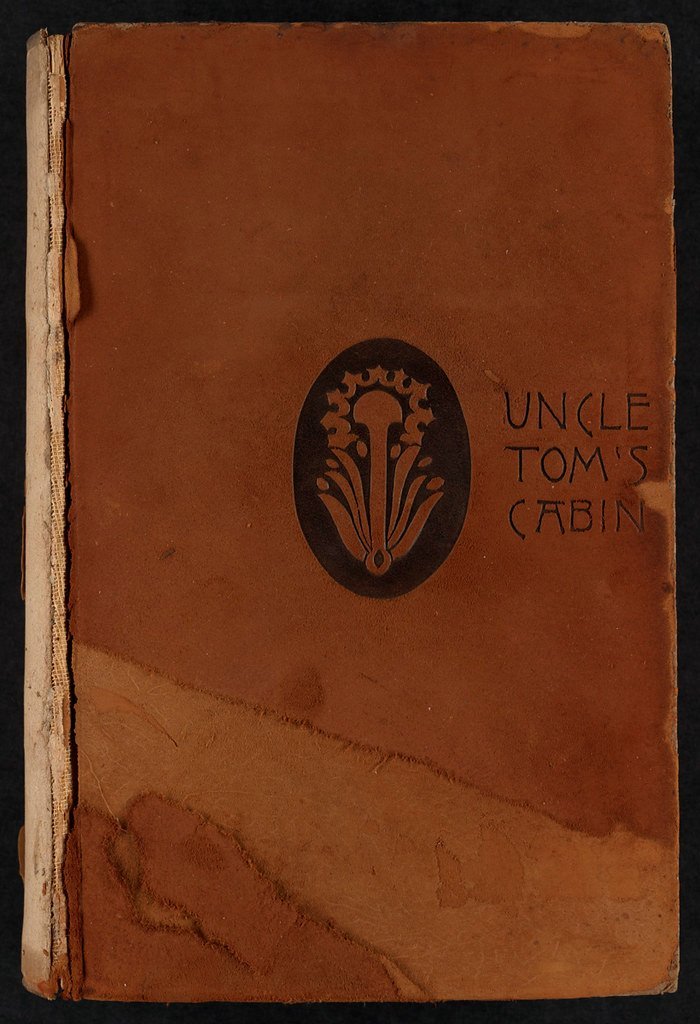
Uncle Tom’s Cabin by Harriet Beecher Stowe
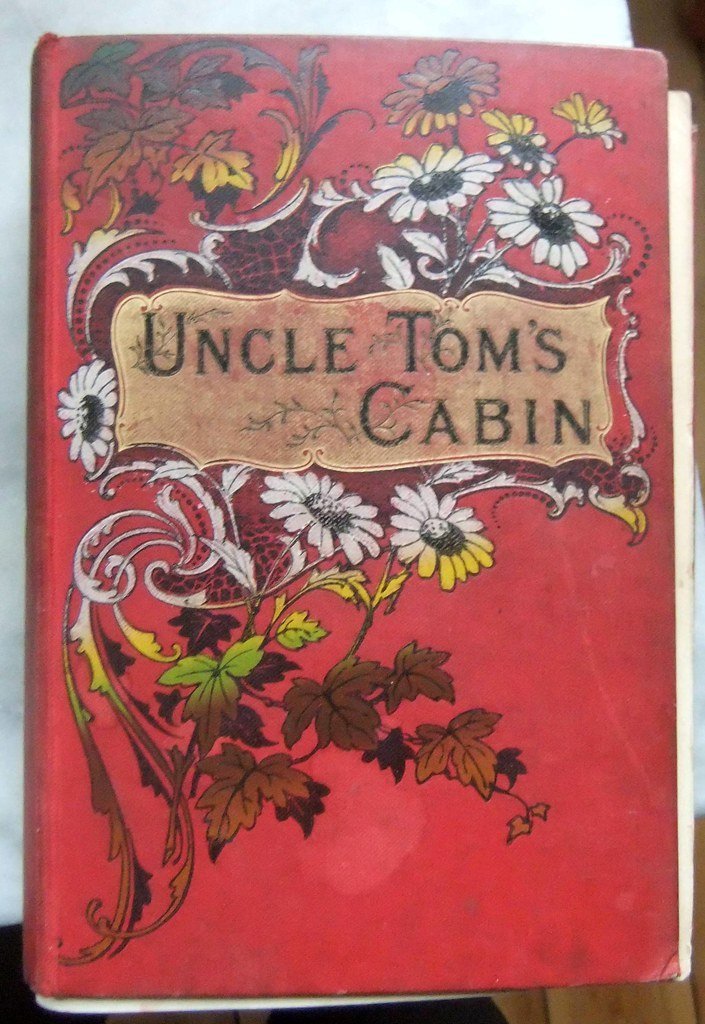
Harriet Beecher Stowe’s 1852 novel exposed slavery’s horrors through vivid characters and scenes. Southerners rioted in response, burning effigies and attacking abolitionists, while it fueled Northern fervor leading to violent border conflicts like Bleeding Kansas.
Pro-slavery mobs targeted its readers and sellers in the South. The book polarized the nation on the eve of civil war.
Its emotional power humanizes history’s victims. Modern readers find timeless lessons on empathy and justice.
It shaped American conscience, proving one voice can shift paradigms.
The Age of Reason by Thomas Paine
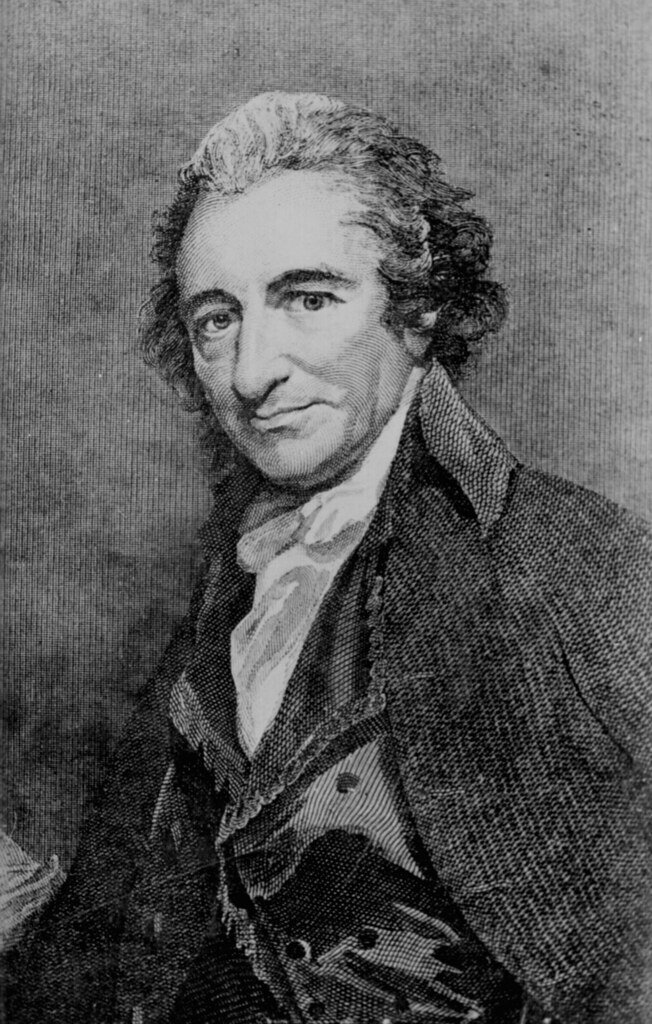
Thomas Paine’s 1794 critique of organized religion and the Bible challenged Christianity’s foundations. Mobs in England and America burned the book publicly, assaulting printers and sparking anti-deist riots amid French Revolution fears.
Paine himself faced effigy burnings and exile threats. It divided revolutionaries.
The work champions rational inquiry over dogma. It encourages questioning authority, fostering intellectual freedom.
Its bold prose still inspires skeptics today.
Lady Chatterley’s Lover by D.H. Lawrence
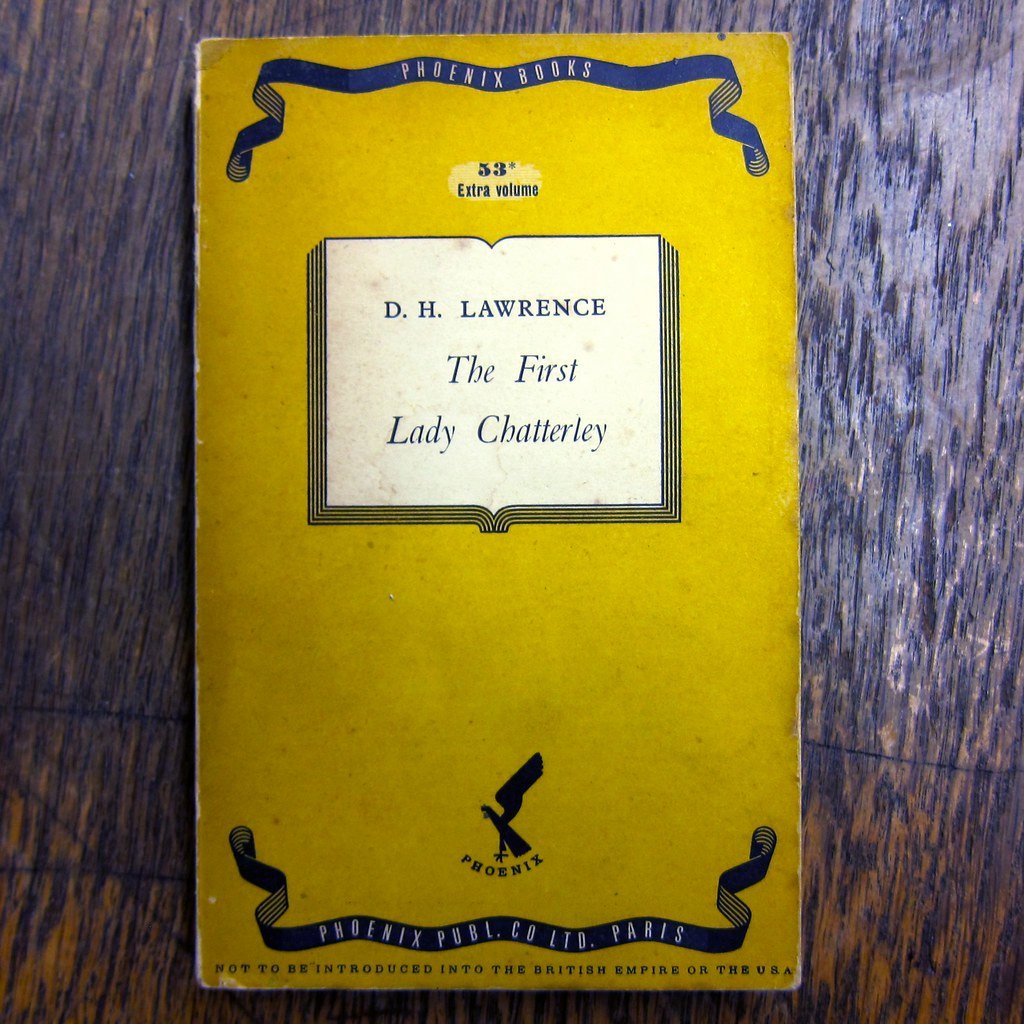
D.H. Lawrence’s 1928 novel frank depiction of adultery and class sparked obscenity charges across nations. In 1960 Britain, the trial drew massive protests outside courts, with crowds clashing over sexual explicitness.
Bans lasted decades, fueling underground markets. Moral guardians decried its language.
It explores desire and social barriers with raw honesty. Readers discover nuanced views on love and power.
Lawrence’s vitality keeps it relevant for body-politics discussions.
Lolita by Vladimir Nabokov
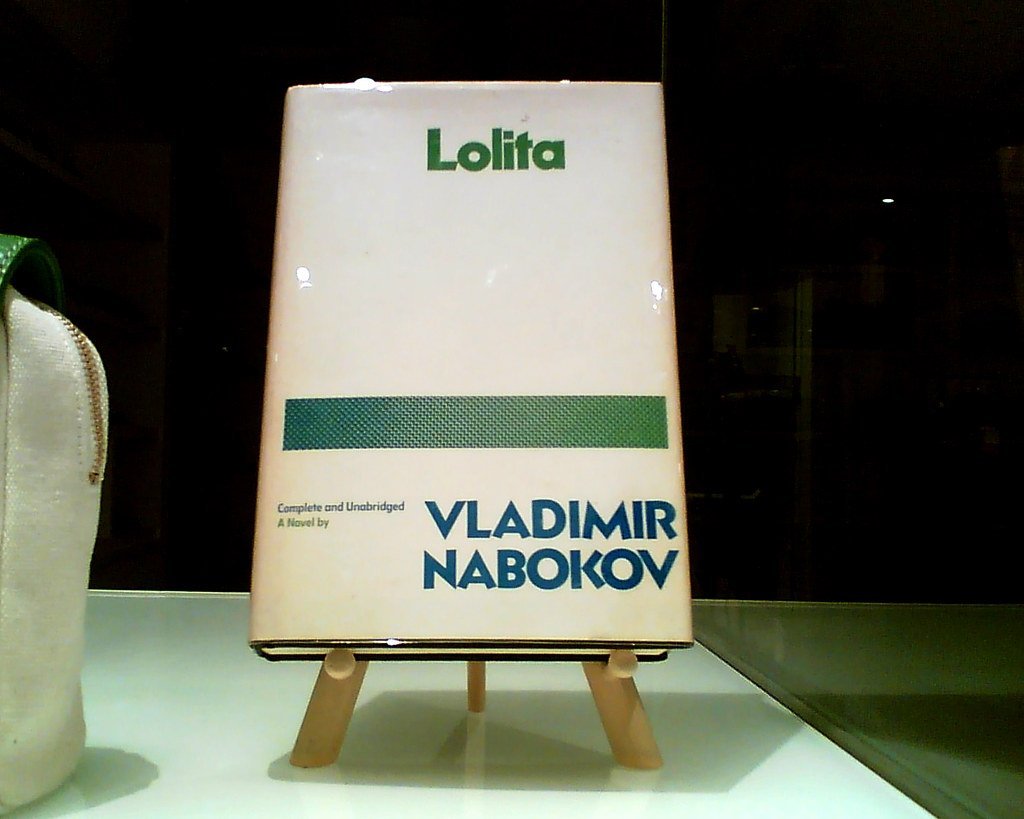
Vladimir Nabokov’s 1955 tale of obsession and abuse stunned readers with its stylistic brilliance masking dark themes. Customs seizures and trials erupted, with public outrage nearly turning violent in conservative circles.
Banned in France and Argentina, it faced library purges. Critics split on art versus morality.
Nabokov’s prose mastery elevates uncomfortable subjects. It probes unreliable narration and human frailty.
Engaging it hones literary appreciation amid controversy.
American Psycho by Bret Easton Ellis
Bret Easton Ellis’s 1991 satire of 1980s excess features graphic violence, prompting feminist protests and bookstore boycotts. Demonstrations outside publishers turned heated, with threats halting signings.
Death threats to the author followed. It polarized the literary world.
Beneath gore lies critique of consumerism. It challenges readers on desensitization.
Its cultural impact endures in media adaptations.
The Anarchist Cookbook by William Powell
William Powell’s 1971 manual detailed explosives and drugs, born from Vietnam War rage. It linked to numerous bombings and attacks, prompting FBI scrutiny and calls for bans amid rising militancy.
Users committed crimes citing it, escalating public fears. Powell later disavowed it.
It reflects youthful rebellion’s dangers. Studying it reveals information’s dual edges.
Contextual reading aids understanding extremism’s roots.
Conclusion: Literature’s Enduring Fire
These books demonstrate how challenging norms can provoke chaos, from street riots to lasting debates. They force societies to evolve or fracture.
Yet their survival affirms words’ resilience. Picking one up today invites personal reckoning with ideas that once set the world ablaze, reminding us why free expression matters.

Besides founding Festivaltopia, Luca is the co founder of trib, an art and fashion collectiv you find on several regional events and online. Also he is part of the management board at HORiZONTE, a group travel provider in Germany.
