

For any feedback please reach out to info@festivalinside.com
- 10 Hollywood Scandals From The Golden Age That Shocked The Nation - August 22, 2026
- 10 Architectural Wonders Of The Modern World That Defy All Expectations. - August 22, 2026
- 15 Unsung Heroes Of Rock And Roll Who Deserve Their Place In History. - August 22, 2026
In the early days of Hollywood’s studio era, the silver screen projected an image of glamour and innocence. Yet behind the scenes, a series of explosive controversies exposed the raw underbelly of fame. These events forced the public to grapple with the idea that movie stars were not the flawless heroes they portrayed.
America watched in horror as tabloids detailed excesses that clashed with family values. Studios scrambled to contain the damage, birthing a system of fixers and morality clauses. Such shocks ultimately molded celebrity culture into something more guarded and self-aware.[1][2]
Fatty Arbuckle’s Manslaughter Trial
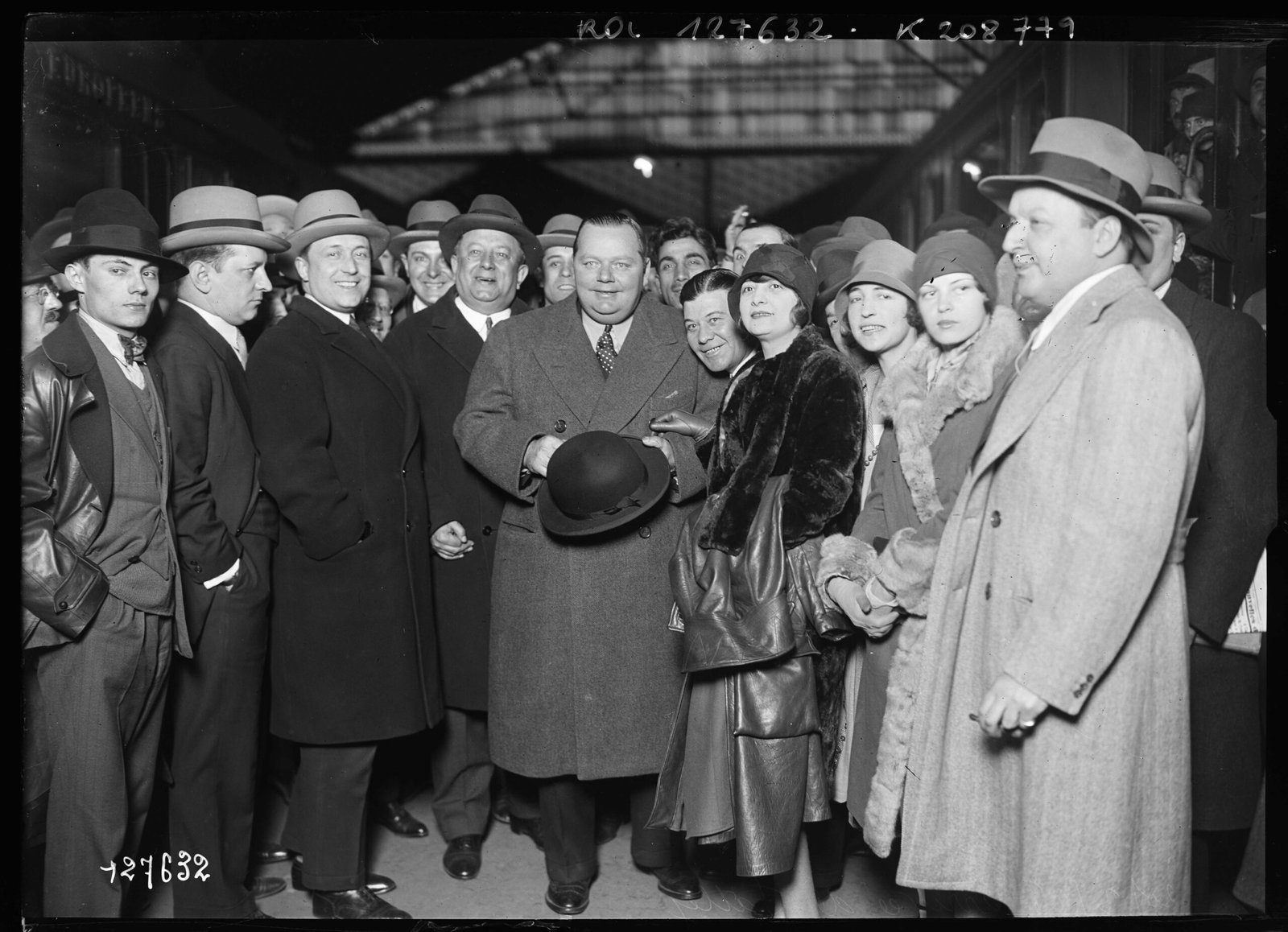
September 1921 marked a turning point when comedian Roscoe “Fatty” Arbuckle hosted a wild Labor Day party at San Francisco’s St. Francis Hotel. Actress Virginia Rappe fell ill there, suffering from a ruptured bladder that led to peritonitis and her death days later. Prosecutors accused Arbuckle of rape using a champagne bottle, though evidence was shaky and medical experts disputed the claims.[1]
Three trials gripped the nation, with two hung juries before an acquittal in 1922. William Randolph Hearst’s newspapers fueled outrage, selling papers through lurid tales. Arbuckle lost his career, fortune, and reputation as a beloved clown, never fully recovering despite later work under aliases. The scandal prompted Universal to pioneer morality clauses in contracts, signaling studios’ push for control.[1]
William Desmond Taylor’s Unsolved Murder
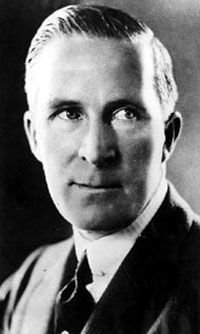
Director William Desmond Taylor turned up dead in his Los Angeles bungalow in February 1922, shot at close range. He had just walked comedienne Mabel Normand to her car, and a neighbor saw a shadowy figure flee. Suspects swirled around Normand’s cocaine habit, teen star Mary Miles Minter’s obsessive letters, and even her mother Charlotte Shelby.[1]
Hearst’s press spun tales of Hollywood sex cults and drug rings, amplifying national frenzy. Normand’s career crumbled amid addiction rumors, while Minter faded from virginal roles. Studios like Famous Players-Lasky planted evidence and hushed details, but the unsolved case deepened public distrust. It underscored the era’s yellow journalism and calls for industry oversight.[1]
Wallace Reid’s Deadly Morphine Addiction
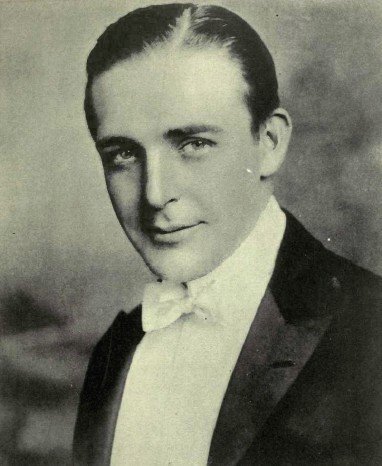
All-American matinee idol Wallace Reid battled a morphine habit after a 1919 train wreck injury. Studios pushed painkillers to keep him filming, worsening his dependency. In January 1923, his wife committed him to a sanitarium, where he died weeks later from complications.[1]
The revelation shattered Reid’s clean-cut image, coinciding with other drug stories in the press. It highlighted Hollywood’s role in fueling addictions for productivity. Public backlash grew against the industry’s moral laxity, pressuring studios to address substance issues more visibly. Reid’s death became a cautionary tale in reform debates.[1]
Thomas Ince’s Mysterious Yacht Death
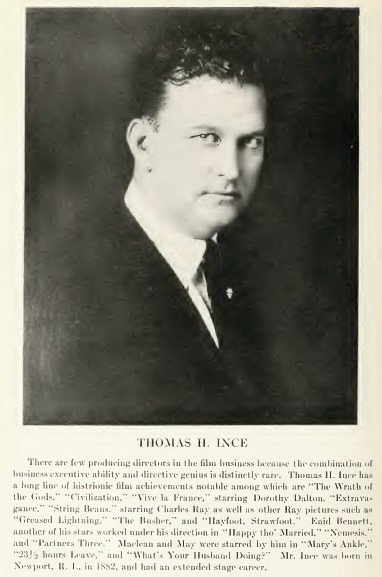
Producer Thomas Ince boarded William Randolph Hearst’s yacht Oneida in November 1924, packed with stars like Charlie Chaplin and Marion Davies. Ince fell suddenly ill and was rushed ashore, dying days later of reported heart failure. Rumors exploded that Hearst shot him, mistaking him for Chaplin amid jealousy over Davies.[1][2]
Hearst’s papers quashed the story, claiming indigestion, and rushed cremation. Persistent whispers damaged his influence and Hollywood’s elite aura. The incident inspired later films like The Cat’s Meow, cementing its mythic status. It exposed ties between moguls, stars, and power brokers, eroding glamour’s facade.[1]
Paul Bern’s Suspicious Suicide
Jean Harlow’s new husband, producer Paul Bern, was found shot in their home in September 1932, just two months after marriage. His naked body clutched a pistol and a cryptic note. Doubts arose over staging, linked to Bern’s troubled past with common-law wife Dorothy Millette, who drowned soon after.[3]
MGM bosses Irving Thalberg and Louis B. Mayer swooped in to manage press and police. Harlow’s “Blonde Bombshell” image held, but whispers of murder lingered. The studio’s swift intervention exemplified the fixer system. It reminded the public of stars’ volatile private lives amid rapid fame.[3]
Errol Flynn’s Statutory Rape Trial
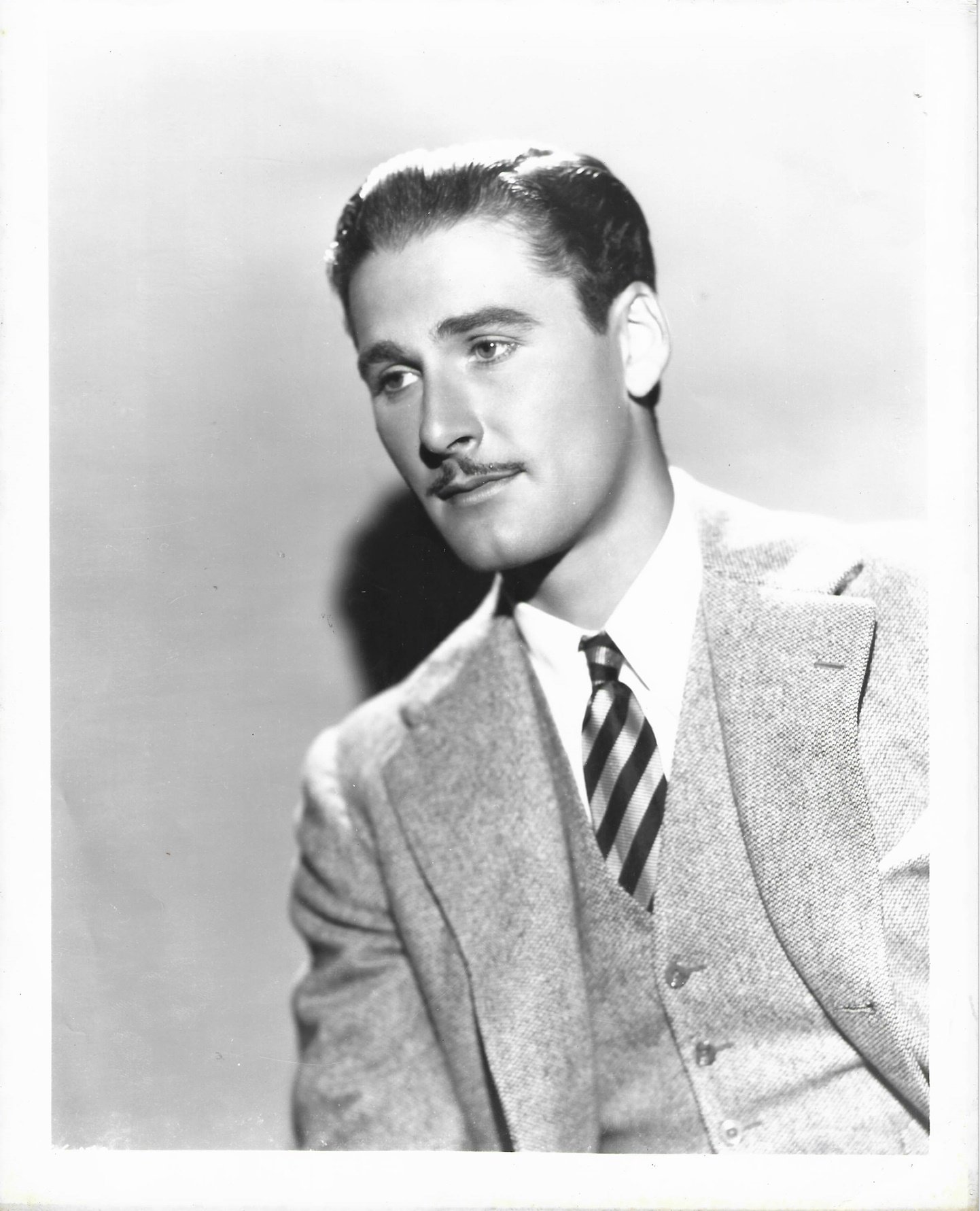
Swashbuckler Errol Flynn faced charges in 1943 for raping two underage girls, 17-year-old Betty Hansen and Peggy Satterlee, aboard his yacht. Testimony detailed parties and seduction attempts. Flynn denied the acts, painting himself as a victim of gold-diggers.[3][2]
An acquittal followed after defense shredded accusers’ credibility. His playboy reputation only intensified, boosting some fan appeal. Warner Bros. weathered the storm, but it spotlighted underage exploitation in Hollywood. Flynn’s later exploits kept the notoriety alive until his 1959 death.[3]
Judy Garland’s Studio-Forced Addictions
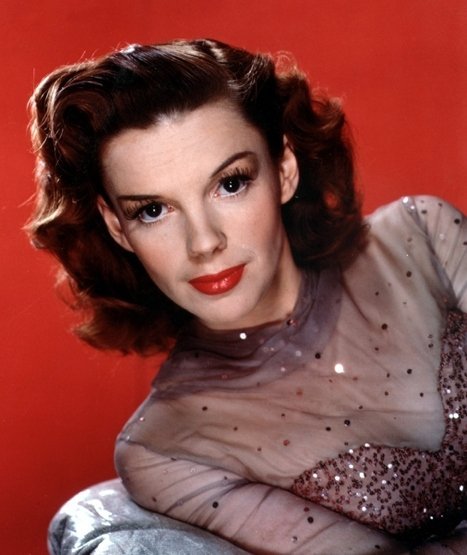
Teen sensation Judy Garland endured MGM’s regime from the late 1930s, dosed with amphetamines for energy and weight control, plus barbiturates for sleep. Diets of coffee, soup, and cigarettes starved her further. The cycle trapped her in lifelong dependency.[4][2]
Studios deducted pay for “sick days” from drug crashes, isolating her from help. Her Wizard of Oz stardom masked the abuse until breakdowns surfaced publicly. It exposed child exploitation, influencing later labor protections. Garland’s overdoses echoed the toll into the 1960s.[4]
Charlie Chaplin’s Scandalous Divorce
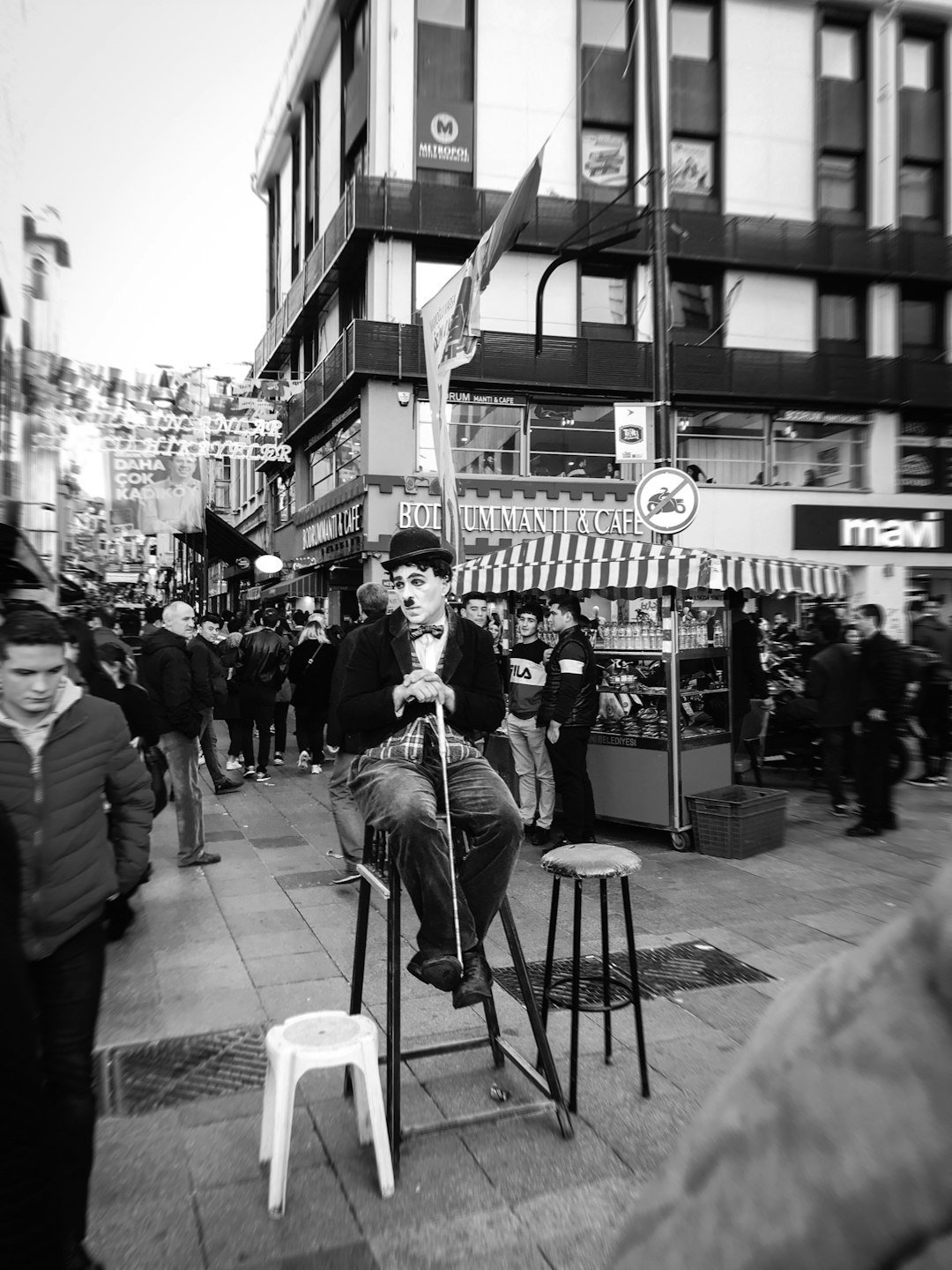
Charlie Chaplin’s 1924 divorce from 16-year-old Lita Grey, married hastily amid pregnancy fears, spilled details of his teen obsessions and neglect. Court papers painted him as abusive and promiscuous. The settlement hit a record $800,000.[4]
His Little Tramp image cracked, drawing deportation threats later. Public saw the genius as flawed, curbing his influence. Studios distanced amid moral panic. Chaplin exiled himself to Europe, reshaping his legacy abroad.[4]
Ingrid Bergman’s Forbidden Affair
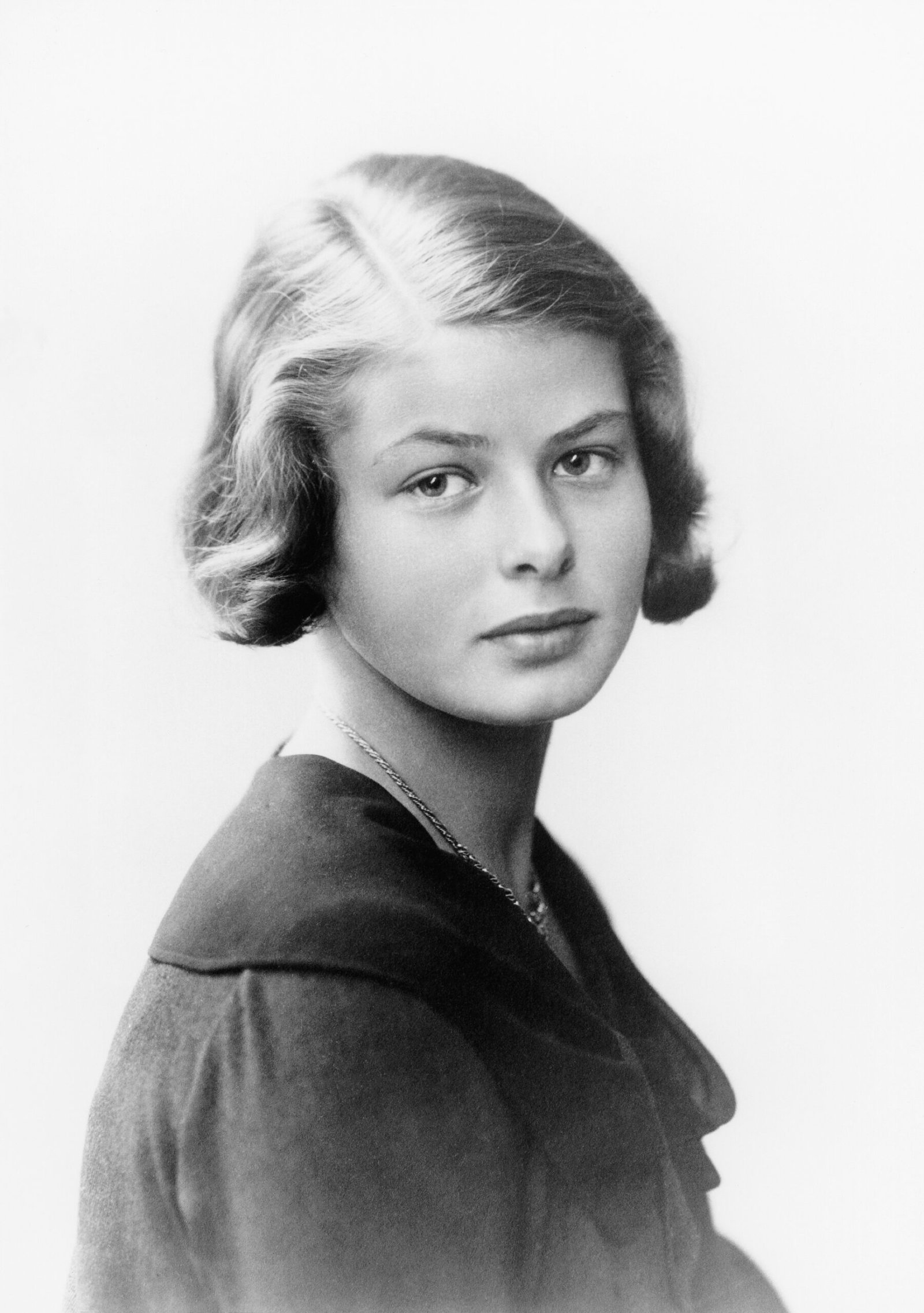
Oscar winner Ingrid Bergman left husband Petter Lindstrom in 1949 for director Roberto Rossellini after an affair and pregnancy. Their Italian romance defied U.S. norms. She divorced and remarried him swiftly.[4]
A senator blocked her U.S. entry, branding her immoral. Hollywood shunned her for years, tanking stateside projects. Boycotts hit her films domestically. Bergman returned triumphantly in 1956, but the saga challenged adultery taboos.[4]
Joan Crawford’s Hidden Porn Past
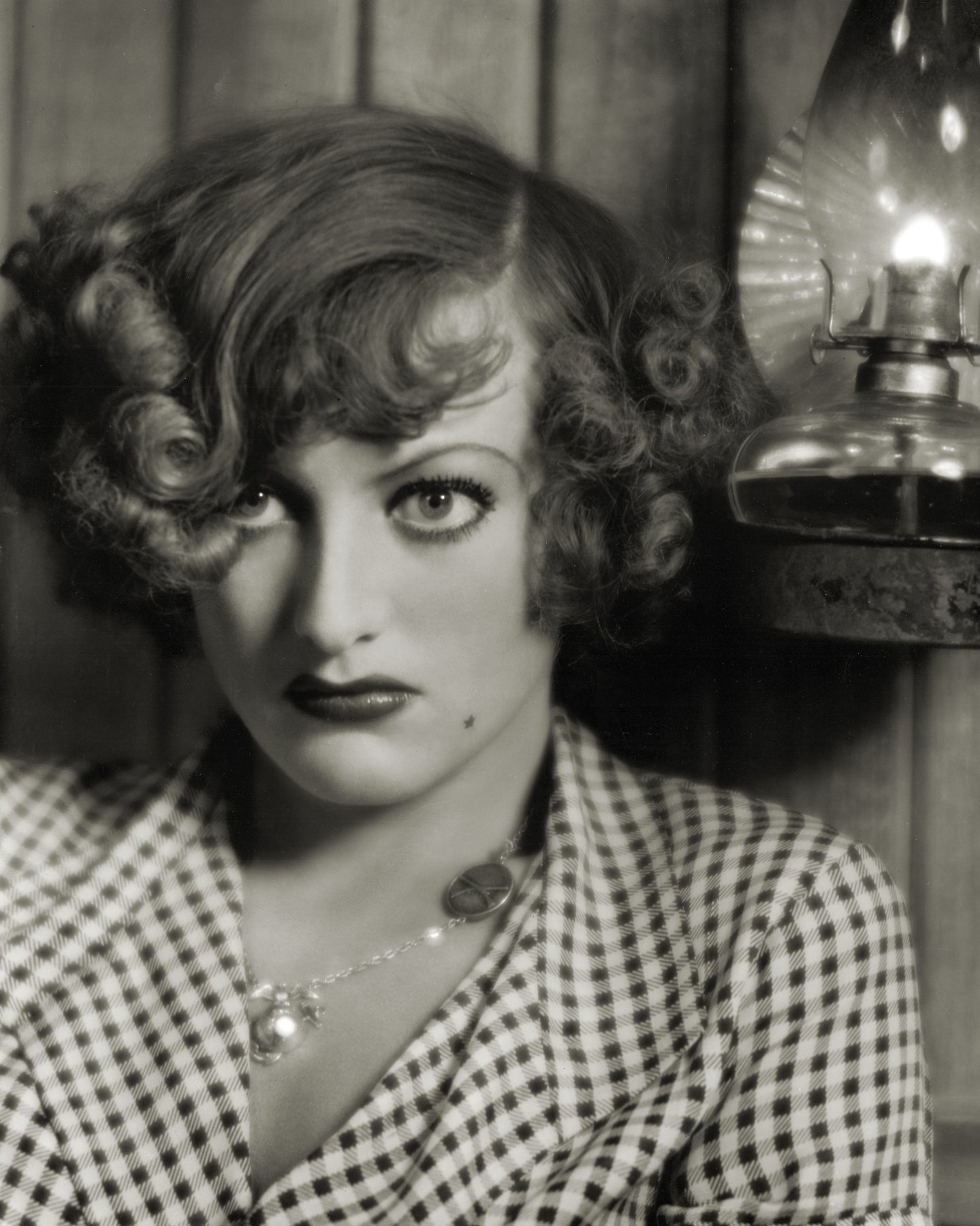
Before stardom, Joan Crawford appeared in a stag film called Velvet Lips, circulated at parties. MGM discovered it in the 1930s, fearing blackmail. Her brother helped suppress copies amid denials.[4][3]
Fixers like Eddie Mannix paid up to $100,000 and destroyed prints, possibly with mob aid. Crawford reimbursed the studio later. The cover-up succeeded, preserving her queenly status. It revealed lengths studios went to protect images in a puritan age.[2]
Hollywood’s Shifting Spotlight
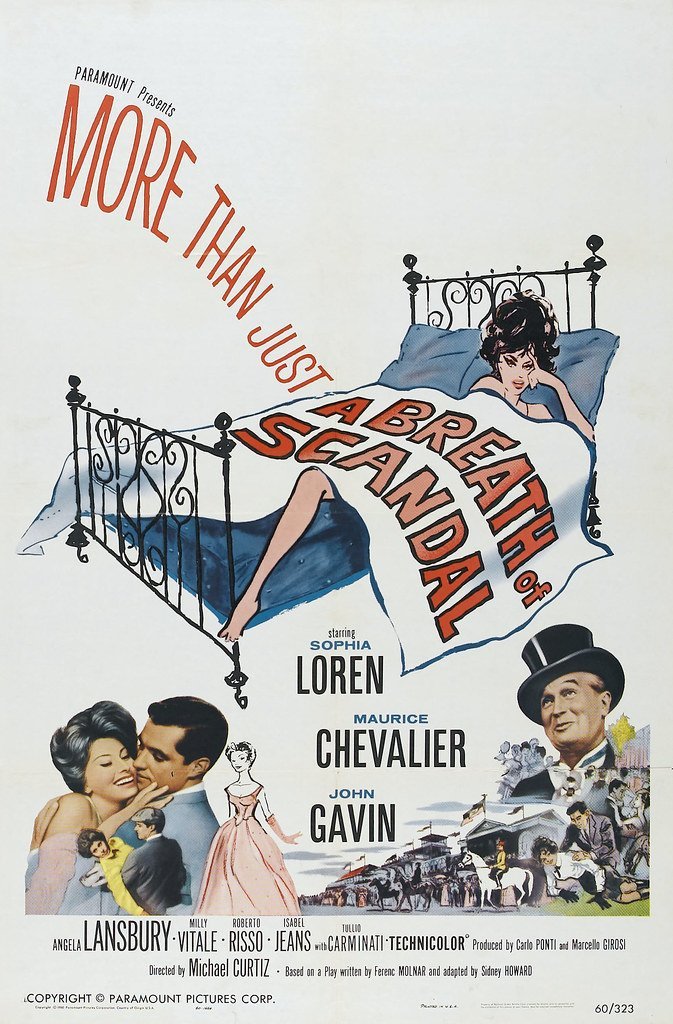
These scandals peeled back the curtain on an industry built on illusion. Early outrage birthed censorship like the Hays Code and studio spin machines. Over decades, transparency grew with television and free press.
Today’s celebrities face scrutiny in real time, yet the core tension persists. Hollywood learned to navigate fame’s double edge, turning flaws into relatable humanity. The Golden Age shocks remind us that stardom has always demanded a high price.[1][2]

Christian Wiedeck, all the way from Germany, loves music festivals, especially in the USA. His articles bring the excitement of these events to readers worldwide.
For any feedback please reach out to info@festivalinside.com
