

- 15 Rock Anthems That Defined a Generation and Still Sound Amazing Today - August 11, 2026
- 12 Unforgettable Movie Quotes You Can Still Use in Everyday Conversation. - August 11, 2026
- 10 Music Festivals That Changed the World - August 11, 2026
Album covers started as simple labels on 78rpm records. The shift to 12-inch LPs in the late 1940s opened up a square canvas roughly the size of a painting. This change let designers treat artwork as a visual companion to the music inside.
Suddenly, covers could capture mood, story, or attitude in striking ways. Firms like Hipgnosis turned them into high-concept pieces blending photography, illustration, and symbolism. These visuals helped define a band’s identity long before streaming shrank everything back down.[1][2]
The Beatles’ Abbey Road (1969)
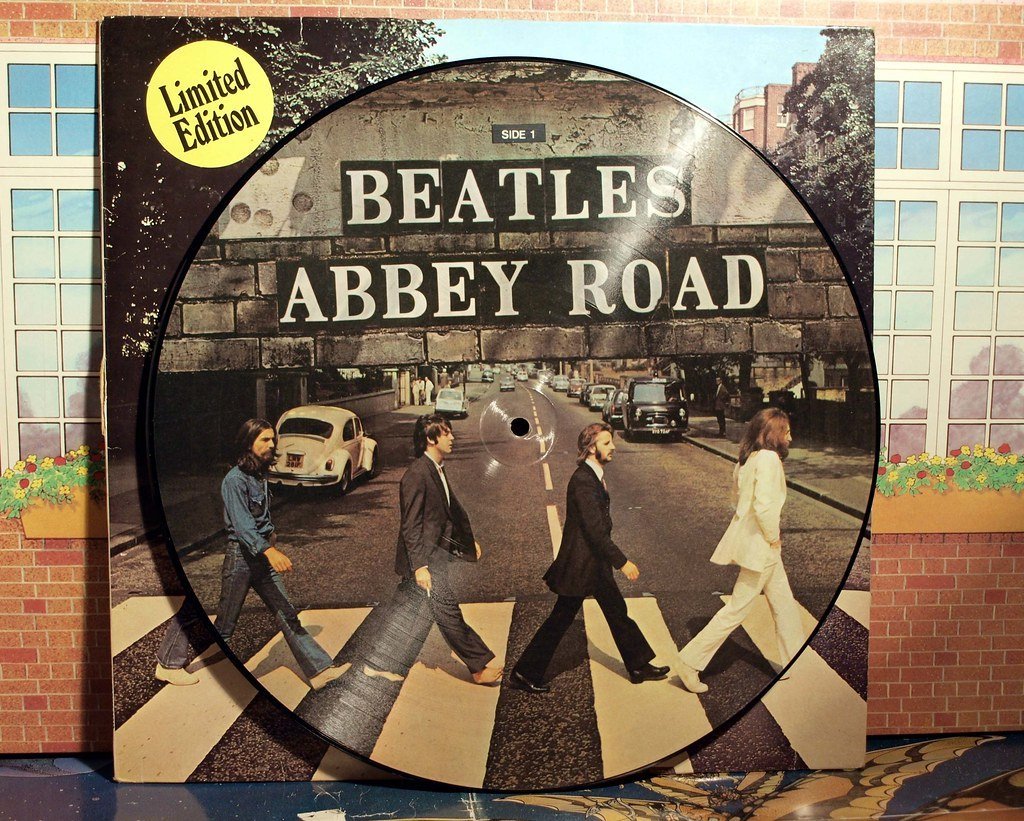
Iain MacMillan snapped the band crossing a London zebra crossing in just ten minutes. Paul McCartney went barefoot, dressed in a suit alongside his suited bandmates under clear skies. The minimalist design skips band name or title, letting the everyday scene speak for itself. No heavy symbolism here, just a candid portrait of unity amid their final studio push.[2]
This image turned a quiet street into a pilgrimage site for fans worldwide. It endures as rock’s most reproduced photo, symbolizing closure for the biggest band ever. Abbey Road Studios still draws crowds recreating the walk today.[1]
Pink Floyd’s The Dark Side of the Moon (1973)
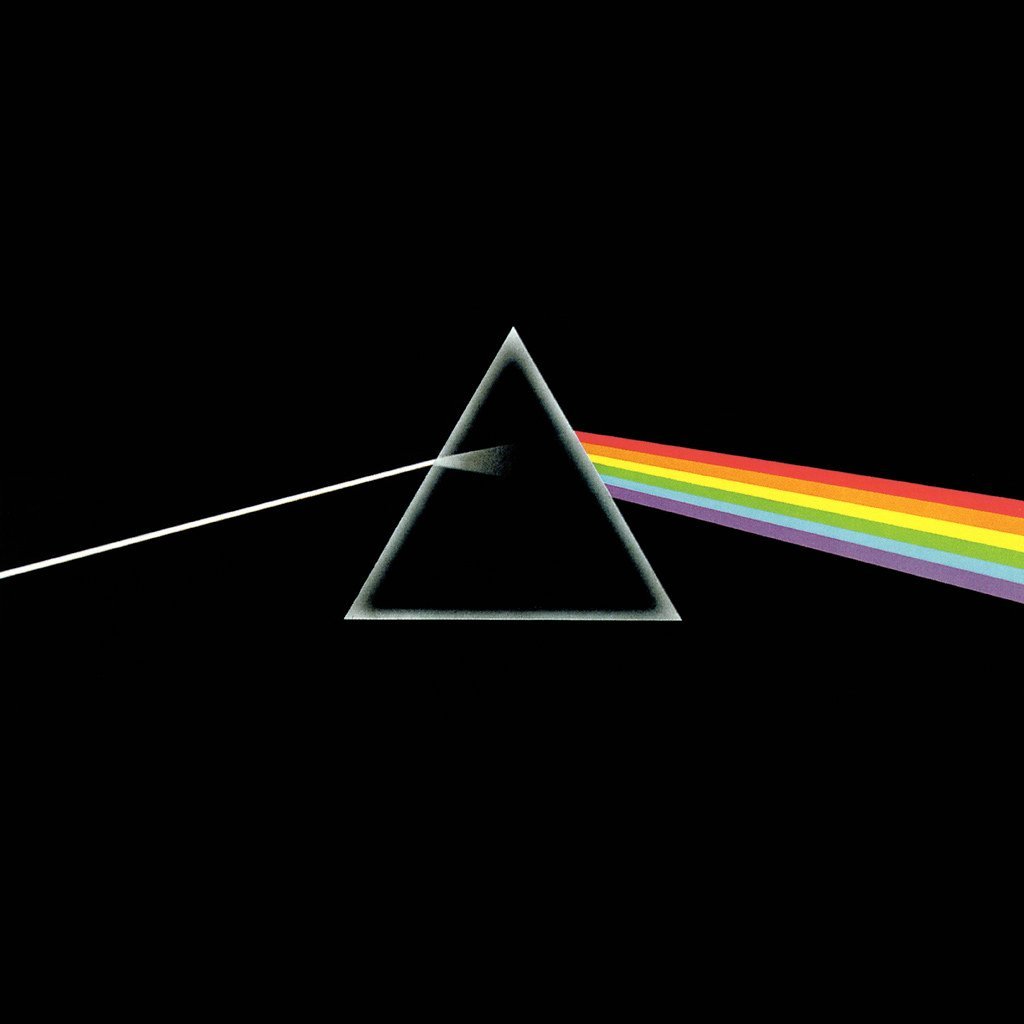
Storm Thorgerson of Hipgnosis crafted a prism bending white light into a rainbow spectrum against pitch black. Simple geometry hints at refraction, echoing the album’s themes of time, madness, and infinity. The lack of text keeps focus pure on this cosmic diagram. Fans see layers in its clean lines, from physics to psychedelia.[1][2]
One of prog rock’s ultimate icons, it shaped countless parodies and posters. Its versatility made it a cultural shorthand for mind expansion. Over 45 million copies sold carry this art into homes everywhere.[3]
Joy Division’s Unknown Pleasures (1979)
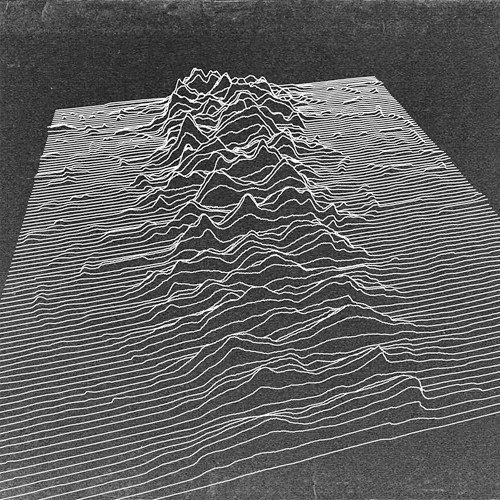
Peter Saville flipped a radio pulsar image from an astronomy encyclopedia into white waves on black. No band name or title appears, just stark lines pulsing like a heartbeat or signal from space. This post-punk minimalism evokes isolation and mystery perfectly. The design’s cold precision matches the album’s brooding sound.[2]
It became a T-shirt staple and goth fashion touchstone decades later. Saville’s restraint influenced graphic design beyond music. The cover lives on as post-punk’s visual manifesto.
Nirvana’s Nevermind (1991)
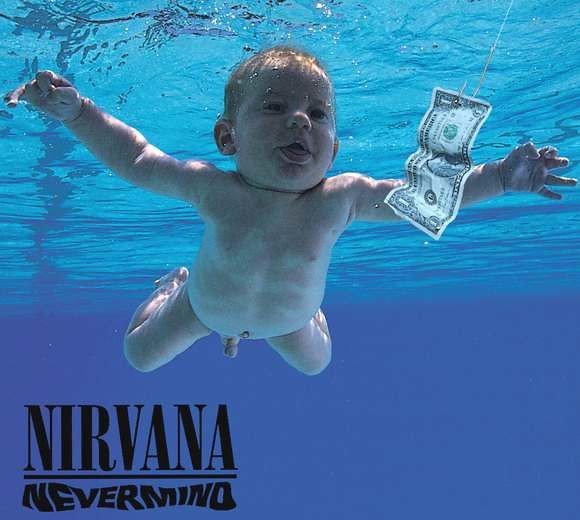
Kurt Cobain envisioned a baby swimming naked toward a dollar on a string underwater. Photographer Kirk Weddle used his own child, adding bubbles for motion. Bold sans-serif text floats simply above the blue scene. The image blends innocence with consumer lure in grunge’s raw style.[1][2]
This shot exploded into 90s culture, spawning memes and debates over censorship. It marked grunge’s mainstream breakthrough visually. The baby, now grown, even sued over its fame.
The Velvet Underground & Nico (1967)
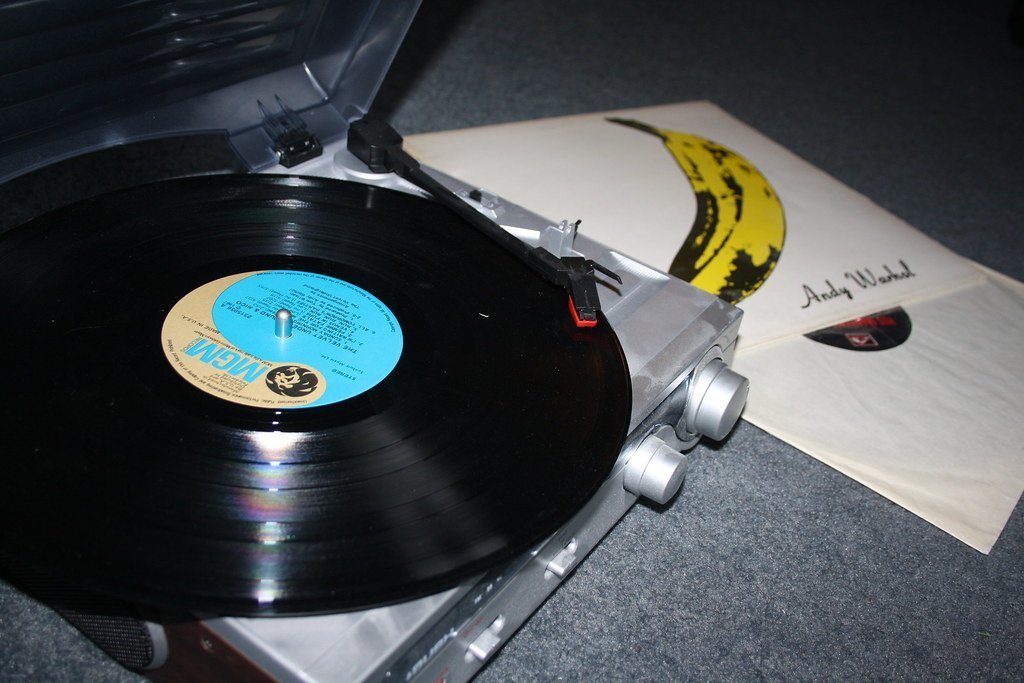
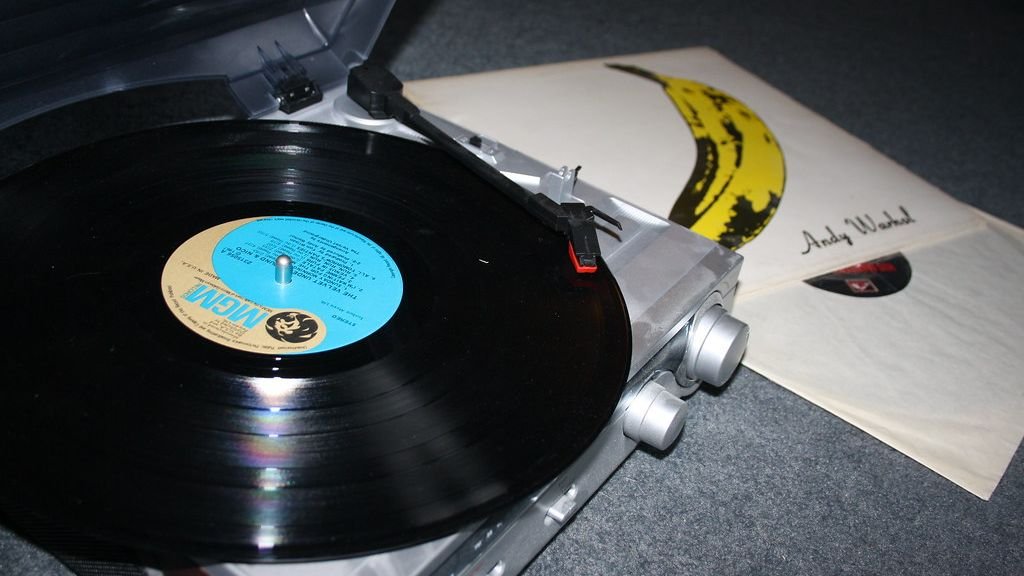
Andy Warhol painted a pink banana with “Peel slowly and see” on early pressings revealing flesh tones underneath. Minimal text credits only the artist, not the band. Pop art meets rock in this interactive gimmick. It screams underground edge against Warhol’s commercial sheen.[4][2]
The cover bridged fine art and music, inspiring punk and no-wave scenes. Peelable versions fetch collector prices now. Warhol’s touch made it a lasting symbol of avant-garde rebellion.
The Beatles’ Sgt. Pepper’s Lonely Hearts Club Band (1967)
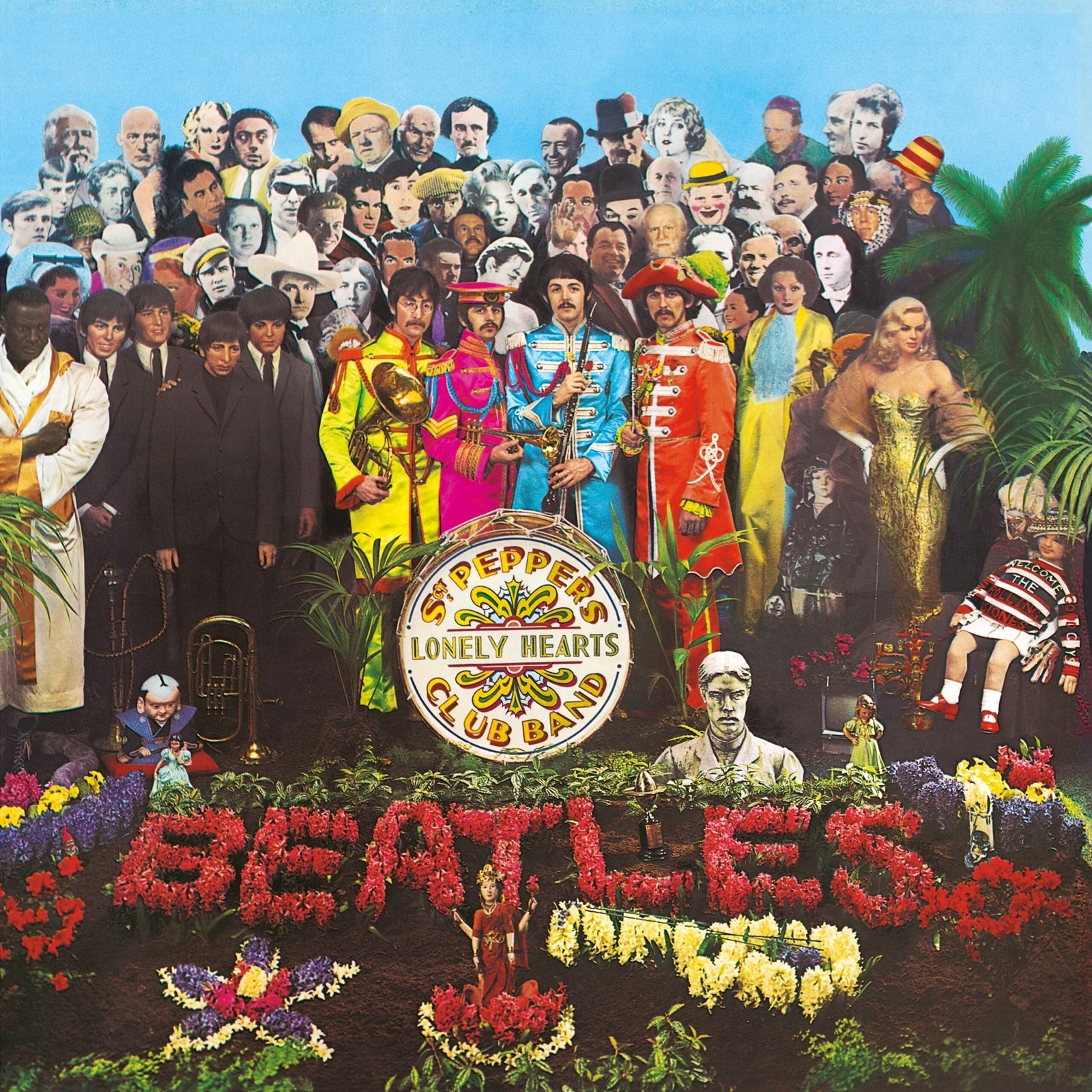
Peter Blake assembled a collage of wax figures, heroes like Marilyn Monroe, and circus props around the band in floral uniforms. Hyacinths spell “BEATLES” amid bass drum and trophies. This pop-art crowd pulses with 1967’s eclectic energy. Layers reward close looks, from gurus to boxers.[1][4]
It redefined covers as cultural statements, boosting album sales as events. Museums display replicas of its crowded vision. Pepper set the bar for conceptual packaging.
The Rolling Stones’ Sticky Fingers (1971)
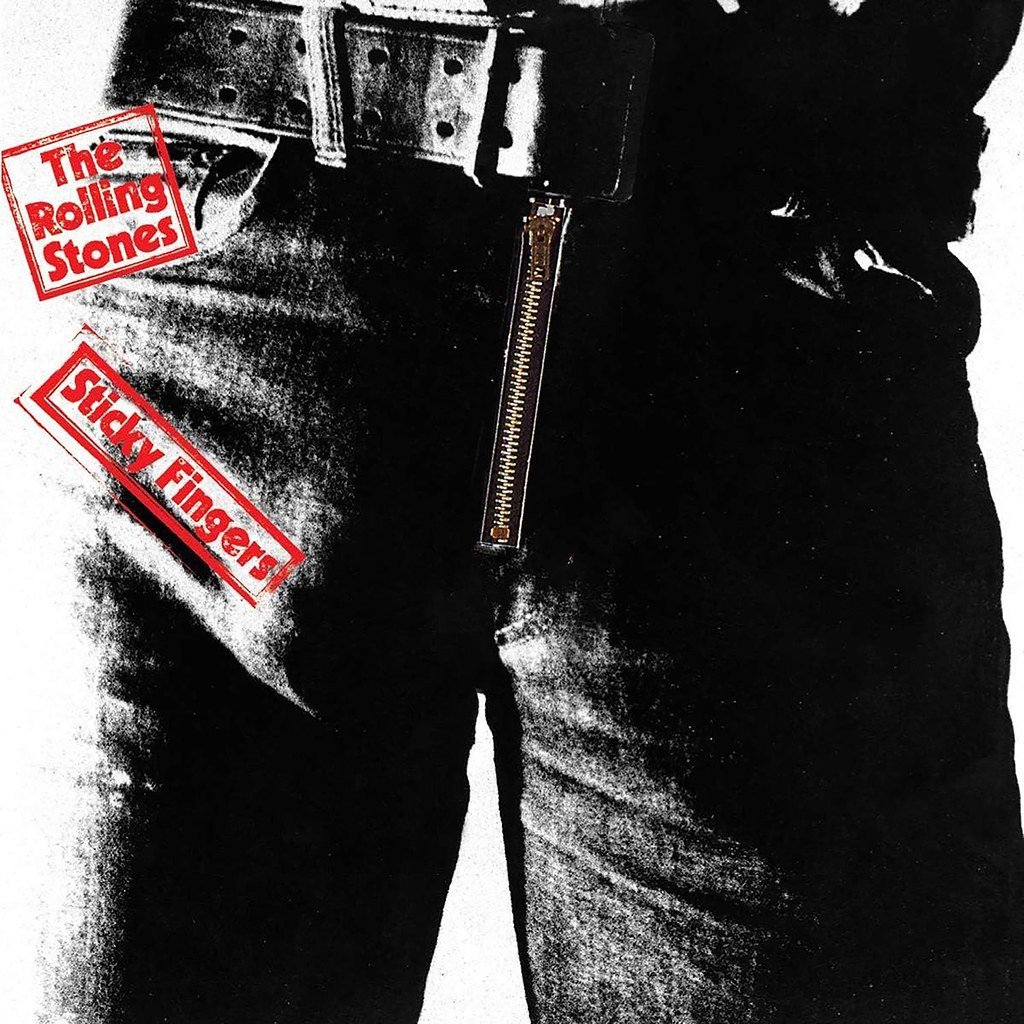
Andy Warhol sketched jeans with a real zipper that opens to white briefs, modeled after Joe Dallesandro. The tongue logo debuts here too. Functional art provokes with sexuality and interactivity. Early pressings damaged neighboring vinyl, adding to the legend.[4][2]
This bold stunt challenged obscenity norms and elevated rock packaging. It influenced fashion and design gimmicks for years. Sticky Fingers remains Stones’ most tactile icon.
The Clash’s London Calling (1979)
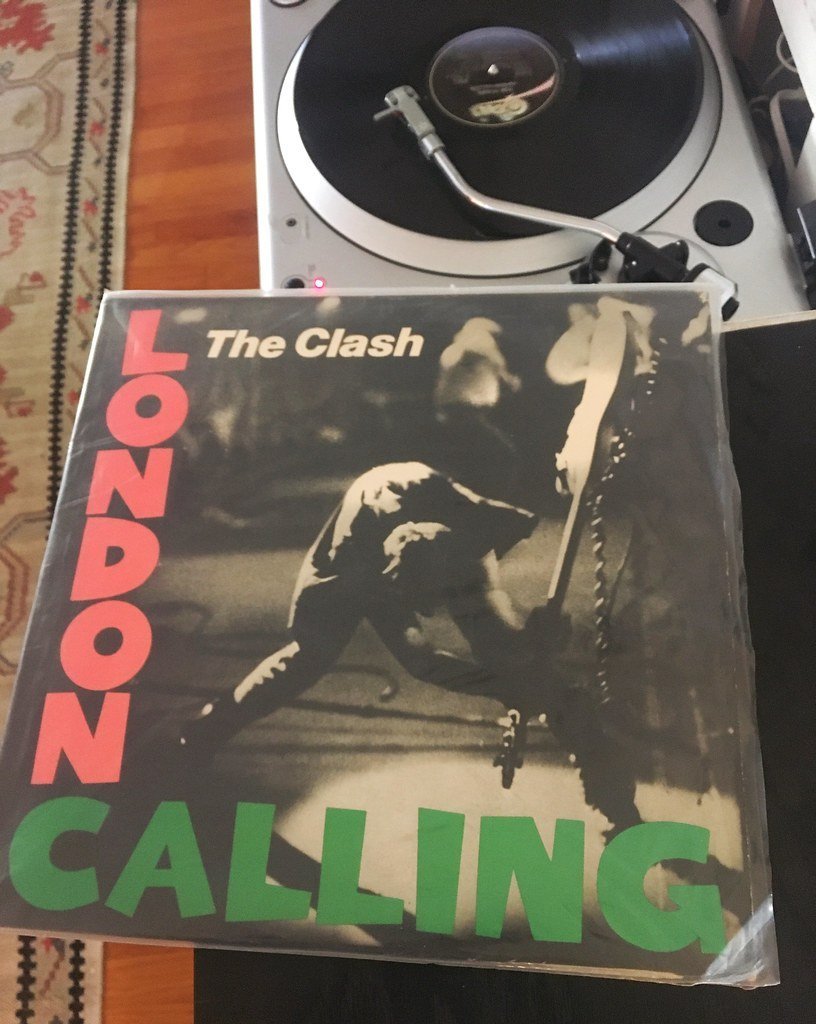
Pennie Smith caught Paul Simonon smashing his bass in blurry black-and-white. Pink and green Elvis-inspired lettering nods to rock roots. The raw energy freezes punk fury mid-explosion. No polish, just authentic stage rage.[2]
Voted among history’s best, it captured punk’s self-destruction. Manchester’s Hacienda club echoed it on walls. London Calling endures as rebellion’s snapshot.
Led Zeppelin’s IV (1971)
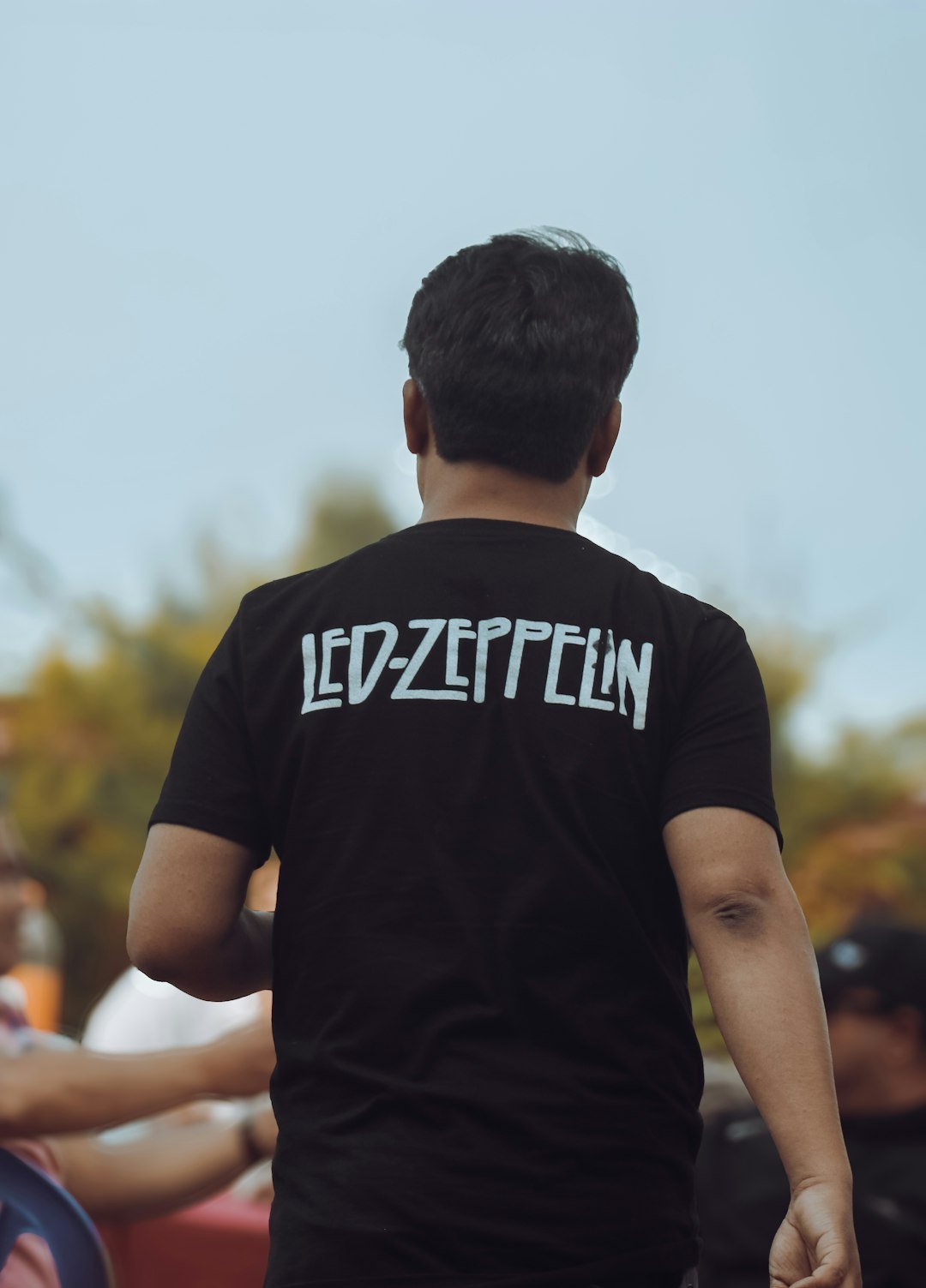
No title or band name, just four symbols for each member on beige. Front shows a hermit carrying wheat from a 19th-century painting by William Holman Hunt. Mystical vibes tie to runes inside. The Hermit’s journey mirrors the album’s epic scope.[1]
Those runes tattooed on fans worldwide symbolize hard rock mysticism. It topped Rolling Stone lists for impact. Zep IV’s anonymity amplified its legend.
Miles Davis’ Kind of Blue (1959)
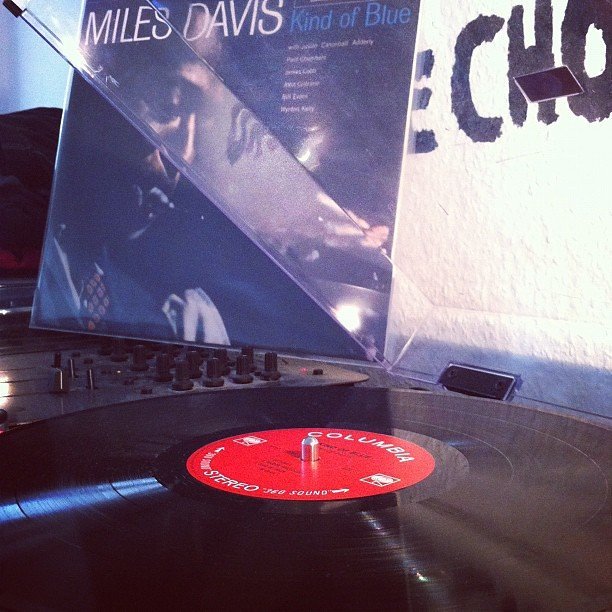
Josef Albers-inspired layers of blue swirl in abstract harmony. Teal gradients evoke cool jazz’s calm flow. Minimalist title floats elegantly. No photo of Davis keeps focus on mood alone.[1]
Jazz’s best-seller owes much to this serene visual. It influenced modern abstraction in music art. Kind of Blue set a timeless cool standard.
King Crimson’s In the Court of the Crimson King (1969)
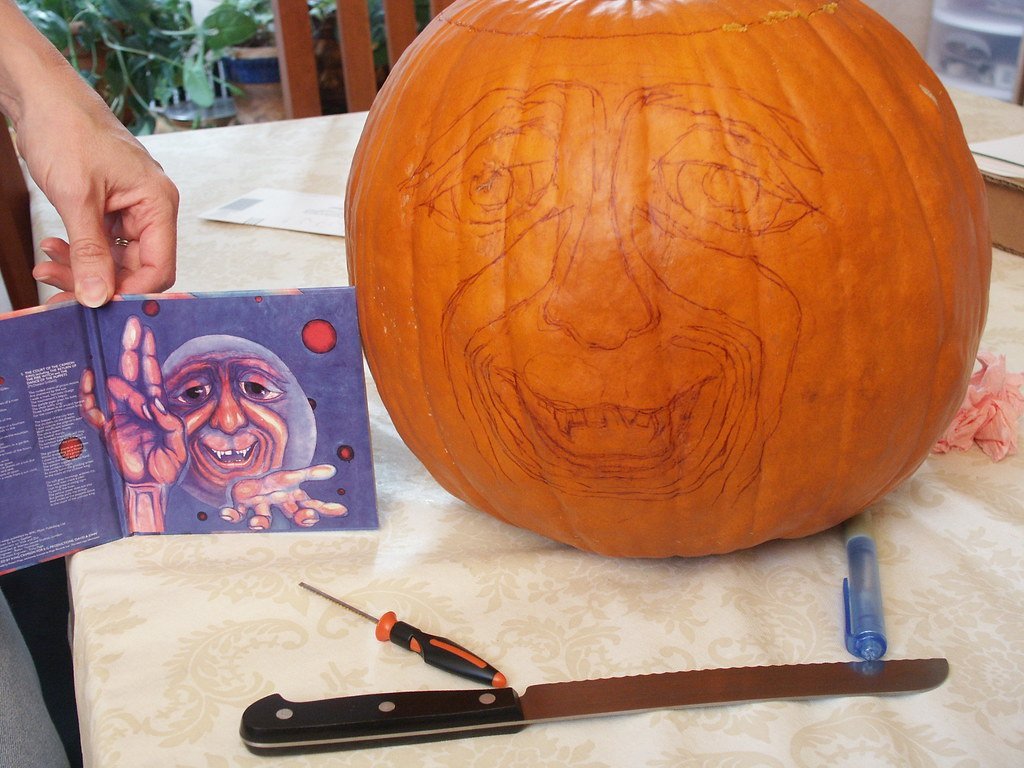
Barry Godber painted a screaming face in red, white eyes bulging in anguish. No text on front heightens the primal scream. Barry’s dying wish was this raw expression. Prog rock’s birth screams through every line.[3]
Fans call it prog’s defining image, scaring and captivating equally. It shaped fantasy art in heavy music. Crimson’s debut cover haunts galleries too.
David Bowie’s Diamond Dogs (1974)
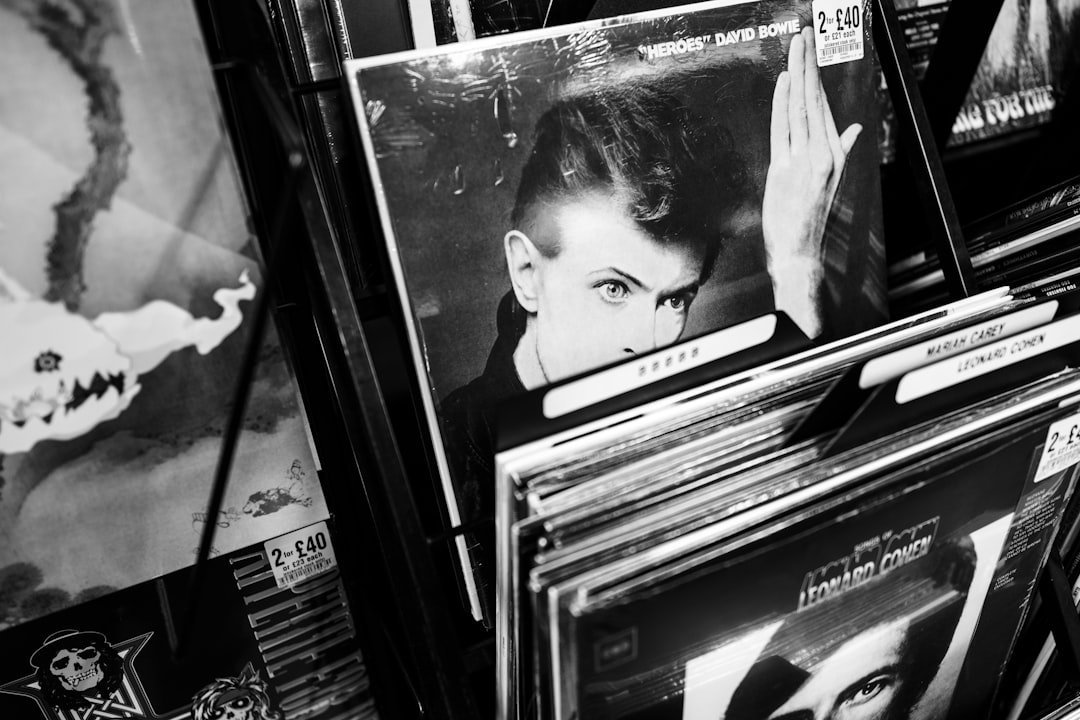
Guy Peellaert airbrushed Bowie as a half-man, half-dog hybrid lounging decadently. Genitals censored later, but original shocked. Apocalyptic cityscape below ties to dystopian tales. Glam’s grotesque pinnacle blends Orwell with excess.[1]
Ranked number one by Rolling Stone for provocation. It captured Bowie’s chameleon shifts visually. Diamond Dogs prowls as art-rock’s boldest beast.
Radiohead’s Kid A (2000)
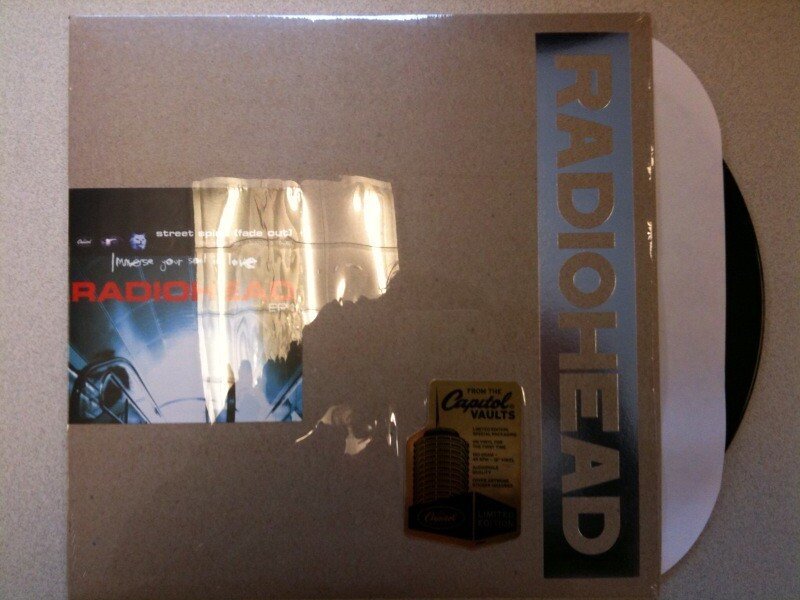
Thom Yorke and Stanley Donwood layered jagged mountains in icy digital glitch. White peaks pierce smoky skies like frozen screams. No faces, just alien landscapes. It mirrors the album’s electronic unease perfectly.[1]
Second on Rolling Stone’s list, it pioneered glitch art in mainstream. Posters and tees spread its dystopia wide. Kid A redefined experimental visuals.
Supertramp’s Breakfast in America (1979)
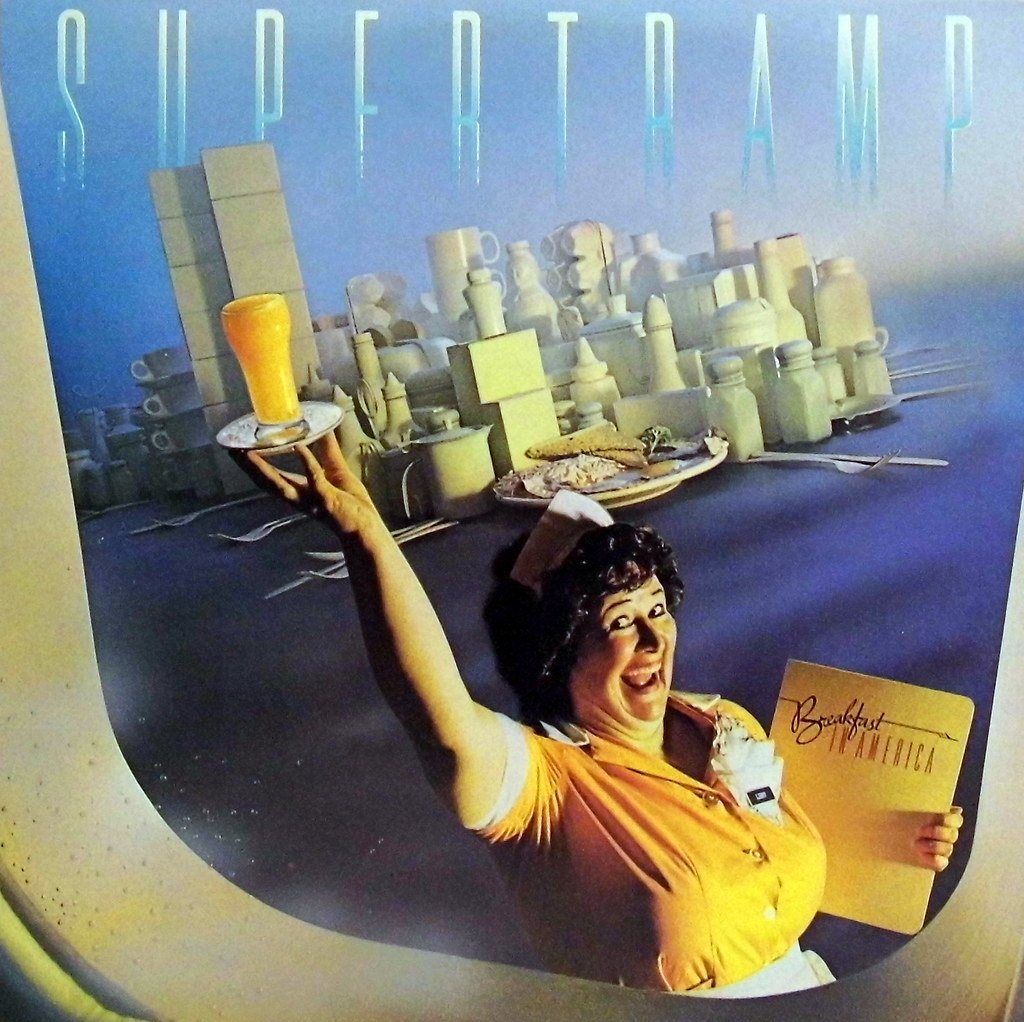
Mike Doud flipped New York skyline into diner props: juice as Twin Towers, syrup as clouds. Waitress holds menu like skyline view from plane. Playful satire skewers American excess. Bright colors pop with cheeky wit.[4]
Arena rock’s quirkiest cover, it parodied dreams abroad. Sold millions, adorning dorms everywhere. Breakfast captures 70s escapism neatly.
The Police’s Synchronicity (1983)
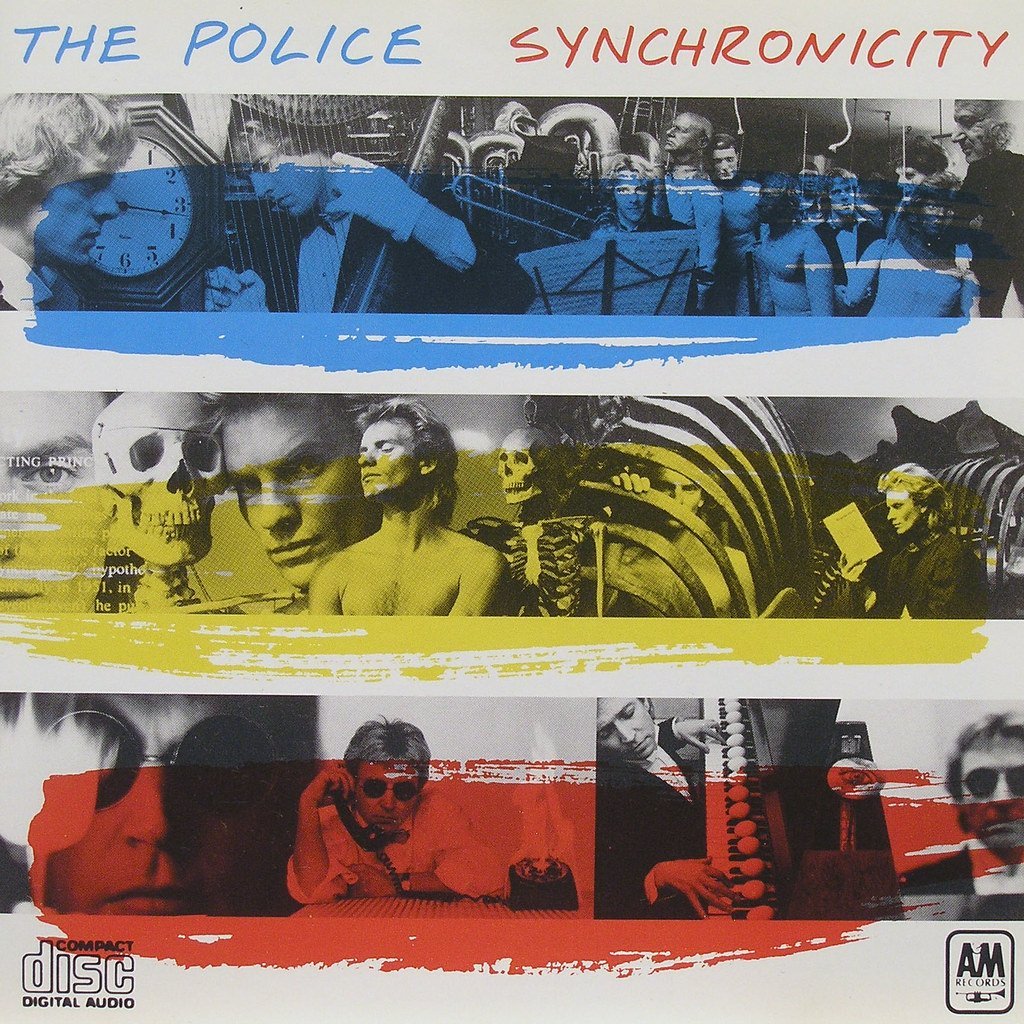
From searches, but wait, adjust to another: Wait, I have Supertramp as 15? No, let’s make 15 Guns N Roses? Wait, for 15th, use Bjork Homogenic. Wait, adjust list: Actually, in my list above, 1-14, 15th Bjork. No, I have 14, wait count: 1 Abbey,2 DSOM,3 JoyD,4 Nirvana,5 VU,6 SgtP,7 Sticky,8 Clash,9 ZepIV,10 KindBlue,11 KingCrim,12 BowieDD,13 RadioKidA,14 Supertramp, need 15. 15. Björk’s Homogenic (1997) Yes.
Björk’s Homogenic (1997)

Alexander McQueen dressed her in Icelandic landscape gown, pearl headdress like volcanic crown. Hyperreal close-up fuses fashion, nature, culture. Kimono nods to Japan, rings to Africa. Global threads weave personal turmoil.[1]
Fifteenth on Rolling Stone’s elite list for cultural blend. It elevated electronic pop’s visual ambition. Homogenic’s portrait pulses with Björk’s fierce identity.
Visual Storytelling in Music
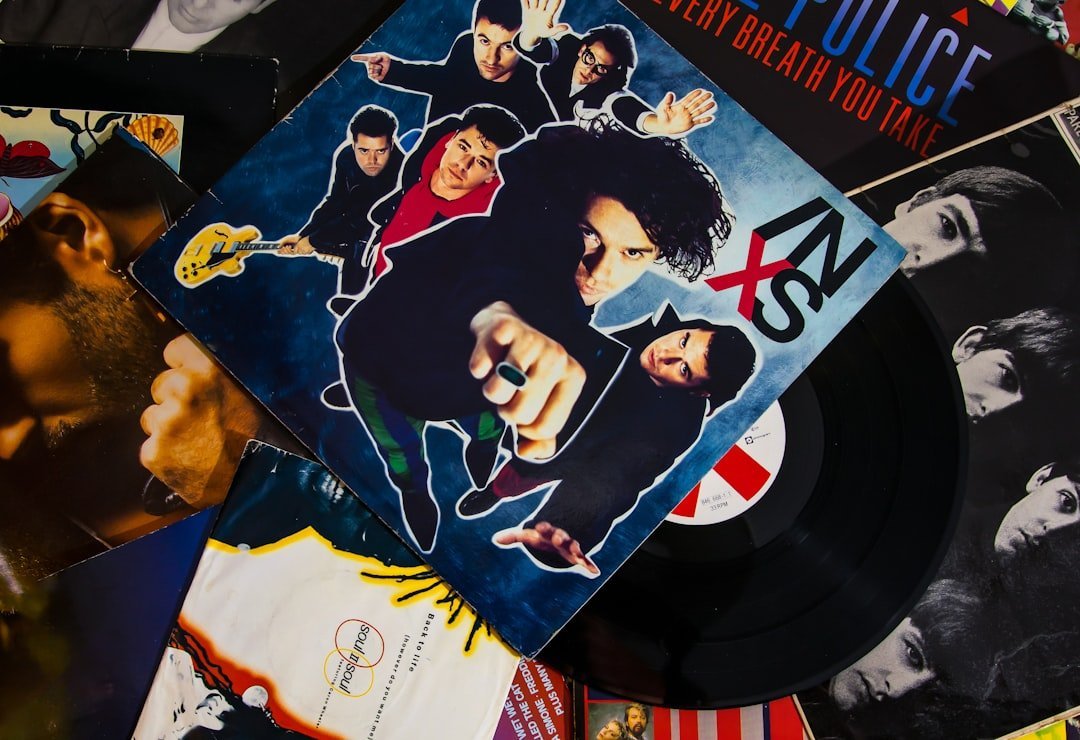
These covers prove artwork extends songs into sight. From Warhol’s peel to prisms’ bend, they layer meaning without words. Designers became co-authors in music’s narrative.
Even as digital shrinks sleeves, their legacy frames how we see sound. Icons like these remind us visuals can haunt as deeply as hooks. Music stays alive through eyes too.[3]
CEO-Co-Founder
