

- 21 Songs That Became Symbols of American Freedom - October 1, 2026
- 14 Books That Exposed America’s Deepest Secrets - October 1, 2026
- 15 Forgotten American Writers Who Won Nobel Prizes - October 1, 2026
Classic novels often build worlds that feel solid and predictable, drawing readers deep into their rhythms of character and conflict. Then comes the twist, a sharp pivot that shatters those foundations and demands a complete rethink.
These moments redefine expectations, turning passive reading into active reconsideration. They linger long after the page ends, proving why certain stories endure across generations.
The Murder of Roger Ackroyd by Agatha Christie
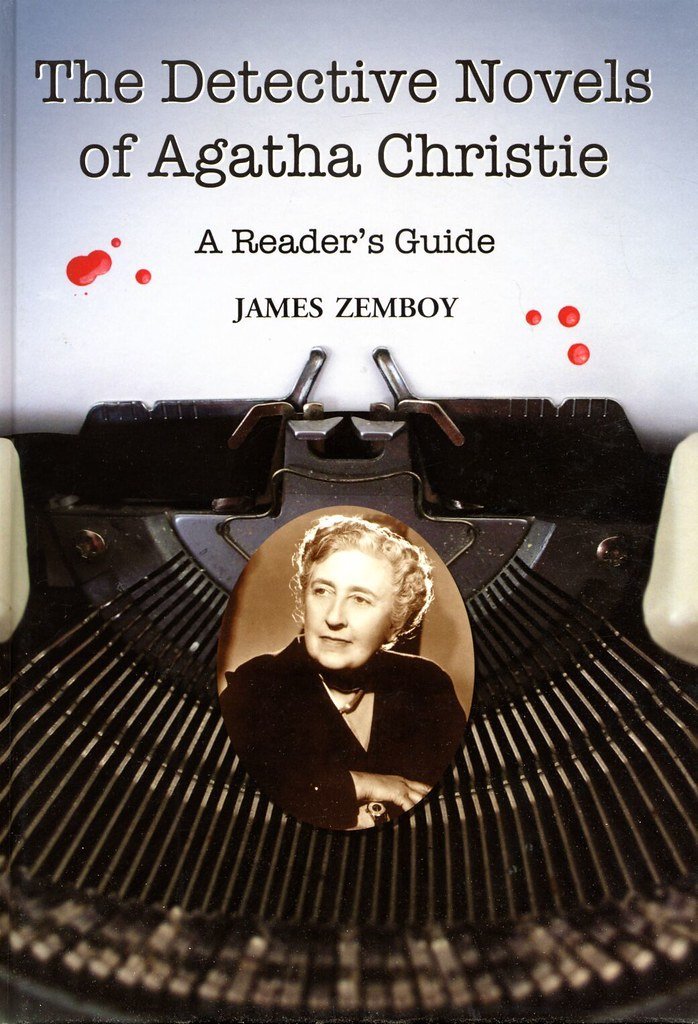
In this 1926 Hercule Poirot mystery, the story unfolds through the eyes of Dr. James Sheppard, a trusted confidant who chronicles the investigation into the murder of his friend Roger Ackroyd. Readers follow clues alongside Poirot, piecing together suspects and motives in a village rife with secrets. The revelation hits like a thunderclap: Sheppard himself is the killer, manipulating the narrative to hide his guilt until the final pages.
This twist revolutionized the detective genre by violating the “fair play” rules writers promised readers. Christie’s bold use of an unreliable narrator forced audiences to question every detail retroactively. It elevated mystery from puzzle to psychological game, cementing her as a master of misdirection.[1][2]
And Then There Were None by Agatha Christie
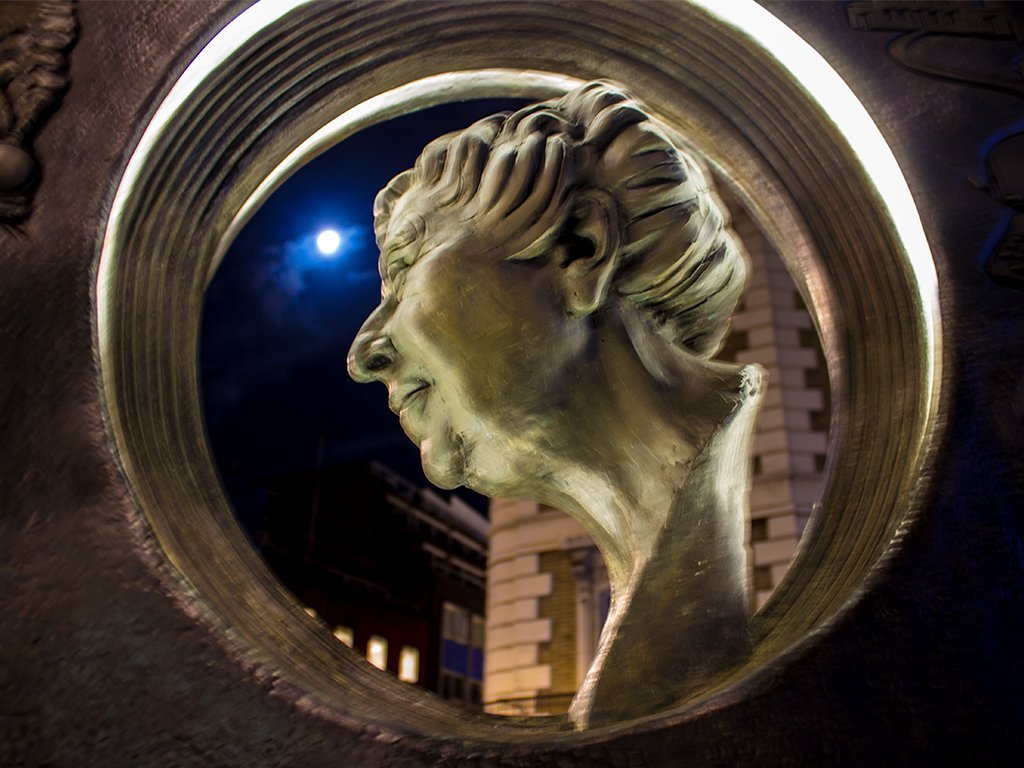
Ten strangers gather on a remote island, accused by a mysterious voice of past crimes, and die one by one according to a nursery rhyme. No one escapes, leaving readers stunned as the final victim succumbs. The postscript confession unveils the mastermind: Justice Wargrave, who faked his own death and orchestrated the killings with a clever ruse involving a recorded voice and manipulated evidence.
Christie’s 1939 tour de force perfected the locked-room mystery on an epic scale. The twist underscores themes of justice and guilt, blurring lines between victim and executioner. It remains a benchmark for suspense, influencing countless isolated-group thrillers that followed.
Jane Eyre by Charlotte Brontë
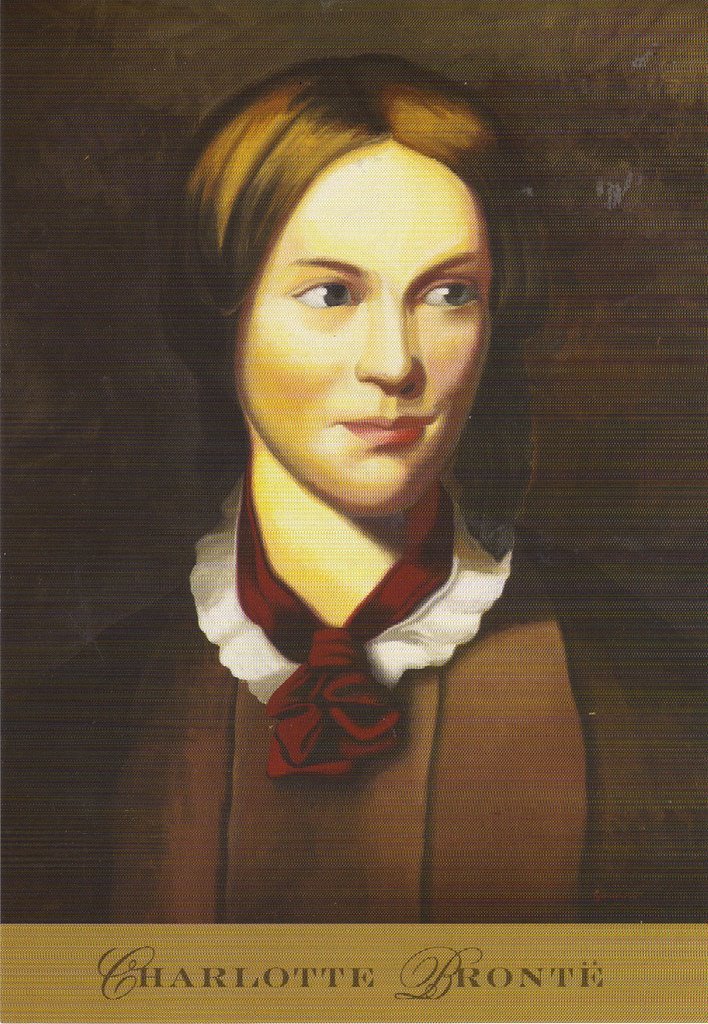
Jane’s romance with the brooding Mr. Rochester builds to a gothic crescendo at Thornfield Hall, interrupted by eerie laughter from the attic. Fire engulfs the house, and Rochester loses his sight and hand. The shocking truth emerges: Bertha Mason, Rochester’s Creole wife, driven mad, has been hidden there for years, setting the blaze in rage.
Published in 1847, this revelation subverts Victorian ideals of marriage and propriety. Brontë weaves colonialism, gender, and madness into a feminist undercurrent that challenges reader sympathies. The twist transforms a love story into a profound exploration of entrapment and redemption.
Great Expectations by Charles Dickens
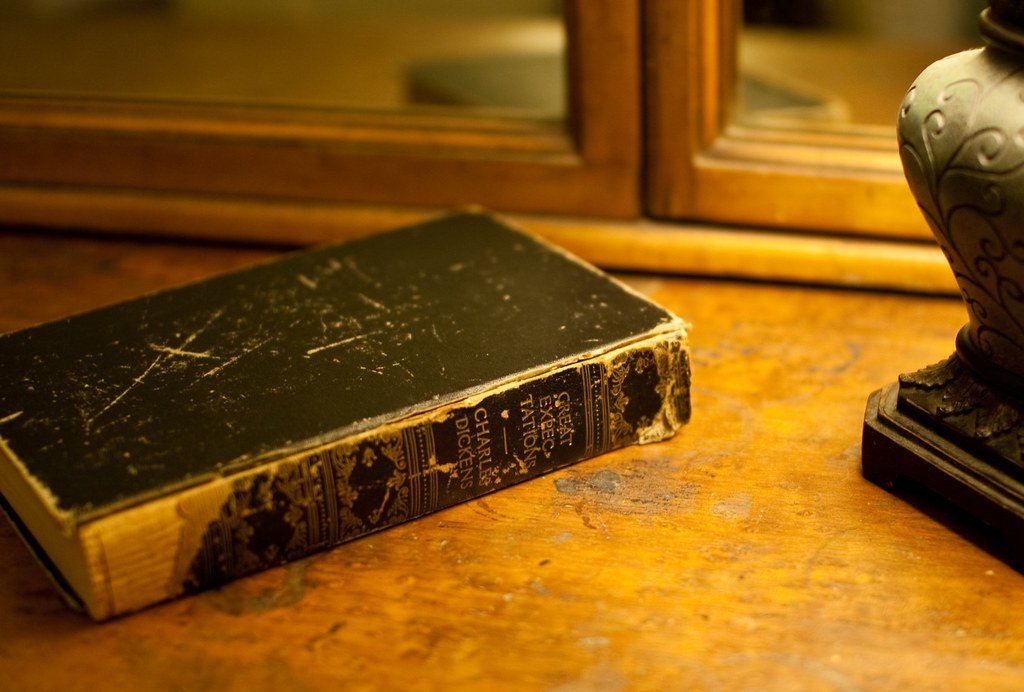
Orphan Pip rises from the marshes thanks to a secret benefactor, assuming it’s the wealthy Miss Havisham grooming him for her ward Estella. Years pass with social climbing and heartbreak. The bombshell arrives when the true patron reveals himself: Abel Magwitch, the convict Pip once aided, now rich from Australian labors.
Dickens’s 1861 masterpiece flips class aspirations on their head. This pivot forces Pip to confront ingratitude and true worth beyond wealth. It enriches themes of identity and social mobility, making the novel a timeless critique of Victorian England.
The Picture of Dorian Gray by Oscar Wilde
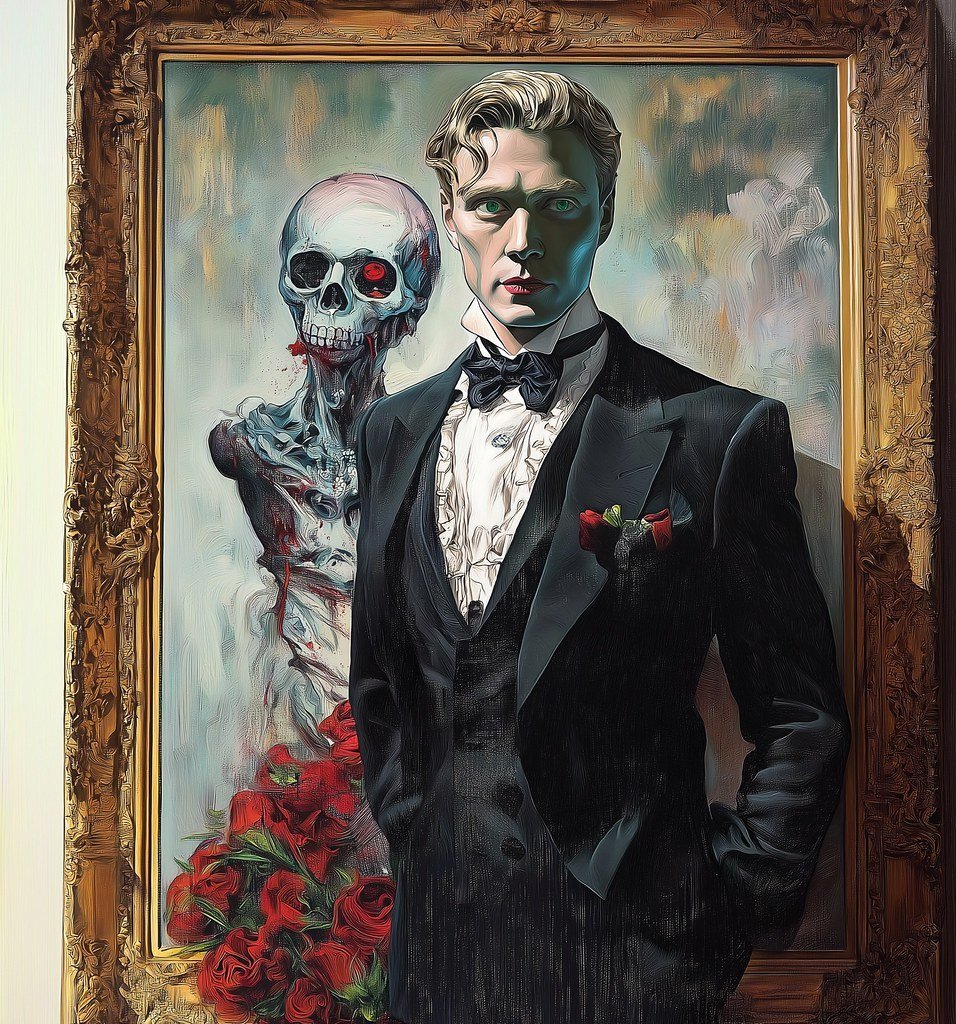
Dorian Gray, eternally youthful, indulges every vice while his portrait, hidden away, bears the grotesque marks of corruption. He destroys evidence of his crimes, including the portrait’s painter. In a final act of despair, Dorian stabs the canvas; rescuers find his withered corpse beside the restored, innocent image.
Wilde’s 1890 novel indicts hedonism through supernatural allegory. The twist crystallizes the Faustian bargain, punishing vanity with ironic reversal. It sparked controversy for its moral ambiguity, securing its place in gothic and decadent literature.
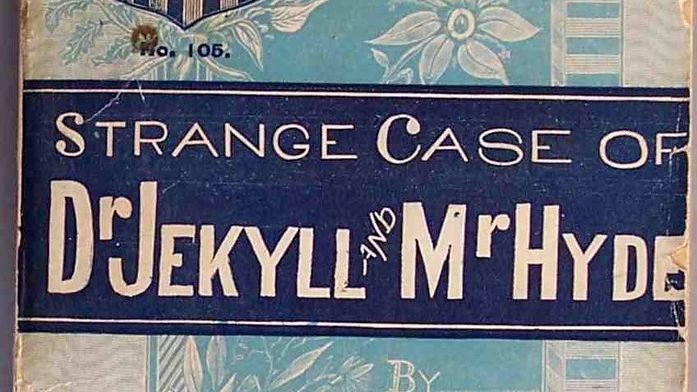
The Strange Case of Dr. Jekyll and Mr. Hyde by Robert Louis Stevenson
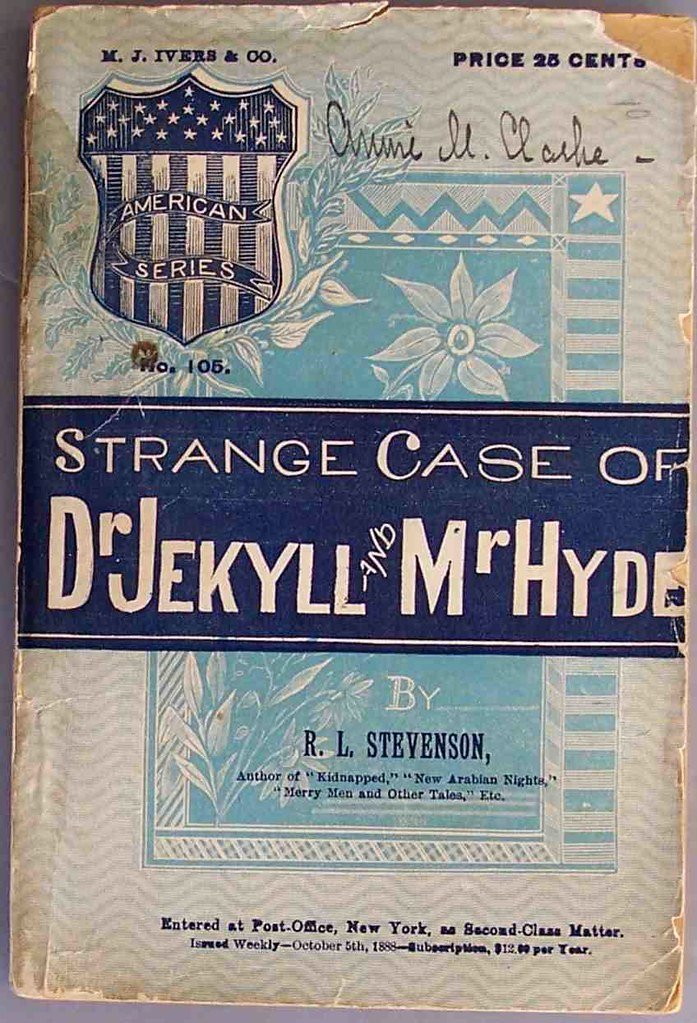
Respectable Dr. Jekyll experiments with a potion unleashing his darker side as the brutish Mr. Hyde, who commits atrocities across London. Jekyll vows to end the transformations. The climactic letter discloses the truth: Jekyll and Hyde are one man, the serum merely separating his dual nature, leading to uncontrollable evil.
Stevenson’s 1886 novella coined “Jekyll and Hyde” for split personalities. This revelation delves into Victorian repression and human duality. It influenced psychology and horror, redefining inner conflict as monstrous.
Rebecca by Daphne du Maurier
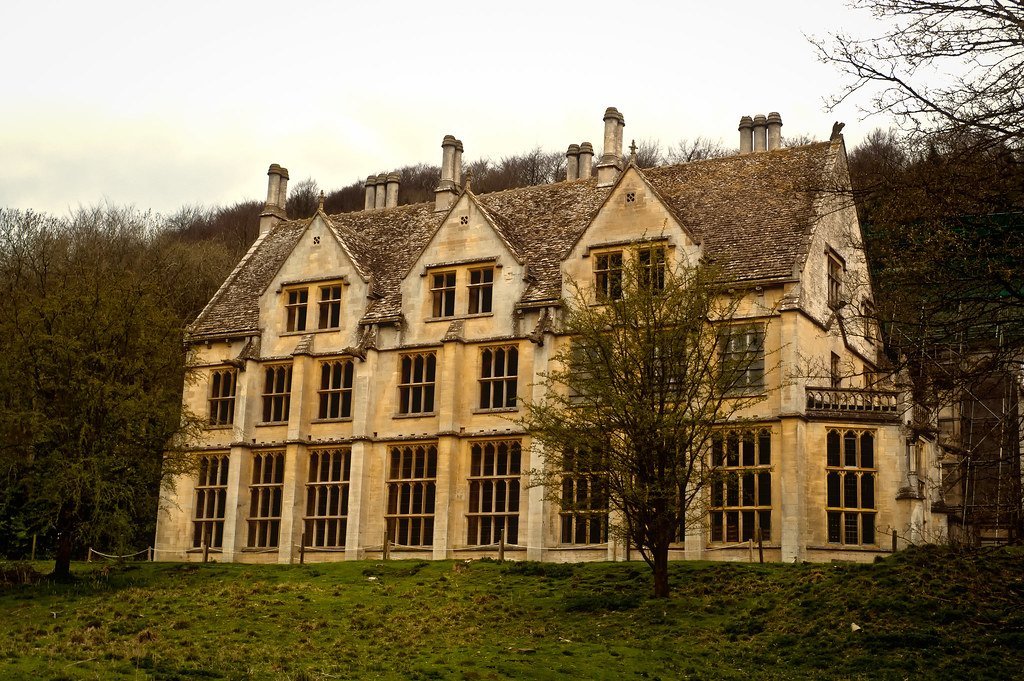
The nameless narrator marries wealthy Maxim de Winter, haunted by his late wife Rebecca at Manderley. A yacht discovery dredges up her body, sparking scandal. The inquest twist: Rebecca, far from ideal, was pregnant by her cousin-lover and likely suicidal due to terminal illness, freeing Maxim from murder suspicions.
Du Maurier’s 1938 gothic romance dissects jealousy and class. The multilayered reveal shifts power dynamics, empowering the second Mrs. de Winter. It masterfully builds dread, blending psychological depth with page-turning suspense.
The Turn of the Screw by Henry James
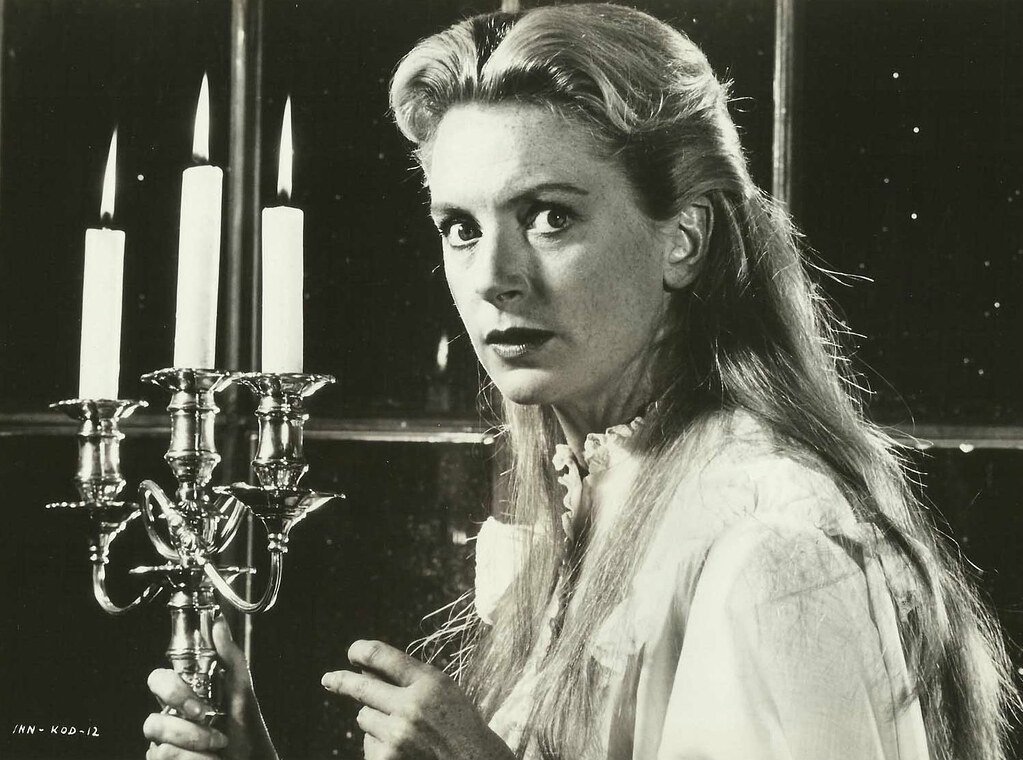
A governess arrives at Bly to tend two orphaned children, tormented by visions of deceased servants Peter Quint and Miss Jessel. She believes they possess the innocents Miles and Flora. The ambiguous climax sees Miles die amid her exorcism efforts, leaving readers debating if ghosts were real or products of her hysteria.
James’s 1898 novella pioneered psychological horror through unreliable perception. This interpretive twist invites endless analysis of sanity and innocence. It shaped modernist ambiguity, challenging straightforward supernatural tales.
The Woman in White by Wilkie Collins

Multiple narrators recount the kidnapping of heiress Laura Fairlie, replaced by lookalike Anne Catherick in a conspiracy by Sir Percival Glyde and Count Fosco. Laura lives destitute, presumed dead. The unraveling shows Anne’s switched identity and Glyde’s forged lineage, exposing the plot through diaries and letters.
Collins’s 1859 sensation novel popularized the epistolary form in mystery. The identity swap critiques marriage laws and deception. It birthed the “sensation” genre, thrilling Victorian readers with domestic intrigue.
The Moonstone by Wilkie Collins
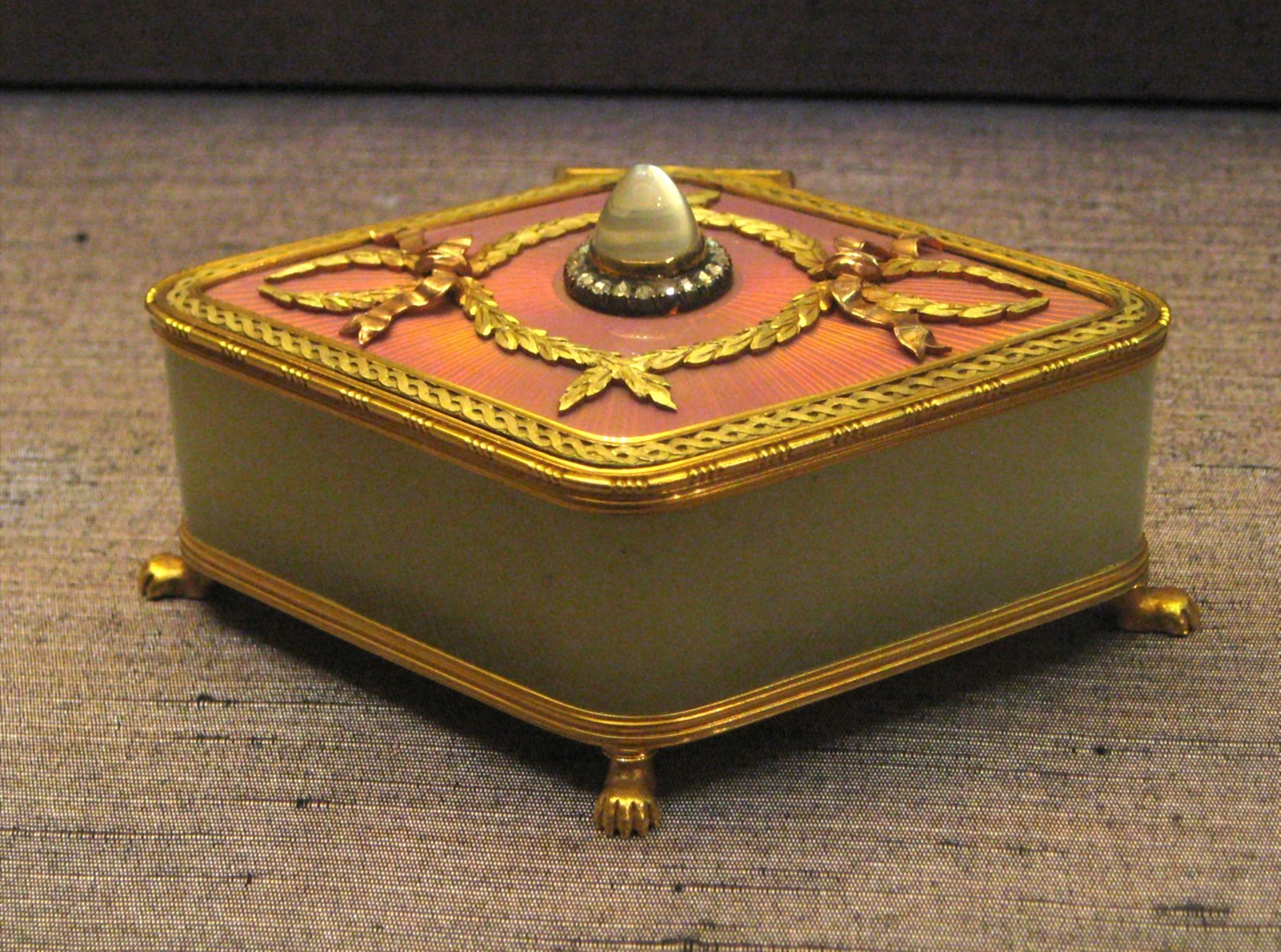
The cursed Moonstone diamond vanishes from a country house party, sparking detective Cuff’s probe amid red herrings. Suspicions swirl around servants and guests. The confession reveals Franklin Blake, under unwitting opium influence, took it himself to fulfill a childhood command, with accomplices covering tracks.
Collins’s 1868 work, deemed the first detective novel, innovates with psychological motive. This twist humanizes crime through addiction and memory. It elevated sleuthing from adventure to forensic realism.
The Art of Surprise in Storytelling

These twists remind us why classics persist: they mirror life’s unpredictability within crafted narratives. Surprise demands engagement, turning readers into detectives of their own assumptions.
Masterful execution ensures rereads reveal new layers, honoring the reader’s intelligence. In an age of spoilers, such artistry keeps stories eternally fresh.
CEO-Co-Founder
