

- 14 Opening Chapters That Grabbed Readers and Never Let Go - July 22, 2026
- 20 Forgotten Rituals That Defined Entire Civilizations - July 22, 2026
- The 10 Tiny Protests That Sparked Massive Change - July 22, 2026
Censorship has long shaped literary history. It often reveals the anxieties of a particular era, where certain ideas or images clash with prevailing norms. Books get targeted not just for overt controversy, but sometimes for the most peculiar interpretations.
These 12 iconic works faced bans that seem laughable today. Their stories highlight how social values shift over time. What once prompted outrage now stands as beloved classics.
Alice’s Adventures in Wonderland by Lewis Carroll
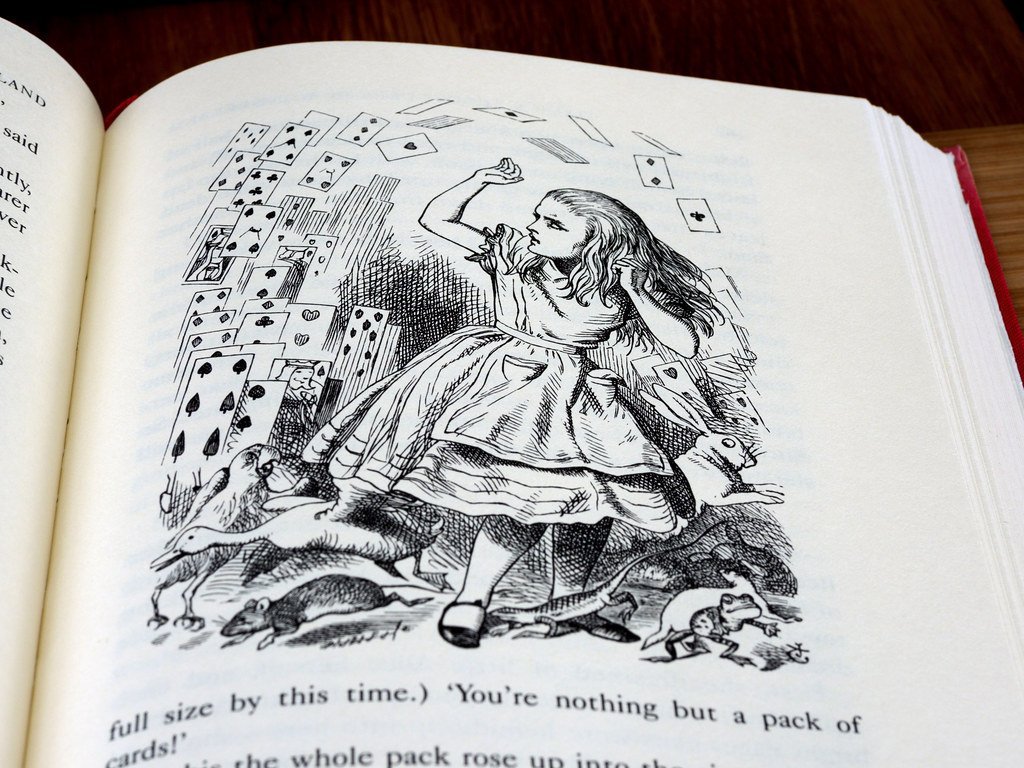
In 1931, the governor of Hunan Province in China banned this whimsical tale. He objected to animals speaking human language, claiming it disastrously equated beasts with people.[1][2] The governor saw this as a threat to human superiority. Such logic reflected rigid cultural boundaries of the time.
Over decades, the book gained immense recognition. It inspired countless adaptations in film, theater, and art. Today, it remains a cornerstone of children’s literature, celebrated for its imaginative world.[3]
The Wonderful Wizard of Oz by L. Frank Baum
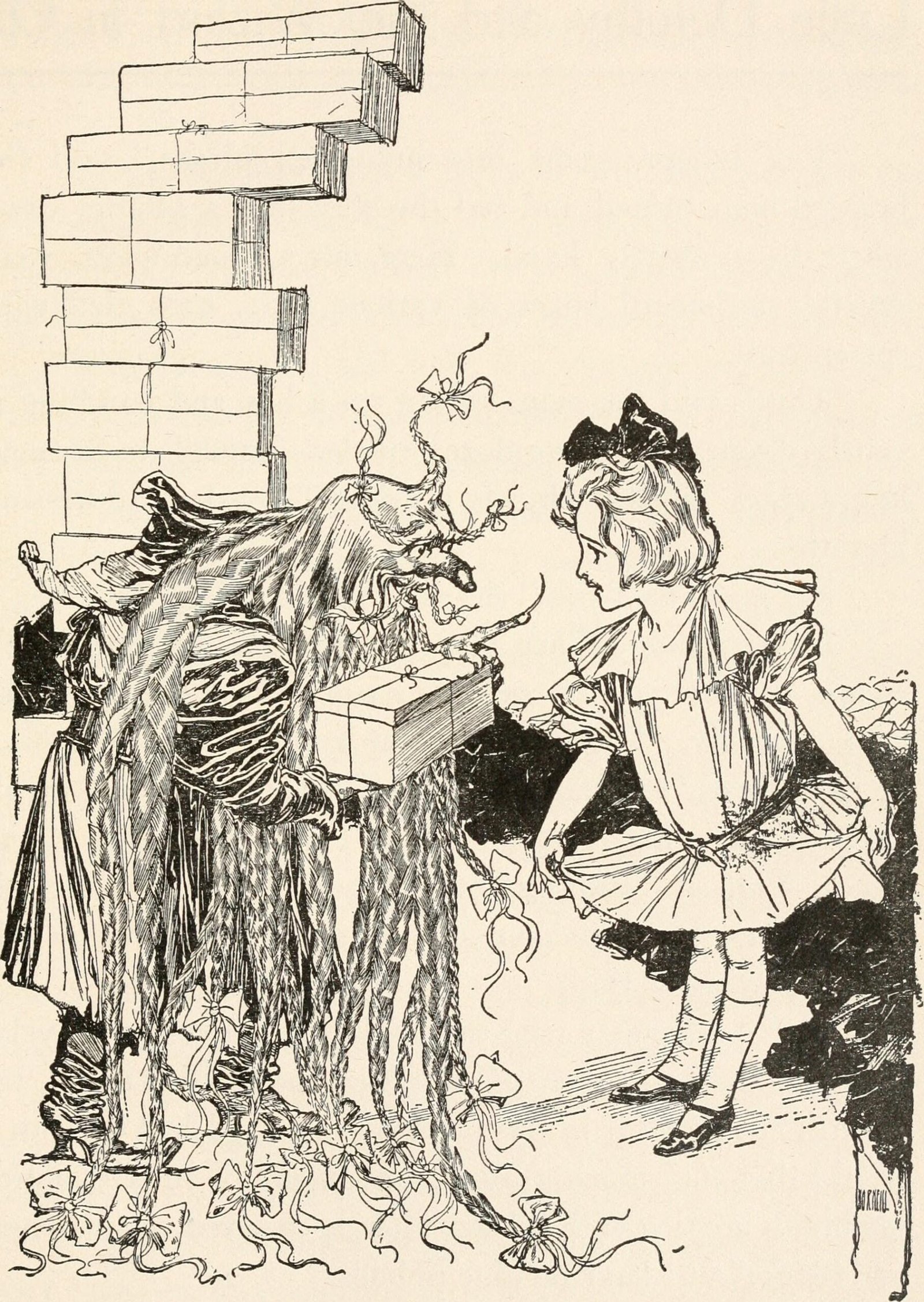
Chicago public libraries pulled this fantasy in the early 1900s. Critics decried its portrayal of strong female characters in leadership roles. They viewed empowered women like Dorothy and the witches as ungodly influences.[4][5] Later challenges in the 1950s and 1960s echoed similar concerns about “good” witches.
The story evolved into a cultural phenomenon. The 1939 film adaptation became legendary. Now, it symbolizes adventure and self-discovery for generations.[2]
In 2006, a Kansas school district challenged E.B. White’s tale of friendship. Parents called talking animals sacrilegious and disrespectful to divine order. They argued only humans should speak, making the pig Wilbur and spider Charlotte unnatural.[1][4]
Despite this, the book won the Newbery Honor in 1953. It has sold over 50 million copies worldwide. Schools now embrace it as a lesson in empathy and mortality.
Where’s Waldo? by Martin Handford
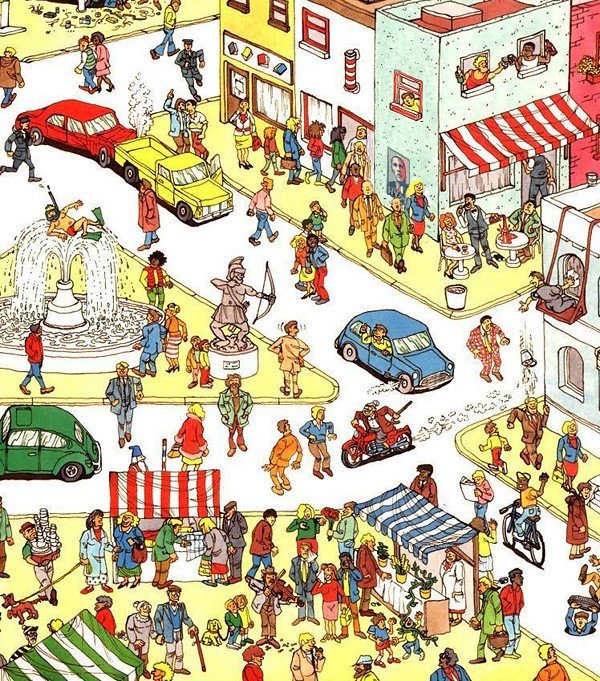
A 1987 edition drew fire in 1993 at Springs Public School in New York. A tiny background figure – a topless sunbather – sparked outrage. The school library removed it to protect young eyes from such “indecency.”[1][6]
The series exploded in popularity regardless. It became a global search-and-find sensation. Editions now sell millions, delighting searchers of all ages.
Brown Bear, Brown Bear, What Do You See? by Bill Martin Jr.
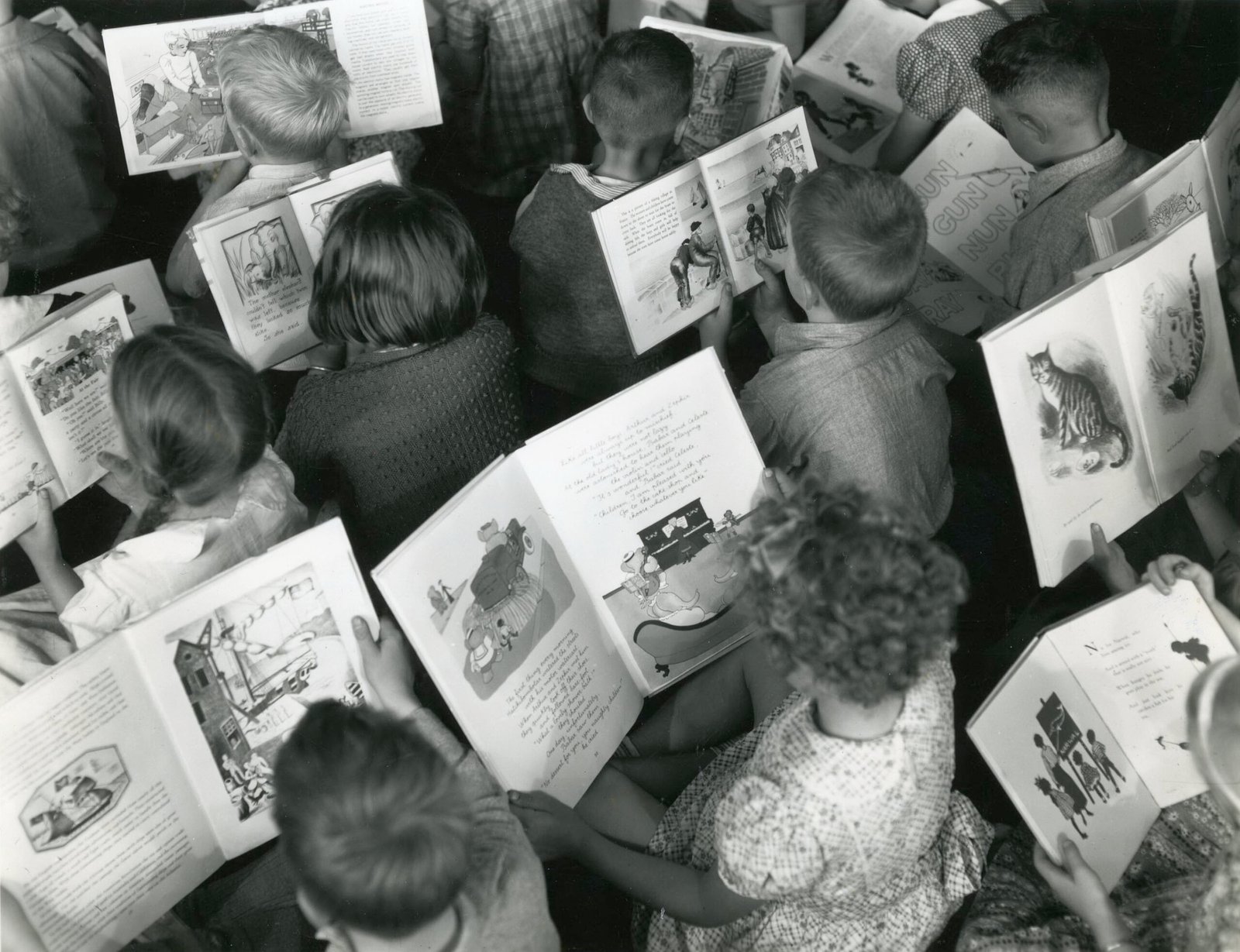
Texas education officials targeted this simple picture book in 2010. They confused its author with another Bill Martin, a Marxist scholar. Fearing communist undertones, they barred it from school curricula.[1][5]
The mistake quickly unraveled under scrutiny. The book returned to classrooms. It endures as a preschool staple, teaching colors and animals rhythmically.
The Lorax by Dr. Seuss
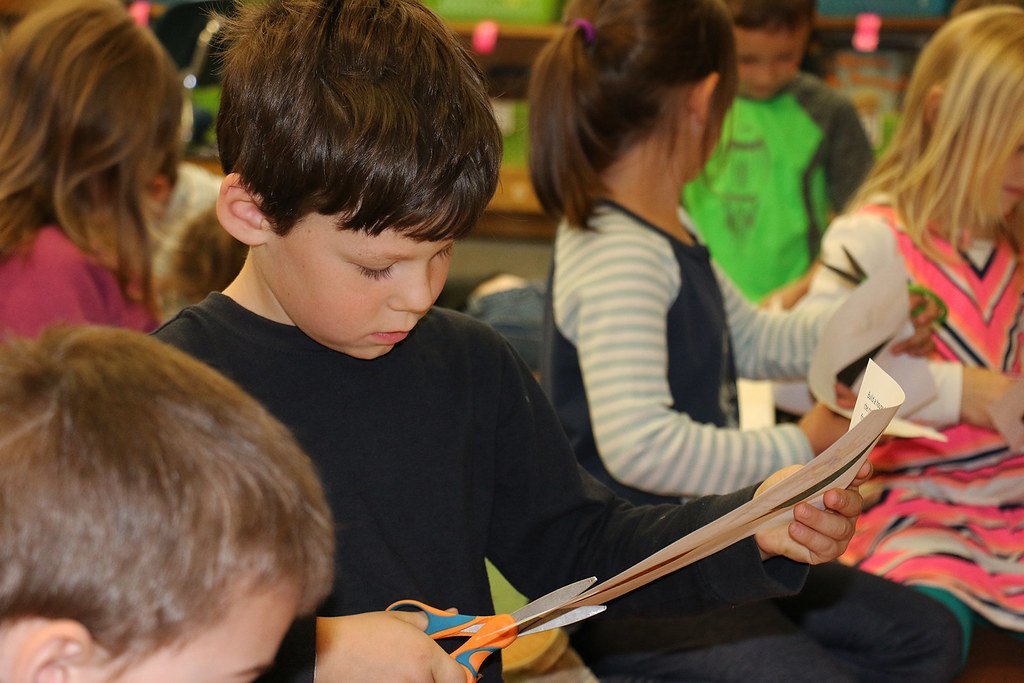
Logging families in Laytonville, California, challenged it in 1989. They saw the story’s environmental message as an attack on their industry. The book stayed, but with opt-out options for offended parents.[1][5]
Dr. Seuss’s work gained acclaim for advocacy. A 2012 film boosted its reach. It now inspires conservation efforts worldwide.
Harold and the Purple Crayon by Crockett Johnson
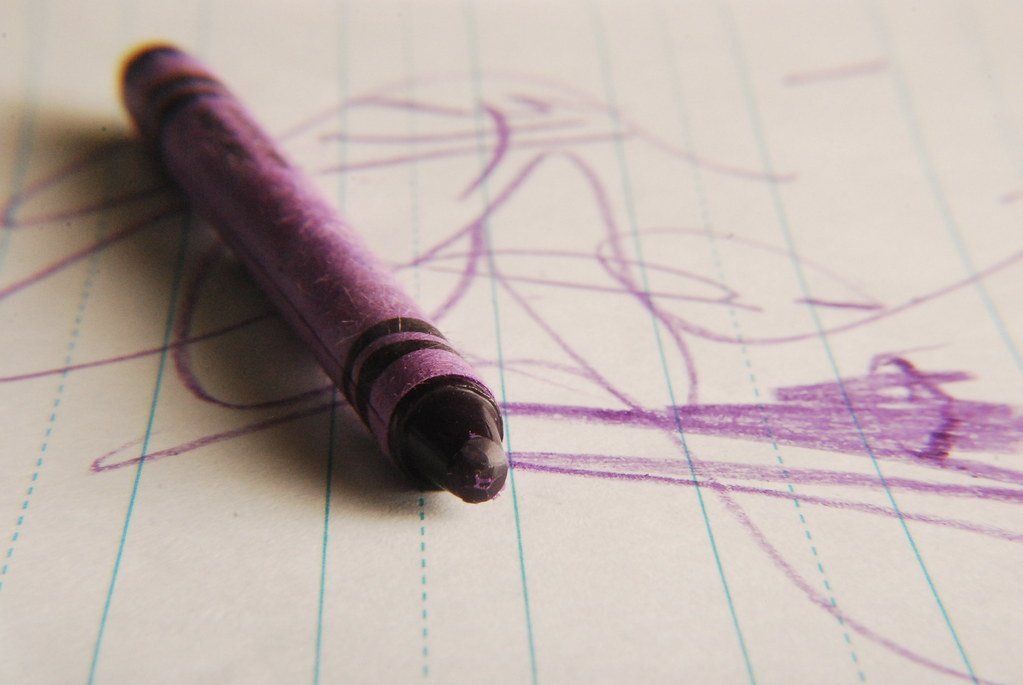
Critics worried this 1955 classic encouraged vandalism. Harold draws his world with a crayon, including paths and objects. Some feared kids would mimic destructive creativity.[5][2]
The book celebrates imagination instead. It became a Caldecott Honor winner. Animations and sequels followed, cementing its joyful legacy.
A Light in the Attic by Shel Silverstein
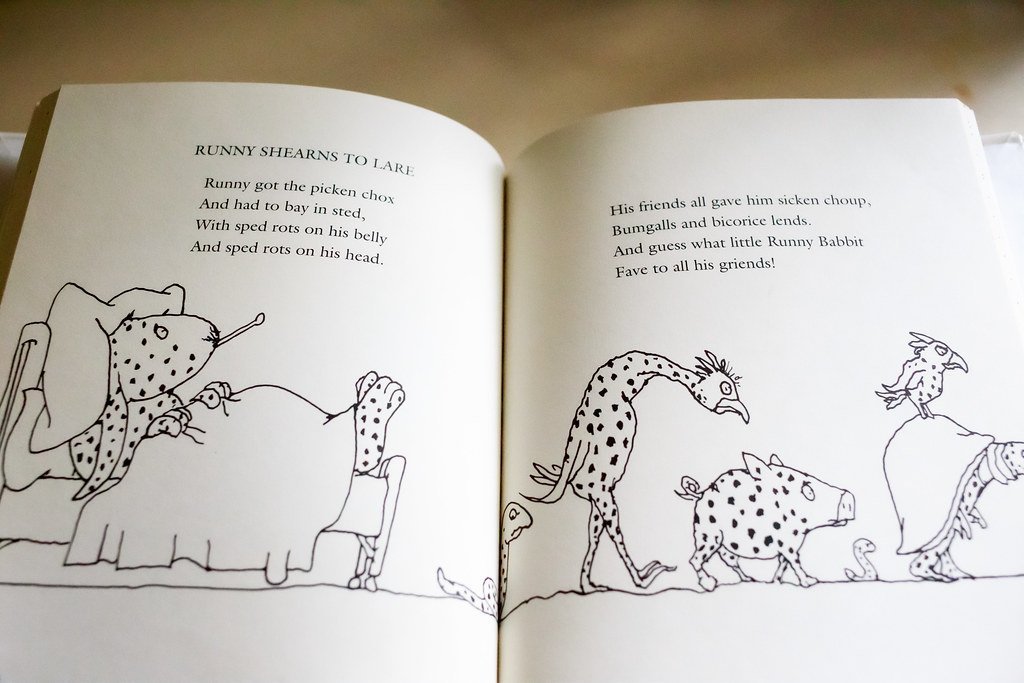
Schools in Beloit, Wisconsin, banned this poetry collection. One poem suggests breaking dishes to avoid drying them. Others claimed it promoted Satan, suicide, and disobedience.[1][5]
Silverstein’s humor won out. The book topped bestseller lists for years. It remains a favorite for its playful rebellion.
The Diary of a Young Girl by Anne Frank
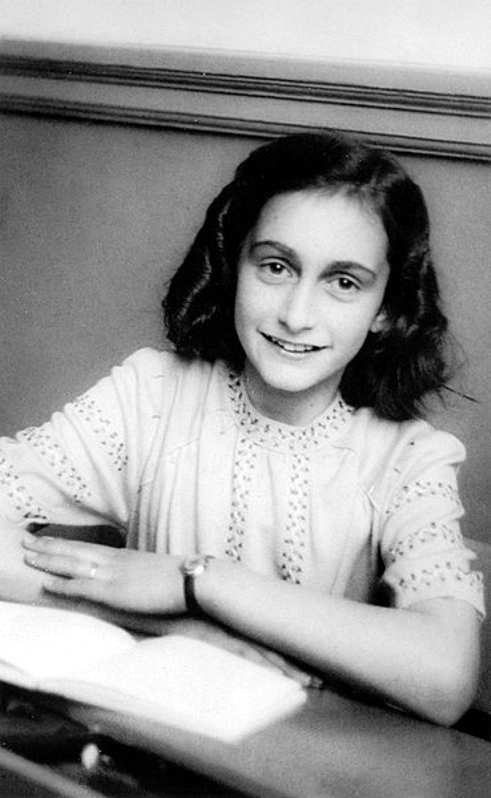
In 2010, a Virginia school district removed the definitive edition. It included Anne’s candid thoughts on puberty and sexuality. Alabama officials once called it a “real downer.”[1][3]
The diary endures as Holocaust testimony. Millions read it annually. Museums and plays honor its unflinching honesty.
Adventures of Huckleberry Finn by Mark Twain
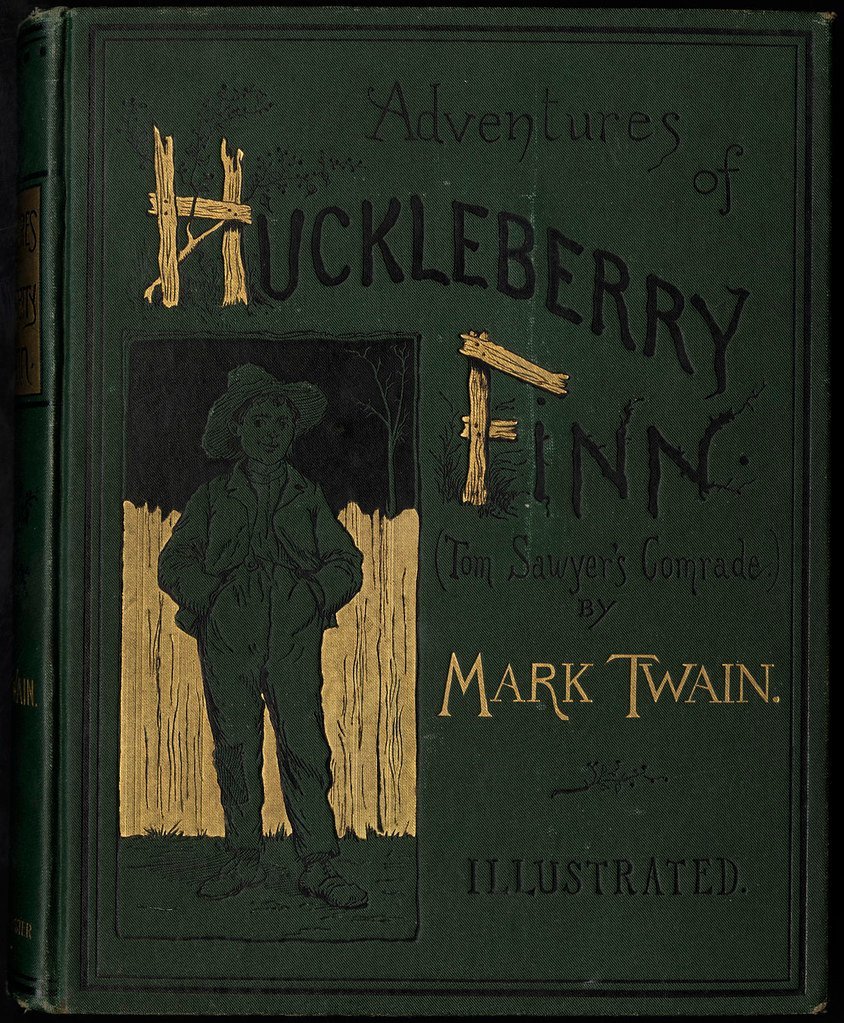
Brooklyn Public Library banned it in 1905 over minor language. Huck “itched” and “scratched,” and said “sweat” instead of “perspiration.” Such coarseness offended librarians.[1]
Twain’s satire became American canon. It critiques racism profoundly. Schools study it for moral complexity.
The Merriam-Webster Dictionary
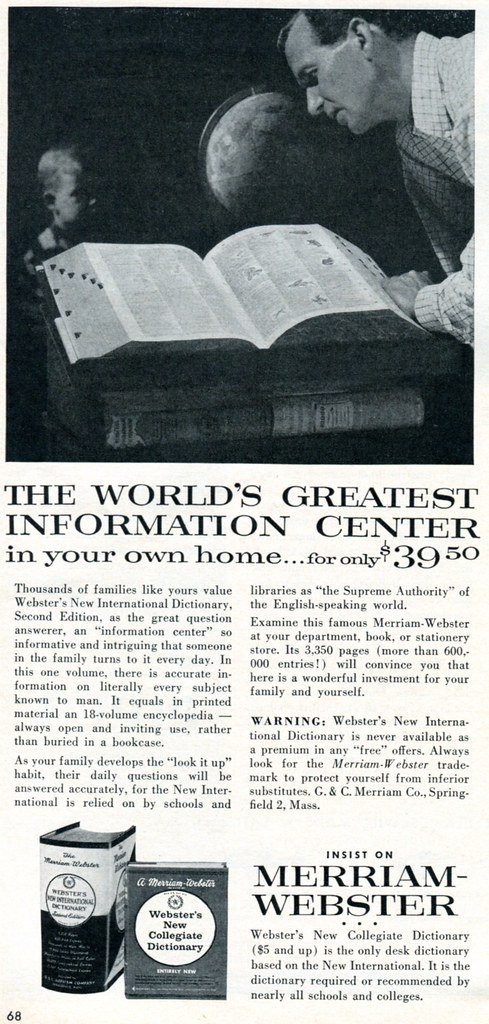
In 2010, a California school district yanked the 10th edition. Fourth and fifth graders shouldn’t see “oral sex” defined. Officials deemed it too graphic.[1]
The ban lasted just a week amid backlash. Dictionaries prove essential tools. This incident underscored free information access.
Where the Sidewalk Ends by Shel Silverstein
Challengers cited a poem hinting at cannibalism. The line “someone ate the baby” alarmed some. They saw it as promoting dark acts.[2][6]
The collection sparkles with nonsense verse. It sold tens of millions. Parents and kids cherish its whimsy still.
The Enduring Case for Literary Freedom
These bans remind us how context defines outrage. Absurd today, they stemmed from genuine fears then. Literature thrives when unchained.
Protecting access honors human curiosity. Future generations deserve these stories unfiltered. In the end, words outlast censors.
CEO-Co-Founder
