


For any feedback please reach out to info@festivalinside.com
- The 20 Songs You Didn’t Realize Were Written as Apologies - July 22, 2026
- The Cowboys of Hollywood – Actors Who Defined the Western Genre - July 22, 2026
- From Holiday Classics to Timeless Anthems – 12 Songs That Make Cash Forever - July 22, 2026
Nursery rhymes have long enchanted children with their simple melodies and playful words. Yet these tunes frequently trace back to gritty chapters of history, from brutal taxes to religious strife.
Passed down orally for generations, they served as clever vehicles for social commentary or political satire in eras when open criticism could prove dangerous. Scholars point to their emergence amid events like plagues, wars, and persecutions, though many links remain speculative.[1]
Baa, Baa, Black Sheep

Baa, baa, black sheep, have you any wool? Yes sir, yes sir, three bags full. One for the master, one for the dame, and one for the little boy who lives down the lane. Children clap and sway to the rhythm, mimicking sheep or dividing imaginary bags.
The rhyme first appeared in print around 1731. Singers often add gestures, turning it into a lively game of sharing.
One theory ties it to England’s medieval wool trade. King Edward I imposed a heavy tax in 1275, claiming a third of the wool for the crown, a third for the church, and leaving just a third for the farmer – nothing for the shepherd boy.[2][3]
Black sheep symbolized bad luck, as their wool resisted dyeing. This interpretation highlights the resentment felt by wool workers under such burdens.[1]
Mary, Mary, Quite Contrary

Mary, Mary, quite contrary, how does your garden grow? With silver bells and cockle shells, and pretty maids all in a row. Kids plant pretend flowers or mimic gardening motions while chanting.
Published around 1744, it invites curiosity about Mary’s odd garden. The repetitive structure makes it easy to memorize and perform.
A grim view points to Queen Mary I, known as Bloody Mary for executing Protestants in the 1550s. Her “garden” stood for graveyards filled with martyrs, while silver bells evoked thumbscrews and cockle shells genital torture devices.[2]
Pretty maids might represent guillotines or young nuns. Though unproven, the rhyme fits the era’s religious tensions.[1]
London Bridge Is Falling Down

London Bridge is falling down, falling down, falling down. London Bridge is falling down, my fair lady. Builders try bricks, iron, and even a watchman, but nothing holds.
First printed in 1744, it builds through verses of failed repairs. Groups link arms to act out the collapse.
Some link it to Viking raids that toppled the bridge around 1014. Olaf II of Norway reportedly tied ropes to the structure and pulled it down during battle.[2]
Dark legends whisper of child sacrifices buried in foundations for stability, a motif in ancient bridge myths. Evidence stays elusive, rooted in folklore.[1]
The rhyme captures structural woes over centuries.
Goosey, Goosey Gander
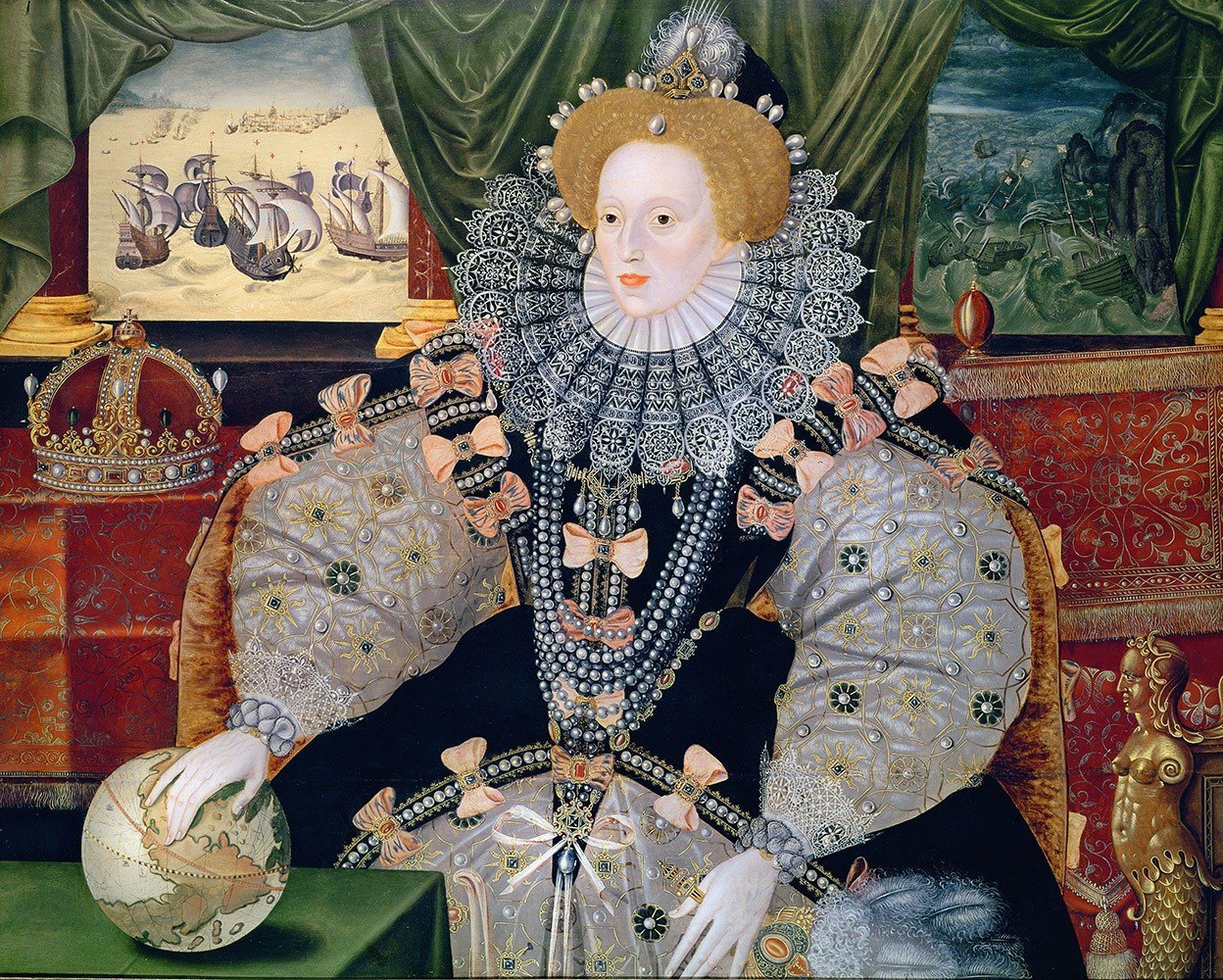
Goosey, goosey gander, whither shall I wander? Upstairs and downstairs, and in my lady’s chamber. There I met an old man who wouldn’t say his prayers. I took him by the left leg and threw him down the stairs.
Dating to 1784, it mimics wandering with stomping steps. The surprise ending prompts giggles or mock horror.
Interpretations suggest Protestant searches for hidden Catholic priests during Elizabeth I’s reign. Priests saying Latin prayers faced execution if caught.[2]
The left leg symbolized the Pope’s cross. Such codes allowed subtle mockery of persecution.[1]
Rock-a-Bye Baby
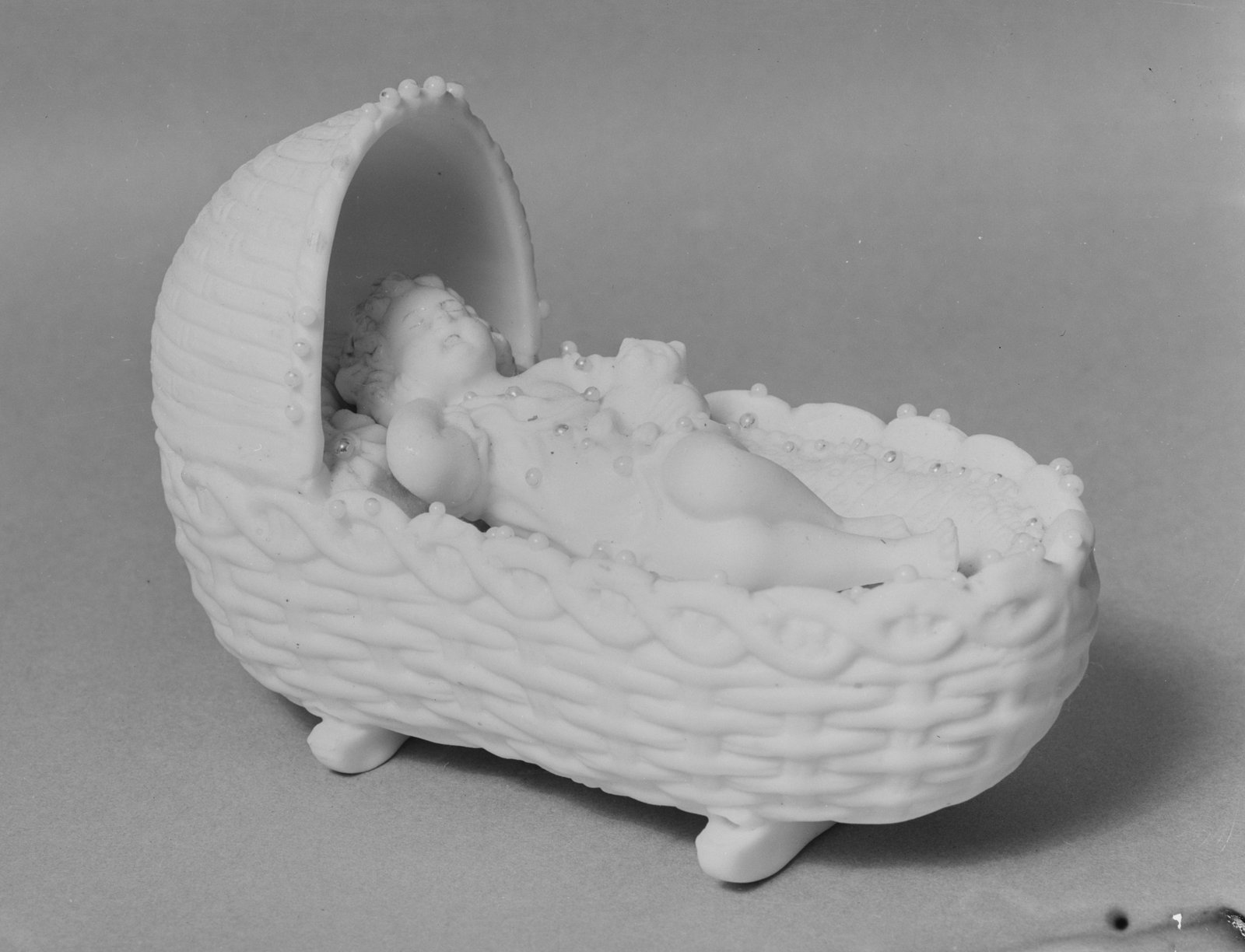
Rock-a-bye baby, on the treetop. When the wind blows, the cradle will rock. When the bough breaks, the cradle will fall, and down will come baby, cradle and all.
From 1765, parents sway infants to its soothing lull. The dramatic drop startles listeners.
One story involves King James II’s heir in 1688. Rumors swirled of a smuggled Catholic baby in a cradle to secure the throne; “wind” meant invading Protestants.[2][1]
Others see Native American mockery of English settlers rocking babies in trees. The rhyme underscores fragile power plays.
Three Blind Mice
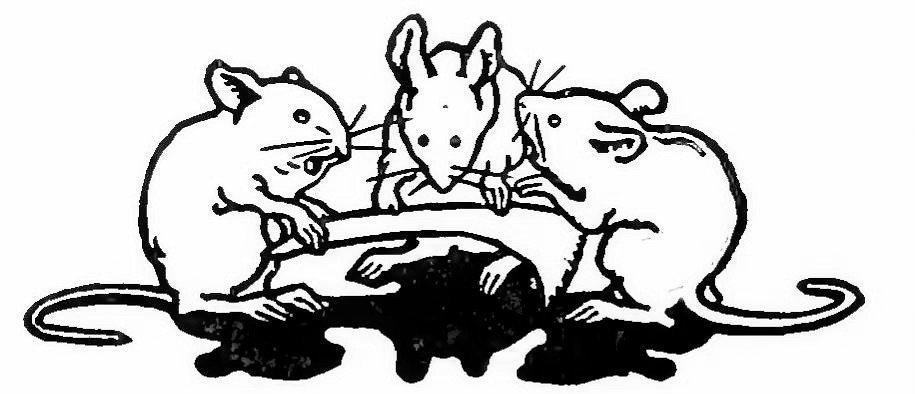
Three blind mice, three blind mice. See how they run, see how they run. They all ran after the farmer’s wife. She cut off their tails with a carving knife.
Noted in 1805, it pairs with finger-wiggling chases. The wife’s fierce act adds thrill.
The mice may represent bishops Hugh Latimer, Nicholas Ridley, and Thomas Cranmer, “blinded” by Protestant faith under Mary I. She ordered their burning at the stake.[2]
The farmer’s wife echoes her nickname. This satire emerged amid 16th-century religious wars.
Humpty Dumpty
Catalog: https://lccn.loc.gov/2011647258
Image download: https://cdn.loc.gov/service/pnp/ppmsca/26200/26222v.jpg
Original url: https://www.loc.gov/pictures/item/2011647258/, Public domain)
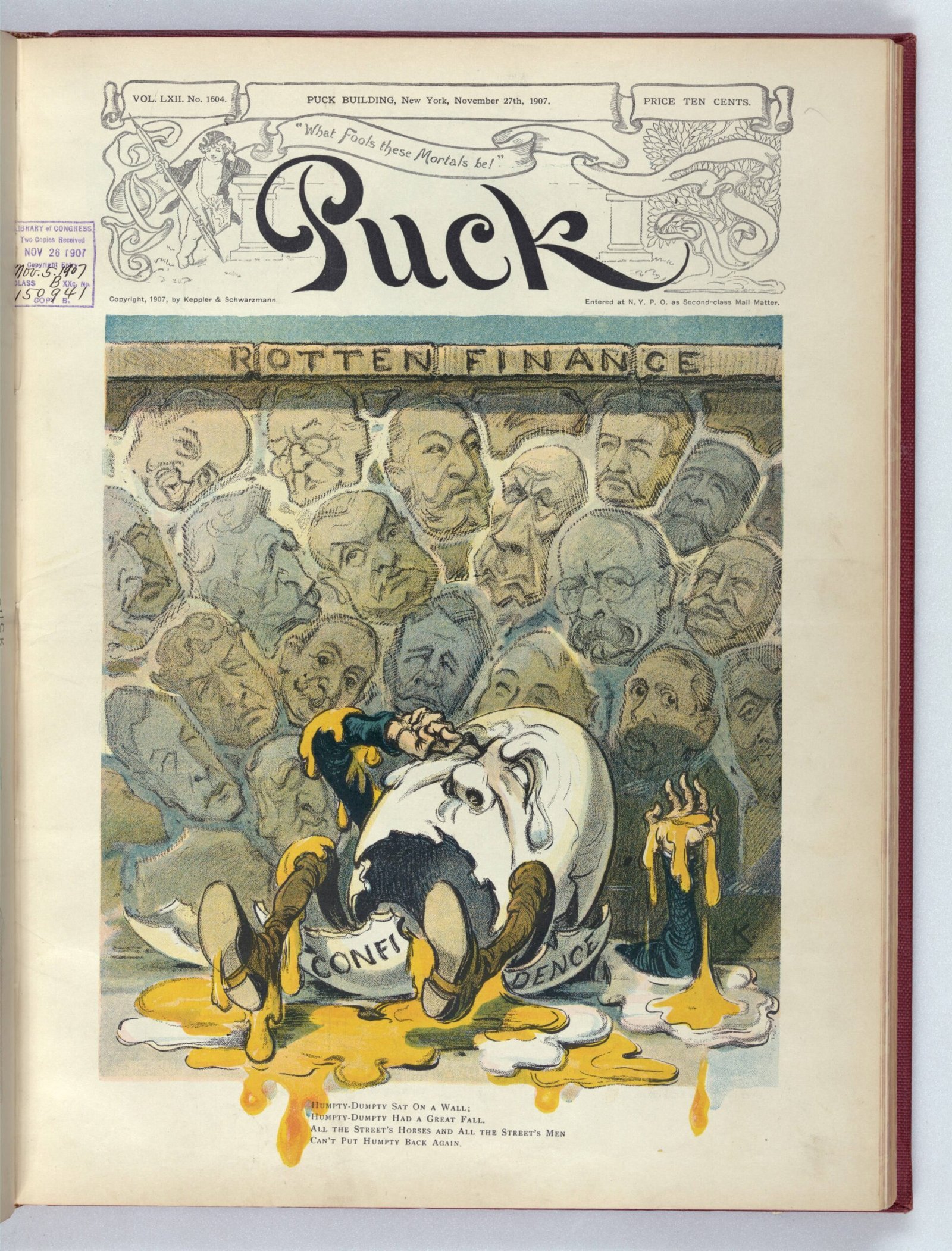
Humpty Dumpty sat on a wall. Humpty Dumpty had a great fall. All the king’s horses and all the king’s men couldn’t put Humpty together again.
Late 18th-century origins feature egg-like gestures. The futility amuses with repetition.
During the 1648 Siege of Colchester, a Royalist cannon named Humpty Dumpty toppled from a wall. Parliamentarian blasts buried it beyond recovery.[3]
King’s forces couldn’t restore it. The tale mirrors Civil War chaos.
Jack and Jill
![Jack and Jill (Three children - two climbing a hill, one riding on the back of one of the children. [front], CC BY 2.0)](https://festivaltopia.com/wp-content/uploads/2026/04/1776158595023_1776158580511_three_children_-_two_climbing_a_hill-2c_one_riding_on_th.jpeg)
Jack and Jill went up the hill to fetch a pail of water. Jack fell down and broke his crown, and Jill came tumbling after.
Printed in 1765, it inspires tumbling games. Upbeat tune contrasts the mishap.
Theory connects to King Charles I’s failed bid to tax liquid measures like jacks and gills. Reduced sizes hiked prices, tumbling his plans.[2]
Another views Jack as Louis XVI, beheaded, with Jill as Marie Antoinette. Taxes and revolution lurk beneath.
The Enduring Evolution of Nursery Rhymes

Folklore like these rhymes shifts with time, shedding sharp edges for gentler play. Oral traditions adapt, blending history into harmless fun.
What starts as veiled protest softens across generations. They remind us how stories survive, carrying echoes of the past into innocent songs.

Christian Wiedeck, all the way from Germany, loves music festivals, especially in the USA. His articles bring the excitement of these events to readers worldwide.
For any feedback please reach out to info@festivalinside.com
