

- 20 Misprints or Errors That Changed What We Believe - July 22, 2026
- 14 Opening Chapters That Grabbed Readers and Never Let Go - July 22, 2026
- 20 Forgotten Rituals That Defined Entire Civilizations - July 22, 2026
Novels have long served as windows into the soul of a nation. They weave personal stories with the broader currents of politics, society, and culture, often revealing tensions that shape history.
These books do more than entertain. They preserve the raw emotions and debates of their moments, offering readers a vivid sense of what life felt like then.
The Scarlet Letter by Nathaniel Hawthorne
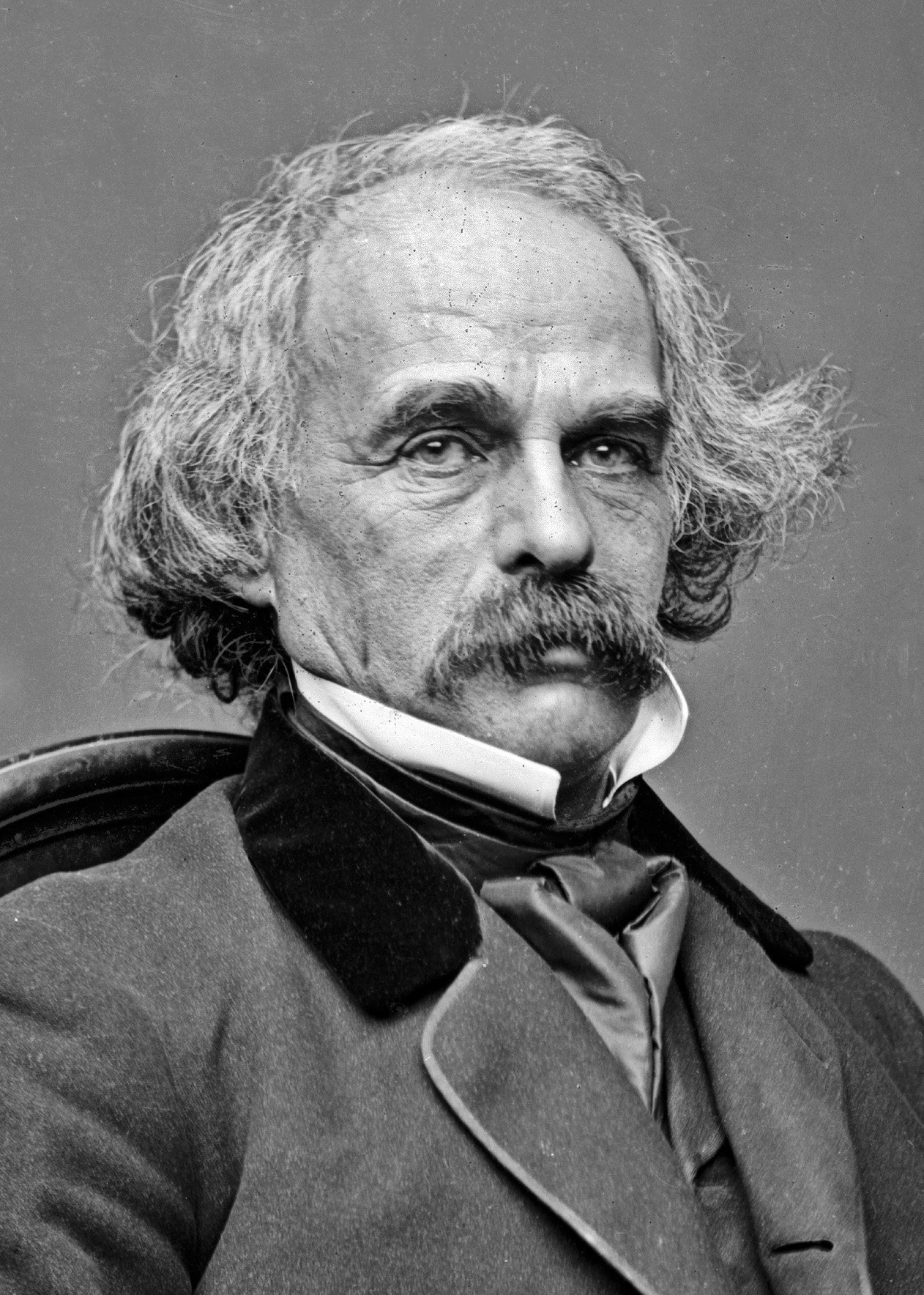
Nathaniel Hawthorne published The Scarlet Letter in 1850, amid growing national debates over morality and authority. The story unfolds in 17th-century Puritan Boston, a time when religious rigidity dominated colonial life. Hawthorne drew from real historical events, like the persecution of Anne Hutchinson, to highlight the era’s intolerance. This backdrop reflected America’s own 19th-century anxieties about sin, guilt, and social control as the country expanded.
The novel’s themes center on individual conscience clashing with communal judgment. Hester Prynne’s scarlet “A” symbolizes not just adultery but the hypocrisy embedded in Puritan society. Hawthorne explores redemption and isolation, capturing how personal shame intersects with public scorn. Ultimately, it critiques the destructive power of enforced conformity, mirroring the era’s moral reckonings.
Moby-Dick by Herman Melville
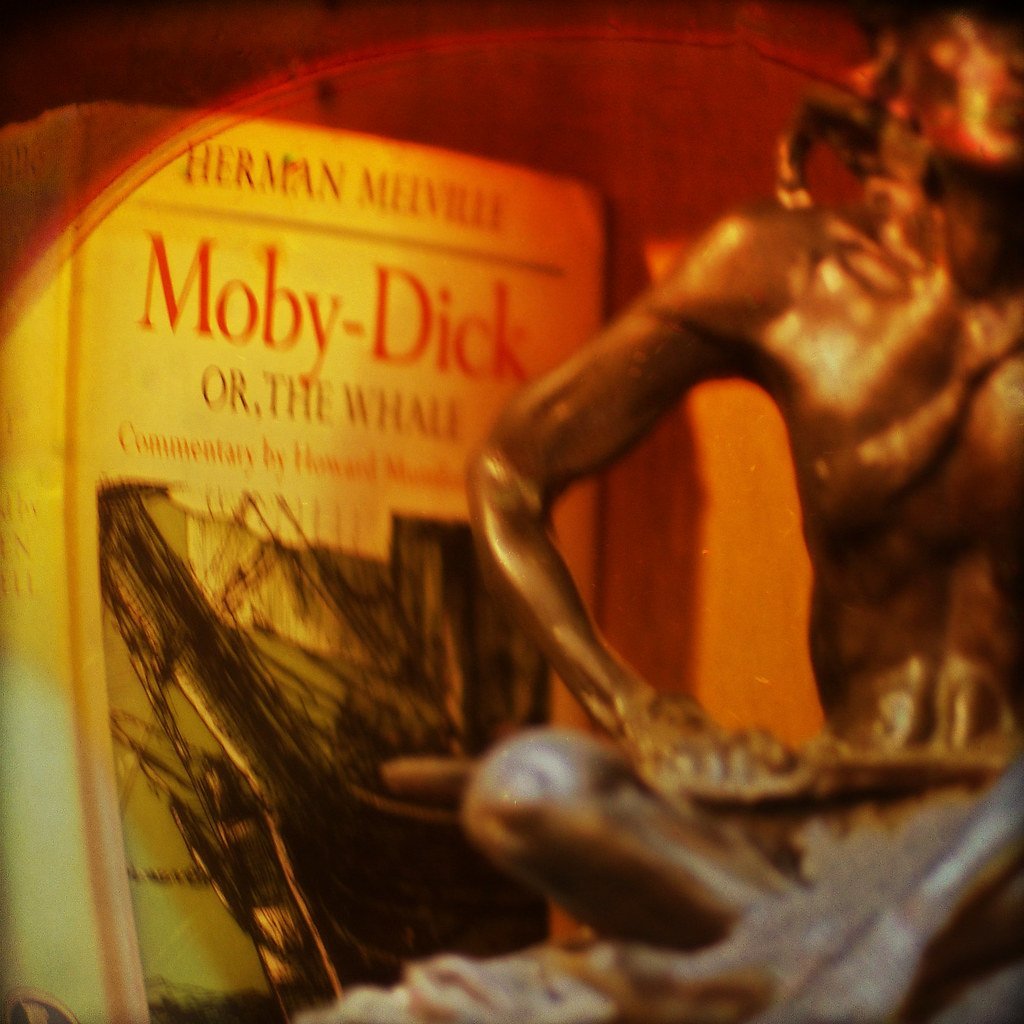
Herman Melville released Moby-Dick in 1851, during the height of America’s whaling industry and westward expansion. The novel is set against the perilous seas of the 19th century, where whaling fueled the economy but embodied human ambition’s risks. Ishmael’s voyage on the Pequod echoes the nation’s obsession with manifest destiny and industrial might. Melville infused real maritime details, underscoring the era’s blend of adventure and existential peril.
At its core, the book grapples with obsession, fate, and the sublime power of nature. Captain Ahab’s quest for the white whale represents unchecked individualism run amok. Melville weaves philosophy and theology into the narrative, questioning humanity’s place in a vast, indifferent universe. This captures the romantic turbulence of mid-19th-century America, torn between progress and primal forces.
Uncle Tom’s Cabin by Harriet Beecher Stowe
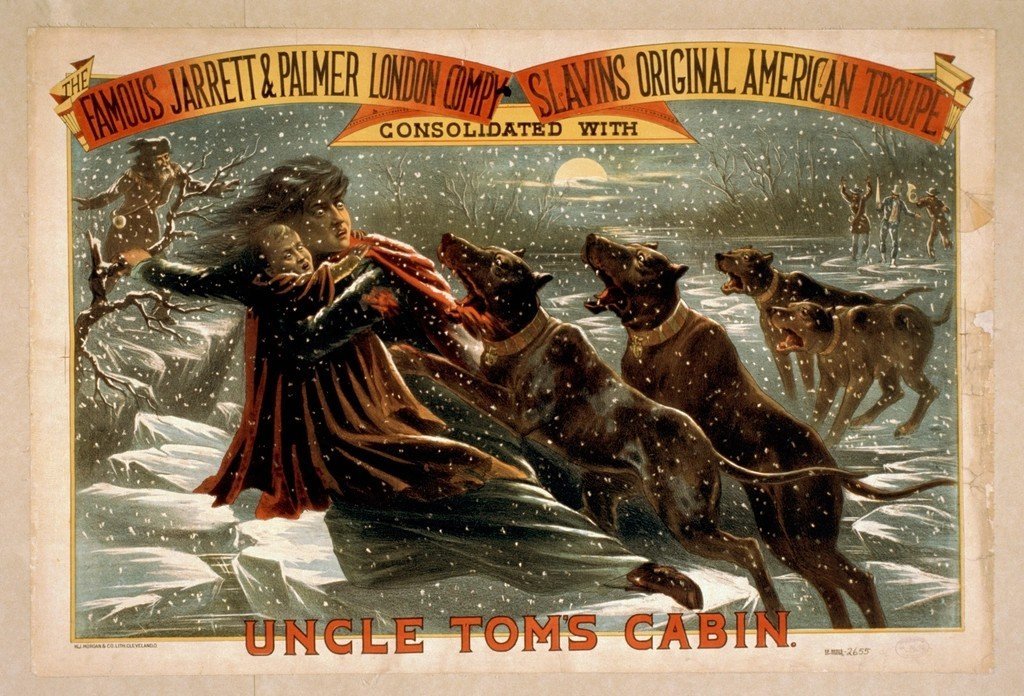
Harriet Beecher Stowe’s Uncle Tom’s Cabin appeared in 1852, just before the Civil War erupted. The novel exposed the brutal realities of slavery in the antebellum South, amid rising sectional divides over human bondage. Stowe based characters on real enslaved people and abolitionist accounts, fueling national outrage. It reflected the era’s moral crisis, as compromises like the Fugitive Slave Act deepened rifts between North and South.
Themes of Christian compassion versus systemic evil dominate the story. Uncle Tom’s unwavering faith contrasts with the cruelty of figures like Simon Legree, highlighting slavery’s dehumanizing toll. Stowe urges empathy across divides, showing how one person’s suffering implicates the whole society. The book crystallized the abolitionist spirit, galvanizing readers toward war and emancipation.
Adventures of Huckleberry Finn by Mark Twain
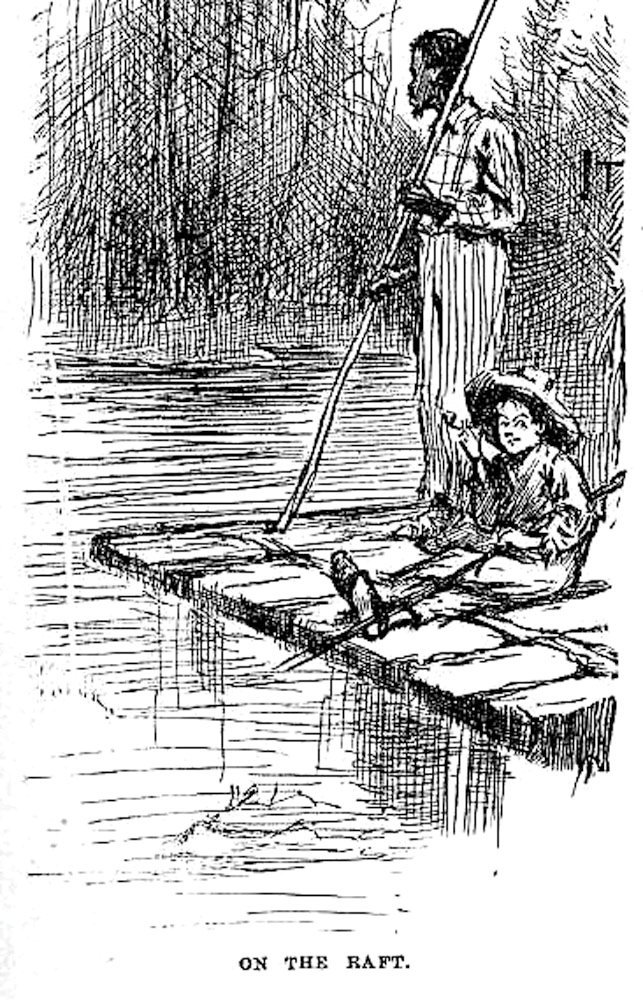
Mark Twain published Adventures of Huckleberry Finn in 1884, two decades after the Civil War ended. Set along the Mississippi River in the pre-war South, it portrays a region scarred by defeat and clinging to old hierarchies. Huck and Jim’s raft journey navigates racism, feuds, and con artistry, drawn from Twain’s own boyhood observations. This mirrored Reconstruction’s failures and the persistence of Southern myths.
Freedom and moral growth form the novel’s heart. Huck’s internal struggle over helping Jim escape challenges ingrained prejudices. Twain uses satire to expose hypocrisy in “civilized” society, from feuding families to religious fervor. The story embodies the era’s uneasy quest for equality amid entrenched divides.
The Great Gatsby by F. Scott Fitzgerald
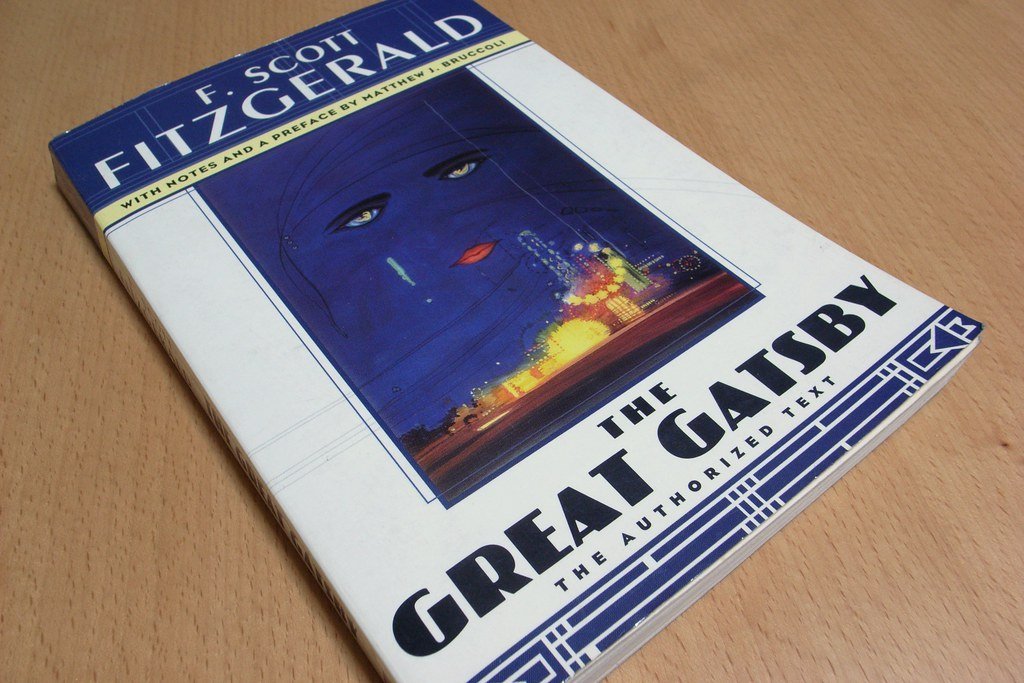
F. Scott Fitzgerald’s The Great Gatsby came out in 1925, smack in the Jazz Age’s excess. Post-World War I prosperity boomed, with speakeasies, flappers, and stock market highs defining the Roaring Twenties. Gatsby’s lavish Long Island parties echo real Gilded Age holdovers and new wealth disparities. Fitzgerald captured the hollow thrill of a nation chasing the American Dream amid moral drift.
Illusion versus reality drives the narrative. Jay Gatsby’s reinvention for lost love reveals the dream’s fragility. The novel critiques class barriers and spiritual emptiness beneath glamour. It foreshadows the 1929 crash, distilling the era’s giddy disillusionment.
The Grapes of Wrath by John Steinbeck
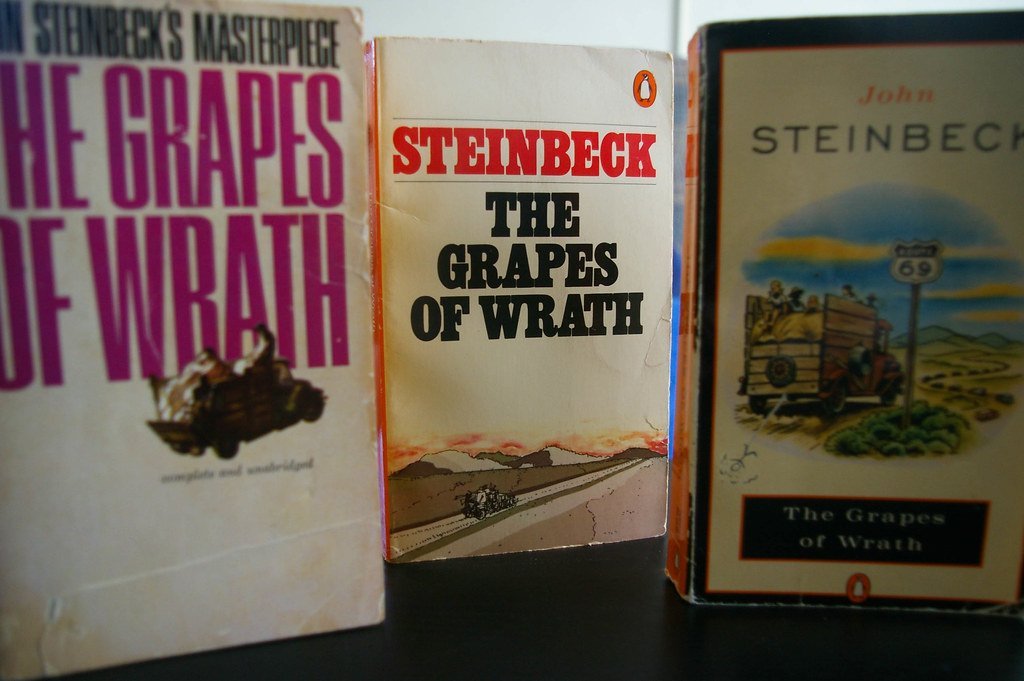
John Steinbeck’s The Grapes of Wrath hit shelves in 1939, during the Great Depression’s depths. The Joad family’s Dust Bowl exodus from Oklahoma to California reflects millions displaced by drought and economic collapse. Government reports and migrant camps informed Steinbeck’s stark realism. It embodied New Deal struggles against corporate power and human suffering.
Collective resilience and injustice take center stage. The Joads’ journey exposes exploitation in labor camps, urging solidarity among the poor. Steinbeck blends biblical tones with social critique, affirming human dignity amid despair. The novel fueled labor reforms, echoing the era’s fight for hope.
The Catcher in the Rye by J.D. Salinger
J.D. Salinger’s The Catcher in the Rye debuted in 1951, as America entered the affluent 1950s after World War II. Holden Caulfield wanders New York, voicing teen alienation in a conformist boom time. Suburbia and consumerism rose, but so did unspoken traumas from the war. Salinger tapped into youth disillusionment amid Cold War anxieties.
Innocence lost and phoniness define Holden’s world. His fantasy of saving kids from adulthood’s pitfalls reveals a fear of change. The novel probes mental fragility in a polished society. It resonated with a generation questioning postwar promises.
To Kill a Mockingbird by Harper Lee

Harper Lee’s To Kill a Mockingbird appeared in 1960, during the Civil Rights Movement’s surge. Set in 1930s Alabama, Scout Finch witnesses racism through her father Atticus’s defense of a Black man. Lynchings and Jim Crow laws loomed large, mirroring 1960s protests and legal battles. Lee drew from her Southern upbringing to expose entrenched bigotry.
Empathy and moral courage shine through. Atticus teaches his children to understand others’ perspectives, challenging prejudice. The story confronts innocence shattered by injustice. It captured the era’s push toward equality and reckoning with history.
Catch-22 by Joseph Heller
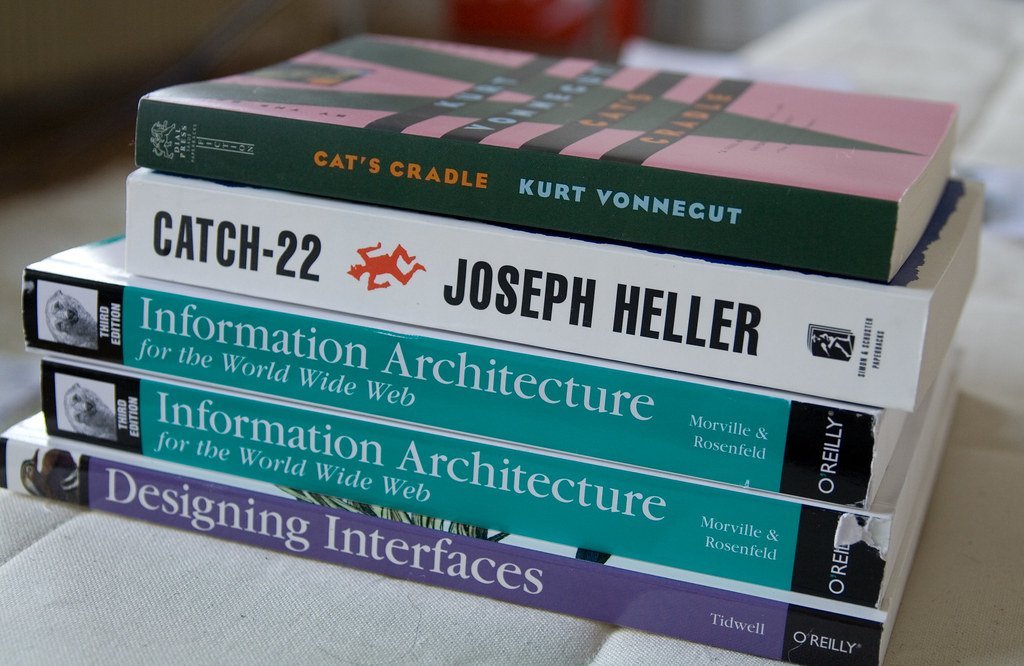
Joseph Heller’s Catch-22 was published in 1961, as Vietnam loomed and World War II memories faded. The novel’s absurd airbase bureaucracy satirizes military logic during the war. Yossarian’s plight reflects soldiers trapped in endless danger. Heller based it on his own bomber experiences, critiquing institutional madness.
Bureaucracy’s insanity and survival instinct dominate. The titular “Catch-22” loops pilots into fatal missions, exposing war’s illogic. Heller blends dark humor with horror, questioning authority. It mirrored growing distrust in government during turbulent times.
Beloved by Toni Morrison
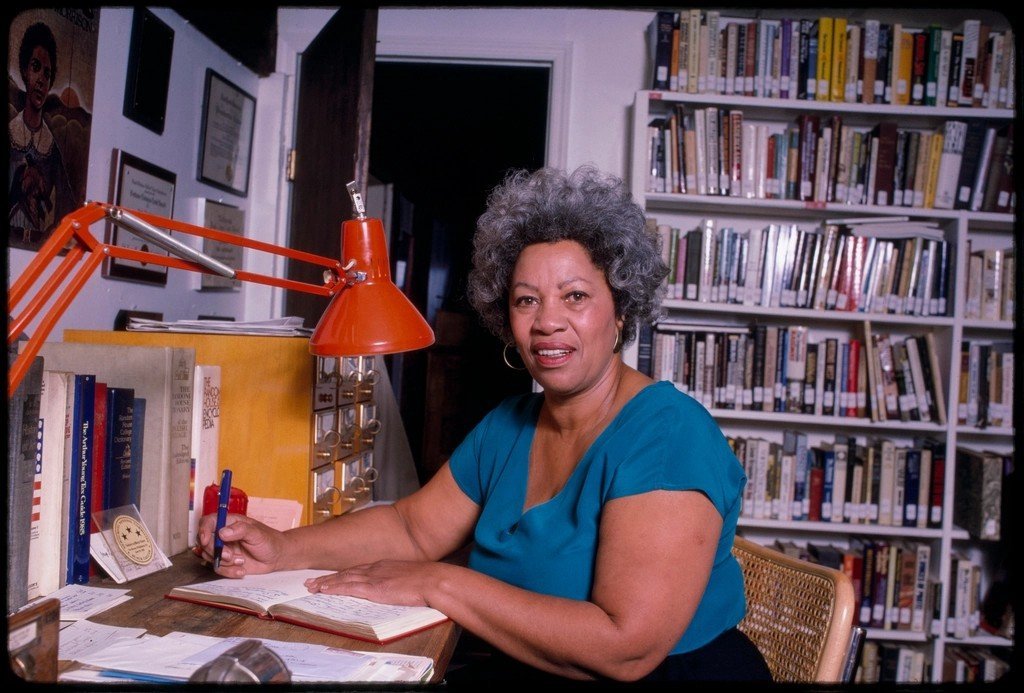
Toni Morrison’s Beloved won the Pulitzer in 1988, amid Reagan-era conservatism and slavery’s lingering shadows. Set post-Civil War, it follows Sethe haunted by infanticide to escape bondage. Morrison researched real fugitive slave narratives, like Margaret Garner’s. The novel addressed suppressed Black trauma in American memory.
Memory, motherhood, and healing form its core. Beloved’s ghostly return forces confrontation with past horrors. Morrison explores love’s extremes under oppression. It reflects the era’s debates on race, history, and national guilt.
Literature as History’s Mirror
These novels endure because they hold up unflinching reflections of their times. They turn personal struggles into communal truths, bridging eras for modern readers.
Through fiction, history breathes. Each story reminds us how society’s pulse beats in its tales, inviting us to see our own reflections too.
CEO-Co-Founder
