


For any feedback please reach out to info@festivalinside.com
There are moments in history when something entirely new crashes through the front door of civilized society, kicks over the furniture, and refuses to apologize. Rock and roll was exactly that. It didn’t emerge politely. It erupted, raw and unapologetic, from the collision of African American rhythm and blues, gospel fervor, and country twang, and it landed squarely in the laps of a generation that had been quietly starving for it.
Rock and roll was a groundbreaking force that shattered the conventional social norms of the 1950s and 1960s. This vibrant genre encouraged young people to break away from their parents’ more conservative lifestyle and express their individuality. It was a period where teenagers began rejecting the status quo, leading to a clash between generations. What followed was nothing less than a full cultural revolution. Let’s dive in.
The Roots That Shook a Nation
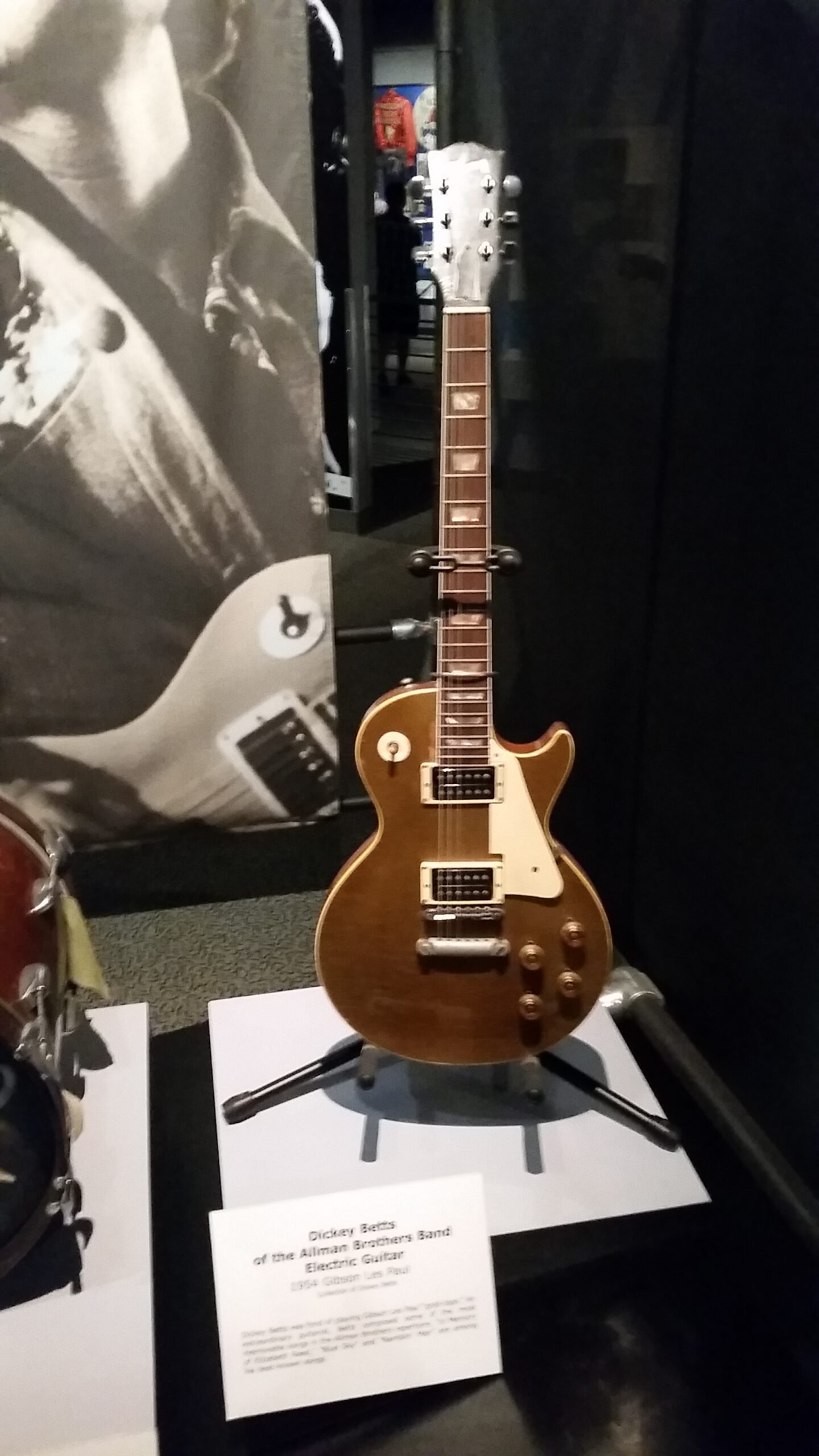
You don’t understand rock and roll until you understand where it came from. Rock and roll emerged in the early 1950s as a fusion of multiple music styles, including rhythm and blues, country, gospel, and jazz, and its ancestry can be traced back to African American communities, where blues and R&B flourished. This wasn’t just music blending at the edges. It was a seismic convergence of traditions that had never been allowed to meet in polite, segregated society.
The combination of blues, R&B, country, and gospel music styles infused early rock and roll with dynamic rhythmic energy and deep emotional expression. Blues contributed melancholic undertones and bending melodies, whereas R&B added strong beats and vocal power. Country music brought twang and narrative lyrics, and gospel introduced emotional depth and harmonious vocals, creating a genre that was both rhythmically compelling and emotionally resonant. Think of it like a pressure cooker. Each ingredient alone was powerful. Together, they were explosive.
Elvis Presley and the Birth of a New Icon
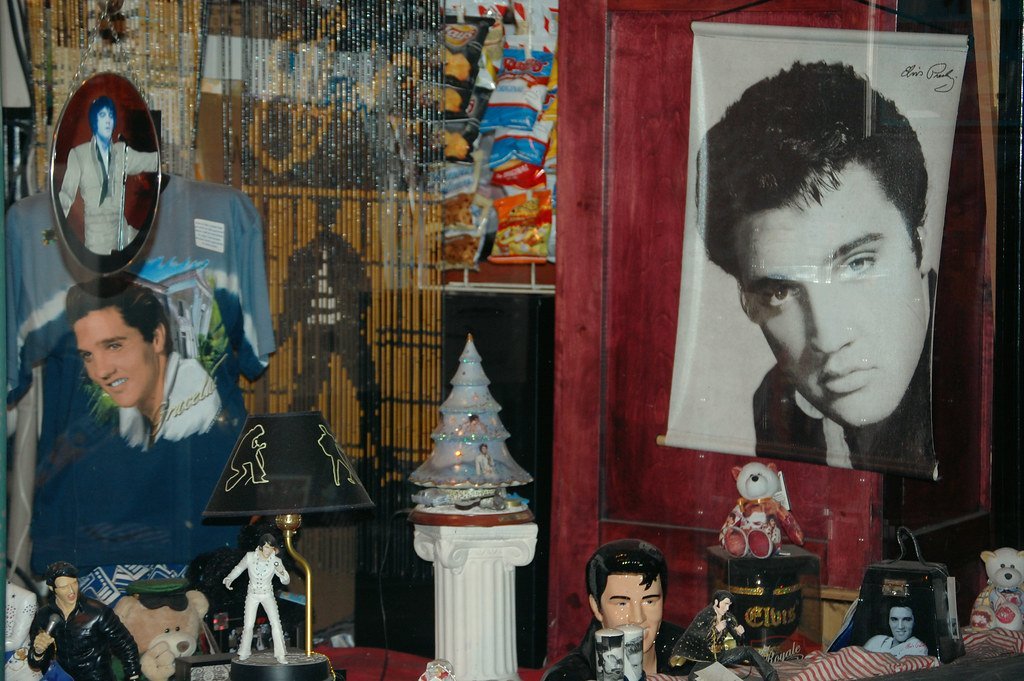
Honestly, it’s hard to overstate what Elvis Presley meant to this era. He wasn’t just a singer. He was a walking cultural provocation. Rock and roll’s inception is often linked to 1954 when Elvis Presley recorded his first single, “That’s All Right,” at Sun Records in Memphis, and his unique amalgamation of country, gospel, and rhythm and blues, known as “rockabilly,” became an important defining characteristic of early rock and roll.
Known as the “King of Rock and Roll,” Presley significantly influenced the cultural significance of rock music by combining rhythm and blues with country influences in a style that resonated with youth culture. His charismatic performances and rebellious image helped rock music become a symbol of youthful defiance and freedom, breaking down racial barriers and challenging social norms of the 1950s. Every hip swivel, every curled lip, every breathless television performance sent shockwaves through living rooms across America. Parents were horrified. Teenagers were transfixed. That tension was the whole point.
Chuck Berry, Little Richard, and the Sound of Pure Fire
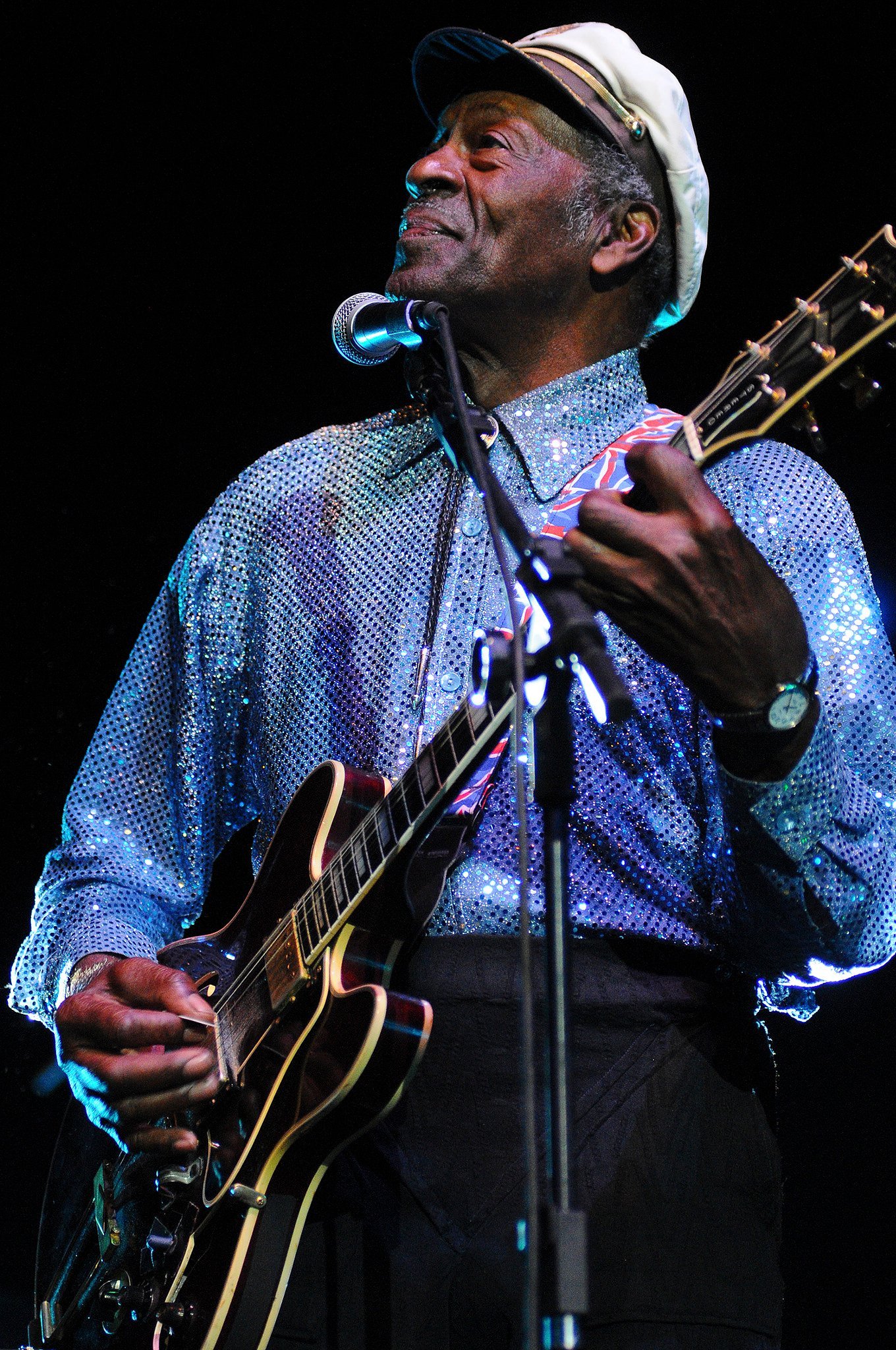
If Elvis was the face that mainstream America could just barely accept, Chuck Berry and Little Richard were the electric current running underneath everything. Chuck Berry was a true pioneer, known for his exceptional guitar riffs and energetic performances that left a lasting impact on future musicians, while Little Richard’s flamboyant performances and raw energy distinguished him as one of the genre’s essential figures.
Rock and roll emerged as a revolutionary force, and this synthesis of R&B, country, and gospel elements was propelled by figures like Chuck Berry and Little Richard, whose styles resonated with an international youth culture eager for both rebelliousness and effervescent optimism. Let’s be real – without Chuck Berry’s guitar innovations, there is no Keith Richards, no Jimi Hendrix, and arguably no modern rock music at all. His fingerprints are on virtually every power chord ever struck. That’s not an exaggeration. That’s just history.
Moral Panic, Censorship, and the War on a Beat
Here’s the thing about truly revolutionary art: it always frightens the people in charge. The rock and roll genre found particular appeal in the teenage culture of the U.S. during this time, due to its novelty and more rebellious attitude, and because of these characteristics, the rock and roll music movement did meet some resistance from more conservative groups, who were concerned about the influence the music and lyrics would have on young people, thus earning it the label of “the devil’s music” in some circles.
This view that rock and roll corrupted the youth was widely accepted by social authorities, so rock and roll music was often censored. Cities banned it from dance halls. Radio stations refused to play certain records. A Time magazine article reported that the Mayor of Asbury Park, New Jersey, issued a ban on rock and roll in area dance halls after a riot at the city’s Convention Hall sent 25 teens to the hospital. The same article carried an account of a ban on rock and roll from swimming pool jukeboxes in San Antonio, Texas. The city council blamed the rowdy beat for attracting “undesirables” who danced in their bathing suits. Undesirables dancing in their bathing suits. I know it sounds absurd today, but that was genuinely the level of panic this music inspired.
Rock and Roll as a Weapon Against Racial Segregation
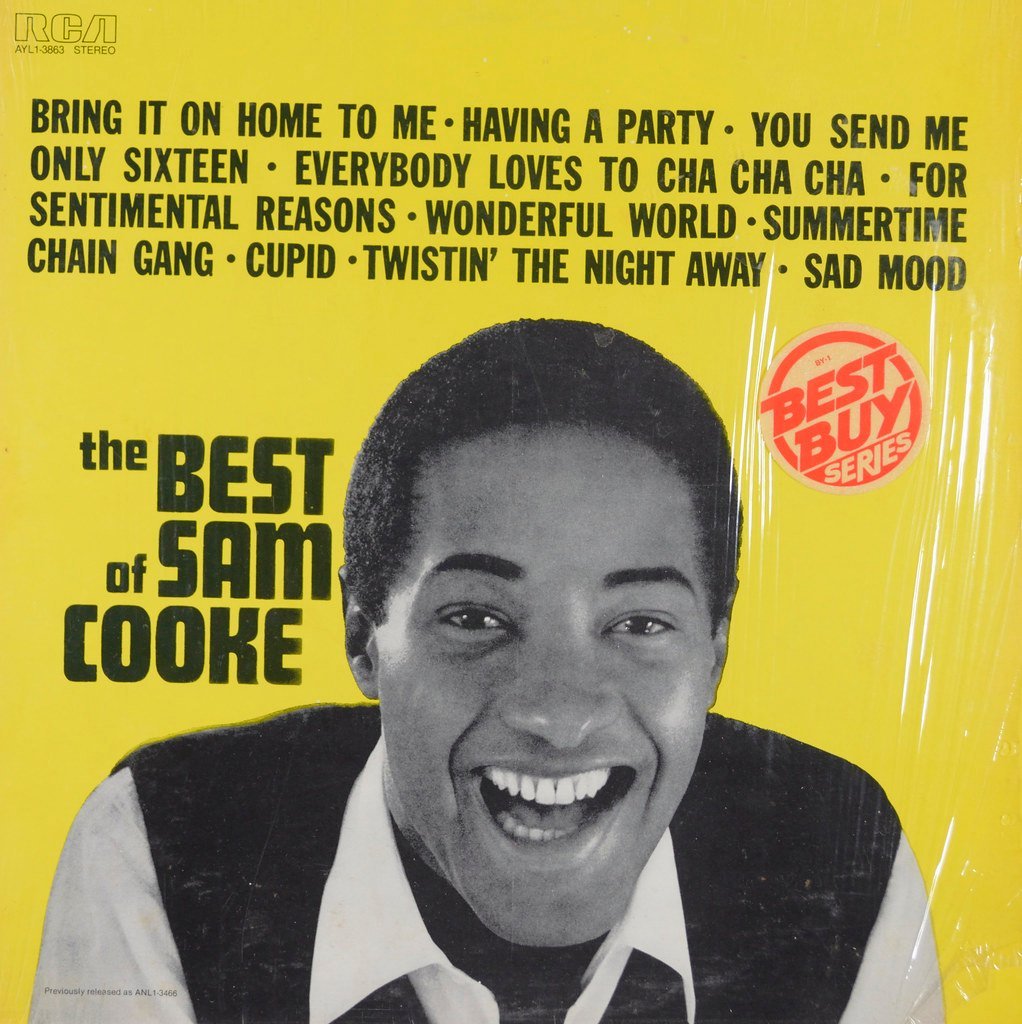
One of the most profoundly important, and often underappreciated, things rock and roll accomplished was forcing Black and white America into the same cultural space. Rock and roll, being rooted in Black musical traditions, challenged discriminatory norms and offered a platform for racial integration, and rock and roll frequently bridged racial divides, as teens from diverse backgrounds attended concerts and danced together, sometimes in defiance of local segregation laws.
Although not all rock and roll artists were active in civil rights protests, the genre itself often served as a uniting force, bringing Black and white youth into shared cultural spaces. This contributed to an environment that, however slowly, eroded some racial barriers. Musicians like Sam Cooke, known for bridging gospel, rock, and soul, released songs that became anthems for change. Rock and roll helped introduce millions of white teenagers to Black sounds and performers, indirectly supporting the broader call for racial equality. That was not a small thing. It was cultural groundwork laid in ways that legislation alone never could have managed.
The Birth of the Teenager as a Cultural Force
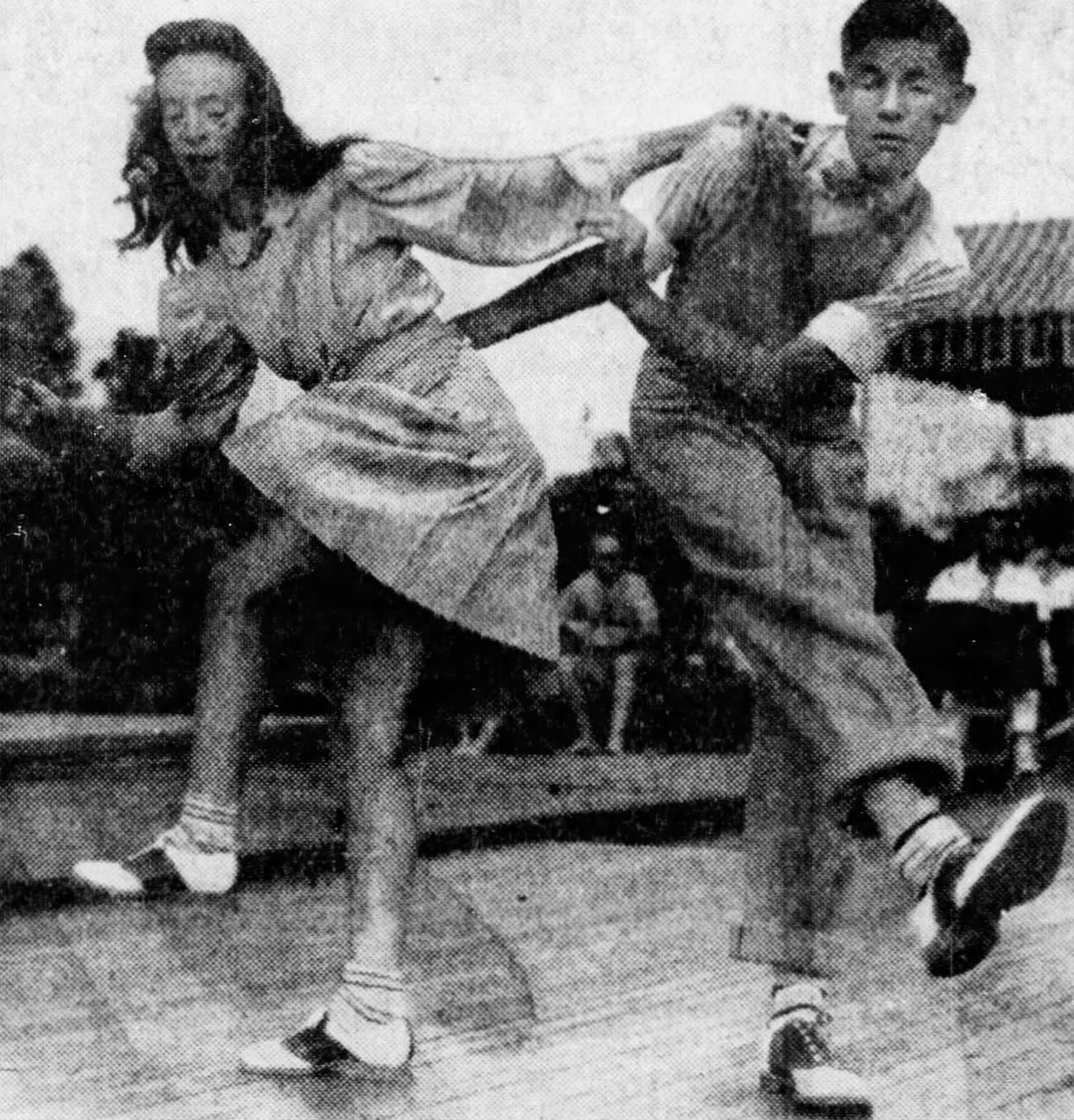
Before rock and roll, the “teenager” as a distinct social identity barely existed. Young people were simply small adults, expected to adopt their parents’ tastes, politics, and behaviors without complaint. Before rock and roll, teenagers were largely invisible in cultural narratives. The music gave them identity and voice, inspiring fashion, slang, dances, and social attitudes that defined a generation.
The upbeat tempos of rock and roll got people on their feet. Teens embraced dance styles like the Twist, the Stroll, and the Jitterbug, infusing movement into social gatherings. Fashion also evolved, as young fans copied the style of their favorite artists, think leather jackets, denim jeans, and slicked-back hair for the boys, while girls donned poodle skirts and bobby socks. These trends set teenagers apart, creating a visible youth culture that older generations sometimes saw as subversive. Subversive was the goal. That was the whole beautiful point.
The British Invasion and the Global Amplification of Rock
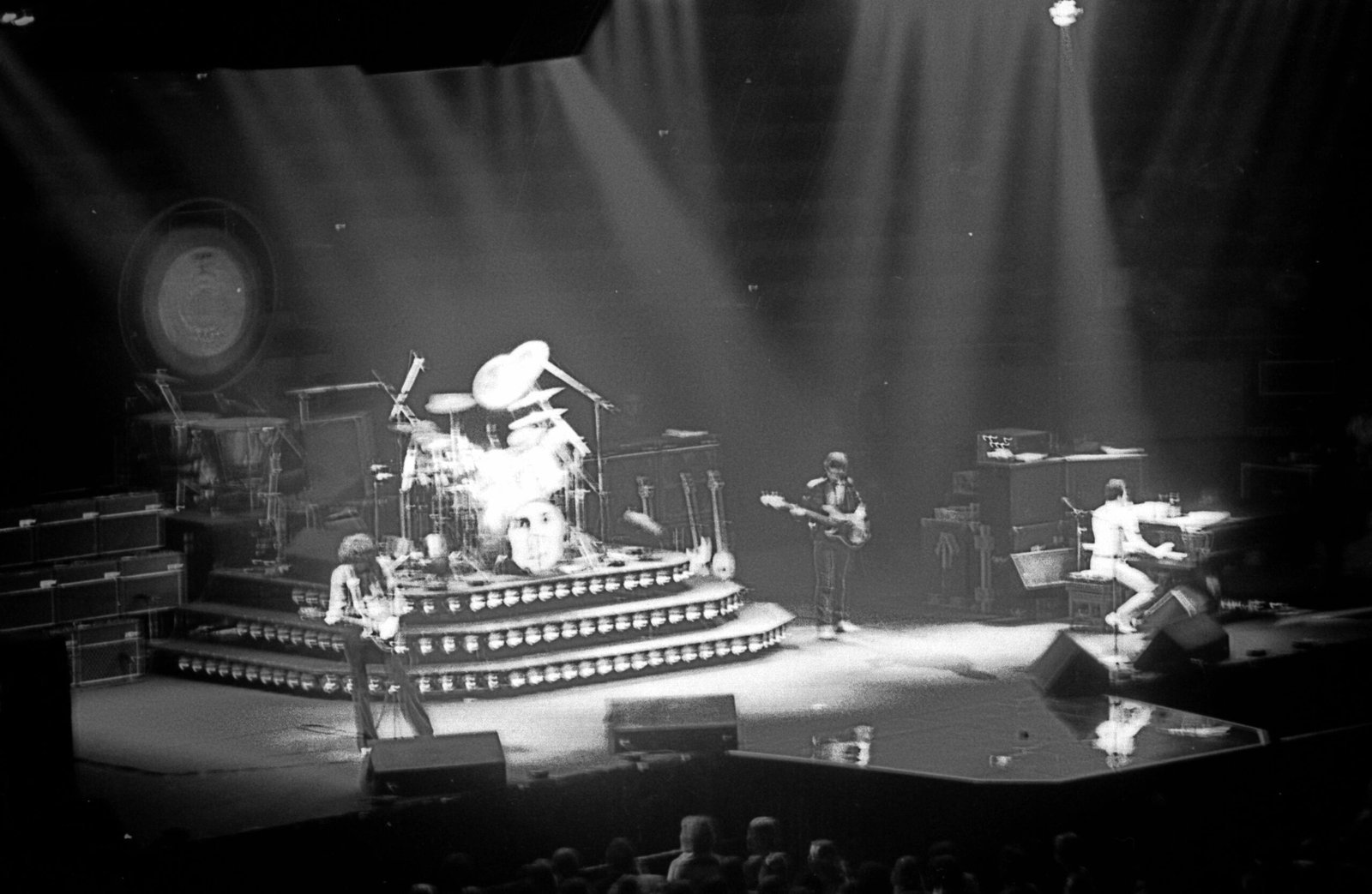
Just when American rock seemed to be losing some of its raw edge in the early 1960s, something remarkable happened across the Atlantic. As interest in rock and roll was beginning to subside in America in the late 1950s and early 1960s, it was taken up by groups in British cities like Liverpool, Manchester, Birmingham, and London. About the same time, a British blues scene developed, and many groups moved towards the beat music of rock and roll and rhythm and blues from skiffle, like the Quarrymen who became the Beatles, producing a form of rock and roll revivalism that carried them and many other groups to national and international success from 1964, known in America as the British Invasion.
The British Invasion had a profound impact on the evolution of rock music in the 1960s by introducing innovative sounds, musical experimentation, and a global scale of popularity. Bands like The Beatles and The Rolling Stones led this movement, influencing styles with their unique compositions and stage presence. This era not only expanded the musical boundaries of rock but also integrated it more deeply into global youth culture, altering its trajectory forever. The Americans had created something extraordinary. The British took it, turned it sideways, and gave it back to the world wearing a completely different coat.
Rock as a Megaphone for Political Protest
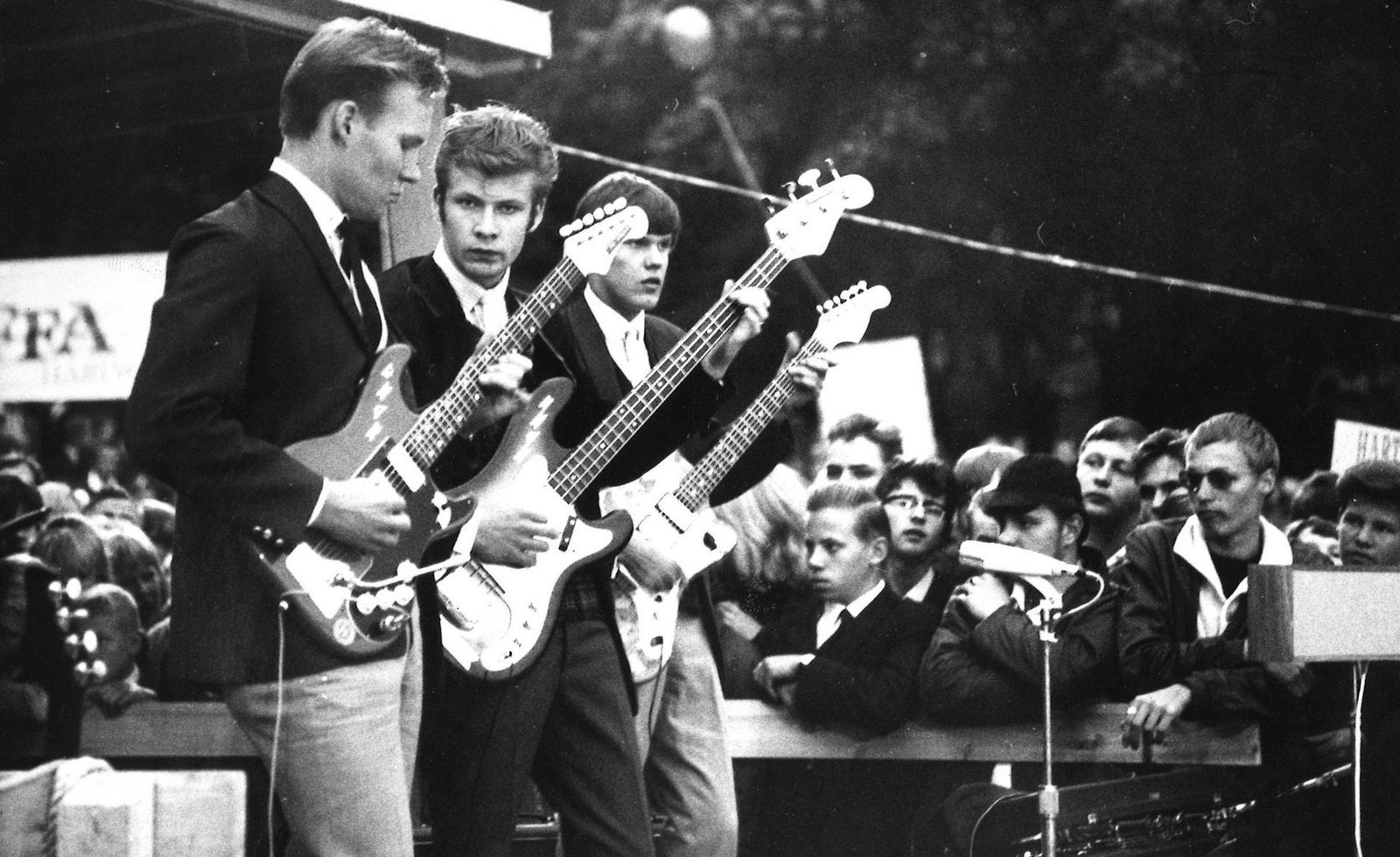
By the mid to late 1960s, rock had outgrown its sock-hop origins entirely. It challenged societal norms, influenced fashion, and played a significant role in movements such as the civil rights movement and the anti-war protests. The music became a voice for the voiceless, with artists using their platforms to express their views on social and political issues.
Folk-rock artists like Bob Dylan and Joan Baez combined protest with melody, addressing war, racial injustice, and inequality. Bands like The Doors, Jefferson Airplane, and Creedence Clearwater Revival used their music to question authority and inspire activism. The Vietnam War era cemented rock as a soundtrack for protest. Woodstock, a three-day antiwar festival that drew hundreds of thousands to upstate New York in 1969, epitomized how sixties rock offered a mass cultural vision of authenticity and community. It was music fused with urgency, and the combination proved almost impossible to ignore.
Musical Innovation That Rewired the Studio Forever

The golden age wasn’t just about rebellion in the streets. It was also a period of staggering technical innovation happening behind closed doors in recording studios. Some music historians have pointed to important and innovative developments that built on rock and roll in this period, including multitrack recording developed by Les Paul, the electronic treatment of sound by innovators like Joe Meek, and the “Wall of Sound” productions of Phil Spector, continued desegregation of the charts, the rise of surf music, garage rock and the Twist dance craze.
The Beatles revolutionized the rock genre and youth culture in the 1960s through their innovative approach to songwriting, melodies, and harmonies. By experimenting with diverse musical styles and studio techniques, they expanded the artistic possibilities of rock music. Albums stopped being collections of singles and became unified artistic statements. The studio itself became an instrument. Think of “Revolver” or “Pet Sounds” as paintings created in sound rather than simple recordings of performances. That shift still shapes how music is made today.
The Enduring Legacy: Why It Still Matters in 2026

Seventy-plus years on, the golden age of rock and roll refuses to collect dust. Rock and roll continues to inspire artists across genres. The original artists have influenced countless others, from punk and heavy metal to hip-hop and pop. Their impact is found in musical styles and the way music is created, performed, and experienced.
The spirit of rebellion, innovation, and raw emotional expression that catalyzed rock’s inception in 1954 remained a constant undercurrent. Even to this day, rock and roll is an enduring symbol of creative freedom and social change. Rock is not just entertainment. It is a lens on society. It has shaped fashion, literature, film, and art, and its ethos of rebellion continues to influence punk, hip-hop, and indie music today. It showed that sound could carry social commentary, and that a beat could become a movement.
The golden age was a crucible precisely because it was uncomfortable. It melted things down – racial divisions, generational authority, musical boundaries, social conformity – and forced something new and impure and alive to emerge from the heat. That process never really stopped. Every genre that has ever challenged power, every artist who has ever made a parent nervous, every teenager who has ever found themselves in a song they weren’t supposed to be listening to: they are all heirs to what happened in those American recording studios and concert halls between 1954 and 1969.
What do you think – could a cultural revolution as seismic as the golden age of rock and roll ever happen again? Tell us in the comments.

Christian Wiedeck, all the way from Germany, loves music festivals, especially in the USA. His articles bring the excitement of these events to readers worldwide.
For any feedback please reach out to info@festivalinside.com
