


- 10 One-Hit Wonders That Secretly Made Millions. - August 18, 2026
- Great Literature Offers Profound Insights Into the Human Condition, Unchanged by Time. - August 18, 2026
- The Evolution of Pop Culture Reveals a Fascinating, Often Unpredictable, Human Journey - August 18, 2026
Think you know the 60s and 70s? Groovy music, free love, tie-dye everywhere, and women hurling their bras into bonfires? Honestly, it’s a fun picture – but it’s also largely a fantasy stitched together by Hollywood, nostalgic baby boomers, and television writers who were probably born a decade too late.
Movies and TV shows work like time machines that whiz us back to periods we never lived in. But these worlds, however well-constructed, offer only a glimpse into what life was really like. Even films or songs made in the actual decade only capture a limited snapshot of the time. The result? A collective memory that’s equal parts myth and glitter. So, before you spend another minute believing everything you watched on That ’70s Show, let’s set the record straight. Some of what follows will surprise you. Some might genuinely make you laugh. Let’s dive in.
Misconception #1: Everyone Was a Hippie in the 1960s
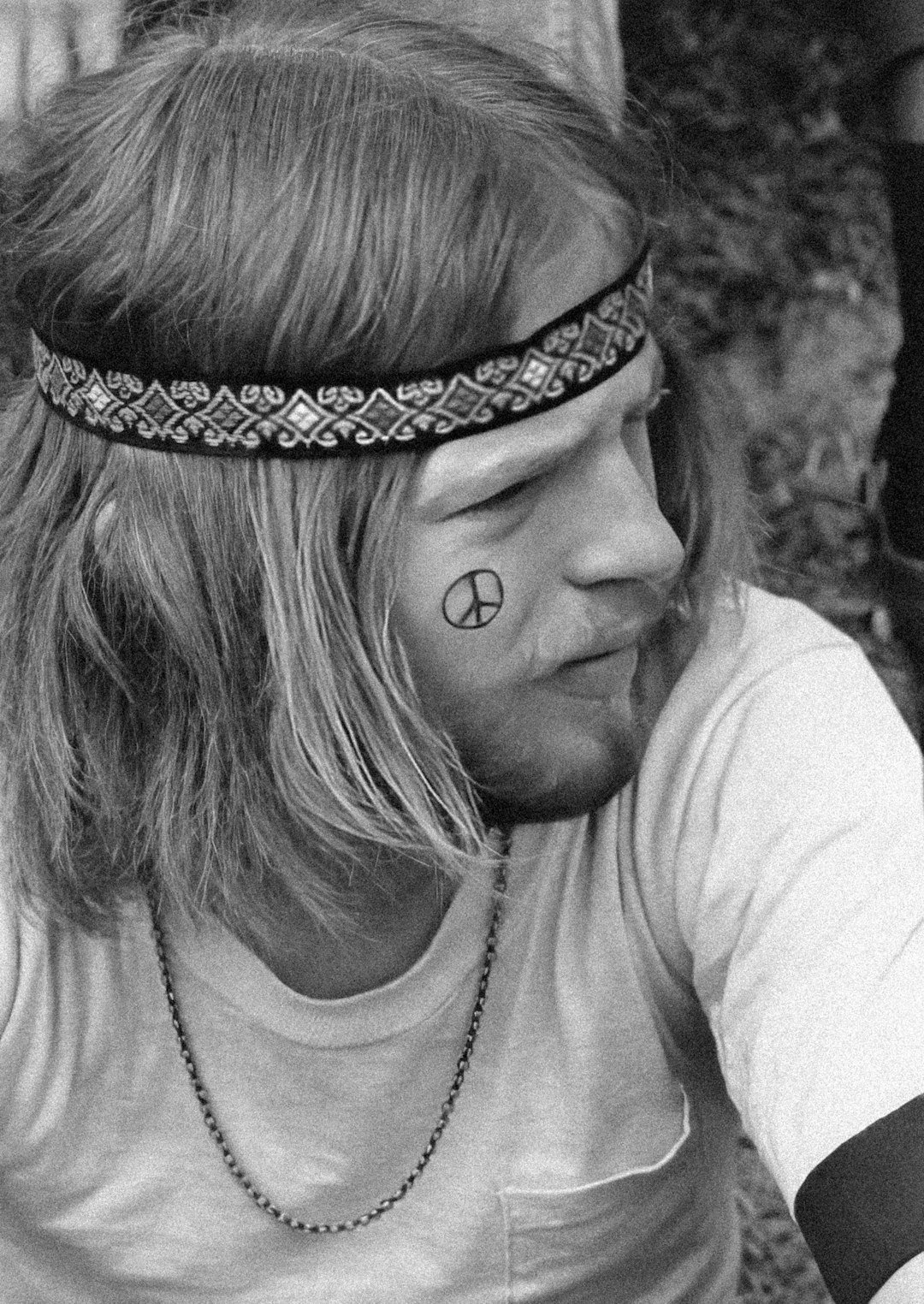
Pop culture practically invented a world where the 60s were wall-to-wall bell-bottoms, love beads, and flower crowns. Ask any film, and you’d think the entire American population was camped out in Haight-Ashbury sharing a joint and singing protest songs. Here’s the thing – that simply was not the case.
Hippies were seen to define sixties culture – or, at least, the mythologized version of that decade. With their long hair, colorful clothes, and experiments with drugs and music, they were thought to represent the era. The reality is that hippies were always a small minority. The vast majority of Americans in the 1960s were working regular jobs, raising families, and watching conventional television.
While there certainly were counterculturalists, there were also those who held conservative viewpoints and worked actively against the emerging movements. The counterculture was loud, photogenic, and historically fascinating – but it was never the mainstream. It just photographed well.
Misconception #2: The 1970s Were Nothing But Disco and Bell-Bottoms
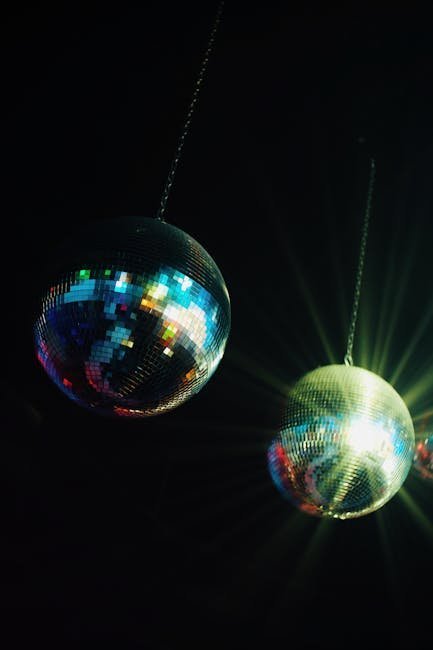
Mention the 70s to most people and watch what happens. Their eyes go wide, they mime a John Travolta pose, and suddenly everything smells like polyester and Afro Sheen. The stereotypical image of the 1970s is replete with disco music, bell bottoms, and shag rugs. Despite the decade’s notorious reputation for having bad taste, it’s also considered the golden era of television and an era dominated by gritty, drama-packed films. Many of these stereotypes are partly true, but they are made almost entirely of historically inaccurate myths.
As much as the 70s are known for disco, there were other music genres with a huge impact on culture. Glam rock, blues rock, funk, new wave, and punk rock were all new and competing for attention. That’s a staggering musical diversity that pop culture routinely collapses into one shiny mirror ball. The decade deserves so much better.
As the optimistic view of the 1960s fell to the reality of an American public struggling with equality, economic troubles, and an ongoing war, the decade sometimes earns an unwarranted bad reputation regarding cultural evolution. It was complicated, textured, and frankly more interesting than any disco soundtrack suggests.
Misconception #3: Women Were Burning Their Bras All Over the Place
Few images are more immediately conjured when someone mentions women’s liberation than angry protesters hurling their bras into spectacular bonfires. Movies love it. Comedians reference it. It even shows up in cartoons. There’s just one giant problem: it basically never happened.
While it’s possible small protests during the 1970s may have included the occasional bra burning, it was never an official part of the women’s liberation movement. Widespread bra burning in the 1970s seems to be nothing more than a myth. It’s a prime example of a media-driven myth – a misperception amplified by repeated media coverage.
Protest organizer Robin Morgan’s comment to a New York Times reporter, “We wouldn’t do anything dangerous – just a symbolic bra-burning,” convinced TV viewers that bra-burning was the preferred activity of women’s liberationists. One offhand comment spiraled into a cultural legend that trivially defined an entire movement for decades. I think that’s both hilarious and a little tragic.
Misconception #4: Punk Rock Was a British Invention
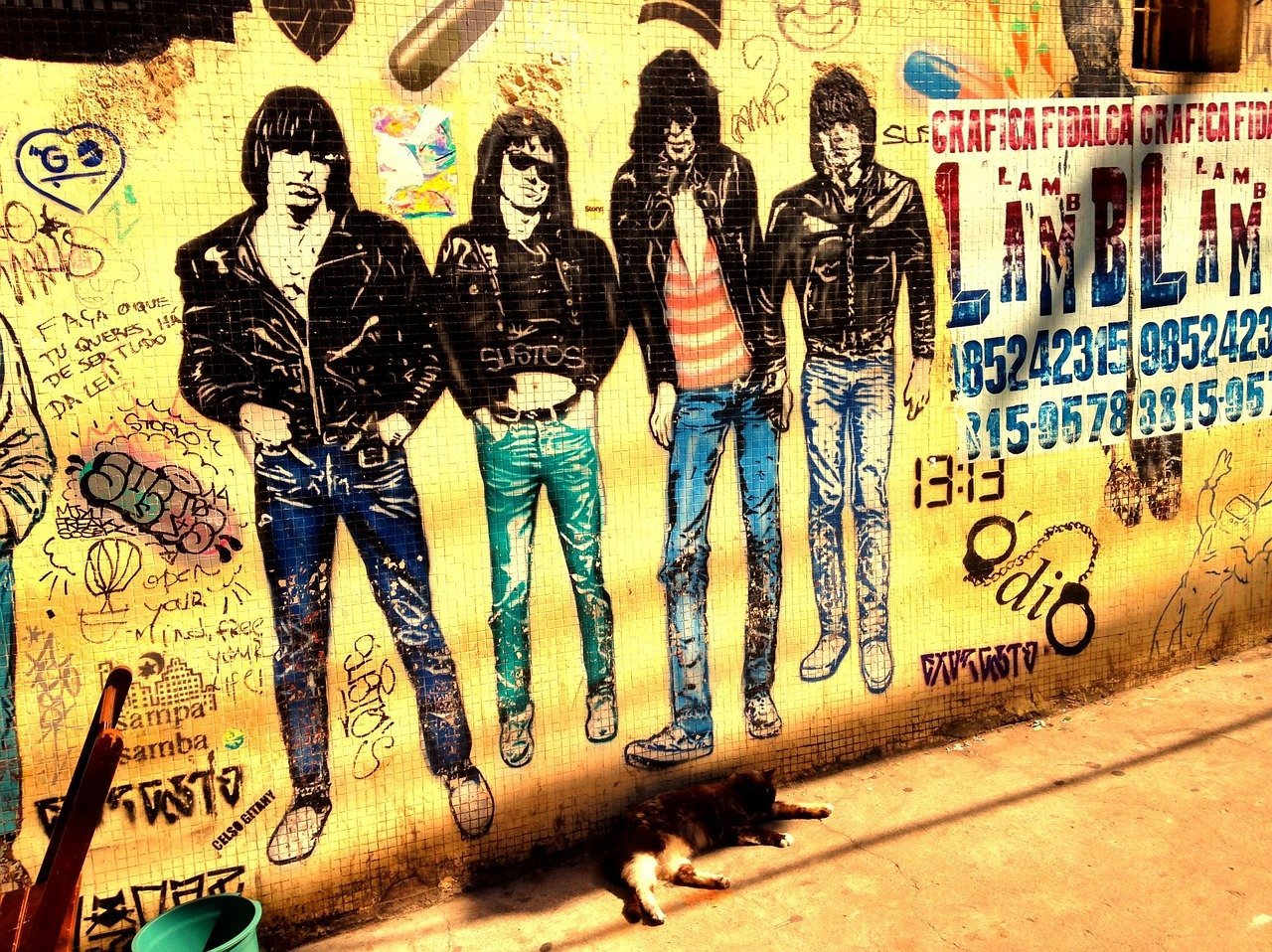
If pop culture has taught us anything, it’s that punk was born on the grimy streets of London, invented more or less entirely by the Sex Pistols. That narrative is so clean, so easy – and so wrong. The real origins of punk are messier, louder, and far more transatlantic than any BBC documentary will tell you.
Classic rock historians note that punk rock, contrary to popular opinion, did not start in the UK. The throughline to 70s-era punk becomes clearer once you toss Detroit-area bands like Death and MC5 into the mix, the latter of whom created a legendary banger with 1969’s “Kick Out the Jams.” New York was fermenting its own punk scene years before the Pistols had finished arguing over who got to wear the leather jacket.
By 1973, The New York Dolls had also leapt into the limelight and developed a cult-like following. Often regarded as a direct catalyst to not only New York City’s emerging punk scene but also 80s hair metal, the pioneering glam band gained attention not only for their sharp sound. Punk was a transatlantic conversation, not a British monologue.
Misconception #5: Woodstock Was a Perfect, Peaceful Paradise
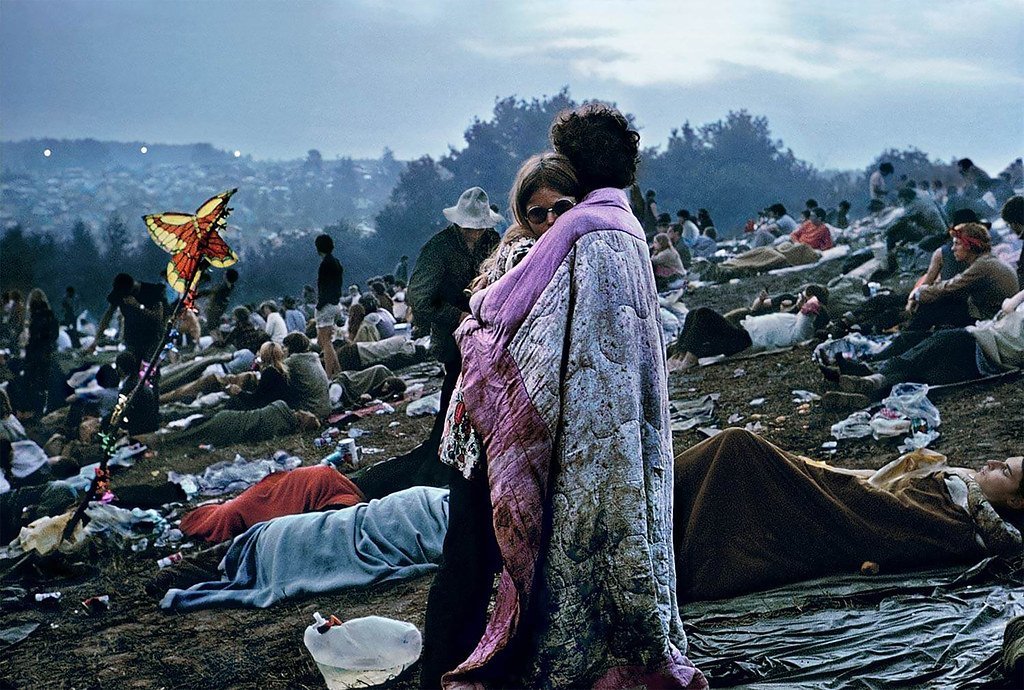
Woodstock. Three days of peace, love, and music. The movie poster practically glows. In the collective imagination, it was a sun-drenched gathering of beautiful, enlightened souls swaying together under a crystal sky. Reality? It was closer to a very passionate, very muddy catastrophe that somehow turned into something beautiful anyway.
The festival was not entirely peaceful. There were incidents of violence and drug overdoses. Woodstock was not a financial success. The organizers lost money, but the event’s cultural impact was priceless. Three young men died while attending Woodstock, two from drug overdoses and another – just 17 years old – was run over by a tractor collecting debris while asleep in a sleeping bag.
The whole event was chaotic from beginning to end. So many people flooded into the festival grounds that the promoters had to stop checking tickets and make the concert free because they were too overwhelmed. Nearly half a million people descended on the festival grounds in Bethel, New York, backing up the roads for miles. Still, somehow, the spirit endured. That’s actually the more remarkable story.
Misconception #6: The Sexual Revolution Meant Everyone Was Having a Wild Time

Pop culture loves to paint the 60s and 70s as one long, consequence-free orgy of freedom. The idea that an entire generation suddenly shed all inhibitions overnight is, let’s be real, more fantasy than fact. Human beings are complicated, and social change never moves that cleanly.
The sexual revolution was a period throughout the 1960s and into the 1970s where traditional societal norms surrounding sexuality were challenged, leading to the widespread normalization of things like birth control and premarital sex. While the first oral contraceptive was approved by the FDA in 1960, the sexual revolution really kicked into high gear by the 1970s. That’s a gradual, contested process – not a single moment where everyone simply decided to be free.
Although mainstream publications certainly gave a lot of attention to birth control and its potential for disrupting traditional family structures, these texts explicitly marketed birth control as an option for family planning only. While sexual mores may have opened up compared to earlier decades, there was more to sex in the sixties than simple anarchy. Movements that helped develop sexual expression included the hippie movement, youth culture, counterculture, the female liberation movement, and the drug movement. It was a social negotiation, not a free-for-all.
Misconception #7: Hippies Were Racially Diverse Revolutionaries

The hippie movement gets painted in pop culture as this beautifully inclusive, rainbow coalition of free spirits. Movies show diverse faces in the crowd at festivals, sharing ideals and flower crowns. The reality of who actually made up the counterculture was notably less diverse, and that matters.
Hippies were largely a white, middle-class group of teenagers and twentysomethings who belonged to what demographers call the baby-boom generation. They felt alienated from middle-class society, which they saw as dominated by materialism and repression. That “alienation” was a privilege in itself, as many have noted.
Many critics noted that hippies had the luxury of being able to “check out” of society and remarked on the incongruity of hippies’ participation in the civil rights movement, wherein Black Americans were fighting for the right to fully participate in society. Historian William Rorabaugh has noted that “nonwhites rejected being hippies,” explaining that hippies came from white middle-class families and grew up in suburbs, which were very white. That’s an uncomfortable truth the rose-tinted nostalgia machine tends to skip over.
Misconception #8: Social Protests Were Just Rebellious Youth Phases
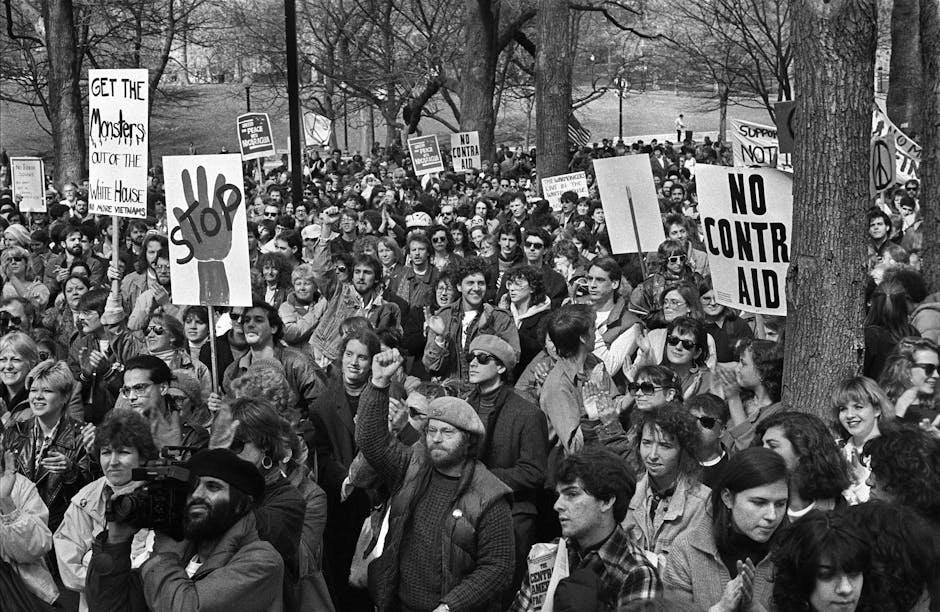
There’s a patronizing narrative that gets recycled endlessly in pop culture – the idea that the protests of the 60s and 70s were essentially a lot of young people acting out before eventually settling down and getting proper jobs. It’s condescending. It’s also factually wrong.
The movements of the 1960s resulted in profound social change. They brought awareness to issues such as racism, patriarchal privilege, and abuses of power on the institutional level. The social movements also resulted in cultural changes, including changes to music still prevalent today. These were not phases. They were seismic shifts.
The hippies changed the societal norms that were prevalent at that time and liberalized almost every facet of American life. Blue jeans, beards, adornments, legal marijuana, gay marriage, natural foods, and single parenthood have all gained acceptance into mainstream American culture. The next time someone calls it “just a phase,” feel free to list those bullet points.
Misconception #9: The 1970s Were Culturally Shallow and Tasteless
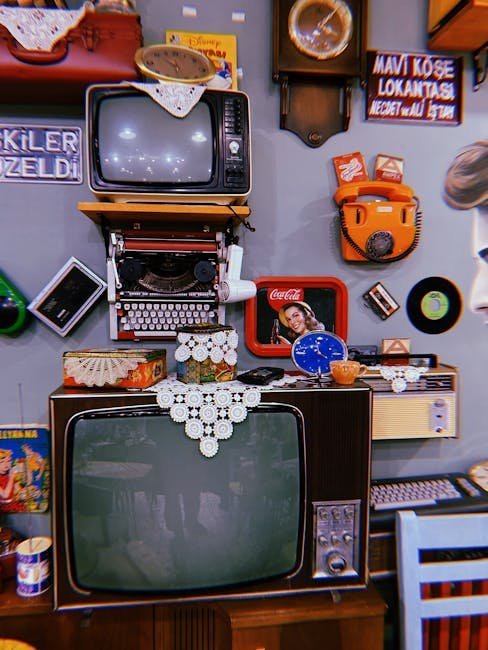
Hollywood has been particularly merciless toward the 1970s, depicting it as a decade of aesthetic crimes and moral vacancy. Shag carpeting. Earth tones. Avocado-green appliances. The assumption is that culturally, the decade was a wasteland between two more interesting eras. That’s a wildly unfair reading.
Many styles we recognize today as interior design staples originated in the 70s. The term “retro” was coined in the 70s and included any type of style being repurposed or resurrected in a unique way. Individual expression was encouraged, leading to eclectic tastes still seen in today’s designs. Eco-friendly trends are also rooted in this era, as architects looked to more earth-friendly building materials.
Yes, New York was considered a dangerous place in the 1970s, but it also housed a creative, artistic population who gathered to share ideas, set trends, and create moving pieces of modern expression. Painters, musicians, journalists, poets, and other artists all knew each other, creating a cultural springboard that supported the visions of artists like Andy Warhol and helped create bands like The Ramones and Blondie. Calling that tasteless is, honestly, absurd.
Misconception #10: Hippie Culture Died When the 60s Ended
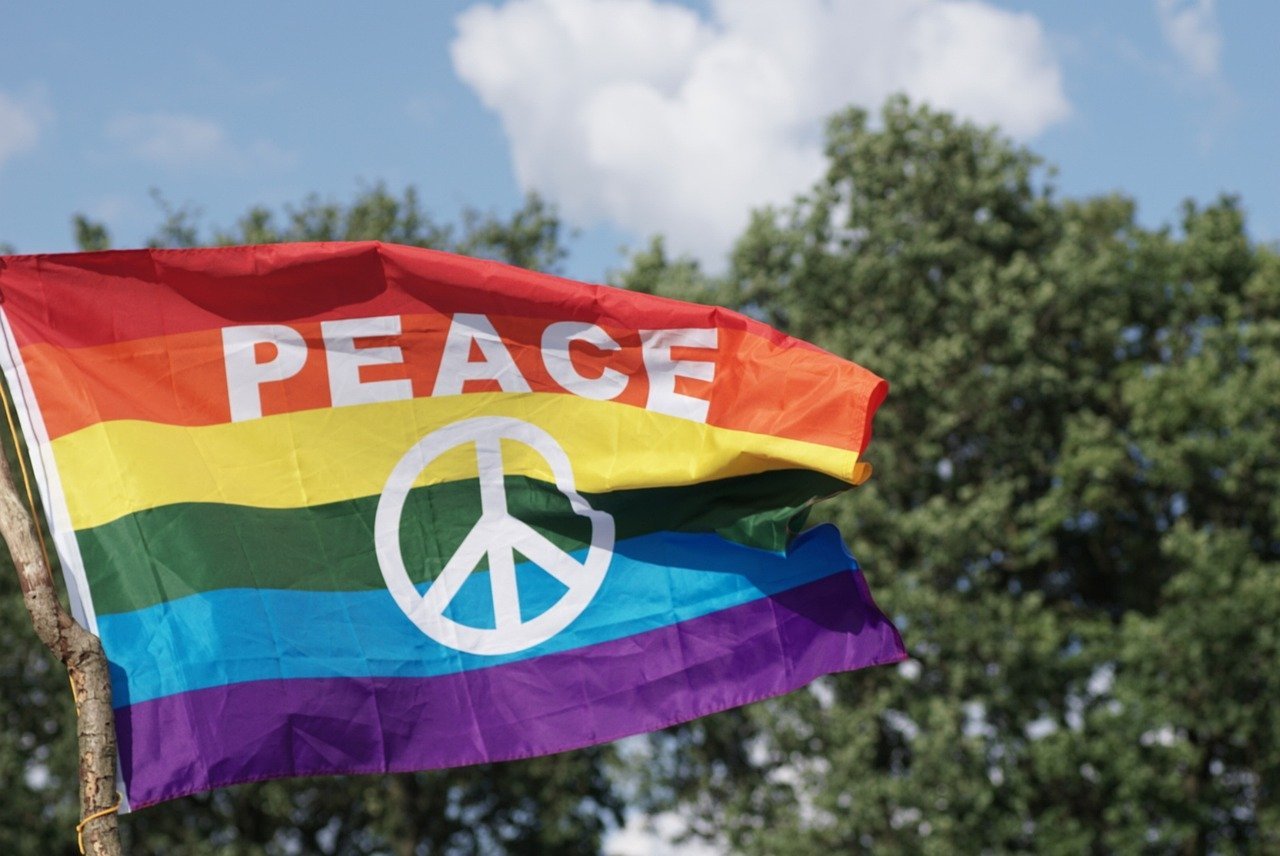
Pop culture tends to treat the counterculture like Cinderella’s carriage – the clock struck midnight on December 31, 1969, and it all turned back into a pumpkin. Films and TV shows almost universally kill off the hippie movement the moment the 70s begin. That timeline is completely invented.
Born from the beatnik movement of the 1950s, the evolution of hippie counterculture peaked in the 1960s. While many may assume that the trends, ideologies, and way of life abruptly ended when 1970 rolled around, hippie culture prevailed into the mid-70s and left traces of its cultural impact in today’s society.
While many different types of hippies embraced different ideologies, their opposition to the Vietnam War was a critical binding force to the movement. Since the war didn’t officially end until 1975, the culture still regularly held protests through the mid-70s. Though the war’s end brought a distinctive ending to their core stance, the cultural changes hippies introduced to America lasted much longer. Some would argue they never truly ended at all.
Misconception #11: Disco Was Universally Hated
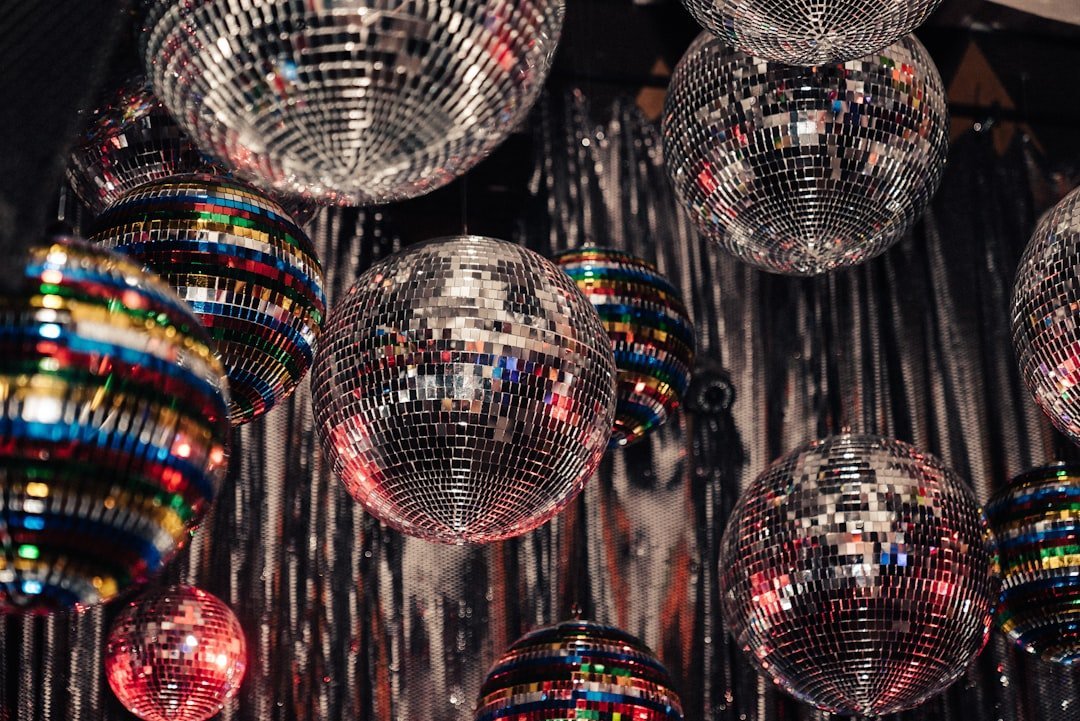
The disco backlash is one of the most mythologized moments in pop music history. We’ve all heard about the “Disco Demolition Night” event in 1979, where a Chicago DJ detonated a crate of disco records at a baseball game. Pop culture took that single event and extrapolated a narrative that everyone, everywhere, despised disco. It’s a great story. It’s just not true.
Some pop-culture historians take the backlash against disco as less about disco itself and more about the type of people who enjoyed it, specifically Black people, Latino people, and people who were LGBTQ+. The “disco sucks” campaign was never purely about musical preference, which makes the pop culture retelling of it dangerously incomplete.
Even after disco faded from the charts, its DNA found itself in hip hop, electronic music, and all sorts of genres. Back in the 70s, those catchy, upbeat tempos helped pull the general public out of the post-Watergate doldrums and sucked them under the sparkling glow of a mirrorball. A genre that shaped the next forty years of music was never as universally reviled as pop culture suggests.
Misconception #12: The “Summer of Love” Was a Nationwide Phenomenon
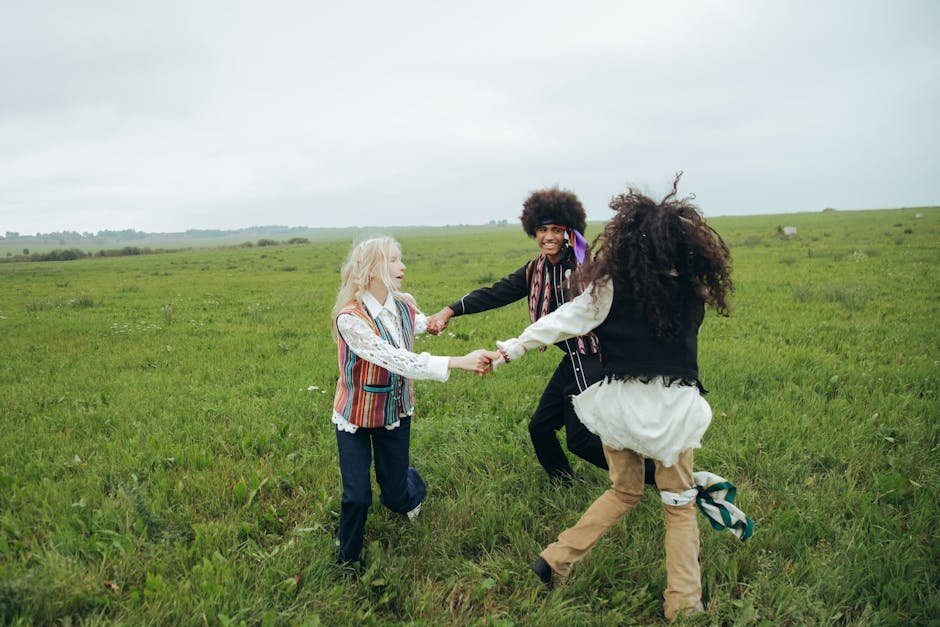
Movies and documentaries make 1967’s Summer of Love sound like a national spiritual awakening. As if from sea to shining sea, Americans collectively decided to put flowers in their hair and embrace peace. It’s a beautiful myth. In truth, it was remarkably local.
The “Summer of Love” designation obscures the intensely local phenomenon of San Francisco in the Sixties, its driving personalities and participants coming from within the Bay Area as much as from without. Think of it less like a national movement and more like a very loud, very colorful neighborhood party that somehow got global press coverage.
Contrary to manufactured myth, the Haight Ashbury was by 1967 a battleground, the site of low-intensity civil war. Many people spoke in terms of the movement in the broadest sense, meaning everything from opposing the war in Vietnam to the struggle for civil rights or, for that matter, the farmworkers. It was political and contested, not one long, gentle love-in.
Misconception #13: The Beatles Defined the Entire Musical Landscape of the 60s
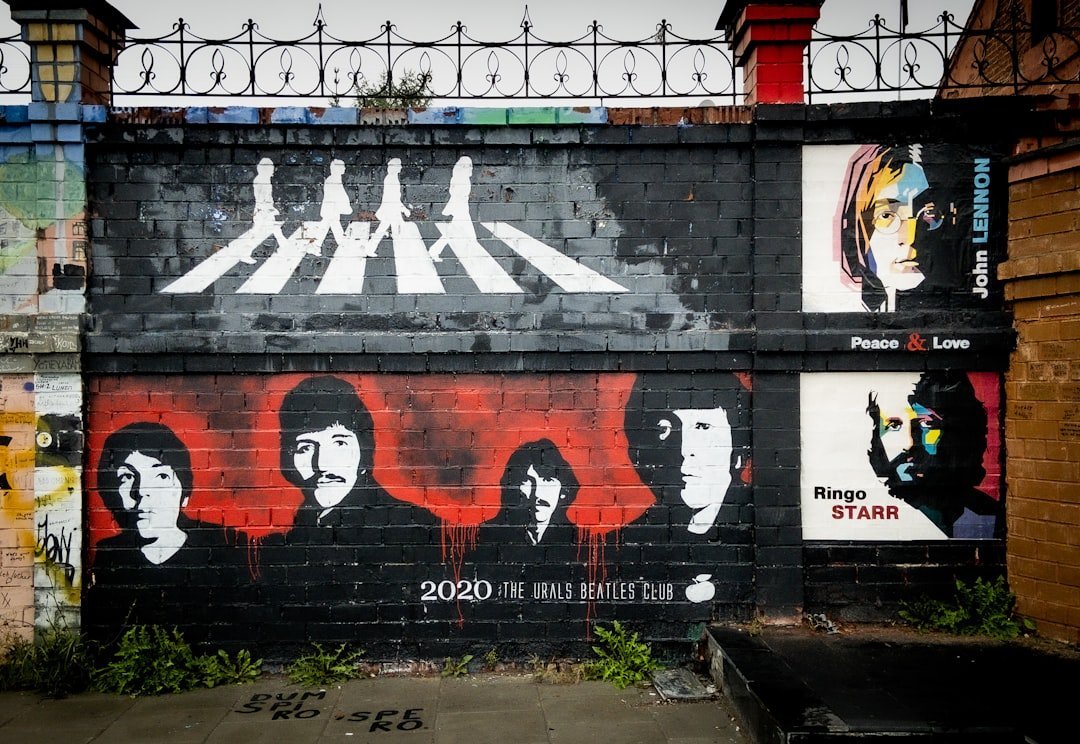
Let me be clear – the Beatles were extraordinary. But pop culture has elevated them to such mythic status that the entire musical ecosystem of the 1960s gets collapsed into their story. They were not the only force in the room, not even close.
In Britain, with almost 60 million people, less than one million bought the best-selling single records in a week, while over 20 million regularly tuned in to watch The Black and White Minstrel Show on TV. Mainstream taste was far more conservative and diverse than the rock-centric pop culture narrative ever acknowledges.
In Britain, less than one million bought the best-selling single records in a week. It is popularly believed that the Beatles were the unbeaten kings of the charts with 22 top ten hits, but Cliff Richard had thirty eight. That number alone should make you rethink everything your rock documentary told you about the decade’s dominant musical forces.
Misconception #14: Everyone in the Counterculture Was Anti-Establishment in the Same Way
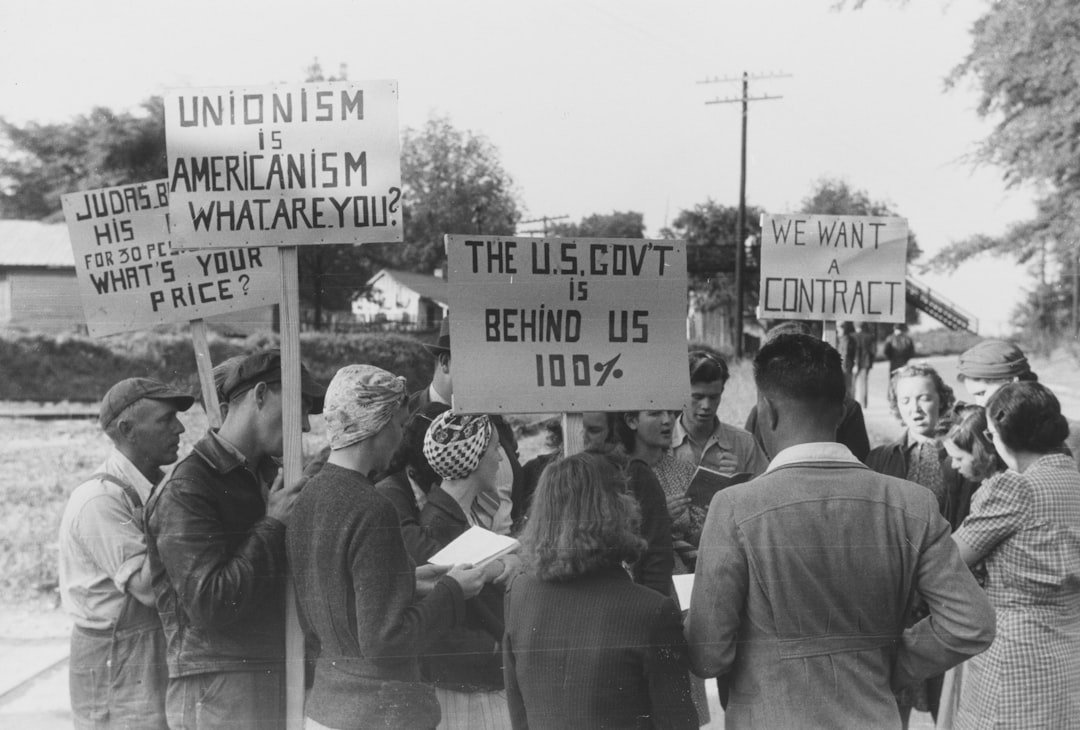
Pop culture loves a tidy team. On one side: the squares in suits. On the other: the beautiful rebel youth, united as one against The Man. It’s a compelling image. It also dramatically oversimplifies the reality of a movement that was fractured, contradictory, and ideologically chaotic in genuinely fascinating ways.
The hippies made up the most colorful and nonpolitical subgroup of a larger group known as the counterculture. Although some histories use the term “counterculture” to refer only to the hippies, the counterculture included several distinct groups that criticized developments in American society and advocated for social change.
Along with the New Left and the Civil Rights Movement, the hippie movement was one of three dissenting groups of the 1960s counterculture. Hippies rejected established institutions, criticized middle-class values, opposed nuclear weapons and the Vietnam War, embraced aspects of Eastern philosophy, championed sexual liberation, were often vegetarian and eco-friendly, and promoted the use of psychedelic drugs. Three distinct movements, three different sets of priorities, often at odds with one another. Pop culture smooshes them into one flannel-wearing blob.
Misconception #15: The Counterculture Had No Lasting Impact on Mainstream Society
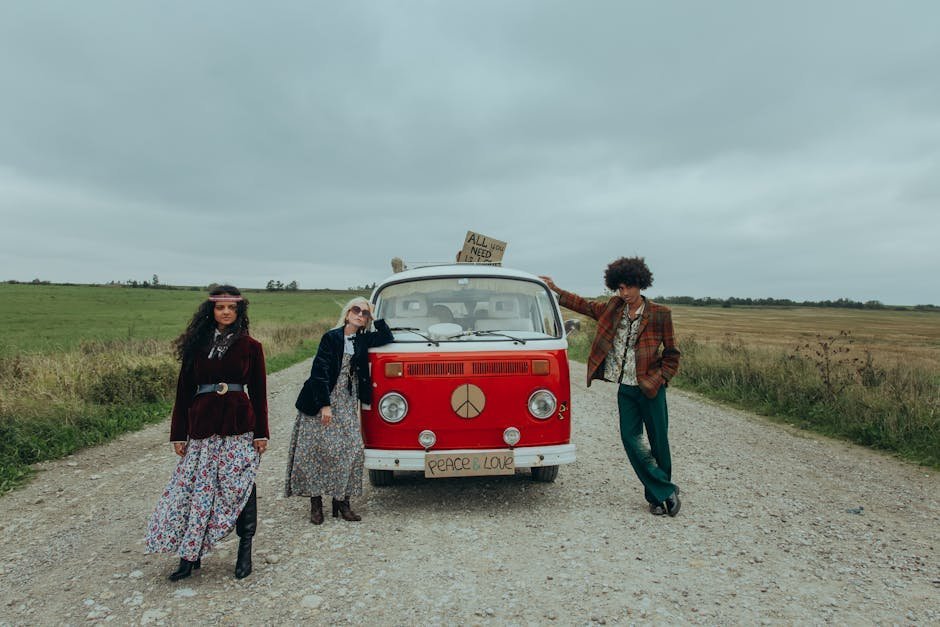
Here’s the final irony. Pop culture simultaneously romanticizes and dismisses the 60s and 70s counterculture – presenting it as colorful and fun while subtly implying it amounted to little beyond some memorable music and unfortunate fashion choices. It’s probably the most persistent and most damaging misconception on this entire list.
One of the most curious legacies of the hippie movement is the role that it played in the development of the personal computer, the rise of the high-tech industry, and the emergence of Silicon Valley. Because hippies believed in personal freedom and hated big corporations, they embraced the idea of a personal computer to empower the individual and displace IBM, which controlled most of the world’s computing power. I know it sounds crazy – but the device you’re reading this on has countercultural DNA.
The “back to nature” theme was already prevalent in the counterculture by the time of the 1969 Woodstock festival, while the first Earth Day in 1970 was significant in bringing environmental concerns to the forefront of youth culture. The transformation of the hippie movement from extreme to mainstream illustrated how well people had mastered the game, as hip consumerism became mass consumerism. The counterculture is not ancient history. It’s the operating system of much of the modern world.
Conclusion: What We Lose When We Let Pop Culture Write History
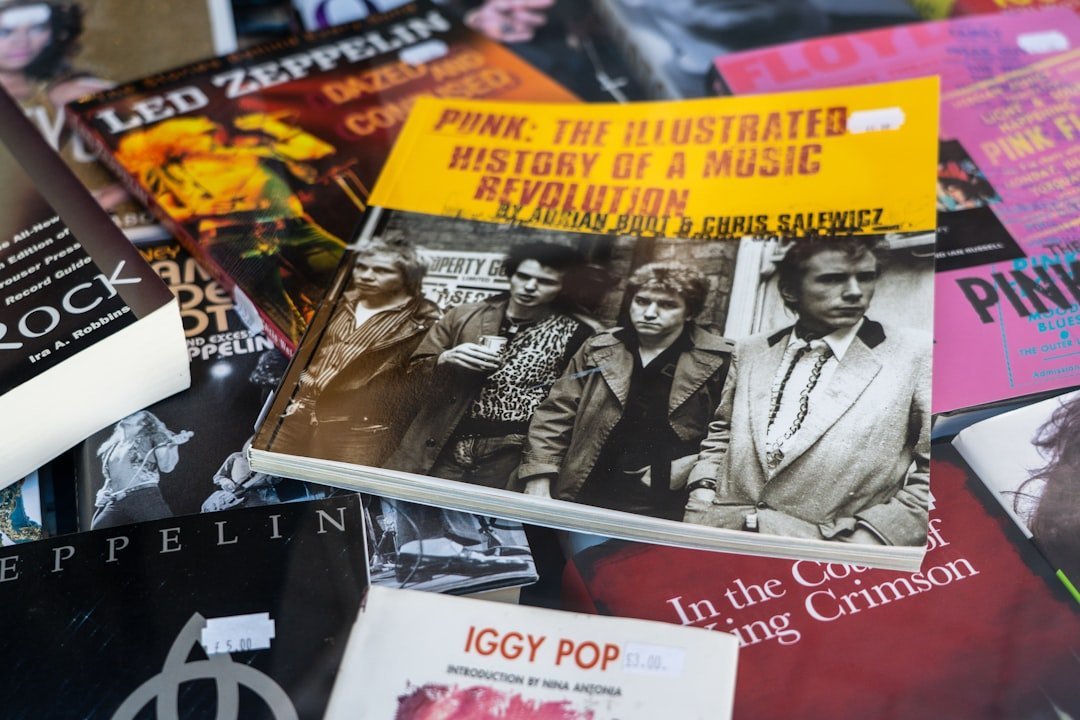
Here’s the uncomfortable truth: when we let television and film do our historical remembering for us, we get a story that’s vivid, entertaining, and deeply incomplete. The 60s and 70s were not a movie. They were messy, contradictory, politically explosive decades that shaped everything from your smartphone to your environmental laws to the music you stream daily.
It has been said that of all the artificial concepts of the twentieth century, the sixties have the greatest hold on the imagination. The decade has come to take on mythical proportions. That mythologizing, while fun in small doses, distorts the real heroism, complexity, and failure of real people living through genuinely turbulent times.
Every decade gets the mythology it deserves – but the people who actually lived through these eras deserve better than caricature. The next time you see a movie set in 1969 where everyone is impossibly photogenic and ideologically united, ask yourself: who benefits from keeping history this simple? What do you think – which of these myths surprised you most? Drop your thoughts in the comments below.
CEO-Co-Founder
