


- 10 World’s Most Beautiful Libraries That Are Marvels of Architecture. - August 12, 2026
- The True Stories Behind 8 Famous Movie Scenes You Thought Were Fiction - August 12, 2026
- 15 Rock Anthems That Defined a Generation and Still Sound Amazing Today - August 11, 2026
Literature is, at its core, the mirror humanity holds up to itself. It captures war and tenderness, madness and brilliance, the mundane and the sacred. Yet every few centuries, something seismic happens. A book is published, a press is invented, a movement is born, and suddenly the entire landscape of how we tell stories shifts beneath our feet.
The history of written narrative is not a straight line. It’s a wild, unpredictable river, full of unexpected bends. Some moments crept up slowly; others struck like lightning. What they all share is that they permanently altered what storytelling could be, what it could demand from readers, and what it dared to say out loud. So let’s dive in.
1. The Epic of Gilgamesh: Humanity’s First Great Story (circa 2100 BCE)
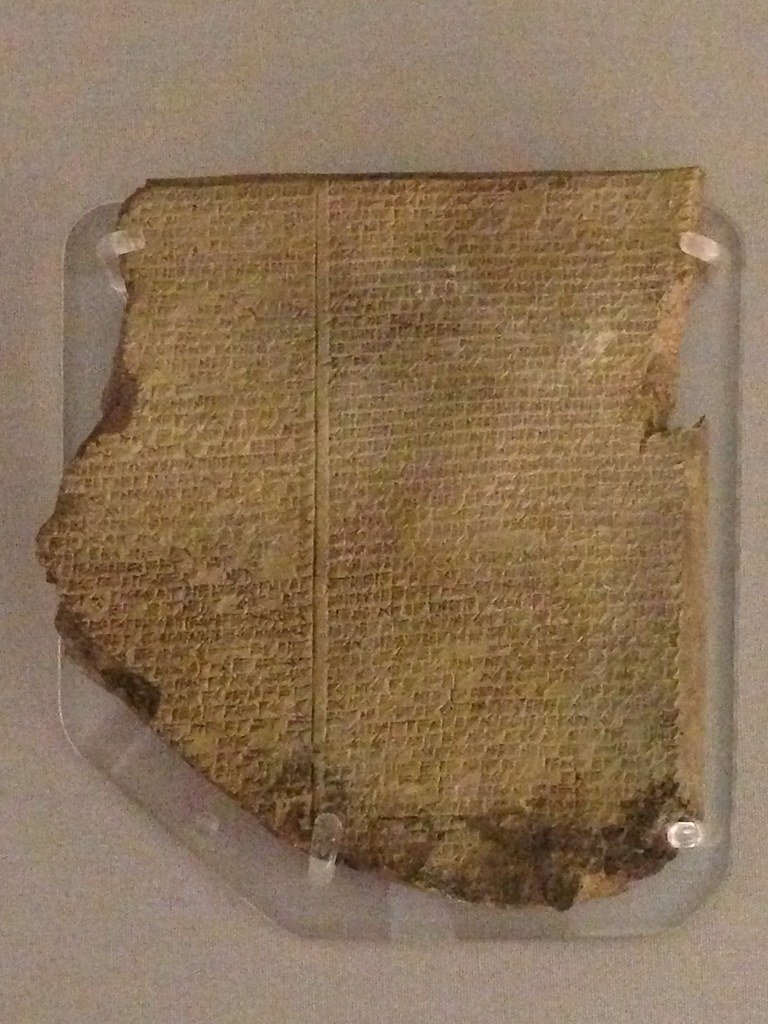
Before there were novels, plays, or even alphabets as we now know them, there was Gilgamesh. The Epic of Gilgamesh, circa 2100 BC, is one of the earliest surviving works of literature, telling the story of a king’s quest for immortality. I think it’s genuinely staggering to sit with that idea for a moment. A story about a man terrified of death, written thousands of years ago, and it still feels recognizable today.
Creative literature first existed in oral form only long before writing was available to record it. Gilgamesh represents the pivot point where spoken memory became permanent inscription. Around 700 B.C., there is evidence of the first recorded stories that include the Epic of Gilgamesh and the Iliad by Homer. The fact that these stories were recorded enabled them to spread quickly and widely across the world.
That shift from oral to written did something profound to narrative itself. When and where oral tradition was superseded by print media, the literary idea of the author as originator of a story’s authoritative version changed people’s perception of stories themselves. In centuries following, stories tended to be seen as the work of individuals rather than a collective effort. The very concept of authorship, of ownership over a tale, was born in that transition. Everything that followed in Western literary tradition can trace a thread back to this clay tablet moment.
2. Homer’s Iliad and Odyssey: The Blueprint for All Western Narrative
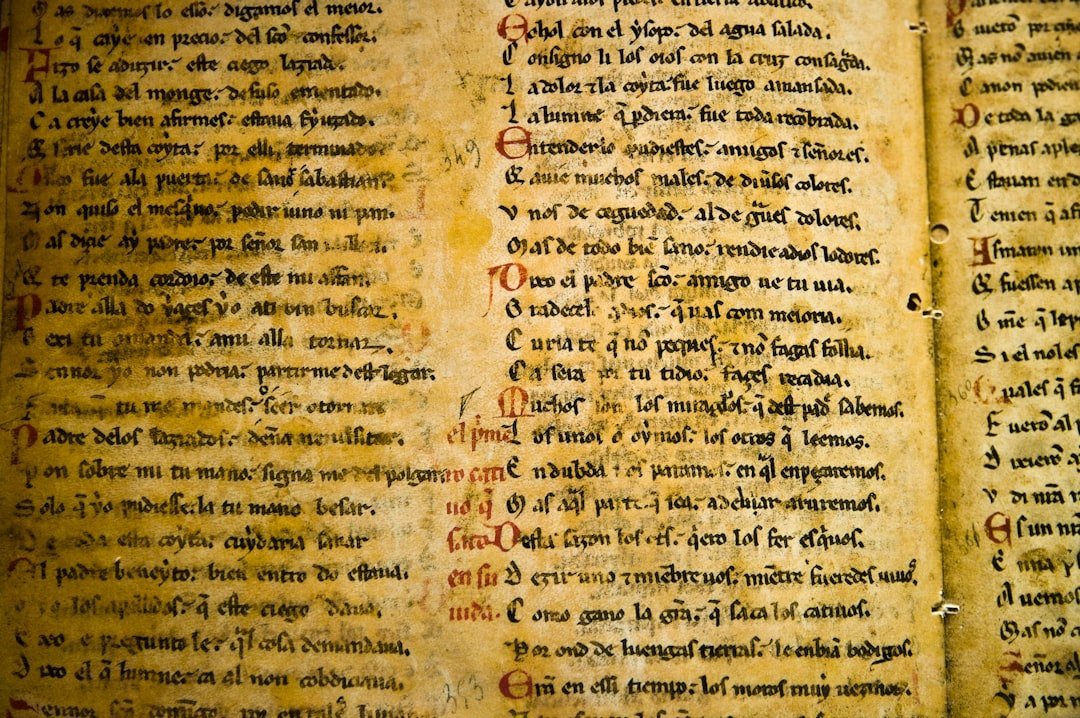
Here’s the thing about Homer: whether or not a single poet actually composed both epics, the works themselves represent such an astonishing leap in narrative sophistication that they have never truly been surpassed in structural influence. The Iliad and The Odyssey form the foundation of Western literature. They are epic poems written by the Greek poet Homer, and they tell the stories of the Trojan War and the journey home of the hero Odysseus.
Epic poetry, such as The Iliad and The Odyssey by Homer, set the stage for narrative storytelling. These epics combined history, mythology, and moral lessons, serving not only as entertainment but also as educational tools for societies. Think about that dual function. The idea that a story could entertain and instruct simultaneously is something novelists still chase today. Every hero’s journey you’ve ever read, every story built around a return home, every tale of war and consequence, owes a debt to Homer.
Even more than most arts, literature depends on continuity as much as on change. Language itself is basically conservative, and the emotional repertory of human beings has not much altered. Many of the conflicts, quests, hierarchies, dreams, and appetites depicted in the three-thousand-year-old Iliad can be recognized, if not experienced, today. That’s the truly shocking part. We are still telling versions of these stories. The structure Homer perfected became the skeleton inside virtually every narrative form that came after.
3. Ancient Greek Drama: When Stories Began to Breathe on Stage
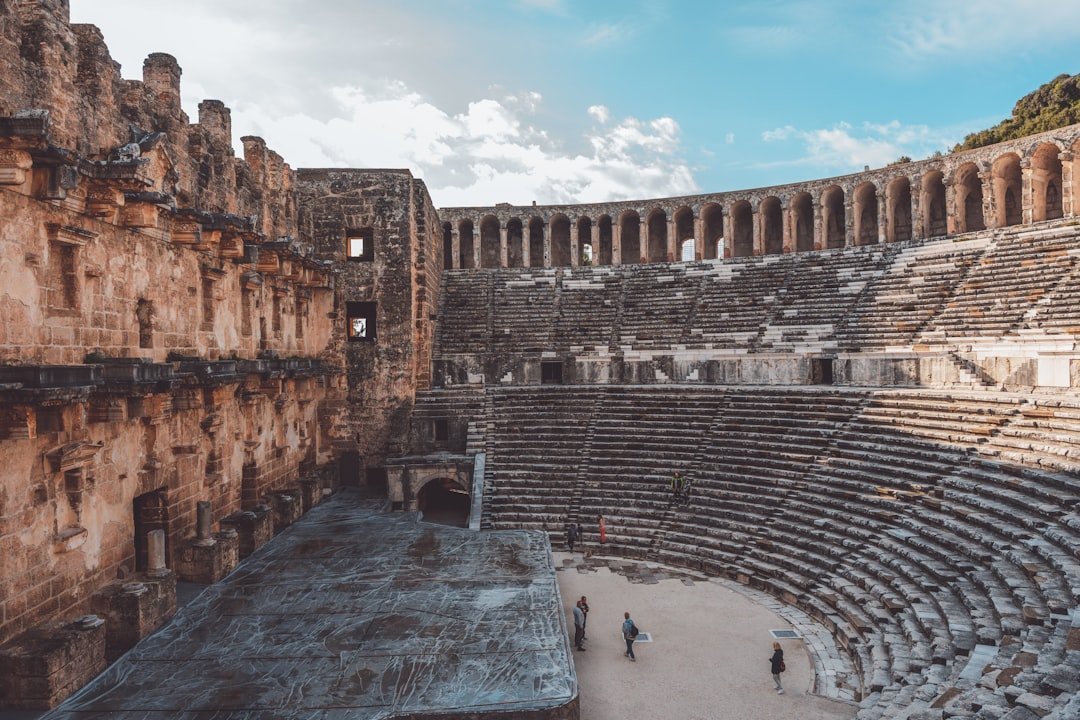
If Homer gave narrative its bones, Greek tragedy gave it its pulse. The ancient Greeks, particularly playwrights like Sophocles and Euripides, established the foundations for dramatic storytelling. Greek tragedies, like Oedipus Rex and Antigone, focused on complex themes of fate, morality, and human suffering. Comedies, on the other hand, presented lighter, often satirical depictions of society.
What Sophocles and his contemporaries invented was something almost impossibly modern: characters who exist not just to move a plot forward, but to feel, to fail, to illuminate something true about human nature. These early forms of drama laid the groundwork for the development of both theatrical and literary narrative traditions. The concept of the tragic flaw, the idea that a hero’s greatest strength can also destroy them, became a storytelling pillar that is still very much alive.
Honestly, it’s hard to overstate how radical this was. Oedipus Rex by the Greek playwright Sophocles is one of the first great plays in Western literature. An audience watching Oedipus discover who he truly is experiences something that no prior literary form had ever manufactured: a sense of dreadful anticipation, of knowing before the protagonist does. That narrative device, dramatic irony, changed storytelling forever and still powers some of the most electrifying moments in fiction today.
4. Gutenberg’s Printing Press: The Moment Literature Became Democratic
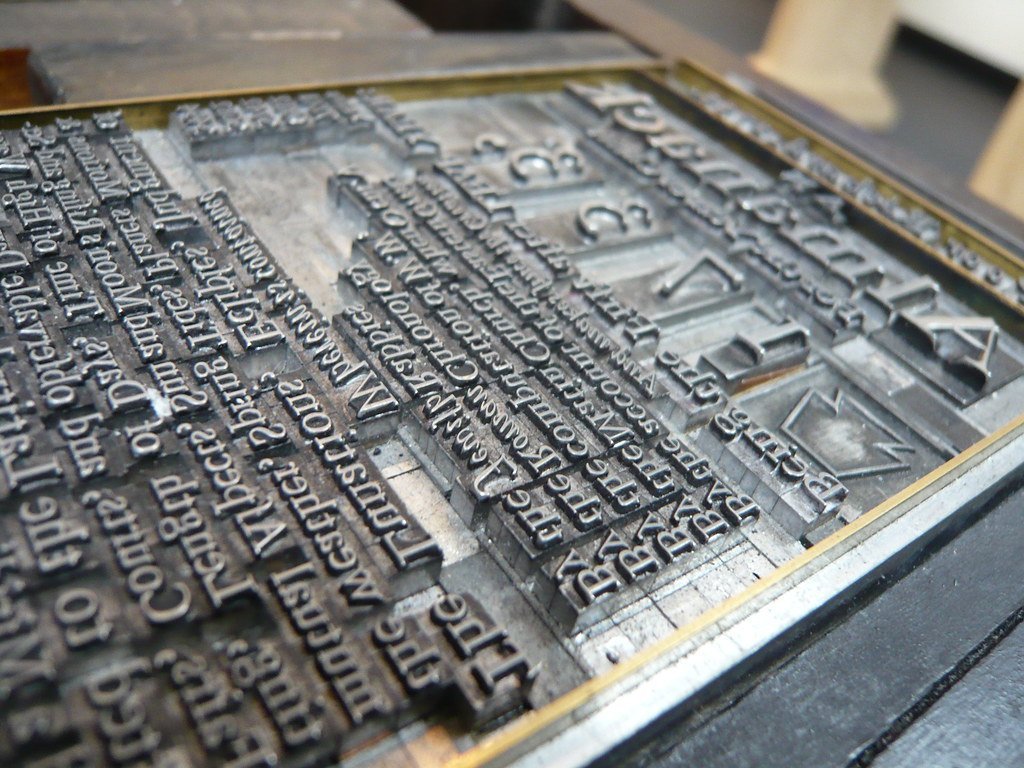
Imagine a world where owning a single book cost as much as a house. That was the reality before Johannes Gutenberg changed everything. Johannes Gutenberg, a German blacksmith, is credited with revolutionizing the way knowledge was shared. In the 15th century, he introduced a new technology, movable type printing, that would change the world forever. His invention enabled the mass production of written materials, drastically reducing both the time and cost involved in making books. It made literature, education, and knowledge more accessible to a wider audience, sparking a wave of intellectual, cultural, and societal change that would later shape the Renaissance, the Reformation, and the modern world.
The printing revolution occurred when the spread of the printing press facilitated the wide circulation of information and ideas. Its consequences included the mass production of books, shifts in reading habits and the relationship between authors and texts, the decline of Latin as the language of scholarship, and new economic patterns in the book trade. That is a seismic list. The decline of Latin alone transformed what stories could be told and who could tell them.
Before the printing press, most books were written in Latin, accessible only to the educated elite. Printing changed this by popularizing vernacular literature, or works written in everyday languages like English, Italian, and German. Storytelling stopped being the exclusive property of monks and aristocrats and began its long journey toward everybody. The invention of the printing press in the 15th century revolutionized the way stories were disseminated, making books more accessible to everyone. This led to the proliferation of different literary forms, especially the novel.
5. Don Quixote: The Birth of the Modern Novel
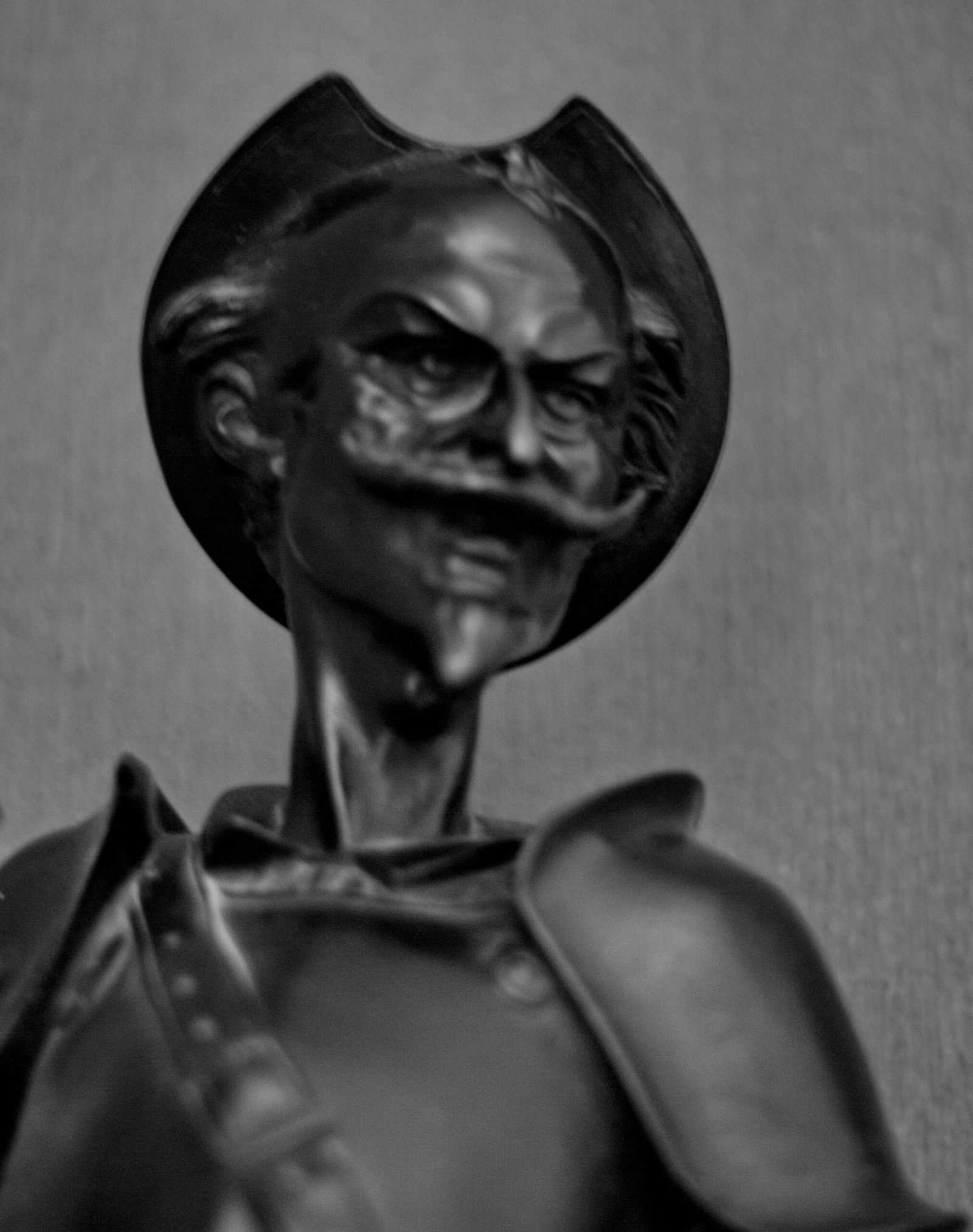
In 1605, a retired soldier and tax collector named Miguel de Cervantes published a book that would quietly, completely, and permanently change what fiction was allowed to do. Don Quixote is a Spanish novel by Miguel de Cervantes, originally published in two parts in 1605 and 1615. The novel is considered a founding work of Western literature and the first modern novel.
Before Don Quixote, literature was largely dominated by epic poems, religious texts, and idealized knightly tales. Cervantes changed that by introducing elements that would later become defining characteristics of the modern novel. His characters had interior lives. They doubted themselves. They were contradictory, funny, tragic, and real in a way that no one had quite managed before. Cervantes’ ability to allow his readers inside his characters’ heads, to provide them with a sense of empathy, was Don Quixote’s literary innovation, laying the philosophical groundwork for our relationship to the novel in the centuries that followed.
The alternation between the comic and the tragic, the multiplicity of voices and perspectives, the dialogue with other works, all of this anticipated central characteristics of the contemporary novel. It is no wonder that authors such as Dostoyevsky, Flaubert, Proust, and Kafka acknowledged their debt to Cervantes. That is some company. Don Quixote is considered a prototype of the modern novel in part because its author gave voice to a vibrant assortment of characters with diverse beliefs and perspectives. This inclusion of many differing viewpoints is an early instance of heteroglossia, a quality defined by literary critic Mikhail Bakhtin as being essential to the development of the modern novel.
6. Shakespeare and the Renaissance Stage: Reinventing the Human Interior
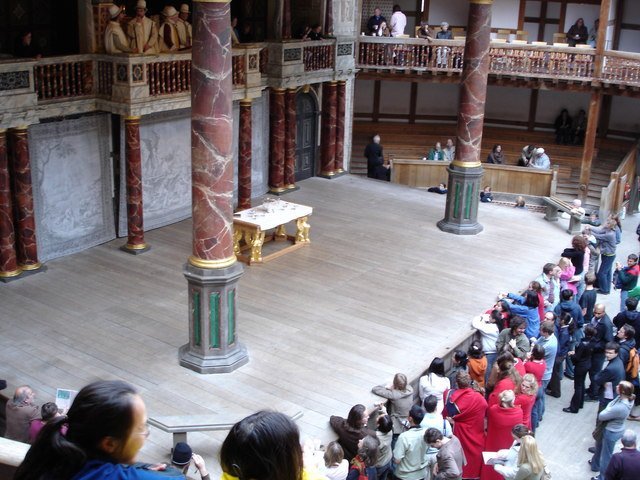
While Cervantes was inventing the novel in Spain, William Shakespeare was doing something equally radical on the English stage. The 20th century saw two major literary movements that transformed narrative forms, but centuries earlier, it was the Renaissance itself that first fractured old storytelling conventions. Modernism emerged as a reaction to industrial upheaval, but Shakespeare’s era was reacting to something older: the grip of medieval religious narrative. Shakespeare broke that grip wide open.
What Shakespeare gave to narrative was the concept of a character who changes. Hamlet is not the same person at the end of the play as he is at the beginning. Neither is Lear. That inner transformation, that psychological journey within a single story, was genuinely revolutionary. Don Quixote is considered the first modern novel, doing for the Spanish language what William Shakespeare did for the English language.
The ripple effects of Shakespeare’s narrative innovations are almost impossible to fully track. The soliloquy alone, that device of letting a character speak their own mind directly to an audience, became the ancestor of stream-of-consciousness prose, interior monologue, and unreliable narration. Every novelist who has ever crawled inside a character’s skull owes something to a playwright who died in 1616.
7. The Romantic Movement: Emotion as the Engine of Story
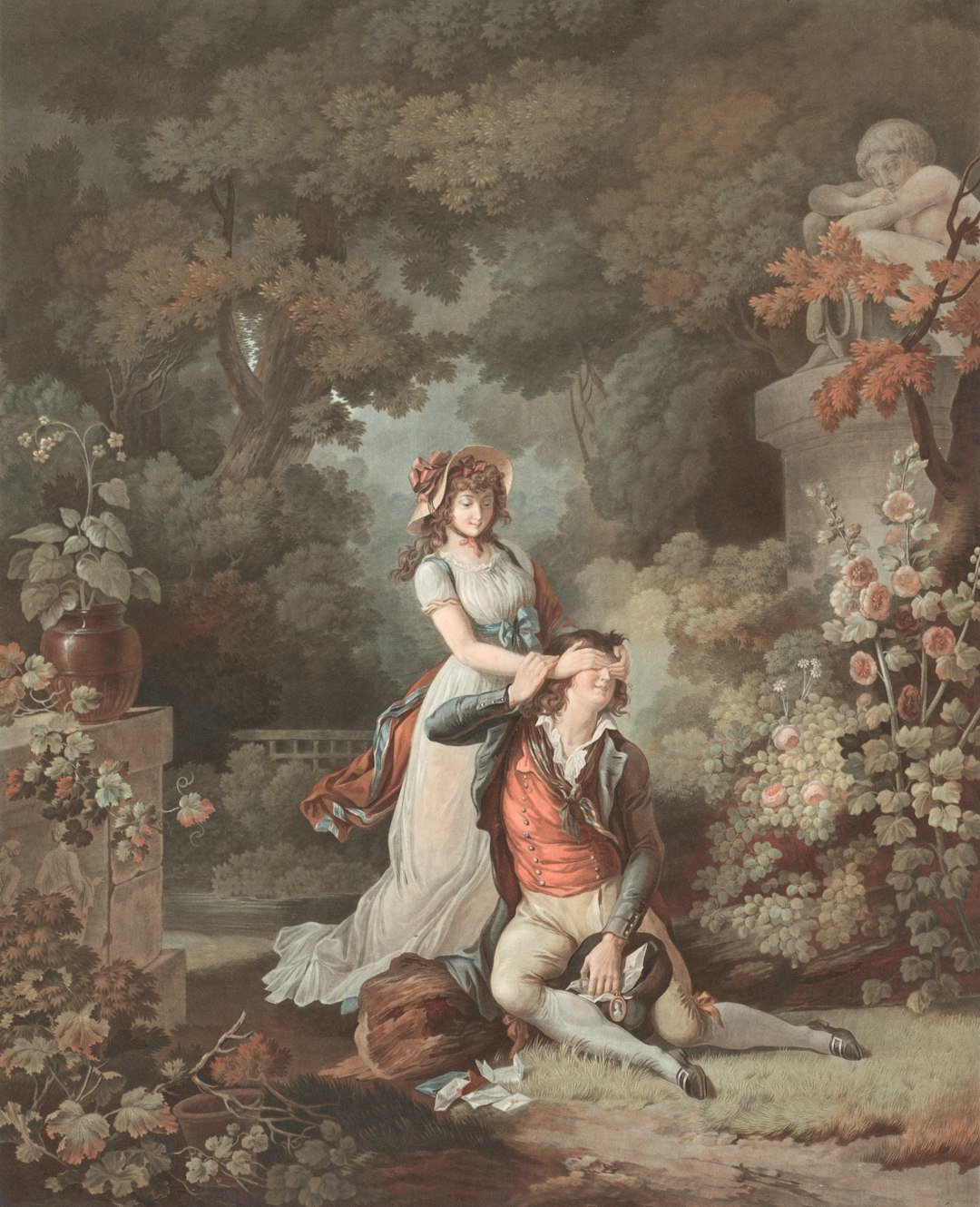
By the late 18th and early 19th centuries, writers across Europe were collectively exhausted by cool reason and Enlightenment logic. They wanted to feel things. Loudly. Concerned with the individual rather than society, writers desired a simpler, more past, creating stories with an almost mystical quality. Romanticism was literature’s first great rebellion against intellectual coldness.
Key, concrete literary figures from the Romantic period include poets William Wordsworth, Samuel Taylor Coleridge, William Blake, Edgar Allan Poe, Lord Byron, and John Keats, as well as novelists Jane Austen, the Brontë sisters, Mary Shelley, and Washington Irving. That list contains, among other things, the inventor of modern horror fiction, the founder of modern science fiction, and some of the sharpest psychological novelists who ever lived.
The Romantic movement gave storytelling something it had never fully prioritized before: the individual subjective experience as the legitimate, central subject of literature. Your feelings were not just decoration. They were the whole point. The influence of historical events on the novelistic imagination can be seen in the way authors use storytelling as a means of preserving and commemorating significant moments in history. The Romantics weaponized that instinct, making personal emotion the lens through which history, society, and nature were all refracted.
8. Realism and Dickens: Literature Confronts the Social World
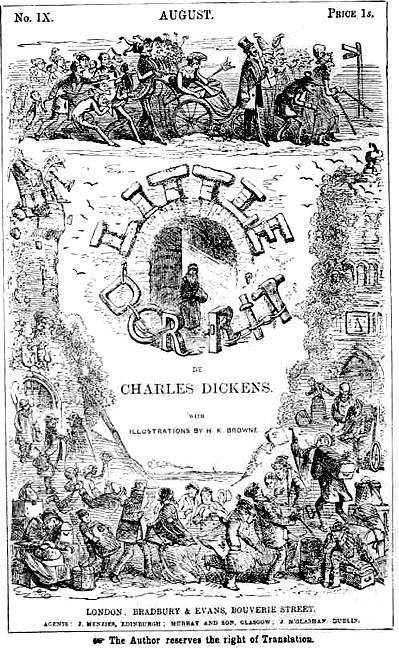
There is a reason Charles Dickens still feels startlingly relevant. His mission, at its core, was to force readers who had the luxury of comfort to look at people who didn’t. The image of a young orphan holding out his bowl for more gruel is so engrained in our cultural consciousness that it’s almost easy to forget that Charles Dickens was drawing on reality when he wrote Oliver Twist.
While there was no demonstrable shift in legislation due to Oliver Twist, the novel caused outcry over workhouse conditions, bringing the plight of the poor into the drawing rooms of the Victorian upper classes. That is storytelling as social weapon. Dickens understood, better than almost any writer before him, that a fictional child with a name and a face could do more for the poor than any political pamphlet. Narrative empathy became a tool for change.
Realism as a movement transformed narrative by insisting that the ordinary was worth writing about. By fictionalizing historical events, authors have the freedom to explore different perspectives and challenge dominant narratives. They can shed light on lesser-known or marginalized voices, bringing attention to the untold stories of individuals affected by historical events. The Realist novel made that instinct systematic and morally urgent. It said: every life is a story worth telling.
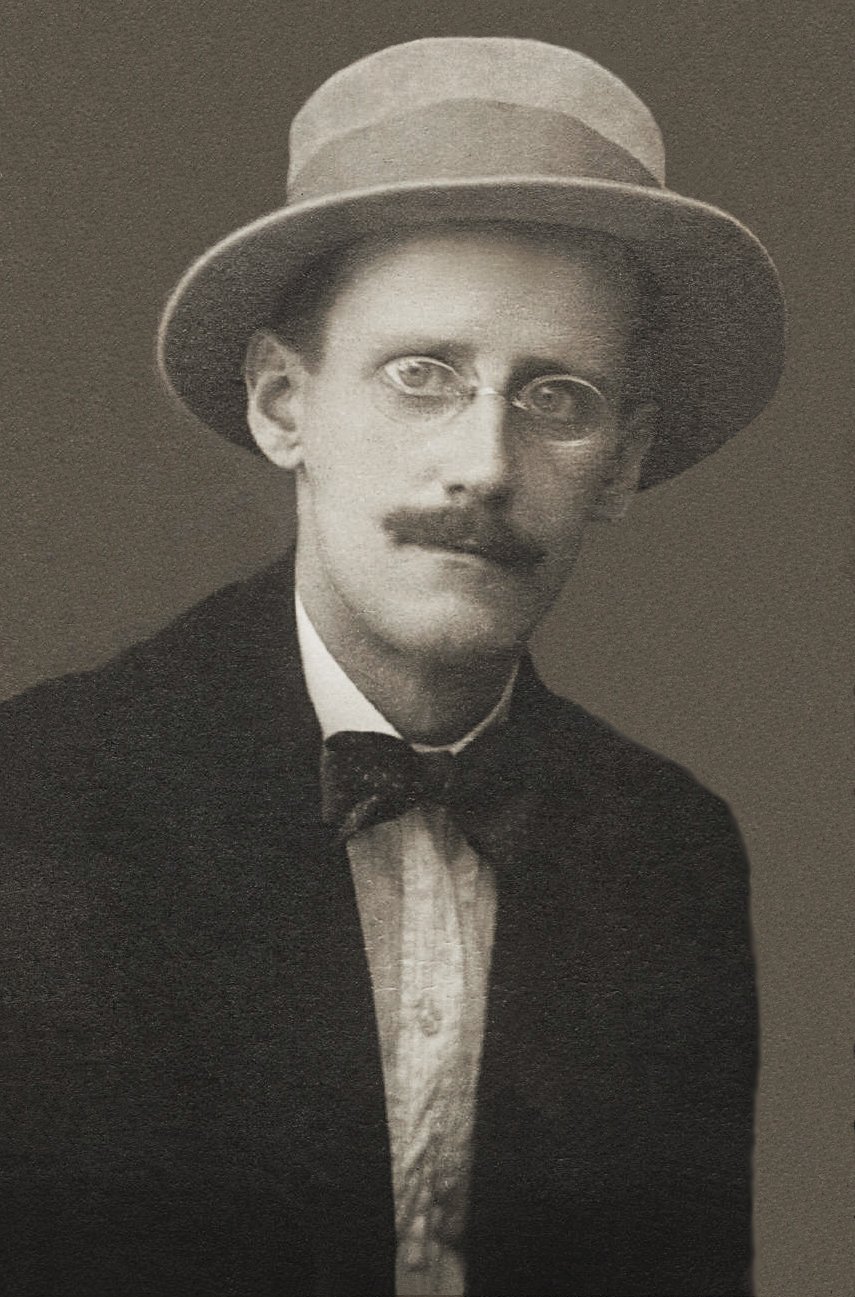
9. Modernism: When Joyce and Woolf Shattered the Sentence
derivative work: RedAppleJack (talk)
derivative work: Missionary (talk), Public domain)
If Realism was literature looking outward at society, Modernism was literature turning violently inward. Modernism really came about through a series of culture shocks. The first was the Great War, World War I, where the Lost Generation transformed writing to reflect on what Modernists considered a fractured society. More than any other generation, Modernists questioned the world around them.
Writers such as James Joyce, Virginia Woolf, and T.S. Eliot sought to break away from traditional narrative structures and experiment with form, language, and perspective. Stream-of-consciousness narratives, fragmented storytelling, and non-linear timelines became hallmarks of modernist literature. Works like Joyce’s Ulysses and Woolf’s Mrs. Dalloway challenged readers to reconsider the way stories were told and understood.
What Modernism did to narrative was simultaneously thrilling and alarming. It said, in effect: consciousness is not orderly, and fiction that pretends otherwise is lying. It’s hard to say for sure exactly how many writers it alienated in the short term, but in the long term, it expanded what the novel could hold. Every experimental novel published since owes a structural debt to Joyce’s labyrinthine sentences and Woolf’s shimmering interior landscapes. The story never looked the same again.
10. Postcolonial Voices and the 20th-Century Broadening of the Canon
Perhaps the most important literary shift of the 20th century was not a stylistic movement at all. It was a question of whose story got told. Works like Chinua Achebe’s Things Fall Apart fundamentally challenged the assumption that “universal” literary experience was actually just European literary experience in disguise. Things Fall Apart by the Nigerian author Chinua Achebe is a novel describing the disastrous effects of the colonization of Africa on native African people. It shows the main character, Okonkwo, as he tries unsuccessfully to deal with the arrival of white colonists and missionaries who try to force their values on his society.
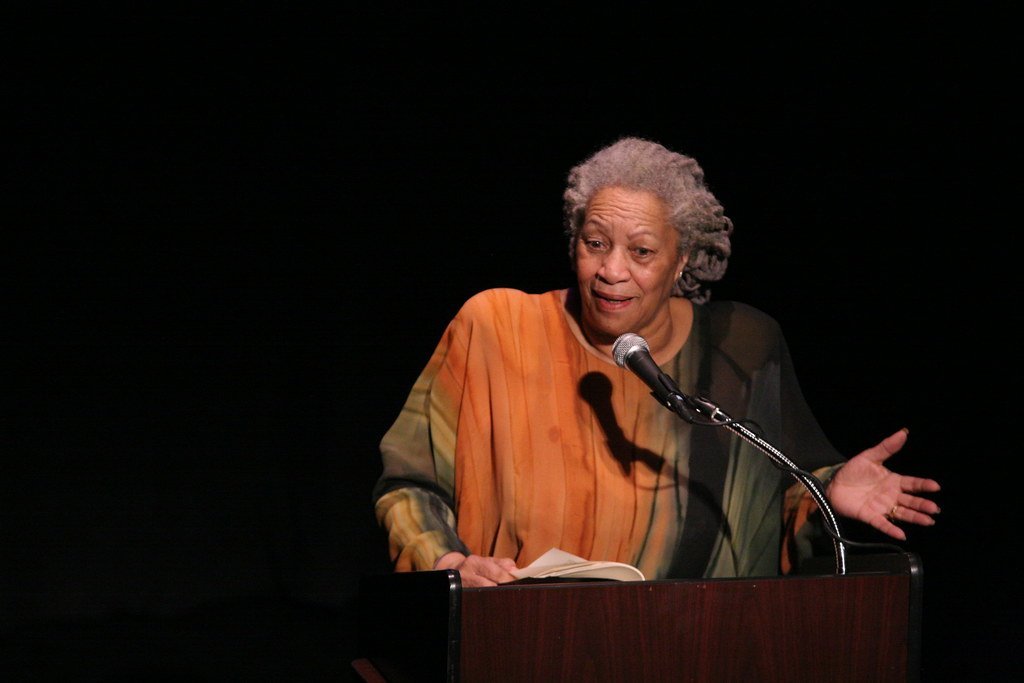
Toni Morrison, working as editor at Random House, used her position to champion the voices of Black writers including Angela Davis and Toni Cade Bambara, further transforming the modern literary canon. Morrison herself, of course, also wrote some of the most devastatingly powerful fiction of the century. The postcolonial broadening of the canon was not just about adding new voices; it was about exposing how incomplete the old story of literature had always been.
The evolution of literary genres reflects the ever-changing landscape of human culture, society, and values. The 20th-century expansion of whose stories were published, celebrated, and taught permanently altered the DNA of narrative tradition. Digital storytelling has further democratized the art, enabling cross-cultural exchanges and empowering marginalized voices. The momentum begun by postcolonial writers is still accelerating today, reshaping what readers around the world expect, demand, and deserve from fiction.
A Reflection on Literary Transformation

What emerges from these ten moments is not a single story of progress but something more honest: a series of ruptures, each one born from dissatisfaction with what came before. Literature is a natural reflection of the society that produces it, and as such, it is a guide to understanding that society. To study the history of literature is to study one aspect of history itself. Just as societies have changed, so has literature.
Every seismic shift in storytelling was, at root, an act of defiance. Defiance of convention, of silence, of the limits of what a story was supposed to be capable of saying. In an increasingly interconnected world, storytelling remains as essential as ever. It provides a sense of identity, belonging, and meaning in a society often characterized by rapid change and uncertainty. Most importantly, the act of sharing stories reflects our innate desire to make sense of the world and connect with others on a deeper level.
The most thrilling thought is this: we are living through the next chapter right now. New voices, new technologies, new forms. The question is not whether storytelling will change again. It already is. The real question worth sitting with is: which moment happening today will the next generation look back on as the turning point that changed everything? What do you think it will be? Share your thoughts in the comments.
CEO-Co-Founder
