

- 8 Classic Movies You Thought Were American – But Were Actually Foreign - August 12, 2026
- 10 Most Beautiful Beaches in The World for a Relaxing Vacation - August 12, 2026
- 15 Hit Singles From the Last Three Decades That Still Get You Dancing. - August 12, 2026
There is something almost magical about what happens when music meets a crowd of thousands. The stage lights up, the bass drops, and suddenly the field becomes a runway. Festivals have always been more than just concerts. They are cultural moments, social experiments, and yes, absolutely massive fashion statements.
From the bohemian vibes of the 1969 Woodstock Festival to the neon-lit, eclectic looks seen at contemporary rave events, the evolution of festival fashion is a captivating reflection of the broader cultural landscape – a unique intersection where music, subcultures, and personal expression meet in the form of clothing and style. Honestly, it is hard to think of any other setting where a floral crown, a leather jacket, and sequin trousers all feel equally at home.
What is truly astonishing is how many of the trends born decades ago are still shaping what people wear today – sometimes evolved, sometimes copied almost directly, and occasionally repackaged as something entirely “new.” Let’s dive in.
1. Bohemian Hippie Style: The Original Festival Uniform
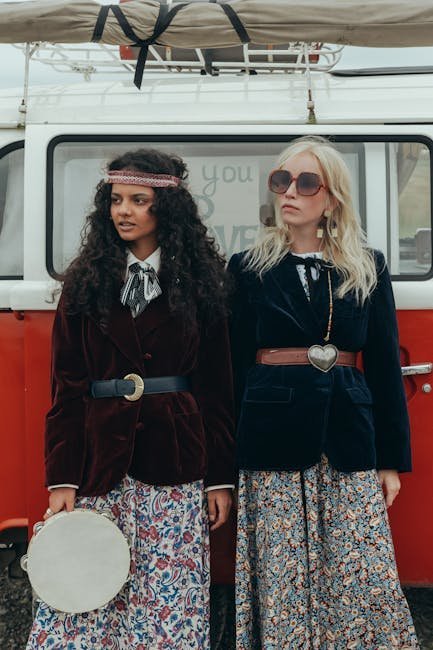
Though a one-time event, the Woodstock musical festival in 1969 introduced several of today’s festival staples. Occurring amidst a period of political turmoil in the United States, attendees dressed in freeing, eclectic clothing like vibrant tie-dyed tees, crochet bra tops, reworked denim, or flat out nudity. These early festival-goers’ fashion reflected their rejection of societal standards as well as hippie and youth culture’s desire for global peace and unity.
What made 1960s festival fashion so revolutionary was its complete rejection of structured, formal clothing. Every fashion blogger sporting the bohemian trend at Coachella has Woodstock – and Janis Joplin – to thank for their look. Long flowing maxi-dresses, peasant blouses and baby-doll minis in mixed prints and florals all originated in the sixties. This decade proved that festival fashion could be both a form of artistic expression and political rebellion.
Today, the bohemian look is practically a festival institution. Chemena Kamali made her runway debut as creative director of Chloé during the fall 2024 season, singlehandedly reviving the boho trend by looking back to the 1970s. Think of it as the fashion equivalent of a classic song: you never actually get tired of it. Even major designers like Gucci and Dior have released collections inspired by hippie aesthetics, proving this trend has entirely transcended the mud fields of Woodstock and landed squarely in the world’s most prestigious fashion houses.
2. Tie-Dye: A Psychedelic Protest Turned Runway Staple
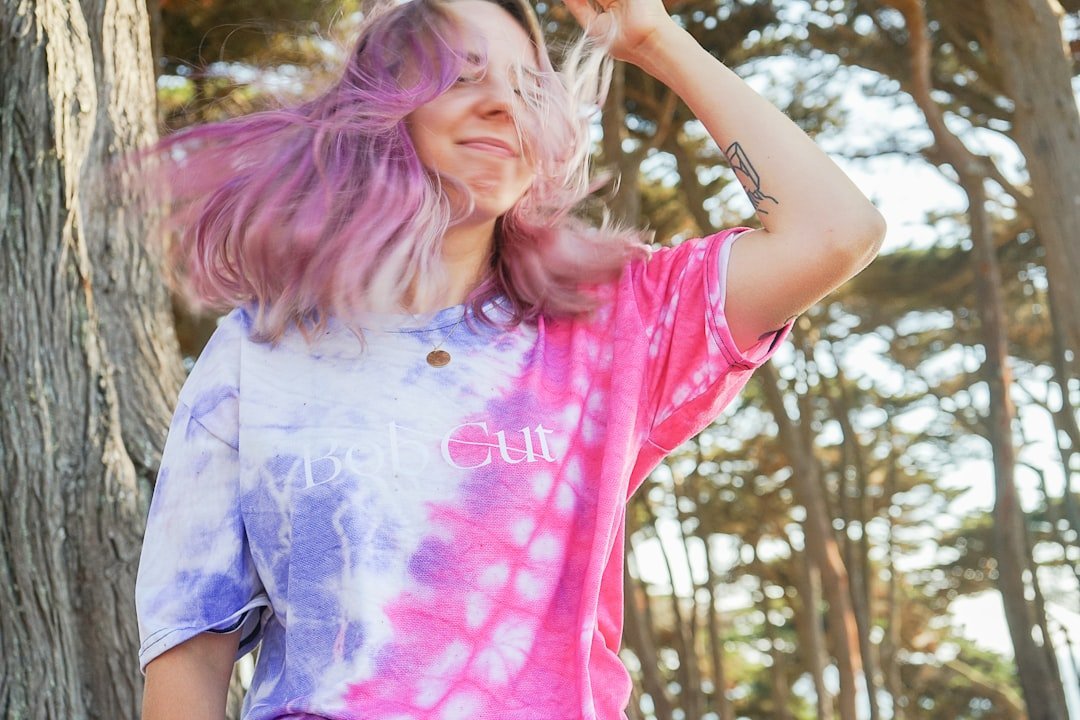
The 1960s marked a significant resurgence of tie-dye as a symbol of freedom and self-expression during the counterculture movement. Its vibrant designs and DIY nature resonated with the era’s emphasis on peace, love, and individuality. What makes this particularly interesting is that it began not as a style choice in the traditional sense, but as a kind of visual protest. Tie-dye wasn’t just a pattern – it was a statement. In the Woodstock era, folks didn’t buy tie-dye clothes; they made them themselves. A little fabric dye, some rubber bands, and a plain t-shirt was all you needed to make a colorful fashion statement. This DIY ethos perfectly captured the anti-establishment spirit of the era.
By the 1970s, tie-dye transitioned from a countercultural emblem to a mainstream fashion trend, with designers incorporating it into their collections for broader audiences. Fast forward to today, and psychedelic and colorful, the tie-dye prominent in the ’60s and ’70s has returned to the runways, giving 21st-century fashion a playful twist. Tie-dye has seen a huge comeback in streetwear, and in 2026, it remains one of those rare patterns that feels simultaneously nostalgic and fresh, like wearing history on your sleeve – quite literally.
3. Crochet Tops and Handmade Craft Wear
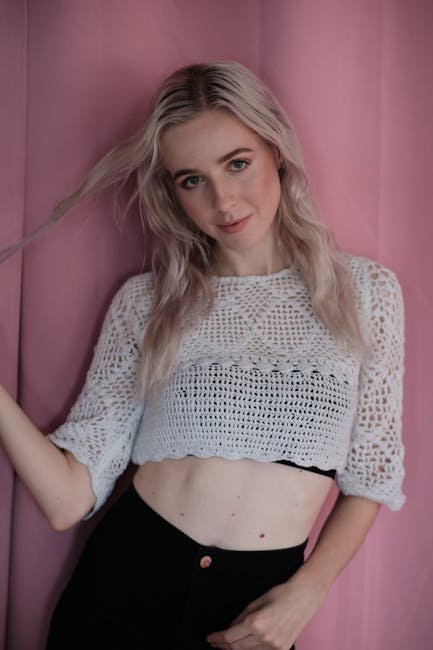
Home-wrought and handmade techniques which remain in fashion today were born out of the Woodstock era: tie-dye was created in the kitchen sink while crochet, previously reserved for grandma’s bedspread, was used to make barely-there bras. There is something wonderfully subversive about taking your grandmother’s hobby and turning it into a top that stops traffic at a festival. That was the original spirit of crochet in the late 1960s, and honestly, that energy never left.
Crochet and macramé are experiencing a renaissance in festival fashion. Crochet dresses, tops, and accessories are being reimagined with modern silhouettes and unexpected color combinations. Macramé is being used to create stunning statement pieces like vests, belts, and even intricate back details on dresses. The 2025 festival crowd has taken things even further – crochet pieces with big, iridescent sequins woven throughout are making rounds, blending old-school handcraft with modern sparkle. It is a small but perfect example of how fashion remixes the past rather than simply repeating it.
4. Fringe Jackets and Suede: Country Meets Counterculture
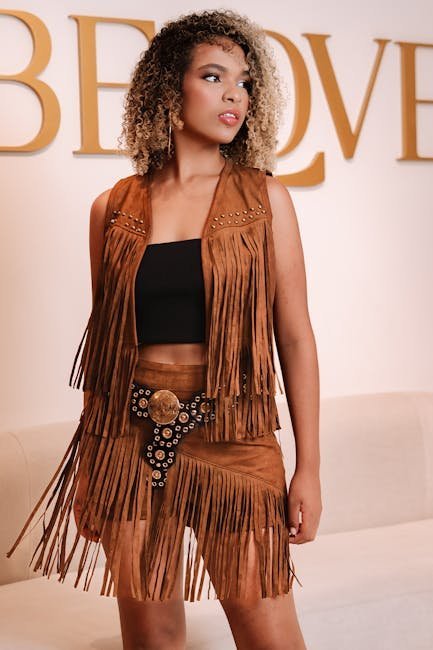
Woodstock was the ultimate showcase for this style, with attendees draped in fringe jackets, tie-dye shirts, and bell-bottom jeans. Flower crowns and peace sign accessories were everywhere, symbolizing the decade’s values of love, freedom, and rebellion against the mainstream. Fringe, in particular, carried a dual meaning – it referenced Native American garments while simultaneously embodying the free, swaying energy of someone who genuinely did not care what you thought of them.
The bohemian look, with its roots in Woodstock, continued to influence festival fashion in the 2000s, but it became more refined. Think flowing dresses, wide-brimmed hats, oversized sunglasses, and leather fringe. Today, suede fringe vests and jackets appear every festival season without fail. They are the kind of garment you might describe as “effortless” but that actually took three Etsy searches and two vintage market visits to find. Bohemian has made a return with a push for more loose silhouettes, exotic prints, and eclectic details like fur vests, intricate embroideries, and signature jewelry, with fringe threading its way through all of it.
5. Flower Crowns: The Most Recognizable Festival Accessory Ever Made
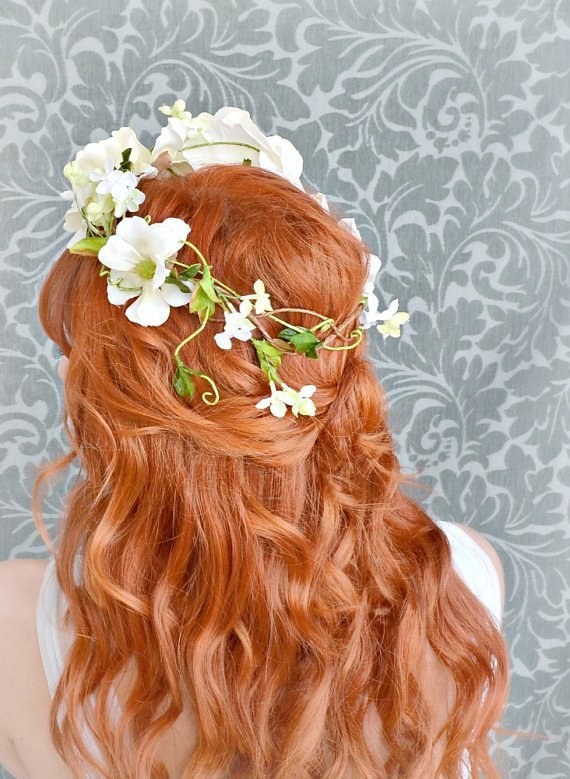
Let’s be real – no festival accessory has ever achieved quite the same level of cultural penetration as the flower crown. It is almost absurdly simple: a few blossoms woven into a circle. Yet somehow it became the defining symbol of an entire era of festival culture, and its roots go all the way back to the hippie movement’s embrace of nature and floral motifs.
The Coachella Valley Music and Arts Festival served as a breeding ground for boho fashion in the 2010s. Attendance rates skyrocketed throughout the decade, while stars including Kendall Jenner, Alessandra Ambrosio, Gigi Hadid and Vanessa Hudgens popularized a new festival uniform that seamlessly blended bohemian and Western influences with on-trend pieces like off-the-shoulder blouses, denim cutoffs and flower crowns. The hottest conversation surrounding festival fashion was not just about what was being worn, but the looks and key items of Coachella’s past. Online festival-goers and onlookers swooned for the days of flower crowns and fringe crop-tops – all of which feel undeniably bohemian. Even in 2026, you still spot them. Probably on someone looking absolutely wonderful, dancing in the golden hour light.
6. Punk’s DIY Aesthetic: Ripped Clothes, Leather, and Safety Pins
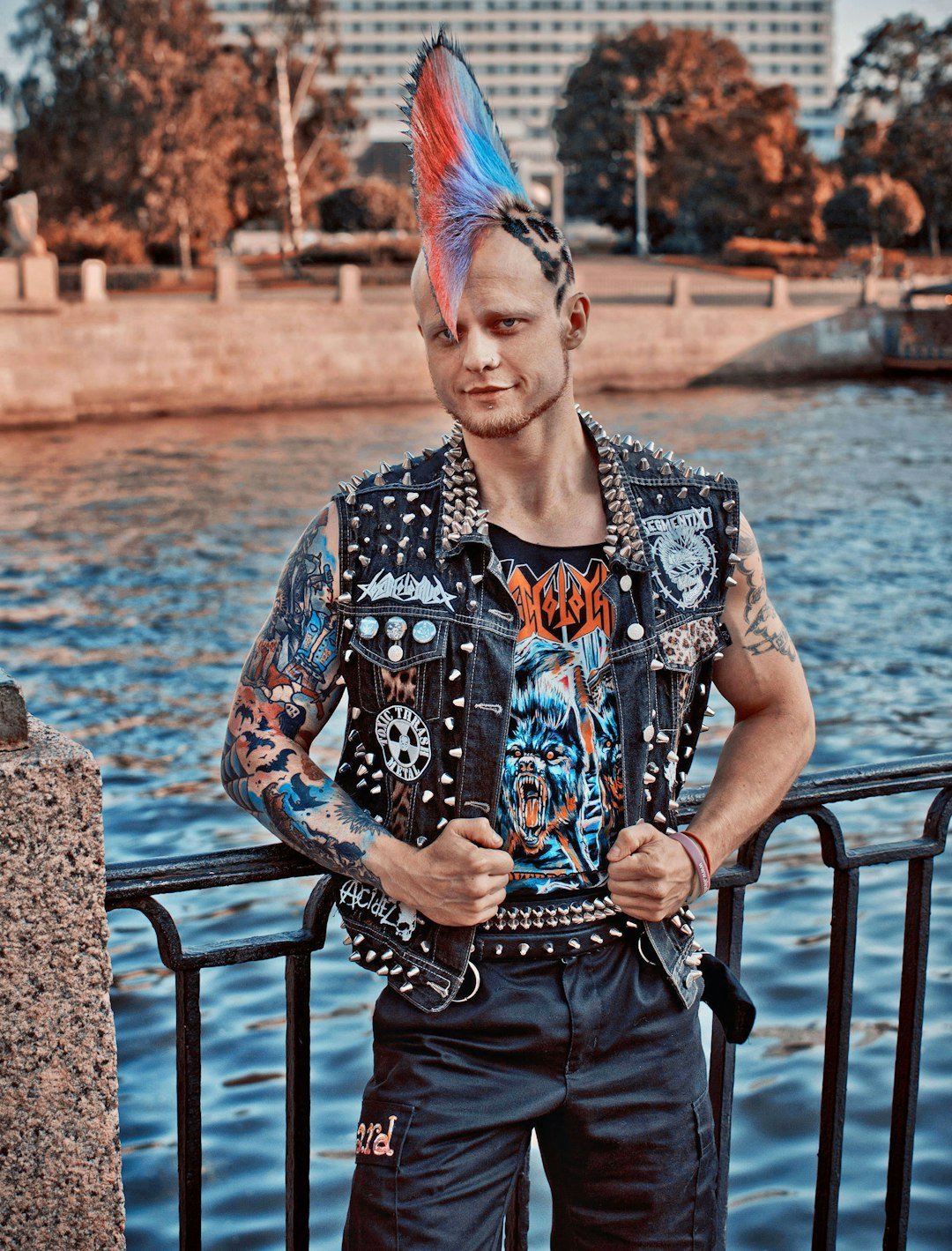
The 1970s also saw a rise in countercultural fashion that seeped into the music festival scene. This decade gave rise to punk culture, an anti-establishment lifestyle that manifested in both music and fashion. Where the hippies rejected society through flowers and flowy skirts, the punks rejected it through destruction. The punk movement was known for its DIY aesthetic, combining elements like torn clothing, leather jackets, band t-shirts, and heavy use of studs and safety pins. This rebellious style was seen at festivals like the 1976 Ramones concert, where festival-goers dressed in ways that directly challenged the mainstream, anti-establishment norms of the time.
Key elements like ripped clothing, safety pins, and leather jackets were not just stylistic choices but symbols of protest and individuality. Designers like Vivienne Westwood brought punk to the forefront, while bands like the Sex Pistols and The Clash embodied the movement’s ethos. Today the punk influence is everywhere. In recent years, punk has found its way onto high-fashion runways, with designers drawing inspiration from its anarchic roots. Luxury brands incorporate punk elements, such as leather jackets, studs, and distressed fabrics, into their collections, blurring the lines between rebellion and haute couture. It is kind of funny, actually – a style born out of poverty and fury now sells for four-figure price tags. Make of that what you will.
7. Glam Rock Sequins and Metallics: When Festivals Became Theatrical
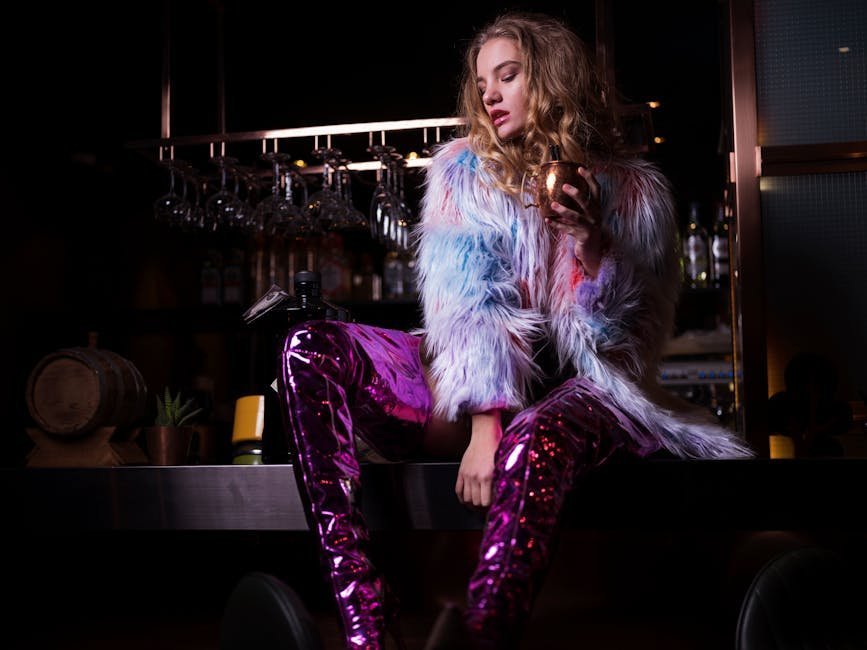
The 1970s took festival fashion in two wildly different directions, creating a fascinating collision between hippie holdovers and glam rock extravagance. On one side, you had the continued influence of bohemian style with crocheted tops, suede vests, and flowing fabrics that moved like liquid poetry. On the other, glam rock introduced sequins, metallics, and theatrical makeup that transformed concert-goers into walking art installations. David Bowie and Marc Bolan did not just make music – they essentially created a permission slip for festival-goers to become characters.
The influence of disco culture cannot be understated either. Shimmering fabrics, bold patterns, and an overall sense of hedonistic glamour infiltrated festival grounds. People weren’t just dressing to see music – they were dressing to be seen, to be part of the spectacle. This theatrical impulse never really disappeared. Metallics are no longer reserved for New Year’s Eve or the headlining act. Silver, gold, and holographic finishes in 2025 are dominating everyday outfits and not just as accents. Metallic pants, voluminous jackets, and rainbow-colored accessories are making big entrances into streetwear ensembles. Glam rock lit the fuse, and the explosion is still happening decades later.
8. Grunge and Plaid: The Nonchalant Look That Took Over the 1990s
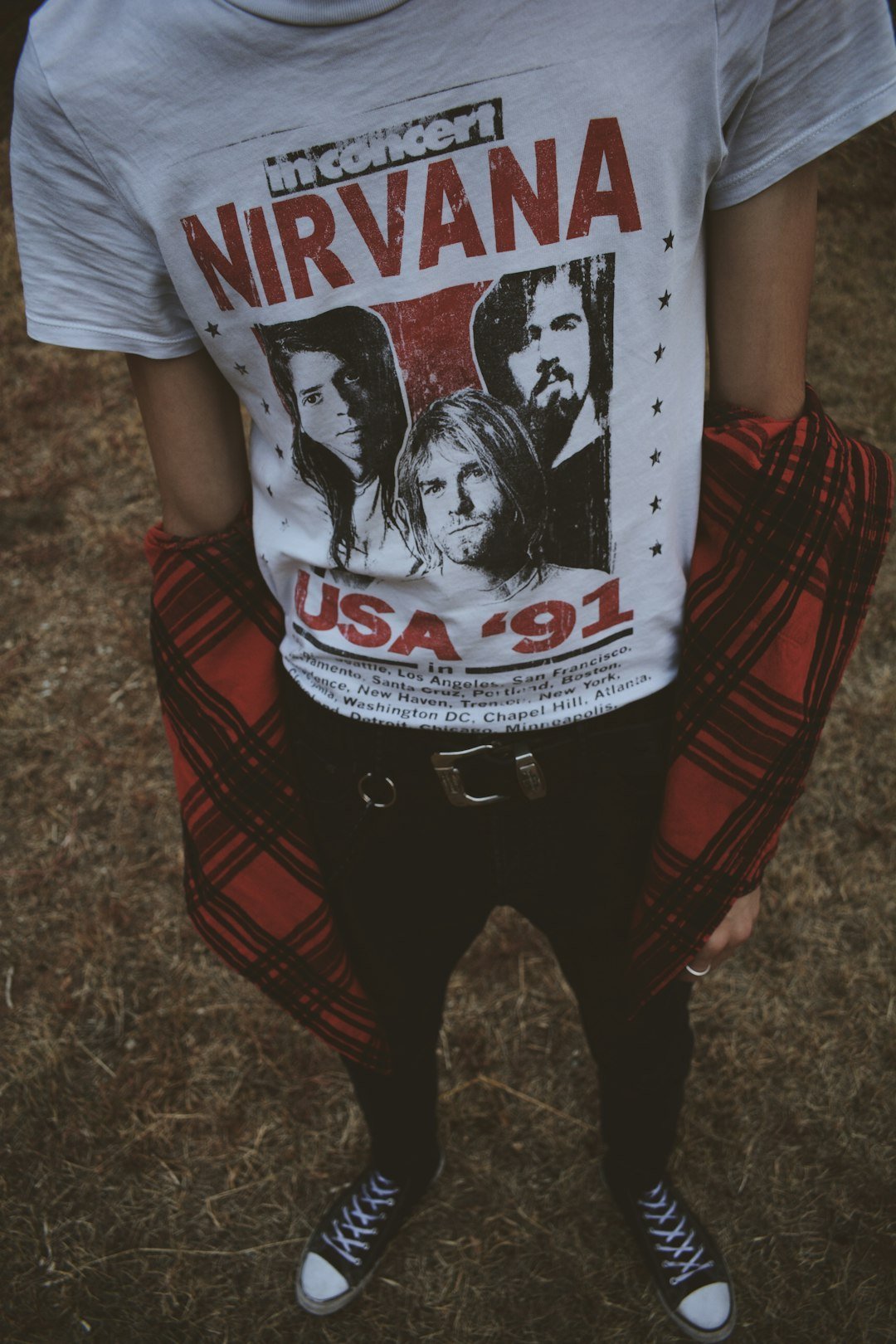
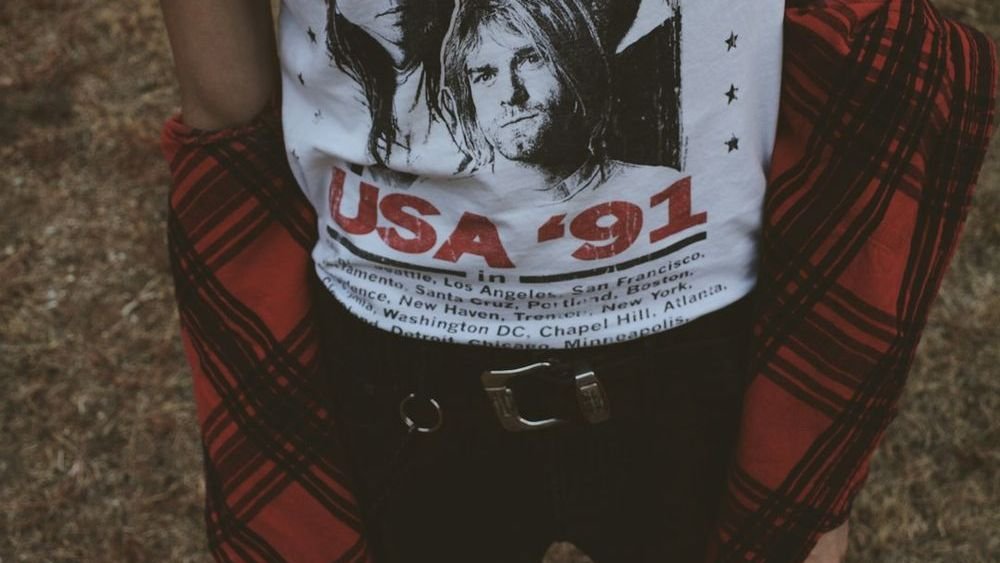
Inspired by the likes of Kurt Cobain and Anthony Kiedis – all long hair, oversized T-shirts, hole-ridden checked shirts, army-grade boots and skateboard-friendly kicks – the general vibe radiating from the crowds at Lollapalooza was defiantly don’t-give-a-f***. That is really the most accurate description of 1990s grunge at festivals. It was rebellion without effort. Or at least, it looked that way. The 1990s saw grunge styles with plaid shirts, combat boots, and oversized tees dominate the festival landscape, turning the idea of “trying too hard” on its head.
Here is the thing about grunge: it is arguably the most cyclically returning aesthetic in festival fashion. Flashback fashion to the 1990s has been creeping for a while into mainstream wardrobe and has made its way to the mainstage. In an environment where comfort is key, baggy pants have become a top choice worn by both men and women. When paired with a crop top or cut-off tee, it’s the epitome of cool and laid-back. Every few years, a new generation “discovers” flannel and oversized hoodies and calls it fresh. It’s charming, honestly.
9. Boho Chic of the Early 2000s: When Kate Moss Redefined the Festival Look
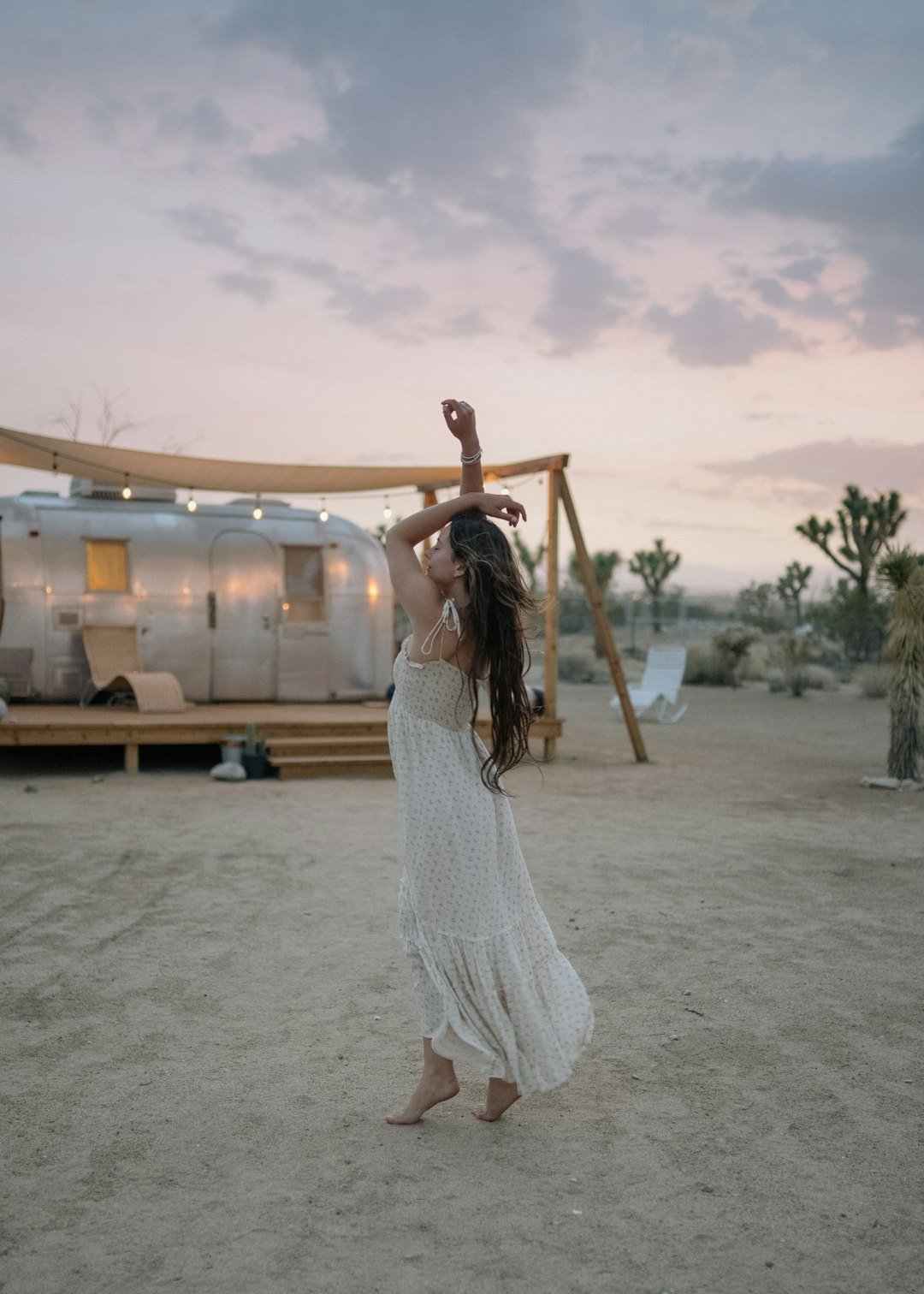
Enter the “boho chic” era of the early aughts, when famous Glastonbury attendees Kate Moss and Sienna Miller popularized hippie-inspired fashions at festivals. Coin belts, fur outerwear, ruffled blouses, floaty skirts and embroidered tunics were commonly associated with the 2000s boho look. It was a refinement of the original Woodstock spirit – still free-flowing, still eclectic, but now photographed in high resolution and published in glossy magazines.
The early 2000s witnessed the birth of modern festival fashion as we know it, largely thanks to a little desert gathering called Coachella that transformed from indie music showcase to global cultural phenomenon. This decade perfected the art of “effortless” festival style – looks that appeared thrown together but actually required strategic planning and considerable investment. Denim shorts became shorter, flower crowns became essential, and oversized sunglasses turned everyone into mysterious celebrities. Today, straight out of the 2000s Chloé-girl playbook, the boho resurgence has been building for some time, and something about this nostalgic 70s-inspired trend feels right at home with festival season. It is the fashion equivalent of a comfort food – familiar, satisfying, and never fully out of style.
10. Psychedelic Prints and Statement Layering: Festival as Full-Body Art
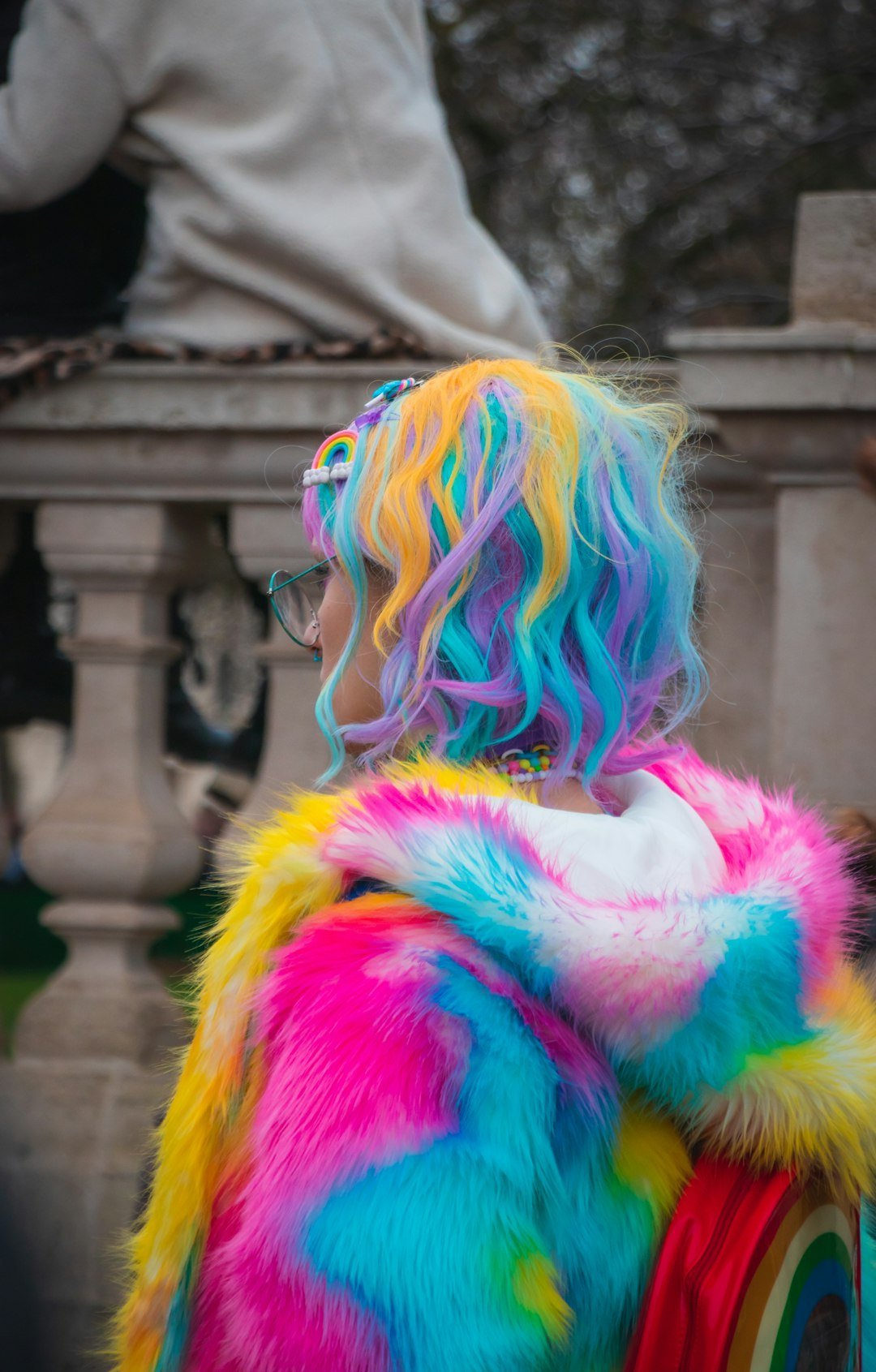
In 2025, everything is about clashing colors, twirling prints, and optical illusions that seem like they were pulled directly out of a fantasy realm. Psychedelic prints are one of the biggest nods of the festival season, and now they’re officially streetwear staples for everyday wear. This is something that traces directly back to the late 1960s, when festival-goers used clothing as a canvas for something bigger – a message, a feeling, an entire philosophy. Unlike regular resist-dyeing techniques, modern tie-dye is characterized by the use of bright, saturated primary colors and bold patterns. These patterns, including the spiral, mandala, and peace sign, and the use of multiple bold colors, have become widely recognized as symbols of the 1960s and 1970s counterculture movement.
The layering aspect is equally rooted in the past. It takes time to collect, but layering and layering necklaces, rings, scarves over hats, and dangling charms – accessorizing with one or all of these things – will elevate any festival outfit. This vintage revival isn’t just about replicating old styles; it’s about reinterpreting them for a new generation. Designers are taking iconic elements from different eras and combining them in fresh, unexpected ways. For example, a 70s-inspired maxi dress might be paired with 90s-style chunky sneakers and layered necklaces for a truly unique look. Layering is the festival fashion strategy that never expires – it is essentially the outfit equivalent of mixing genres.
The Endless Cycle: Why Festival Fashion Always Comes Back Around
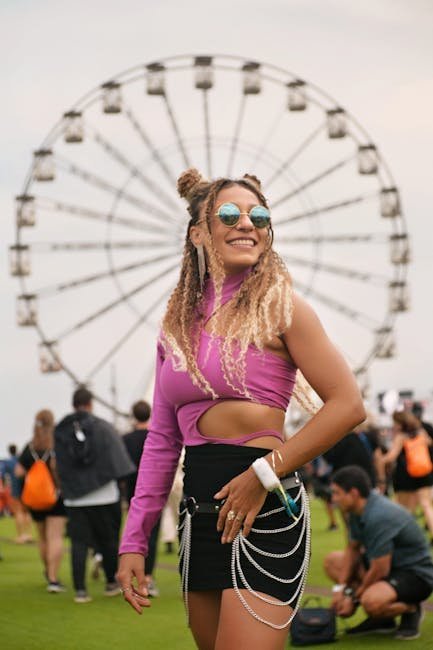
Fashion, as anyone who has paid attention long enough will tell you, does not really die. It just waits. The trends covered here – from the tie-dye rebellion of Woodstock to the punk safety pins of 1970s London, from Kate Moss’s suede boots at Glastonbury to the sequined extravagance of the glam rock era – are not relics of a past world. They are living threads woven into everything we wear right now, in 2026, at every festival from the California desert to the English countryside.
From the bohemian idealism of Woodstock to the neon glow of modern-day raves, festival fashion has continuously evolved, mirroring the changing times. I think that is what makes it so endlessly fascinating. Hippie fashion is more than just clothing – it’s a philosophy of life, freedom, and creativity. From its roots in the 1960s counterculture to its influence on today’s bohemian and festival looks, this style has proven to be timeless. Every generation picks up these old threads and weaves them into something that feels urgently, personally theirs – and then the cycle begins again.
The real question worth sitting with is this: when you put on that crochet top or pull on those battered boots next festival season, are you expressing yourself – or echoing someone who did it first, fifty years ago, in a muddy field, with everything to say and no Instagram to say it on? What do you think – does the origin of a trend change how you wear it? Share your thoughts in the comments.

Besides founding Festivaltopia, Luca is the co founder of trib, an art and fashion collectiv you find on several regional events and online. Also he is part of the management board at HORiZONTE, a group travel provider in Germany.
