
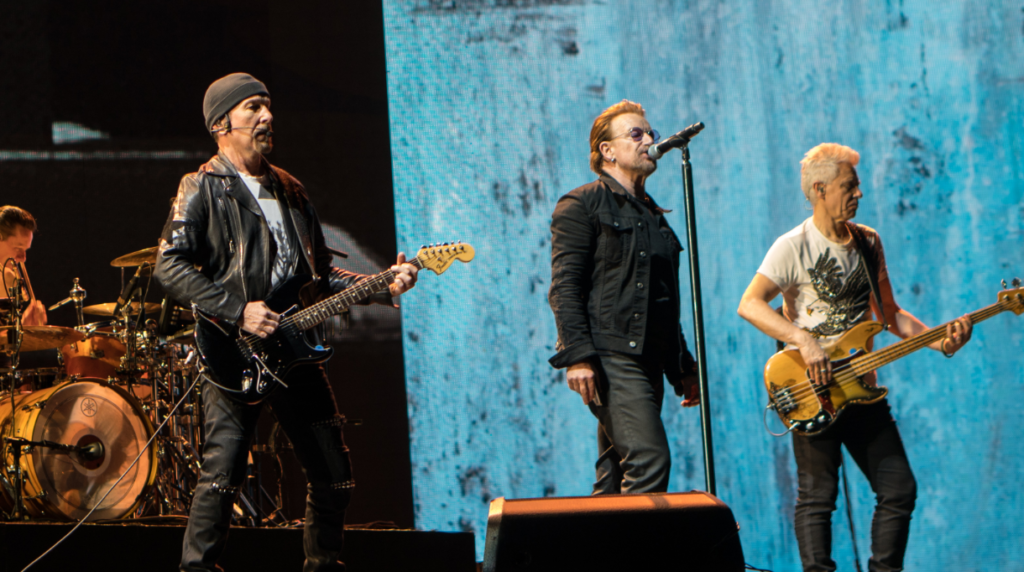
Most people believe the iconic lyrics they’ve been singing in the shower for decades were the result of a single, divine stroke of genius, but the truth is far grittier. Behind almost every legendary anthem is a wastebasket full of rejected verses, censored lines, and bizarre first drafts that would have completely changed music history. From political statements deemed “too risky” for the radio to placeholder gibberish that nearly became the final cut, the songs we love were often meant to say something entirely different. Here’s what the studio archives and legendary songwriters actually say.
#38 — “Yesterday” by The Beatles

The most covered song in history started out as a tribute to breakfast food. Paul McCartney famously woke up with the melody in his head, but because he didn’t have lyrics yet, he used the working title “Scrambled Eggs.”
The original opening lines were: “Scrambled eggs, oh my baby how I love your legs.” McCartney played the tune for everyone he knew to ensure he hadn’t accidentally plagiarized it, all while singing about poultry products. It wasn’t until a trip to Portugal months later that he finally penned the melancholic lyrics about “yesterday.” If he hadn’t made that change, the world’s most poignant ballad would have been a novelty song about brunch.
But that’s nothing compared to what we found about #37…
#37 — “Rocket Man” by Elton John

Bernie Taupin is known for his poetic lyricism, but “Rocket Man” originally had a much darker, more literal edge. The song was inspired by a short story by Ray Bradbury, and early drafts focused heavily on the terrifying isolation of space travel rather than the glamorized version we hear.
Taupin’s original vision involved more technical descriptions of the ship’s controls, which Elton John found difficult to set to a melodic piano riff. They eventually stripped back the “sci-fi” jargon to focus on the human emotion of being “high as a kite.” Music historians argue the song succeeded because it pivoted from space exploration to a metaphor for 1970s drug culture.
But that’s nothing compared to what we found about #36…
#36 — “Sweet Child O’ Mine” by Guns N’ Roses

Axl Rose didn’t always have those heartfelt verses ready for the band’s biggest hit. During the recording sessions, the legendary “Where do we go? Where do we go now?” section was actually a moment of genuine confusion.
Rose had run out of lyrics and was literally asking the producer what to do next. The band decided to keep the “mistake” because it fit the frantic energy of the track. Even the opening riff was originally a “string skipping” exercise Slash used as a joke to mock hair metal tropes. The band’s most sincere love song was actually built on a foundation of sarcasm and studio errors.
But that’s nothing compared to what we found about #35…
#35 — “Like a Prayer” by Madonna

Madonna’s masterpiece was nearly censored before it even hit the airwaves. While the song is famous for its religious and provocative imagery, the original lyrics were far more explicit regarding the divine metaphors.
The Vatican eventually condemned the music video, but the “original” lyrics circulating in the demo phase were reportedly so provocative that Pepsi—who had a $5 million endorsement deal with her—nearly pulled out before the song was even finished. Madonna fought to keep the “mystical” double meanings intact, knowing the controversy would drive sales. It turns out, her instinct for marketing was just as sharp as her songwriting.
But that’s nothing compared to what we found about #34…
#34 — “Waterfalls” by TLC
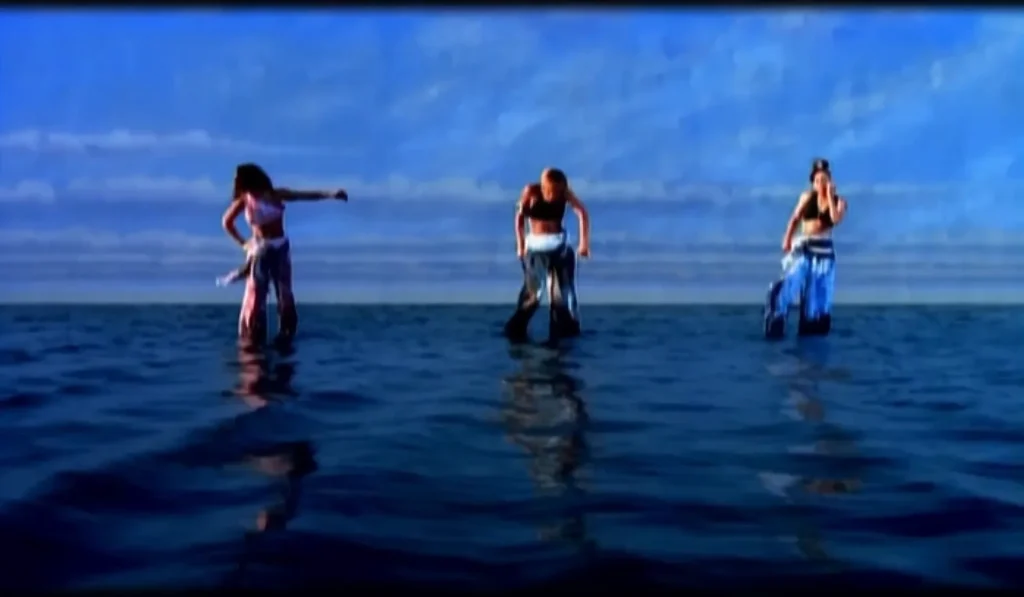
This 90s classic is a stern warning about the dangers of the drug trade and HIV, but the original version featured a fourth verse that never made the radio edit. This missing verse, performed by Left Eye, went into graphic detail about the struggles of the urban youth.
The label felt the song was already “heavy” enough and edited the verse out to make it more palatable for pop radio. While the song remained an anthem for social consciousness, many fans feel the removed lyrics provided the necessary “teeth” the song needed. To this day, the full version is rarely played on mainstream stations.
But that’s nothing compared to what we found about #33…
#33 — “Summer of ’69” by Bryan Adams
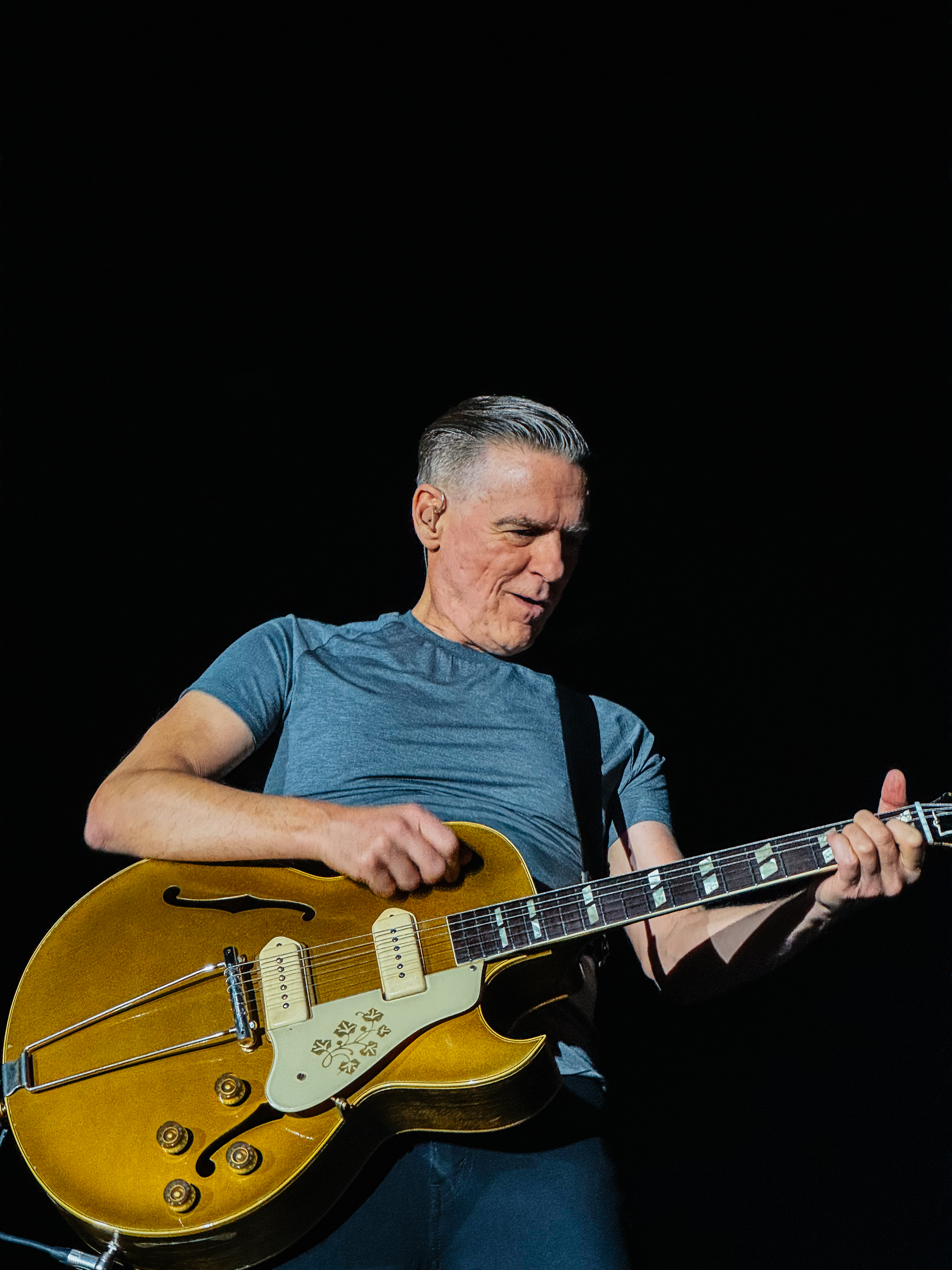
Despite the nostalgic title, Bryan Adams has confessed that the song isn’t actually about the year 1969. In early drafts, the lyrics were more focused on the act of “making love” in the summertime.
Adams admitted in later interviews that “69” was a reference to the explicit position, not the calendar year. The original lyrics were meant to be much more suggestive, but they were softened to ensure the song could be played on “family-friendly” radio. The “best days of my life” were originally framed as a summer of Intimate discovery rather than a tribute to Woodstock.
But that’s nothing compared to what we found about #32…
#32 — “Physical” by Olivia Newton-John
Before it became the anthem of the 80s aerobics craze, “Physical” was written for a man. Specifically, it was offered to Rod Stewart. The original lyrics were extremely aggressive and sexually charged, even for the disco era.
When Olivia Newton-John took the track, she was so worried the lyrics were “too raunchy” that she insisted on filming a music video centered around exercise to distract from the song’s suggestive nature. The iconic headband and spandex were actually a strategic PR move to avoid being banned from the radio. Without the gym theme, the song might have been relegated to the late-night “adult” charts.
But that’s nothing compared to what we found about #31…
#31 — “Losing My Religion” by R.E.M.

The title of this song is often misunderstood by people outside of the Southern United States. Michael Stipe originally had lyrics that were much more direct about “unrequited love” before settling on the Southern idiom “losing my religion.”
The phrase actually means “reaching the end of your rope” or “losing your temper.” Early drafts of the lyrics centered on a specific obsession Stipe had with a person who didn’t know he existed. By switching to more metaphorical language, the band accidentally created a song that many religious groups misinterpreted as a secular manifesto.
But that’s nothing compared to what we found about #30…
#30 — “Smells Like Teen Spirit” by Nirvana

Kurt Cobain was notorious for changing lyrics at the last minute, often during the actual recording session. The original draft of the song was significantly longer and included a verse about “the entertainment” being “thick.”
Most of the lyrics were actually inspired by graffiti a friend wrote on Cobain’s wall: “Kurt smells like Teen Spirit” (a brand of deodorant). Cobain didn’t even know it was a deodorant; he thought it was a revolutionary slogan. The song that defined a generation was literally named after a feminine hygiene product.
But that’s nothing compared to what we found about #29…
#29 — “Blank Space” by Taylor Swift

One of the most famous lyrics in modern pop is actually a “mondegreene”—a misheard lyric. For years, fans insisted Taylor was singing about “Starbucks lovers,” but the original and final lyric is “long list of ex-lovers.”
Swift found the confusion so amusing that she didn’t bother to correct it for a long time. However, early drafts of the song were reportedly much more “vicious” in their satire of her media persona. She originally had lines that named specific tabloid tropes she wanted to mock, but she eventually decided to keep it vague and “character-based” to give the song more longevity.
But that’s nothing compared to what we found about #28…
#28 — “Superstition” by Stevie Wonder

This funk masterpiece was originally written for British guitarist Jeff Beck. The original arrangement was a slow, bluesy rock track with very different vocal phrasing.
Stevie Wonder eventually decided to record it himself after his management realized the “Clavinet” riff he created was too good to give away. The lyrics remained largely the same, but the energy shifted from a rock ballad to a funk powerhouse. Jeff Beck was reportedly “livid” that his potential hit was taken back, though he later received the song “Cause We’ve Ended as Lovers” as a peace offering.
But that’s nothing compared to what we found about #27…
#27 — “Timber” by Pitbull ft. Kesha

This club hit was originally intended for a completely different female vocalist. The “hook” was written with Rihanna in mind, but she turned it down because she was busy with her own projects.
The lyrics were slightly tweaked to fit Kesha’s “party girl” persona, but the structure remained the same. It’s one of many examples where a song’s identity is entirely shaped by who says “yes” to the demo. Kesha’s unique country-pop twang turned what could have been a standard Rihanna dance track into a unique sub-genre hit.
But that’s nothing compared to what we found about #26…
#26 — “Under the Bridge” by Red Hot Chili Peppers

Anthony Kiedis never intended for this to be a song. It was originally a poem in his personal notebook about his time as a heroin addict in Los Angeles.
The lyrics were so personal that Kiedis was reluctant to show them to the band. Producer Rick Rubin found the poem while flipping through the notebook and “forced” Kiedis to show it to the rest of the group. The original “lyrics” were just prose sentences without a chorus, and the band had to work backward to find a melody that didn’t feel too depressing for a rock album.
But that’s nothing compared to what we found about #25…
#25 — “Rolling in the Deep” by Adele

Adele’s breakout hit was almost a country song. The original draft was described as a “trashy country ballad” before producer Paul Epworth stepped in.
The lyrics were initially more about “feeling sorry for oneself,” but Epworth pushed Adele to tap into her anger. This led to the powerful “fire starting in my heart” imagery. The change in tone transformed a standard heartbreak song into a vengeful anthem that dominated the charts for over a year.
But that’s nothing compared to what we found about #24…
#24 — “Poker Face” by Lady Gaga
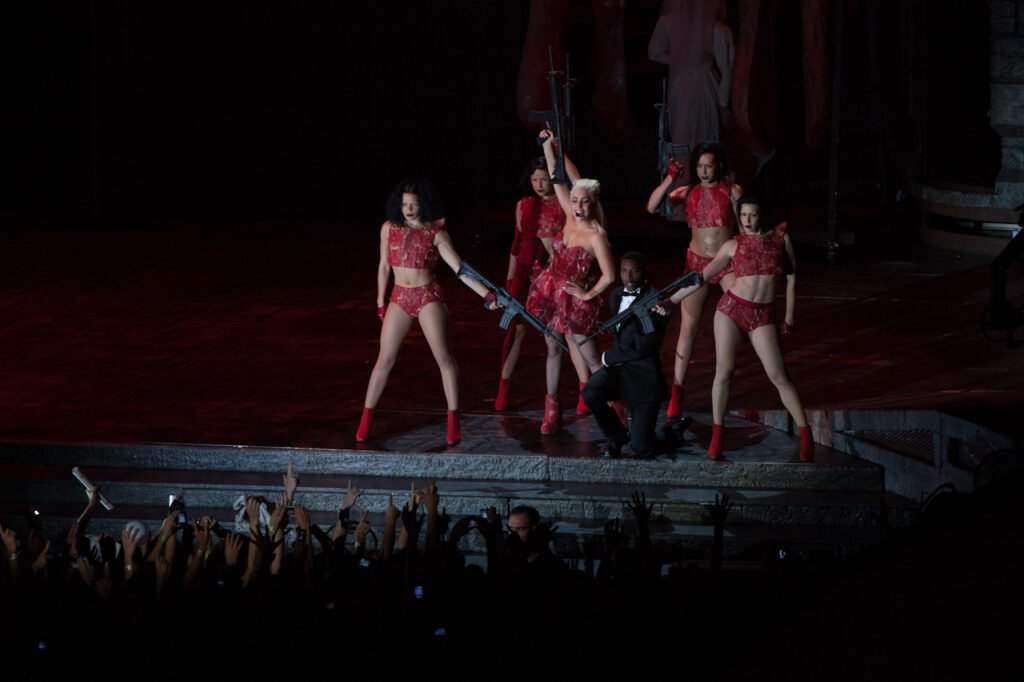
Most listeners thought this was a song about gambling or playing “hard to get” in a relationship. However, the original intent of the lyrics was a confession about her bisexuality.
Gaga later revealed that she was thinking about a woman while being with a man, thus needing to maintain a “poker face.” The “original” lyrics she had in mind were far more explicit about this internal conflict, but she chose to mask them with gambling metaphors to ensure the song would be played on more conservative radio stations.
But that’s nothing compared to what we found about #23…
#23 — “Wonderwall” by Oasis

Liam Gallagher famously hated the original lyrics to many of Noel’s songs, but “Wonderwall” was a particular point of contention. The song was originally titled “Wishing Brick.”
Noel Gallagher changed it after being inspired by George Harrison’s album Wonderwall Music. The lyrics were also rumored to be about his then-girlfriend, though he later claimed it was about an “imaginary friend” to avoid awkwardness after their breakup. The shift from a “brick” to a “wall” changed the song from something sturdy and heavy to something ethereal and protective.
But that’s nothing compared to what we found about #22…
#22 — “Billie Jean” by Michael Jackson
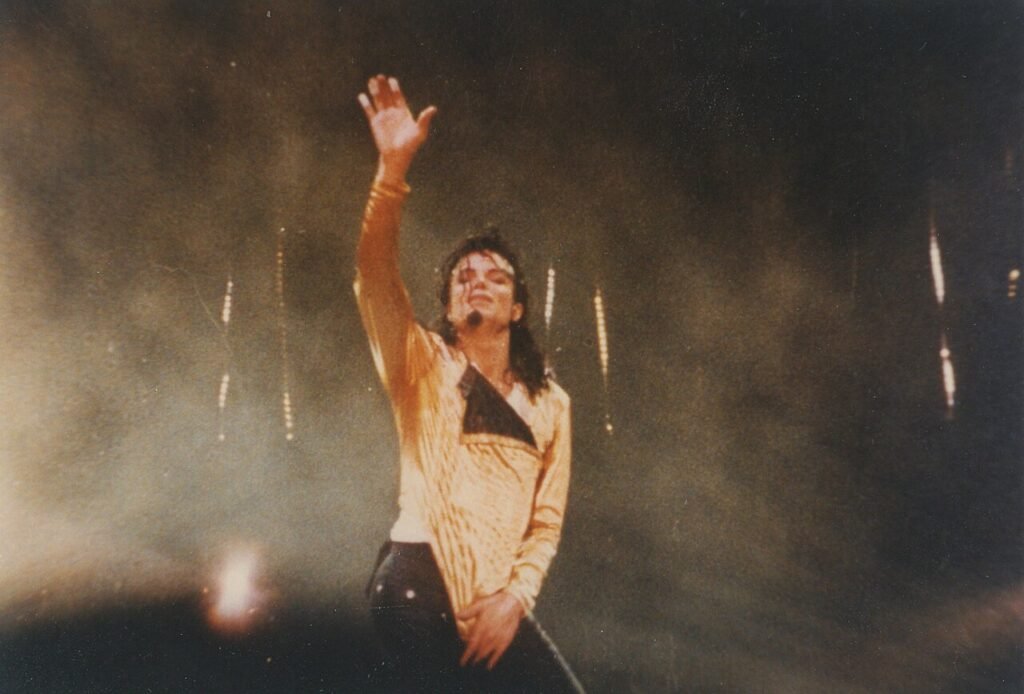
Daniele Dalledonne from Trento, Italy, CC BY-SA 2.0, via Wikimedia Commons
Quincy Jones famously hated the title “Billie Jean” because he thought people would think the song was about tennis star Billie Jean King. He wanted to change the title to “Not My Lover.”
Jackson refused, insisting that “Billie Jean” was a composite of the “groupies” who used to claim his brothers had fathered their children. The original lyrics were also much longer, with a bridge that was eventually cut for being too “wordy.” Jackson’s insistence on the title and the iconic bassline proved that his creative instincts were superior to even the world’s greatest producers.
But that’s nothing compared to what we found about #21…
#21 — “Born in the U.S.A.” by Bruce Springsteen

Perhaps the most misunderstood song in American history, “Born in the U.S.A.” started as a depressing acoustic demo. The original lyrics were part of the Nebraska sessions and focused entirely on the grim reality of a veteran returning from Vietnam.
The “stadium rock” beat was added later, which caused many people to ignore the lyrics and treat it as a patriotic anthem. Springsteen has spent years trying to clarify that the song is actually a “protest” track, but the catchy chorus convinced millions—including politicians—that it was a celebration of American dominance.
But that’s nothing compared to what we found about #20…
#20 — “Creep” by Radiohead

Thom Yorke wrote “Creep” while he was at Exeter University, and the original lyrics were even more self-loathing and aggressive than the version we know. The “special” line in the bridge was originally a much harsher profanity.
The band actually hated the song at first. Johnny Greenwood famously tried to “ruin” the song with those loud guitar crunches right before the chorus because he thought the track was too “wimpish.” That act of sabotage ended up becoming the song’s most famous feature.
But that’s nothing compared to what we found about #19…
#19 — “Umbrella” by Rihanna

This song was famously rejected by Britney Spears and Mary J. Blige before landing with Rihanna. The original demo had a more “pop-rock” feel suited for Britney’s Blackout era.
When Rihanna took it, she added the “ella-ella-eh-eh” hooks, which weren’t in the original draft. Those syllables alone are credited with turning the song into a global Phenomenon. The original lyrics were also more about a literal rainstorm before they were coached into a metaphor for enduring friendship and loyalty.
But that’s nothing compared to what we found about #18…
#18 — “Walk This Way” by Aerosmith

The lyrics for “Walk This Way” were almost never written. Steven Tyler famously lost his notebook containing the lyrics in a taxi right before they were supposed to record.
He had to rewrite the entire song from memory in the studio hallway using a pencil he found on the floor. While the “story” remained the same, Tyler admitted that the “rhythm” of the words changed because he couldn’t remember his original rhymes. This forced him into a “rap-like” delivery that eventually paved the way for the legendary Run-D.M.C. collaboration.
But that’s nothing compared to what we found about #17…
#17 — “Hey Jude” by The Beatles

Paul McCartney wrote this to comfort John Lennon’s son, Julian, during his parents’ divorce. The original title was “Hey Jules.”
McCartney changed it to “Jude” because he thought it sounded “a bit more country and western.” Interestingly, John Lennon thought the song was actually about him and Yoko Ono. The “movement you need is on your shoulder” line was a placeholder Paul hated, but John insisted it was the best line in the song and made him keep it.
But that’s nothing compared to what we found about #16…
#16 — “Sweet Home Alabama” by Lynyrd Skynyrd

This Southern anthem was written as a direct “diss track” to Neil Young. The original lyrics were far more aggressive toward Young after he criticized the South in his songs “Southern Man” and “Alabama.”
The band eventually toned down the “attack” to make it more about Southern pride rather than just a celebrity feud. Ironically, Neil Young later said he loved the song and would have been honored to perform it with the band. The lyrics “a Southern man don’t need him around anyhow” remain some of the most famous “call-outs” in music history.
But that’s nothing compared to what we found about #15…
#15 — “Total Eclipse of the Heart” by Bonnie Tyler

This song was originally written for a vampire musical. Composer Jim Steinman intended it for a stage production of Nosferatu, which explains the overly dramatic and gothic lyrics.
The original title was “Vampires in Love.” When the musical didn’t happen, Bonnie Tyler was given the track. The lyrics “turn around, bright eyes” are actually a reference to the glowing eyes of a vampire in the dark. Without that context, it sounds like a standard love song, but the “darkness” mentioned throughout the track is literal.
But that’s nothing compared to what we found about #14…
#14 — “Respect” by Otis Redding (and Aretha Franklin)

Most people don’t realize “Respect” was originally an Otis Redding song. In his version, the lyrics are from the perspective of a man coming home from work demanding respect from his wife.
Aretha Franklin completely flipped the script. She added the “R-E-S-P-E-C-T” spelling and the “TCB” (Taking Care of Business) lines. By changing just a few pronouns and adding the “sock it to me” backup vocals, she turned a standard domestic complaint into a global feminist and civil rights anthem.
But that’s nothing compared to what we found about #13…
#13 — “I Will Always Love You” by Dolly Parton

Long before Whitney Houston slowed it down, Dolly Parton wrote this as a “breakup” song for her professional mentor, Porter Wagoner. The original lyrics were meant to be a “thank you” note rather than a romantic ballad.
Dolly wrote the song to explain why she was leaving his television show to go solo. When Whitney Houston covered it for The Bodyguard, the grand orchestral arrangement changed the context from a career move to a tragic romance. Elvis Presley also wanted to cover it, but Dolly famously refused to give up the publishing rights—a move that made her millions later.
But that’s nothing compared to what we found about #12…
#12 — “Radioactive” by Imagine Dragons

This massive hit started out as a much slower, more acoustic track. The original lyrics were also more focused on specific “end of the world” scenarios.
The band eventually decided to make the lyrics more “universal” so that they could apply to personal struggles as well as global ones. The heavy “electronic” bass drop was added at the last minute, which fundamentally changed how the lyrics were interpreted by the public. It went from a folk song to a “post-apocalyptic” anthem.
But that’s nothing compared to what we found about #11…
#11 — “Hungry Like the Wolf” by Duran Duran
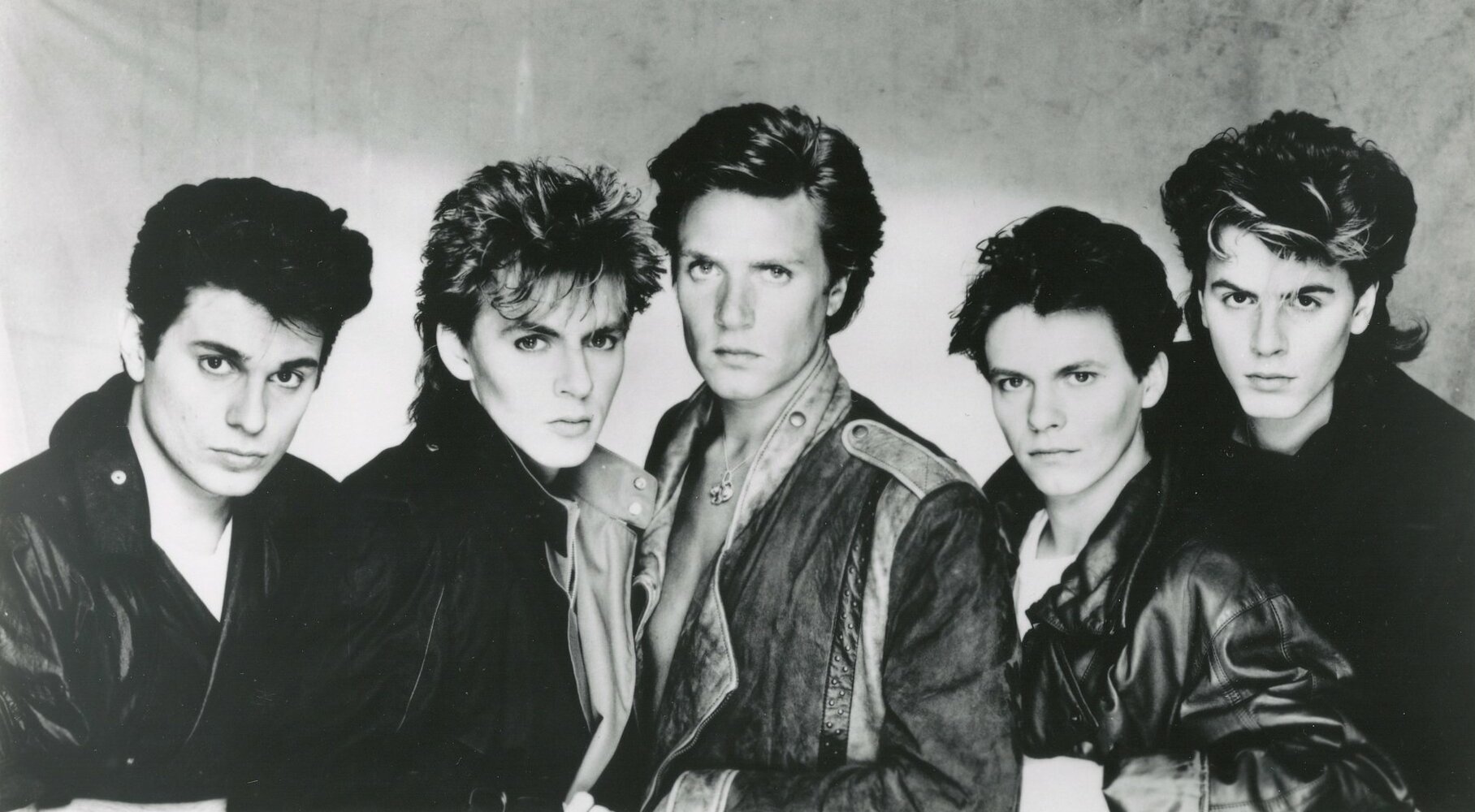
Simon Le Bon wrote the lyrics for this song in a single day, but they were originally inspired by the fairy tale “Little Red Riding Hood.”
The original draft was much more literal about “the woods” and “the big bad wolf.” The band realized that a literal fairy tale song wouldn’t fit their “New Romantic” image, so they “sexed up” the lyrics to make it about the hunt of a night out in the city. The iconic “do-do-do” backing vocals were just hummed placeholders that they decided to keep.
But that’s nothing compared to what we found about #10…
#10 — “Girls Just Want to Have Fun” by Cyndi Lauper

This was originally a “masculine” song written and recorded by Robert Hazard. In his version, the lyrics were about a guy complaining that “girls just want to have fun” with him rather than settling down.
Cyndi Lauper realized that by changing the perspective to a female one, the song became an anthem of empowerment. she also cut several verses that she felt were too “misogynistic” in the original draft. The resulting version became the definitive 80s anthem for female independence.
But that’s nothing compared to what we found about #9…
#9 — “In the Air Tonight” by Phil Collins

For decades, an urban legend claimed this song was about Phil Collins watching someone drown. The “truth” is much more mundane.
Collins was actually going through a bitter divorce, and most of the lyrics were improvised on the spot during a recording session. He admitted that he didn’t even know what the song was about when he wrote it. The “anger” in the lyrics was just raw emotion that had no specific target, yet the “drowning” story became so famous that even Eminem referenced it in “Stan.”
But that’s nothing compared to what we found about #8…
#8 — “Every Breath You Take” by The Police

Sting is often amused that people play this song at weddings. The original lyrics were written during the collapse of his marriage and were intended to be “sinister” and “controlling.”
He wrote it while staying at Ian Fleming’s (writer of James Bond) estate in Jamaica. The song is about “Big Brother” and surveillance, not romantic devotion. Sting has said the “original” meaning is about the thin line between love and obsession, which is why the “I’ll be watching you” line is actually quite creepy.
But that’s nothing compared to what we found about #7…
#7 — “Stronger” (What Doesn’t Kill You) by Kelly Clarkson

This song was passed around to several artists before Kelly Clarkson claimed it. Interestingly, the original lyrics were much more “country” in style.
The writers originally envisioned it as a mid-tempo Carrie Underwood track. When it was reworked for Clarkson, they added the synth-pop elements and “hardened” the vocal delivery. The core message about Friedrich Nietzsche’s famous quote stayed, but the “vibe” changed from a porch-sitting ballad to a gym-playlist staple.
But that’s nothing compared to what we found about #6…
#6 — “Start Me Up” by Rolling Stones

The Stones originally recorded this song as a reggae track called “Never Stop.” They did dozens of takes in a reggae style before abandoning the song for years.
During the Tattoo You sessions, they found the old tapes and tried it once more as a “straight-ahead rock song.” The lyrics remained the same, but the rhythm completely transformed the track. Mick Jagger’s “start me up” refrain took on a whole new meaning when paired with Keith Richards’ legendary rock riff.
But that’s nothing compared to what we found about #5…
#5 — “Purple Rain” by Prince
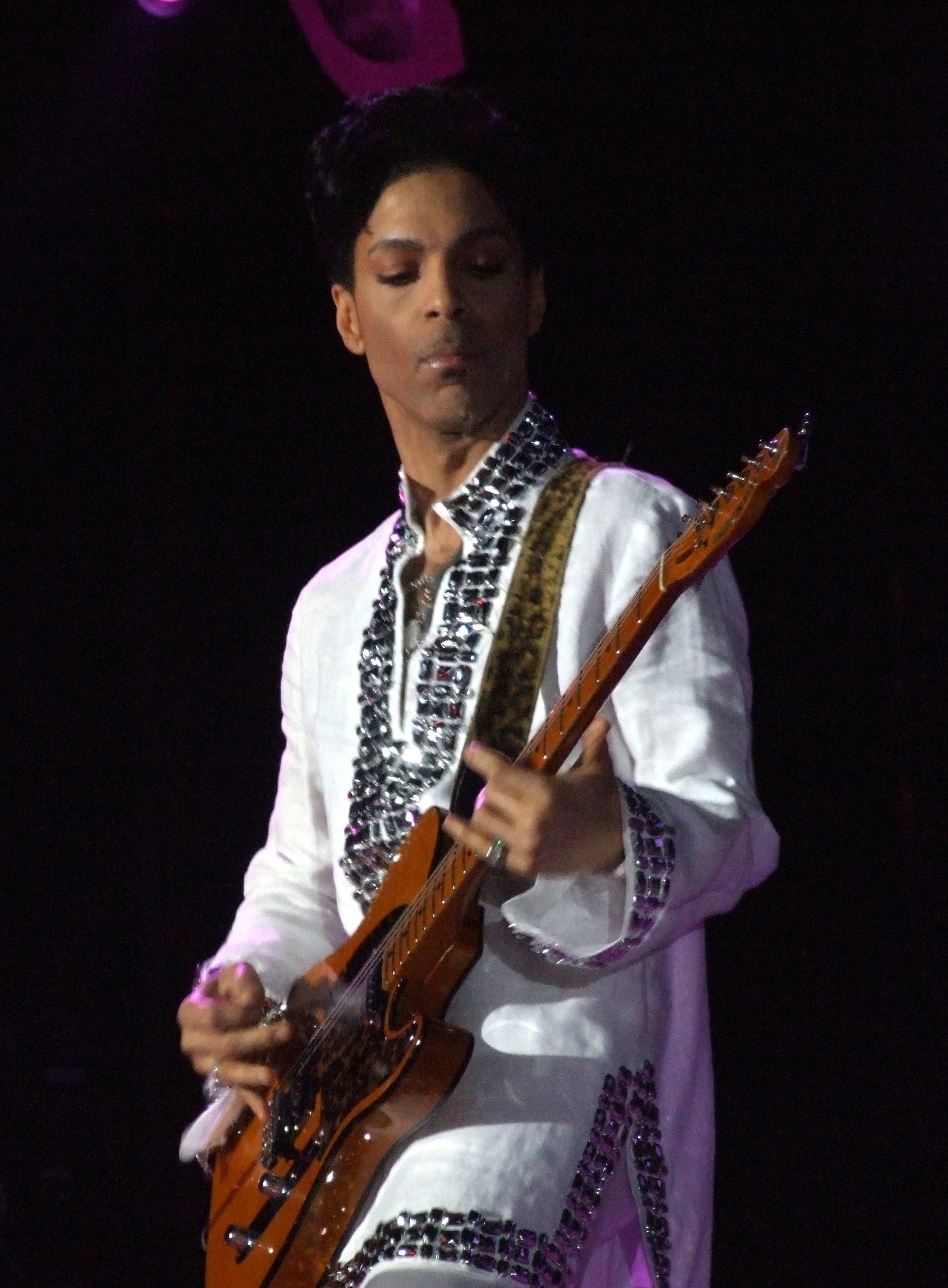
Prince originally wrote “Purple Rain” as a country song and intended to give it to Stevie Nicks. He sent her a 10-minute instrumental version and asked her to write the lyrics.
Nicks turned him down, saying it was “too overwhelming” and she didn’t know where to start. Prince kemudian changed the lyrics himself, turning it into the 8nd-minute emotional power ballad we know. The “purple rain” itself is a metaphor for the “end of the world” and being with the one you love while it “rains” blood/blue light.
But that’s nothing compared to what we found about #4…
#4 — “Hallelujah” by Leonard Cohen

Leonard Cohen reportedly wrote around 80 draft verses for “Hallelujah” over several years. Many of the original lyrics were deeply “secular” and even “erotic” compared to the spiritual version often heard today.
Cohen would famously bang his head against hotel room floors in frustration while trying to finish the song. Most people who cover it (like Jeff Buckley or Pentatonix) actually pick and choose DIFFERENT verses from Cohen’s massive original list. This is why some versions sound like a hymn while others sound like a breakup song.
But that’s nothing compared to what we found about #3…
#3 — “Since U Been Gone” by Kelly Clarkson

This song was written by Max Martin and Dr. Luke and was originally offered to P!nk, who turned it down. It was then offered to Hilary Duff, but she couldn’t hit the high notes.
The original lyrics were felt to be “too soft” for Clarkson. She famously insisted on adding more “rock” guitars to the track to make the lyrics “since you been gone” sound like a victory rather than a complaint. The addition of the “growl” in her voice changed the song’s entire emotional trajectory.
But that’s nothing compared to what we found about #2…
#2 — “One” by U2
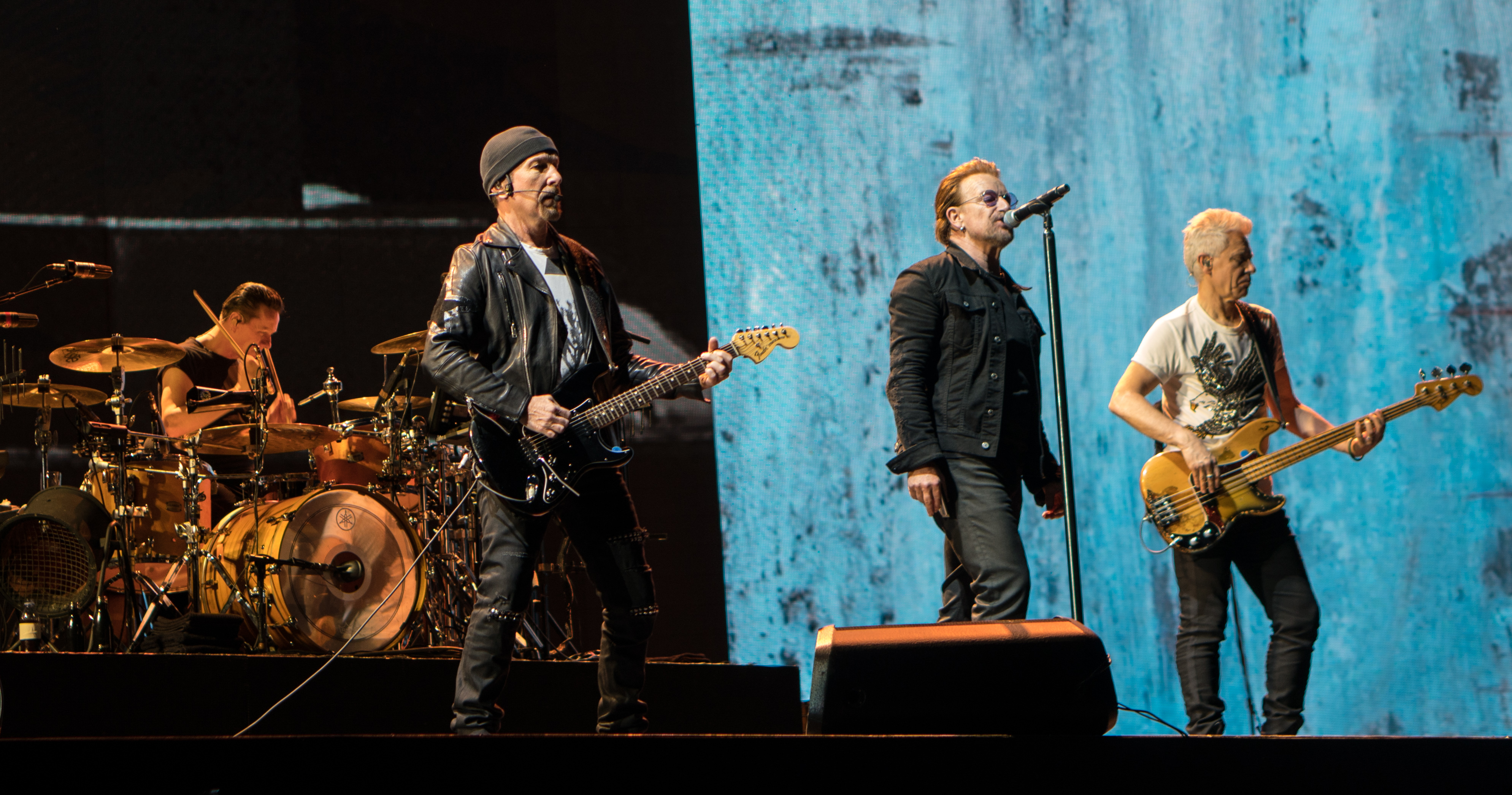
This song saved U2 from breaking up during the Achtung Baby sessions. The lyrics were originally written about the relationship between a father and his HIV-positive son.
Bono later broadened the lyrics to include themes of German Reunification and the internal band struggles. The line “we’re one, but we’re not the same” became a plea for the band members to tolerate each other. Without those specific, painful original drafts, the band likely would have split in 1991.
But that’s nothing compared to what we found about #1…
#1 — “Bohemian Rhapsody” by Queen

Freddie Mercury famously kept the “true meaning” of this song a secret, but his original handwritten notes reveal a different title: “Mongolian Rhapsody.”
In early drafts, the “Mama, just killed a man” section was part of a larger, even more complex narrative. The “Scaramouche” and “Galileo” lines were added much later as Mercury experimented with operatic sounds. Some scholars believe the original lyrics were a veiled “coming out” poem, while others think it was a literal story of a murderer. Regardless, the “original” draft was titled entirely differently, which would have changed the entire branding of the greatest rock song ever made.
The Bottom Line
It’s clear that the songs we consider “perfection” were often messy experiments. From McCartney’s “Scrambled Eggs” to Prince’s country-ballad origins, the journey from a first draft to a global hit is paved with lucky mistakes and last-minute changes. These alterations prove that songwriting is less about a single moment of inspiration and more about the courage to rewrite until it sticks. Did we miss your favorite song fact? Drop it in the comments and let us know which “original” version you’d actually want to hear!

- 38 Songs With Different Original Lyrics - August 7, 2026
- 17 Bob Dylan Lyrics That Took Fans 50 Years to Fully Understand - May 10, 2026
- 13 Travel Secrets Experienced Travelers Swear By - May 6, 2026

