

- 10 Legendary Singers Whose Voices Still Haunt Us Decades Later - August 30, 2026
- 12 Iconic Film Directors Who Never Won an Oscar (But Should Have) - August 29, 2026
- The Secrets Behind 15 Chart-Topping Songs You Thought You Knew - August 29, 2026
Imagine crafting timeless novels or poems that captivate millions, yet finding your true escape in something utterly unexpected. Famous authors, those masters of words, often dove into wildly diverse pursuits that fueled their imaginations or offered stark contrast to their literary worlds. These hidden passions reveal layers we rarely glimpse between the pages.[1]
From chasing insects across continents to tending buzzing hives, their secret hobbies shaped personalities and seeped into their stories in surprising ways. Let’s uncover these quirks that made their lives even richer. Ready to be amazed?
Vladimir Nabokov: The Butterfly Chaser
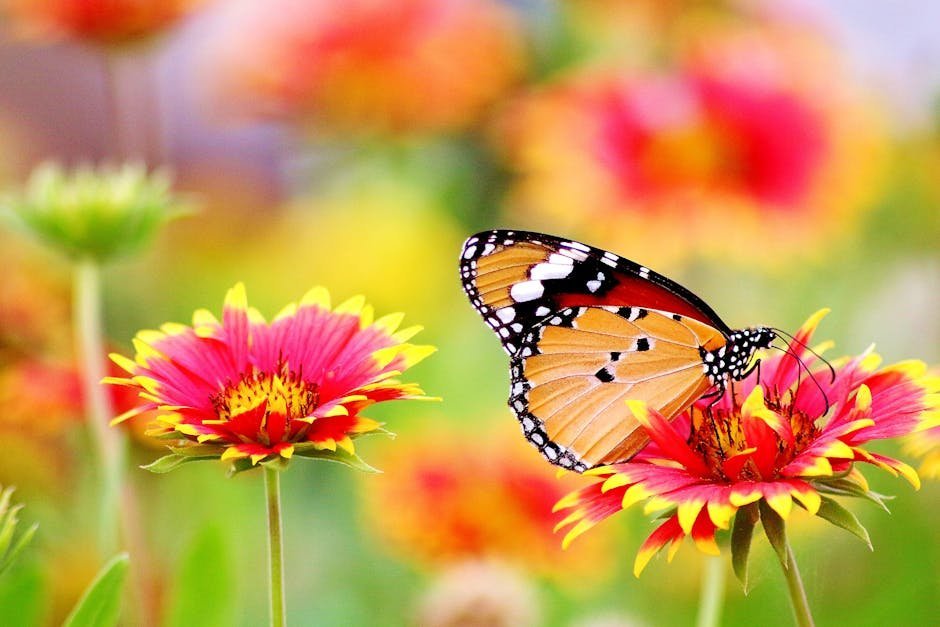
Vladimir Nabokov, renowned for Lolita, spent countless hours as a passionate lepidopterist, hunting butterflies and moths on family road trips across America. He dissected specimens with scientific precision, even discovering new species. This meticulous pursuit mirrored the detailed observations in his prose.[1]
Without the Russian Revolution upending his life, Nabokov once said he might have devoted himself entirely to butterflies over novels. His dual worlds blended curiosity and precision, turning nature’s fragility into literary inspiration. Honestly, it adds a whimsical touch to his complex legacy.
Agatha Christie: The Amateur Archaeologist

While plotting intricate murders, Agatha Christie excavated ancient sites alongside her archaeologist husband, joining digs in the Middle East. She meticulously cataloged pottery and bones, even incorporating digs into her novels like Murder in Mesopotamia. This hands-on adventure satisfied her thirst for historical mysteries beyond fiction.[2]
Her fieldwork sharpened her eye for clues, blending real artifacts with fictional whodunits. Picture the queen of crime dusting off relics under the desert sun. It shows how her intellect thrived on tangible puzzles too.
Mark Twain: The Scrapbook Inventor
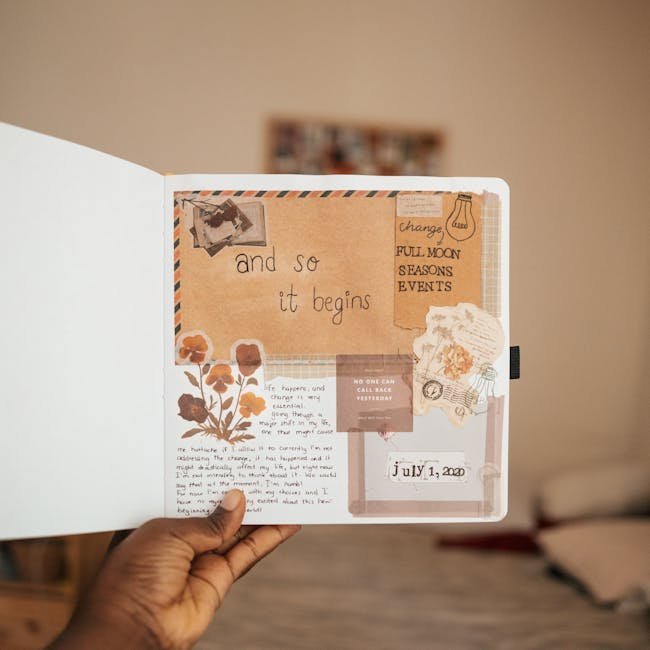
Mark Twain, the humorist behind Huckleberry Finn, obsessively compiled scrapbooks from tour clippings and souvenirs, patenting a self-pasting version frustrated by messy glue. He filled volumes with ephemera reflecting public views of his fame. This collector’s habit captured life’s chaotic snippets, much like his satirical tales.[1]
Friend to Nikola Tesla, Twain tinkered with ideas, turning mundane clippings into organized chaos. It’s a reminder that even riverboat rogues needed outlets for their restless minds. Pretty inventive for a storyteller, right?
Emily Dickinson: The Reclusive Baker
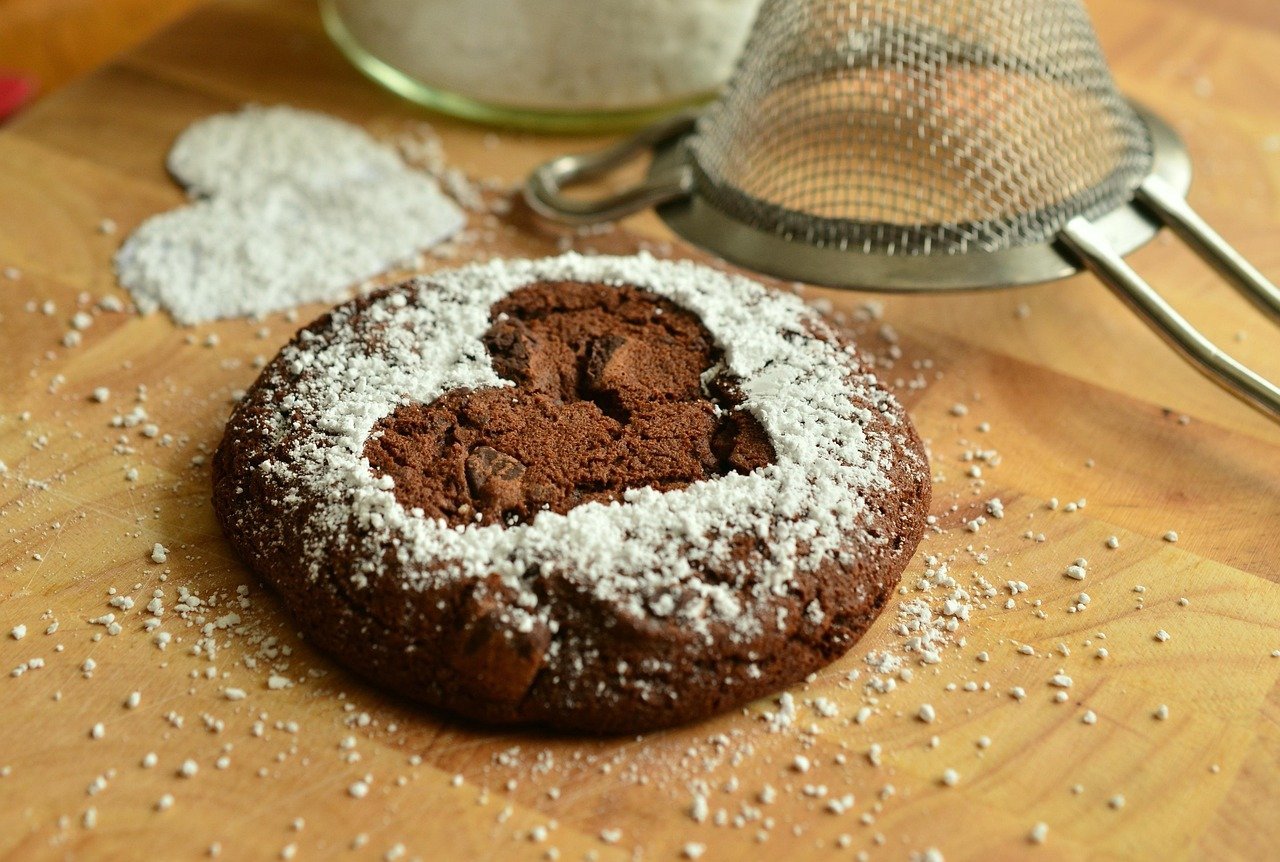
Emily Dickinson, the hermit poet of Amherst, baked treats like gingerbread, lowering baskets to neighborhood kids from her window. Surviving recipes hint at her domestic artistry amid seclusion. Baking offered quiet joy, echoing the precise, intimate imagery in her verses.[1]
Rarely venturing out, she poured creativity into flour and sugar, nurturing others indirectly. Think of her dashes and enigmas rising like dough. It humanizes the myth of her isolation.
Ayn Rand: The Stamp Enthusiast
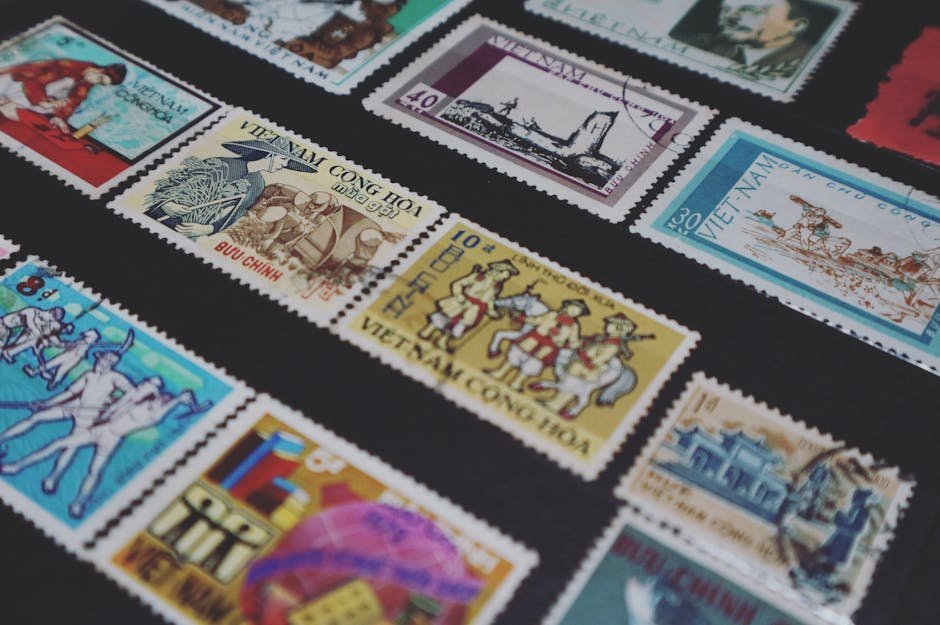
Ayn Rand, philosopher of individualism in Atlas Shrugged, meticulously collected stamps, penning an essay on why she loved their purposeful progression. She savored the history etched in tiny squares. This solitary pursuit aligned with her structured worldview, rewarding patience and discovery.[1]
Stamps symbolized achievement without chaos, fueling her rational ideals. Few matched her fervor for such a humble hobby. It grounds her fierce philosophy in everyday delight.
Sylvia Plath: The Beekeeper
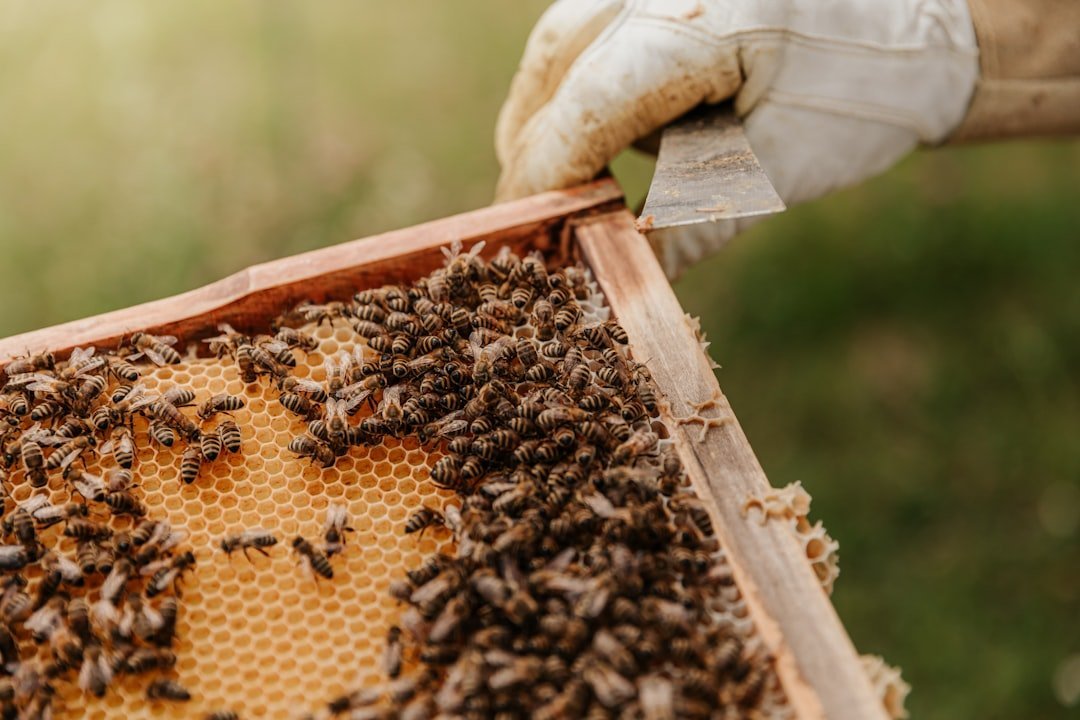
Sylvia Plath kept bees in 1962 with Ted Hughes, learning from a local midwife after her father’s entomologist legacy. She penned bee poems channeling fury and femininity. This buzzing venture tapped primal instincts amid personal turmoil.[1]
Bees mirrored her hive-mind intensity, stinging through Ariel. Short-lived yet profound, it connected her to nature’s raw pulse. I know it sounds intense, but it fits her electric soul.
Flannery O’Connor: The Peacock Breeder
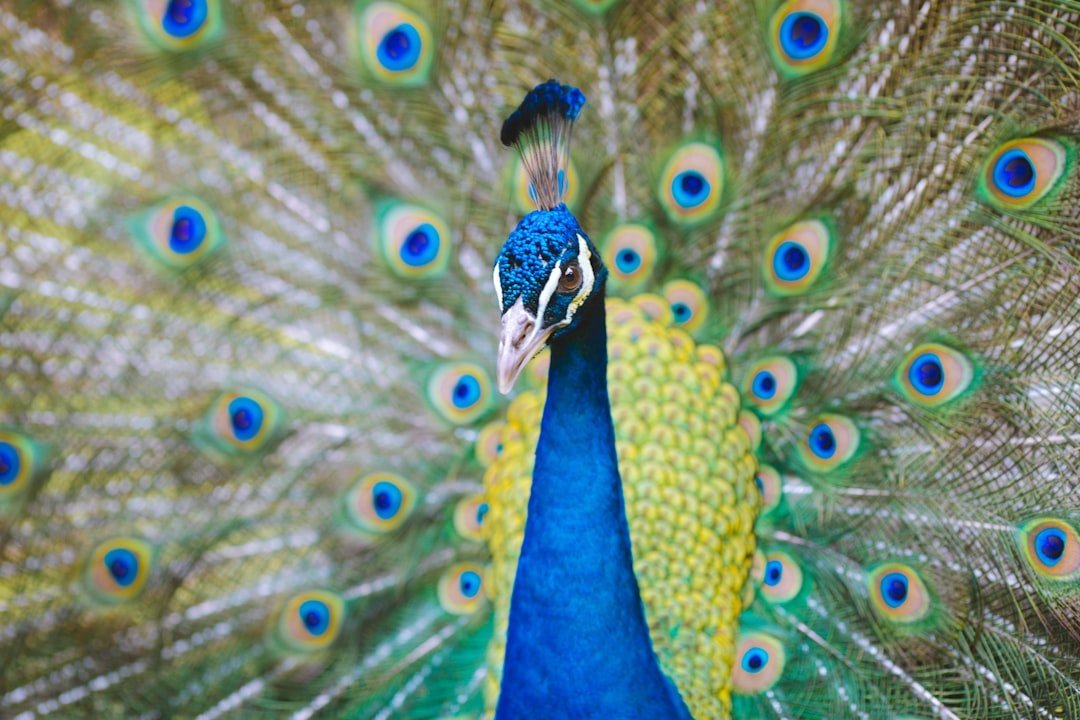
Flannery O’Connor raised over a hundred peacocks, ducks, and geese on her Georgia farm, even teaching chickens tricks as a girl. She gifted feathers to friends from her avian flock. These grotesque birds suited her Southern Gothic tales of grace amid oddity.[1]
Andalusia became a feathered sanctuary, reflecting her faith and freakish worldview. Peacocks strutted like her flawed characters seeking redemption. Her farm life deepened that unflinching gaze.
Sir Arthur Conan Doyle: The Spiritualist
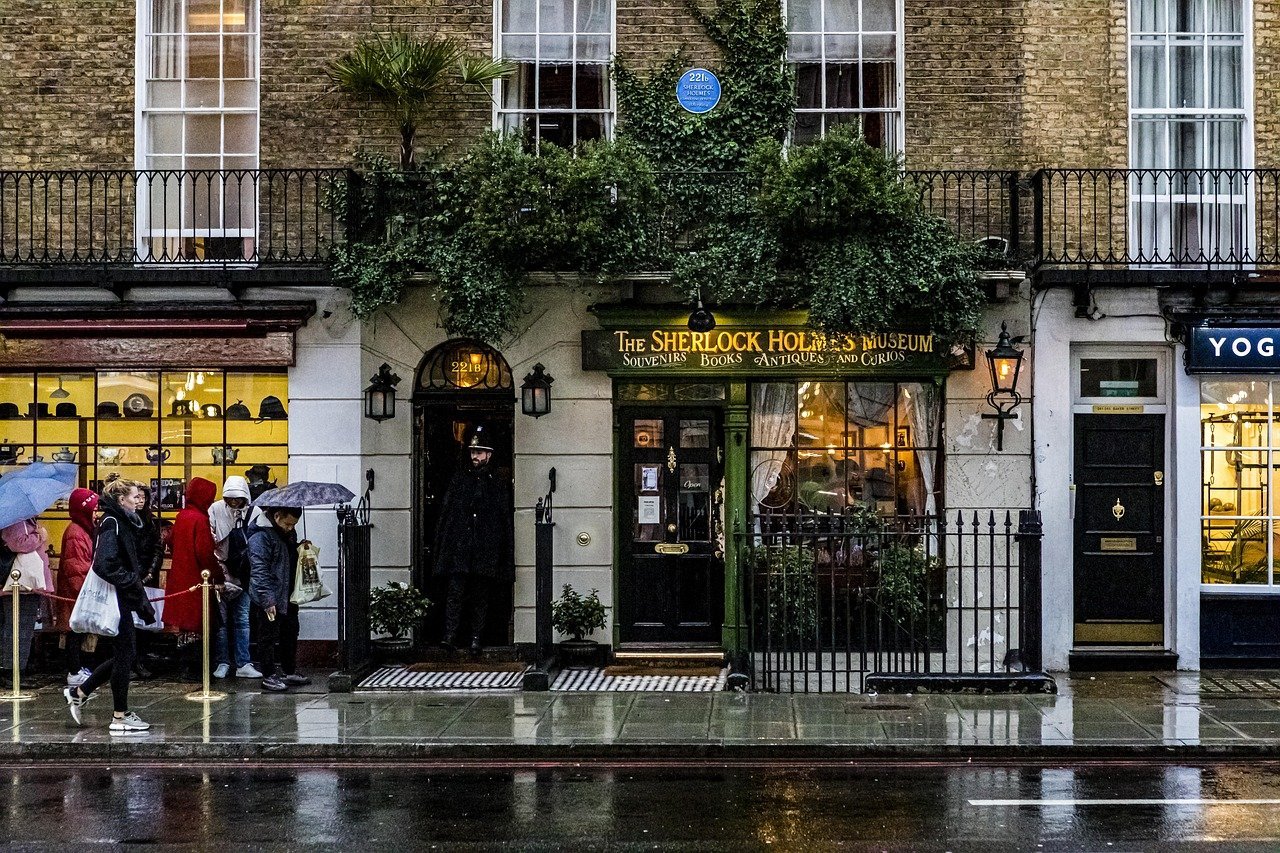
Creator of logic-driven Sherlock Holmes, Sir Arthur Conan Doyle championed spiritualism, endorsing psychics and fairy photos later debunked. He lectured worldwide on the paranormal. This fervent belief contrasted his detective’s reason, revealing a seeker beneath the rationalist.[1]
Grief fueled his quest for otherworldly proof, blending mystery with mysticism. Imagine Holmes scoffing at his own maker. It highlights the paradoxes in brilliant minds.
H.G. Wells: The Wargamer
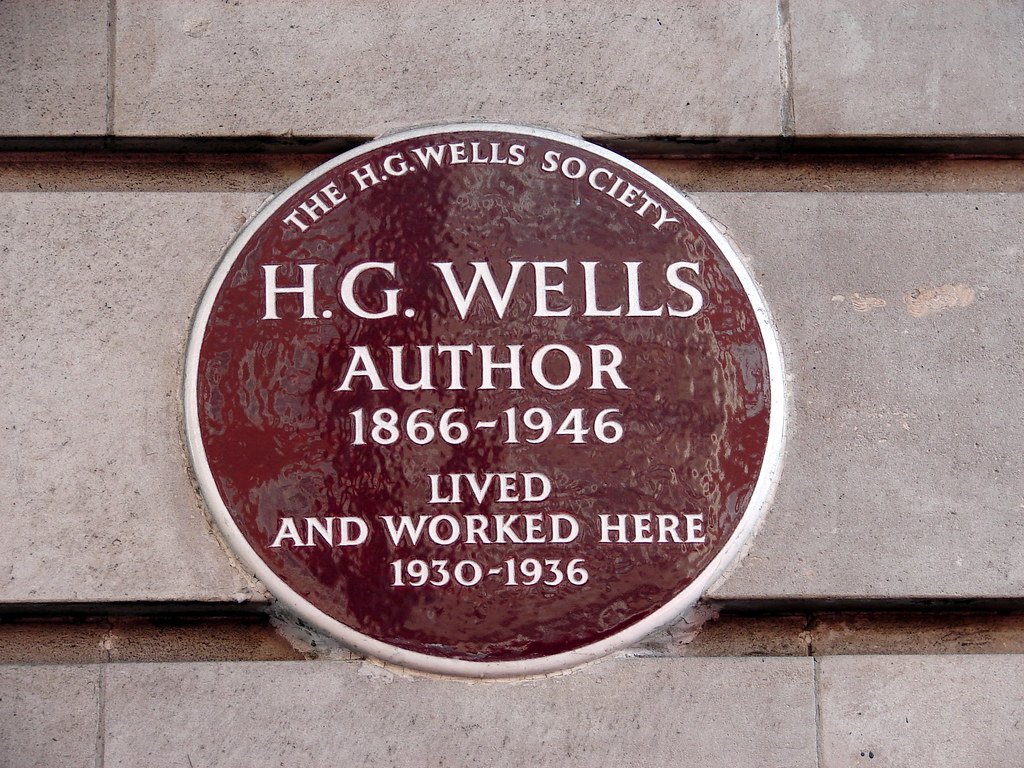
H.G. Wells, visionary of War of the Worlds, staged epic battles with toy soldiers and clockwork trains, pioneering modern wargaming. Even then, it seemed geeky. This playful strategy honed his speculative futures.[2]
His games predicted conflicts, much like his sci-fi warnings. Wells turned childhood toys into intellectual battlegrounds. Ahead of his time, as always.
Leo Tolstoy: The Chess Master
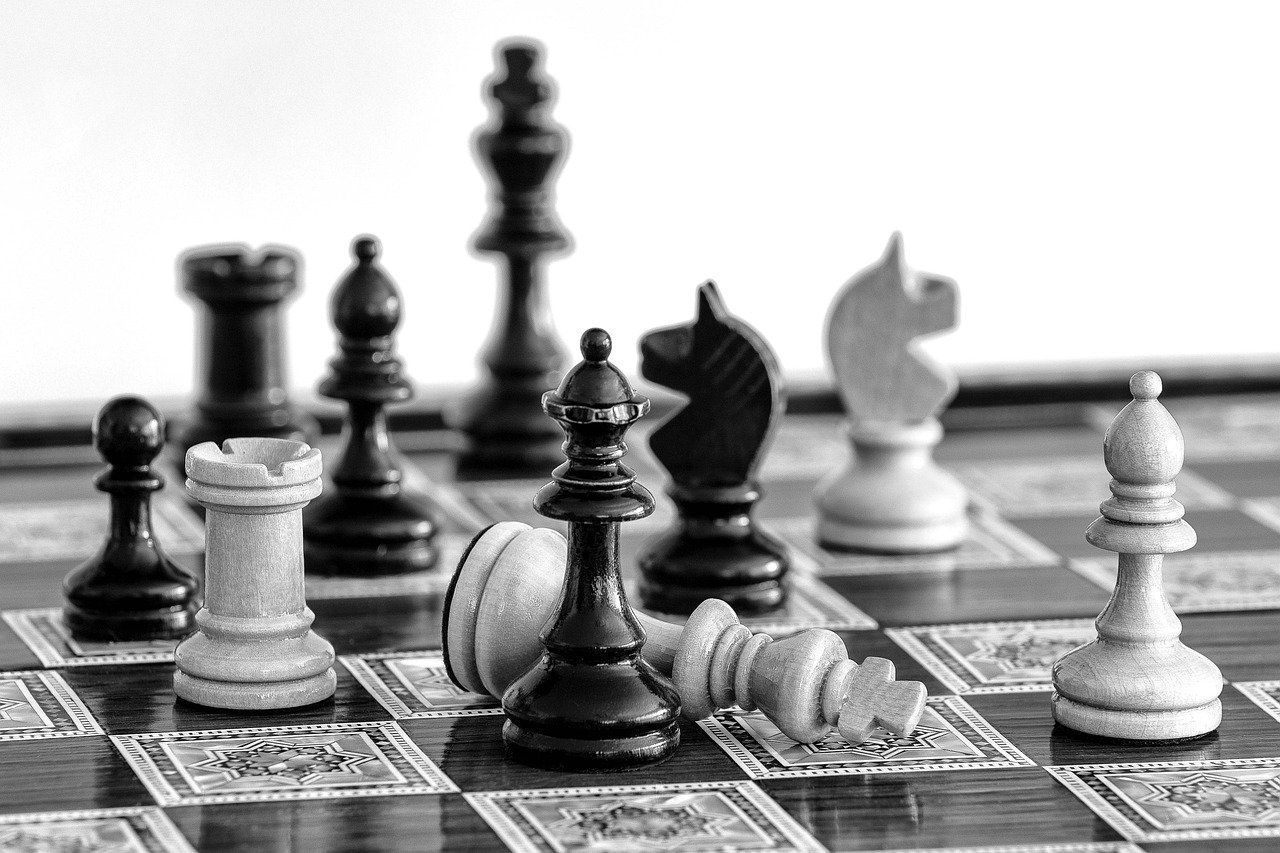
Leo Tolstoy, epic chronicler of War and Peace, excelled at chess, challenging intellectuals across Russia. He pondered moves like life’s moral dilemmas. This strategic game sharpened his philosophical depths.[2]
Chess mirrored human folly and strategy in his vast narratives. Tolstoy’s board became a microcosm of existence. Skill there fueled his moral chessboard.
Victor Hugo: The Talented Painter
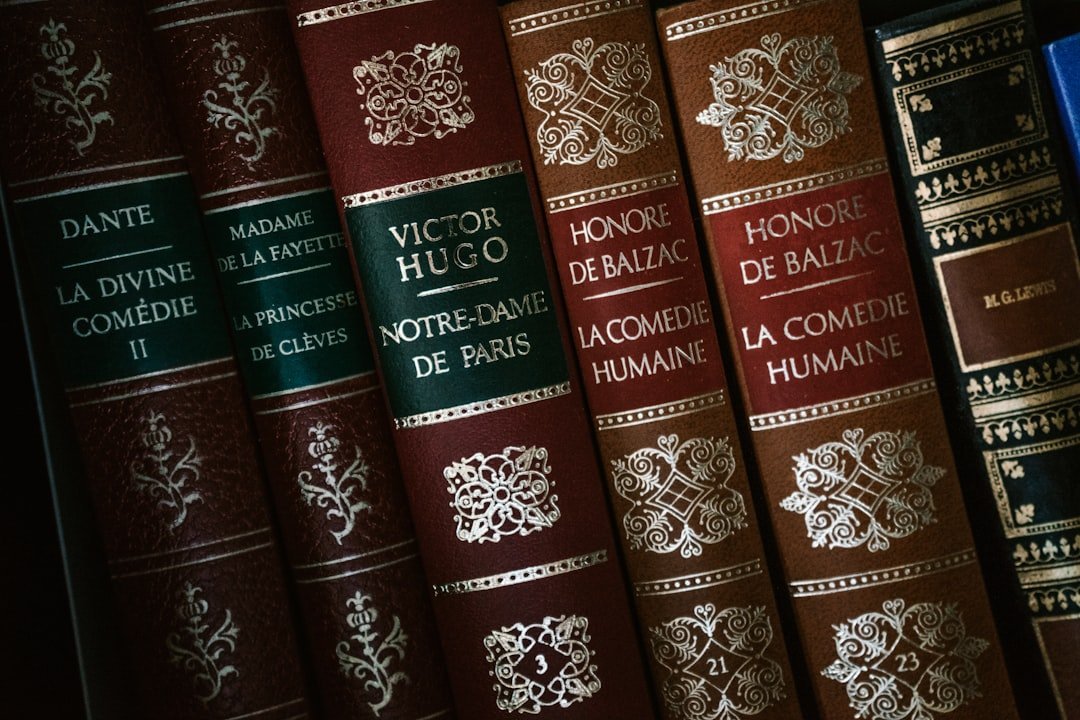
Victor Hugo, romantic giant of Les Misérables, produced hundreds of paintings, from haunting portraits to fantastical scenes using unconventional materials like charcoal on paper. Exiled on Guernsey, art exploded creatively. It channeled his dramatic soul visually.[2]
His works echoed gothic intensity in prose, blending words and images. Pretty wild for France’s literary titan. Art revealed his boundless imagination unbound by text.
J.R.R. Tolkien: The Language Inventor
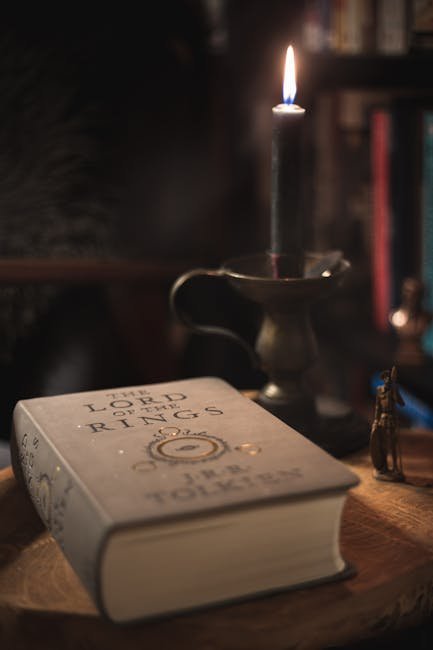
J.R.R. Tolkien called inventing languages his “mad hobby,” crafting Elvish, Dwarvish, and more for Middle-earth long before The Hobbit. Phonetics fascinated him deeply. This linguistic play built immersive worlds.[2]
Languages breathed life into his myths, rooted in scholarly passion. Like a philologist’s dream turned legend. It shows creation starts with secret obsessions.
Conclusion: Lives Beyond the Page
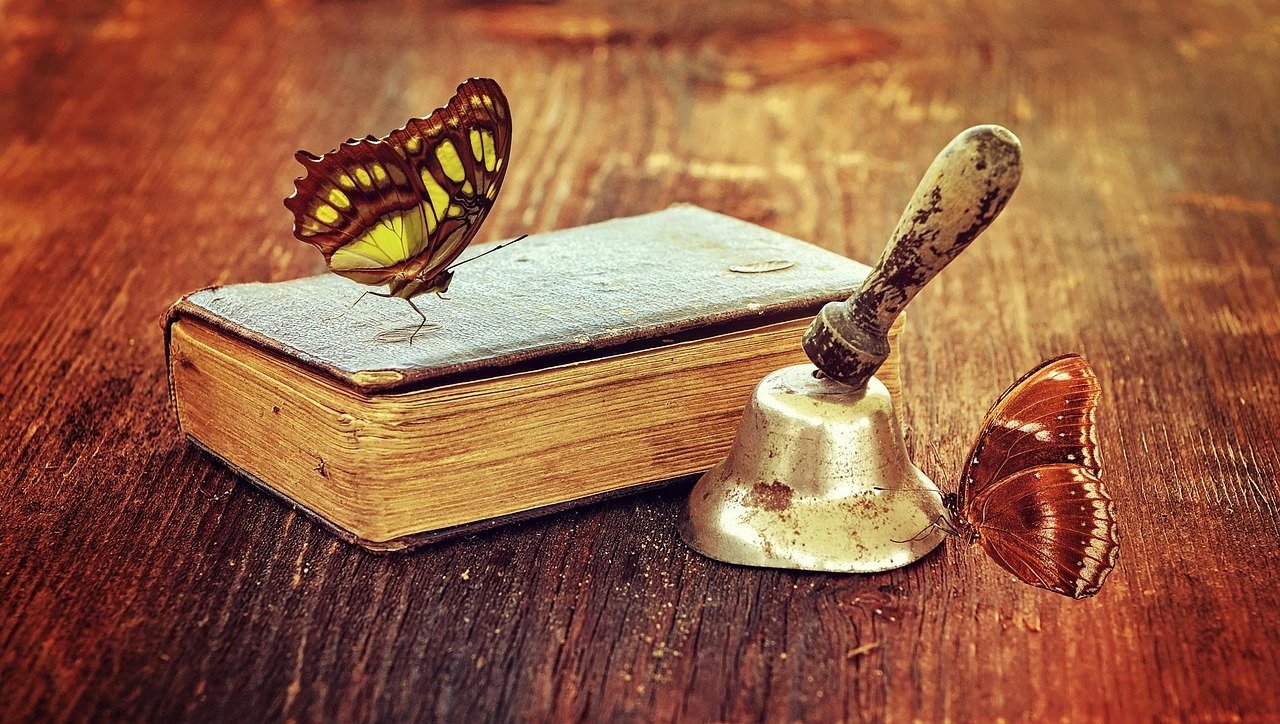
These authors prove genius thrives on unexpected detours, from nets and hives to stamps and soldiers. Their hobbies enriched inner worlds, spilling into masterpieces we cherish. Who knew such variety hid behind literary fame?
Next time you read their words, picture those butterflies or peacocks dancing in the margins. What secret hobby fuels your creativity? Share in the comments – what surprises you most here?
CEO-Co-Founder
