

- 10 Legendary Summer Anthems That Defined a Generation of Festival-Goers - August 31, 2026
- True Art Transcends Generations, Speaking to Every Soul That Encounters It. - August 31, 2026
- 10 Fashion Trends From the Past That Deserve a Dramatic Comeback - August 31, 2026
Some places across the country hold onto their past so tightly that a single visit can shift your sense of time. These spots keep old buildings, traditions, and rhythms intact, offering a quiet reminder of earlier eras without any modern gloss. Travelers often find themselves drawn to the way history lingers in everyday details like brick sidewalks or horse-drawn carriages.
Galena, Illinois
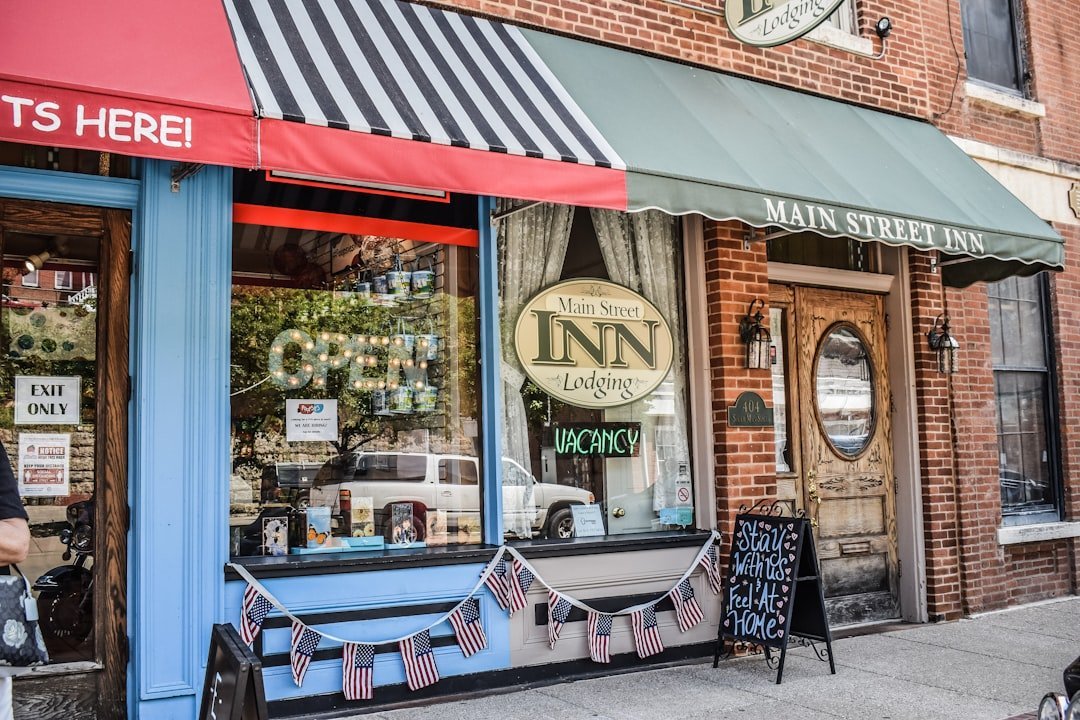
Galena sits in the rolling hills of northwest Illinois and still carries the look of its 19th-century lead-mining boom. Nearly every structure along Main Street dates back to that period, with ornate brick facades and wooden storefronts that have changed little since the Civil War era. The town once served as home to Ulysses S. Grant before he rose to national fame, and that connection remains visible in preserved homes and markers.
Visitors notice how the absence of chain stores and tall buildings keeps the scale intimate and unchanged. Horse-drawn carriage tours roll past the same river views that miners saw generations ago. Local shops sell antiques and goods in spaces that once housed saloons and general stores, reinforcing the sense that daily life here has simply continued rather than been recreated.
Mackinac Island, Michigan
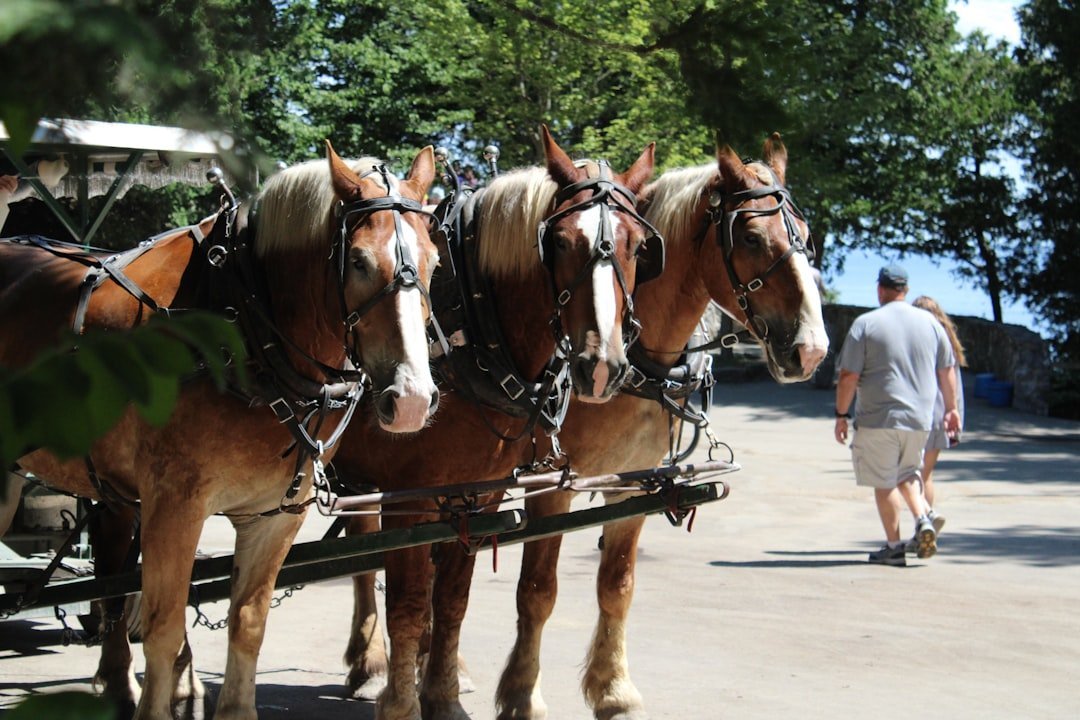
Mackinac Island bans motor vehicles, so the only sounds are the clip-clop of horses and the gentle hum of bicycles along its streets. Victorian-era hotels and homes line the waterfront, their white porches and gingerbread trim looking exactly as they did in the late 1800s. The island once served as a key fur-trading post and later a summer resort for wealthy families from Detroit and Chicago.
Fort Mackinac still stands on the bluff, its cannons and barracks maintained as they were during the War of 1812. Fudge shops operate in the same wooden buildings where candy makers worked a century ago. The entire place moves at a slower pace that matches its preserved architecture and limited modern intrusions.
Colonial Williamsburg, Virginia

Colonial Williamsburg recreates an entire 18th-century capital with costumed interpreters walking the streets and demonstrating daily tasks from that time. Original and reconstructed buildings include the Capitol, the Governor’s Palace, and dozens of homes and shops that reflect life before the American Revolution. The town was deliberately restored in the 1920s to show how people lived, worked, and governed in the colonial period.
Brick paths and wooden fences create a continuous scene that feels untouched by later centuries. Visitors can watch blacksmiths at work or join discussions about the debates that led to independence. The living history approach keeps the atmosphere immersive rather than static.
Bodie, California
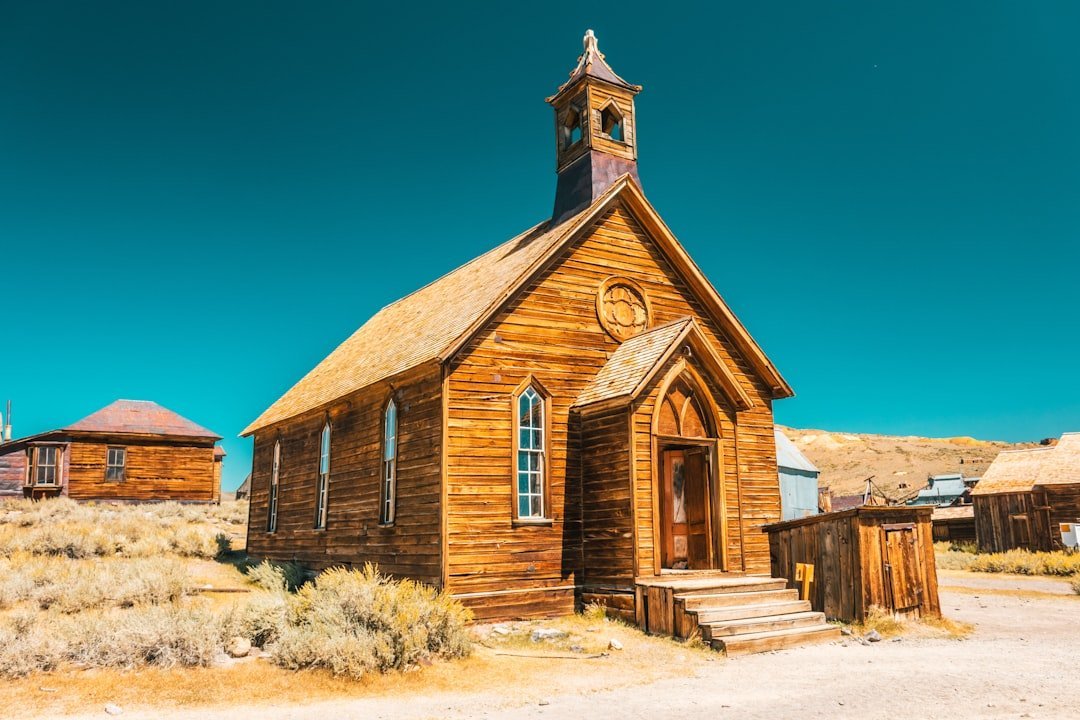
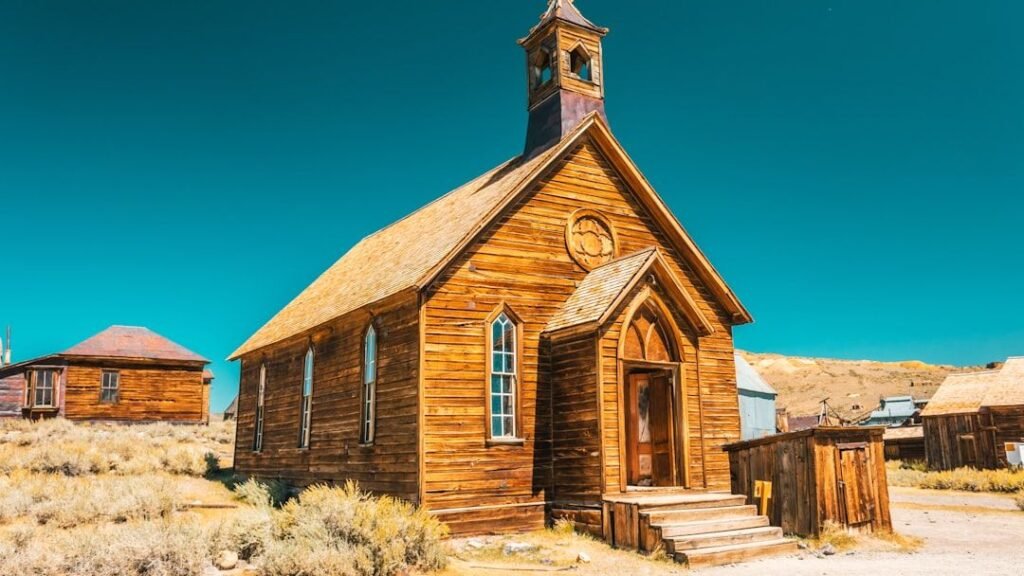
Bodie stands as a true ghost town in the high desert of eastern California, its wooden buildings left exactly where they stood when the gold rush ended. Saloons, homes, and a schoolhouse remain in various states of decay, with interiors still holding furniture and tools from the 1880s. The town once supported thousands of miners, and its remote location helped preserve the structures after the population left.
State park rules limit changes, so the site retains its weathered, abandoned quality. Rusty mining equipment sits where it was abandoned, and the main street shows the layout of a once-bustling camp. The stark landscape around it adds to the feeling of stepping into a moment frozen decades ago.
Deadwood, South Dakota
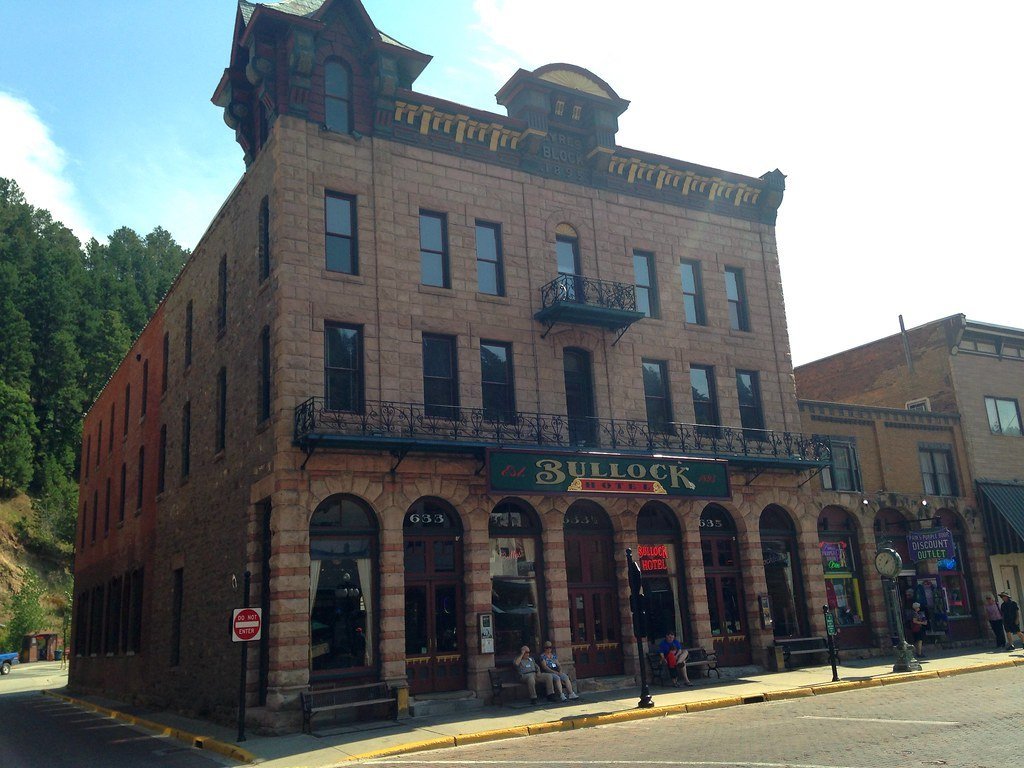
Deadwood keeps its Wild West character alive through its narrow main street lined with saloons and hotels from the gold rush days. The town gained fame during the 1870s when prospectors flooded the Black Hills, and many original buildings still stand. Reenactments of shootouts and trials happen regularly, echoing the lawless reputation that once defined the place.
Historic trains still run on tracks laid in the mining era, offering rides through the surrounding hills. The Mount Moriah Cemetery holds graves of figures like Wild Bill Hickok, and the town’s architecture mixes Victorian and frontier styles without later additions. Daily life here blends preservation with the same rugged setting that drew settlers long ago.
St. Augustine, Florida

St. Augustine claims the title of the oldest continuously occupied European settlement in the United States, founded in 1565. Its narrow streets and coquina-stone buildings reflect Spanish colonial roots, with the Castillo de San Marcos fort guarding the harbor as it has for centuries. The town’s layout follows the original grid set by early governors.
Many homes and churches date back to the 1700s and 1800s, their thick walls and tiled roofs unchanged by later development. Horse-drawn carriages pass under ancient oak trees, and the waterfront retains the feel of a port from the age of exploration. Local efforts have kept new construction in scale with the historic core.
Cape May, New Jersey
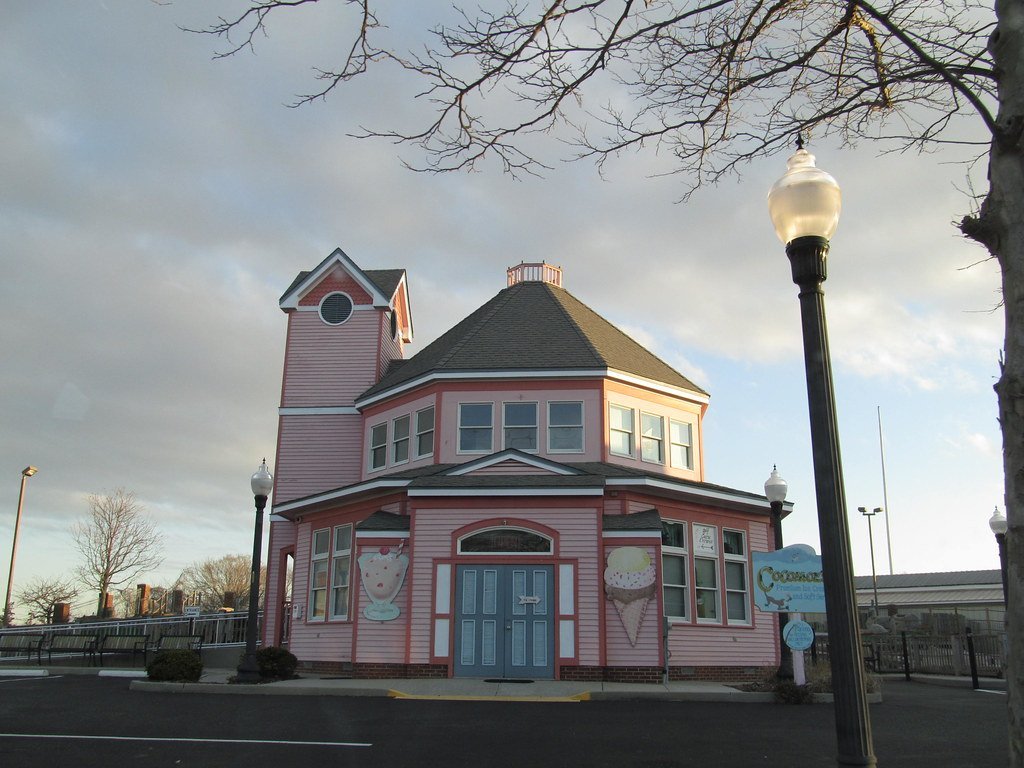
Cape May features one of the largest collections of Victorian architecture in the country, with hundreds of colorful homes and hotels built after a devastating fire in the 1870s. The seaside resort town became a favorite escape for city dwellers in the late 19th century, and its gingerbread trim and wide porches remain intact. The entire historic district sits on a peninsula that has seen little modern sprawl.
Gas lamps still light some streets at night, and the boardwalk echoes the era when families arrived by steamship. Many buildings now serve as bed-and-breakfasts, preserving their original interiors and details. The ocean views and quiet lanes create a consistent atmosphere from that golden age of American seaside vacations.
Beaufort, South Carolina
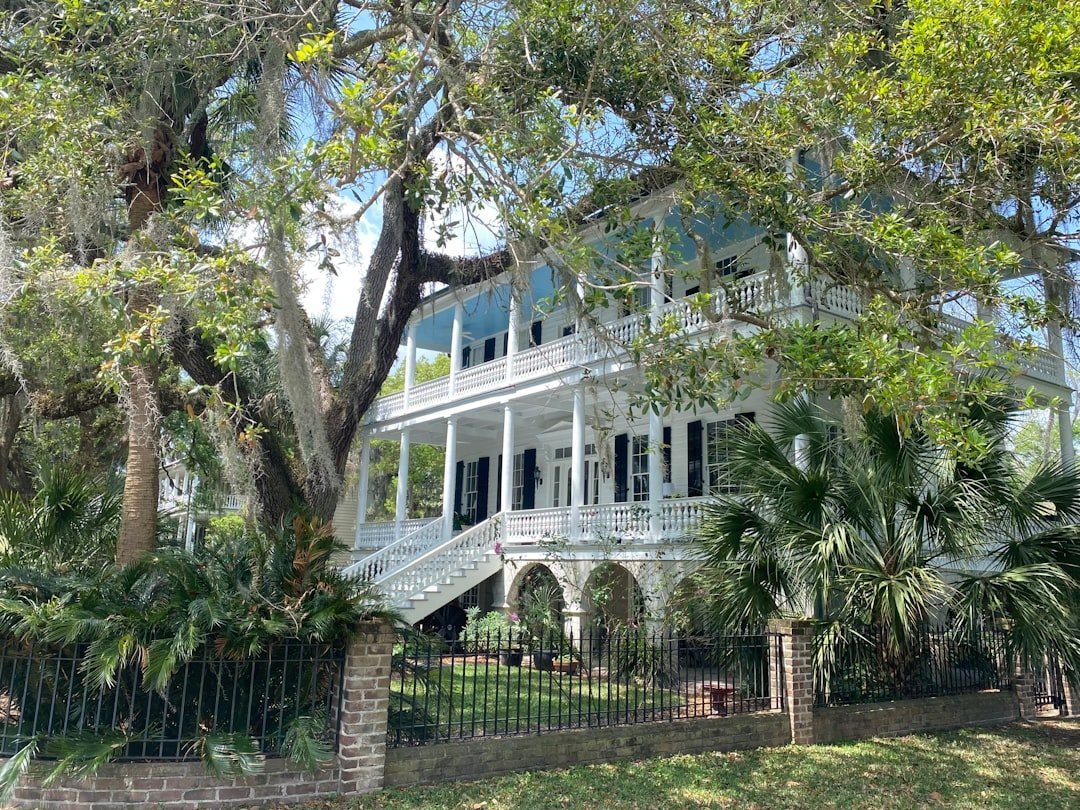
Beaufort preserves antebellum homes and live oaks draped in Spanish moss along its waterfront streets. Founded in the early 1700s, the town grew wealthy from rice and cotton plantations, and many grand houses from before the Civil War still stand. The historic district includes churches and public buildings that survived the conflict with minimal change.
Wide verandas and tabby construction give the homes a distinctive Southern character that feels rooted in the 19th century. Quiet squares and river views remain much as they appeared when the town served as a key port. Preservation rules have kept the scale and materials consistent across the old neighborhoods.
Jim Thorpe, Pennsylvania
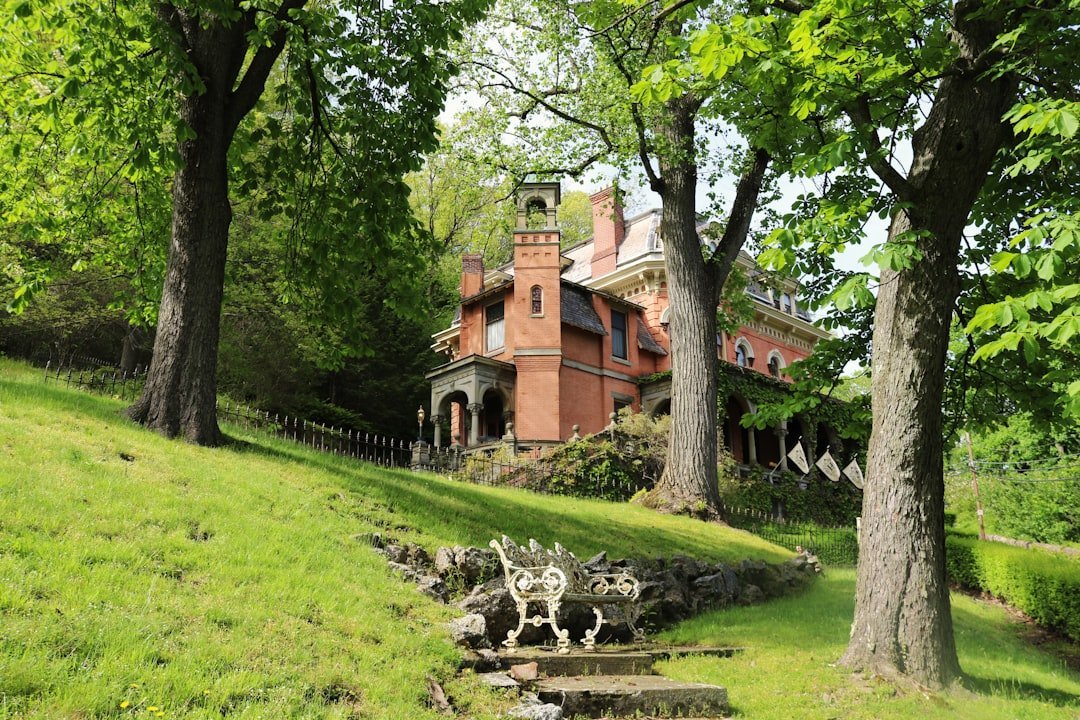
Jim Thorpe nestles in the Pocono Mountains with its Victorian buildings and steep streets that recall the coal and railroad boom of the late 1800s. The town was once a bustling hub for miners and travelers, and its opera house, hotels, and shops retain their ornate details. The surrounding hills and river add to the sense of isolation from later development.
Many structures now house small museums or shops that highlight the industrial past without altering the facades. Narrow alleys and stone bridges keep the layout compact and unchanged. The overall feel matches photographs from the town’s peak as a mountain resort destination.
Bisbee, Arizona
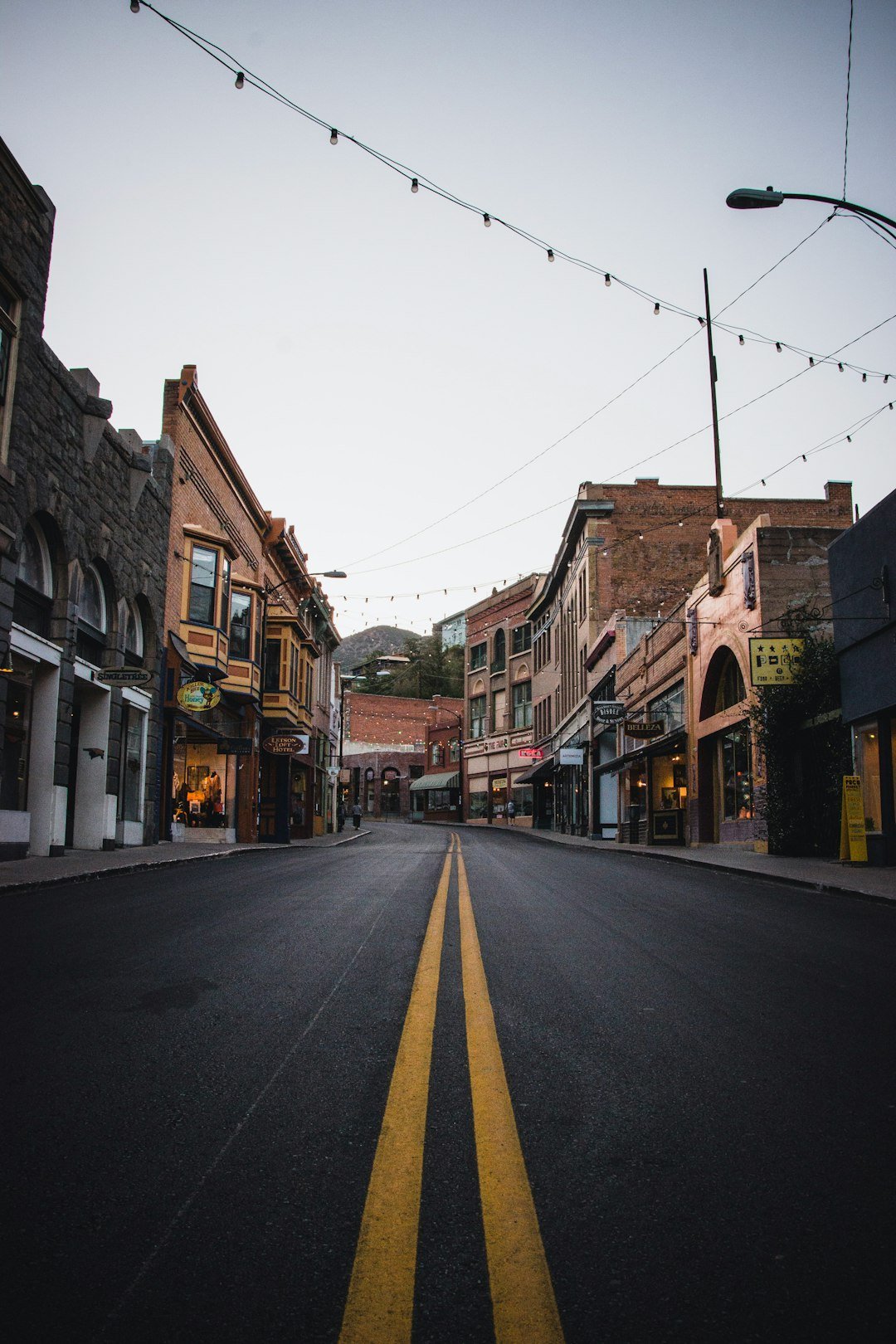
Bisbee clings to the hillsides of southern Arizona with its colorful Victorian homes and mining structures from the copper boom. Founded in the 1880s, the town once ranked among the richest mineral sites in the world, and its narrow streets and staircases still follow the original mining camp layout. The Lavender Pit mine remains visible as a reminder of the industry that shaped everything.
Old saloons and hotels operate in buildings that have stood for over a century, their interiors largely untouched. The high desert setting and lack of suburban growth help maintain the rugged, turn-of-the-century character. Artists and residents have restored many properties while keeping the historic fabric intact.
Leadville, Colorado
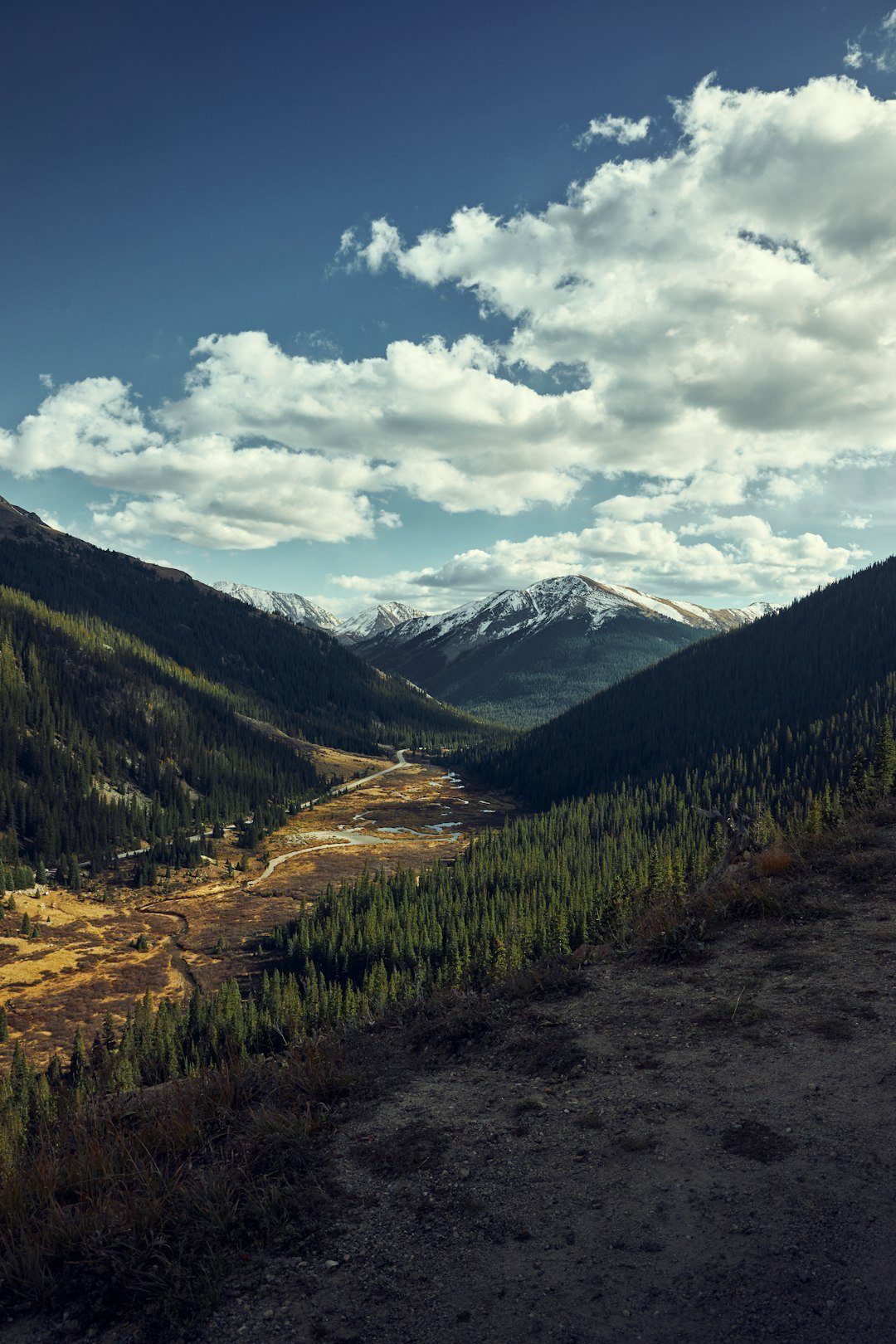
Leadville sits at high elevation in the Rockies and still shows the marks of its silver mining heyday in the 1880s. The town once held more than 40,000 residents, and its opera house, hotels, and saloons from that era remain standing along Harrison Avenue. The surrounding mountains and old mine shafts reinforce the frontier mining atmosphere.
Many buildings now serve as museums or shops that display artifacts from the boom years without modern overlays. The thin air and remote location have helped limit later construction. Daily life moves among structures that look much as they did when silver prices drove the local economy.
Rugby, Tennessee
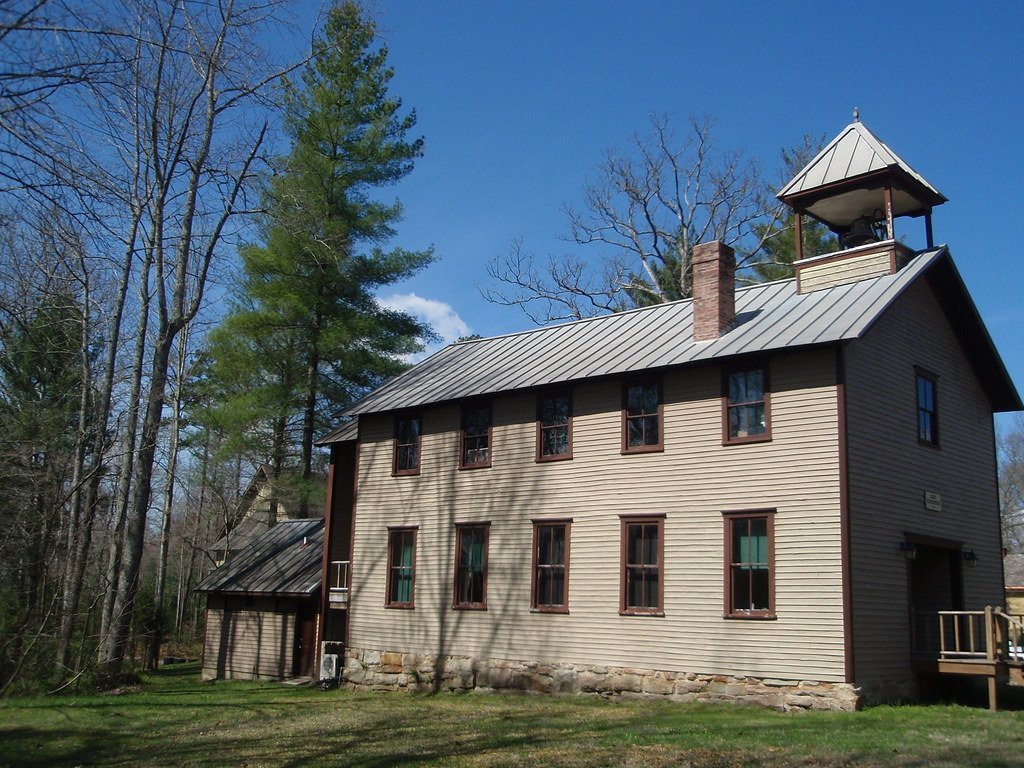
Rugby was founded in 1880 as a utopian colony for British immigrants seeking a fresh start in the American South. The Victorian-style buildings, including the library and several homes, stand much as they did when the experiment began. The community lasted only a decade before fading, yet the structures survived in the remote Cumberland Plateau setting.
Today the site functions as a living history area where visitors can explore the original architecture and grounds. The quiet forest surroundings and lack of later development keep the colony’s planned layout visible. The buildings reflect British design influences that contrast with typical American frontier styles of the time.
Santa Fe, New Mexico
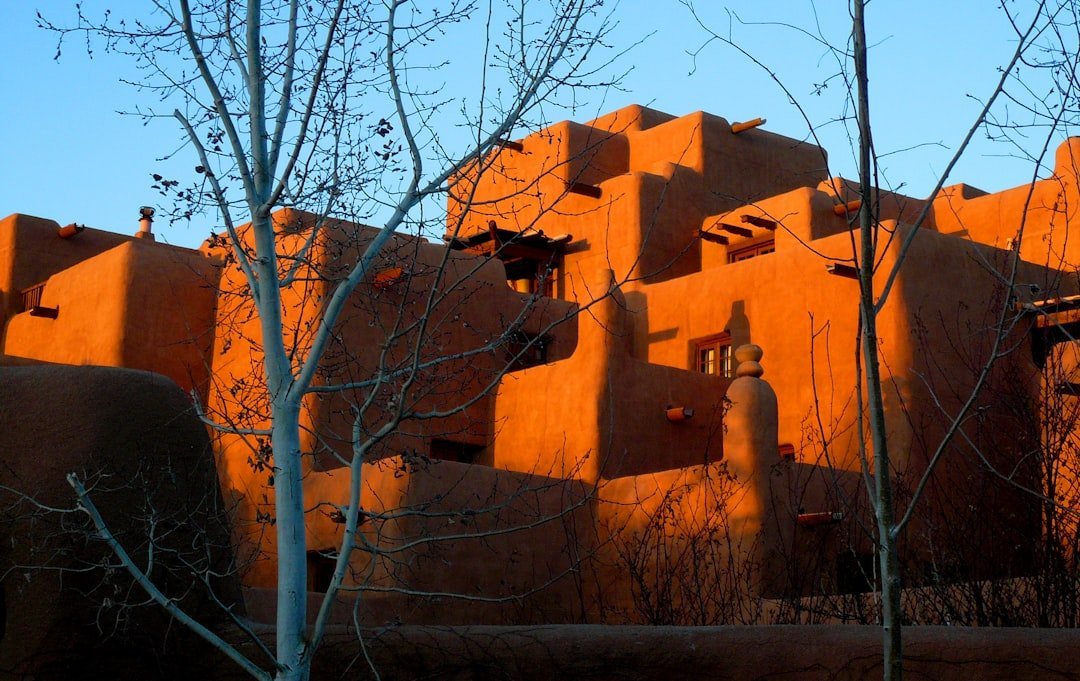
Santa Fe maintains its adobe architecture and plaza layout that date back to its founding in 1610 as a Spanish colonial capital. The low, earth-toned buildings and narrow streets follow rules that require new construction to match the historic style. The city served as a key stop on the Santa Fe Trail, and that trading heritage remains visible in the preserved core.
Churches and government buildings from the 18th and 19th centuries anchor the downtown area. The high desert light and mountain backdrop add to the timeless quality. Local ordinances have protected the scale and materials that give the city its distinctive Southwestern character.
Savannah, Georgia
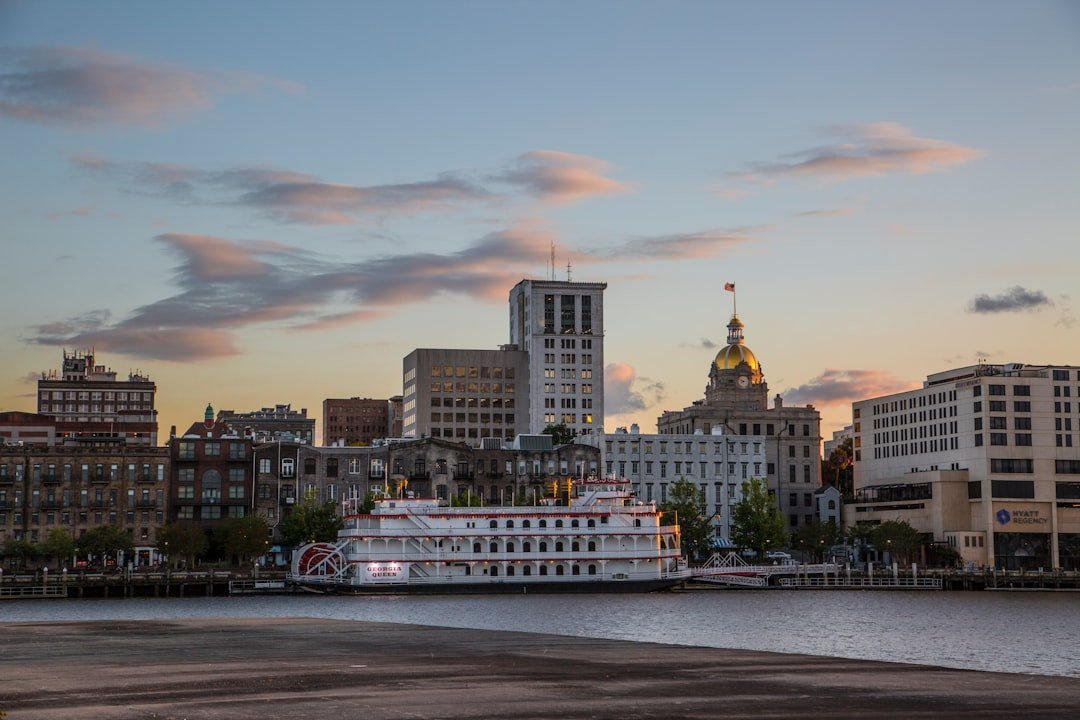
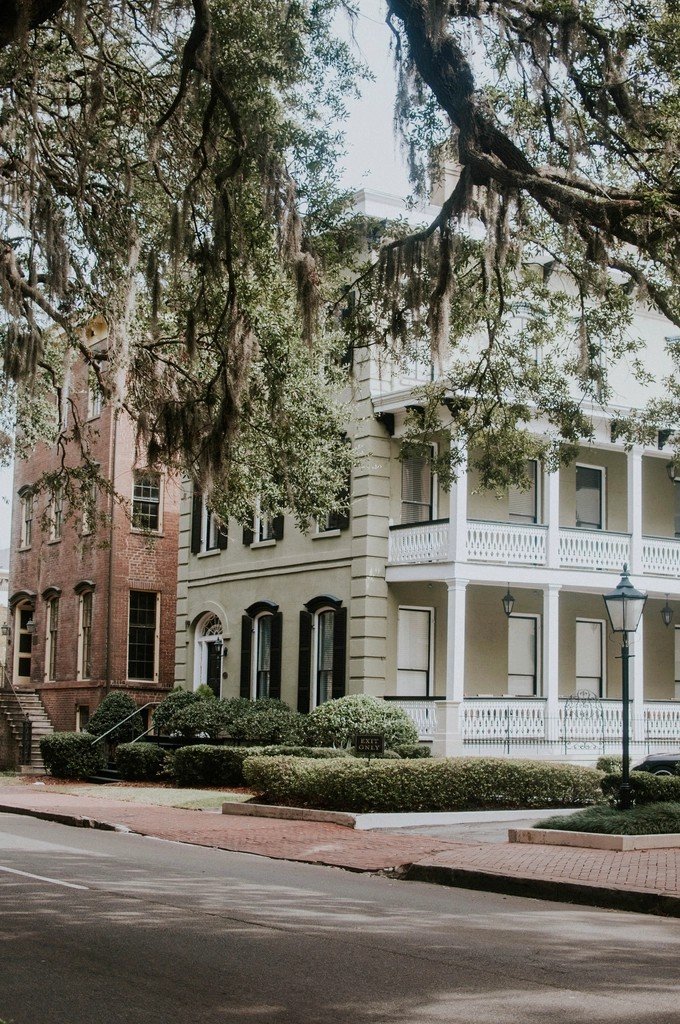
Savannah features a grid of squares lined with moss-draped oaks and homes from the 18th and 19th centuries. Founded in 1733, the city grew into a major cotton port, and its historic district holds one of the largest collections of preserved buildings in the South. The layout of parks and streets has changed little since the original plan.
Many mansions now operate as inns or museums, their interiors and facades reflecting the antebellum and Victorian periods. The riverfront and cobblestone lanes keep the port-town feel intact. Preservation efforts have focused on maintaining the balance between residential use and historic integrity.
Harpers Ferry, West Virginia
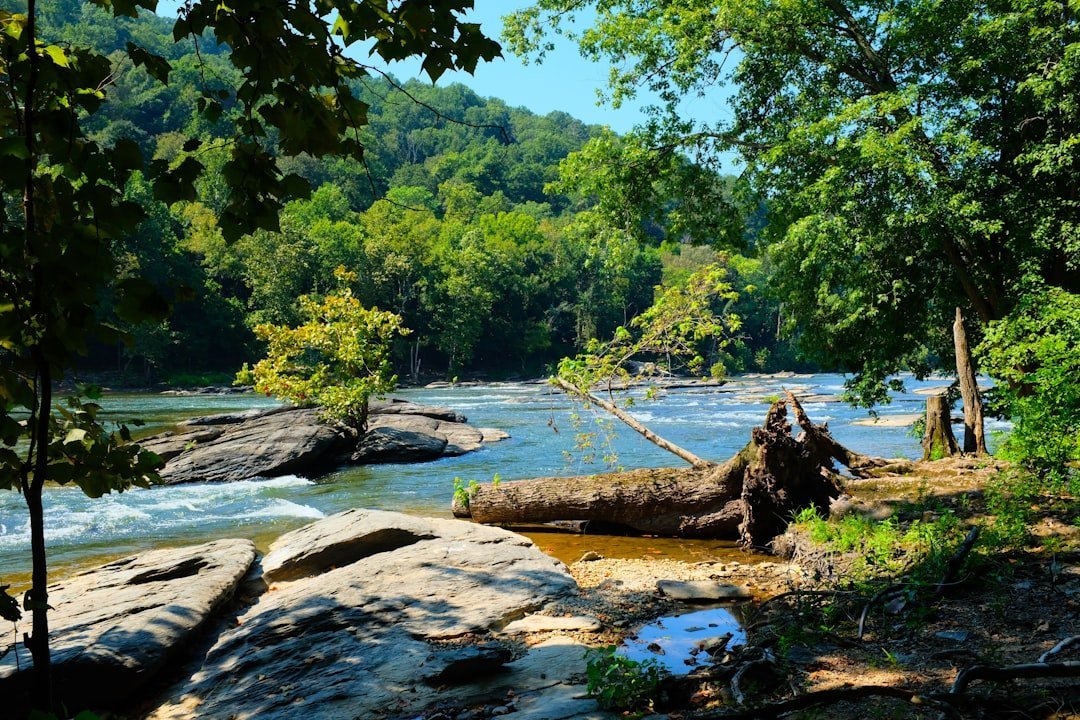
Harpers Ferry sits at the confluence of two rivers where John Brown’s raid helped spark the Civil War. The town’s steep streets and stone buildings date mostly to the early 1800s, when it served as a key armory and transportation hub. The National Historical Park now protects the core area, keeping structures from the industrial and conflict eras in place.
Visitors walk the same paths that soldiers and residents used during the mid-19th century. The surrounding mountains and river views remain unchanged, adding to the sense of isolation. Museums and restored homes display artifacts that connect directly to the events that unfolded here.
The Enduring Value of These Places
These destinations show how careful preservation lets later generations experience the textures and scale of earlier American life. They stand as living records of industry, conflict, settlement, and daily routines that shaped the nation. When visitors walk their streets, they gain a direct sense of continuity that books or images cannot fully convey.
Protecting such sites requires ongoing effort from communities and visitors alike. The result is a richer understanding of where the country has been and how those roots still influence the present. In a fast-changing world, these spots offer steady points of connection to the past.
CEO-Co-Founder
