

- 10 Classic Rock Albums That Still Sound Fresh Today - September 19, 2026
- 15 Books: The 20 Greatest Music Collabs We Never Got — But Almost Did - September 19, 2026
- 15 Books That Were Turned Down by Publishers — Then Sold Millions - September 19, 2026
Gardening lore gets passed down like family heirlooms, from grandparents whispering tips over backyard fences to viral posts flooding social media feeds. These tales stick around because they sound sensible at first glance, even as modern horticultural research from places like university extensions and the Royal Horticultural Society piles up evidence against them. Honestly, it’s frustrating how one bad habit can doom a whole season of plants.
Yet here’s the good news: experts have tested these ideas rigorously, and the truths are simpler and more effective than the old wives’ tales. Stick with me as we bust nine stubborn myths that keep popping up, backed by solid science.[1][2] You’ll walk away ready to garden smarter.
1. Myth: Gravel in the Bottom of Pots Improves Drainage
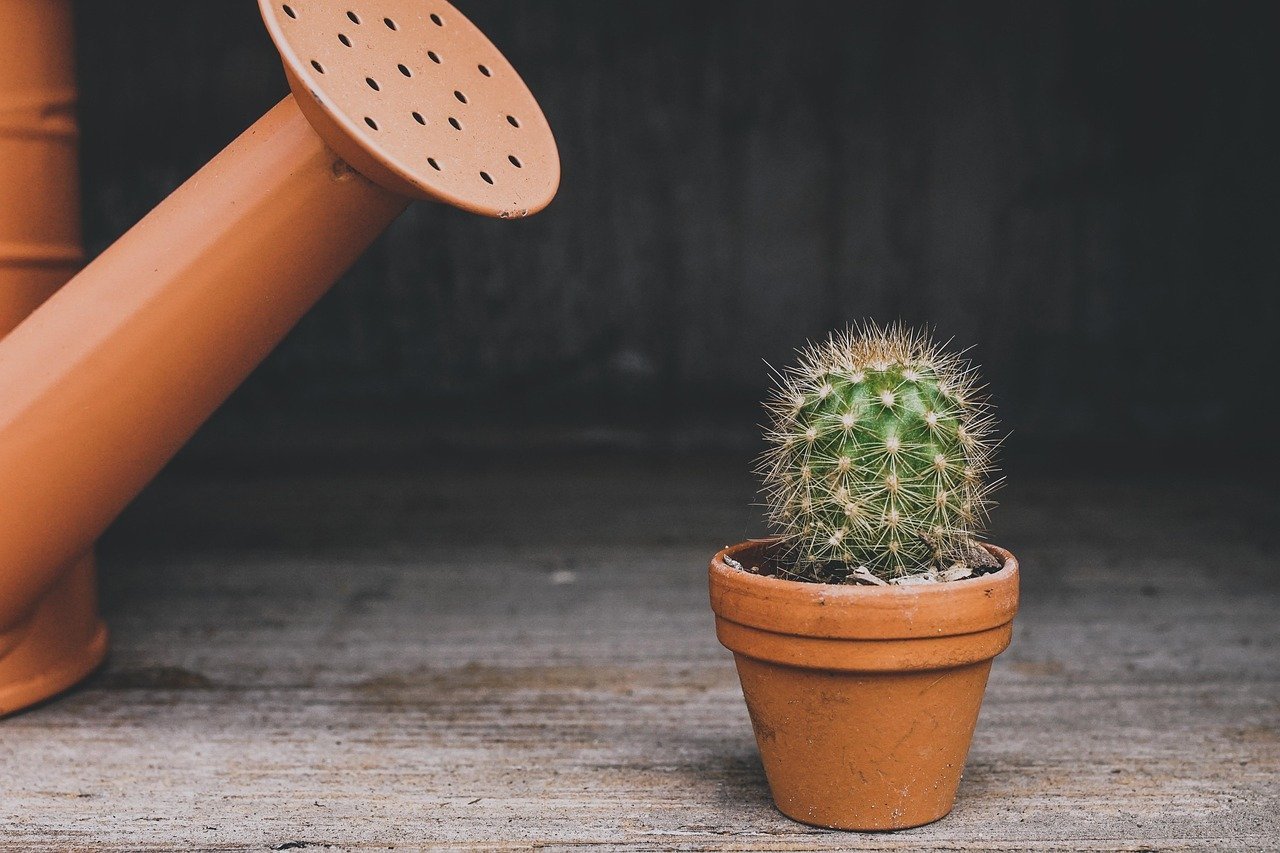
Generations of gardeners swear by tossing a layer of gravel or broken pottery shards into pot bottoms to prevent root rot. The logic seems airtight: coarse stuff below lets water escape faster, right? Wrong. This setup actually traps moisture right above the gravel line, creating what’s called a perched water table that keeps soil soggy longer.[1]
Studies show water doesn’t flow smoothly from fine soil to coarse gravel; it pools instead, starving roots of oxygen. Horticulturists recommend using a well-draining potting mix blended with perlite or sand throughout, plus ensuring pots have holes. Skip the gravel entirely for healthier, happier container plants. I tried ditching it last summer, and my pots thrived without the rot.[3]
2. Myth: Watering Plants in Hot Sun Scorches Leaves
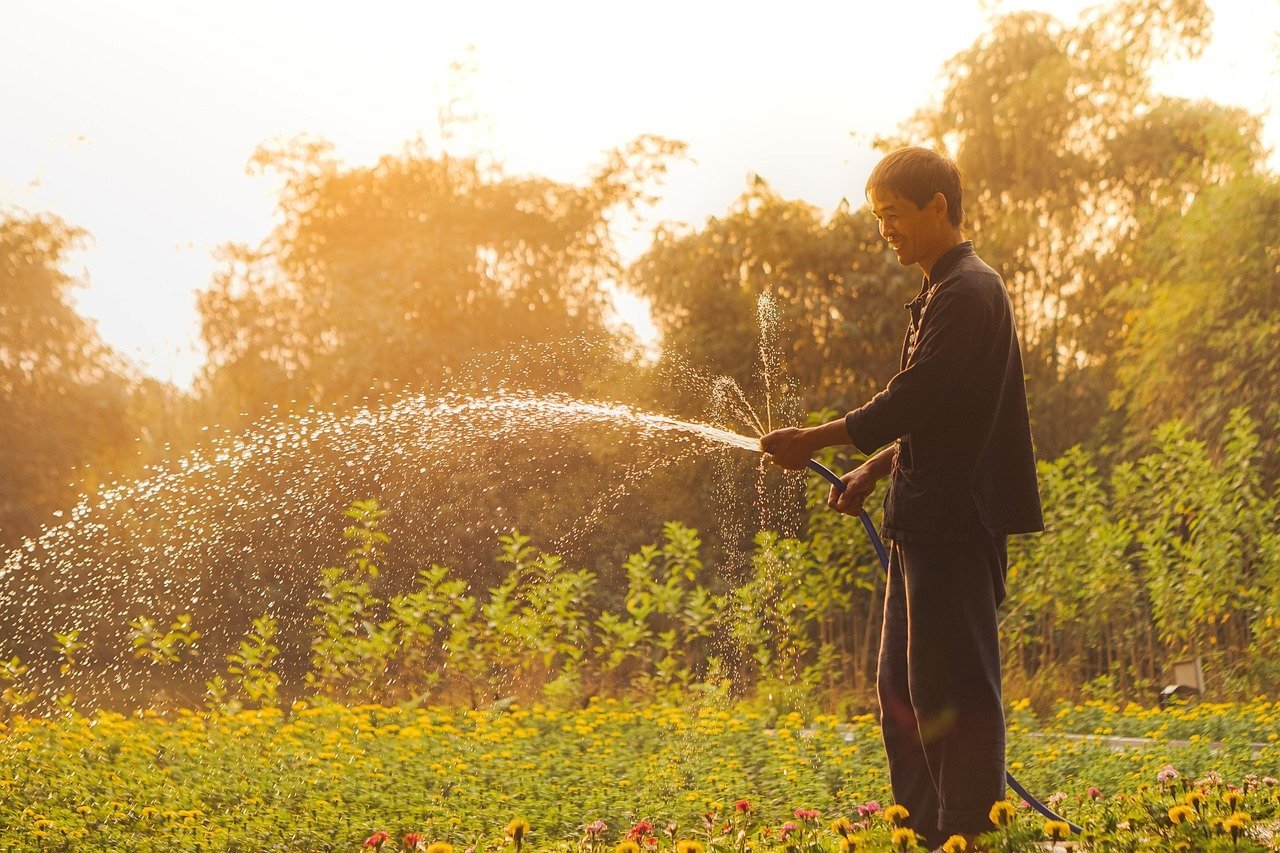
This one’s a classic panic-inducer: water droplets on leaves supposedly act like tiny magnifying glasses, frying foliage under midday rays. Folks avoid afternoon watering to dodge the burn, picturing crisped leaves everywhere. In reality, droplets evaporate too fast in the heat to focus sunlight harmfully, much like how summer rain doesn’t scorch gardens worldwide.[1]
Extension experts confirm leaves can’t sunburn that way; the real issue is wasted water from evaporation. Water thirsty plants anytime they’re drooping, but aim for early morning or evening for efficiency and to cut disease risk from overnight wetness. Your garden will thank you, and no scorched drama required.[2]
3. Myth: Pine Needles Make Soil Too Acidic for Plants
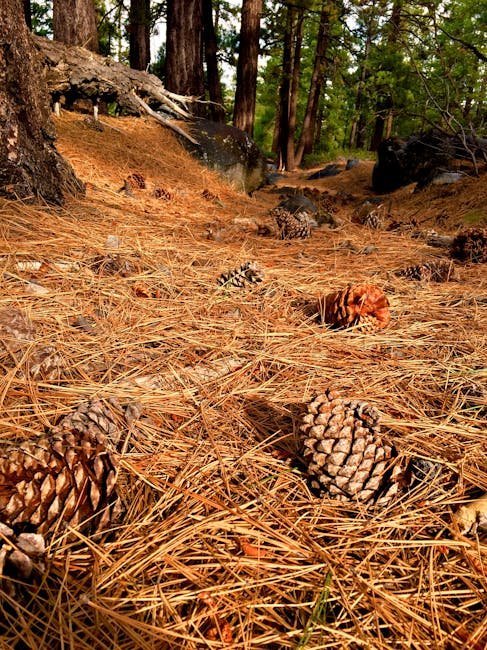
Seeing pine needles drop, many gardeners freak out, convinced they’ll turn soil into an acid bath where nothing grows. The fresh needles are acidic, sure, but that’s the myth’s hook. As they break down, soil microbes neutralize the pH quickly, leaving little change overall.[2]
Poor growth under pines usually stems from shade and root competition, not acidity. Pros love pine needles as mulch: they conserve moisture, stifle weeds, and slowly enrich soil. Layer them two inches thick around plants, and watch your beds improve without pH panic. It’s free gold from nature.[1]
4. Myth: Young Trees Need Staking to Stay Straight
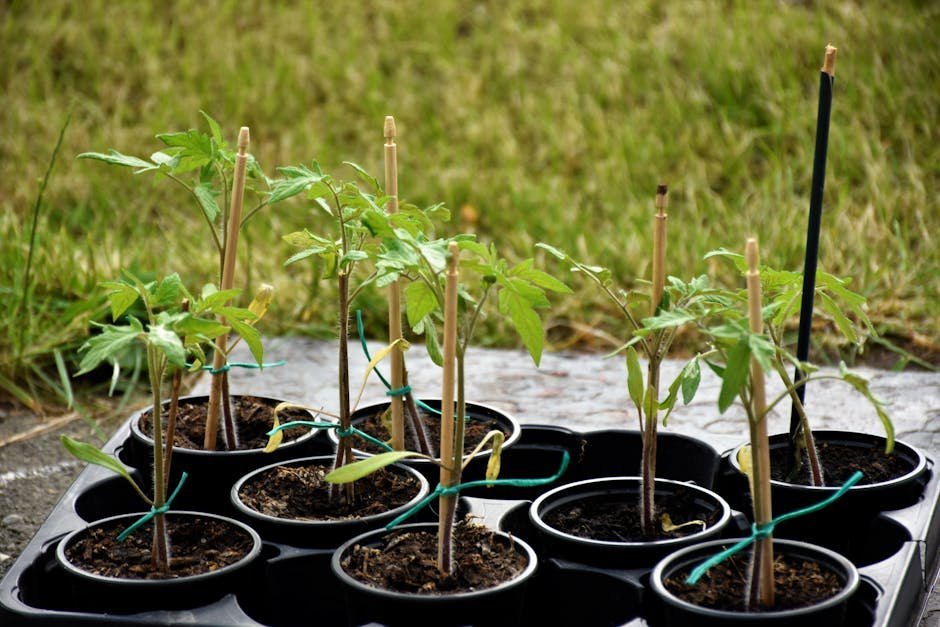
Newly planted saplings wobbling in the breeze? Stake them tight, urge the old guard, to prevent toppling. This feels protective, but it robs trees of vital strengthening. Wind sways trigger hormones that thicken trunks and anchor roots deeper, building resilience like nature intended.[1]
Tightly staked trees grow weak and snap in storms later. Horticulturists advise loose ties only in extreme wind, removed after a year max. Let them flex freely for sturdy, long-lived specimens. My unstaked maple’s a beast now, towering confidently.
5. Myth: Topping Trees Keeps Them Short and Manageable
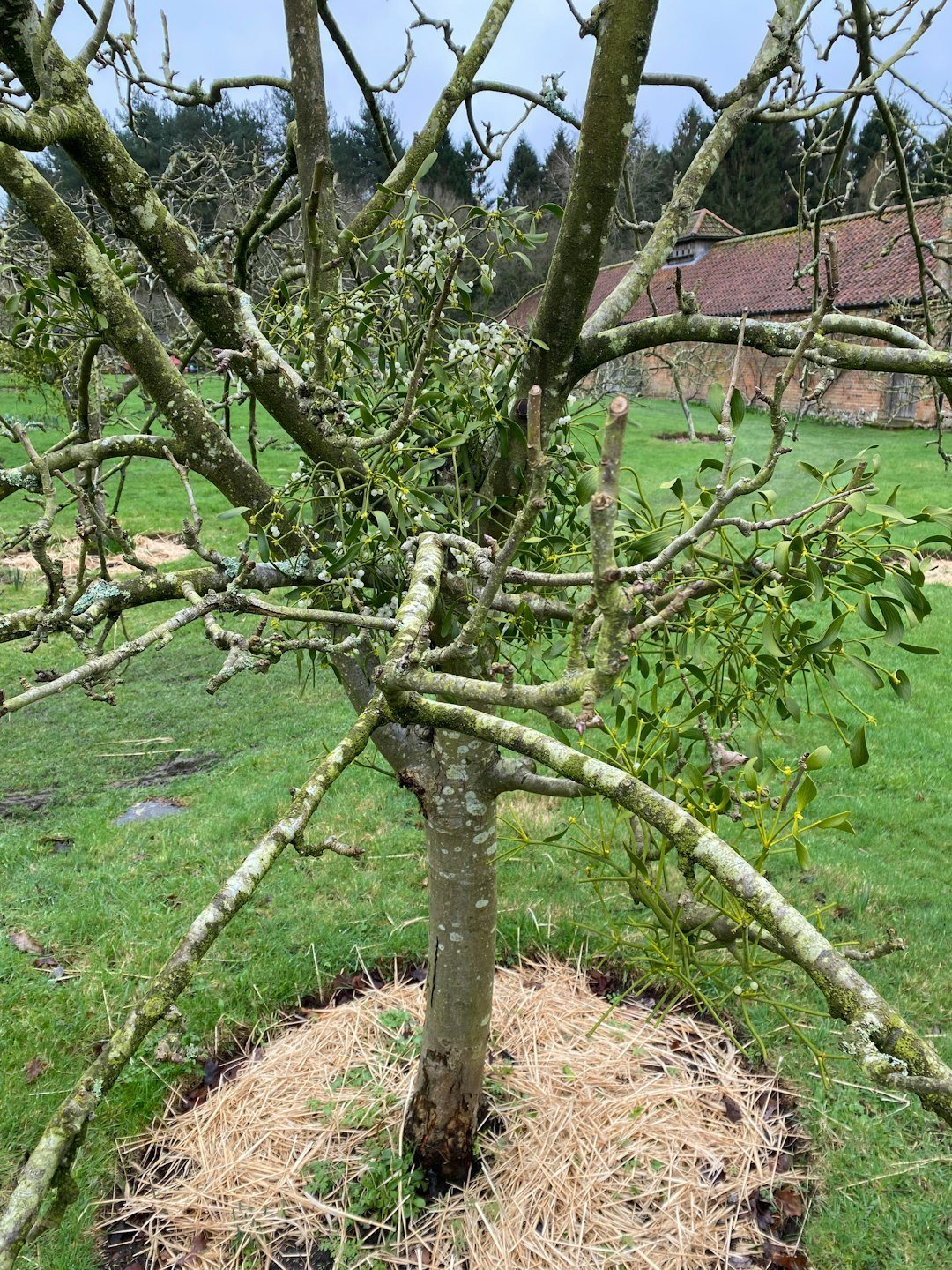
Overgrown tree blocking the view? Chop the top, problem solved, say shortcut seekers. Trees rebound with weak, vertical shoots prone to breakage, decay invading huge wounds. Genetically, they’re wired for full height anyway; topping stresses them into decline.[2]
Experts push proper pruning: thin branches selectively for shape and light. Plant right-sized species from the start. Healthy trees mean less hassle long-term, no hatchet hacks needed. It’s smarter stewardship.
6. Myth: Epsom Salts Boost Tomatoes and Turn Hydrangeas Blue
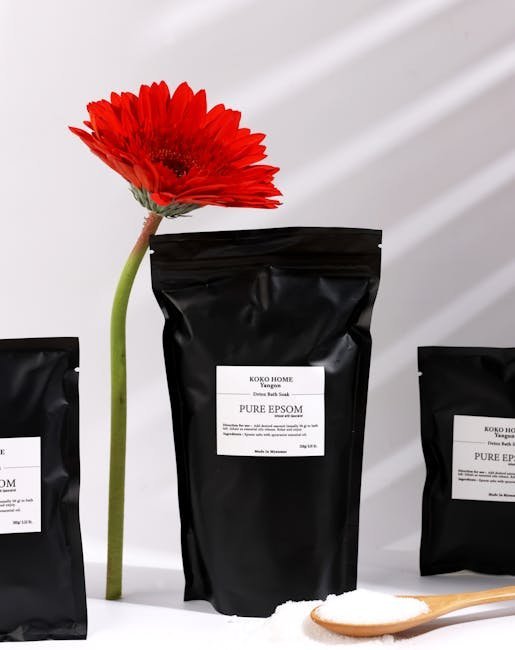
Epsom salts as a miracle tonic for lush tomatoes or blue blooms? Garden forums buzz with it. Only useful if soil tests show magnesium lack; otherwise, it salts up soil and harms roots. Hydrangea color ties to aluminum availability via pH, not magnesium.[2]
Test soil first, then apply balanced fertilizers sparingly. For blue hydrangeas, lower pH with sulfur. Balanced nutrition beats gimmicks every time. I’ve skipped the salts, and my yields soared.
7. Myth: Lime Kills Moss in Lawns
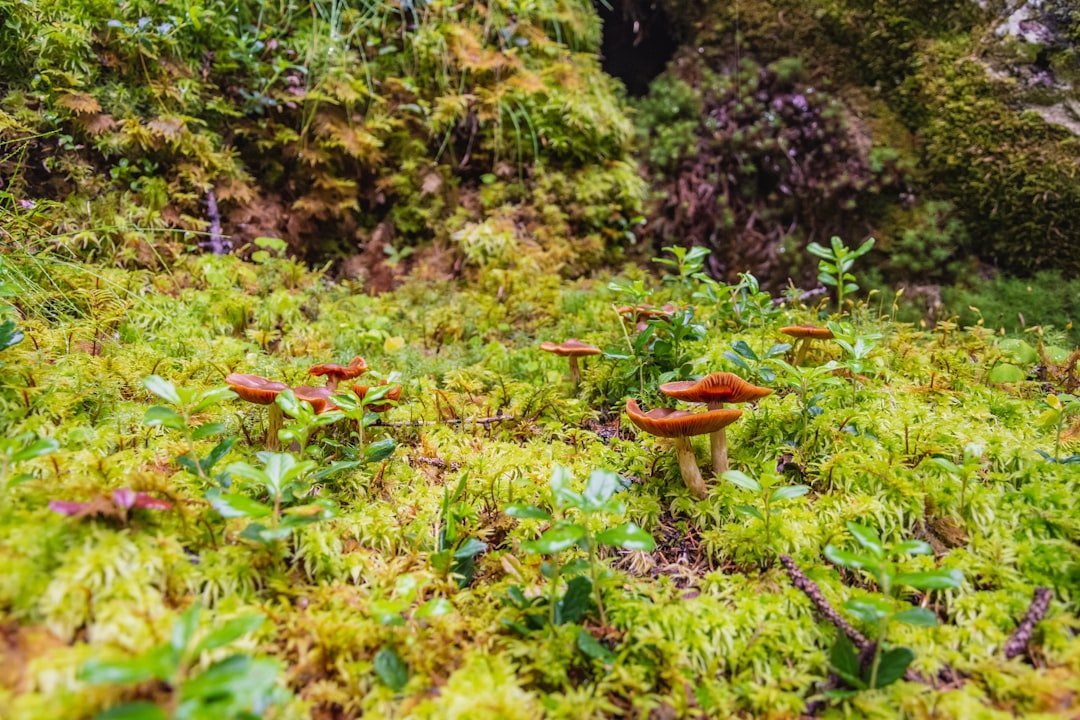
Moss invading your grass? Dust on lime to sweeten soil and banish it, goes the tip. Moss loves acidic, shady, soggy spots; lime raises pH but ignores root causes. Thicker turf naturally crowds it out.[2]
Prune for sun, fertilize with nitrogen seasonally, improve drainage. Aerate compacted soil too. Lush grass wins the battle without chemicals. Simple fixes yield green victories.
8. Myth: Add Sand to Clay Soil for Better Drainage
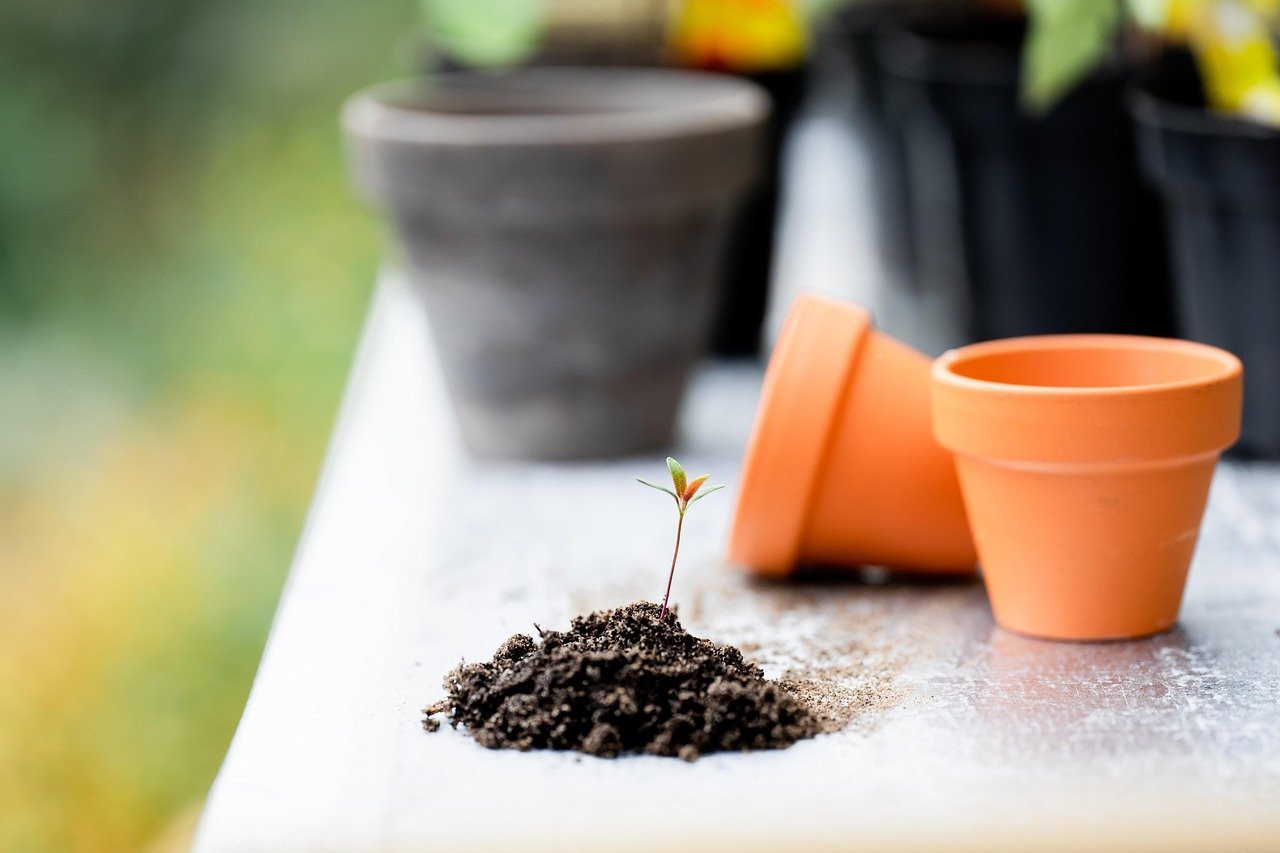
Heavy clay bogging plants? Mix in sand for looseness, advise hopefuls. Disaster: it bricks up like concrete, worsening compaction. Fine particles bind with coarse sand fatally.[1]
Organic matter like compost or manure opens soil structure gently, feeding microbes. Work it in annually. Patient amendments transform clay into crumbly gold. No sand shortcuts here.
9. Myth: Seal Pruning Cuts to Block Disease
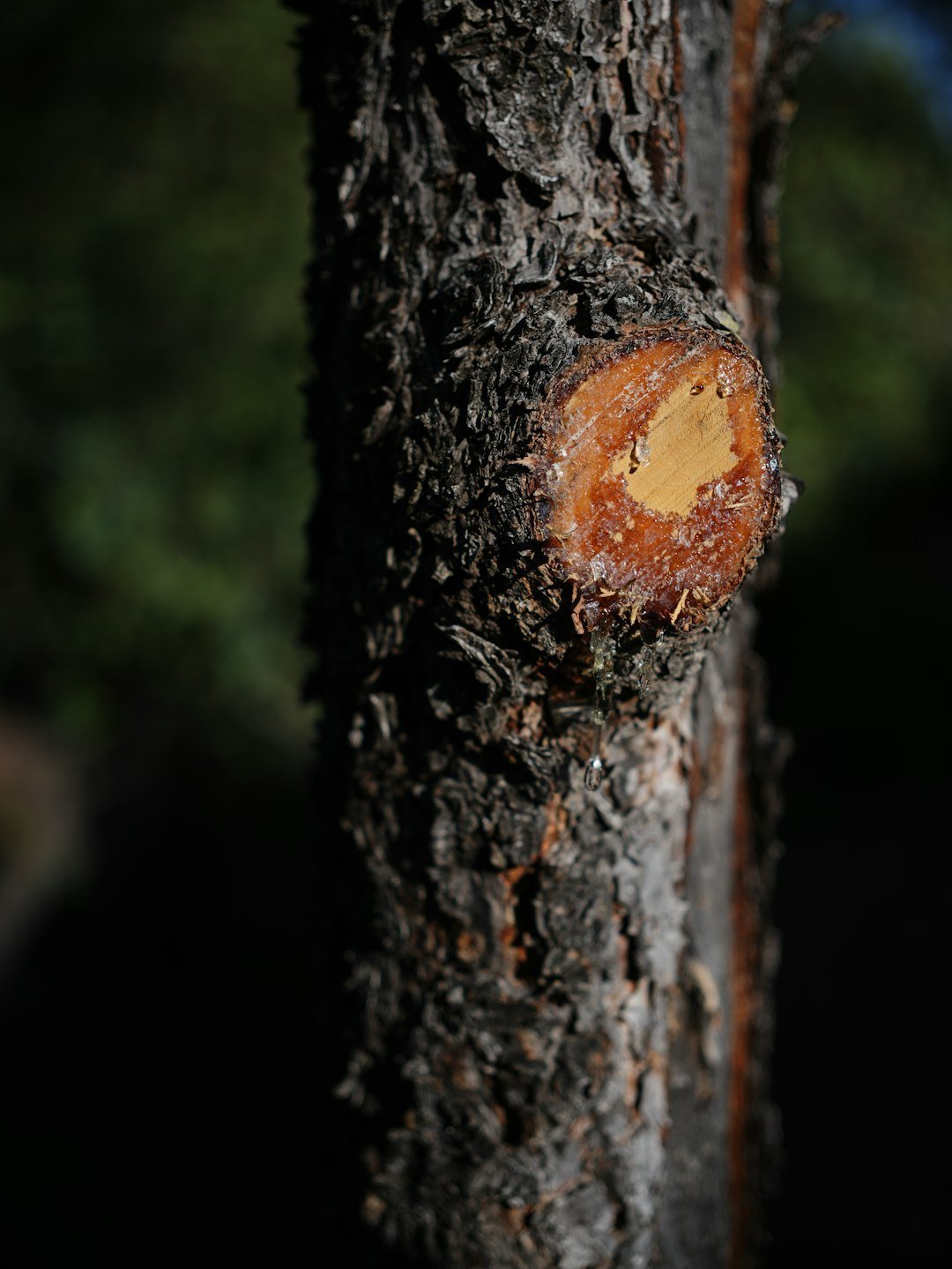
Prune a branch, slap on sealant to keep bugs and rot out, say traditionalists. Trees compartmentalize wounds naturally via callus; paint blocks air, trapping moisture and pathogens. It hinders healing.[1]
Clean, sharp cuts in dry weather suffice. Let nature seal. Sharp tools prevent tears too. Prune confidently, wounds mend fine unaided.
Conclusion: Garden with Science for Thriving Results
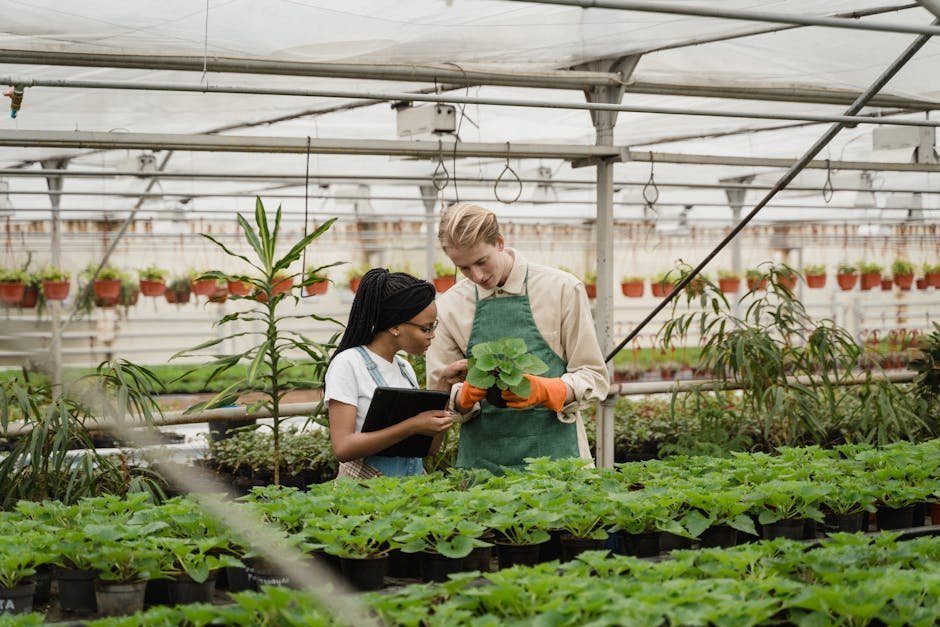
Ditching these myths frees you to focus on what works: soil tests, observation, and evidence from horticultural pros. Healthier plants, less waste, bigger harvests await.
Embrace proven techniques, and your garden becomes a low-stress triumph. Which myth surprised you most? Share in the comments – what’s your biggest gardening win?
CEO-Co-Founder
