

- 10 Classic Rock Albums That Still Sound Fresh Today - September 19, 2026
- 15 Books: The 20 Greatest Music Collabs We Never Got — But Almost Did - September 19, 2026
- 15 Books That Were Turned Down by Publishers — Then Sold Millions - September 19, 2026
There is something almost magical about a story that can be told in under five minutes, featuring a fox or a tortoise, yet leave a person thinking for a lifetime. Fables do exactly that. They strip life down to its bones, wrap truth in fur and feathers, and hand it to you with a clarity that no academic lecture ever quite manages.
A fable is a literary genre defined as a succinct fictional story that features animals, legendary creatures, plants, inanimate objects, or forces of nature that are anthropomorphized, and that illustrates or leads to a particular moral lesson. That formula sounds deceptively simple. Yet somehow, it has outlasted empires, survived the collapse of entire civilizations, and still shows up in children’s classrooms in 2026. How? Let’s dive in.
Ancient Roots: Where Fables First Took Shape

The origins of the fable are lost in the mists of time. Fables appear independently in ancient Indian and Mediterranean cultures. That alone is remarkable. You’d expect one great culture to invent the idea and export it. Instead, it seems the human urge to teach through animal allegory simply erupted in multiple places at once, like thunder answering the same lightning storm.
Modern scholarship reveals fables and proverbs of Aesopic form existing in both ancient Sumer and Akkad, as early as the third millennium BCE. Think about that for a moment. These stories predate the ancient Greeks by thousands of years. Aesop, whom many of us learned about in school, was not even close to the beginning of the tradition.
The varying corpus known as Aesopica or Aesop’s Fables includes most of the best-known western fables, which are attributed to the legendary Aesop, supposed to have been a slave in ancient Greece around 550 BCE. The irony is not lost. Some of the most influential moral stories in Western history were supposedly crafted by a man who had no freedom himself. Aesop’s fables began as spoken stories, passed down through generations before anyone wrote them down. These tales remained purely oral for about 300 years after Aesop’s time, creating a rich tradition of storytelling that would eventually shape literature for centuries to come.
Hundreds of fables were composed in ancient India during the first millennium BCE, often as stories within frame stories. The Indian tradition, running parallel to the Greek one, produced its own extraordinary collection in the Panchatantra. Prime examples of the fable in India include the Panchatantra and the Jataka tales, which were collections of fables that were later influential throughout the Old World. East and West, humanity kept arriving at the same conclusion: the simplest stories carry the heaviest truths.
The Moral Architecture: Why Fables Work So Well
Here’s the thing about fables. They do something almost sneaky. By casting a fox or a crow as the main character, the storyteller creates a safe distance from reality that makes it far easier for listeners to accept uncomfortable truths about themselves.
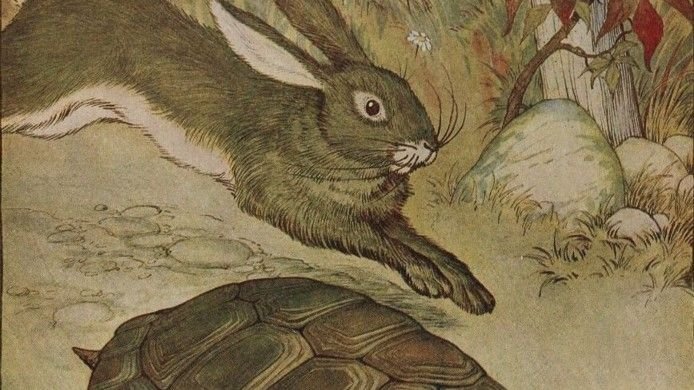
The use of animals or objects allows the storyteller to create a safe distance from real-world issues, making it easier for the audience to reflect on the message without feeling directly targeted or judged. For instance, a fable about a boastful hare and a steady tortoise can teach us about the importance of perseverance and humility, without directly criticizing anyone’s personal flaws.
Moral lessons in fables are important because they impart values and life lessons in a simple, engaging, and memorable way. They help to shape an individual’s character by teaching them about virtues like honesty, kindness, wisdom, and perseverance. Honestly, that is a better description of effective education than most formal pedagogical frameworks I have come across. Keep it simple. Make it stick.
In a world where ethical dilemmas are increasingly complex, fables offer a simple and accessible framework for understanding right and wrong. That relevance is not coincidental. The compression of moral complexity into a five-minute story is a genuine intellectual achievement, one that modern writers still struggle to replicate. Fables have always been a commentary on the human condition. The animal characters become the conduit through which fabulists point out the fallacies inherent in their audience and also the capacity to change for the better.
Cultural Variations: The Same Lesson, a Thousand Different Voices

What is truly astonishing is how widely and independently the fable tradition spread. It was not just one story traveling the globe wearing different costumes. Different civilizations, with entirely different languages and belief systems, came to remarkably similar conclusions about what stories are for.
African oral culture has a rich storytelling tradition. As they have for thousands of years, people of all ages in Africa continue to interact with nature, including plants, animals and earthly structures such as rivers, plains, and mountains. Children and adults are mesmerized by good storytellers when they become animated in their quest to tell a good fable.
In the Middle East, the tales of Bidpai, also known as Kalila and Dimna, offered moral and political advice through animal allegories. These fables, which originated in India and were translated into Arabic during the 8th century, became popular throughout the Islamic world, influencing literature and thought for centuries. The movement of fables across cultures is essentially the story of human connection itself. A tale born in one land finds new roots thousands of miles away.
For centuries, fables served the crucial role of communicating a shared history, reinforcing a culture’s values and calling attention to important traditions. Although fables typically employ animals to portray characters, the fact that these stories are passed down over generations in different cultures highlights the diversity of our world. By experiencing stories from different cultures, children can discover valuable insights about another group’s values, beliefs, history, practices and customs. It is hard to say for sure, but I think this cross-cultural quality is the deepest reason fables refuse to disappear.
Famous Examples That Shaped the World
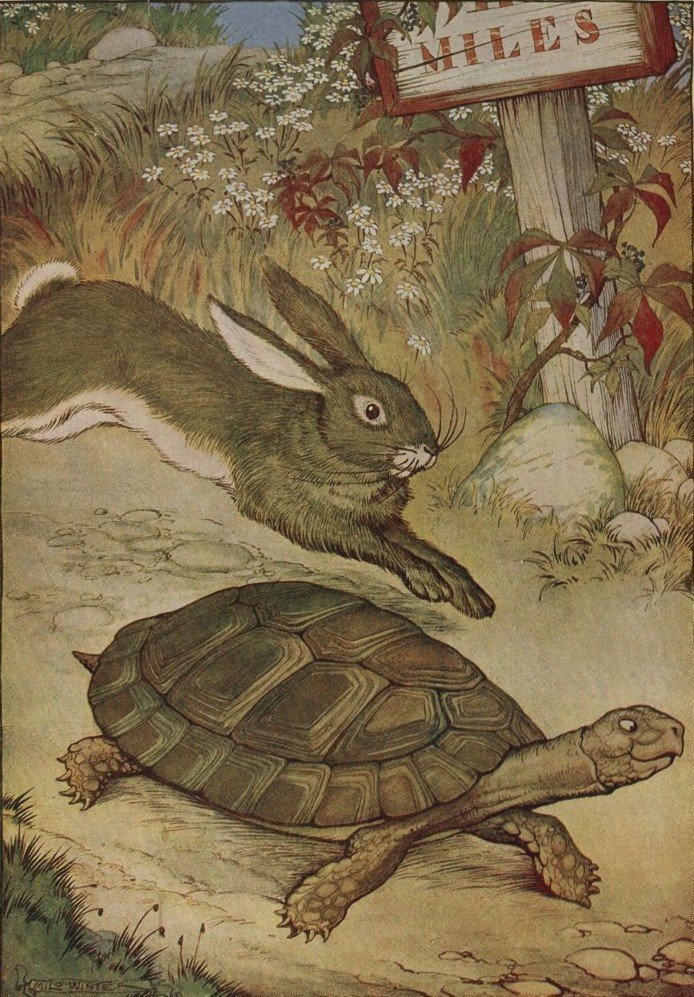
Let’s be real. When most people think of fables, a handful of stories flash immediately to mind. The race between the tortoise and the hare. The boy who cried wolf. The ant and the grasshopper. These tales have that rare quality of feeling both ancient and urgently contemporary at the same time.
For example, “The North Wind and the Sun” demonstrates how persuasion is often more effective than force, a lesson that remains relevant from ancient times to the present day. Think about that in the context of modern politics, leadership, or even parenting. The lesson lands just as hard in 2026 as it did in ancient Greece.
Expressions such as “sour grapes,” “birds of a feather flock together,” “familiarity breeds contempt,” and “slow and steady wins the race,” have their origins in these fables. These phrases are now so deeply embedded in everyday language that most people use them without realizing they are quoting a story that is over two thousand years old. That is the quiet power of a great fable: it colonizes your vocabulary and you never even notice.
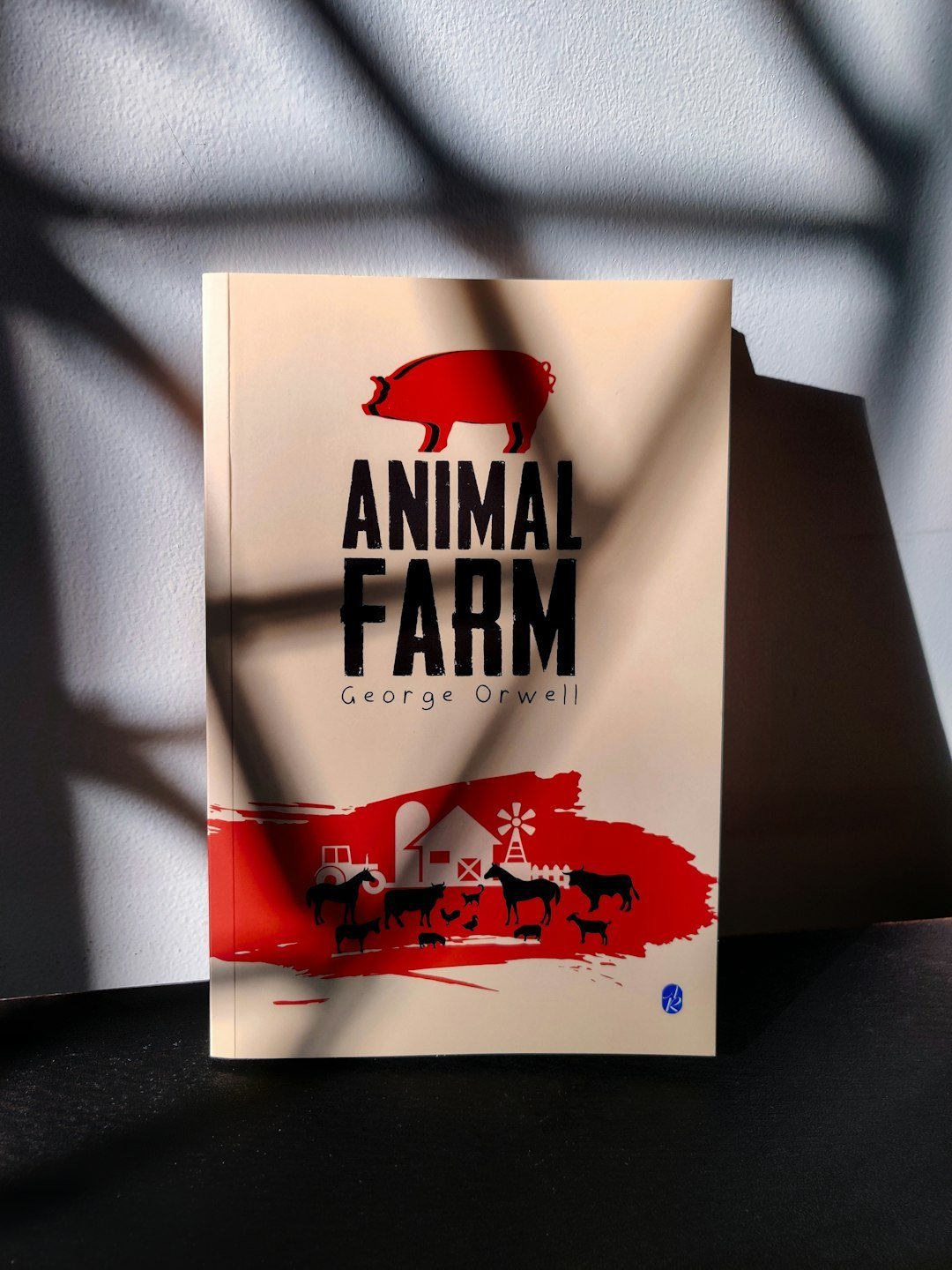
George Orwell’s Animal Farm is a fable that critiques the Russian Revolution and the rise of Stalinism. The story, featuring a group of farm animals who rebel against their human owner, is a powerful commentary on the dangers of totalitarianism. Modern literature has not abandoned the form at all. It has simply expanded it to carry heavier political cargo. The bones remain exactly the same.
Jean de La Fontaine and the Reinvention of the Fable
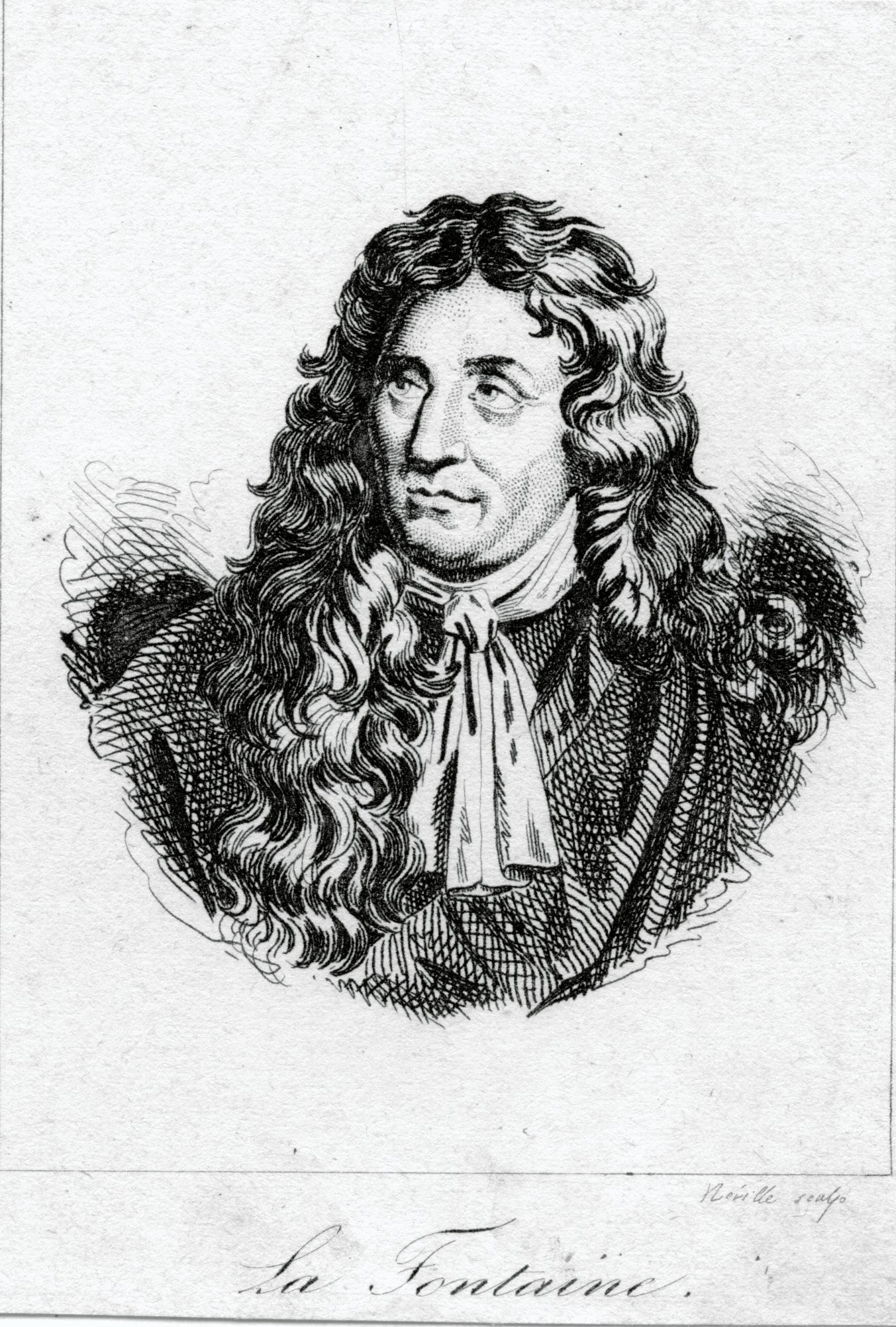
No conversation about fables is complete without lingering on the figure who arguably did more to reshape the form than anyone after Aesop. Jean de La Fontaine, the 17th-century French poet, took the bare skeleton of an ancient genre and dressed it in something extraordinary.
What Jean de La Fontaine did with these borrowed plots was transform them completely. Where Aesop’s fables are brief, functional, and prose-based, La Fontaine’s are poems. Proper, musical, elegantly structured French poems. He took the bare bones of an old story and dressed them in verse that rhymes, sings, and moves with the natural rhythm of spoken French.
Where Aesop’s fables tend to emphasize straightforward ethical guidance, La Fontaine’s reinterpretations often embed satirical elements that critique the society of 17th-century France under Louis XIV. He was essentially writing political commentary wrapped in fox stories, at the court of the Sun King. That takes a particular kind of audacity. At Versailles, Louis XIV commissioned 39 fountains depicting La Fontaine’s fables, sculpted in lead and painted in vivid colours. The fables became part of the visual language of the most powerful court in Europe, which is a remarkable fate for stories about frogs and ants and foxes.
La Fontaine’s fables have endured across centuries because of their universality and the adaptability of their lessons to diverse cultures and epochs. While rooted in the particularities of 17th-century French society, the themes explored in these fables, such as justice, greed, humility, and wisdom, remain relevant today. This timelessness underscores the depth of La Fontaine’s understanding of the human condition and the enduring power of storytelling to shape morals and social values.
Fables in the Classroom: Still Teaching, Still Reaching
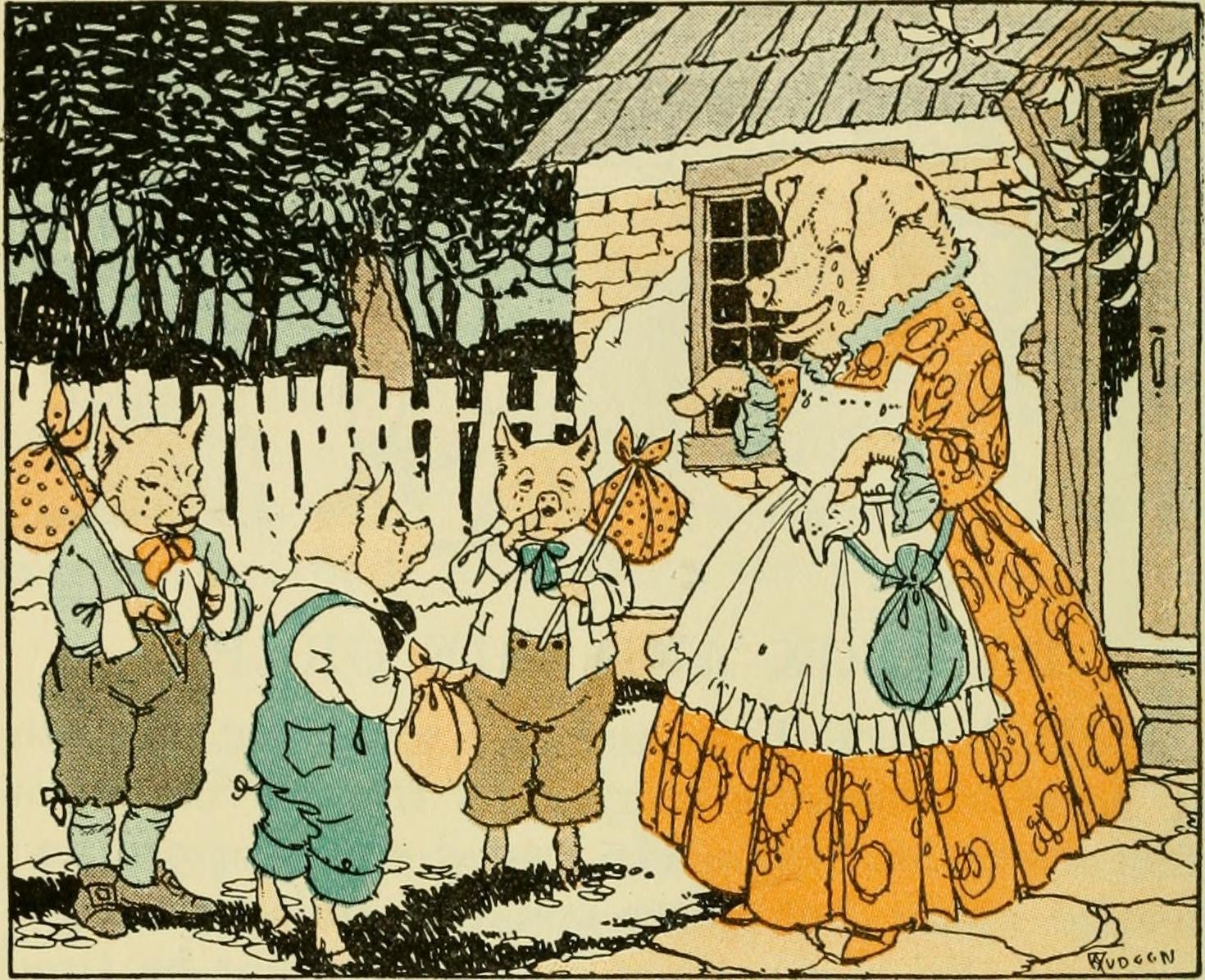
Walk into almost any primary school today, anywhere in the world, and you will likely find a fable on the reading list. That is not tradition for tradition’s sake. There is hard evidence behind the practice.
Myths, fables and fairytales, originally founded on oral tradition, allowed adults to communicate with young people in an uninterrupted process until nowadays. Tales have been told everywhere and in every time to educate, entertain and increase individuals’ awareness about moral principles and customs, thus representing an important part of traditional heritage as well as a way to reinforce tolerance and mutual knowledge among different populations.
Fables enhance metaphorical thinking as students connect animal experiences to human moral behavior. This ability progressively develops with age. That developmental arc is fascinating. A five-year-old hears a fable about a tortoise and grins at the funny ending. A twelve-year-old hears the same story and starts questioning whether life actually rewards patience. Same story, different depth of engagement. That versatility is close to genius.
Because they are so simple, fables can be morphed or changed slightly to fit the audience. They can be told aloud, acted out, or presented on paper, making them easy to deliver to a variety of audiences with different learning styles. The stories themselves can be changed, making them more relatable by substituting different characters, settings, or plot points, while keeping the base moral the same, so the lessons are absorbed more quickly. In an era obsessed with personalized learning and adaptive pedagogy, the fable was there first.
Fables as Political Weapons and Social Commentary
This is the angle most people overlook. Fables were never just bedtime stories. For much of human history, they were the only safe way to speak truth to power. Think of it like a political cartoon, but one with a three-thousand-year track record.
Fables emerged in a time period of Greek history when authoritarian rule often made free and open speech dangerous for the speaker. The fables served as a means by which criticisms against the government could be expressed without fear of punishment. In effect, the stories served as a code by which the weak and powerless could speak out against the strong and powerful.
Fables have long been used as a vehicle for satire and social commentary. By using non-human characters and fantastical storylines, writers can critique societal norms and politics without directly confronting their audience. This quality never really went away. Jonathan Swift’s Gulliver’s Travels uses fables to satirize politics, society, and human nature, while George Orwell’s Animal Farm employs fables to critique totalitarianism and the corrupting influence of power. Two of the most celebrated works in the English language are essentially fables in disguise.
Why Fables Still Matter in the Modern World
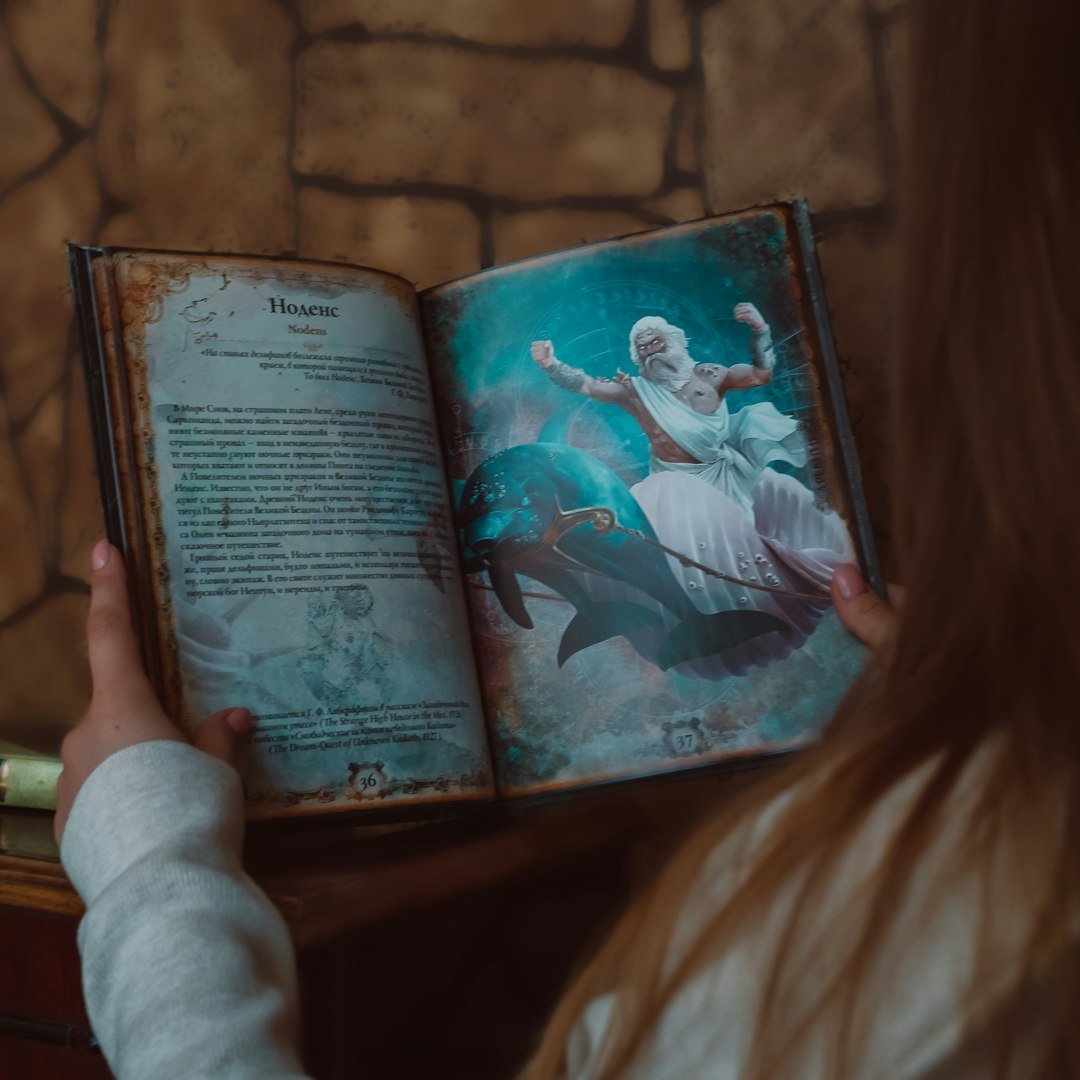
It would be easy to dismiss the fable as a relic. A pre-digital genre for pre-digital minds. But that argument falls apart the moment you actually consider what the modern world looks like. We are saturated with information, overwhelmed with noise, and desperately short on clarity.
The concise and engaging nature of fables makes them an effective tool for communication. They can be used to convey complex ideas in a simple and memorable way, making them ideal for teaching children, educating adults, and promoting social awareness. In a world saturated with information, fables offer a refreshing and impactful way to cut through the noise and deliver a clear message.
When reading fables, we do not see these beautiful tales as representing a rigid set of morals. Rather they are stories about wisdom, the universal truths about life and living that we all inherently know to be true. That distinction matters enormously. A rigid moral feels like a rule. Universal wisdom feels like recognition. Fables operate in that second space.
Modern authors continue to draw inspiration from fable and parable traditions. Allegorical and symbolic techniques from fables are incorporated into various literary genres, and classic fables are reinterpreted to address contemporary social and ethical issues. The form is not dying. It is evolving, appearing in films, graphic novels, viral social media threads, and even corporate training programs. The fox and the crow just wear different clothes these days.
Conclusion: The Unbreakable Thread of the Fable
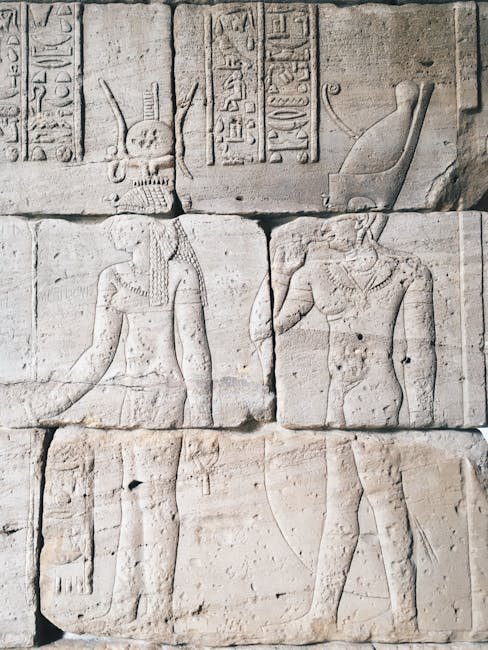
There is something deeply humbling about the fable. Over thousands of years, across dozens of civilizations, through revolutions and technological upheavals that would have been incomprehensible to their original tellers, these small stories kept finding their way to new ears and new hearts. A slave in ancient Greece. A poet at Versailles. A child in a classroom in 2026. The thread never breaks.
Throughout history, fables have been used as a tool for education, entertainment, and social commentary, reflecting the values and concerns of the societies in which they were created. From ancient Greece to modern times, fables continue to be a powerful medium for conveying wisdom, shaping moral character, and fostering a deeper understanding of the human condition.
The fable is one of the most enduring forms of folk literature, spread abroad, as modern researchers agree, less by literary anthologies than by oral transmission. People passed these stories forward not because they were required to, but because they felt too important to lose. That instinct was right.
In a world that keeps getting louder and more complicated, the fable’s quiet insistence on simplicity, on the one true lesson hidden inside a short story about animals, feels less like nostalgia and more like wisdom. Some things, it turns out, never needed to change. What is the last fable you remember truly stopping you in your tracks? Perhaps it is time to revisit it.
CEO-Co-Founder
