
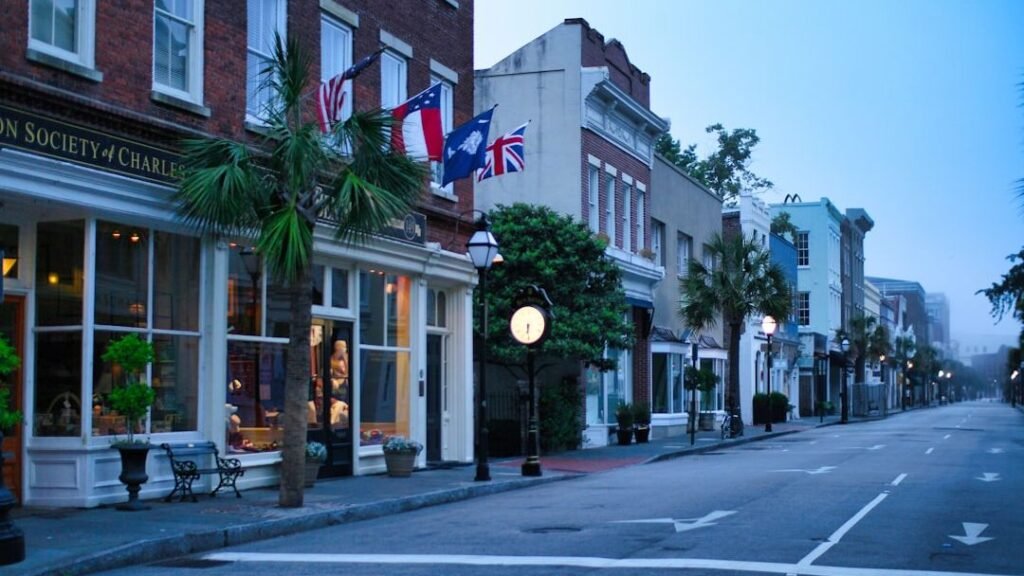

There is something almost magical about stepping into a town where time seems to have slowed down deliberately – where the cobblestones under your feet were laid centuries before you arrived, and where the buildings lining the street have watched generations come and go. Historic towns across America offer something no modern resort or themed attraction can replicate: the raw, living texture of actual history, right there around you, completely unfiltered.
In a world moving faster than ever, these places feel like a quiet exhale. They remind you that America’s story is far older, far more layered, and far more fascinating than any history textbook ever managed to convey. From the Spanish-colonial streets of Florida to the Victorian hillsides of Arizona, each of these ten towns carries its own unmistakable character. Get ready to be surprised by what you’ve been missing. Let’s dive in.
1. St. Augustine, Florida – America’s Oldest Living City
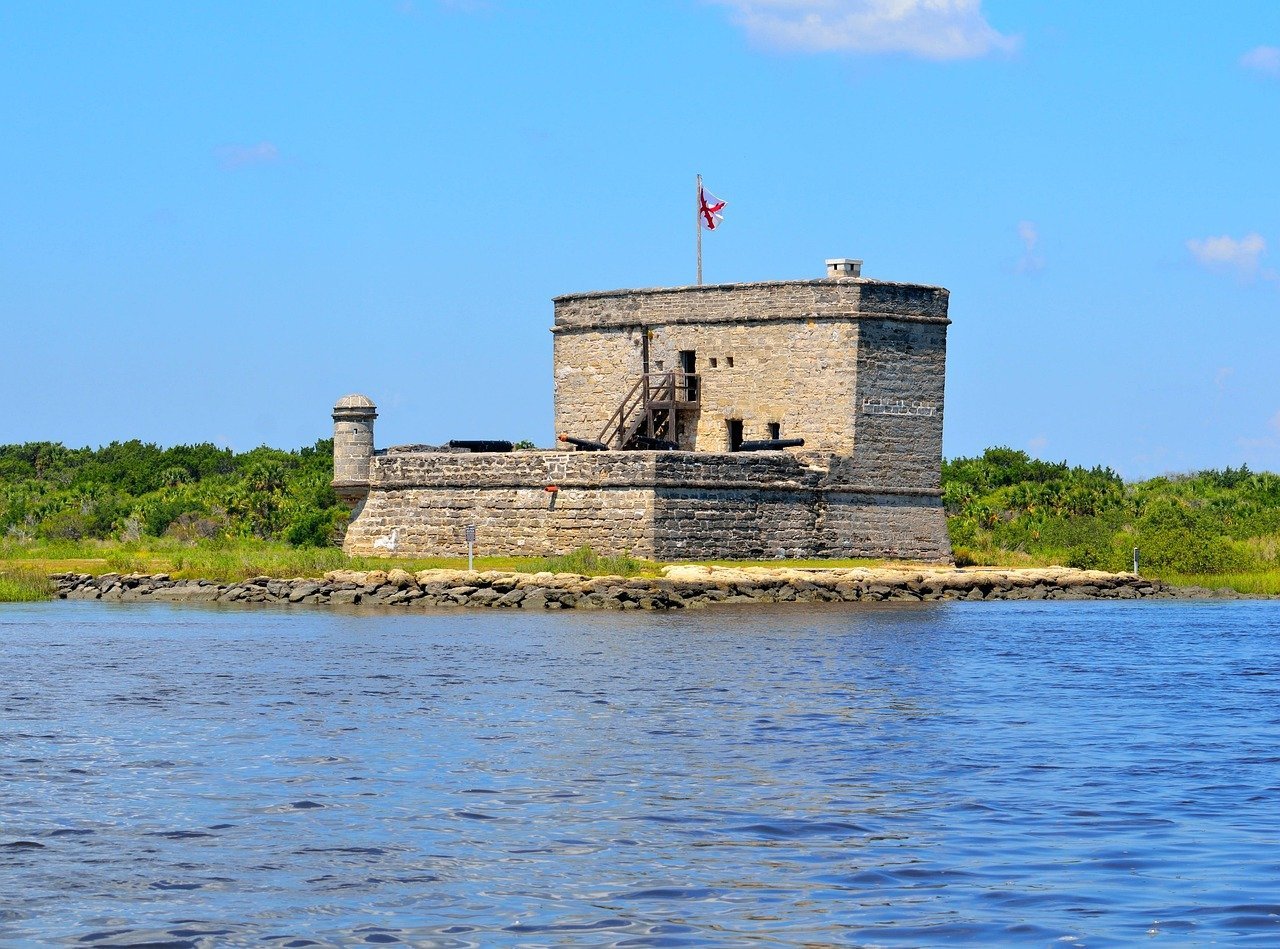
Honestly, the numbers alone are staggering. Established in 1565 by Spanish explorer Pedro Menéndez de Avilés, St. Augustine is the oldest continuously occupied European-founded settlement in the continental United States. To put that in perspective, it predates the Pilgrims landing at Plymouth Rock by more than half a century. This city has been lived in, fought over, burned, rebuilt, and lovingly preserved ever since.
The architecture here is a layered masterpiece. Throughout the modern city and within its Historic Colonial District, there remain thirty-six buildings of colonial origin and another forty that are reconstructed models of colonial buildings. St. Augustine can boast that it contains the only urban nucleus in the United States whose street pattern and architectural ambiance reflect Spanish origins. At the heart of it all stands the large masonry fort, the oldest of its kind in the United States. What I think makes St. Augustine so extraordinary is that it doesn’t feel like a museum. It feels like a real, breathing city that simply refuses to forget where it came from.
During the late 19th century, St. Augustine transformed into a luxurious winter retreat for America’s wealthy elite. Opulent hotels, lavish homes, and grand public buildings from the Gilded Age still stand, many now repurposed into museums, galleries, cultural centers, and even a college. In 1888, Flagler unveiled a fabulous masterpiece of Spanish Renaissance architecture, the Hotel Ponce de Leon, now Flagler College. With 450 rooms, Tiffany glass, gold-leafed murals, and electricity by Thomas Edison, it catered to the Who’s Who of the turn of the century.
2. Salem, Massachusetts – The Witch City That Is So Much More
Most people hear “Salem” and think of witches. That is completely understandable. The Salem Witch Trials are a defining example of intolerance and injustice in American history. Luring travelers interested in learning about everything from witches and pirates to Colonial and maritime history, Salem was founded in 1626. This town situated on the northern coast of Massachusetts is best known for its ties to the Salem witch trials, which curious visitors can get an overview of at the Salem Witch Museum. Yet to reduce Salem to just that one dark chapter is to miss the bigger, richer picture entirely.
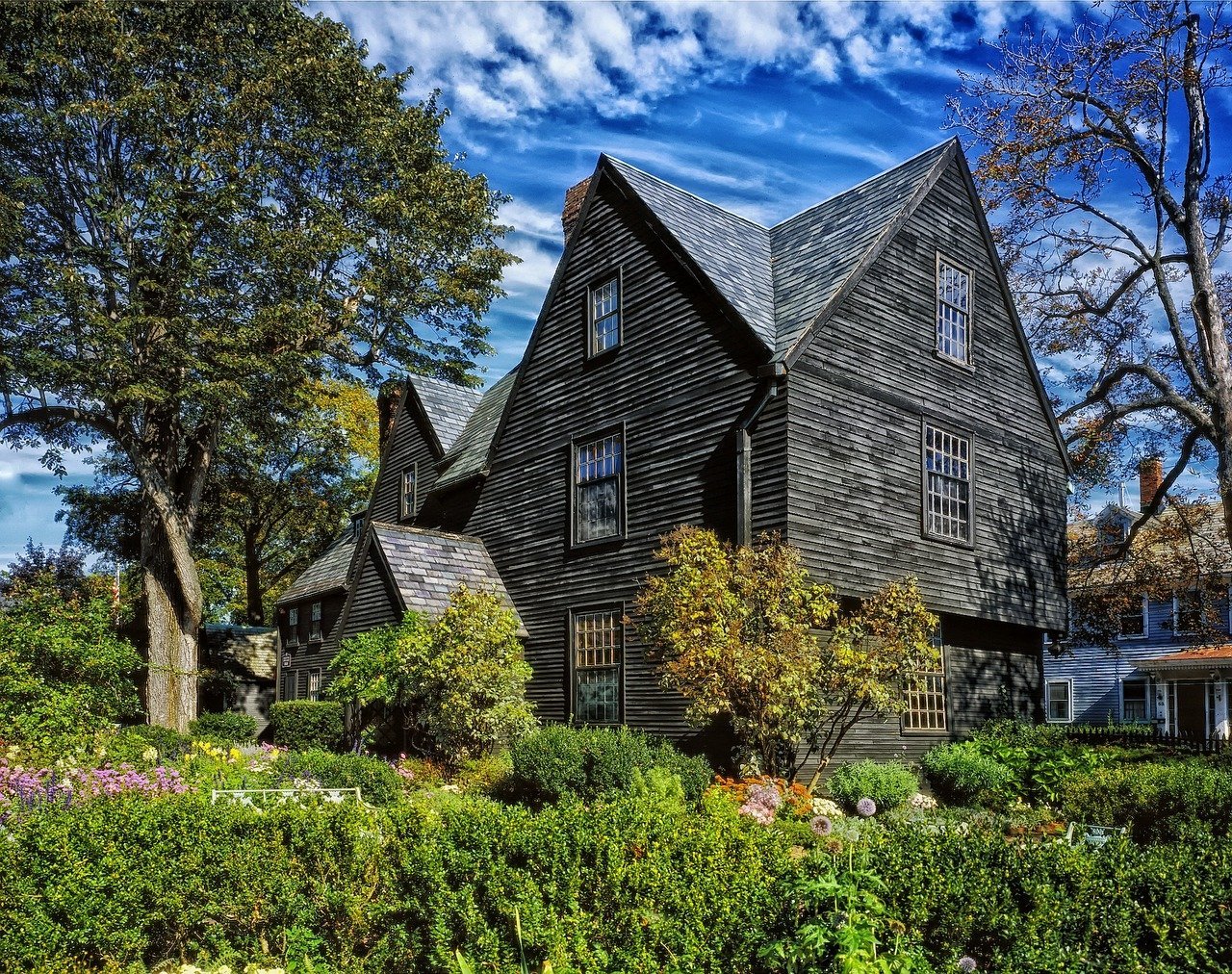
Salem became a world-class seaport, creating some of the wealthiest families in America and America’s first millionaire. Strolling the cobblestone-lined streets, you can take in some of the most stunning 17th and 18th century colonial architecture. Nathaniel Hawthorne was born in 1804 in Salem and made it the setting for several of his novels, notably The House of the Seven Gables, which immortalized the house built in 1668 by Captain John Turner. On the house’s grounds are several other historic buildings that were moved to the site, including Hawthorne’s birthplace and the Retire Beckett House from 1655. The layers of history here are genuinely astonishing.
The Witch House, home of Judge Jonathan Corwin, is one of the only structures still standing in Salem with direct ties to the Witchcraft Trials of 1692. As a local magistrate and civic leader, Corwin was called upon to investigate the claims of diabolical activity when a surge of witchcraft accusations arose in Salem and neighboring communities. Today, the city of Salem attracts more than 1 million tourists per year, many of whom are seeking to learn more about these events. Honestly? Once you arrive, you may find yourself among those who stay for reasons that have nothing to do with witches at all.
3. Savannah, Georgia – The South’s Most Atmospheric Masterpiece
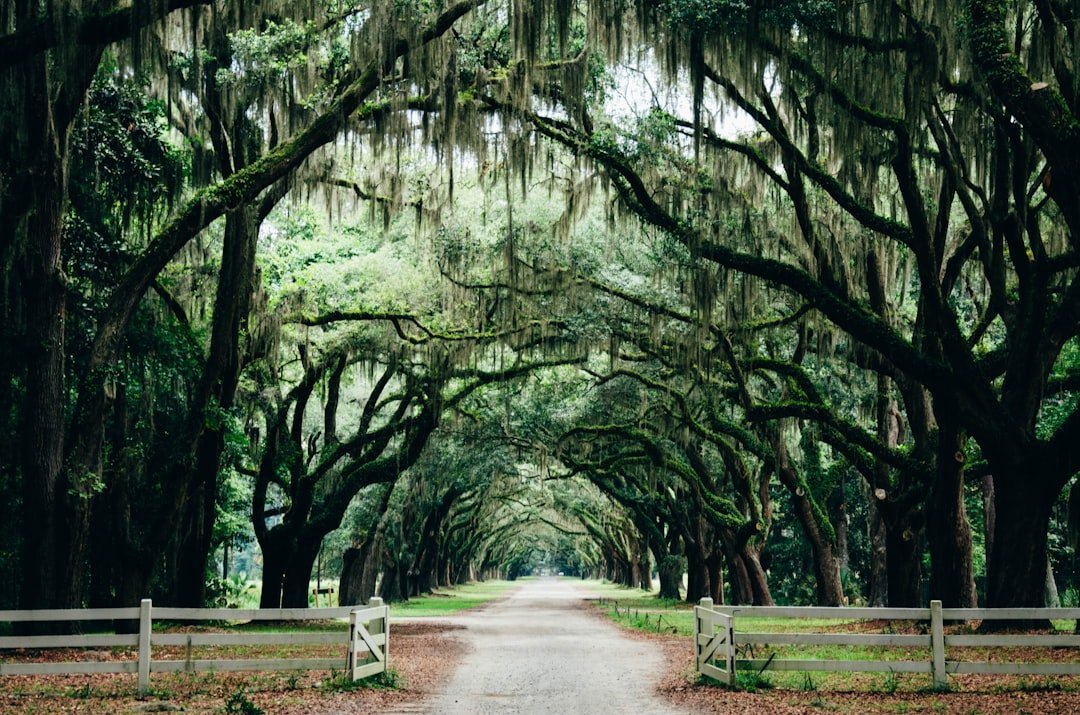
Savannah, Georgia is easily one of the most charming towns in America, and it has a beauty that feels both romantic and a little moody. The city is known for its historic homes, moss-draped oak trees, and a layout that feels intentionally designed for wandering. There is no other American city quite like it. Walking through Savannah feels less like tourism and more like a slow, gentle immersion into a place that never really left the past behind.
What makes Savannah especially unique are its 22 historic squares, each one acting like a small park woven into the city. These green spaces give Savannah a peaceful rhythm and make exploring feel slower and more atmospheric. The city was founded in 1733 and played an important role during the Civil War. Despite the ravages of war, Savannah’s historic architecture largely remained intact, giving the city the feel of a living museum today.
Few places in America can match the timeless elegance of Savannah, with its moss-draped oak trees, cobblestone streets and meticulously preserved antebellum mansions. The town’s historic district spans 22 squares, each one a serene oasis surrounded by architectural gems. Landmarks like Forsyth Park and the Mercer-Williams House exemplify the grandeur of this Southern jewel, where history whispers from every corner. I think it’s one of those cities where you genuinely do not need a plan. Just walk.
4. Colonial Williamsburg, Virginia – History You Can Actually Touch
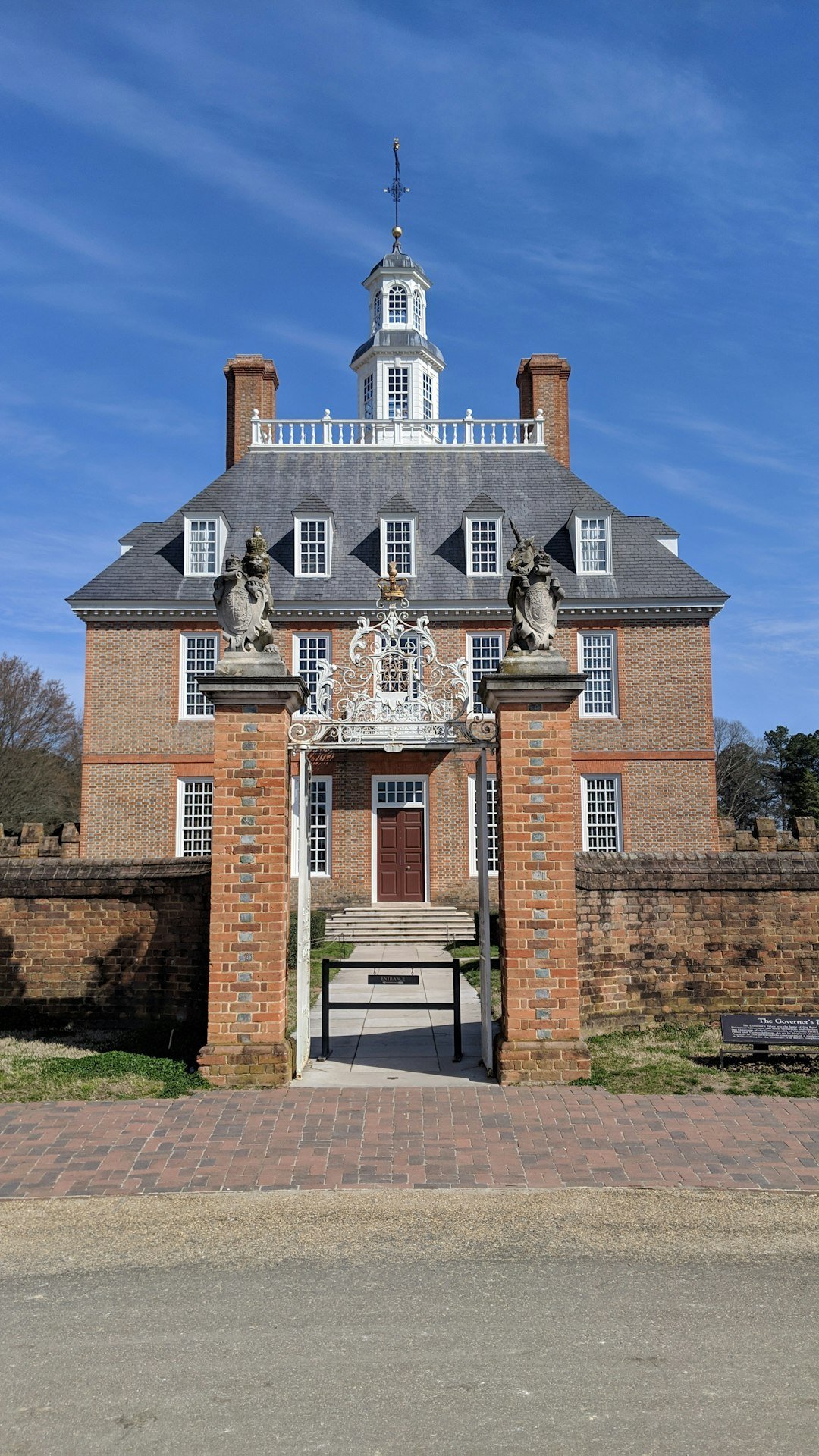
With its preserved Colonial sites and costumed interpreters, Williamsburg, Virginia, is the definition of a living history museum. Your first stop should be Colonial Williamsburg, where you’ll be greeted by the “residents” who once called this revolutionary town home. It is one thing to read about 18th-century colonial life in a textbook, and it is something else entirely to watch a blacksmith forge horseshoes, or listen to a town crier shout the news of the day.
Colonial Williamsburg offers an immersive dive into early American history with costumed interpreters, restored buildings, and interactive experiences. Visitors have no shortage of learning opportunities: Williamsburg offers more than 20 guided and self-guided daily tours, ranging from ghost tours to garden tours. You can round out your Williamsburg visit with a stop at the Yorktown Battlefield, the site of the last major battle of the Revolutionary War. Few places in America make the founding era feel this immediate and tangible.
5. Gettysburg, Pennsylvania – Where the Nation’s Fate Was Decided
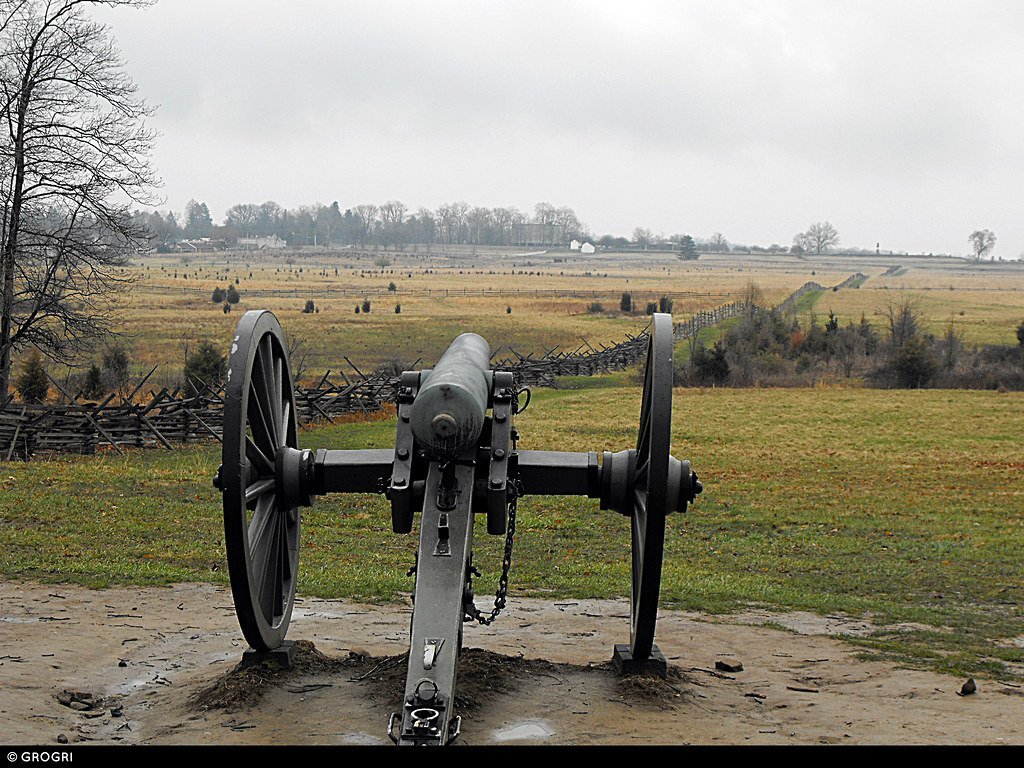
There is a weight to Gettysburg that you feel even before you fully understand it. Gettysburg Battlefield, the 6,000-acre Civil War military park that witnessed the momentous clash of Union and Confederate forces in 1863, is the star of any visit to this Pennsylvania town. Gettysburg also played a part in the Cold War, which you’ll learn about next door to the famous battlefield at the Eisenhower National Historic Site. The history here is enormous, but the town itself is quietly beautiful.
Steeped in its Civil War past, Gettysburg may be known for its infamous battlefield, but the borough caters to more than America’s history buffs. Here, picturesque hiking trails, characterful architecture, and one-of-a-kind shopping are elevated by farm-to-table taverns and chic upscale restaurants. To better understand the town’s role in these historic events and more, you can speak with knowledgeable curators and peruse the 4,000-plus historical artifacts on display at the Gettysburg Museum of History. It’s hard to say for sure, but I genuinely believe this may be one of the most emotionally moving towns in the entire country.
6. Santa Fe, New Mexico – Art, Adobe, and Ancient Culture
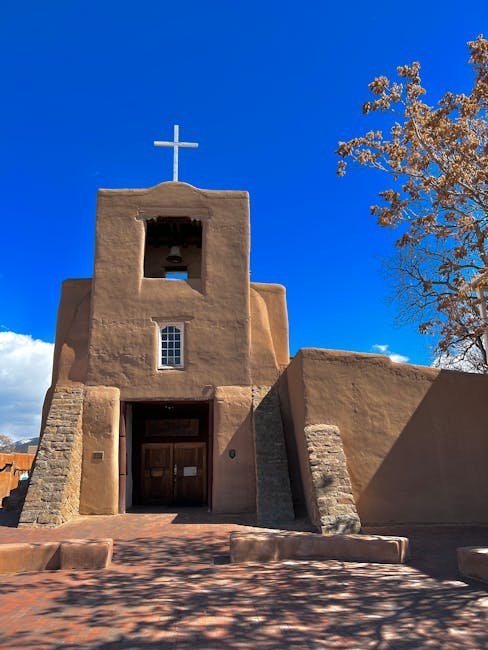
Known as “The City Different,” Santa Fe really lives up to its name. The city center is full of charming adobe buildings, many of which surround the historic Plaza, which has been the heart of town since the early 1600s. Think about that for a moment. The same central plaza has anchored daily life here for over four hundred years. That is extraordinary by any measure, and it shows in every corner of this stunning Southwestern city.
Santa Fe is known for its adobe-style Pueblo Revival and Territorial Revival architecture, particularly in the Historic District. It’s also known for its multiculturalism and is a hub for arts and crafts. It was designated as a UNESCO Creative City for Crafts and Folk Art. The Palace of the Governors, built in 1610, is the oldest public building in continuous use in the U.S. Santa Fe genuinely has a soul that you don’t find in many places – ancient, artistic, and completely its own.
7. Galena, Illinois – The Midwest’s Hidden Architectural Gem
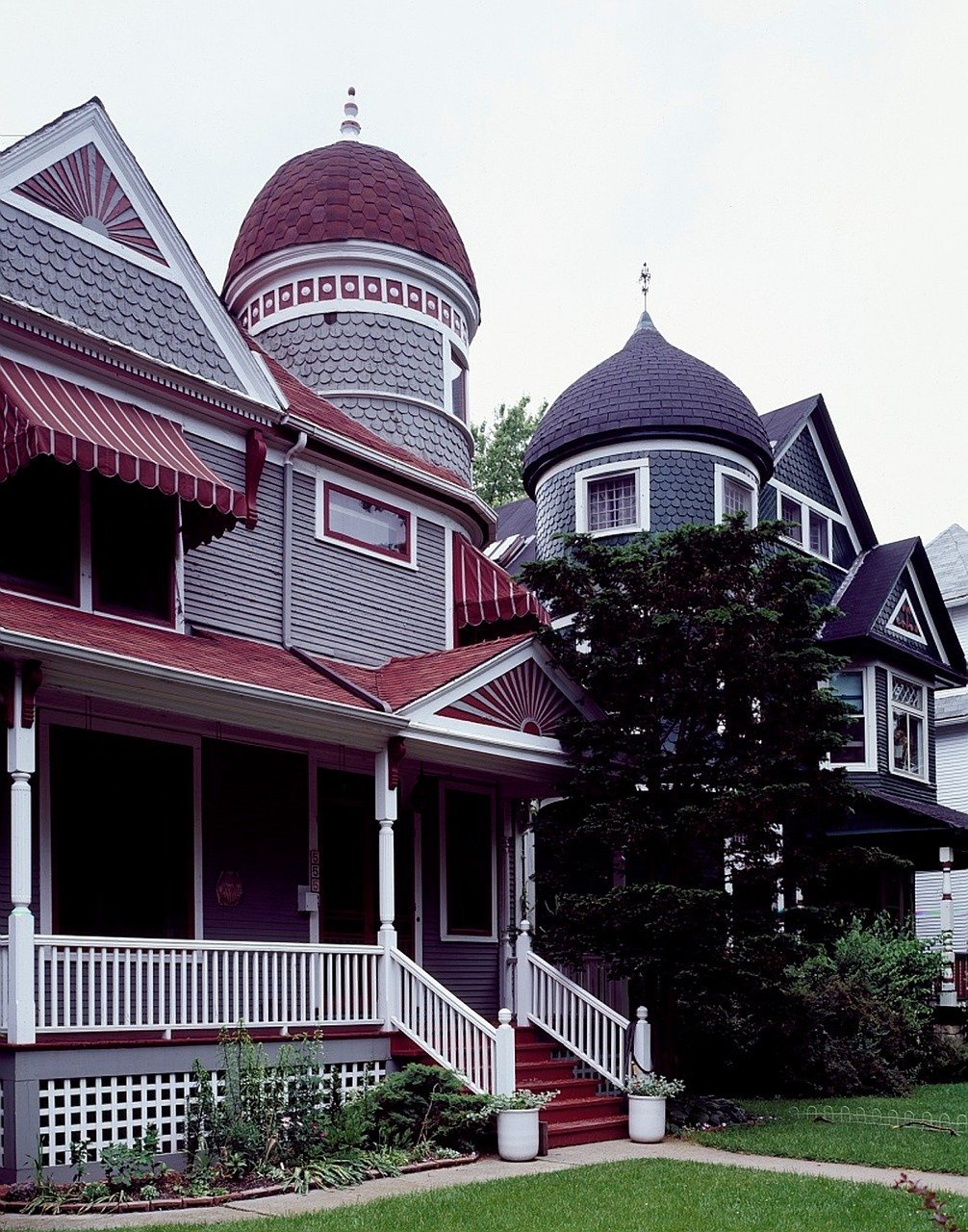
Let’s be real: when most people think of historic American towns, Illinois doesn’t immediately come to mind. Galena is here to change that. Nestled in the undulating hills of northwest Illinois, Galena is a riverside town renowned for its fascinating mining history, serene natural beauty, and 19th century architecture, much of which is listed on the National Register of Historic Places. The home of former President Ulysses S. Grant, this Midwestern settlement boasts a multitude of bed and breakfasts, a collection of acclaimed golf courses, eclectic dining, and over 100 retail shops.
With over 85% of its buildings listed on the National Register of Historic Places, Galena offers an unparalleled architectural journey. Highlights include the DeSoto House Hotel, a historic landmark that once hosted Ulysses S. Grant and the beautifully restored Main Street, where visitors can shop and dine amidst 19th-century facades. In the 19th century, Galena was a key hub for lead trading and a significant river trade center. Today, the town attracts visitors with its well-preserved pre-Civil War architecture and its charming townscape. The historic downtown is a perfect place for a leisurely stroll where you can explore many antique buildings, boutiques, and cafés.
8. Newport, Rhode Island – Gilded Age Grandeur by the Sea
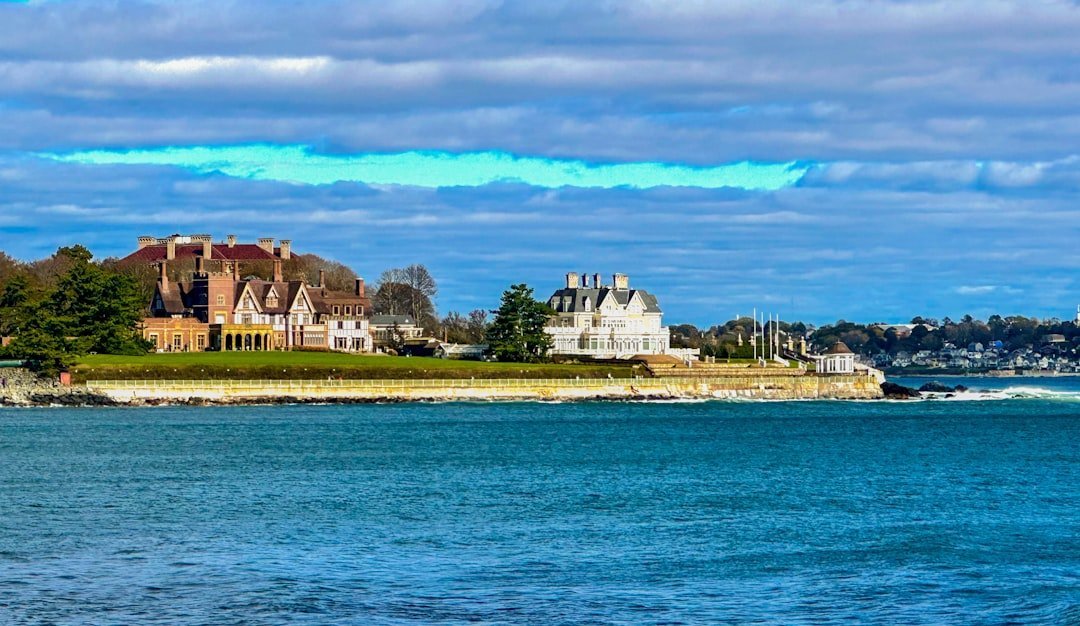
Newport in Rhode Island was a favorite summer destination for America’s wealthiest families in the 19th century and is now famous for its magnificent mansions. These impressive estates were built during the Gilded Age, an era of economic growth in the USA, showcasing the lavish lifestyle of the elite of the time. Walking through Newport is like being handed a window into a world of almost unimaginable opulence. It is the kind of place that makes you appreciate just how extreme wealth could get in 19th-century America.
The most famous of these villas is The Breakers, built by the Vanderbilt family. This impressive 70-room structure provides a fascinating glimpse into the lives of the super-rich during that time. Newport itself has a charming old town with cobblestone streets, picturesque harbors, and a rich maritime history. Beyond the mansions, the town’s waterfront is a delight to explore on foot, and the historic architecture stretches in every direction. Newport is a town that rewards slow, curious walking.
9. Eureka Springs, Arkansas – Victorian Charm in the Ozarks
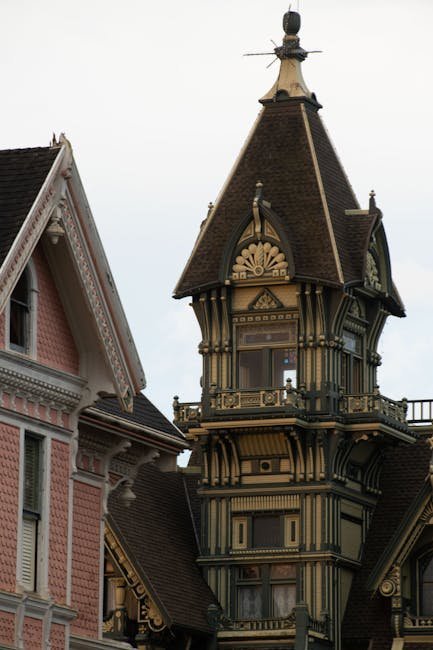
Here is a town that genuinely surprises people. Tucked away in the Ozark Mountains, Eureka Springs enchants visitors with its Victorian architecture and winding streets. Known for its healing springs, the town has been a wellness destination since the 19th century. Its entire downtown is listed on the National Register of Historic Places, making it one of the most intact Victorian-era communities in the American South.
Eureka Springs is the kind of town you explore slowly. The charm isn’t polished or predictable. It’s layered, artistic, and full of personality. If you love places that feel different and deeply memorable, Eureka Springs earns its spot among the most charming towns in America. Today, it offers a unique blend of history, art, and natural beauty that simply has no comparison anywhere else in the region. This is the kind of discovery that makes you wonder why you hadn’t heard of it sooner.
10. Jerome, Arizona – The Wickedest Town in the West, Beautifully Preserved
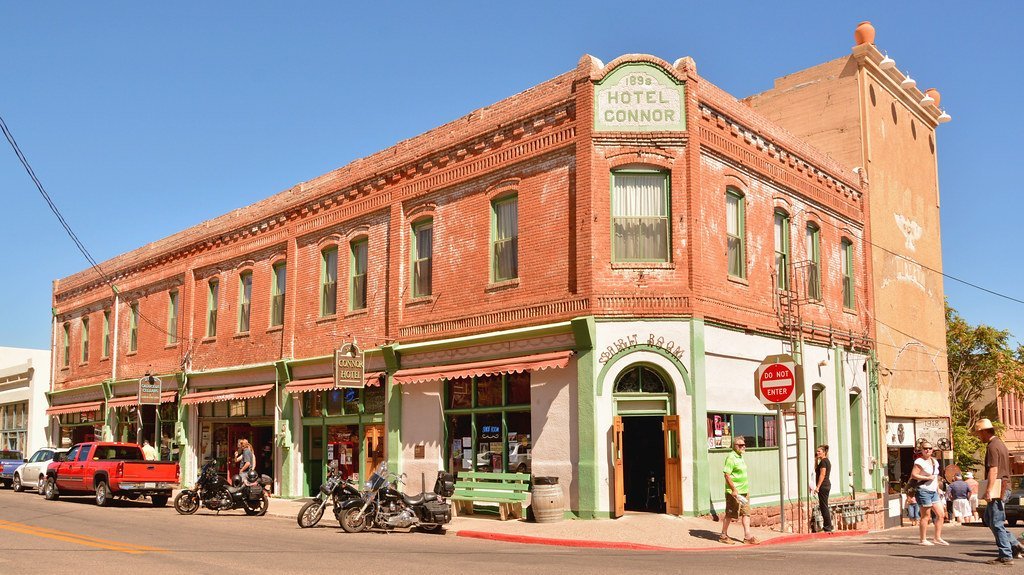
Few American towns have had a stranger, more dramatic arc than Jerome. With a population that was approximately 70 percent male in 1903, Jerome was home to 86 saloons, gambling establishments, and brothels, earning it the nickname “the wickedest town in the West.” After copper mining stopped in 1953, Jerome came dangerously close to becoming a ghost town, though a few residents remained and worked to preserve the town, which was designated a National Historic Landmark in 1967.
Clinging to the steep slopes of Cleopatra Hill, Jerome is a former mining town that once boasted a thriving population during the copper boom of the late 19th century. While mining operations ceased long ago, the town retains much of its original character. Visitors can explore the Jerome State Historic Park, learn about its notorious sliding jail, and wander through streets lined with preserved buildings now housing quirky shops and galleries. Its hauntingly beautiful ruins and vibrant arts scene make it a unique blend of history and creativity. Since its designation as a National Historic Landmark, Jerome has become a draw for history and architecture enthusiasts, who come to see the striking views of the Verde River Valley and buildings from a variety of styles, including Italianate, Victorian, Art Deco, and Spanish Colonial Revival.
Why Historic Towns Deserve More of Our Attention
There is something quietly urgent about visiting these places right now, in 2026. The forces of development, tourism overload, and cultural homogenization are real, and they are never fully at bay. Every one of these towns exists partly because enough people cared enough to fight for preservation over the decades. That is not something to take for granted.
Historic towns do something that modern travel rarely achieves. They slow you down. They make you look up, look around, and actually think about the people who lived, worked, and built things before you. When you walk the Spanish colonial streets of St. Augustine, or stand in one of Savannah’s ancient squares, you are not just sightseeing. You are participating in an ongoing, living story.
The good news is that all ten of these towns are actively worth visiting today, whether you’re a serious history enthusiast or simply someone who wants a weekend that feels more meaningful than a generic beach resort. Start with the one closest to you. Then go to the next. Each one holds surprises that no guidebook can fully prepare you for. So here’s the question: which of these towns has been on your list the longest, and what’s still stopping you? Tell us in the comments – we’d genuinely love to know.

Besides founding Festivaltopia, Luca is the co founder of trib, an art and fashion collectiv you find on several regional events and online. Also he is part of the management board at HORiZONTE, a group travel provider in Germany.
