

- 12 Iconic TV Commercials That Defined a Generation and Became Pop Culture Cornerstones - August 23, 2026
- Classic literature often reveals more about our society’s lost values than any history book. - August 23, 2026
- 15 Musical Instruments So Strange, You Won’t Believe They Exist (or How They Play). - August 23, 2026
There is something almost magical about sitting in a darkened theater and watching history come alive on the big screen. The sweeping battle scenes, the passionate speeches, the towering villains. It all feels so real. Yet Hollywood and real history have always had a complicated, often troubled relationship. Filmmakers twist timelines, invent romances that never happened, and sometimes rewrite the entire moral landscape of a period just to make a story pop.
The result? Millions of viewers walking away convinced they know what happened, when in reality they have been watching something closer to historical fan fiction. These ten films are spectacular examples of that gap between cinematic storytelling and the actual past. Be prepared to have some favorites thoroughly reassessed.
1. Braveheart (1995) – Scotland’s Most Beloved Lie

Let’s be real, few films have inspired more national pride based on less historical truth than Mel Gibson’s Oscar-winning epic. The movie is wildly, famously inaccurate, beginning with its very name: Wallace was not known as Braveheart – that nickname belonged either to King Robert the Bruce or to no one at all. Honestly, it is a fitting metaphor for the whole film. The name alone is borrowed from someone else’s story.
Wallace is portrayed as a humble farmer in the movie, yet he was actually born into nobility. There is no historical record of the English executing his wife either, as she is not mentioned in any documents. Scottish fighters did not sport blue face paint at that time. Nor would Wallace have worn a tartan kilt, which only came into vogue centuries later. And perhaps the most jaw-dropping fabrication of all? The main love story between William Wallace and Isabella has a few historical problems, since Isabella was only three years old at the time the film is set. Three years old. The romance that drives the entire third act of the film is built around a toddler.
2. Gladiator (2000) – Rome Was Never This Dramatic
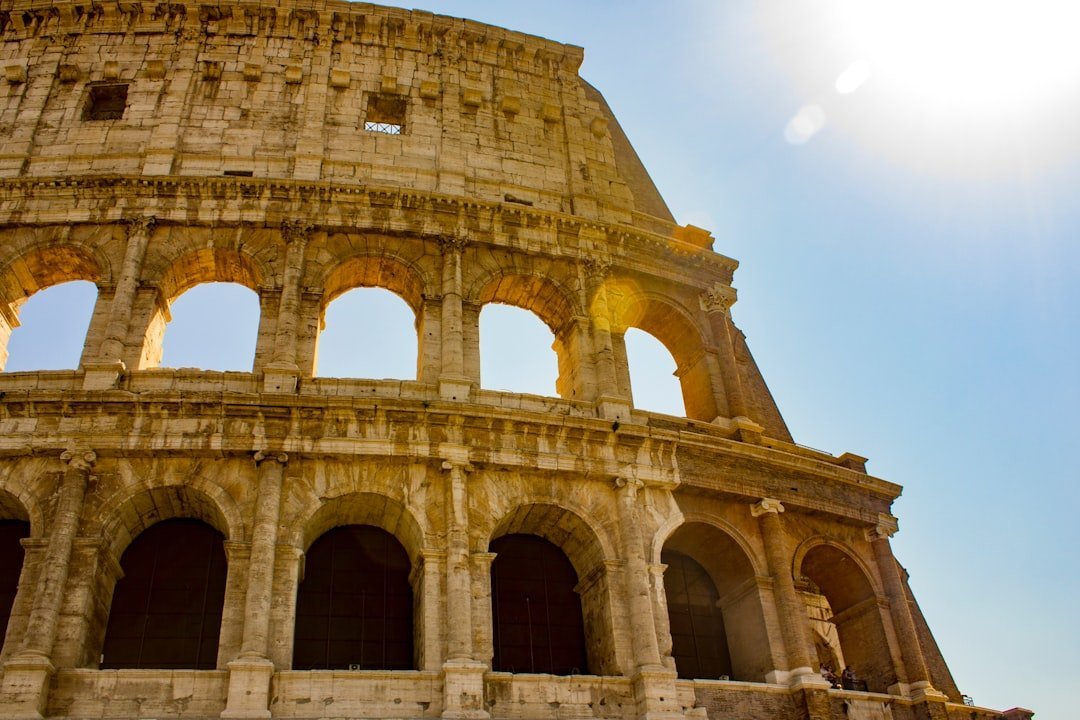
Ridley Scott’s Gladiator is one of those films that feels so confident in its world that you assume someone did the research. It won Best Picture at the Academy Awards, after all. In the case of Gladiator, one of the historical advisors even quit because of all the problems. That is quite a sign. Think of it like a chef walking out mid-service because the recipe had gone too far off the rails.
The character of Maximus is a fictional composite of several ancient Romans rather than a representation of a real gladiator. The film simplifies and distorts the extremely complex political landscape of ancient Rome, condensing real events to fit the length of a feature film. The portrayal of Emperor Commodus, while entertaining, deviates significantly from historical records. Most critically, one of the most dramatic moments in the film occurs when Commodus slays his father when he learns the Emperor intends to revive the republic. The young heir never actually killed his own father. Marcus Aurelius passed in 180 AD while leading a military campaign against northern Germanic tribes. While historians still debate what specifically caused his end, he certainly did not perish at the hands of his son.
3. 300 (2006) – Spartans, Monsters, and a Very Angry Iran
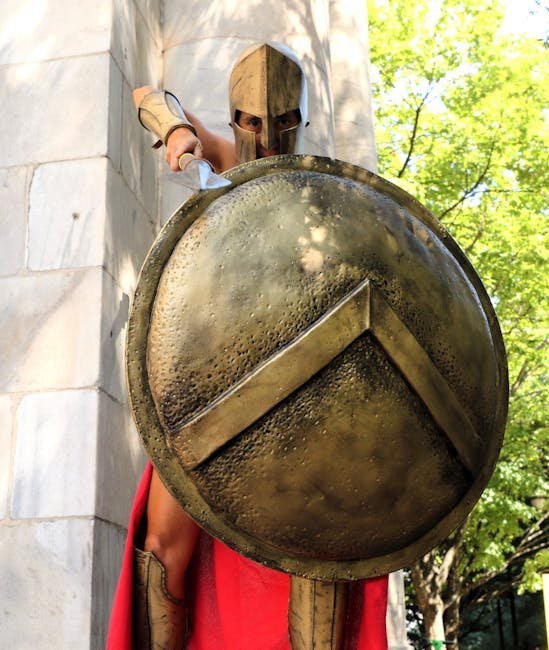
At its core, 300 is based on the genuinely amazing true story of roughly 7,000 Greek warriors, including 300 Spartans, holding off somewhere between 70,000 and 300,000 Persian soldiers at the Battle of Thermopylae. Given that it is a Zack Snyder adaptation of a graphic novel by Frank Miller, however, the verisimilitude ends there. The film is essentially a hyper-stylized fever dream dressed up in ancient Greek clothing, and historians have been complaining about it ever since.
In the movie, the Persians are treated as bloodthirsty savages led by the ruler Xerxes, who is portrayed as an effeminate bald giant. In reality, the Persians had one of the most advanced empires in the world when they took on the Greeks – and they had banned slavery, unlike the Spartans who were one of the largest owners of slaves in Greece. In fact, the movie faced a backlash in Iran because of the insulting portrayal of the Persians. So not only is the film factually backwards about slavery, it also managed to offend an entire modern nation in the process.
4. Pocahontas (1995) – Disney’s Most Damaging Fairy Tale

Disney has a long, proud tradition of softening dark fairy tales, and honestly, most people accept that trade-off. But there is a meaningful difference between reimagining a folk story and rewriting actual history involving real, named individuals. Were this film not directed toward children, who are less likely to know the real story, it could perhaps be dismissed as harmless historical fiction. But as it portrays real historical figures, critics complain that it easily misleads children and interferes with the events they will later learn about.
Her real name was Matoaka, not Pocahontas, and she was only a preteen when the Virginia Company arrived. Furthermore, there were never any romantic feelings between Matoaka and John Smith. As for Smith, he was said to be a disagreeable and unpleasant fellow, not a kind blonde Disney hero. The real Matoaka’s life story was genuinely extraordinary and heartbreaking. The young woman eventually traveled with her husband, John Rolfe, to England, where she met King James I and passed at the age of 20. That is a story worth telling. It just was not the one Disney chose to tell.
5. Pearl Harbor (2001) – Michael Bay Versus Military History
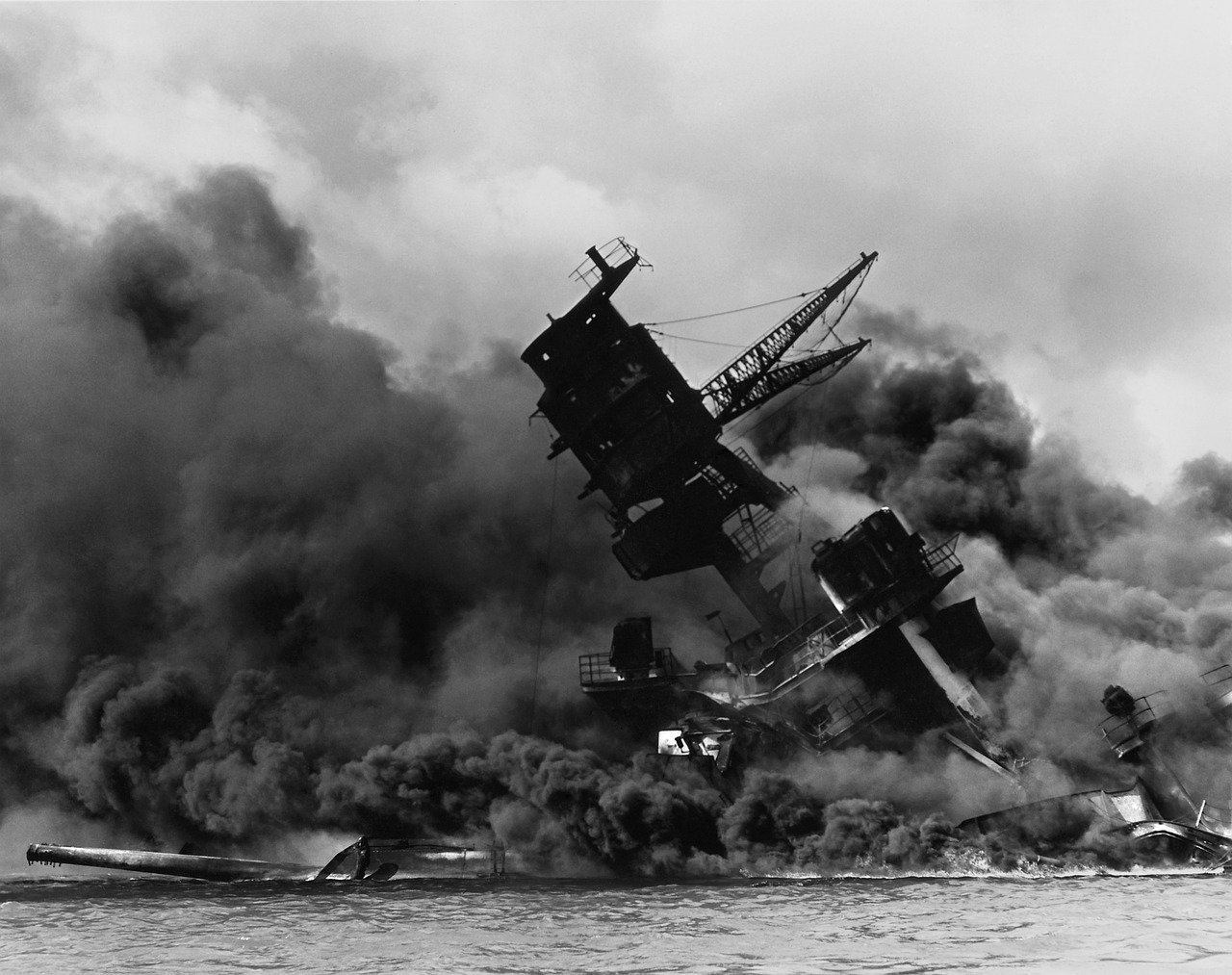
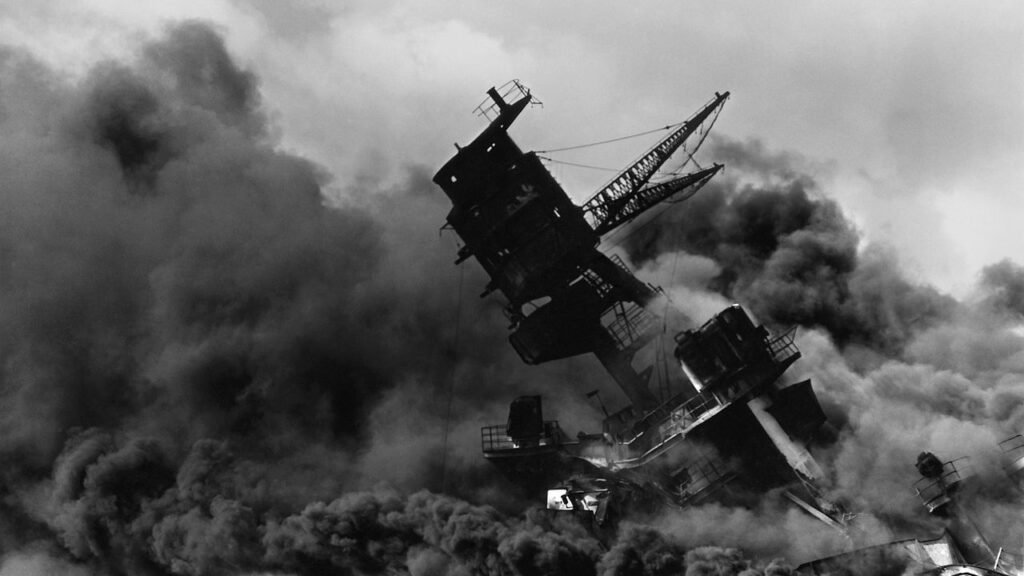
Michael Bay’s Pearl Harbor is a film that seems to exist in a parallel universe where historical events are just set dressing for a love triangle. Virtually every aspect of the movie was criticized, leading to six Razzie nominations including Worst Director and Worst Picture. But it was not just the filmmaking that drew collective ire. Historians have also lambasted the movie for its gross inaccuracies, as have veterans that survived the attack back in 1941. Some of the changes even border on the offensive, like the polio-stricken Roosevelt rising from his wheelchair and the Japanese bombers intentionally attacking a naval hospital.
There was no one in history who was in the Battle of Britain, and at Pearl Harbor, and who took part in the Doolittle Raid, as Ben Affleck’s character did in the movie. It is frankly insulting that they would make such a character, diminishing those who did participate in each event. I think that point is important. It is one thing to compress a timeline. It is another to invent a superhero protagonist who single-handedly threads together every major event of a war for the sake of drama.
6. U-571 (2000) – Stealing Britain’s Glory
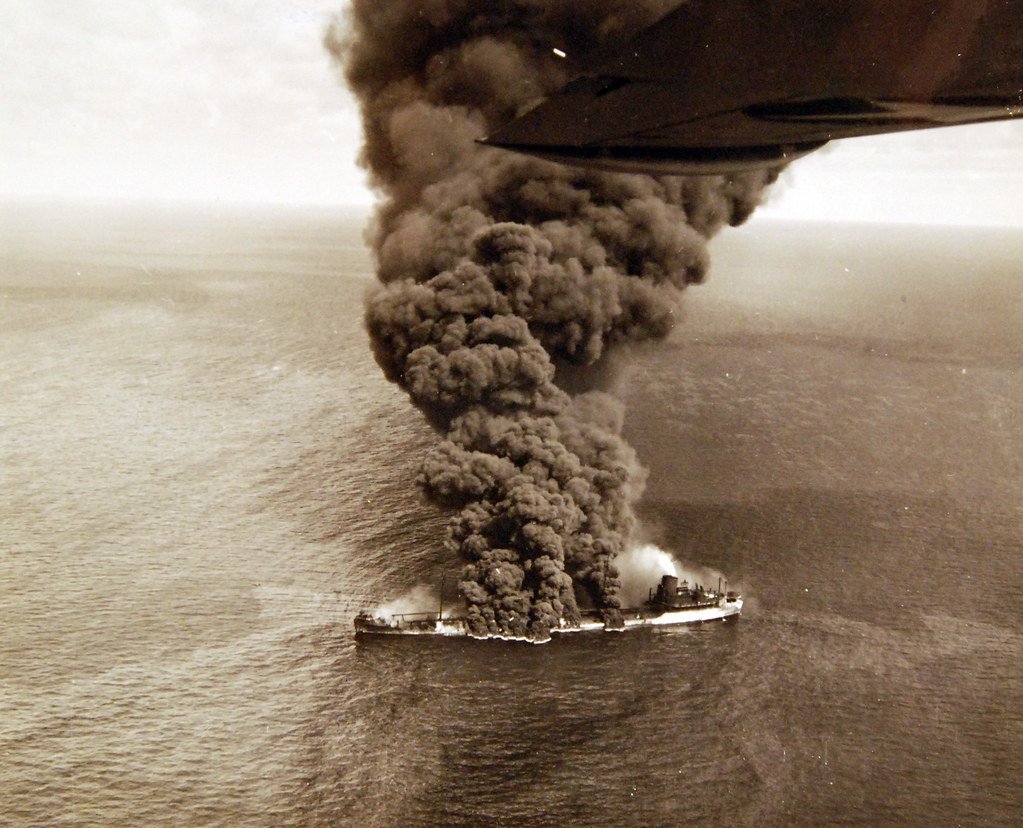
If Braveheart made Scottish historians angry, U-571 managed to anger an entire country’s government. There was indeed a German submarine called U-571, but that is where the history lesson ends. Everything else is completely fabricated. An action war movie, U-571 follows a group of undercover Americans who board the titular submarine to steal a piece of spyware. Perhaps the biggest affront to history is the very inclusion of Americans. In reality, the first naval Enigma machine was captured before the United States even entered World War II.
The first German Enigma machine was captured in February 1940 by the Royal Navy vessel HMS Gleaner, well before U-571 takes place in the spring of 1942. What is more, the Enigma had already been broken by British cryptologists at Bletchley Park in June 1941, six months prior to the US formally entering WWII after the Pearl Harbor bombing in December 1941. This glaring oversight stirred up controversy in Great Britain, prompting criticism from then-Prime Minister Tony Blair. The film did not just get history wrong. It erased the contributions of real heroes to hand the credit to fictional ones.
7. The Last Samurai (2003) – Tom Cruise Saves Japan
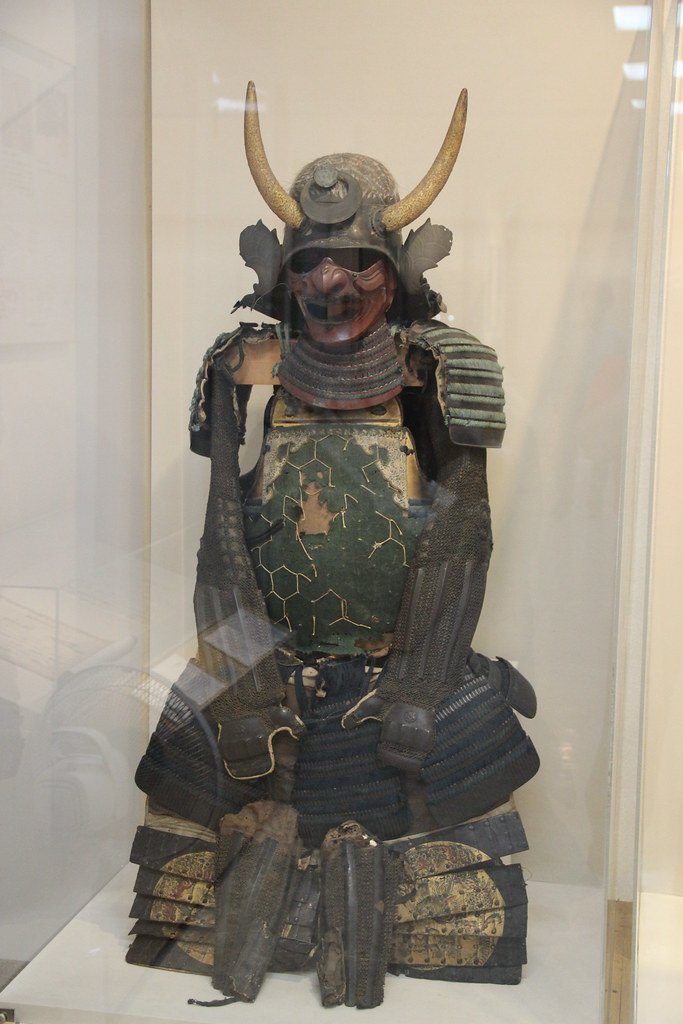
Here is the thing about The Last Samurai: it is a beautifully shot, emotionally resonant film. It is also built on a premise that historians find deeply problematic. An expert in East Asian history described the film as a “historical disaster” – a fair assessment of a movie positing that the last survivor of Japan’s legendary warrior caste was not a native samurai but rather a disenchanted Civil War veteran played by Tom Cruise. While acknowledging that some of the background to the story is reasonably true to life, the expert pointed out that almost everything else is wrong.
Inspired by the Satsuma Rebellion in 1877, the film stars Tom Cruise as a Civil War veteran who befriends an enemy samurai during the Meiji Restoration. First of all, it is extremely doubtful that an old Civil War soldier could become a master samurai in such a short time. Also, the film over-glorifies America, as Japan never consulted the US as military advisers. The samurai themselves are constantly portrayed as noble men, when in reality the Meiji reformers were not fighting for unselfish reasons, but to stay at the top of the social caste system. Because of this, the idea of them letting a foreigner into their ranks is extremely unlikely.
8. Bohemian Rhapsody (2018) – A Band’s History Remixed Beyond Recognition

Bohemian Rhapsody is a curious case because it deals with events recent enough that many people alive today actually remember them. You would think that would make accuracy easier. Instead, the film is full of historical inaccuracies, with various events being compressed and even outright fictionalized. The formation of Queen, Freddie Mercury’s sickness, the management of the band, and most of the Live Aid content are all portrayed in an unrealistic or exaggerated manner. They even got the songs wrong, like “We Will Rock You” being written three years later than it actually was.
In particular, Bohemian Rhapsody depicts Queen breaking up before Live Aid. In actual fact, they had recently performed in South Africa and been blacklisted by the UN for it. The band did not break up before their 1985 Live Aid performance – it was not a reunion. Mercury was not diagnosed with HIV prior to that show, but two years later. The film essentially invents a dramatic arc of collapse and redemption that never happened, all to give the Live Aid sequence more emotional weight. It works cinematically. It just is not true.
9. Amadeus (1984) – Mozart’s Greatest Fictional Rival

Amadeus is one of the most celebrated films of the 1980s, winning eight Academy Awards and bringing Mozart’s music to a whole new generation. Its central dramatic engine, however, is almost entirely invented. Wolfgang Amadeus Mozart’s musical exploits are legendary, but Amadeus does not restrict itself to only the composer’s talents. The biopic spices up the events by creating a conflict between him and Antonio Salieri, one of Holy Roman Emperor Joseph II’s other court musicians. The rivalry depicted is so vivid and consuming that it genuinely feels like documented history.
The problem is that the rivalry, while rooted in a minor historical tension, was dramatically exaggerated beyond any factual basis. Most biopics claim to be faithful to real-world history. However, Amadeus’ writer and director have been open about their use of dramatic license over accuracy. To their credit, they never pretended otherwise. The film is based on a stage play, not a biography. Still, for decades audiences walked away convinced that Salieri had literally poisoned Mozart out of envy. The real Salieri was a highly respected, successful composer who outlived Mozart by more than three decades. Hardly the portrait of a broken, guilt-ridden villain.
10. 10,000 BC (2008) – Prehistory Has Never Been This Wrong
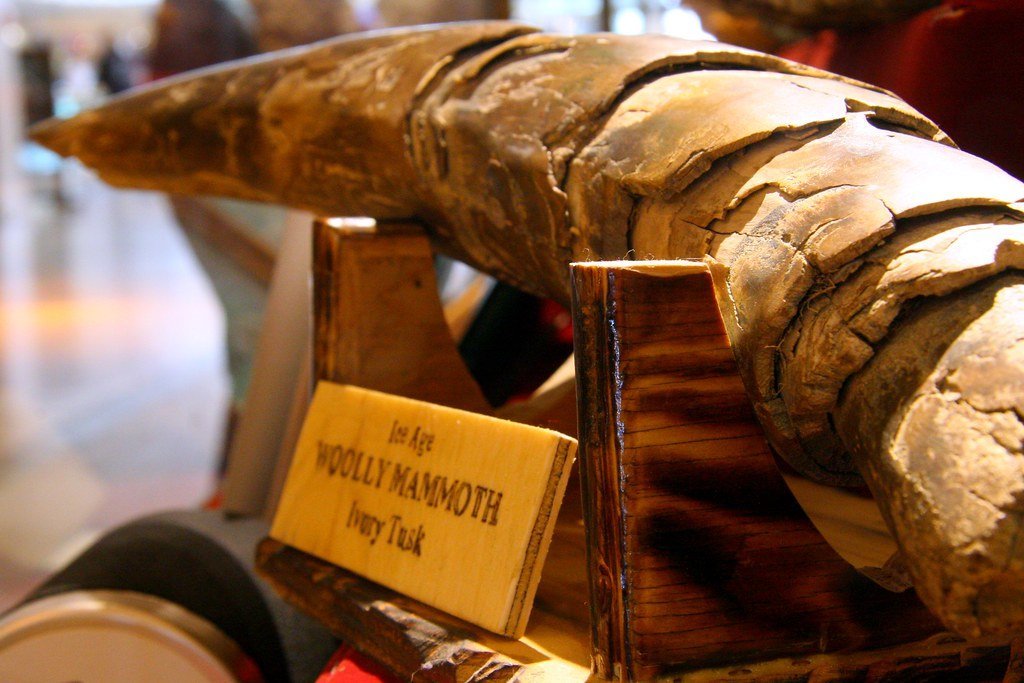
Roland Emmerich’s 10,000 BC is in its own special category of historical inaccuracy, one so extreme it almost loops back around to being charming. At the end of the day, 10,000 BC is arguably one of the most historically inaccurate movies ever made. Some of the biggest issues include the use of metals before their invention, woolly mammoths being used as workers in the desert, imaginary creatures in the jungle, and pyramids that appeared 8,000 years before the first one really did. Those are just the basics, with the entire movie being a giant conglomeration of made-up events and the muddling of time periods over the course of 15,000 years.
It is hard to stay angry at a film this enthusiastically wrong. Imagine someone trying to bake a chocolate cake and accidentally producing a hammock. That is the spirit of 10,000 BC. There are a lot of good reasons to watch a Roland Emmerich movie, but historical accuracy is not one of them. What makes this film stand out, even on a list this crowded with offenders, is its sheer chronological ambition. It does not just misrepresent a single era. It scrambles several distinct prehistoric periods into one rollicking, incoherent adventure and dares you to care. Many people do, which is perhaps the most historically inaccurate thing of all.
Conclusion – Great Stories, Questionable History

It would be easy to dismiss all of this as harmless entertainment. Films are not textbooks, and nobody expects a Hollywood epic to replace a university lecture. Yet there is a real tension worth acknowledging. Depending on whom you ask, historical accuracy is not always necessary when it comes to making a good historical movie. Some filmmakers consider it important, but not as important as telling a compelling story; others dismiss the notion entirely. The movies on this list have been widely criticized by historians as a result, though many of them proved quite popular with audiences despite their deviations from the historical record.
The most troubling cases are not the outlandish fantasy epics like 300 or 10,000 BC. Those signal their unreliability from the first frame. The more serious concern is with films like U-571 or Pearl Harbor, which wear the costume of historical authenticity while quietly rewriting who deserved credit for real, brave, documented sacrifice. There is a difference between artistic license and erasure.
Cinema has always been in the business of myth-making. Sometimes that produces enduring art. Sometimes it produces a kilt-wearing William Wallace having an affair with a three-year-old princess. The best we can do as viewers is enjoy the spectacle and then pick up a book afterward. What film on this list surprised you the most? Let us know in the comments.
CEO-Co-Founder
