

Somewhere between a Spotify playlist and a TikTok feed, something unexpected is happening. People are walking into record stores again. They’re carefully sliding black discs from paper sleeves, dropping a needle, and just… listening. Not scrolling. Not skipping. Actually listening.
Sales of vinyl LP records faded quickly in the 1990s as CDs and cassettes gained popularity, leading the vinyl record industry to bottom out in 2006. That looked like the end. It wasn’t. In 2024 alone, the U.S. music industry sold 43.6 million vinyl records, marking the 18th consecutive year of growth. That’s not a blip. That’s a cultural shift. So what on earth is going on? Let’s dive in.
1. The Sound Quality Debate That Vinyl Is Winning
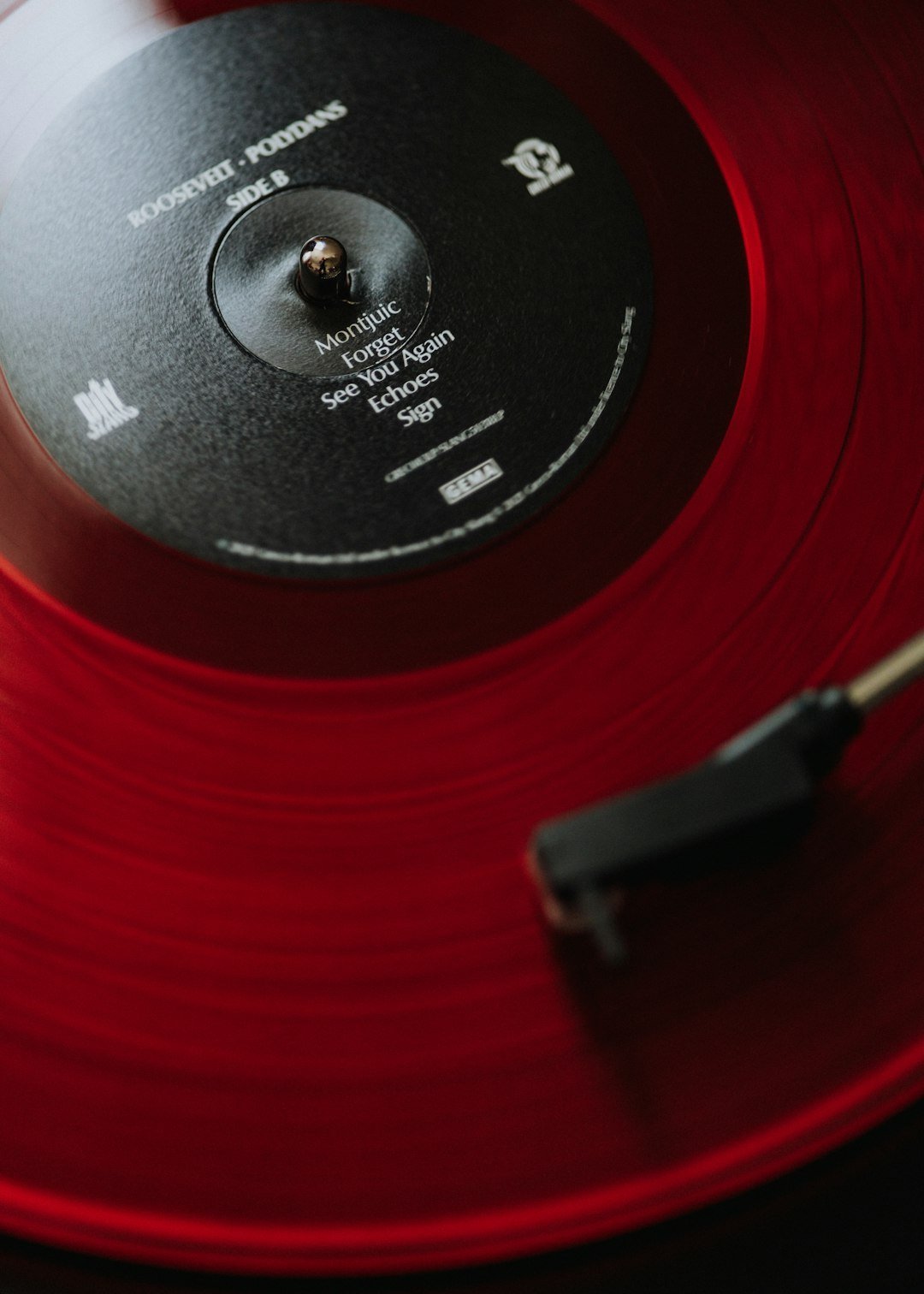
Here’s the thing about audio quality: most people don’t notice how bad it is until they hear something better. Streaming platforms compress music into tidy digital files, and while convenient, something gets lost in the translation. Analog sound means that the sound waves are recorded directly onto the record, preserving the intended sound of the music, while digital music is compressed and processed, which can result in a loss of detail and nuance.
Many music fans will tell you that the warm tones and subtle imperfections of a vinyl record are far superior to an electronically and precisely remastered digital equivalent, particularly for music released before the turn of the millennium. Think about that for a second. An album like Pink Floyd’s “The Dark Side of the Moon” was literally recorded to be heard on vinyl. Listening to it on a compressed streaming file is a bit like viewing the Sistine Chapel through a dirty window.
The popular verdict is that vinyls give off a warmer and fuller sound, and often produce that “360 degree sound” that is advertised on LP album covers. Audiophiles have been saying this for decades, and now, a whole new generation is nodding along in agreement.
2. Gen Z Is Driving the Revival in a Surprising Way
Nobody saw this coming. The generation that grew up with iPhones and Spotify is now the biggest buyer of a format that predates their parents. Gen Z buying vinyl accounts for roughly more than a quarter of all vinyl purchases in 2024, making them the largest demographic driving this trend. These digital natives, born between 1997 and 2012, are choosing analog music formats for reasons that extend far beyond sound quality.
Interestingly, Gen Z is drawn to the nostalgia of the past, even if they didn’t live through it. Retro fashion, vintage tech, and analog media are all part of a broader cultural trend, with vinyl LP record albums evoking a sense of history and authenticity that resonates with Gen Z’s desire for meaningful experiences.
I think this is one of the most fascinating sociological things happening in music right now. A generation raised entirely in the digital world is actively choosing inconvenience. They’re choosing ritual. Millennials and Gen Z are embracing physical media as part of a “slow living” movement and seeking authentic experiences. That says a lot about the world we’re living in.
3. The Nostalgia Factor Is Bigger Than You Think
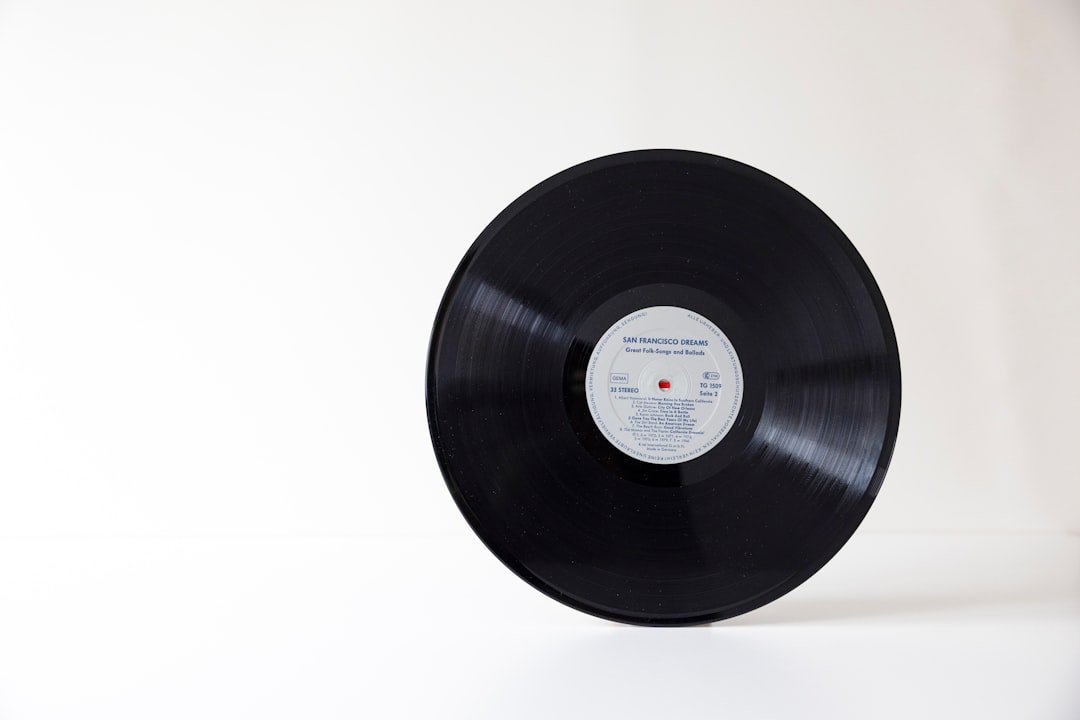
Nostalgia is a powerful thing. It’s not just a fuzzy feeling, it’s a real purchasing motivator. Being able to buy a piece of tangible music that looks like it’s from a time when things were simpler, and when more care and attention to detail was put into its manufacture can be incredibly powerful.
Nostalgia is multi-faceted in this sense, as people of an older generation are looking to once again hear the original music that they heard from their youth, whilst at the same time those younger are getting their hands on vinyl records in the form of various re-releases from artists who may have only initially issued their music on CD.
Vinyl isn’t just superior sound, it’s a time machine. For many, it brings back memories of simpler times when listening to music was an intentional ritual. The crackle of the needle, the rotating disc, the large album covers all add up to a nostalgic experience that no streaming app can recreate. No algorithm will ever replicate that feeling. Not even close.
4. Vinyl as a Collectible: Real Value in a Digital World
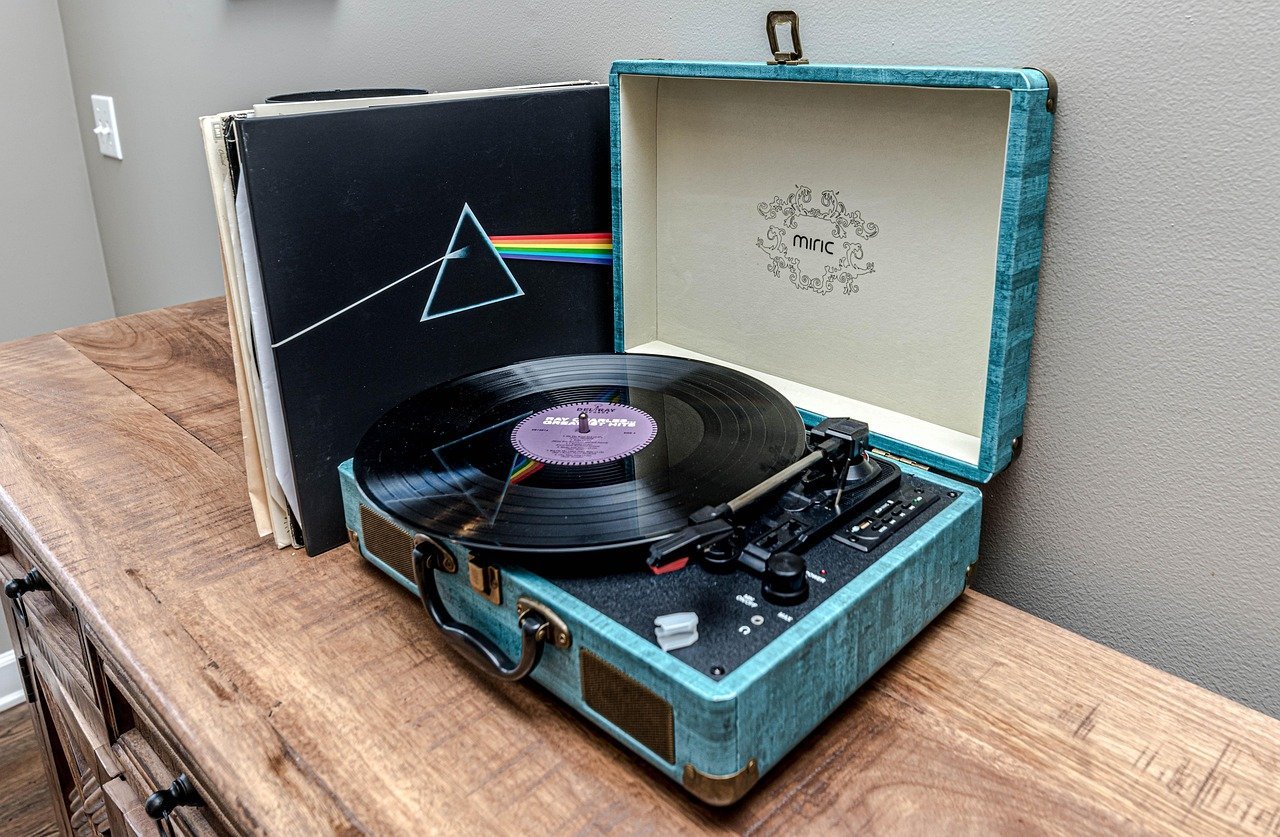
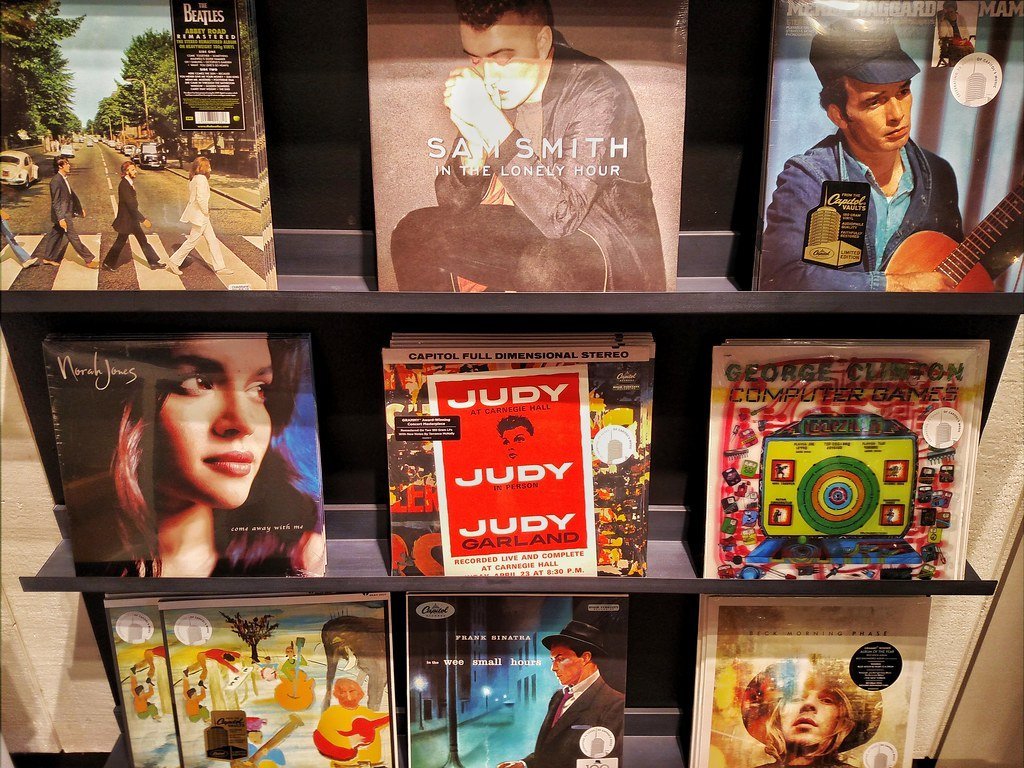
Walk into any serious collector’s home and you’ll understand immediately. Rows and rows of records, organized, displayed, treasured. This isn’t just a hobby. It’s an investment with genuine emotional and sometimes financial payoff. Vinyl record packaging offers the added intrigue of collectability. Limited pressings, colored vinyl, and special editions make vinyl records highly collectible, and owning a physical copy of an album, especially one with unique artwork or elaborate vinyl record sleeves, adds an intangible that digital files simply can’t replicate.
Consumers will be shocked to learn that some records are worth thousands. You just need to properly care for your vinyl records to ensure that they maintain their value. A first pressing of a beloved album can be worth more than a decent used car.
Interestingly, vinyl LPs appear to have become a bit of a collectors’ item for fans who listen to music digitally but still want to own a physical object: according to Luminate, only half of vinyl buyers actually own a record player. That’s a staggering statistic. People aren’t just buying vinyl to play it. They’re buying it because it means something.
5. The Physical Experience in a Screen-Saturated World
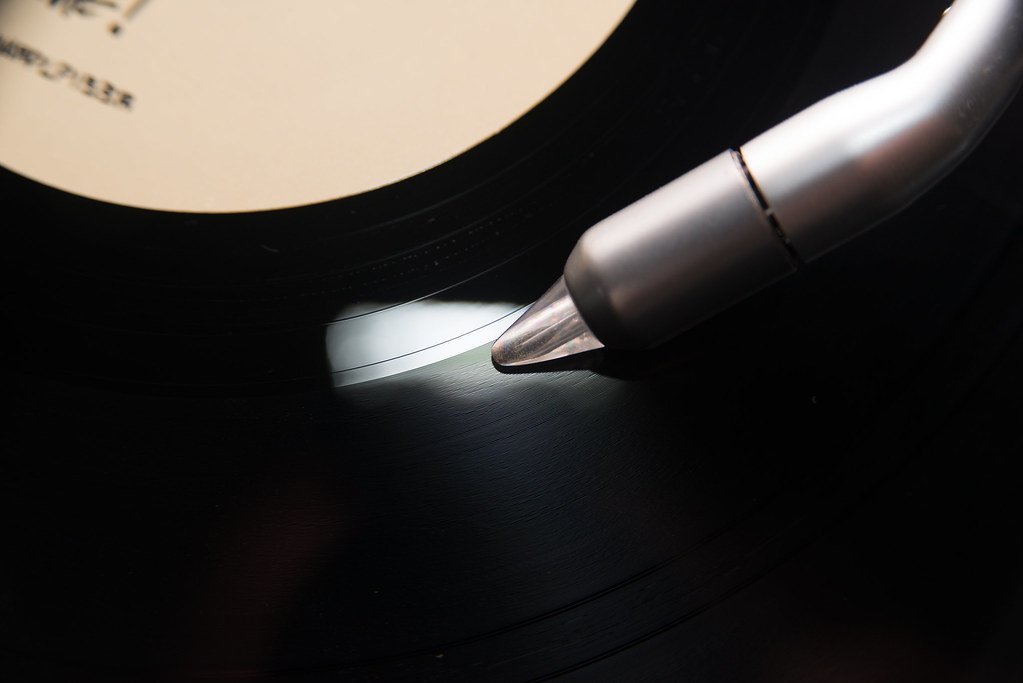
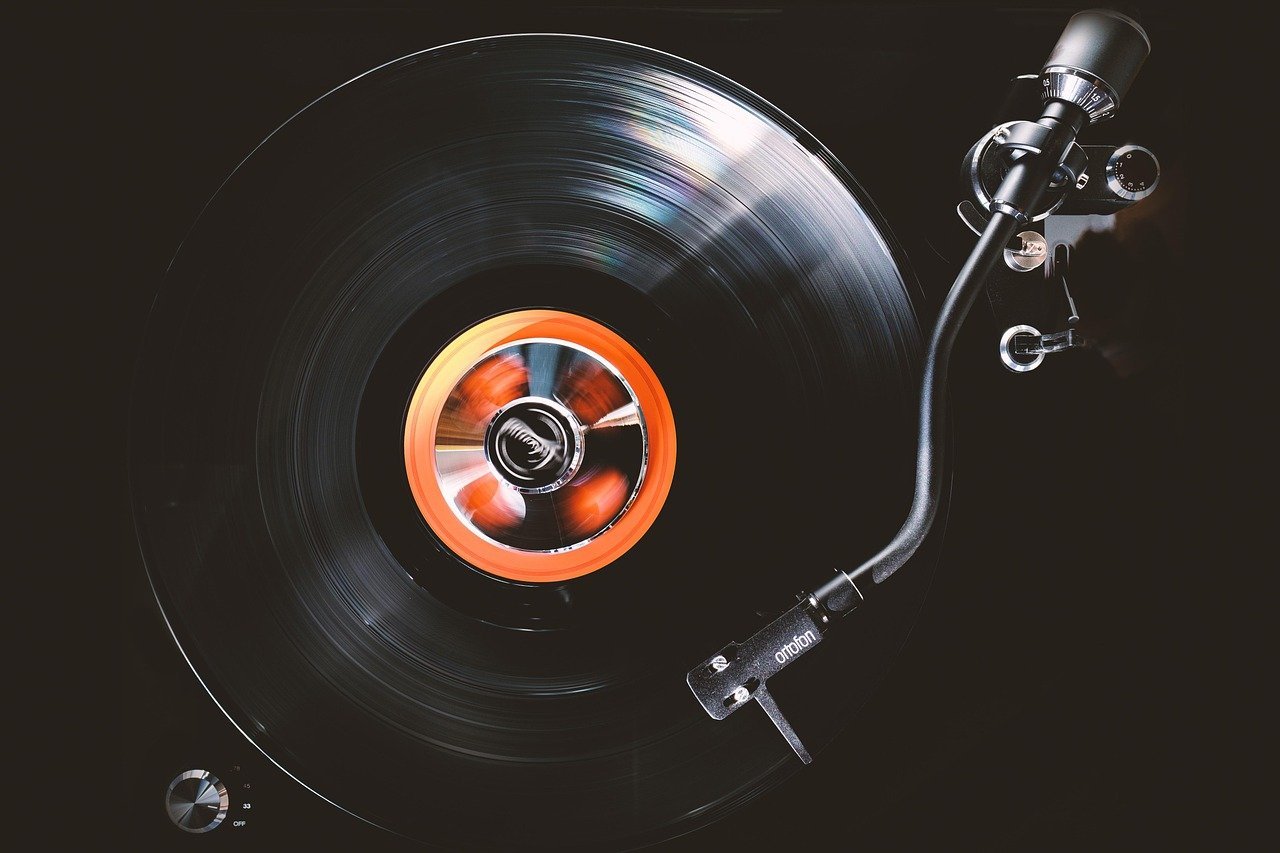
Let’s be real. We spend most of our waking hours staring at screens. Music has become pure background noise, something that plays while we scroll through something else. Vinyl demands something different from you. Now that technological development has practically eliminated the physical experience of listening to music and everything is available with the tap of a finger, music lovers find mindfulness and wellbeing in the process. Vinyl enthusiasts love the feeling of choosing a desired album, taking the vinyl out of the sleeve, placing the record on the turntable, and finally raising and lowering the tonearm.
Unlike digital audio files, vinyl LP record albums offer a physical touchpoint. Handling large-format vinyl album packaging decorated with beautiful artwork is an experience that MP3 files cannot provide. Custom vinyl record sleeves are often covered with lyrics and backstories about the artist. Even the ritual of placing the needle on the record creates a sense of intimacy and engagement completely absent from music streaming.
This is honestly what I think is the core of the whole revival. It’s not just about sound. It’s about attention. It’s about choosing to be present with something you love.
6. Artists and the Industry Are Fully Embracing the Format
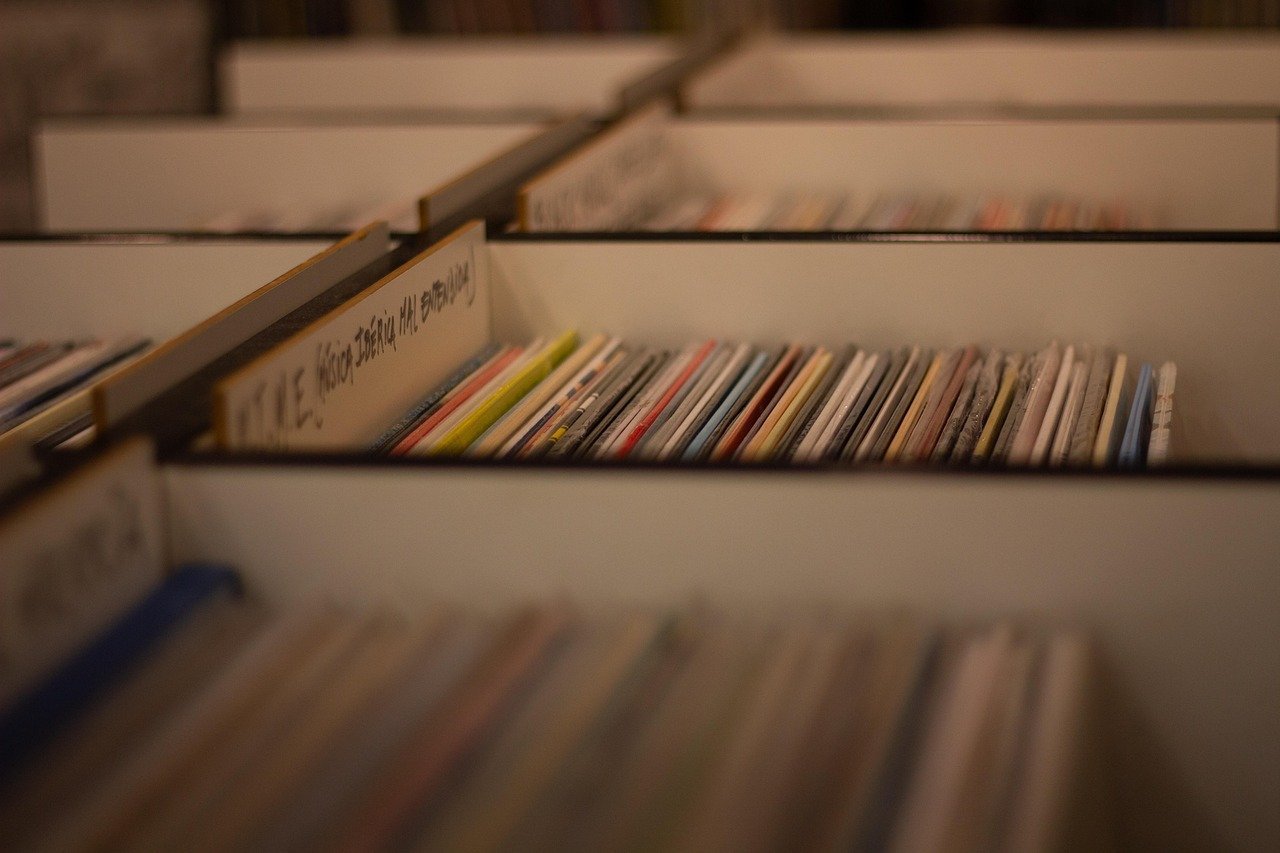
The vinyl renaissance isn’t just happening from the ground up. Artists and labels are actively fueling it. There’s a trend towards reissuing classic albums with remastered audio and improved packaging, alongside contemporary artists releasing new music on vinyl. It has become a genuine part of an album’s release strategy.
Vinyl sales have shown popularity amongst emerging and award-winning artists in pop scenes, with artists like Tyler the Creator, Laufey, and Clairo hopping on the record trend and selling them officially on their websites. Even pop’s newest faces understand the value of a physical, hold-it-in-your-hands connection with fans.
Taylor Swift’s 2024 album “The Tortured Poets Department” sold 859,000 LPs in the album’s first week alone, and the album ended up becoming the best selling vinyl album of the year with nearly 1.5 million copies sold. Numbers like that aren’t niche. That’s a mainstream cultural phenomenon at full speed.
7. The Revival of Independent Record Stores as Community Hubs
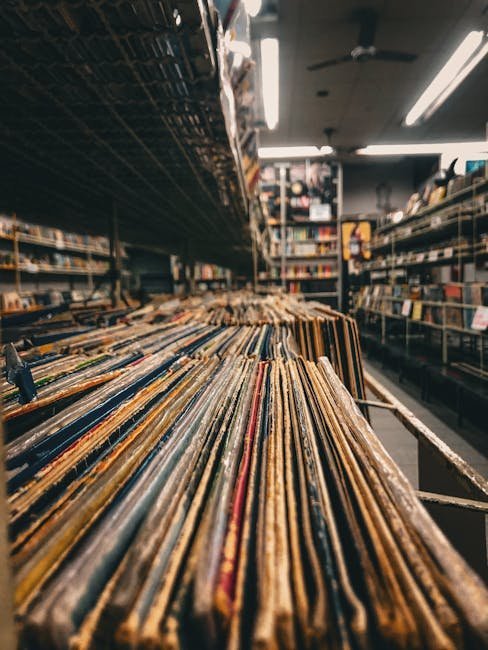
Something genuinely wonderful has happened to your local record store, if you’re lucky enough to have one. Renewed interest in vinyl has breathed new life into independent record stores, turning them once again into vital community hubs for music culture. Existing independent record stores that sometimes struggled to stay open during the rise of digital music are now thriving, and new stores open every day in cities across the nation. Many of these stores offer a curated selection of vinyl records, CDs, and even cassettes, and some like to focus on niche musical genres or supporting local bands.
Since mid-2024, indie stores have accounted for roughly two-fifths of all vinyl album sales, marking the largest single retail channel for vinyl purchases. That’s enormous. That means a huge portion of this cultural moment is happening inside physical stores, between real people, not through a screen.
Record Store Day, established in 2007, played a crucial role in vinyl’s revival by creating annual celebration events that brought communities together around physical music. It turned record shopping into something you look forward to, a holiday almost, for music lovers.
The Bigger Picture: Why Vinyl’s Future Looks Bright
It’s hard to say for sure exactly how long this vinyl renaissance will last, but right now, the numbers tell a very confident story. The global vinyl record market reached nearly 2 billion dollars in 2024, and projections expect it to reach 3.5 billion dollars by 2033. That is not a format dying a slow death.
The vinyl revival isn’t a fad, it’s a fundamental shift in how people value music. As streaming becomes increasingly commodified and algorithm-driven, vinyl offers an antidote: intentional, high-quality, personally curated music experiences. There’s something deeply human about that.
As Gen Z ages and gains purchasing power, their enthusiasm for vinyl records suggests the revival has lasting potential beyond nostalgic trends, establishing vinyl as a permanent fixture in the modern music landscape. In a world of infinite digital choices, people are choosing to slow down, hold something real, and truly listen. Maybe that tells us more about what we’re missing than anything else.
What do you think? Is vinyl simply a nostalgic trend you don’t see lasting, or do you believe it’s here to stay for good? Drop your thoughts in the comments below.

Besides founding Festivaltopia, Luca is the co founder of trib, an art and fashion collectiv you find on several regional events and online. Also he is part of the management board at HORiZONTE, a group travel provider in Germany.
