
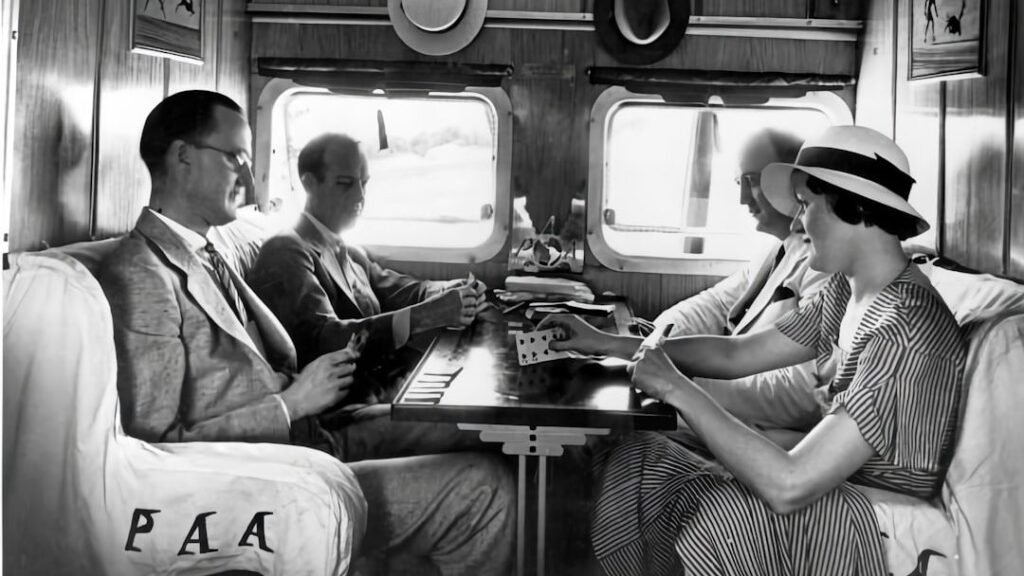

There is something genuinely delightful about flipping through an old travel guide from the 1950s. The pages are yellowed, the illustrations charmingly stiff, and the advice? Absolutely priceless. Not because it was bad advice for its time, but because the world it describes feels like an entirely different planet.
These old books often reveal as much about the tourists they target as the destinations they cover, showcasing the fashions of the day, social norms and customs, and cultural etiquette. Honestly, that’s what makes them so entertaining to read today. They’re not just travel tips. They’re time capsules. So buckle up, pack your best hat and gloves, and let’s dive into ten vintage travel guides that will make you laugh, cringe, and maybe even feel a tiny bit nostalgic.
1. Fodor’s Modern Guides: Europe for the American Traveler (Early 1950s)
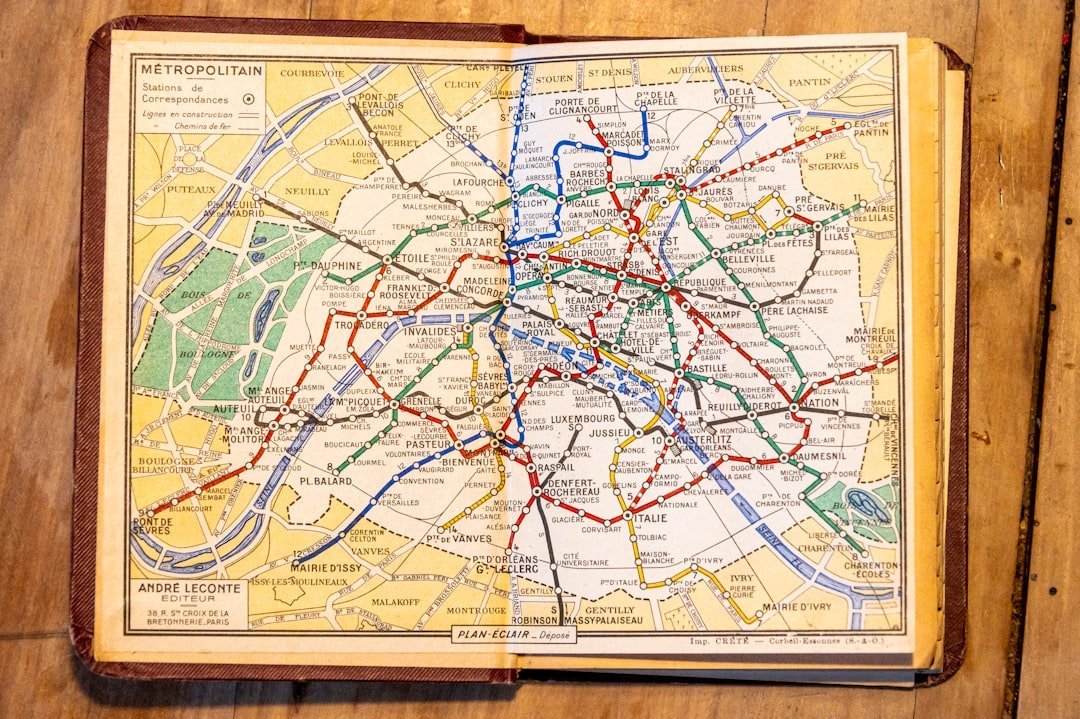
After World War II, the appetite for European travel among Americans exploded. Fodor’s Modern Guides, Inc., was founded in Paris in 1949, and a year later David McKay Company became its publisher. The early 1950s editions reflected a very specific kind of traveler: someone with deep pockets, formal expectations, and absolutely no intention of roughing it.
The company pioneered annually updated guidebooks tailored for middle-class travelers, emphasizing practical insights, cultural context, and off-the-beaten-path recommendations rather than luxury-focused itineraries. Still, the tone was unmistakably stiff by modern standards. Tipping instructions ran on for pages. Readers were cautioned against being “too familiar” with locals. The idea of simply wandering without an itinerary? Unthinkable.
What’s genuinely funny today is how seriously the guides treated minor details, like which fork to use at a Parisian brasserie, as if getting it wrong might start a diplomatic incident. By the mid-1950s, tourism in Europe was back in swing after World War II, and Fodor himself traveled around Europe extensively, dining at the restaurants and staying at the hotels that his guides recommended. The research was real. The paranoia about propriety? Also very real.
2. Fodor’s Woman’s Guide to Europe (1956)

Here’s the one that really makes you do a double-take. Fodor’s Woman’s Guide to Europe from 1956 was “written by women for women.” It includes a big, pink, pull-out shopping map and advice on dating Frenchmen and buying perfume. Let that sink in for a moment.
The guide essentially assumed that a woman traveling alone needed an entirely separate rulebook from a man. Navigation tips were secondary. Shopping strategy and romantic encounters, apparently, were the main events. It’s simultaneously hilarious and a pretty sharp reminder of where society stood in 1956 when it came to women’s independence and ambitions.
I think what’s most striking isn’t the pink map itself, but the confidence with which the whole thing was published as perfectly normal, even thoughtful. Today, the concept of a gender-segregated travel guide would be met with raised eyebrows at best. From the 1950s onward, travel and tourist visits gradually took on a neo-conformist character, where people traveled because that was what one had to do, because social conventions required it. And those conventions, clearly, applied differently depending on your gender.
3. “Traveling Economically in Great Britain” (1954)
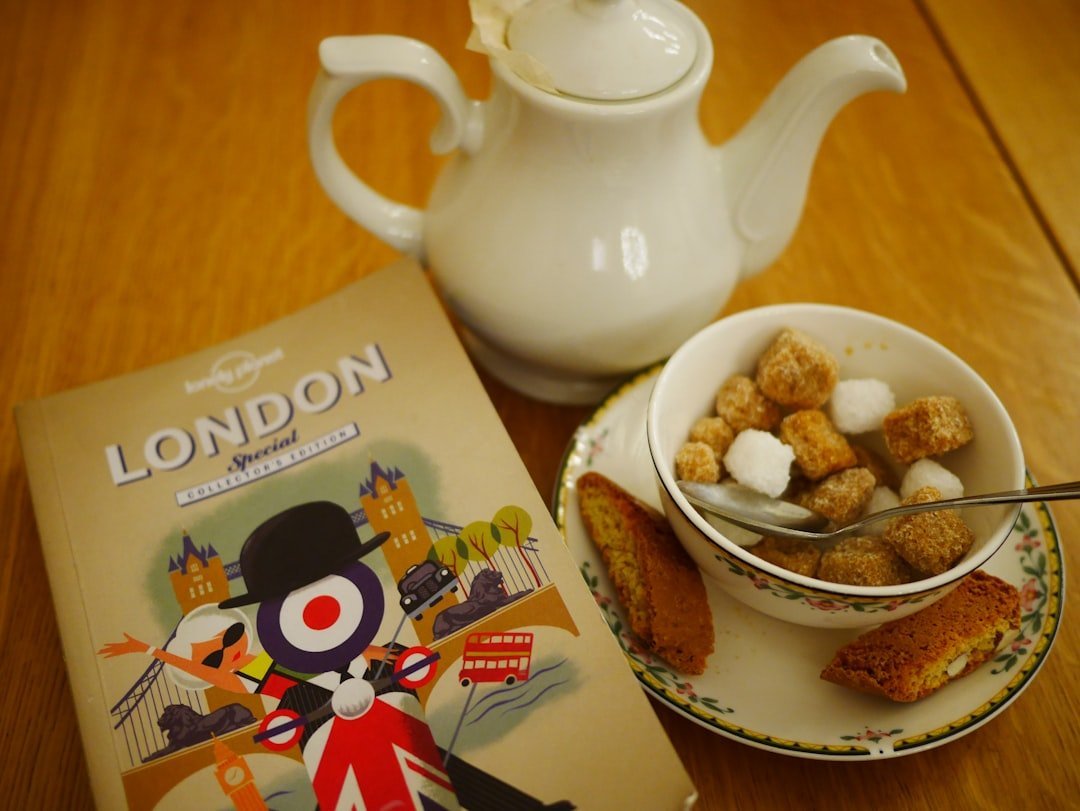
Published in 1954 for the British Tourist and Holidays Board in London, this guide featured great color graphics along with detailed notes on what to do and not do in England. That last part, the “do nots,” is where things get entertaining. The guide was deeply invested in making sure American visitors didn’t embarrass themselves or, more importantly, embarrass the British hosts.
Visitors were advised against being overly enthusiastic or loud in public spaces, something many Americans apparently needed to be told in writing. There were reminders about queuing properly, not complaining about the food too loudly, and dressing appropriately for every single occasion. The level of behavioral anxiety baked into these pages is genuinely staggering.
Let’s be real, most modern travelers barely glance at the customs section of a guidebook before booking their flight. In 1954, apparently, you needed a chapter-by-chapter tutorial on how to be a decent human being abroad. The contrast with today’s casual “just Google it” travel culture is about as stark as it gets.
4. “Let’s Talk About Your Trip to Europe” (1953)
Published in 1953 by Pacific Motor Sales, this guide covered what a tourist should know about traveling to Europe, including how to plan an itinerary, how much money to bring, and what was, according to the publishers, actually wrong with Europe. That’s right. A section on what is wrong with Europe. In a travel guide.
The “problems” cited in such guides of the era typically included things like unfamiliar plumbing, strange foods, and the unsettling reality that people spoke languages other than English. The cultural arrogance is breathtaking in retrospect, but it also speaks volumes about post-war American confidence. The US had helped rebuild Europe, so naturally some guidebook authors felt entitled to critique it a little.
It’s a bit like handing someone a restaurant recommendation and then spending three paragraphs warning them that the waiters might be “a bit formal.” Today’s travel writing bends over backwards to celebrate difference and encourage curiosity. The 1953 approach was more like: here’s where to go, here’s how much it’ll cost, and here’s a list of grievances to emotionally prepare you. Charming, in a very specific way.
5. “A Trip Through Italy” (circa 1954)
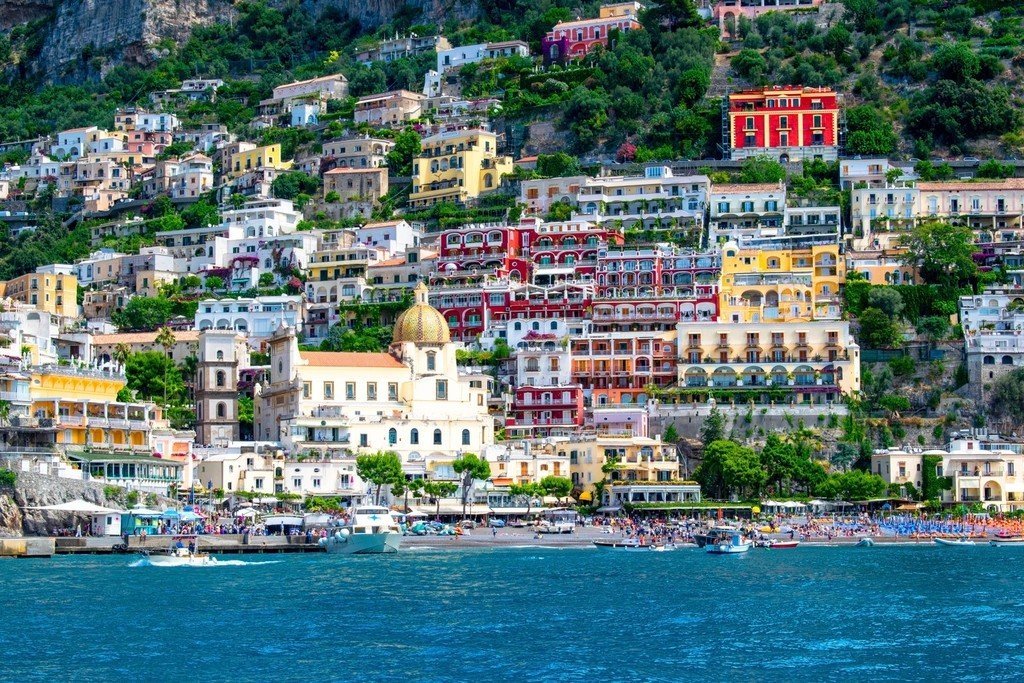
This vintage tourist brochure promoting travel to Italy was written in English and compiled by Roberto De Gasperis of the National Tourist Industry Department. The content prepared the traveler with what they needed to know both before and during the trip, including what clothes to pack, advice about hotel facilities, import information, tourists’ assistance, motorists’ and railroad itineraries, guarded camping sites, and more.
The clothing advice alone is a revelation. Readers were instructed to pack formal wear for virtually every occasion, including day sightseeing. The idea of wandering the Colosseum in shorts and flip-flops would have been considered practically scandalous. Women were specifically cautioned to dress modestly near churches, which, to be fair, is still genuinely good advice today.
What really stands out is the meticulous, almost anxious tone of the whole thing. Guidebooks have a peculiar shelf life, practical at first, then nearly worthless once they become repositories of outdated listings. As decades pass, a stage of permanent interest emerges, this time as a historical document, or in some cases even literature. This Italian brochure has absolutely crossed that line into fascinating historical artifact territory.
6. “See Spain by Motor Coach” (Early 1950s)
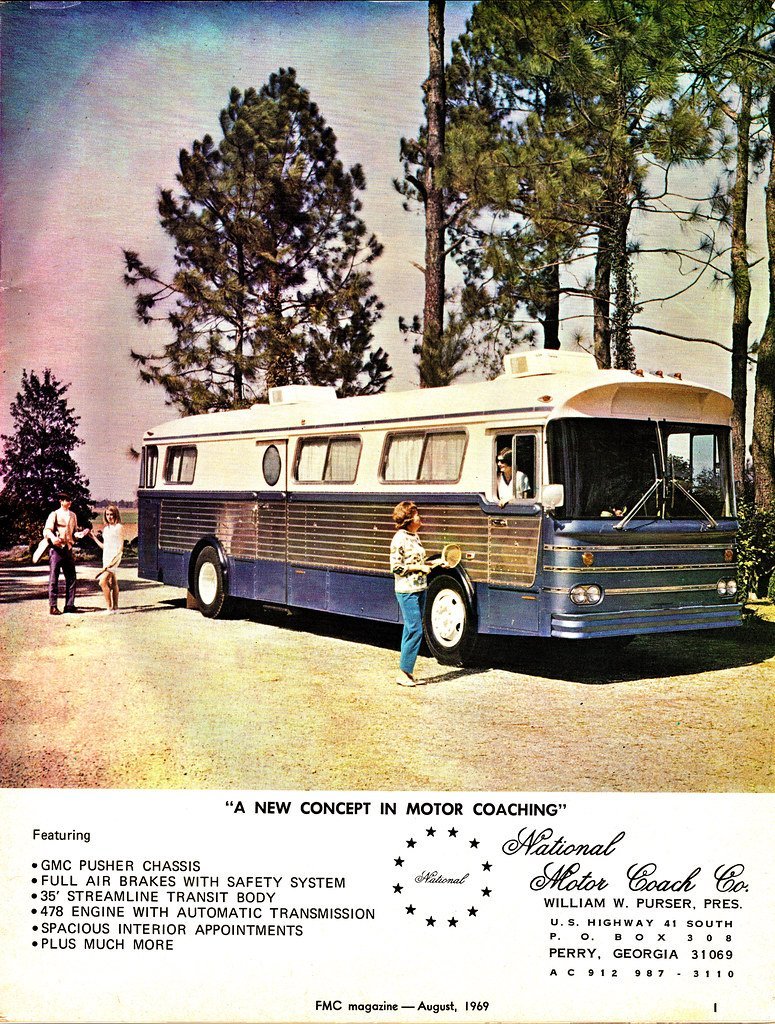
Published by Autotransporte Turistico Espanol S.A. in Madrid, this guide promoted seeing Spain by motor coach, offering several package tours by bus with hotels and meals included, at both first class and luxury level. The packaging of the whole experience, right down to which meals were included and what “luxury” looked like, tells you everything about how tourism was positioned in that era.
Travel in the 1950s was, for many, still an event requiring serious financial planning. In the 1950s, people didn’t take flying for granted when air travel was only reserved for the wealthy elite. Back then, a plane ticket would cost almost a month’s salary. So if you couldn’t afford to fly, a motorcoach tour through Spain was your glamorous alternative. The guides sold it like a luxury cruise on wheels.
Reading one of these motor coach brochures now, the idea of being herded onto a bus with forty strangers and handed a fixed itinerary sounds more exhausting than relaxing. Yet at the time, this was aspirational travel. The whole thing reads like a brochure for a world that existed in a completely different orbit from our age of solo backpacking and last-minute flight apps.
7. The “Holiday” Magazine Travel Guides (Late 1950s)
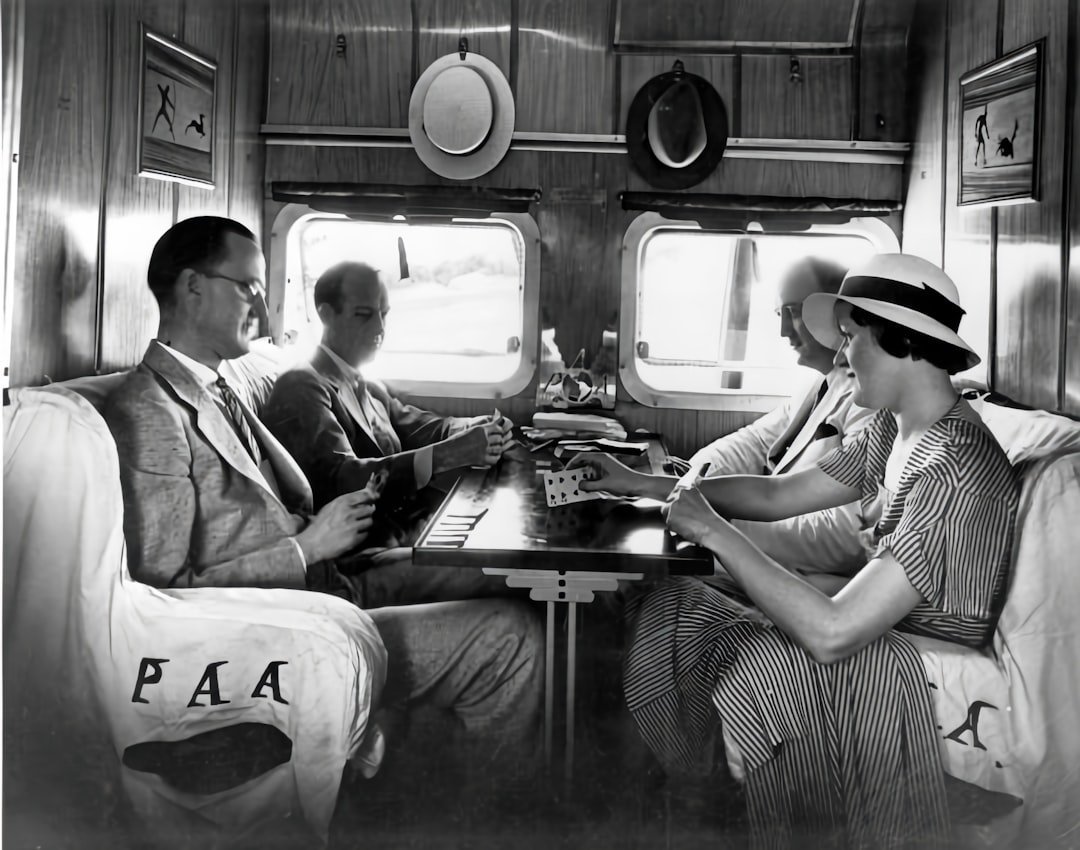
In Holiday magazine, travel was men in fedoras flicking open silver-plated cigarette cases in the boarding area, and society swans pirouetting to their seats, Louis Vuitton hatboxes swinging from gloved forearms. If that doesn’t paint a picture, nothing will. The travel guides and features published in Holiday during the late 1950s were essentially aspirational fantasy material.
It reminds us of a magical time when cosmopolitan travel was booming and it was exciting to go to Europe on an ocean liner. What’s astonishing is the star-studded cast of writers and artists involved, including the likes of Ernest Hemingway, Jack Kerouac, John Steinbeck, Truman Capote, and Joan Didion. So the writing quality was genuinely excellent. It was the social assumptions baked into every page that feel so alien now.
Smoking was recommended or at least casually depicted everywhere. During the 1950s, smoking of cigarettes, pipes, and cigars was totally acceptable in the air, but strangely not in the terminal, as they were afraid cigarettes might ignite the fuel fumes. Let that one marinate. You could light up mid-flight, but not while waiting to board. The safety logic of the era was, let’s say, a work in progress.
8. Air Travel Etiquette Guides and Airline Promotional Booklets (1950s)
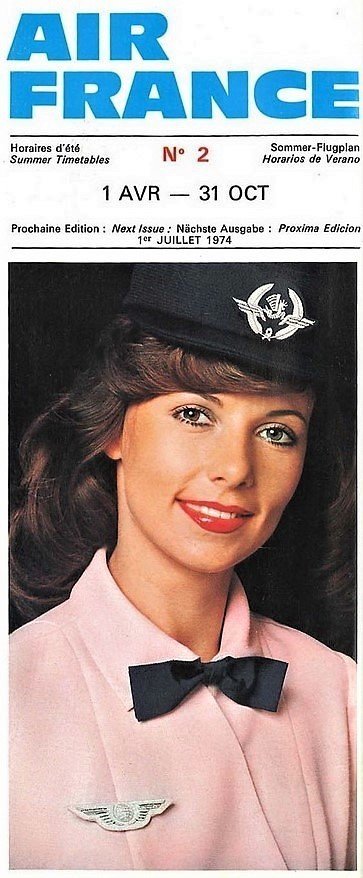
During the 1950s and 1960s, air travel was rare and significantly more expensive when adjusted for inflation. Flying was considered a luxury activity, and passengers often treated it as a special occasion. So naturally, airlines published their own little etiquette booklets to make sure everyone behaved accordingly.
Passengers often donned their finest clothes, treating air travel like a special occasion rather than a mere means to get from point A to B. Men wore suits and ties while women adorned themselves in dresses or skirts, complete with hats and gloves, a stark contrast to today’s casual airport wear. These promotional guides told passengers exactly how to dress, behave, and what to expect from the glamorous experience ahead.
Aircraft cabins also served a different social function. Flights operated more like restaurants, social clubs, and cigar lounges, where passengers interacted with one another during the journey. The contrast with today’s noise-canceling-headphone culture, where eye contact on a plane is considered mildly threatening, is absolutely hilarious. We have traveled a very long way. Literally and socially.
9. Hawaiian Islands Travel Brochures (1952)

A 1952 Hawaiian Islands Travel Brochure was published for Inter Island Air Cruises and United Airlines. Hawaii had only recently become accessible to mainland tourists by air, and these guides treated the islands with an almost colonial sense of exotic wonder. The language used to describe local culture was, to modern eyes, deeply uncomfortable in places.
With more than 80% of all travel in the 1950s being done by car, the best way to get cross-country was by Route 66. Getting to Hawaii was therefore genuinely extraordinary, and the promotional brochures leaned hard into that sense of adventure and discovery. The islands were presented as something to be consumed by the traveler rather than understood or respected on their own terms.
Today’s travel writing around Hawaii is careful, culturally aware, and often explicitly addresses the impact of mass tourism on local communities. The 1952 version? It was basically: look at this paradise, it’s yours for a few weeks. The difference in framing is staggering, and it reflects one of the biggest shifts in how the travel industry talks about destinations and their people.
10. Route 66 and American Road Trip Guides (1950s)

The 1950s, often hailed as the “Golden Age of Capitalism,” were a time of post-war optimism and economic growth, giving rise to some of America’s most cherished pop culture icons. Imagine yourself cruising down historic highways in a vintage car, Elvis crooning on the radio, and diners serving up milkshakes while jukeboxes played. Road trip guides of the 1950s captured exactly that energy, and they are deeply joyful to read today.
Guides from this era also carried useful information about tourist camps. Towns established campgrounds to attract travelers and the dollars they spent on food, gas, and repairs. Pitching a tent at a tourist camp was cheaper and more convenient than hotels, which were typically built near railroad depots. The whole road trip culture was still being invented in real time, and these guides were writing the rules from scratch.
What’s bittersweet is how thoroughly these guides erased entire communities from their recommendations. Consequently, nearly all of the first airline passengers were white, and that same exclusionary pattern ran through road travel guides too, which routinely omitted information that would have been essential for Black travelers navigating a segregated country. The joy of the open road in 1950s America was not equally distributed, and those guides, by their silence, made that fact brutally clear.
Conclusion: What the Old Pages Teach Us

Reading these vintage travel guides is a bit like finding your grandparents’ old home movies. There’s warmth, nostalgia, and genuine charm. There are also moments that make you wince so hard your jaw hurts. Guidebooks have a peculiar shelf life, practical at first, then nearly worthless once they become repositories of outdated listings. As decades pass, a stage of permanent interest emerges, this time as a historical document, or in some cases even literature.
The 1950s travel guide was a product of its era in every possible way, shaped by post-war optimism, rigid social hierarchies, gender norms that make modern readers blink, and a very particular brand of American confidence about the world. Looking through these old tomes, you start to get a sense of how certain neighborhoods, cities, and sometimes entire countries evolve over time, for better or for worse.
Travel writing today is more inclusive, more curious, and far less obsessed with formality. It celebrates the messy, unscripted joy of getting genuinely lost. Honestly, that’s a better kind of guide. Still, there’s something undeniably entertaining about a world where you needed a dedicated chapter on how to behave in a hotel lobby. Travel has changed. People have changed. The guides were just doing their best to keep up.
What would you pack if you had to follow a 1950s travel guide for your next trip? Tell us in the comments.

Besides founding Festivaltopia, Luca is the co founder of trib, an art and fashion collectiv you find on several regional events and online. Also he is part of the management board at HORiZONTE, a group travel provider in Germany.
