
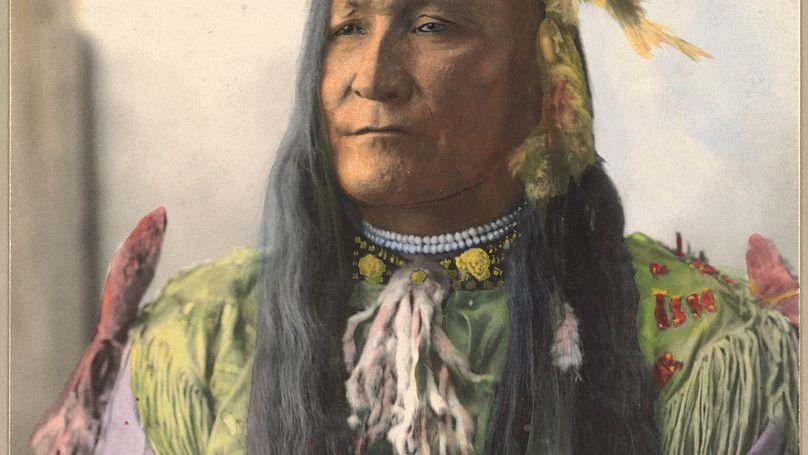

Imagine piecing together the full story of America without hearing from the people who were here first. Native American literature fills those gaps, offering raw insights into resilience, loss, and survival that mainstream narratives often overlook. These voices challenge us to rethink history and identity in ways that feel urgent, even today.
From haunting tales of cultural clash to triumphant stories of healing, these books reveal the depth of Native experiences. They are not just stories; they are bridges to understanding. Let’s dive into ten essential reads that every American needs on their shelf.[1][2]
House Made of Dawn by N. Scott Momaday
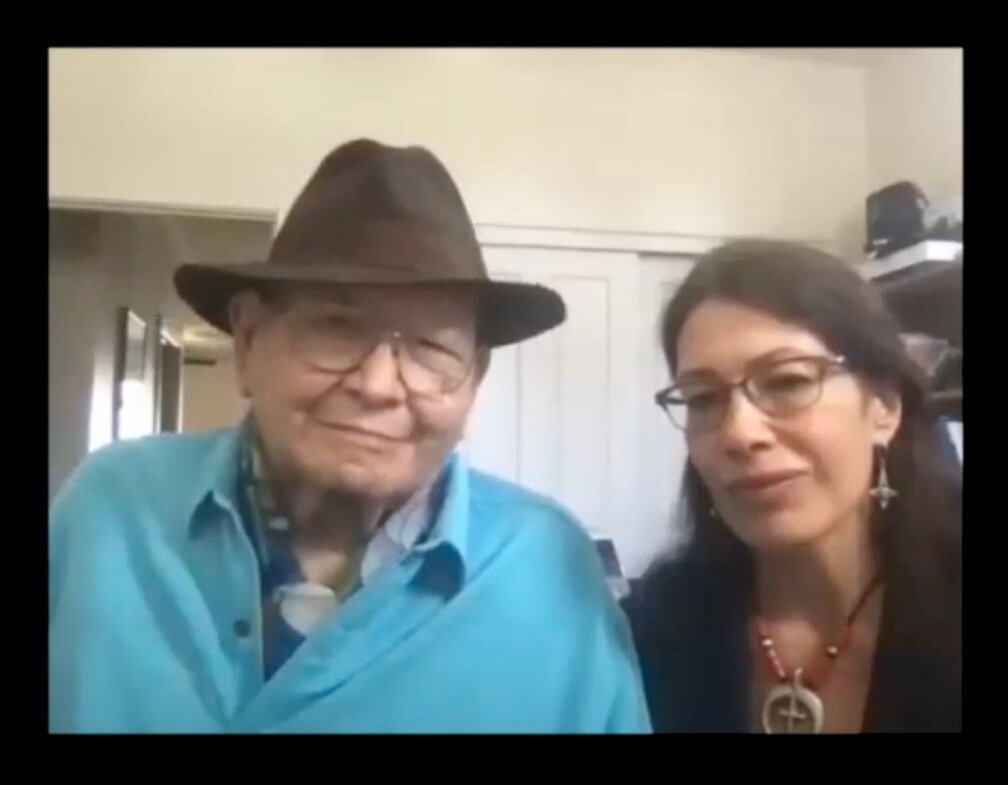
N. Scott Momaday, a Kiowa author and the first Native American to win the Pulitzer Prize for Fiction in 1969, draws from his own heritage to craft this landmark novel. The story follows Abel, a World War II veteran struggling to reintegrate into his pueblo community after the horrors of war. Themes of cultural dislocation, alcoholism, and the search for identity pulse through every page, mirroring the broader plight of many Native people caught between worlds.
What makes this book significant is its poetic language and structure, blending myth, memory, and reality in a way that redefined Native literature. It offers hope amid despair as Abel embraces traditional ceremonies to heal. Honestly, it’s a slow burn that rewards patient readers with profound emotional depth.[1]
Ceremony by Leslie Marmon Silko
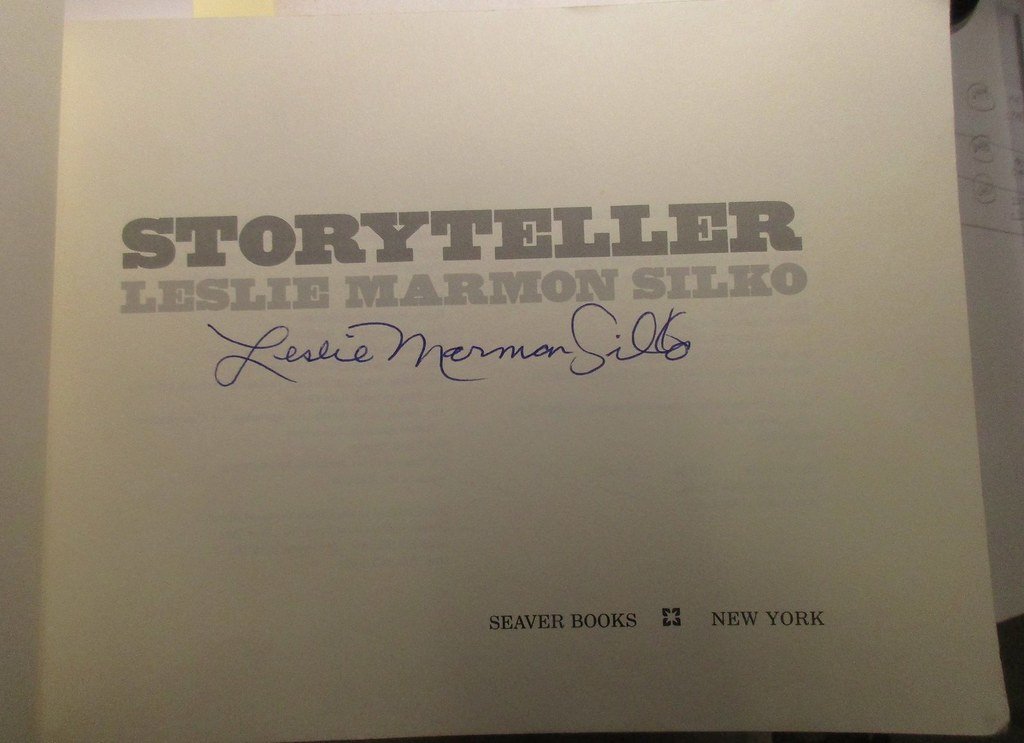
Leslie Marmon Silko, of Laguna Pueblo descent, wrote this 1977 novel as a healing ritual in itself, inspired by her community’s traditions. Protagonist Tayo, a mixed-race WWII veteran, battles “witchery” – a metaphor for the destructive forces of war, racism, and colonialism. The nonlinear narrative weaves Pueblo myths with stark realism, exploring trauma, nature’s power, and spiritual restoration.
Its impact lies in challenging Western storytelling norms, using poetry and repetition to mimic oral traditions. This book became a cornerstone of Native American Renaissance literature, urging readers to confront personal and collective wounds. I think it’s especially relevant now, as we grapple with ongoing healing from historical injustices.[1]
Love Medicine by Louise Erdrich
Louise Erdrich, an enrolled member of the Turtle Mountain Band of Chippewa Indians, launched her acclaimed series with this 1984 novel. It spans decades through interconnected stories of two Ojibwe families on a North Dakota reservation, tackling love, betrayal, and the clash between tradition and modernity. Themes of Catholicism versus indigenous spirituality add layers of tension and humor.
The novel’s significance stems from its innovative polyphonic structure, giving voice to diverse characters with vivid, unflinching honesty. Erdrich’s prose sings with reservation life details, making it a vital portrait of Native endurance. No wonder it tops so many lists – it’s like eavesdropping on real family sagas.[2]
Winter in the Blood by James Welch
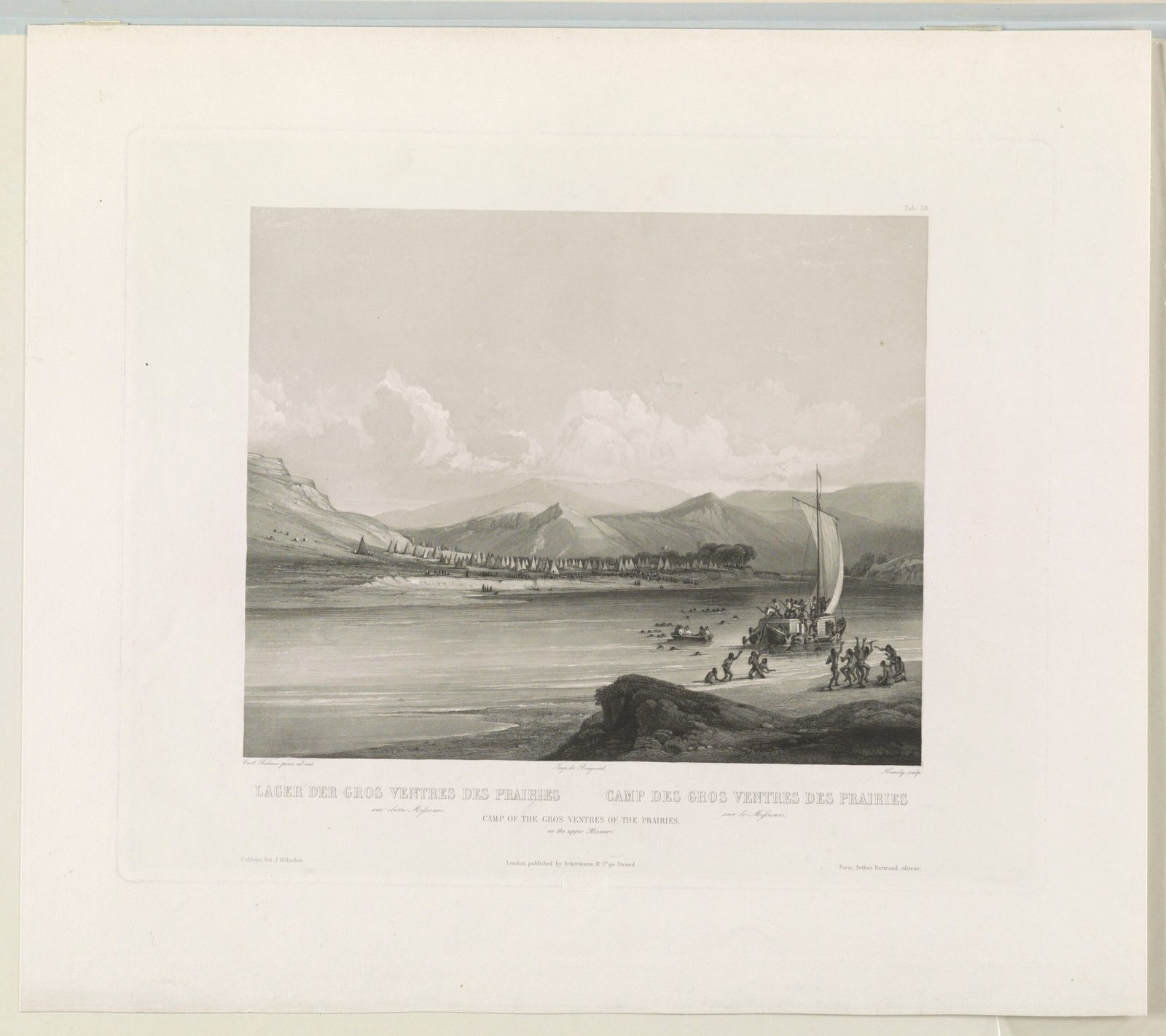
Catalog: http://lccn.loc.gov/2003654204
Image download: http://cdn.loc.gov/service/pnp/pga/04400/04427v.jpg
Original url: https://www.loc.gov/pictures/item/2003654204/, Public domain)
James Welch, of Blackfeet and Gros Ventre heritage, penned this 1974 debut with spare, haunting prose that captures Montana reservation life. An unnamed narrator wanders in alienation after personal tragedies, grappling with lost identity and fractured family ties. Alcoholism and cultural erosion emerge as quiet antagonists in his sparse world.
This book’s power is its understated force, forcing readers to feel the vast emptiness of loss without melodrama. It influenced a generation of Native writers by proving minimalist style could convey profound pain. Here’s the thing: its ambiguity lingers, much like real-life uncertainties.40
The Absolutely True Diary of a Part-Time Indian by Sherman Alexie
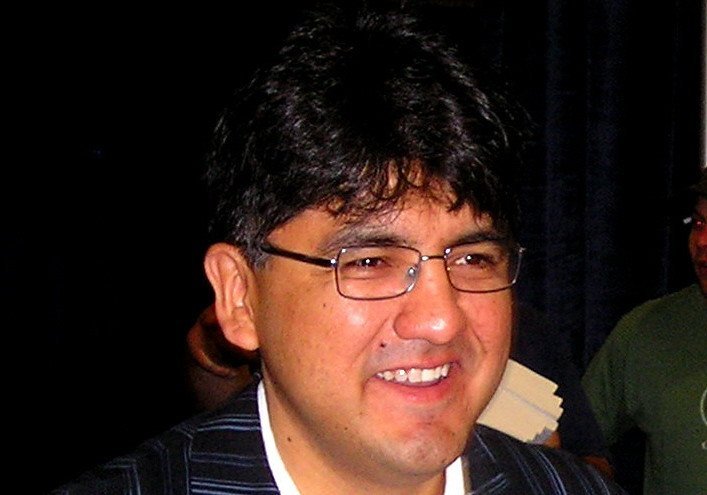
Sherman Alexie, from the Spokane-Coeur d’Alene tribes, based this semi-autobiographical YA novel on his own transfer from reservation to an all-white school. Junior’s journey highlights poverty, bullying, and dreams amid heartbreak, blending cartoons with raw humor. Themes of friendship, basketball, and breaking cycles of despair drive the narrative.
Winning a National Book Award, it opened doors for Native stories in young adult fiction, sparking vital conversations about education gaps. Its candid voice makes heavy topics accessible and funny. Let’s be real, it punches you in the gut while making you cheer.[2]
There There by Tommy Orange

Tommy Orange, Cheyenne and Arapaho urban Native from Oakland, shattered expectations with his 2018 debut. Twelve characters converge at a powwow, their lives weaving urban Native struggles like addiction, violence, and reclaimed identity. The prologue alone redefines “urban Indian” myths with fierce urgency.
Pulitzer finalist status underscores its role in modernizing Native narratives beyond reservations. It humanizes complex issues through diverse voices, demanding empathy. I know it sounds intense, but that’s its genius – mirroring America’s overlooked underbelly.[3]
The Round House by Louise Erdrich
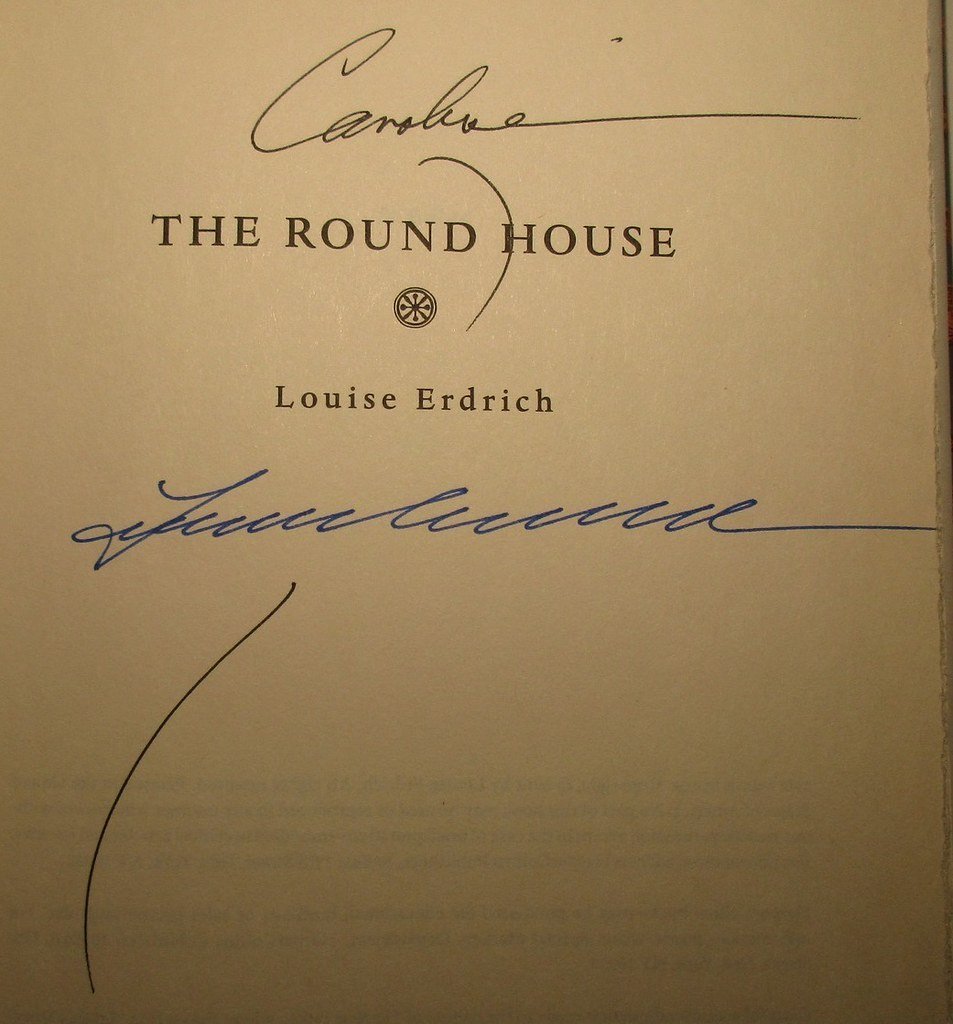
Erdrich returns with this 2012 Pulitzer finalist, centered on Ojibwe teen Joe seeking justice after his mother’s assault on their Minnesota reservation. Legal loopholes expose jurisdictional nightmares for Native women, blending mystery with coming-of-age pain. Family bonds and cultural lore provide anchors amid rage.
Its significance? It spotlights the crisis of missing and murdered Indigenous women, fueling advocacy. Erdrich’s empathy turns statistics into heartbreaking reality. This one sticks with you, sparking real outrage and reflection.[2]
Firekeeper’s Daughter by Angeline Boulley
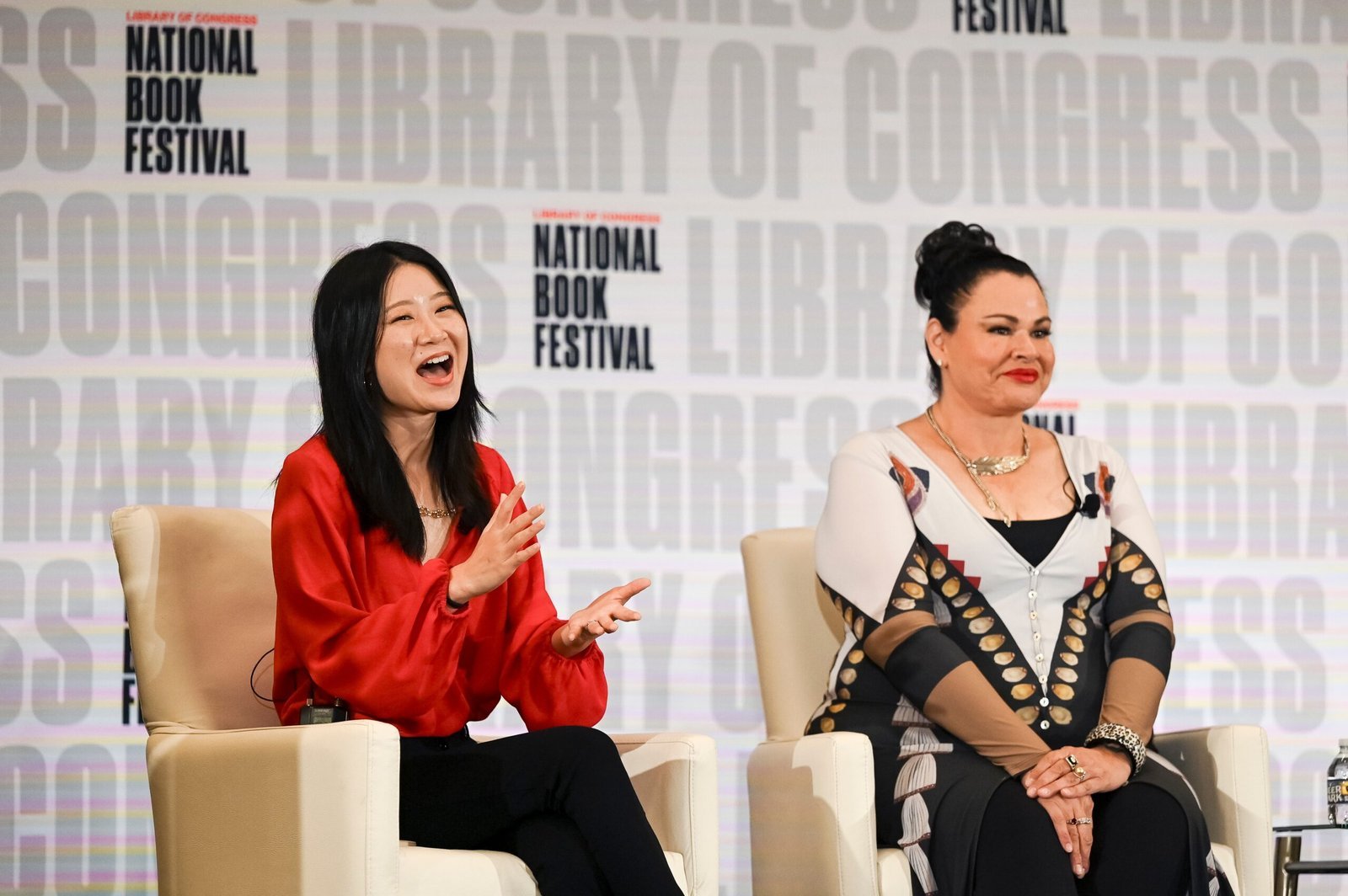
Angeline Boulley, of the Ojibwe tribe, delivers a 2021 thriller debut as a biracial teen undercover in a dangerous plot. Daunis navigates hockey, heritage, and grief while witnessing crimes tied to her community. Identity, science, and tradition collide in gripping suspense.
Michael L. Printz Award winner, it broke barriers for Native-led YA thrillers, topping bestseller lists. Its authentic details immerse readers in Anishinaabe culture without preaching. Thrilling yet thoughtful – perfect for broadening horizons.[4]
The Night Watchman by Louise Erdrich

Inspired by her grandfather’s real fight, Erdrich’s 2020 novel follows Thomas Wazhashk battling 1950s termination policies threatening Turtle Mountain lands. Parallel stories of romance, poverty, and spiritual visions enrich the historical drama. Resilience against assimilation shines through.
Pulitzer winner, it humanizes policy battles, blending humor and horror of bureaucracy. Erdrich proves history lives in people, not dates. A must for grasping federal treachery’s legacy.[5]
Fools Crow by James Welch
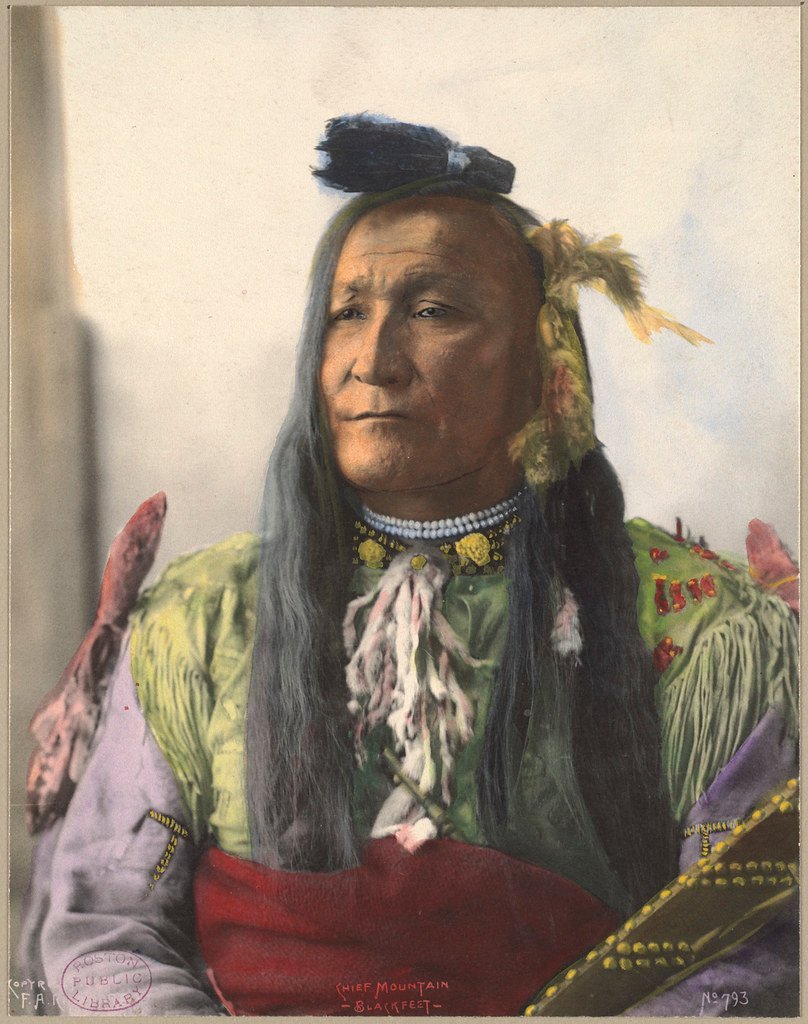
James Welch’s 1986 epic immerses in 1870 Blackfeet life through young warrior White Man’s Dog, rising via visions and raids. Encroaching white settlers, smallpox, and shifting traditions test the tribe. Historical accuracy meets mythic depth.
Praised for authentic Blackfeet perspectives, it counters Hollywood stereotypes with nuanced heroism. Welch’s research elevates it to essential historical fiction. Like stepping into a vanishing world – unforgettable.
Conclusion
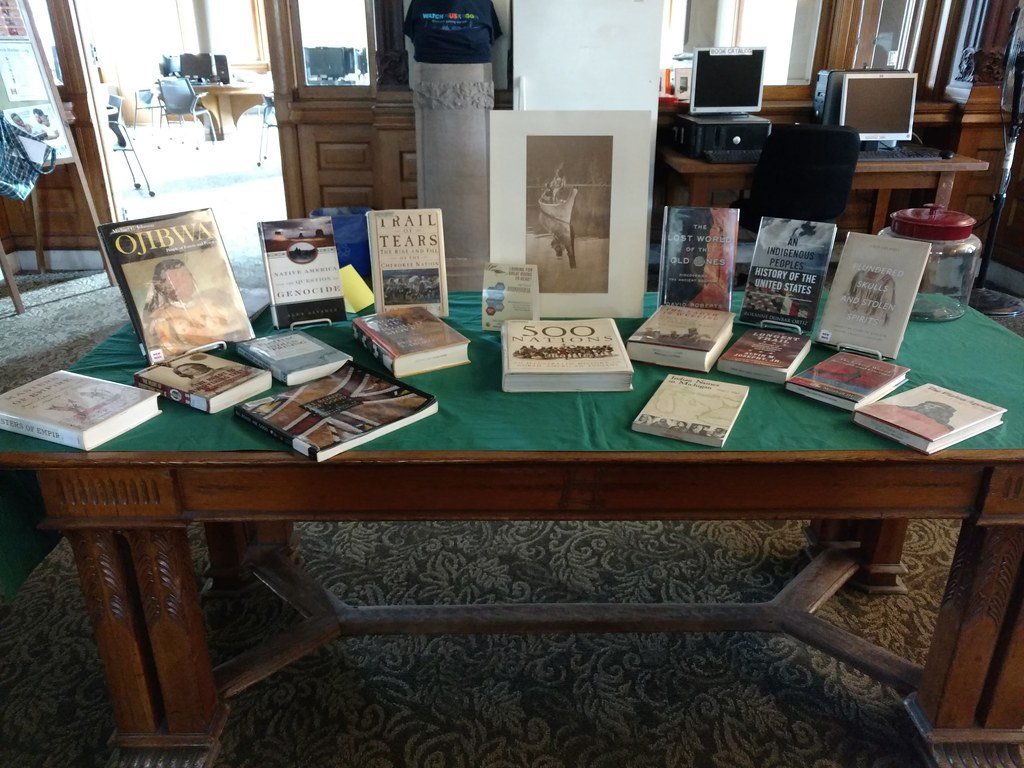
These ten books illuminate the richness of Native American literature, from ancient myths to modern battles. They remind us that true cultural understanding demands diverse voices, fostering empathy in a divided time.
Dive into one today and expand your worldview. What book will you pick first? Share in the comments – your thoughts could inspire someone else.

Besides founding Festivaltopia, Luca is the co founder of trib, an art and fashion collectiv you find on several regional events and online. Also he is part of the management board at HORiZONTE, a group travel provider in Germany.
