


Words have this uncanny ability to pierce straight through to the heart of what makes us human. They wrap around our deepest fears, joys, and longings in ways that ordinary speech never could. Certain lines from English literature stick with us for lifetimes, echoing across generations because they nail universal truths with poetic precision.
These phrases do more than tell a story. They invite us to feel, to reflect, to see the world anew. Ready to savor some that truly nourish the soul? Let’s dive into a selection that has captivated readers for centuries.[1]
Pondering Existence in Shakespeare’s Hamlet
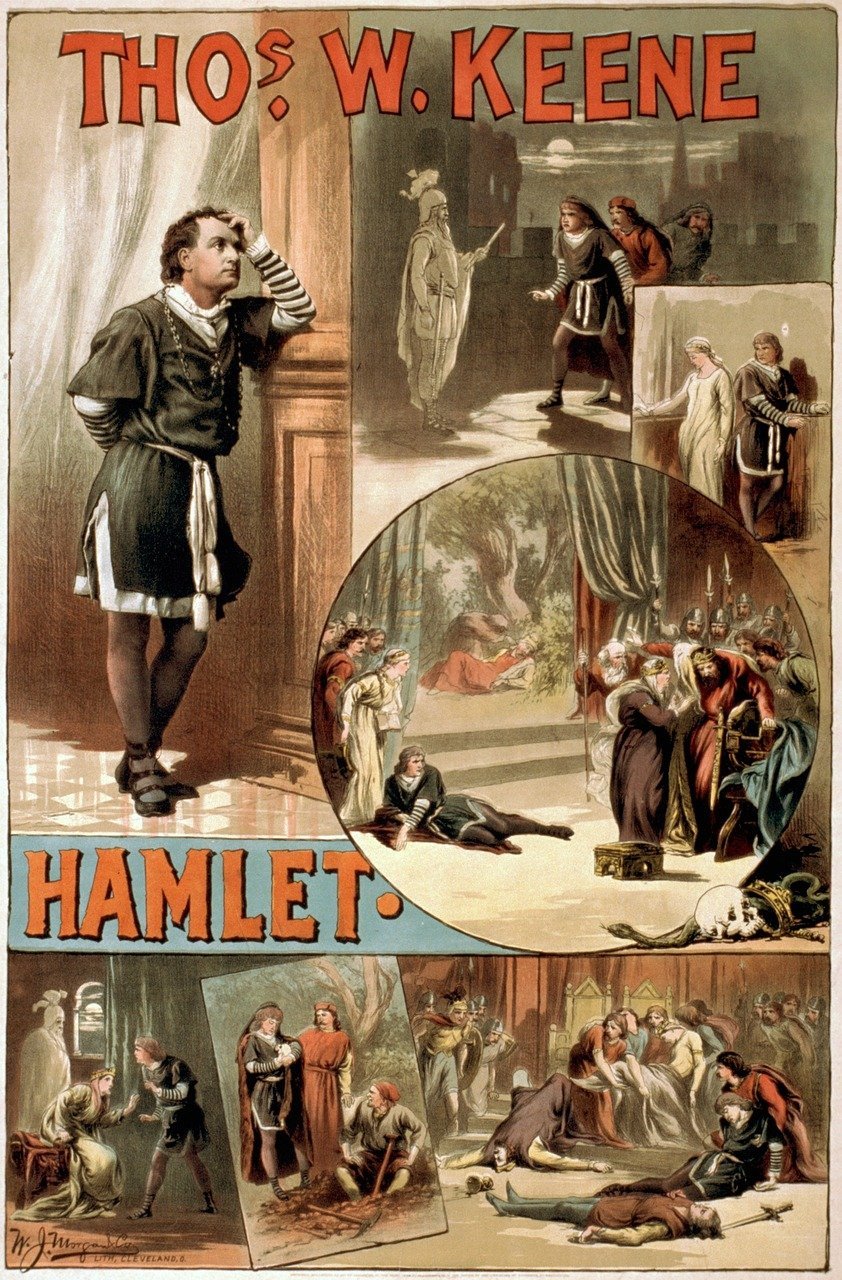
William Shakespeare penned this iconic soliloquy in his tragedy Hamlet around 1600. The prince grapples with life’s pains versus the unknown of death, standing alone on stage in a moment of raw introspection. It’s the play’s emotional core, where Hamlet questions enduring suffering or risking oblivion.
What makes it so moving lies in its stark honesty about human doubt. The rhythm mimics a racing mind, pulling readers into that universal wrestle with purpose. Honestly, it feels like Shakespeare captured every late-night thought we’ve ever had, turning despair into something profoundly beautiful.[2]
Marriage’s Clever Irony in Pride and Prejudice
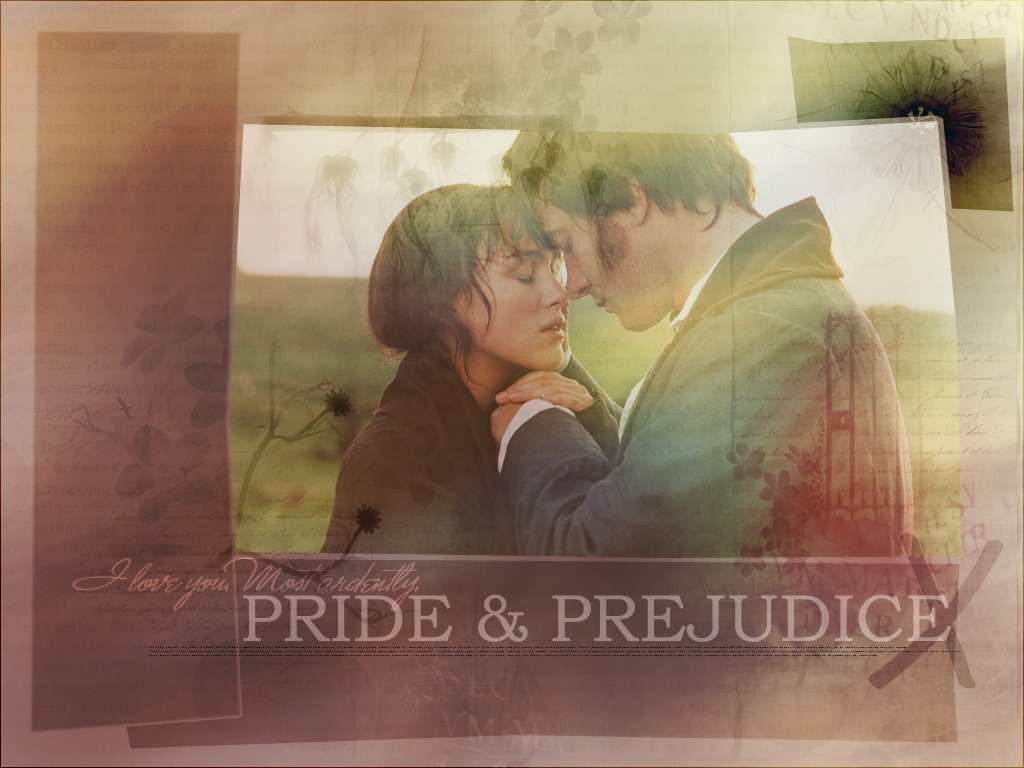
Jane Austen opens her 1813 novel Pride and Prejudice with a sharp observation on societal norms. The Bennett family navigates the marriage market in Regency England, where eligible bachelors spark frenzy among mothers with daughters. Austen uses wit to expose the era’s economic pressures on women.
The phrase endures for its playful bite, blending humor with critique. It highlights how love gets tangled in money and status, yet hints at deeper connections. I always chuckle at how Austen’s words still ring true in today’s dating apps and expectations.[3]
Revolutionary Contrasts in A Tale of Two Cities
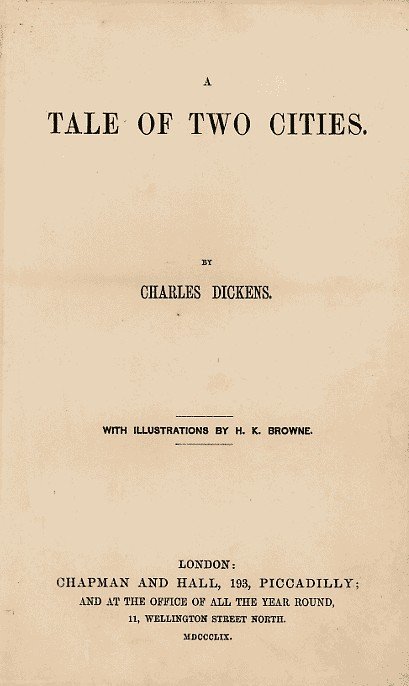
Charles Dickens launches his 1859 historical novel A Tale of Two Cities with a cascade of opposites. Set against the French Revolution, it contrasts London and Paris amid chaos and hope. The opening sets a tone of extremes, mirroring the era’s turmoil.
Its poetry comes from balancing light and shadow so perfectly. Readers feel the pulse of history, the thrill of change laced with dread. Here’s the thing: Dickens makes you sense revolution’s double edge without a single battle scene.[4]
Summer’s Eternal Beauty in Sonnet 18
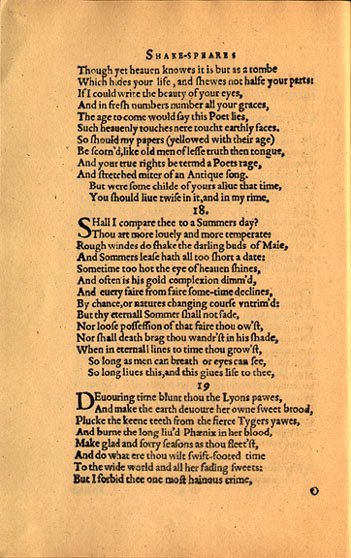
In 1609, William Shakespeare composed Sonnet 18 to immortalize a beloved through verse. He compares their fairness to a fleeting summer day, arguing poetry outlasts nature’s decay. This Elizabethan sonnet flips conventional flattery into timeless tribute.
The magic is in its gentle defiance of time. It whispers that true beauty defies seasons, living on in words. No wonder lovers still borrow its sentiment; it turns admiration into something eternal and achingly tender.[5]
Daffodils’ Sudden Joy in Wordsworth’s Poem
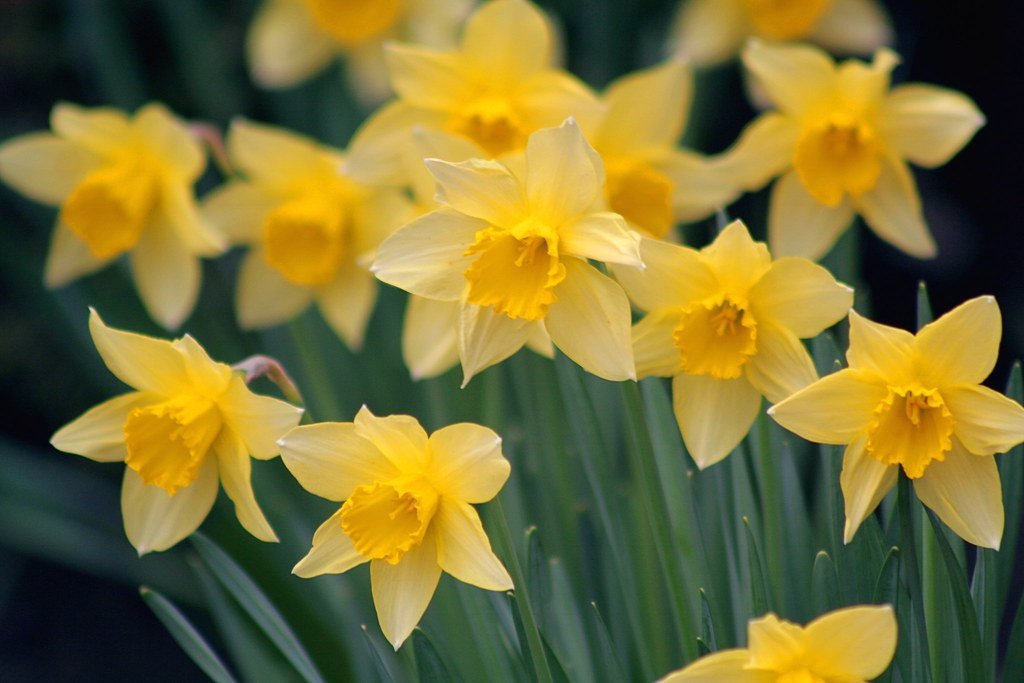
William Wordsworth published “I Wandered Lonely as a Cloud” in 1807, drawing from a real lakeside walk. The speaker drifts aimlessly until golden daffodils spark unexpected delight. Romanticism shines here, celebrating nature’s power to heal solitude.
Its evocative imagery floods the mind with color and motion. The phrase captures that flash of happiness amid melancholy, like stumbling on treasure. It reminds us nature’s quiet gifts can rewrite our moods in an instant.[5]
Beauty and Truth on Keats’ Grecian Urn
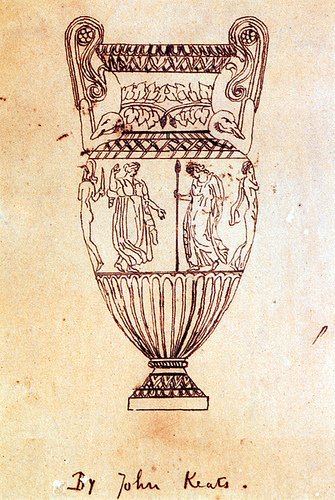
John Keats crafted “Ode on a Grecian Urn” in 1819, inspired by ancient art. The poem addresses the urn’s frozen scenes of lovers and rituals, pondering art’s eternal truths. It blends envy for the urn’s permanence with life’s transience.
The closing assertion equates beauty with truth in a haunting simplicity. It challenges us to find meaning in frozen moments. Keats packs philosophy into melody, leaving souls stirred long after reading.[6]
Souls Entwined in Wuthering Heights
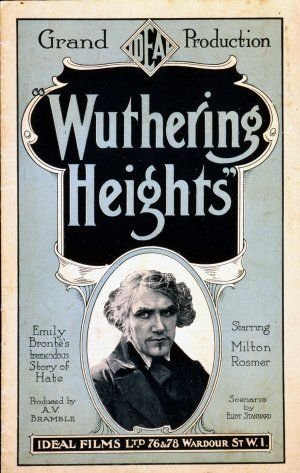
Emily Brontë’s 1847 novel Wuthering Heights features this passionate declaration amid moors and revenge. Heathcliff and Catherine’s bond defies class and death, rooted in wild Yorkshire isolation. Their love rages like the windswept landscape.
The phrase’s fervor captures love’s primal force, beyond reason or society. It aches with intensity, making readers feel that all-consuming pull. Brontë proves gothic romance can voice the soul’s rawest cries.[7]
Wanderers’ Hidden Purpose in Tolkien’s Verse

J.R.R. Tolkien embedded this line in The Fellowship of the Ring, published 1954. Aragorn recites it about Strider, revealing paths have deeper meanings. Middle-earth’s epic weaves fate and free will through hobbit quests.
Its comfort lies in reframing lostness as destiny. Like a map unfolding secrets, it inspires during our own drifts. Tolkien turns fantasy into wisdom, perfect for anyone feeling adrift.[8]
The Timeless Power of Literary Language

These phrases prove words can outlive their creators, stirring hearts centuries later. They feast the soul by mirroring our complexities with grace and depth. Literature’s gift is this shared resonance, bridging eras.
Next time life weighs heavy, revisit one. Which strikes you deepest? Share in the comments – what phrase feeds your soul?[9]

Besides founding Festivaltopia, Luca is the co founder of trib, an art and fashion collectiv you find on several regional events and online. Also he is part of the management board at HORiZONTE, a group travel provider in Germany.
