

- 12 Classic Board Games That Secretly Taught Us Life Lessons and Strategic Thinking - August 24, 2026
- These Unsung Heroes of History Made Profound Impacts Without Seeking the Limelight. - August 24, 2026
- The Most Dramatic Plot Twists in Literary History That Still Leave Readers Stunned. - August 24, 2026
There is something almost magical about standing in a place where history actually happened. Not reading about it in a textbook, not watching a documentary – but physically being there, breathing the same air, walking the same ground. America may feel young compared to ancient civilizations across the globe, but its history is no less dramatic, no less moving. What the country lacks in years, it makes up for in passion.
From Revolutionary War battlefields to ancient cliff dwellings carved into canyon walls, the United States is packed with destinations that do something rare – they make the past feel personal. Whether you’re a die-hard history buff or just a curious traveler looking for something more meaningful than a beach resort, these ten places will genuinely stop you in your tracks. Let’s dive in.
1. Philadelphia, Pennsylvania – The Birthplace of American Democracy
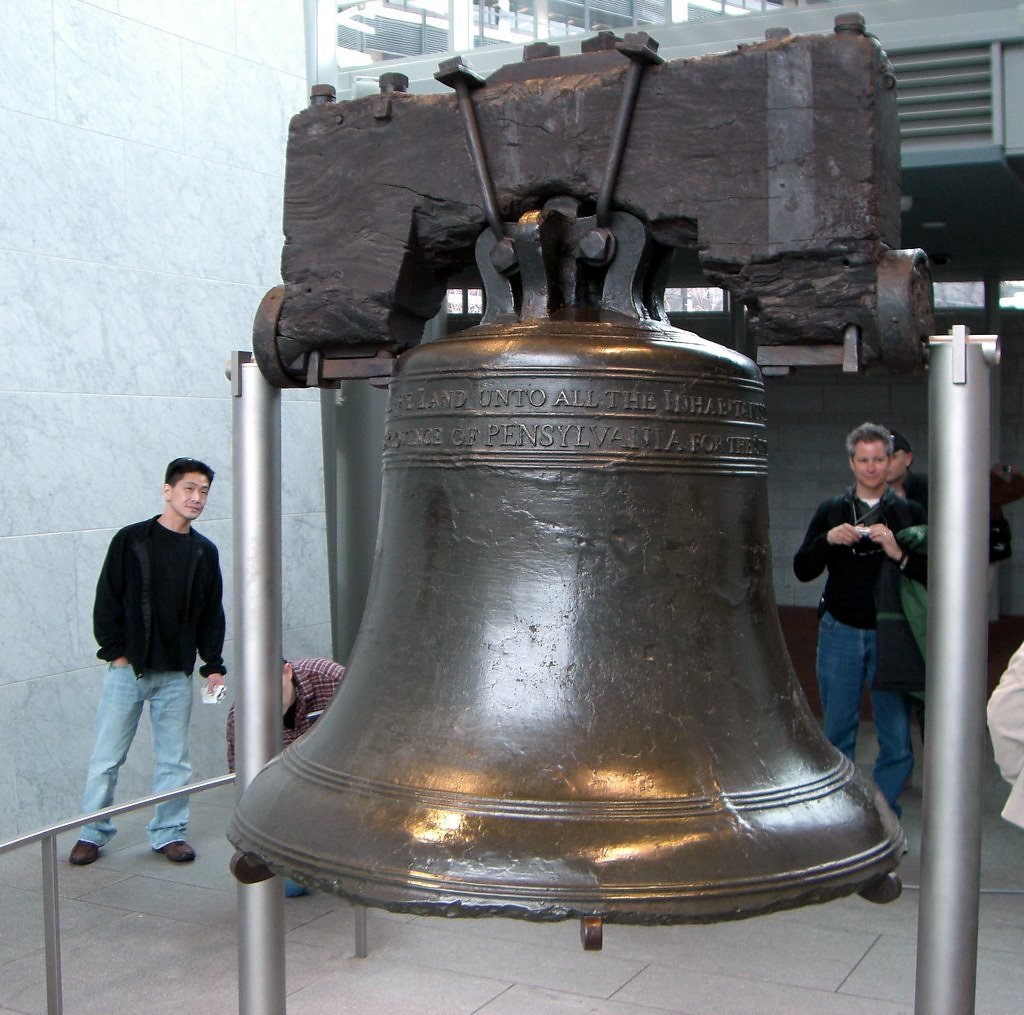
If there is one city in America that can rightfully call itself the cradle of freedom, it’s Philadelphia. Before Washington, D.C., became the nation’s capital, Philadelphia held that role – and it is filled with fascinating historical sites, including Independence Hall, where the Declaration of Independence was first signed. Standing inside that building, you are in the same room where everything changed. Honestly, few experiences in American travel come close to that feeling.
When visiting, don’t forget to place a penny on Ben Franklin’s grave for good luck and stroll along Elfreth’s Alley, the oldest continuously inhabited street in the United States. Philadelphia is also home to the Liberty Bell, cracked and imperfect – which, if you think about it, is the most fitting symbol for a democracy that has always been a work in progress. Philadelphia is often unjustly overlooked by visitors keen to hop between the higher-profile destinations of New York and Washington lying just to its north and south, but as a former capital and birthplace of American democracy, it’s hard to compete with its sheer concentration of history.
2. Boston, Massachusetts – Where the Revolution Was Born
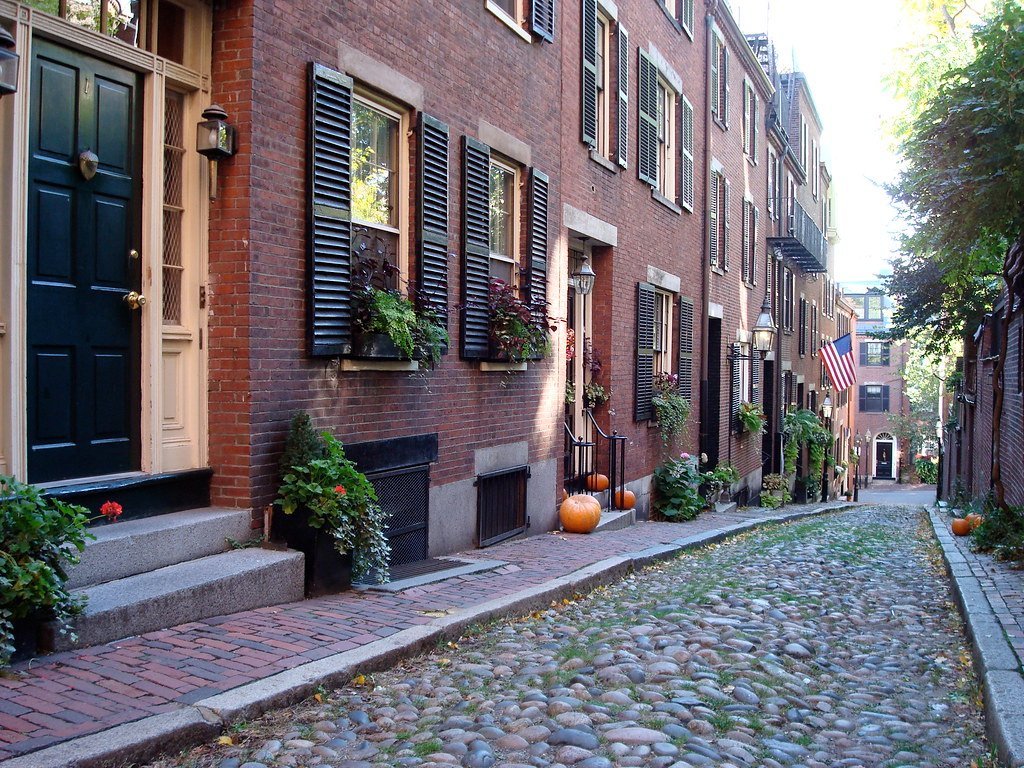
Boston is a city of American firsts. The country’s first public library, first subway system, first public school, and first public park all belong to Boston. Walking its cobblestone streets feels different from any other American city. There’s a weight to them. A sense that something important happened on every corner – and in Boston’s case, that feeling is completely justified.
Boston is widely regarded as the birthplace of the American Revolution. This is where the seeds of rebellion were sowed, and many of the most famous founding fathers often gathered and plotted against Great Britain’s increasingly oppressive taxation. Many of the most significant events of the war took place here, including the Boston Massacre and the Boston Tea Party. Today, visitors can walk the Freedom Trail, a 2.5-mile path through 16 significant historical sites, including Paul Revere’s House and the Old North Church. I think this walk alone is worth the trip.
3. Gettysburg, Pennsylvania – The Hallowed Ground of the Civil War
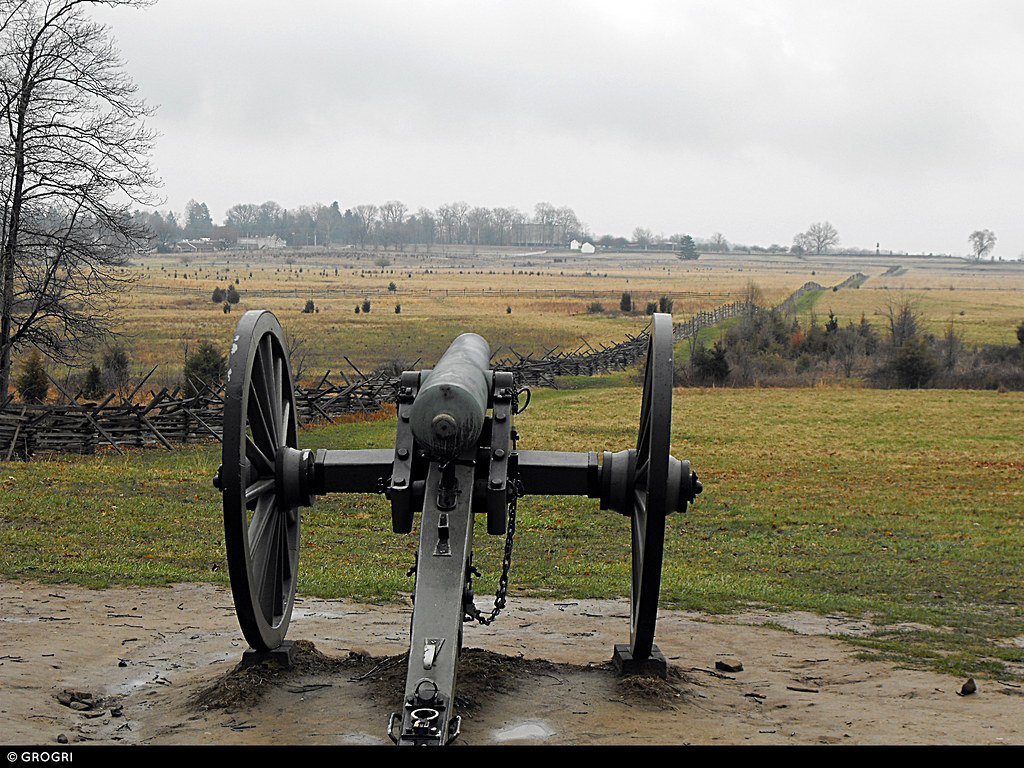
The Battle of Gettysburg was a turning point in the Civil War, the Union victory that ended General Robert E. Lee’s second and most ambitious invasion of the North. Often referred to as the “High Water Mark of the Rebellion,” Gettysburg was the Civil War’s bloodiest battle and was also the inspiration for President Abraham Lincoln’s immortal Gettysburg Address. There are moments in American history that feel almost too enormous to comprehend, and Gettysburg is one of them.
For three days in 1863, Union and Confederate forces met on the fields, hills, and ridges of Gettysburg in the turning-point battle of the American Civil War. Today, the 6,000-acre battlefield includes more than 1,300 monuments, markers, and memorials to tell the story of the battle and the men who fought there. Through preservation efforts, the historic battlefield landscape looks very much like it did in 1863. Visitors should not forget to visit the Soldiers’ National Cemetery and the David Wills House in town, where Abraham Lincoln stayed the night before he gave his Gettysburg Address.
4. Colonial Williamsburg, Virginia – A Town Frozen in Time

With its preserved Colonial sites and costumed interpreters, Williamsburg, Virginia, is the definition of a living history museum. Your first stop should be Colonial Williamsburg, where you’ll be greeted by the “residents” who once called this revolutionary town home. Walking through it feels less like touring a historic site and more like accidentally stumbling into another century. It’s remarkable, and slightly surreal in the best possible way.
When it comes to historic places, Virginia is one of the most important in American History. When the American Revolution began, Virginia was not only the oldest but also the largest and most populous colony. Nearby Jamestown adds another unforgettable layer. If you’re visiting Williamsburg, you’ll likely also make a stop at Jamestown, where English settlers established the first American Colony in 1607. Similar to Colonial Williamsburg, the Jamestown Settlement acts as a living history museum, with costumed interpreters telling the story of life in 17th-century Virginia. You’ll even get the chance to climb aboard replicas of the three ships that first brought colonists to Virginia.
5. Washington, D.C. – America’s Most Powerful Square Mile
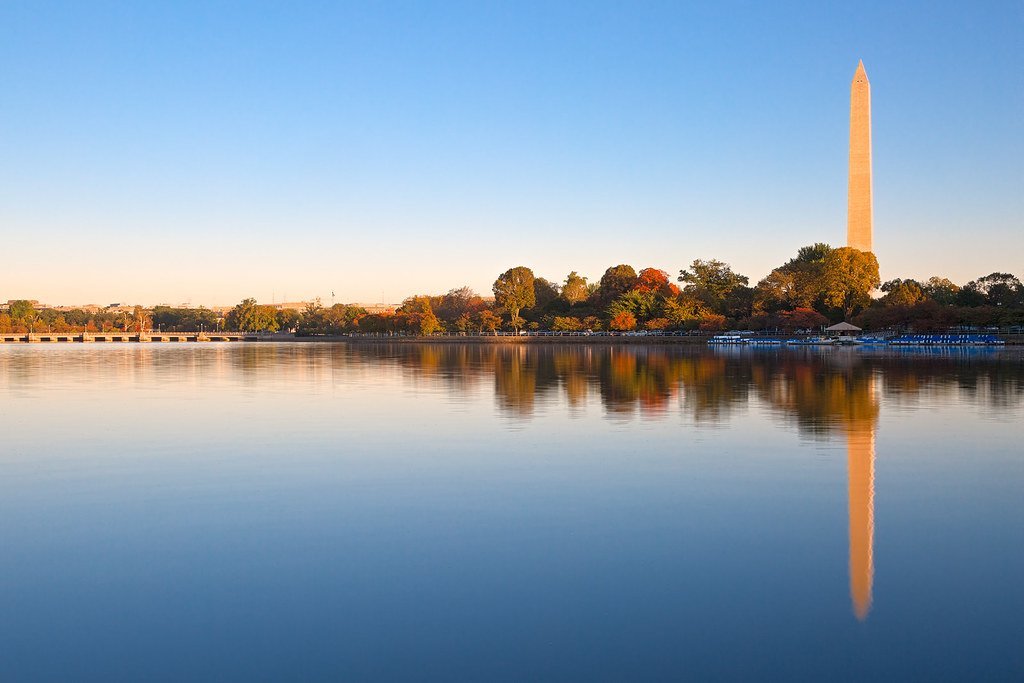
The nation’s capital offers an unparalleled insight into American history in all its glory and complexity, with an enviable collection of world-famous monuments, landmarks, and museums attracting millions of visitors from across the globe. There’s truly nothing else like it in the country. The density of significance per city block is almost overwhelming. You can visit the Lincoln Memorial in the morning and the U.S. Capitol by afternoon, and each destination could easily consume an entire day on its own.
America’s capital is brimming with affordable things to do. The Washington Monument, the U.S. Capitol, the White House, and the Lincoln Memorial anchor the National Mall, while the Tidal Basin boasts three of its own memorials dedicated to history-making figures. Here’s the thing that surprises many first-time visitors: you’ll have access to over a dozen of the United States’ most iconic museums for free, including the National Gallery of Art, the National Air and Space Museum, and the United States Holocaust Memorial Museum.
6. Mesa Verde National Park, Colorado – Ancient Civilization in the Cliffs
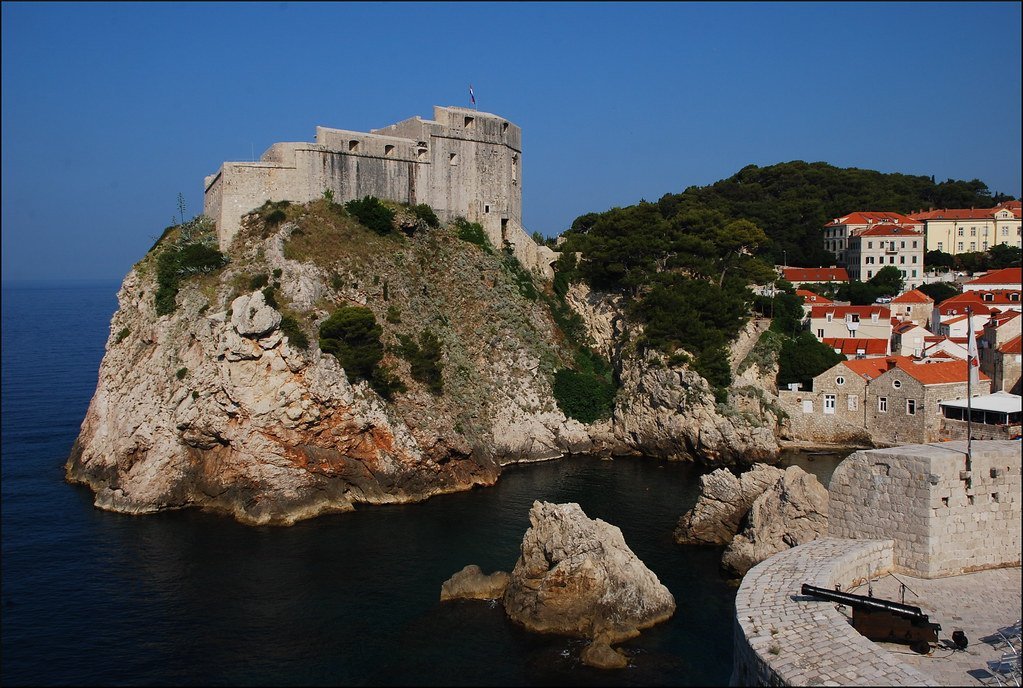
Let’s be real – nothing quite prepares you for the first time you see Mesa Verde’s cliff dwellings. They look like they’ve grown directly out of the rock. Nestled in the heart of Southwest Colorado, Mesa Verde National Park is a UNESCO World Heritage Site known for its ancient cliff dwellings, archaeological treasures, and breathtaking high-desert landscapes. Home to the Ancestral Puebloans for more than 700 years, this park offers a rich mix of cultural history, outdoor adventure, and scenic beauty that captivates visitors year-round.
The park covers over 52,000 acres and contains 4,372 documented sites, including more than 600 cliff dwellings. It is the largest archaeological preserve in the U.S. The crown jewel is Cliff Palace. Mesa Verde’s most iconic site, Cliff Palace is the largest known cliff dwelling in North America. With over 150 rooms and 23 ceremonial kivas, it showcases the scale and sophistication of Ancestral Puebloan architecture. It’s hard to say for sure what drove these ancient people to build their homes inside canyon walls – but walking through those rooms, the mystery itself feels like a gift.
7. Pearl Harbor, Honolulu, Hawaii – Where World War II Became Personal
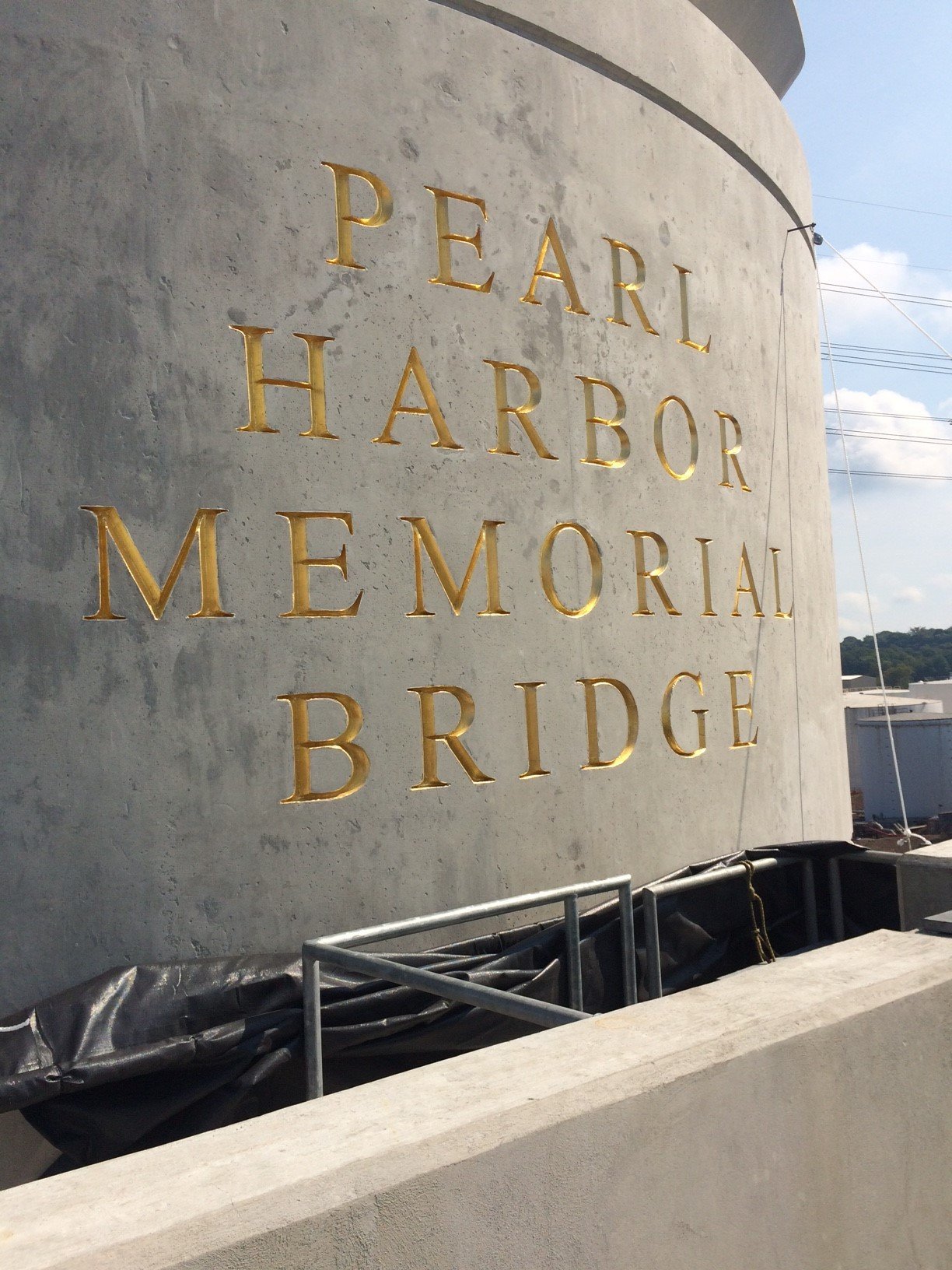
The bombing of Pearl Harbor in Honolulu, Hawaii prompted the U.S. to join World War II, and thus shaped the course of 20th-century history. Few places in America carry the kind of emotional weight that Pearl Harbor does. It is simultaneously a place of beauty – the Hawaiian sun, the blue water, the mountains in the distance – and a place of profound grief. That contrast is what makes it so unforgettable.
The Pearl Harbor National Memorial is a war memorial that commemorates United States Navy sailors, particularly the crew of the USS Arizona, who died in the surprise Japanese military attack on Pearl Harbor in 1941. The USS Arizona Memorial Museum brings this period to life through personal memorabilia and dramatic photographs. Visitors begin by viewing a film about the attack on Pearl Harbor, before seeing a series of exhibitions ranging from photographs and dioramas to aircraft. It’s moving in a way that lingers long after you’ve left the island.
8. New Orleans, Louisiana – Where History Smells Like Jambalaya
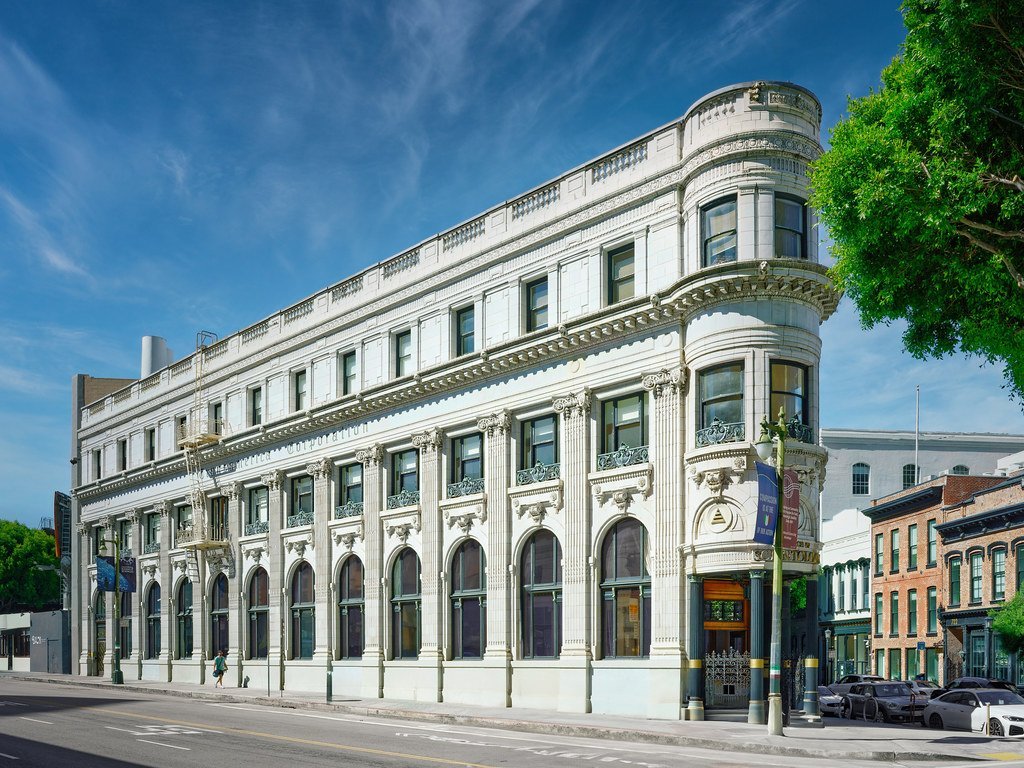
Since its establishment as a French colony in 1718, New Orleans has witnessed some fascinating episodes in history, changing hands multiple times through Spanish conquests and the Louisiana Purchase. This has given rise to what is arguably the most interesting and eclectic collection of historic architecture in the U.S. New Orleans isn’t just a historic city – it’s a city that wears its history on its sleeve, on its walls, in its food, and in every note of its music.
History buffs should delve right into exploring the charming colonial heritage of the French Quarter, followed by visits to the striking St. Louis Cathedral – the oldest church structure in America – and a stroll around the Garden District, home to an amazing collection of lavish antebellum mansions. New Orleans is one of those destinations that offers history, music, and culture at every turn. Very few American cities can compete with that combination.
9. St. Augustine, Florida – The Oldest City in America
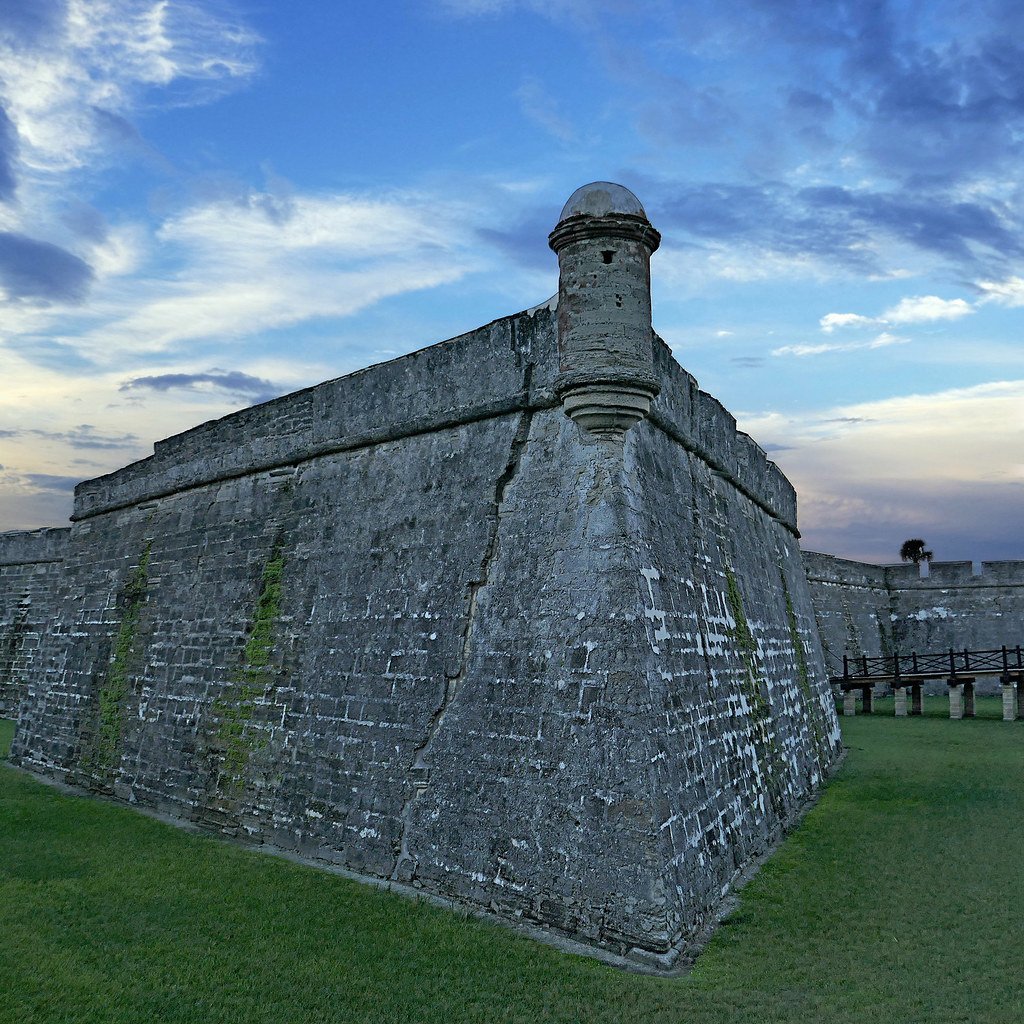
Most Americans think of Jamestown or Plymouth when they think of early colonial history. But St. Augustine has both of them beat. Founded in 1565, the city is the oldest continuously occupied settlement in the continental U.S. That’s not a small claim. It means people have been living, fighting, trading, and building on this very soil for over 450 years. Let that sink in for a moment.
Built in 1672, the Castillo de San Marcos has been besieged twice and has survived possession by four different governments – the Spanish Empire, the Kingdom of Great Britain, the Confederate States of America, and the United States. There is probably no single building in America that has seen more political upheaval under its walls. Visitors can learn about the various British sieges and the role the Castillo de San Marcos played in the history of the country. The entire city functions as a kind of open-air time capsule, and it rewards slow exploration above almost everything else.
10. Ellis Island and the Statue of Liberty, New York – The Gateway to the American Dream
There is a reason this destination moves people to tears. From 1892 through 1924, more than 12 million immigrants arrived at Ellis Island, looking to begin a new life in the United States. Every individual that passed through was documented through ship manifests and regular inspections. At the end of 1954, Ellis Island closed as an immigrant processing facility and later reopened to the public as a museum. For a vast number of American families, this island is not just history. It is family.
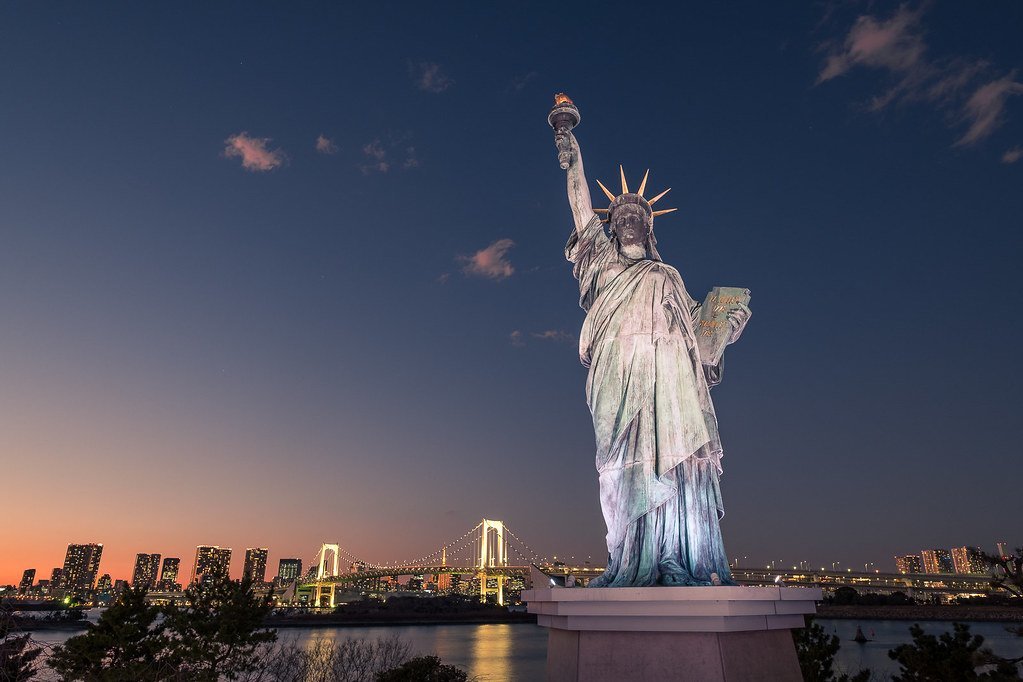
Perhaps the most iconic symbol of American freedom, the Statue of Liberty in New York City is also a national park and museum you can visit, though advance tickets are highly recommended. After a ferry trip to Liberty Island, you’ll be able to explore the lush green grounds around the statue. You can also access the pedestal and see a museum telling the story of how the Statue of Liberty was built and how it became such an icon. With an advance reservation, you can also step into the crown of Lady Liberty to see a truly stunning view of New York. Standing there, looking out over the harbor, the feeling is something close to awe.
Conclusion: The Past Is Waiting for You

America’s historic destinations are not relics behind glass cases. They are living, breathing places where the story of a nation can be felt in the ground beneath your feet. Each site on this list offers something the history books simply cannot – the raw, unfiltered experience of being present where it all happened.
From the revolutionary streets of Boston to the ancient canyon walls of Mesa Verde, these destinations remind us that history is not something that happened to other people long ago. It’s the foundation of everything we live in today. So pack your bags, plan your route, and go experience it for yourself.
Which of these destinations would you put at the very top of your list? Tell us in the comments – we’d love to know.

Besides founding Festivaltopia, Luca is the co founder of trib, an art and fashion collectiv you find on several regional events and online. Also he is part of the management board at HORiZONTE, a group travel provider in Germany.
