

For any feedback please reach out to info@festivalinside.com
- Many Believe These Albums Are the Undisputed Soundtracks to Our Lives. - August 16, 2026
- 12 Unexpected Ways Classic Literature Influenced Modern Pop Culture - August 16, 2026
- 15 Literary Hoaxes So Clever, They Fooled the Entire Publishing World - August 16, 2026
There are generations that inherit the world quietly, and then there are generations that tear it apart and rebuild it from scratch. The roughly 76 million people born between 1946 and 1964 have reshaped American society at each stage of their lives. They did it in the streets, in the voting booth, in the music they made. They also did it in the pages of books, pressed into each other’s hands with urgent, almost evangelical insistence.
It’s hard to imagine the 1960s turning out the same way without “On the Road,” “The Feminine Mystique,” or “The Autobiography of Malcolm X.” The noteworthy distinction with Boomer books was the missionary zeal with which readers pressed their favorites on other readers. These weren’t just stories. They were instruction manuals for a new kind of life. Here are ten of them.
1. The Catcher in the Rye – J.D. Salinger (1951)
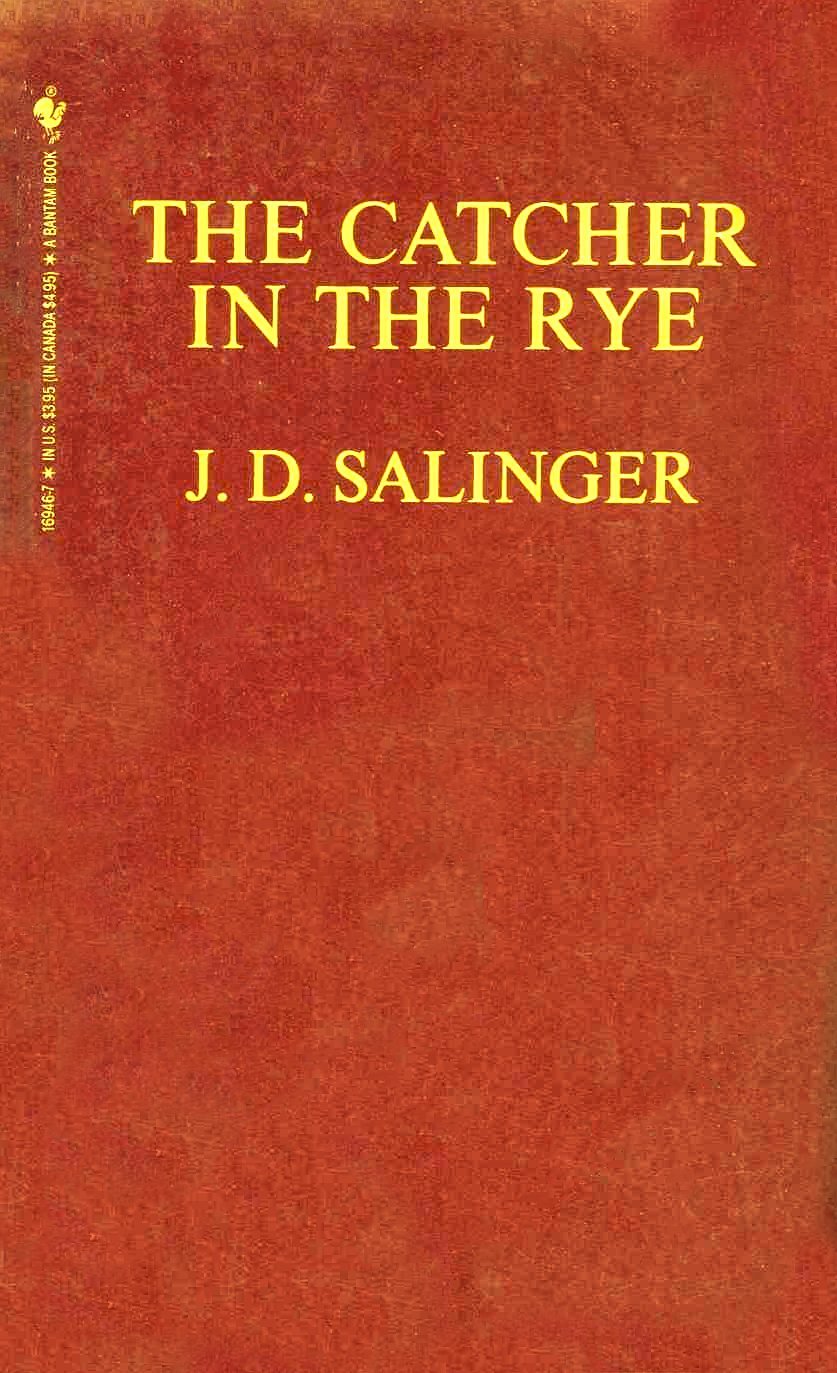
Before Baby Boomers were old enough to protest anything, they were reading about a sixteen-year-old boy wandering New York City, furious at everyone and everything. Since his debut in 1951 as the narrator of The Catcher in the Rye, sixteen-year-old Holden Caulfield has been synonymous with adolescent rebellion and angst. The influential story concerns three days after Holden has been expelled from prep school. Confused and disillusioned, he wanders New York City searching for truth and rails against the phoniness of the adult world.
Holden is the first great American antihero, and his attitudes influenced the Beat Generation of the 1950s as well as the hippies of the 1960s. The book was genuinely controversial. Between 1961 and 1982, The Catcher in the Rye was the most censored book in high schools and libraries in the United States.
The Catcher in the Rye is one of the most translated, taught, and reprinted books in the world and has sold more than 65 million copies. Honestly, I think it matters less whether the book is “great literature” in a technical sense. What matters is that it named something young people already felt but couldn’t articulate.
2. To Kill a Mockingbird – Harper Lee (1960)
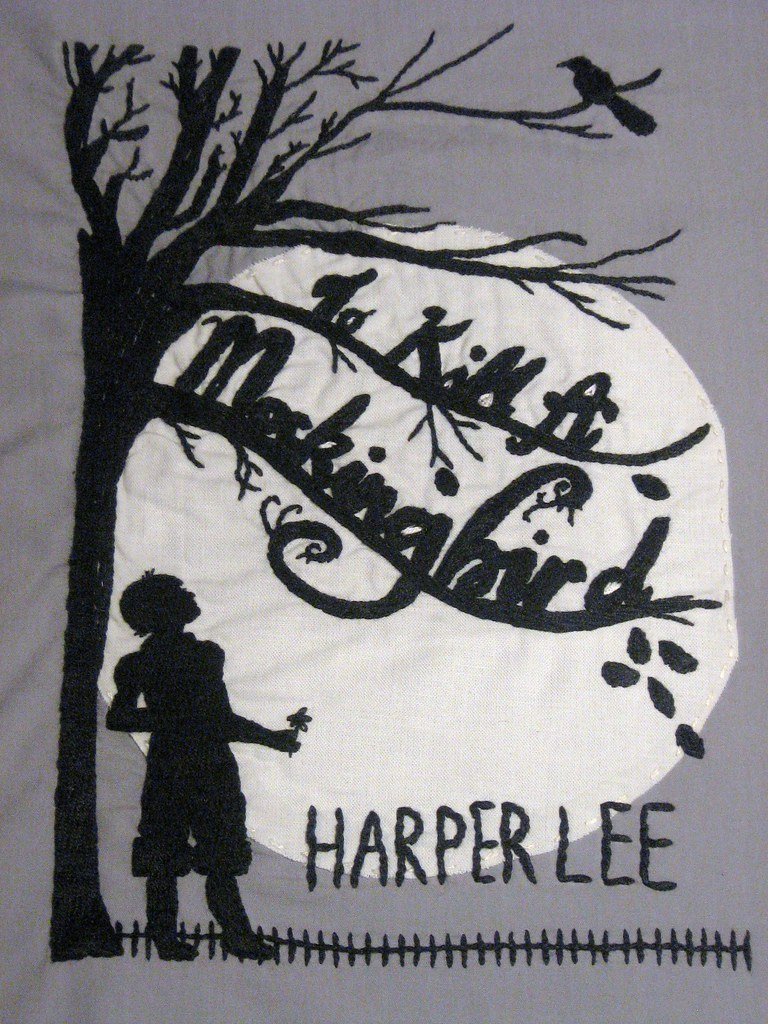
Few books arrived at a more precise cultural moment. Published in 1960 to immediate fanfare, the book introduced beloved characters Atticus Finch, Scout, and Boo Radley, as it told the story of a small-town Southern lawyer who defended an African American man accused of rape. For a generation of white, suburban Boomer children, it was many of their first real confrontations with racial injustice.
To Kill a Mockingbird became an immediate success, going on to sell more than 40 million copies worldwide. A year after its publication, Lee’s novel won the Pulitzer Prize for Fiction in 1961. The impact went well beyond bookshelves. In 1962, To Kill a Mockingbird was released as a film, helping actor Gregory Peck win an Oscar for his portrayal of Atticus.
There are themes in To Kill a Mockingbird that ring true today. Even as we attempt to become a more equal, loving society, Lee’s experiences in the 1930s too often mirror our modern experiences. Because of this, To Kill a Mockingbird is still a relevant classic that will remain on bookshelves for years to come.
3. On the Road – Jack Kerouac (1957)
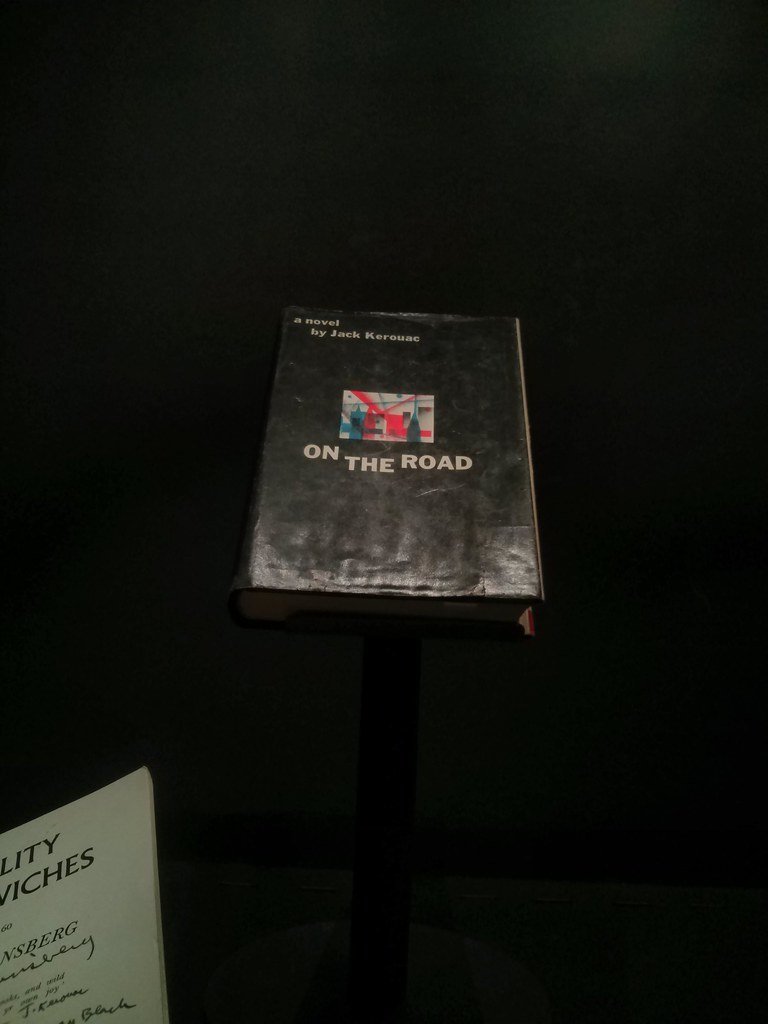
If The Catcher in the Rye named the alienation, On the Road showed you what to do about it. Hit the road. Leave. Published at the height of American conformity and the burgeoning consumer culture, On the Road was a literary explosion that defined the Beat Generation and set the stage for the counter-culture movements of the 1960s. Kerouac’s book reached young Boomers like a bottle rocket.
A slice of Americana for 40 years, On the Road launched a Baby Boomer fallout and countless writing careers. Many argue that the moment it hit the shelves on September 5, 1957, the cultural revolution of the 1960s’ sex, drugs, and penniless freedom began. The road trip, as a metaphor for reinvention and escape, entered the American bloodstream partly through this single novel.
Its spontaneous prose and vibrant depiction of America inspired Baby Boomers to embrace countercultural ideals. The road trip became a metaphor for self-discovery and rebellion against conventional living.
4. The Feminine Mystique – Betty Friedan (1963)
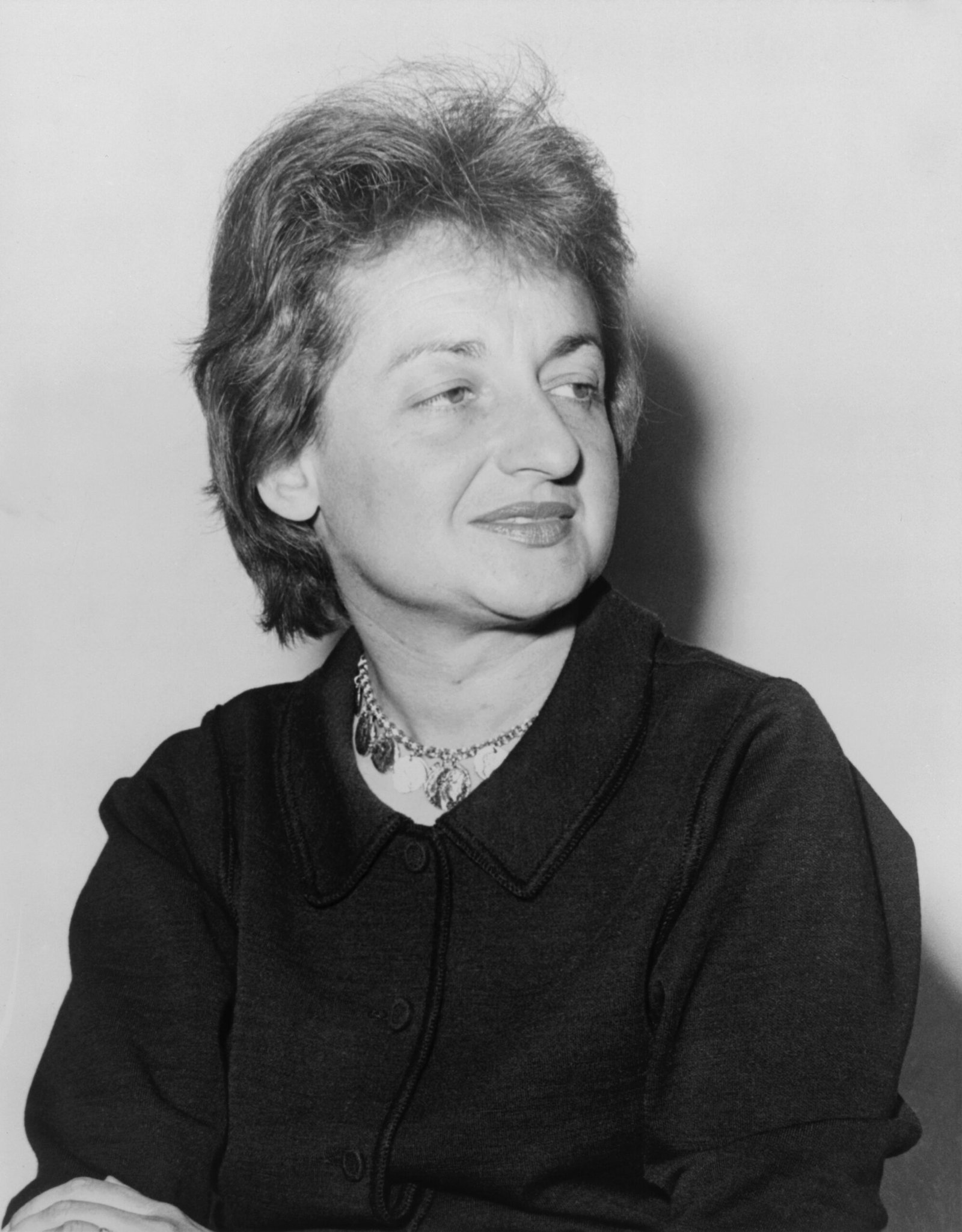
There are books that change minds, and then there are books that change laws. Betty Friedan’s 1963 work did both. Betty Friedan’s The Feminine Mystique shattered the myth of the happy, suburban housewife, articulating the widespread dissatisfaction and identity crisis experienced by millions of middle-class women. For many Boomer women, reading it was like someone finally switching on a light in a dark room.
The book is widely credited with sparking second-wave feminism in the United States. It inspired women to seek education, careers, and identities outside the domestic sphere and led Friedan to co-found the National Organization for Women (NOW) in 1966. The consequences were enormous and lasting.
By debunking the “feminine mystique” that middle-class women were happy and fulfilled as housewives and mothers, Betty Friedan inspired the second-wave feminist movement of the 1960s and 1970s. Friedan advocates that women need meaningful work and encourages them to avoid the trap of the “feminine mystique” by pursuing education and careers. By 2000 this touchstone of the women’s movement had sold three million copies and was translated into several languages.
5. To Kill a Mockingbird’s Sibling in Anger – Slaughterhouse-Five by Kurt Vonnegut (1969)
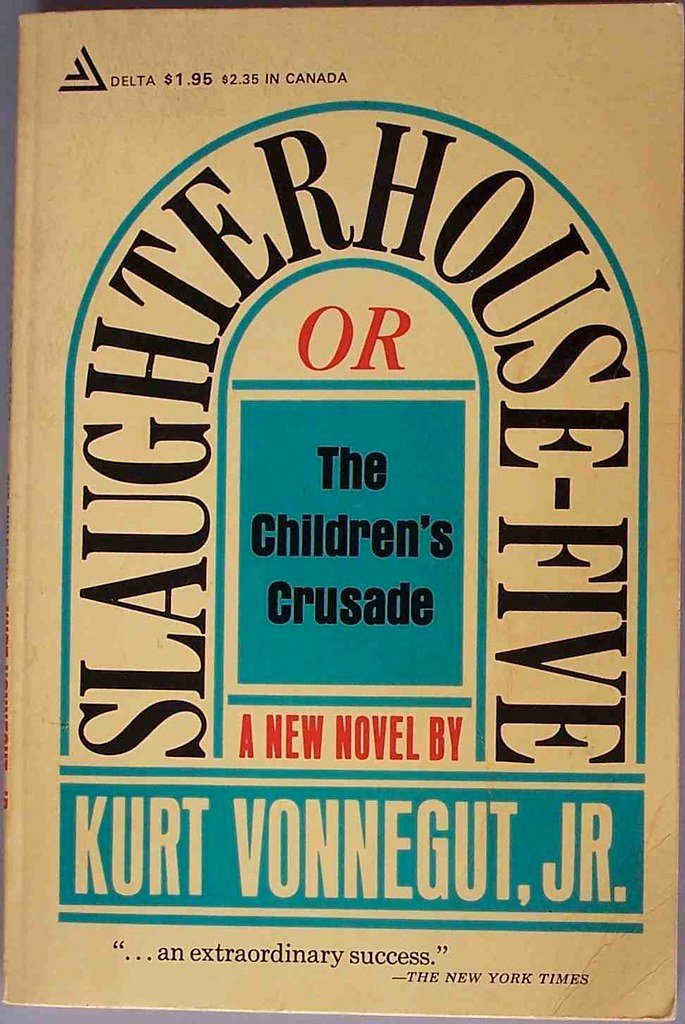
Here’s the thing about Slaughterhouse-Five. It shouldn’t work. It is simultaneously a war novel, a science fiction story, and a meditation on free will, told in fragments by a narrator who admits upfront that the story is “so short and jumbled.” Yet it became one of the defining books of the Boomer era. As told through the eyes of an unreliable narrator who relates the story of Billy Pilgrim, a World War II soldier who refuses to fight, the 1945 firebombing of Dresden, Germany is treated satirically and with antiwar sentiment. Vonnegut, who was in Dresden during the actual destruction, was captured and held in a meat locker below a slaughterhouse. Following the bombing, he was ordered to bury and incinerate the bodies of the fallen. More than twenty years later, Vonnegut penned Slaughterhouse-Five, written in the disjointed style of someone suffering from post-traumatic stress disorder.
As Newsweek noted, “Catch-22” and “Slaughterhouse-Five” confirmed the Boomer generation’s suspicions that they were living in a world that made no sense. This was, after all, a generation that came of age in a world where assassinations were the norm. The book arrived during the Vietnam War, when its anti-war fury resonated like almost nothing else could.
6. One Flew Over the Cuckoo’s Nest – Ken Kesey (1962)
Ken Kesey’s groundbreaking novel One Flew Over the Cuckoo’s Nest, published in 1962, remains a powerful exploration of institutionalization, individuality, and the thin line between sanity and madness. Set in an Oregon psychiatric hospital, the book offers a scathing critique of mental health practices in mid-20th century America. It was, in the most literal sense, a story about what happens when a system tries to crush a free spirit. Boomers related immediately.
An international bestseller, Ken Kesey’s One Flew Over the Cuckoo’s Nest defined the 1960s era of ever-widening perspectives and ominous repressive forces. Full of mischief, insight, and pathos, Kesey’s powerful story of a mental ward and its inhabitants probes the meaning of madness, often turning conventional notions of sanity and insanity on their heads.
The 1975 film adaptation brought the story to an even wider audience. The film won all five of the major Academy Awards: Best Picture, Best Actor for Jack Nicholson, Best Actress for Louise Fletcher, Best Director for Miloš Forman, and Best Adapted Screenplay. As recently as December 2025, Newsweek reported on the film’s enduring legacy, as producer Michael Douglas discussed its themes of individuality and resistance to conformity.
7. The Godfather – Mario Puzo (1969)

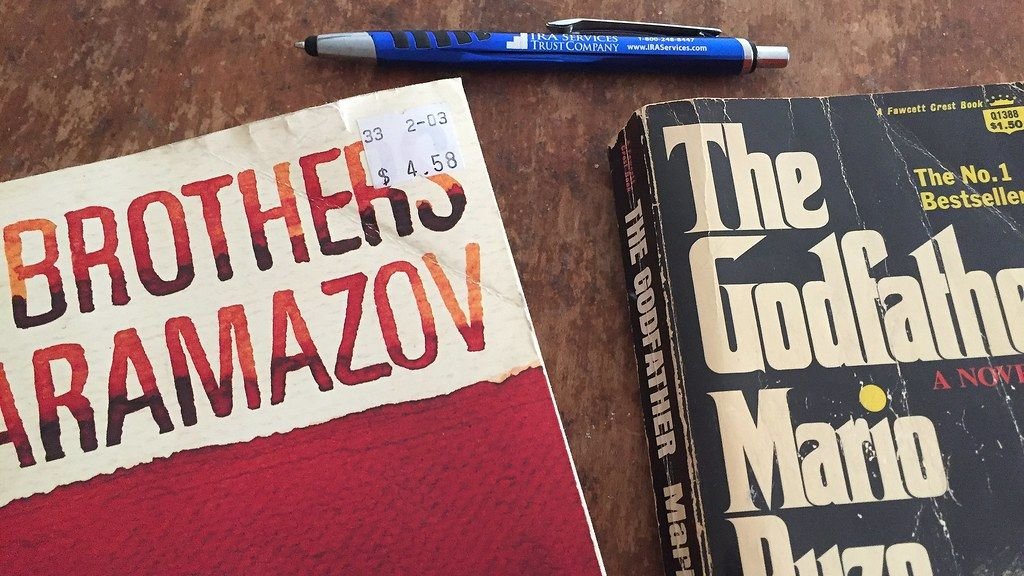
Not every Boomer book was about protest or poetry. Some were just about power. Mario Puzo’s The Godfather was published in 1969 and became, almost overnight, a phenomenon unlike anything the publishing world had seen. The Godfather remained on The New York Times Best Seller list for 67 weeks and sold over nine million copies in two years. Published in 1969, it became the best-selling published work in history for several years.
Mario Puzo’s The Godfather painted a gripping portrait of the American Mafia. The intricate tale of power, loyalty, and betrayal captivated readers and piqued Baby Boomers’ fascination with organized crime. Puzo’s characters, such as Vito Corleone, became iconic, reflecting the complexities of family and ambition.
The 1972 film directed by Francis Ford Coppola only amplified its reach. As a Harvard Film Archive review noted in 2022, the film is now considered a cultural touchstone with a “groundbreaking visual style” rooted in Puzo’s novel. The Godfather essentially rewrote how Americans understood loyalty, power, and what the American Dream could mean for those outside its mainstream.
8. Silent Spring – Rachel Carson (1962)
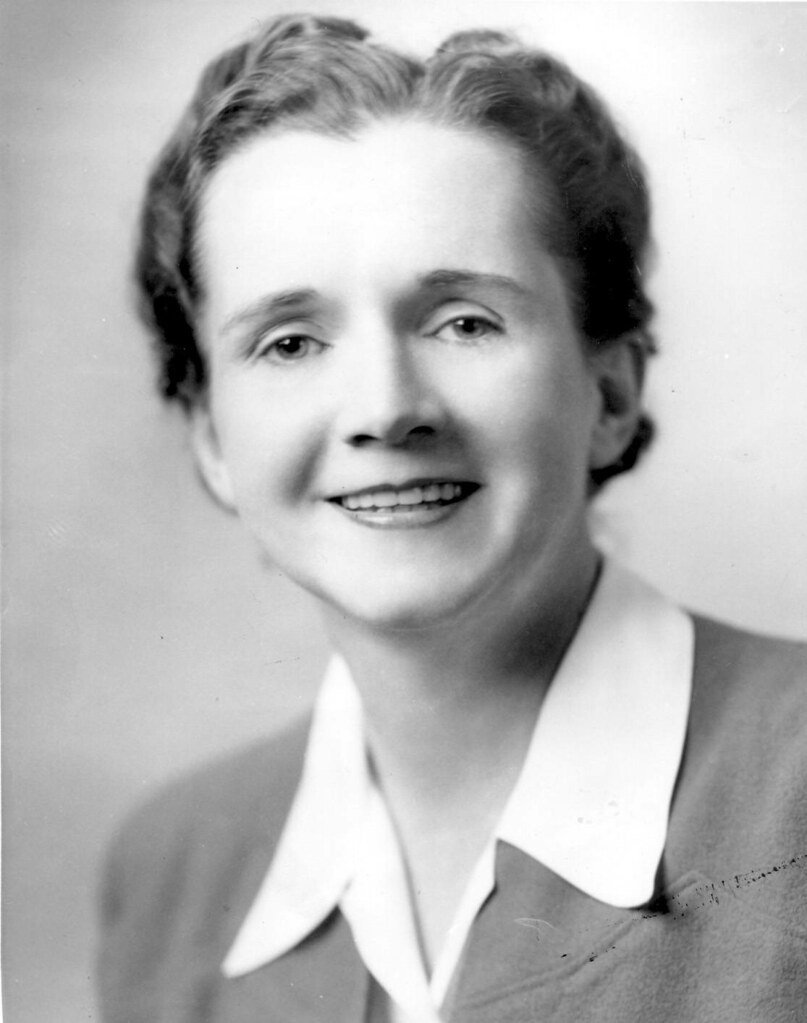
Not all Boomer-defining books were fiction. Some of them changed actual policy. Silent Spring is an environmental science book by Rachel Carson. Published on September 27, 1962, the book documented the environmental harm caused by the indiscriminate use of DDT. Carson accused the chemical industry of spreading disinformation, and public officials of accepting the industry’s marketing claims unquestioningly.
The book was met with fierce opposition by chemical companies, but it swayed public opinion and led to a reversal in US pesticide policy, a nationwide ban on DDT for agricultural uses, and an environmental movement that led to the creation of the US Environmental Protection Agency. Think about that. A book directly gave birth to a federal agency.
First published in 1962, Silent Spring launched the modern environmental movement. It also earned Carson, a modest marine biologist, a slot on Time’s 100 Most Influential People of the Century list. Carson’s work introduced ecological thinking to the mainstream, teaching a generation that humans are part of a complex web of life and that their actions have profound consequences for the planet.
9. Dune – Frank Herbert (1965)
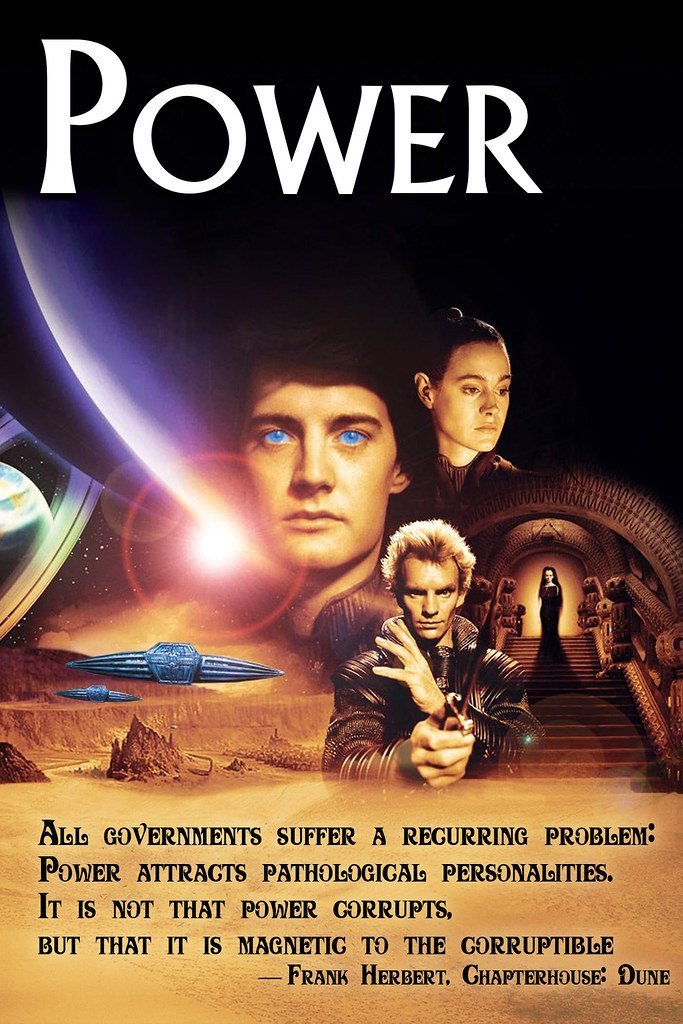
Science fiction might seem like an odd entry here, but for Baby Boomers coming of age during the Cold War, the space race, and mounting ecological anxiety, Dune hit different. Frank Herbert’s Dune, published in 1965, is an epic science fiction saga set on the desert planet of Arrakis. The novel’s intricate world-building and complex themes captivated Baby Boomers. Herbert’s exploration of politics, ecology, and human potential inspired readers to ponder the future of humanity.
It was the first science fiction novel to weave ecology so deeply into its fabric that it essentially invented a new kind of storytelling. For a generation watching their own planet being poisoned, Herbert’s desert world felt like a warning dressed as an adventure. I think the reason Dune has never stopped being relevant is because it was never really about a distant planet. It was about this one.
10. The Autobiography of Malcolm X – Malcolm X and Alex Haley (1965)
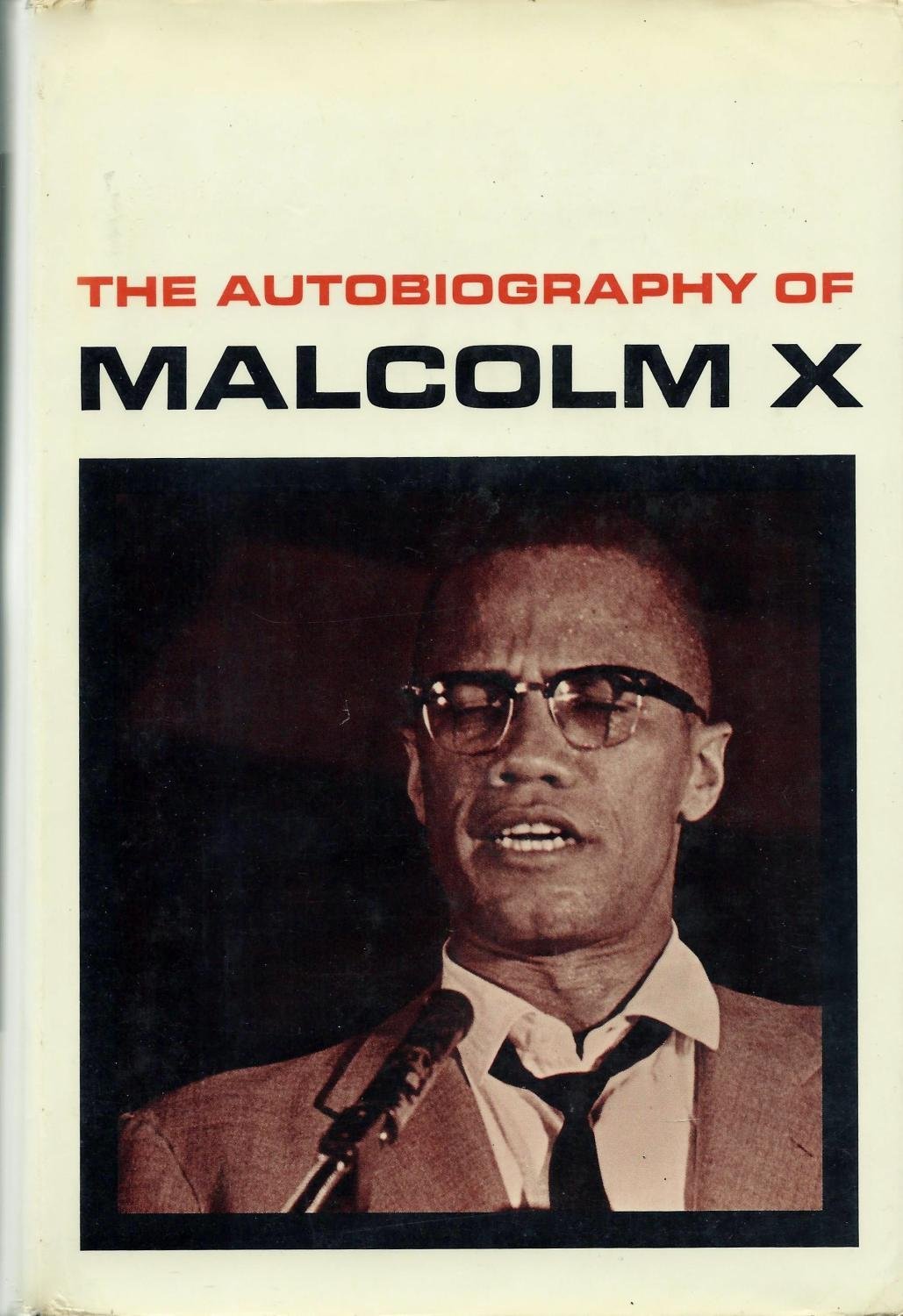
If any single book captured the fierce urgency of racial identity and political awakening in this era, it was this one. The Autobiography of Malcolm X is a riveting book about the 1960s, co-authored by Malcolm X and Alex Haley. Published posthumously in 1965, months after Malcolm X was assassinated, it reached young Boomers at the exact moment when the civil rights movement was fracturing and a harder, more impatient politics was emerging.
As Newsweek noted, it’s hard to imagine the 1960s turning out the same way without “The Autobiography of Malcolm X.” The book forced a reckoning. It didn’t comfort its readers. It challenged them, prodded them, demanded they look more honestly at systems of power and race. For Black Boomers especially, it offered a narrative of dignity and defiance at a moment when both felt endangered.
The Autobiography of Malcolm X remains a standard text in universities and high schools across the country. Its cultural force has not faded. If anything, its continued circulation across generations is a reminder that some books do not age. They simply wait for the reader to catch up.
The Books That Stayed

What’s striking, looking at all ten of these titles together, is how many of them were working against something. Against conformity, against injustice, against the comfortable silence of the suburbs, against war, against the slow poisoning of the planet. As with music and movies, Baby Boomers reshaped America’s reading habits. The era from 1946 to 1964 was a time when many of the 20th century’s most notable writers published their best works and new voices came to the fore.
These were not escapist books. They were, in the truest sense, political acts in paperback form. Passed from friend to friend, read under covers with flashlights, argued about over diner coffee. The Boomer generation didn’t just read these books. They carried them like a kind of manifesto.
Decades on, it’s worth asking: which of today’s books will a future generation look back on as theirs? What do you think? Let us know in the comments.

Christian Wiedeck, all the way from Germany, loves music festivals, especially in the USA. His articles bring the excitement of these events to readers worldwide.
For any feedback please reach out to info@festivalinside.com
