
Think about the last time you heard a song for the first time. Where was it? Chances are, it wasn’t on the radio. It probably wasn’t on MTV either – honestly, when did you last even watch that? More likely, it was a short clip scrolling past you on TikTok, tucked inside someone’s dance video or a meme you didn’t fully understand. That simple, almost accidental moment of exposure is quietly rewriting the entire music industry. Let’s dive in.
The Numbers Don’t Lie: TikTok Is Where Music Lives Now
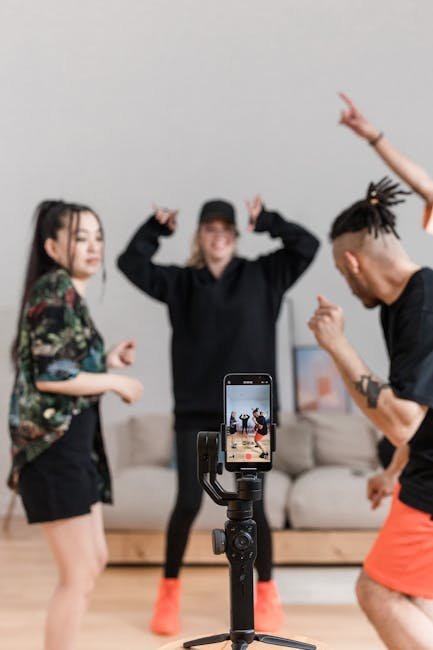
Here’s a stat that genuinely stopped me in my tracks. About three quarters of all TikTok users discover new songs on the app, making it the number one place for music discovery. That’s not a minor shift in media habits – that’s a complete structural overhaul of how music reaches people.
TikTok has roughly 1.59 billion monthly users, and they are not passive scrollers. Users open the app about 20 times a day on average, spending nearly 58 minutes and 24 seconds on the platform daily. That’s almost an hour – every single day – of ears wide open to whatever the algorithm decides to serve up next.
Research has found that nearly all artists analyzed showed a statistically significant link between TikTok views and their streaming volumes, with artists experiencing an average 11% increase in streams within three days after a spike in TikTok activity. That kind of direct, measurable result is something radio promoters could only dream about.
The For You Page: A Stage Open to Everyone
What makes TikTok genuinely different from any discovery tool that came before it is the For You Page. Think of it as a radio station that somehow knows exactly what you want to hear before you do – except it also plays things you never knew you needed.
The For You Page democratizes music discovery, allowing songs to achieve international popularity whether or not the artist is famous or completely unknown. That is revolutionary. The old gatekeepers – major labels, radio programmers, TV executives – no longer hold all the cards.
TikTok’s algorithm is deeply optimized for audio-driven engagement. If a song anchors a trend, think a dance, remix, or lip-sync, the system boosts videos using that sound regardless of follower count. Zero followers. Total strangers. Still might go viral. That never happened with a Billboard campaign.
From Unknown to Unstoppable: The Artists TikTok Built
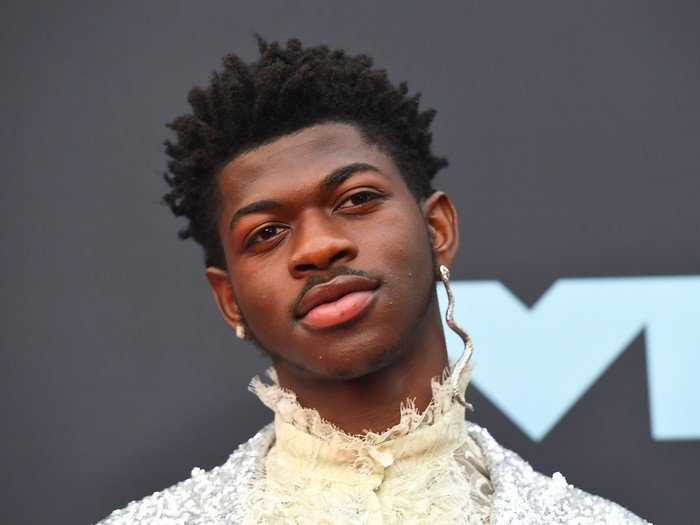
Let’s be real – the TikTok-to-stardom pipeline is not just a myth. It has produced some of the biggest names in music today. Artists who are new and wildly successful today, including Chappell Roan, Benson Boone, and Olivia Rodrigo, were launched into fame by TikTok.
Many newer artists used TikTok to cultivate a fan base before releasing their music, including Lil Nas X with ‘Old Town Road,’ Erica Banks with ‘Buss It,’ and Tommy Richman with ‘Million Dollar Baby.’ These weren’t artists with massive label budgets behind them. They were regular people with a phone and a good hook.
In 2025, TikTok and its community of over a billion music fans proved once again that music starts on TikTok, with the platform providing the launchpad for the careers of artists including Alex Warren, Ravyn Lenae, sombr, and Lola Young. The list keeps growing. Every year, new names emerge purely because a clip resonated on the For You Page at the right moment.
Dead Songs Walking? TikTok Can Resurrect Them Too
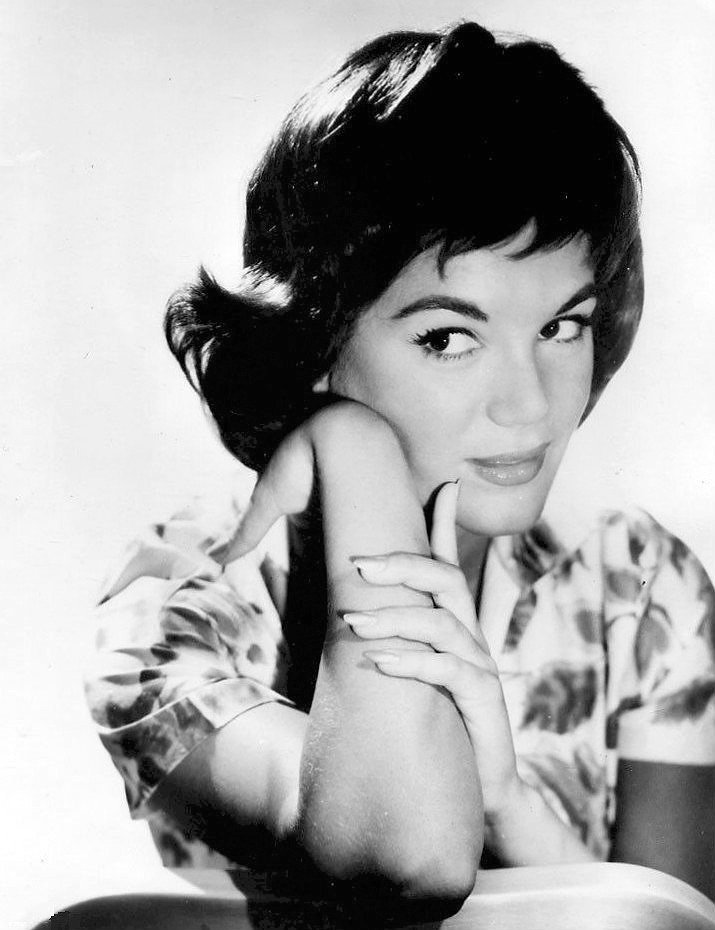
photo front
photo back, Public domain)
I think the most genuinely surprising thing about TikTok’s music influence isn’t what it does for new artists. It’s what it does for old ones. Songs that were essentially forgotten are getting second lives – sometimes decades after release.
In 2025, TikTok continued to reintroduce audiences to older tracks, with listeners discovering songs like Breakin’ Dishes by Rihanna, Let Down by Radiohead, and Rock That Body by the Black Eyed Peas, often for the very first time. For the very first time. Songs that were charting before some of those listeners were even born.
The story of Connie Francis is almost poetic. Her song ‘Pretty Little Baby’ became her most-streamed song, racking up over 130 million streams on Spotify and spending five weeks on the Billboard Global 200 chart – all thanks to TikTok going viral. That recording was made in 1962. TikTok gave it a second debut in 2025. If that doesn’t make you feel something, I don’t know what will.
The Billboard Charts Are Basically a TikTok Leaderboard Now
Here’s where it gets truly wild. A remarkable 84% of songs that entered the Billboard Global 200 in 2024 went viral on TikTok first. That’s not a coincidence. That’s a new industry rulebook written in real time.
TikTok now directly influences music chart rankings by driving streaming figures and sales, and Billboard has integrated TikTok metrics, meaning viral songs can directly impact their chart placements. The platform isn’t just influencing culture anymore – it is literally shaping the official measurement tools of the music industry.
In 2025, eight out of the ten Billboard number one hits went viral on TikTok first. That’s practically a clean sweep. Radio didn’t do that. Playlists didn’t do that. A 15-second clip on a social media app did.
Record Labels Have Completely Rewritten Their Playbooks
The music industry establishment didn’t exactly welcome TikTok with open arms at first. But money has a way of changing minds quickly. Major record labels have now fully embraced TikTok’s potential for pre-release hype, leveraging the platform by partnering with influencers who gain early access to new songs and integrate them into viral TikTok challenges, generating buzz even before an official release.
Record labels now monitor TikTok trends closely, often signing artists based on viral success and investing in promoting songs that show early momentum on the platform. The platform has essentially become an organic focus group, allowing the industry to identify potential hits before investing in traditional promotion. Think about that for a second. A social media feed is now functioning as a test market.
Labels now pay TikTok influencers to feature songs in videos, and marketing budgets are actively shifting away from radio and TV toward TikTok campaigns. Old media is not dead, but it’s definitely watching over its shoulder.
The Dark Side: When Virality Eats Artistry
Honestly, it’s not all good news. There’s a real tension hiding beneath the success stories, and it’s worth talking about. While TikTok has undoubtedly changed how we discover music, the platform’s influence seems to be increasingly affecting music by reducing it to short soundbites and pressuring both artists and record labels to cater to algorithms instead of audiences.
Record labels and their requirements for artists have become more closely tied to TikTok success. A ‘TikTok hit’ is exactly what labels want to achieve, so much so that labels begin to push artists to change their sound so music performs better on the platform or restrict artists from releasing music they actually want to make. That is a genuinely troubling development for musical creativity.
Even songwriting has shifted, with viral hooks mattering more than entire compositions, and many tracks now structured to deliver catchy moments within the first 15 seconds. What happens to the slow-burn albums, the songs that need three minutes to reach their emotional peak? Increasingly, they simply don’t make the cut.
The Spending Habits of TikTok Music Fans Will Surprise You
Here’s something the critics of TikTok often overlook. The users discovering music on the platform aren’t just passively watching. They’re actually spending money – quite a lot of it.
U.S. TikTok users spend roughly 46% more money on music each month than the average U.S. music listener, and are significantly more likely to use a paid music streaming subscription. That is the kind of data that makes every executive in the room sit up straighter.
Superfans on TikTok spend about 19% more on music, 21% more on live events, and 34% more on merchandise than average superfans. So not only does TikTok build awareness – it builds the kind of deep fan loyalty that translates into real, sustained revenue. That’s a fundamentally different story from passive listeners clicking past a radio ad.
Not the Only Player: A Word of Caution
Let’s pump the brakes just slightly, because the full picture is more nuanced than the TikTok hype machine sometimes admits. A MIDiA Research study involving over 10,000 participants across platforms found that YouTube was actually the leading source for finding new music, with more than half of participants choosing the platform. Streaming services followed, and TikTok came in third at 37%.
When broken out by age group, MIDiA found clear demographic divides at the extremes, with younger audiences skewing toward TikTok and older audiences toward radio. So TikTok’s dominance is real – but it is concentrated, particularly among younger listeners. It’s hard to say for sure how that demographic picture will shift as today’s Gen Z ages.
Still, even at 37% of all consumers, the fact that a social media app built around dance challenges is now neck and neck with entire streaming empires for music discovery is nothing short of remarkable.
What Comes Next: TikTok’s Future in the Music Ecosystem
TikTok’s Add to Music App feature makes discovery seamless, helping users save tracks they find directly to streaming services like Spotify, Apple Music, and Amazon Music. The feature has now been used to save over 3 billion tracks, generating billions more streams and driving music into charts worldwide. Three billion saves. That is an infrastructure, not a trend.
Artists whose TikTok engagement stays consistently high week to week grow about 11% per week in streaming volumes, compared to just 3% for others. Over time, their total streaming volumes climb dramatically more. That means consistency on TikTok equals sustained streaming growth – not just viral one-offs.
Looking ahead, TikTok’s influence on the music charts will only grow, with deeper integration with streaming services expected and marketing strategies continuing to center around TikTok campaigns. Whether you love that or dread it probably depends a lot on whether your favorite genre makes for a good 15-second clip.
Conclusion: A 15-Second Revolution That Changed Everything
TikTok didn’t just give us new ways to find music. It rewrote who gets to be heard, who gets signed, who gets a second chance, and ultimately who charts. It took a song from 1962 and made it a global streaming hit in 2025. It turned bedroom artists into chart-toppers and forced billion-dollar labels to rethink how they work.
The platform is not without its flaws. The algorithmic pressure on artists, the reduction of music to soundbites, the creative compromises labels demand – these are real costs. The revolution has a price tag, and often it’s the artists themselves who pay it.
But the raw power of what TikTok has done to music discovery is undeniable. The old gatekeepers are gone. The stage is theoretically open to everyone. Whether that makes today a golden age for music or a complicated one is a question worth sitting with. What do you think – is TikTok’s rise ultimately good for music, or are we losing something important in the process? Drop your thoughts in the comments.

Besides founding Festivaltopia, Luca is the co founder of trib, an art and fashion collectiv you find on several regional events and online. Also he is part of the management board at HORiZONTE, a group travel provider in Germany.
