

- 12 Classic Board Games That Secretly Taught Us Life Lessons and Strategic Thinking - August 24, 2026
- These Unsung Heroes of History Made Profound Impacts Without Seeking the Limelight. - August 24, 2026
- The Most Dramatic Plot Twists in Literary History That Still Leave Readers Stunned. - August 24, 2026
Few decades produced musical partnerships as electric, as raw, and as tragically short-lived as the 1970s. That era had a peculiar gift for bringing two people together in a studio and turning their chemistry into something that felt like it could last forever. Spoiler: it rarely did. From folk-rock legends to country royalty to soft-pop sweethearts, some of the biggest names in music discovered that fame, creative tension, and the passage of time are powerful forces no harmony can hold back forever.
What actually pulled these duos apart? The answers are more complicated, more human, and sometimes more heartbreaking than you might expect. Let’s dive in.
Simon & Garfunkel: The Quiet Goodbye in a Parking Lot
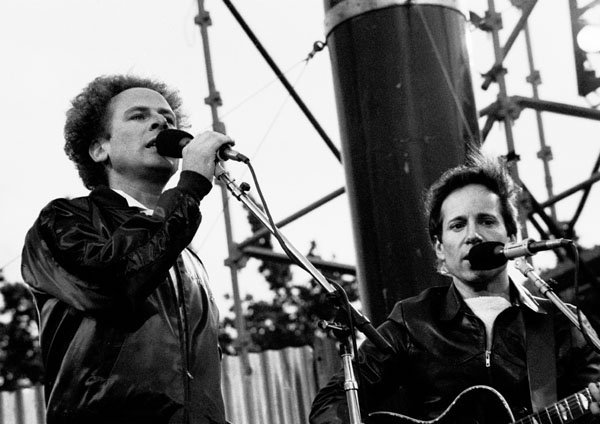
There was no dramatic press conference, no tearful farewell. In July 1970, just months after the release of their final album, a concert in New York would unceremoniously be the last the duo would play before their split. The pair shook hands in the car park after the gig and , not even discussing among themselves that this was to be their last time playing together. Their final studio album, “Bridge Over Troubled Water,” was released in January 1970 and charted in more than 11 countries, topping the charts in 10. It was the best-selling album in 1970, 1971, and 1972.
Art Garfunkel had taken an interest in acting and was cast in Mike Nichols’ movies “Catch-22” (1970) and “Carnal Knowledge” (1971). The films required him to be away for months at a time, leaving Simon to write songs and wait. Simon felt the situation was unfair and unbalanced, believing Garfunkel was more interested in acting than music – and this signaled the beginning of the end. Though they broke up in acrimonious circumstances, Paul Simon later looked back on the split without placing all the blame on Garfunkel.
Ike & Tina Turner: An Ending That Took Courage
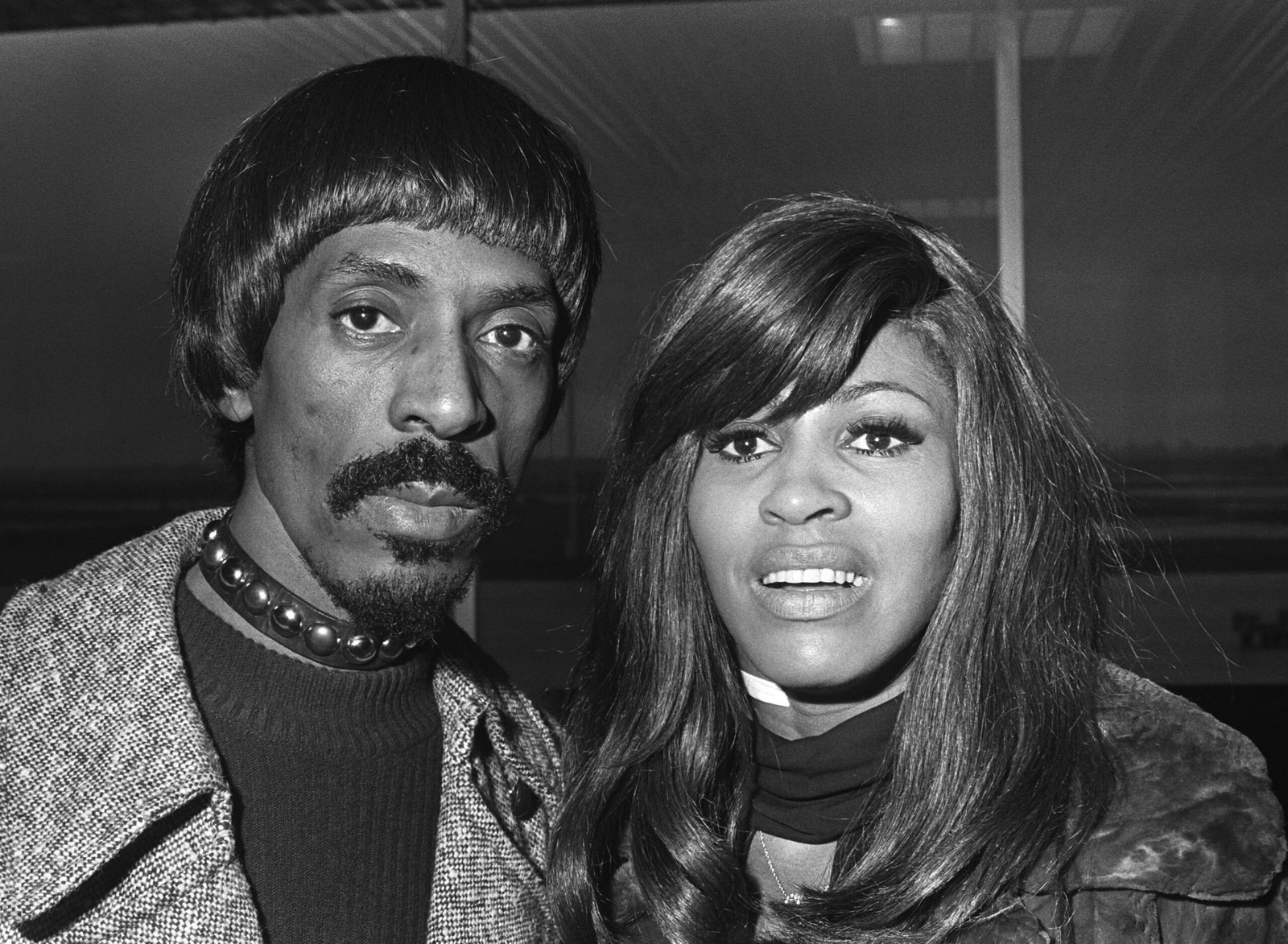
Ike and Tina Turner performed as the Ike & Tina Turner Revue and released dozens of albums. They also won a Grammy Award for “Proud Mary” in 1972. Their live performances were legendary. In 1974, the Turners received the Golden European Record Award, the first ever given, for selling more than one million records of “Nutbush City Limits” in Europe.
Tina made the decision to leave while on tour with Ike in Dallas in 1976. The relationship had been physically, emotionally, and financially abusive for years. She filed the divorce papers on July 27, 1976, citing irreconcilable differences. Following a physical altercation in 1976, Tina filed for divorce from Ike, stating he’d been both physically and emotionally abusive throughout their marriage, which Ike later admitted to. It was an ending that required enormous bravery, and history has never forgotten it.
Sonny & Cher: Divorce by Television
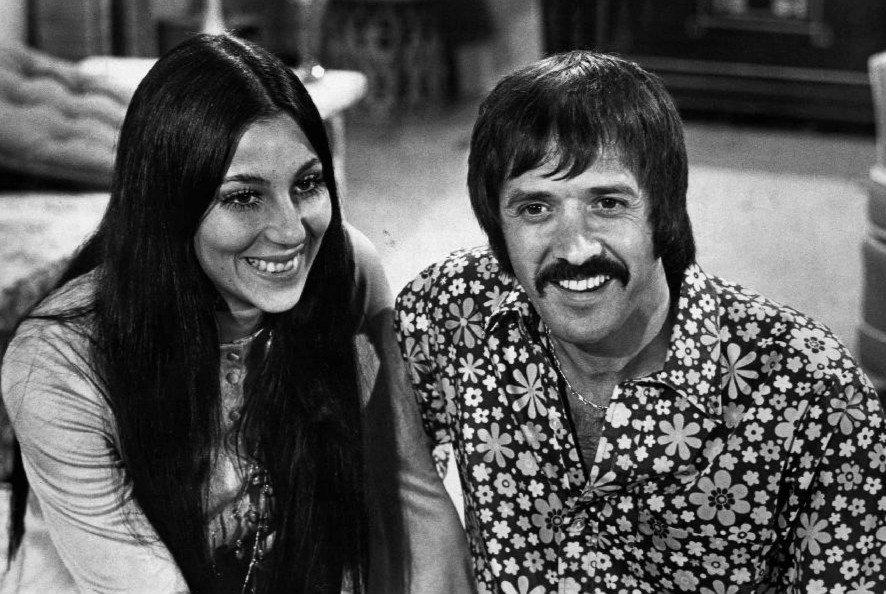
In the 1970s, they hosted the variety series “The Sonny & Cher Comedy Hour,” which earned 19 Emmy nominations across three seasons, while the duo achieved two more top ten hits, “All I Ever Need Is You” and “A Cowboy’s Work Is Never Done.” It seemed like nothing could touch them. The couple performed together until 1975, when they divorced and broke up the act. In that decade, they sold 40 million albums.
By the show’s third season, the couple’s relationship began to unravel, and Cher filed for divorce from Bono citing “involuntary servitude” and accusing Bono of withholding her share of the pair’s earnings. In the end, the love was still there and they remained friends until Sonny’s death in 1998. It was one of the most public breakups of the decade, and somehow also one of the most complicated.
Hall & Oates: The Legal Battle That Ended an Era

Between 1974 and 1991, the partners scored 29 Top 40 hits and six that reached number one. They’ve been inducted together into both the Songwriters and Rock & Roll Hall of Fame and are generally considered the most commercially successful pop music duo of all time. That legacy, though, couldn’t protect the partnership forever. According to Music Business Worldwide, litigation began in November 2023 when Hall sued to block Oates from selling his stake in their joint venture to Primary Wave Music.
The dispute centered on Whole Oats Enterprises LLP, which controls valuable intellectual property including trademarks, name and likeness rights, record royalties, and digital assets tied to the Hall & Oates brand. Asked by Variety if fans had seen the last of the group, Hall replied: “That is correct.” He also added, “I haven’t had a creative relationship with John for at least 25 years. We didn’t write songs together, we didn’t do anything together except perform live shows.”
Loggins & Messina: Friends Who Were Never Really Friends
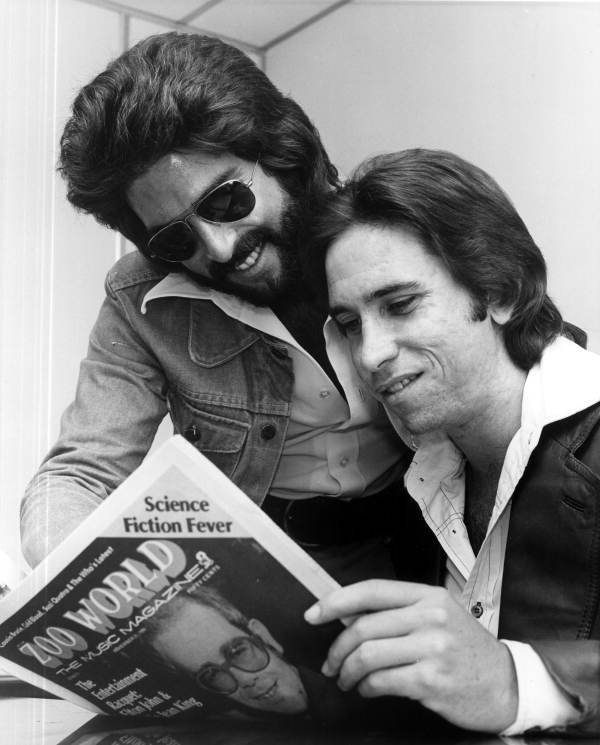
Working as a record producer, Jim Messina contributed so much to Kenny Loggins’s 1971 debut album that he received credit, and one of the most influential acts of the 1970s was born simply by chance. Kenny Loggins and Jim Messina were a soft-rock duo who sold 16 million records and were the most successful duo of the early 1970s. Their catalog, stacked with breezy, warm California sound, defined an era.
The duo ended amicably in 1976, with a greatest-hits package called “Best of Friends” – even though, per reporting at the time, they weren’t. As the two never really meant to form a duo, they eventually decided to part ways, though Loggins went on to have a successful solo career and the two have reunited twice to great success. Honestly, there is something almost poetic about a duo born by accident splitting up by design.
The Everly Brothers: A Breakup Onstage
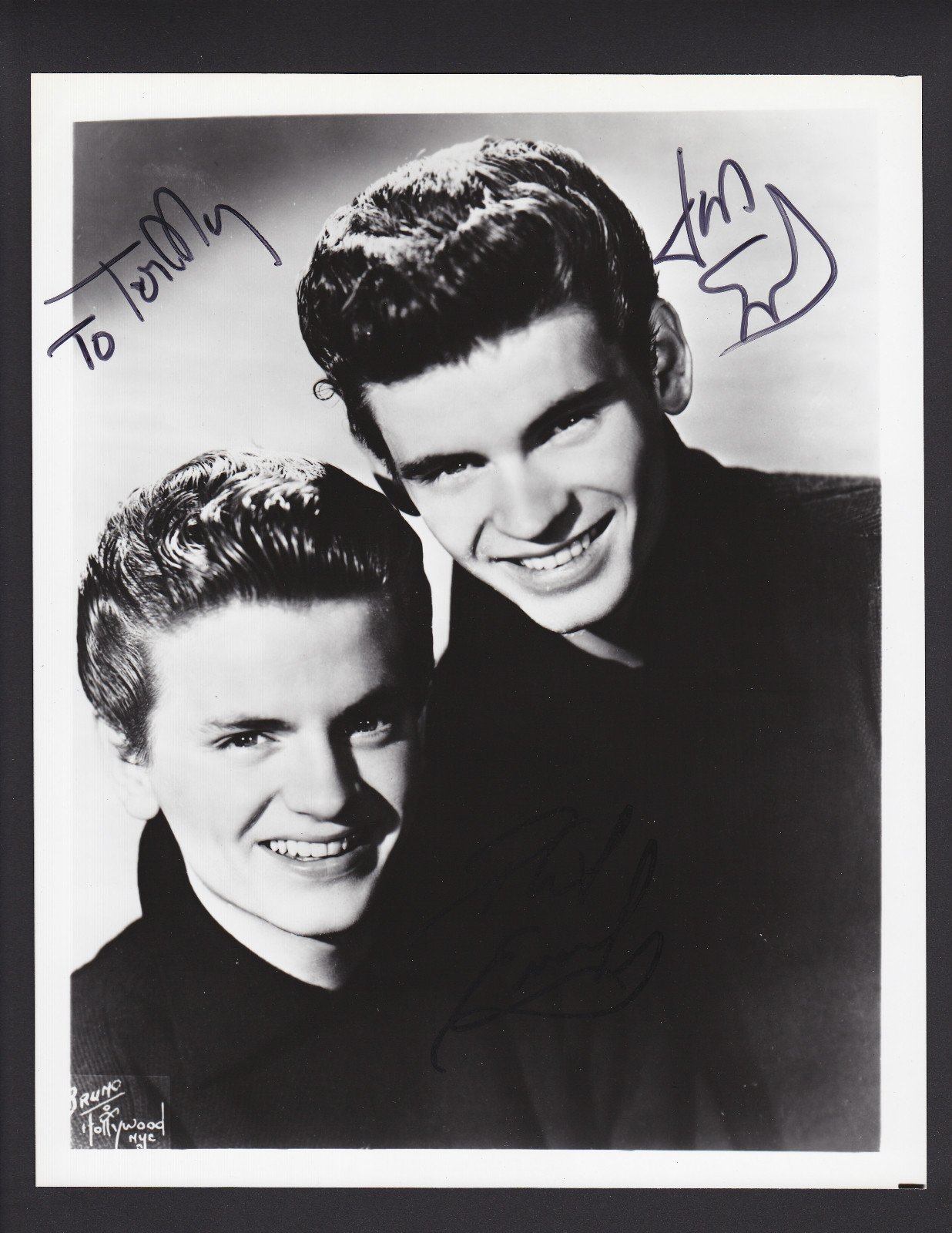
Many British Invasion bands, including The Hollies and The Beatles, revered the massively influential Everly Brothers. Don and Phil Everly sang sweetly together from 1955 to 1973, when they broke up onstage at Knott’s Berry Farm in California. That moment became one of rock and roll’s most infamous exits. While they temporarily reunited a few times for various recordings and performances, the brothers’ relationship remained rocky until Phil’s death in 2014.
Their sibling harmonies were the blueprint that acts like Simon & Garfunkel openly admitted to borrowing. The group broke up in 1973, though they reunited in the 1980s, during which time they recorded new music and continued touring. Few breakups in music history have been as raw or as public, and few relationships as complicated as one between brothers who share everything – including a microphone.
Captain & Tennille: Together Until They Weren’t
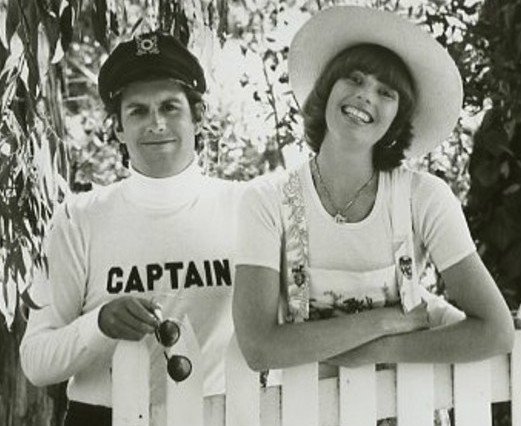
As Captain and Tennille, Daryl Dragon and Toni Tennille quickly reached number one on the Billboard Hot 100 with “Love Will Keep Us Together,” which also earned the Grammy for Record of the Year for 1975. Between 1975 and 1979, the duo cranked out seven top-10 hits, and two number ones – “Love Will Keep Us Together” and “Do That to Me One More Time,” the latter of which topped the charts in 1979.
The couple divorced in 2014; however, Tennille cared for Dragon as his health declined and was with him when he passed away in 2019. It came as a shock when soft rock power couple “Captain” Daryl Dragon and Toni Tennille divorced in 2014, after 39 years of marriage. Their 1975 hit “Love Will Keep Us Together” now plays like a punch to the gut, but that doesn’t make the song any less enduring.
Steely Dan: A Decade-Long Silence

With seven albums released from 1972 to 1980, with six charting in the top 20, Steely Dan were forerunners of the soft-rock, jazz blend that became so popular in the 1970s that years later it became its own genre known as “yacht rock.” Walter Becker and Donald Fagen were not your typical ’70s duo – cerebral, sardonic, and fiercely original in a way that didn’t always fit neatly into the pop market. Although the duo separated for more than a decade in 1981, they reunited in 1993; in 2000, they released their first studio album in 20 years.
“Two Against Nature” charted to number six and won the pair four Grammys: Album of the Year, Best Pop Vocal Album, Best Engineered Album/Non-Classical, and Best Pop Performance by a Duo/Group. They followed up with one more album in 2003, “Everything Must Go,” and continued to tour together before Becker’s death in 2017. The split and the reunion together tell the full story of two artists who needed each other more than they probably admitted.
George Jones & Tammy Wynette: The Divorce That Kept on Giving
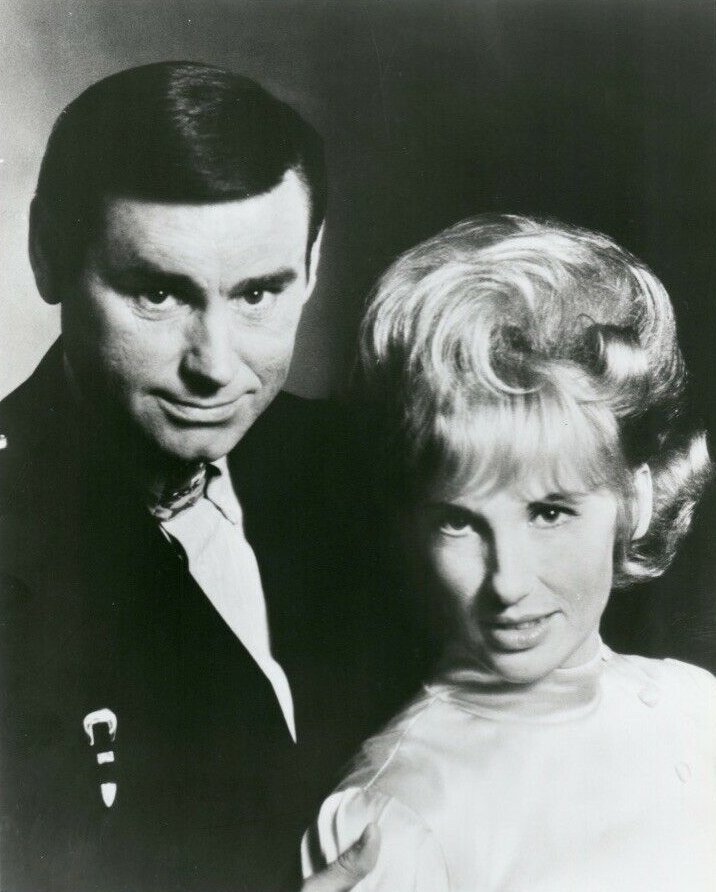
George Jones and Tammy Wynette were respected artists in their own rights before they started recording together, so it stands to reason that their combined efforts scored even higher on the scale of fame. Their voices together were almost unfairly good. Arguably their biggest hit together, “Golden Ring,” was released in 1975, towards the end of their marriage. Remarkably, their music careers outlived their personal relationship, with the duo continuing to perform together long after they divorced.
Jones and Wynette’s relationship was marred by Jones’ heavy drinking, which later became the primary catalyst to the couple’s eventual divorce in 1975. Professionally, though, they kept showing up together because the records kept selling. Few things in country music are more bittersweet than watching two ex-spouses sell out arenas on the strength of songs they wrote when they were still in love.
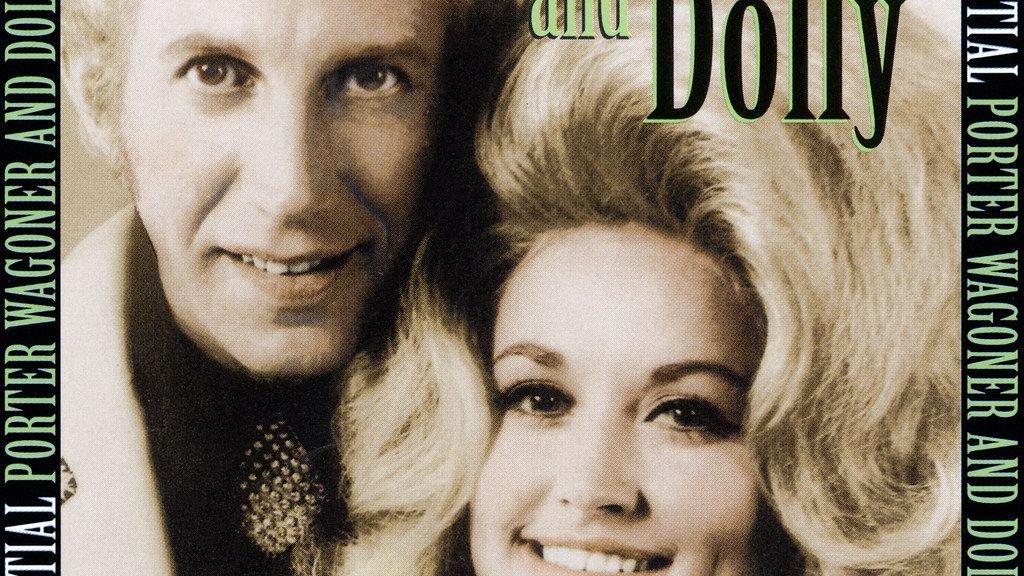
Dolly Parton & Porter Wagoner: A Goodbye Written in Song
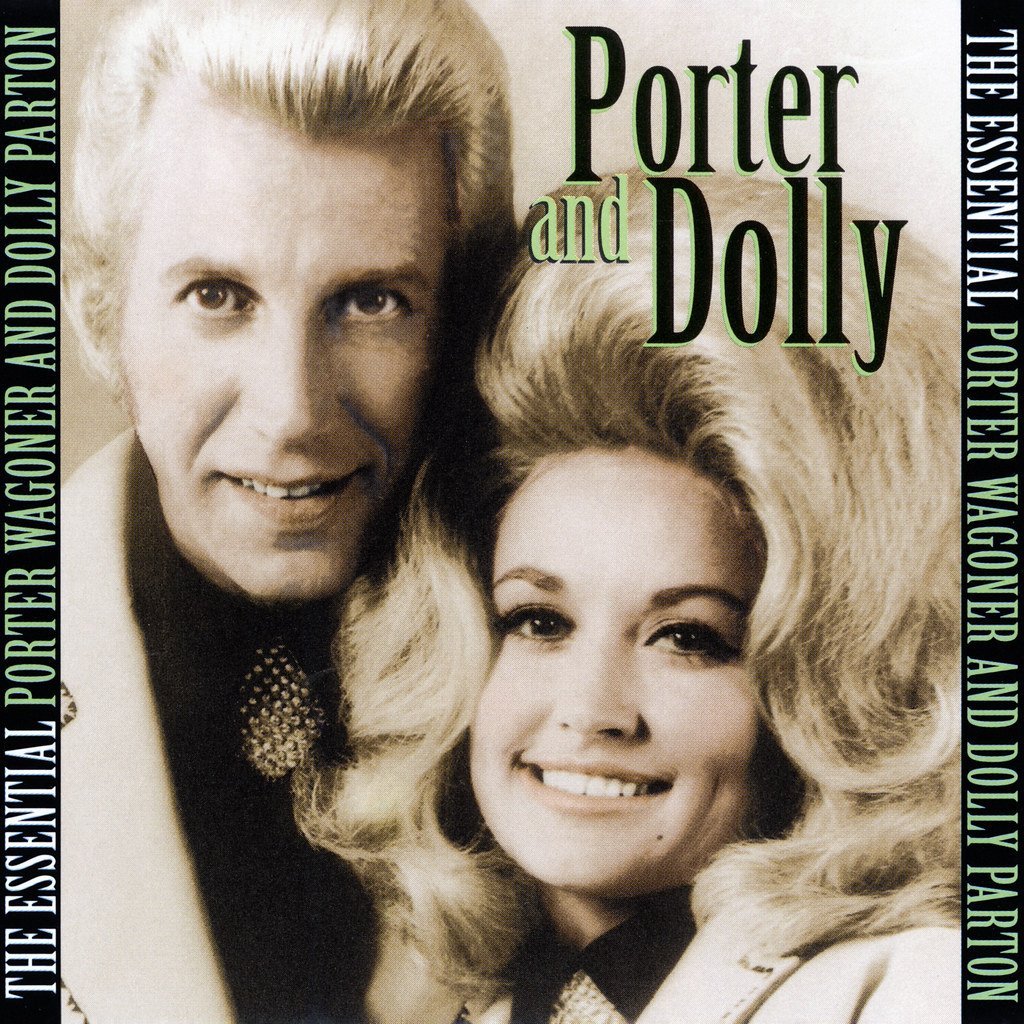
Porter Wagoner gave Dolly Parton her big break on his nationally syndicated television show in 1967, and together they became one of country music’s defining duets through the late ’60s and into the ’70s. Their chemistry was undeniable – warm, classic Nashville harmony with real emotional depth behind it. Though they severed their professional relationship in 1975, “I Will Always Love You” – the song Parton wrote as a “goodbye” to Wagoner – has kept the lifespan of the duo alive in the minds of country music fans the world over.
Wagoner initially sued Parton for breach of contract when she departed to pursue her solo career, and the case was later settled out of court. That Parton turned their parting into one of the most emotionally resonant farewell songs ever written says everything about how remarkable – and how complicated – that partnership truly was. I think history treated Parton kinder in the long run, but Wagoner’s role in launching her career deserves more credit than it often gets.
Seals & Crofts: Faith That Pointed Elsewhere
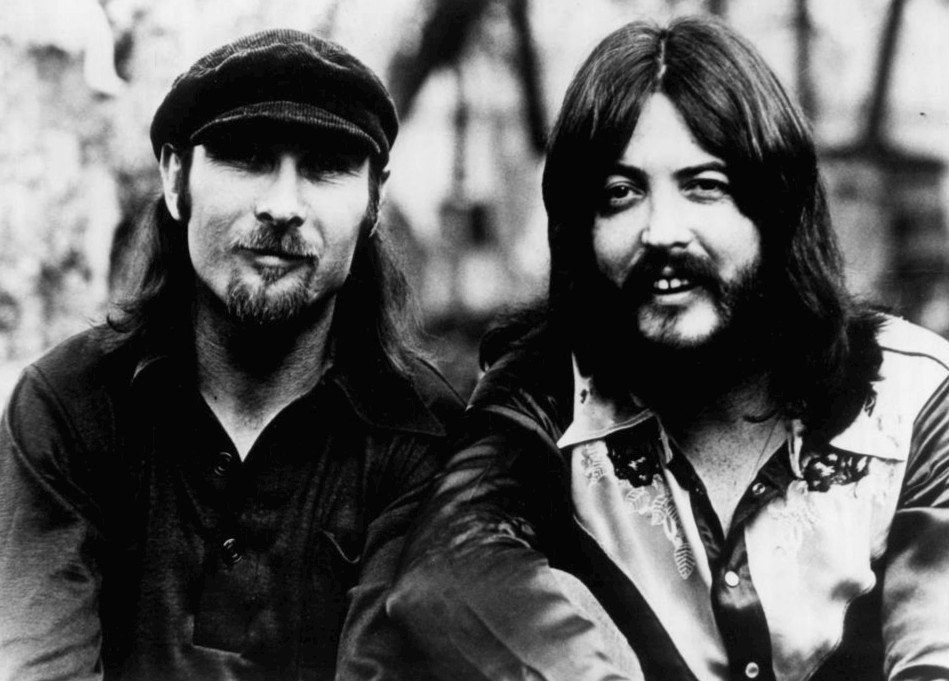
Jim Seals and Dash Crofts met in the late 1950s while backing up singer Dean Beard. The soft-rock pair tapped into the mellow rock zeitgeist of the early 1970s, playing a variety of instruments, including the fiddle, mandolin, saxophone, drums, and guitar. Their hits like “Summer Breeze” and “Diamond Girl” made them fixtures on ’70s radio, their sound as warm and unhurried as a long afternoon. England Dan Seals and John Ford Coley, who were mellow rockers and part of the singer-songwriter era of the 1970s, had actually played on several Seals & Crofts albums before striking out on their own.
Seals and Crofts became members of the Bahá’í Faith in the late 1960s, and their religious convictions increasingly shaped their creative direction throughout the decade. By the early 1980s, the duo had largely stepped back from recording and touring, choosing to focus on their faith. They never had a dramatic split so much as a quiet spiritual withdrawal from the music industry – unusual, genuine, and very much their own choice.
England Dan & John Ford Coley: Success Without a Second Act
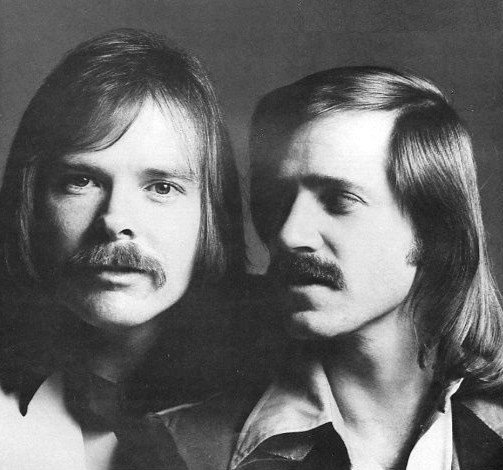
England Dan (Dan Seals) and John Ford Coley were mellow rockers who were part of the singer-songwriter era of the 1970s. Their single “I’d Really Love to See You Tonight” reached number two in 1976. That track alone cemented their place in the soft-rock canon, played on every AM station in America, the kind of song that aged beautifully into nostalgia. Here’s the thing, though – most people remember the song but not necessarily the duo’s name.
The pair quietly in 1980 after a run of albums that never quite matched the commercial heights of their breakthrough single. Dan Seals later had a successful solo country career, charting a string of number one country hits under his own name in the 1980s. Coley pursued solo work and touring, but it was Seals who broke through individually, as reported in contemporaneous music industry coverage of the era.
Richard & Linda Thompson: Divorce as Art

As went their marriage, so went the reigning couple of British folk-rock’s recording history, which began in 1974 with the luminous “I Want to See the Bright Lights Tonight” and ended eight years, five albums, and one divorce later with breakup masterpiece “Shoot Out the Lights.” Few albums in the folk-rock catalogue have ever been as openly, painfully autobiographical as that final record. Richard Thompson rose to fame in the 1960s and formed a duo with his then-wife Linda in the 1970s. The duo produced six albums together, and their creative collaboration lasted until their divorce – and eventually, they continued their separate ways.
Rolling Stone has consistently cited “Shoot Out the Lights” as one of the greatest albums ever made, a work of art born directly from the disintegration of a marriage and a musical partnership. They recorded it while their relationship was collapsing around them. Richard went on to a distinguished solo career as a guitarist and songwriter; Linda stepped back from recording. The tragedy is that the worst year of their lives produced their best work together.
The Carpenters: A Partnership Ended by Loss
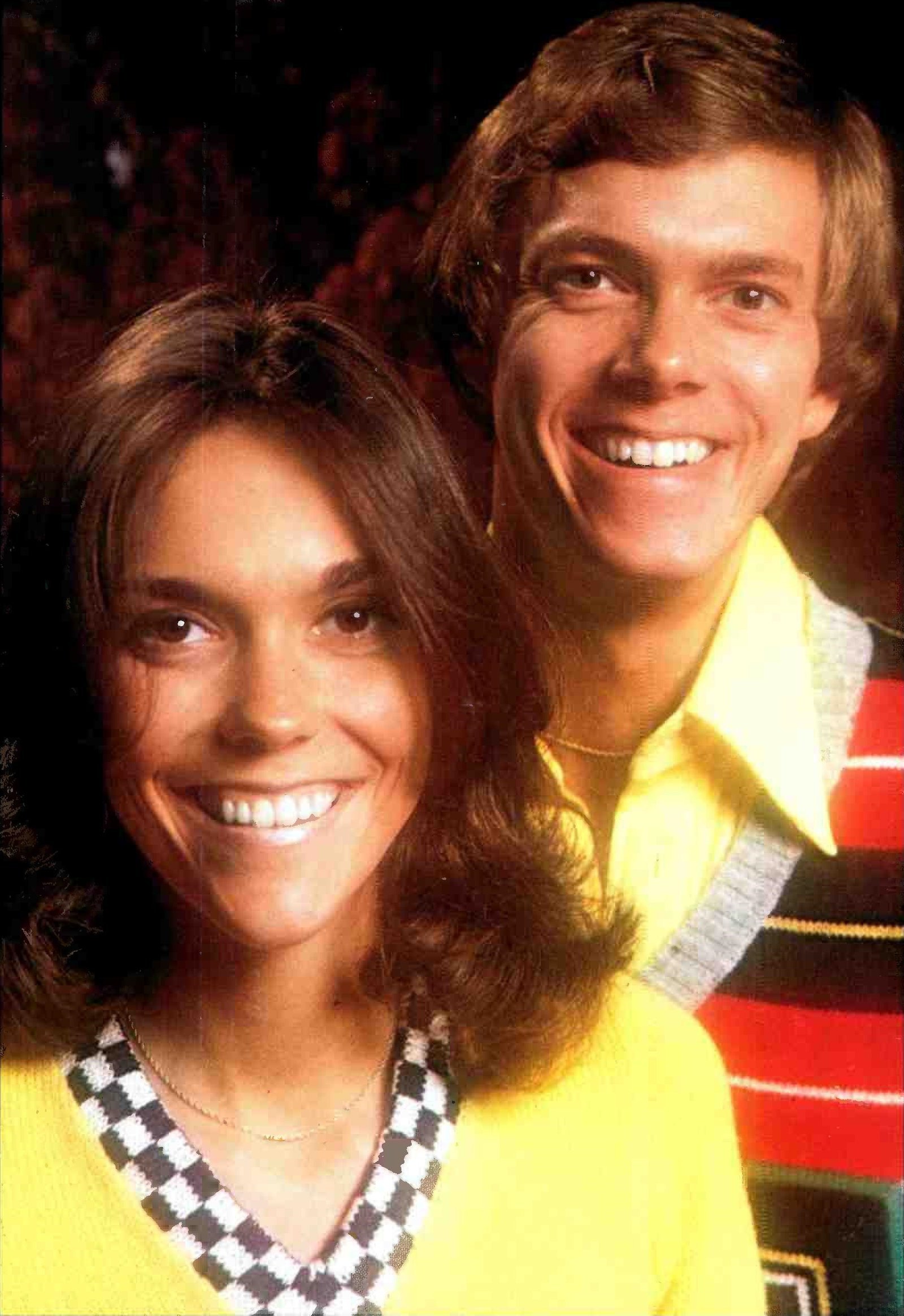
The Carpenters gained fame in 1970 with their version of the Burt Bacharach and Hal David song “(They Long to Be) Close to You,” which was the first of three number one hits on the Billboard Hot 100 for The Carpenters. Over the next five years, they became one of the biggest acts in the world, winning three Grammy Awards and placing 12 songs in the Billboard Hot 100 Top 10. Karen’s voice was in a class entirely of its own – smooth, instantly recognizable, almost impossibly warm.
Despite their success, Karen struggled with an eating disorder that tragically led to her death in 1983. The Carpenters sold over 90 million records worldwide, and their music is still cherished today. Richard Carpenter has continued to be a steward of the Carpenters’ legacy ever since, authorizing reissues, compilations, and retrospectives. Influences from their work can be seen in artists like Sheryl Crow and Adele, who cite Karen Carpenter’s voice as an inspiration.
Waylon Jennings & Willie Nelson: Outlaws Who Eventually Rode Alone
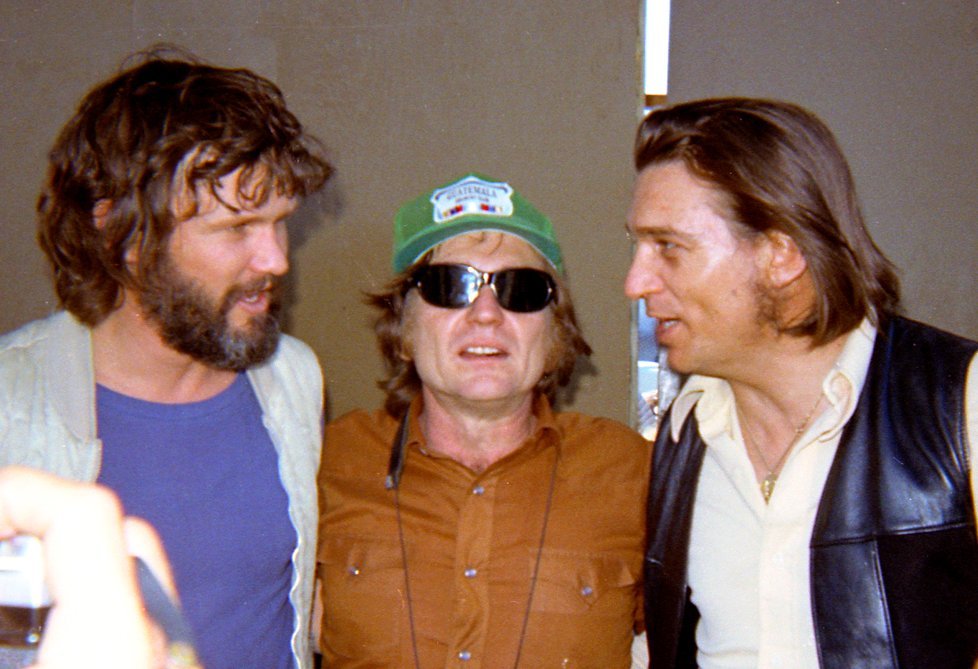
Nelson and Jennings started their time as a duo with the 1976 album “Wanted! The Outlaws,” alongside Jessi Colter and Tompall Glaser. The album went on to become the genre’s first platinum-certified album. Their biggest hit as a pair, “Mammas, Don’t Let Your Babies Grow Up to Be Cowboys,” was released in 1978 on their collaborative album, “Waylon & Willie.” Two of country music’s most stubborn, most independent, most charismatic figures – together. It was almost too good to last.
By the early 1980s, both men were pursuing primarily solo work, with Willie Nelson in particular becoming one of the most prolific recording artists in any genre. They continued to appear together at festivals and on recordings throughout the decade, but the concentrated commercial partnership of the late ’70s gave way to two solo careers that neither man needed to apologize for. Their relationship was less than perfect at times, but the music they created together never faltered.
Looking back across all fifteen of these partnerships, what strikes you most is how rarely the music was the problem. Creative difference, personal collapse, business disputes, tragedy – it was always something human that ended things, never a shortage of talent. The songs outlasted everything. What’s your favorite duo from this list, and did you know their story before today?

Besides founding Festivaltopia, Luca is the co founder of trib, an art and fashion collectiv you find on several regional events and online. Also he is part of the management board at HORiZONTE, a group travel provider in Germany.
