

- The Stories Behind 12 Iconic Movie Props You Never Knew Existed. - August 12, 2026
- 10 Concerts So Legendary, They Defined the Sound of a Generation. - August 12, 2026
- 10 Heavy Metal Rock Songs of The 70’s That Still Dominate Charts Today. - August 12, 2026

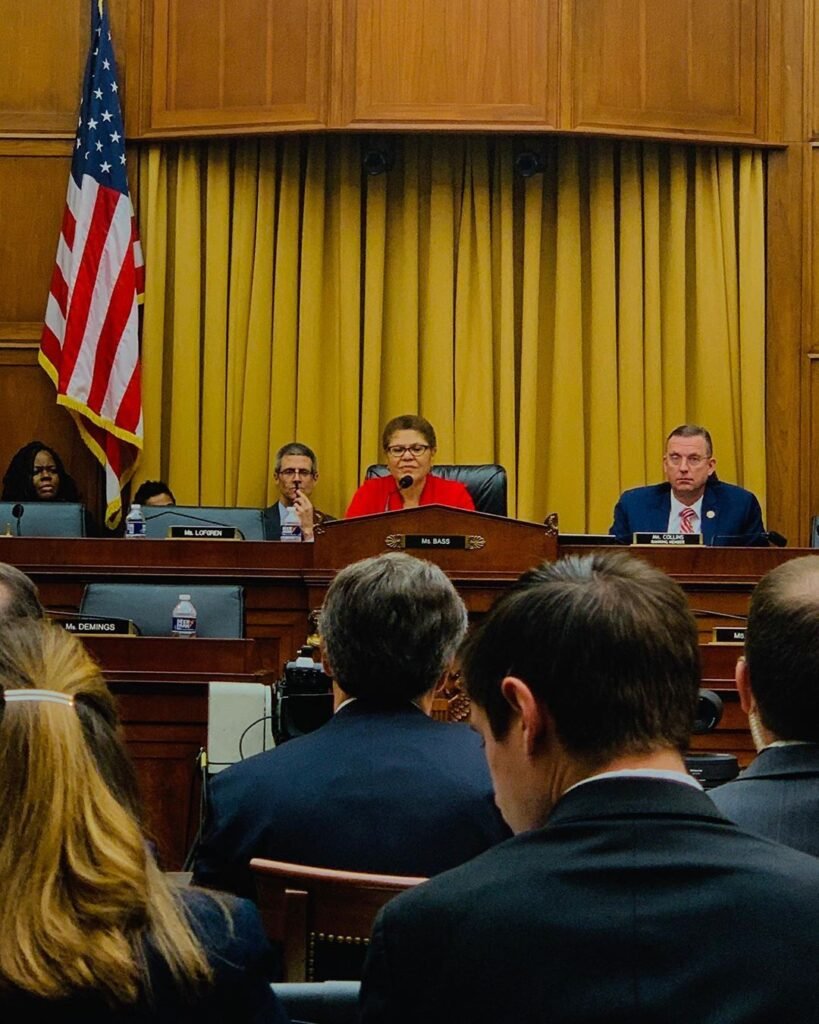
A Rocky Path to Rebuilding (Image Credits: Upload.wikimedia.org)
Los Angeles – The ongoing struggle to rebuild after the devastating Palisades fire has exposed deep frustrations among residents, as delays and administrative hurdles compound vulnerabilities to crime in the affected neighborhoods.
A Rocky Path to Rebuilding
The Palisades fire, which ravaged parts of the city earlier this year, left thousands displaced and communities in disarray. Recovery initiatives promised swift action, yet progress has been hampered by bureaucratic red tape and inconsistent leadership from City Hall. Residents expected a streamlined process for permits and aid, but months later, only a handful of rebuilding approvals have materialized. This slow pace has not only prolonged suffering but also created opportunities for opportunistic crimes, from trespassing to theft in abandoned properties.
City officials initially hailed the formation of a dedicated recovery team as a turning point. However, internal miscommunications and funding shortfalls quickly undermined those efforts. For instance, a high-profile consultant brought on to lead the charge later publicly expressed disappointment over unfulfilled financial commitments from the mayor’s office. Such revelations have eroded trust, leaving fire victims feeling neglected at a time when security concerns are mounting.
Crime Waves in the Wake of Destruction
As empty lots and damaged homes sit unattended, reports of break-ins and unauthorized entries have surged in the Palisades area. Local leaders, including mayoral challenger Rick Caruso, have highlighted how lax enforcement exacerbates these issues, with residents facing threats that go unaddressed by overstretched police resources. The fire’s aftermath has turned once-secure neighborhoods into hotspots for vandalism and looting, as opportunistic criminals exploit the chaos. Community members report feeling unsafe, with some delaying their return home due to these persistent dangers.
Public safety remains a core promise of the Bass administration, yet data shows crime rates climbing citywide, including in fire-hit zones. The Los Angeles Police Department has acknowledged challenges in patrolling vast, under-resourced areas, but critics argue that proactive measures, like increased patrols or faster debris clearance, could mitigate risks. Instead, the focus on administrative recovery has sidelined these urgent needs, allowing small incidents to escalate into broader safety crises.
Key Challenges and Community Backlash
Delays in permitting stem from a mix of regulatory hurdles and executive oversights, such as the absence of a simple memo to expedite approvals under state guidelines. Frustrated homeowners, like those in Pacific Palisades, wait indefinitely while consultants pocket significant fees – over $10 million allocated without corresponding results on the ground. This disparity has fueled outrage, with social media posts from affected residents decrying the city’s “malicious negligence.” Rebuilding momentum is finally picking up in spots, but the overall timeline lags behind comparable disasters in other California cities.
Investigations into early response failures, including Los Angeles Fire Department missteps that allowed the blaze to reignite, add another layer of scrutiny. Mayor Karen Bass called for a thorough probe, yet the findings have yet to translate into tangible reforms. Communities are organizing independently, pushing for accountability through public forums and advocacy groups. The human toll is evident in stories of families piecing together lives amid uncertainty, underscoring the need for coordinated action.
- Permit delays: Only four approvals issued two months post-fire, far below expectations.
- Funding issues: Millions spent on consultants while core aid stalls for victims.
- Security gaps: Increased trespassing and break-ins due to unoccupied sites.
- Leadership critiques: Public accusations of broken promises from recovery appointees.
- Comparative slowness: Rebuilding pace trails post-Tubbs fire efforts in Northern California.
Key Takeaways
- Administrative reversals have prolonged recovery, heightening crime risks in vulnerable areas.
- Resident-led demands for faster permits and better policing are gaining traction.
- Citywide lessons from the Palisades fire could reshape future disaster responses.
The Palisades recovery saga reveals how good intentions can falter without decisive follow-through, turning a natural disaster into a prolonged battle against both ruins and rising insecurity. As Los Angeles looks ahead, addressing these intertwined challenges of rebuilding and safety will define the city’s resilience. What steps do you believe the mayor should take next to restore confidence? Share your thoughts in the comments.
CEO-Co-Founder
