

- 8 Classic Movies You Thought Were American – But Were Actually Foreign - August 12, 2026
- 10 Most Beautiful Beaches in The World for a Relaxing Vacation - August 12, 2026
- 15 Hit Singles From the Last Three Decades That Still Get You Dancing. - August 12, 2026
There’s something strange happening at one of America’s most beloved national parks. Visitors to Yosemite have been sharing troubling observations, and what they’re reporting has prompted park officials to take swift action. We’re not talking about wildlife sightings or weather patterns here.
This is something that has geologists scratching their heads and climbers reconsidering their routes. The situation unfolding in Yosemite Valley has experts using words like unprecedented and highly unusual, terms that don’t get thrown around lightly in a park that’s seen it all over nearly 150 years of recorded history.
A Crack That Won’t Stop Growing
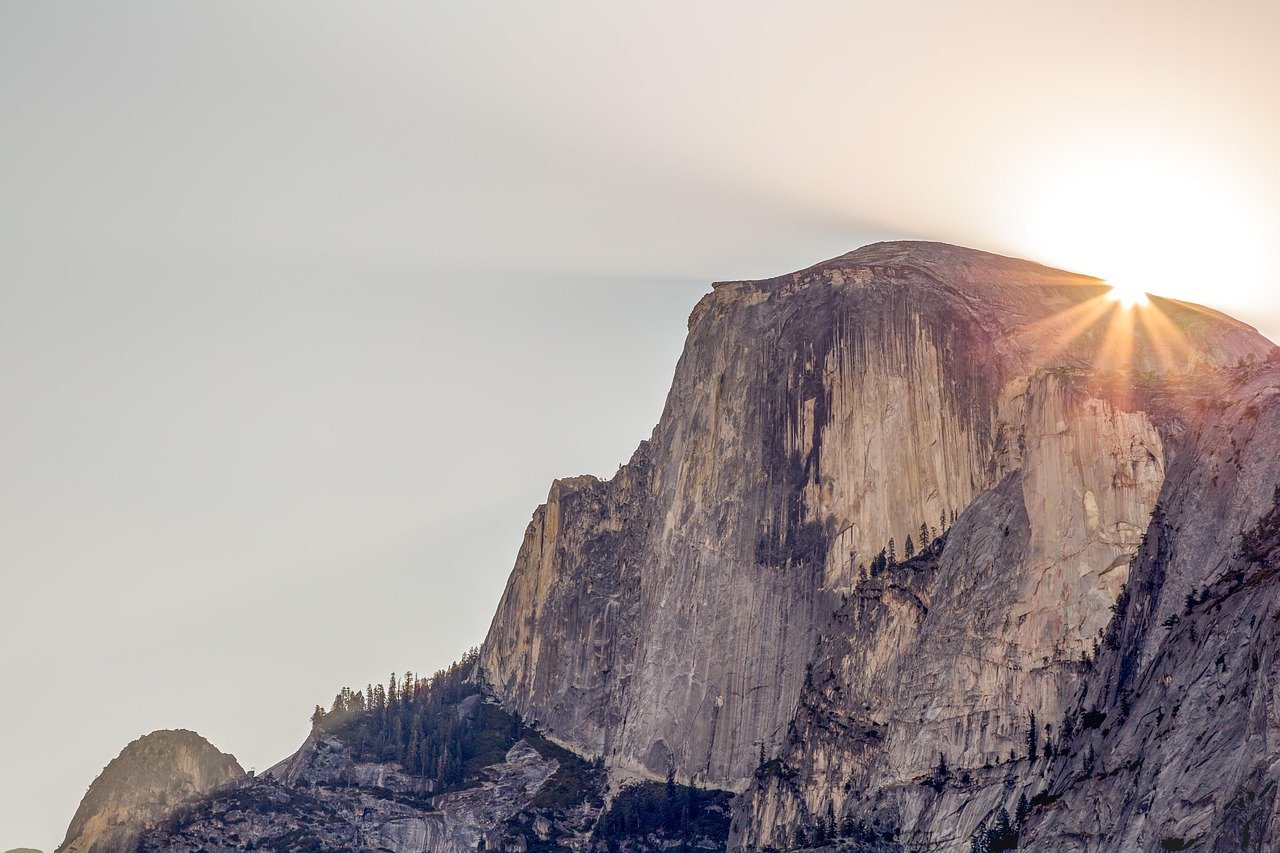
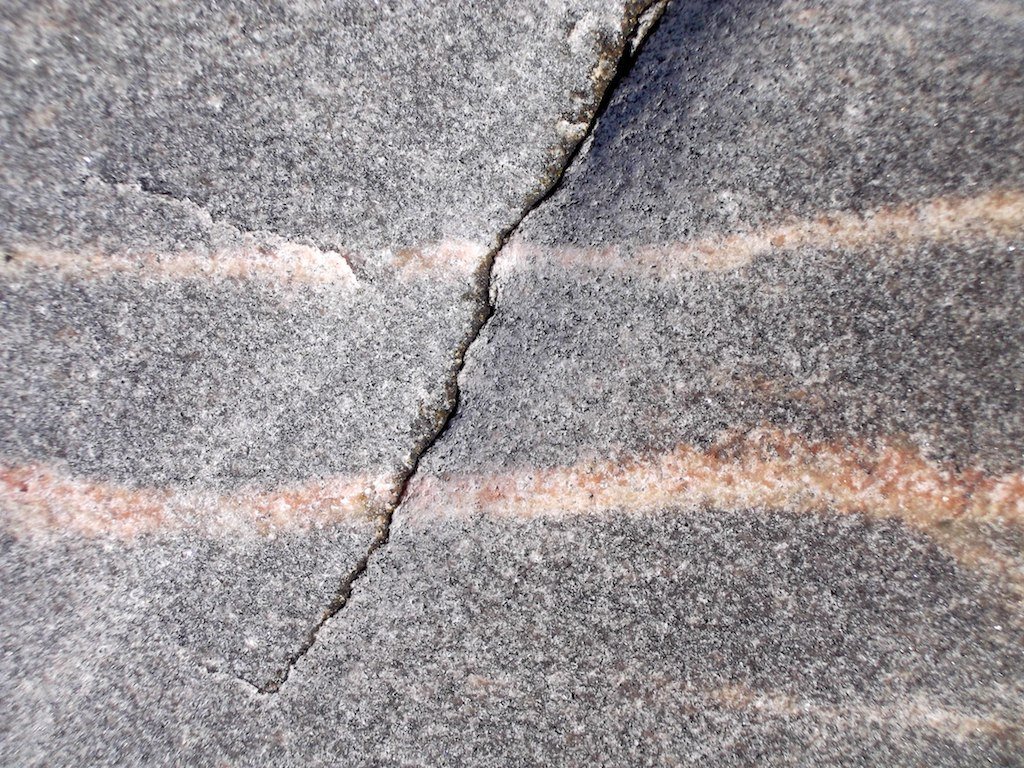
Rock climbers first noticed a new crack in a cliff on the western side of Royal Arches. Subsequent investigation revealed that this crack is expanding rapidly, posing a potential rockfall hazard. The crack, named Super Natural, was about one inch wide when first discovered in 2023 and has grown to about four inches.
The fissure isn’t just sitting there quietly, either. A seasoned geologist and a climbing ranger were dispatched to the area, where they could hear it “cracking like a frozen lake that wasn’t consolidated,” according to Jesse McGahey, a Climbing Program Manager at Yosemite National Park. “And there were pieces of rock rattling down the crack without touching it. Imagine standing at the base of a cliff and hearing the mountain itself groaning above you.
What’s even more startling? “The park geologist said they’d never seen anything like this. He’s never been able to observe that in his 15 years in Yosemite,” McGahey remarked. When someone with 15 years of experience in one of the most geologically active parks in the country says something is unique, it’s time to pay attention.
The Royal Arches Danger Zone
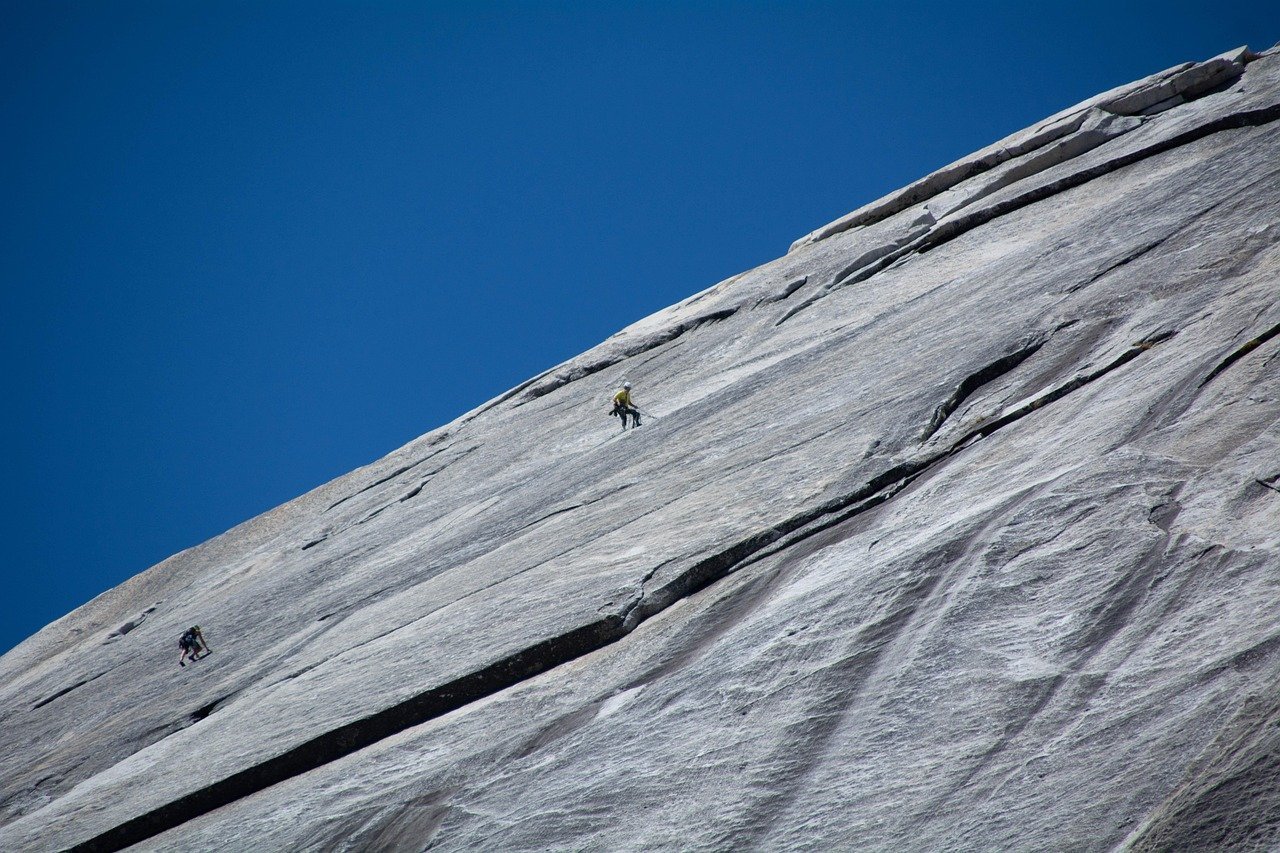
Yosemite National Park has temporarily closed several popular climbing routes following the discovery of a rapidly expanding crack on the western side of Royal Arches. The closure isn’t temporary in the traditional sense anymore. Park officials remain cautious of the accelerating rock fracture in Royal Arches and have not lifted the area and trail closures.
As a precautionary effort to reduce risk from rockfall, the National Park Service is implementing a temporary area and trail closure while the area is investigated further, according to Yosemite’s official notice. For seasoned climbers who’ve been itching to tackle these iconic routes, this has been frustrating. Several popular climbing routes near Royal Arches are beloved classics that draw climbers from around the world.
Still, officials aren’t taking chances. The Royal Arches area sits just north of The Ahwahnee, a historic hotel frequented by thousands of visitors. If a major rockfall were to occur, the consequences could be catastrophic, affecting not just climbers but anyone in the valley below.
Why Experts Are Calling This Unprecedented
Yosemite is no stranger to rockfalls. Over 1,000 have occurred in the last 150 years. So what makes this situation so different? It’s the behavior of the crack itself. The way it expands and contracts with the seasons, the audible noises, the visible movement of rock fragments, all point to something geologists aren’t used to seeing.
While Yosemite National Park is no stranger to rockfalls, experts believe that this is highly unusual. Most rockfalls happen suddenly, triggered by earthquakes, freeze-thaw cycles, or water infiltration. This one, however, seems to be evolving slowly, giving scientists a rare opportunity to observe the process in real time. That’s both fascinating and terrifying.
Advanced technology now tracks every movement in the granite, providing real-time data on one of the most closely watched geological features in the park’s history. Monitoring equipment has been installed to measure even minute shifts in the rock. Yosemite is working with the USGS to closely monitor the situation and take proactive steps to reduce the risks, such as removing or repurposing high-risk buildings.
What Visitors Need to Know Right Now
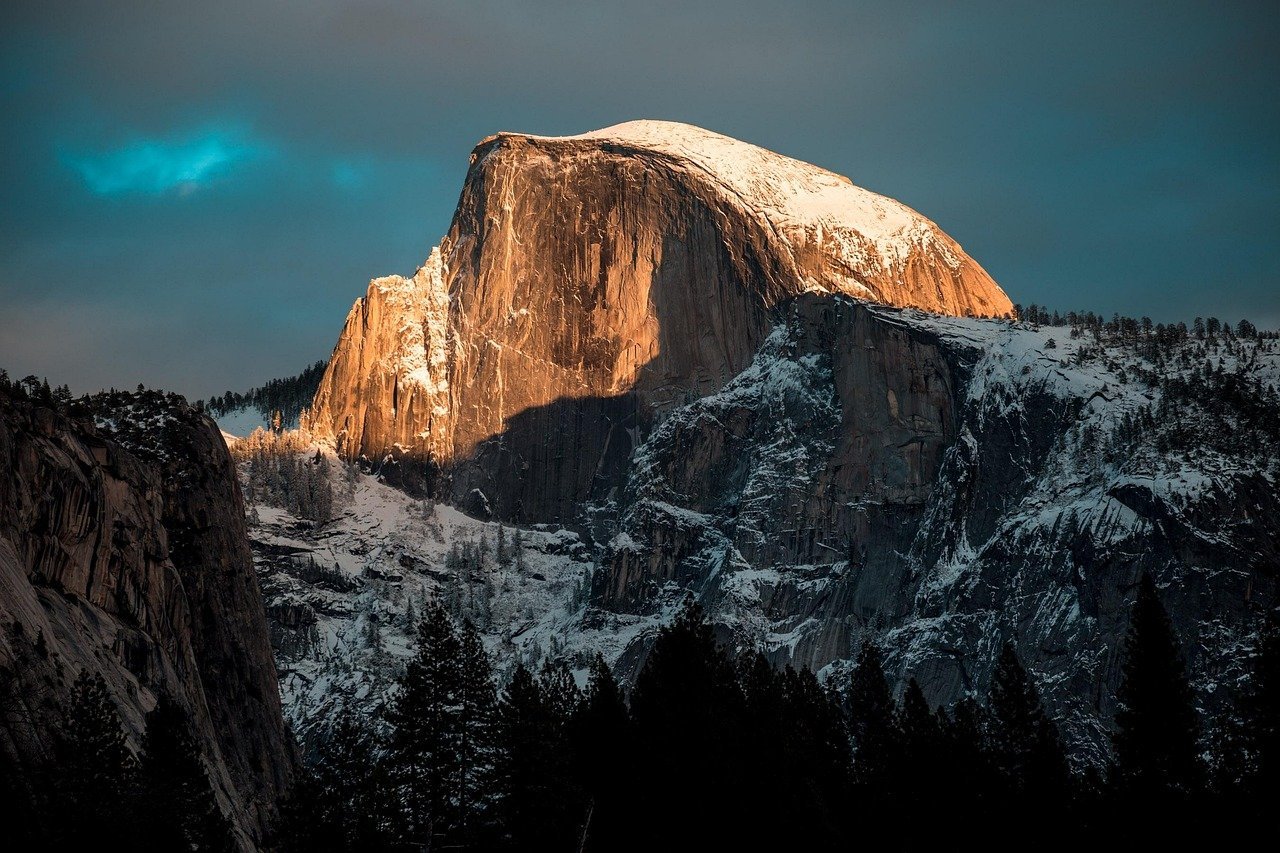
If you’re planning a trip to Yosemite, don’t panic. The park remains open, and the vast majority of trails, viewpoints, and climbing routes are unaffected. Despite the ongoing monitoring near Royal Arches, most of Yosemite’s attractions remain open. You can still visit Half Dome, El Capitan, and all the iconic waterfalls.
That said, visitors need to stay informed and vigilant. Park officials have remained cautious about the crack ever since it was discovered, and continually warn visitors to be aware of their surroundings and inform rangers if they witness a rockfall. Even small rockfalls can provide valuable data to help predict larger events.
Signs and ropes clearly mark restricted areas in the valley. Don’t cross them, no matter how tempting it might be to get a closer look. Rangers are serious about enforcement in these areas, and for good reason. Nobody wants to be caught underneath thousands of pounds of granite when it decides to let go.
Rockfalls and Climate Connections
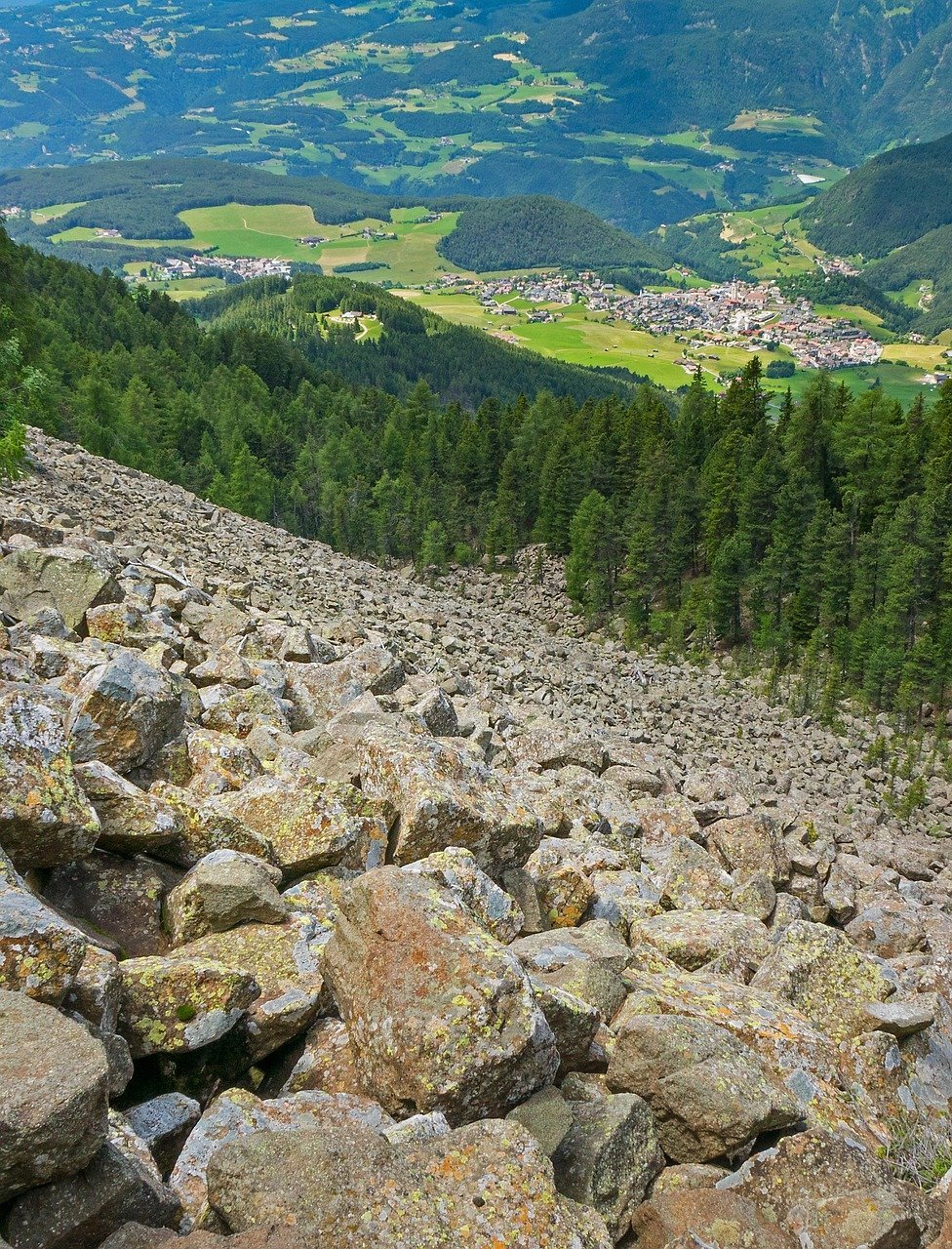
Here’s where things get a bit more complicated. Although rockfalls are a natural occurrence, they can be sharply accelerated by human activity. This has been observed in the Alps, where thawing permafrost, driven by a warming atmosphere, has weakened the mountain’s structure. We’re seeing similar patterns in other mountain ranges around the world.
tourists have had to be evacuated from areas like the Brenta Dolomites in northern Italy after rockfalls, highlighting that Yosemite isn’t alone in facing these challenges. Climate patterns are shifting, freeze-thaw cycles are changing, and ancient rock formations are responding in ways we’re only beginning to understand.
It’s hard to say for certain whether climate change is directly responsible for the Super Natural crack, but it’s a factor scientists can’t ignore. When you combine millions of years of natural geological processes with rapidly changing environmental conditions, you get unpredictability. That’s exactly what makes this situation so concerning for park officials.
The Bigger Picture for Yosemite’s Future
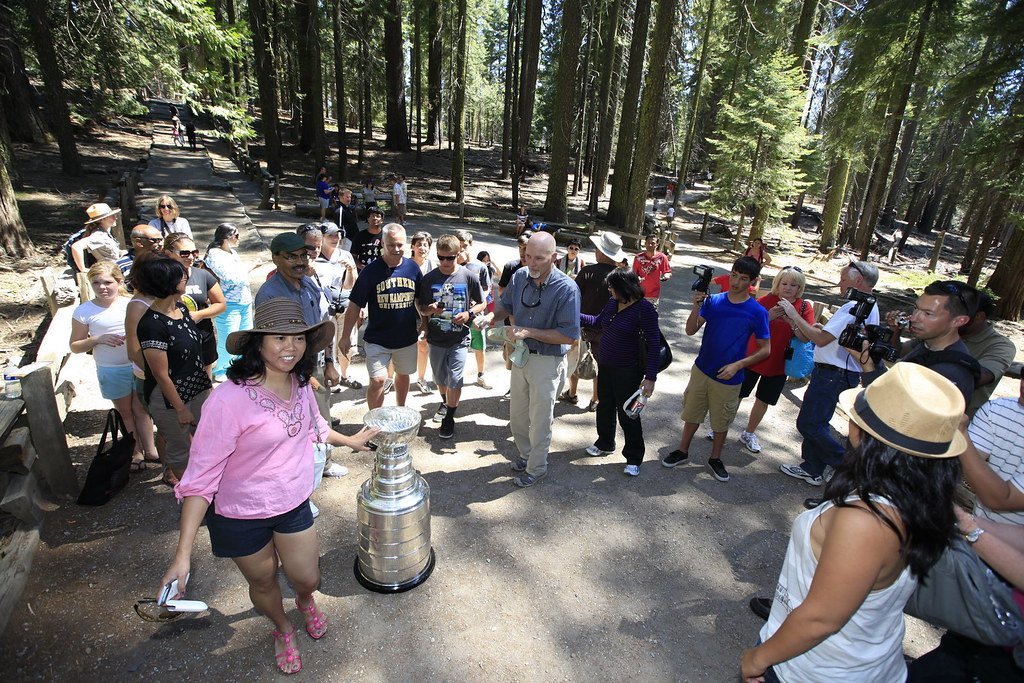
Yosemite’s 2025 monthly visitation numbers have outpaced 2024 numbers every month and the park is on track for one of the busiest years on record. More people means more potential risk when geological events occur. Managing visitor safety while keeping the park accessible is a delicate balancing act.
If trends hold, 2025 is on track to be one of Yosemite’s busiest years on record. With those kinds of numbers, any rockfall event in a populated area of the valley could have serious consequences. Park officials are acutely aware of this reality.
The good news? Yosemite has some of the most experienced geological monitoring teams in the world. They’ve been studying rock behavior in this park for decades and have protocols in place for exactly these kinds of situations. The bad news? Nature doesn’t always follow predictable patterns, no matter how much data you have.
What Happens Next
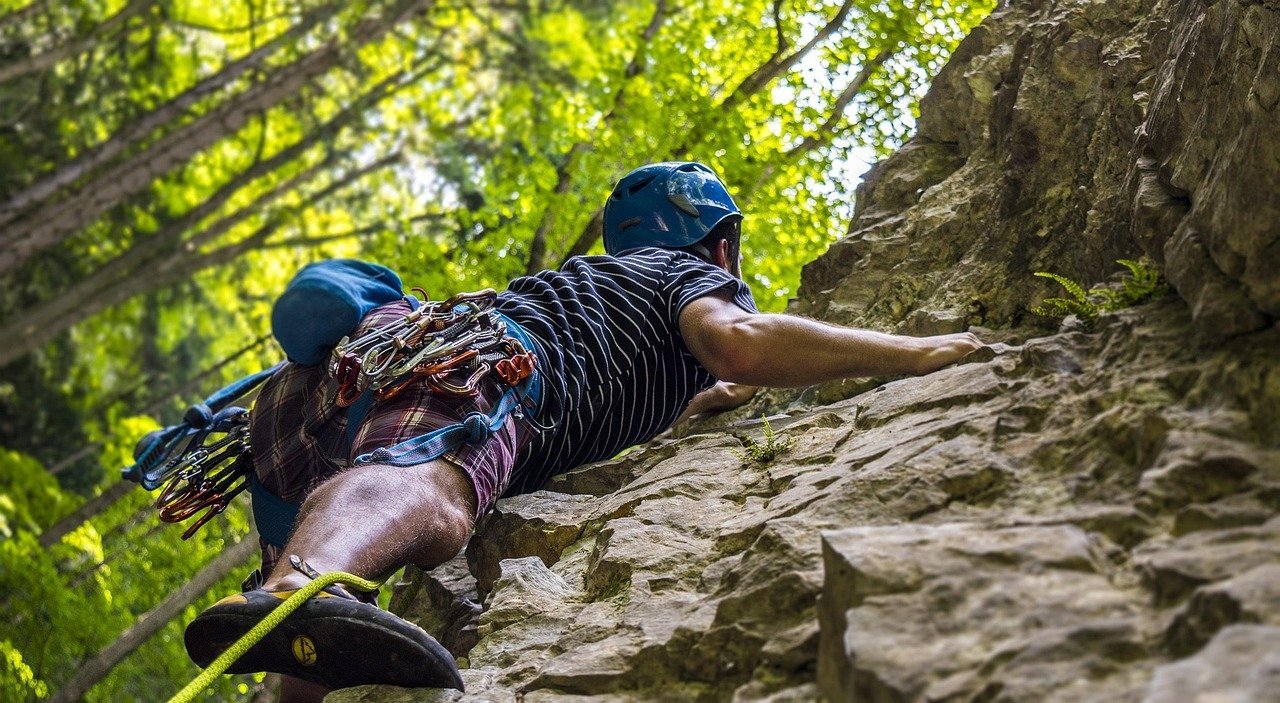
Due to the highly unusual nature of the crack, the NPS has closed that region of the park, and it doesn’t sound like they have any plans to reopen it anytime soon. For climbers, that’s disappointing but understandable. Safety has to come first, even when it means sacrificing access to beloved routes.
Scientists will continue monitoring the Super Natural crack around the clock. Every shift, every sound, every tiny movement gets recorded and analyzed. Visitors can aid their efforts by reporting any rockfalls to officials, no matter how minor, as all data helps form effective local measures to counter the risk.
The real question is whether this crack will eventually stabilize or if it’s building toward a major rockfall event. Nobody knows for sure. That uncertainty is precisely why park officials are taking such aggressive precautions. Better to close a few climbing routes now than to deal with a tragedy later.
When the Mountains Speak
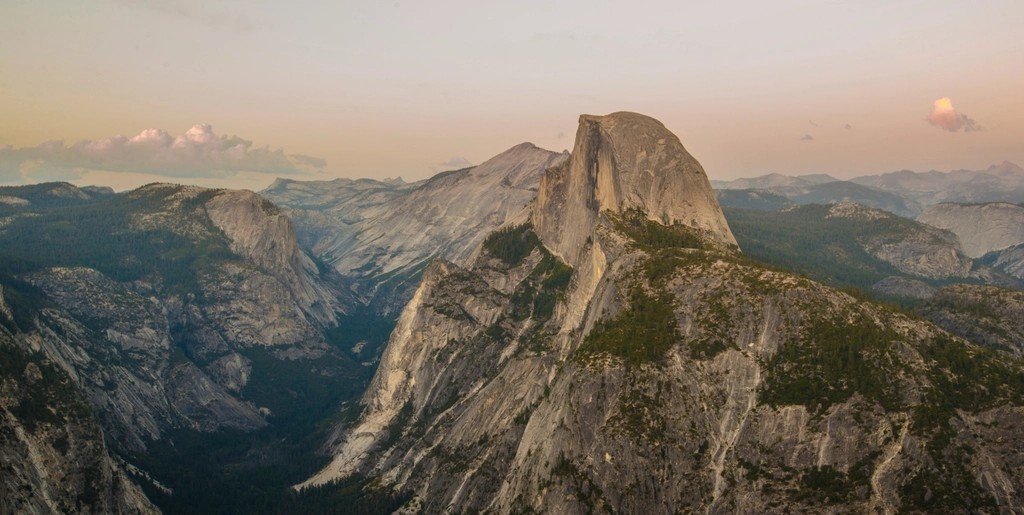
There’s something humbling about realizing that even in 2025, with all our technology and scientific knowledge, we’re still at the mercy of geological forces we can barely predict. Yosemite’s granite cliffs have stood for millions of years, carved by glaciers and shaped by countless freeze-thaw cycles. They’ve witnessed human history from the indigenous peoples who called this valley home to the millions of tourists who now visit each year.
The Super Natural crack is a reminder that these mountains are still alive, still changing, still capable of surprising us. According to Yosemite National Park, over a thousand rockfalls have occurred in the park, and each one reshapes the landscape in some small way. This particular crack just happens to be doing it in a way we can observe in real time.
For anyone planning a Yosemite visit, don’t let this dampen your enthusiasm. The park is spectacular, the views are breathtaking, and the rangers know what they’re doing. Just stay informed, respect the closures, and keep your eyes and ears open. And if you happen to witness any unusual activity near the cliffs, report it. You might just be contributing to the scientific understanding of how these ancient rock formations behave.
Did you expect something like this happening at such an iconic park? It’s a powerful reminder that nature still holds plenty of surprises, even in places we think we know inside and out.

Besides founding Festivaltopia, Luca is the co founder of trib, an art and fashion collectiv you find on several regional events and online. Also he is part of the management board at HORiZONTE, a group travel provider in Germany.
