

For any feedback please reach out to info@festivalinside.com
- 20 Song Intros That Hook You Instantly - September 19, 2026
- 15 Historical Myths That Turned Out to Be False - September 19, 2026
- 10 Inventions That Changed the World in Unexpected Ways - September 19, 2026
Queen at Live Aid (1985) – Wembley Stadium, London
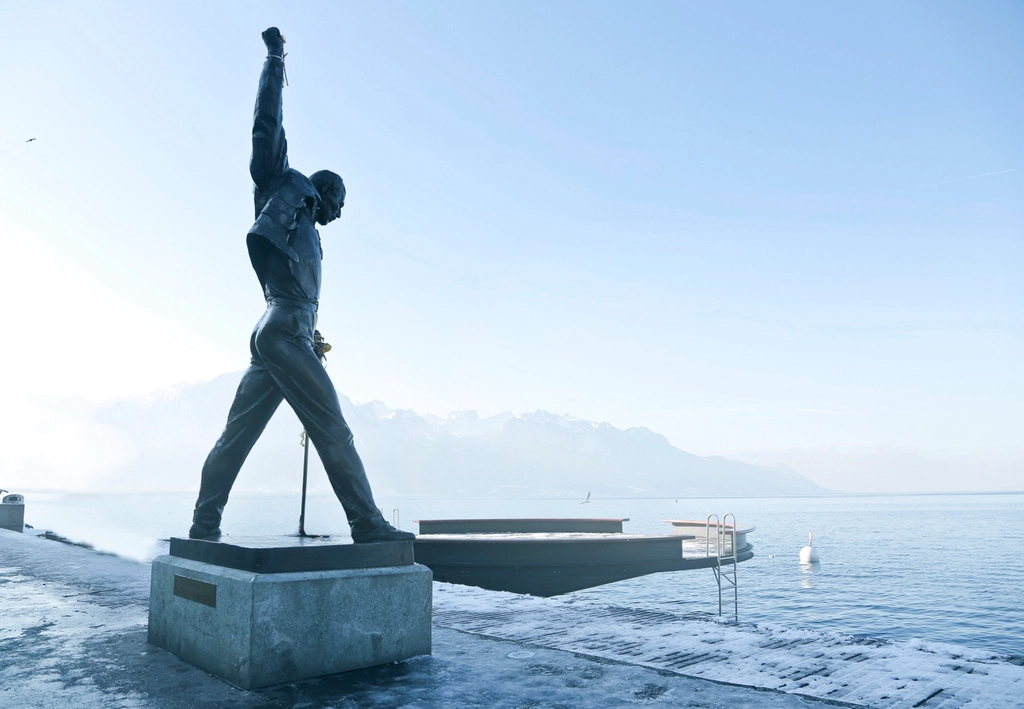
There are very few moments in music that truly feel larger than life, but Queen’s Live Aid performance at Wembley Stadium in 1985 remains one. On July 13, Freddie Mercury took command of 72,000 people in the stadium—plus a staggering global TV audience estimated at 1.9 billion. The band’s tightly crafted 20-minute set included “Bohemian Rhapsody,” “Radio Ga Ga,” and “We Will Rock You.” At one point, Mercury’s call-and-response with the crowd left even seasoned rock stars watching backstage absolutely speechless. The sheer energy and unity in the stadium created a sense of togetherness that’s rarely matched. According to Rolling Stone readers, Queen’s Live Aid set is consistently voted the best live performance of all time, and in 2005, it was voted the greatest rock performance ever by BBC Radio 1 listeners. Many believe this show not only relaunched Queen’s career but redefined what a live concert could accomplish.
Nirvana – MTV Unplugged in New York (1993)
Nirvana’s MTV Unplugged set in New York on November 18, 1993, was raw, haunting, and deeply personal—a stark contrast to their usual, chaotic grunge shows. Kurt Cobain led the band through acoustic renditions of “About a Girl” and “All Apologies,” but what truly set the night apart were the covers: Lead Belly’s “Where Did You Sleep Last Night” and David Bowie’s “The Man Who Sold the World.” Cobain’s fragile vocals and the stripped-back arrangements revealed a vulnerability that fans and critics alike found unforgettable. This show was recorded just five months before Cobain’s tragic death, giving it a swan-song quality that’s impossible to separate from its emotional impact. The performance won a Grammy for Best Alternative Music Album and is frequently listed among the greatest live albums ever released. MTV Unplugged in New York remains a defining moment in ’90s music and a powerful testament to Nirvana’s enduring legacy.
Woodstock (1969) – Bethel, New York
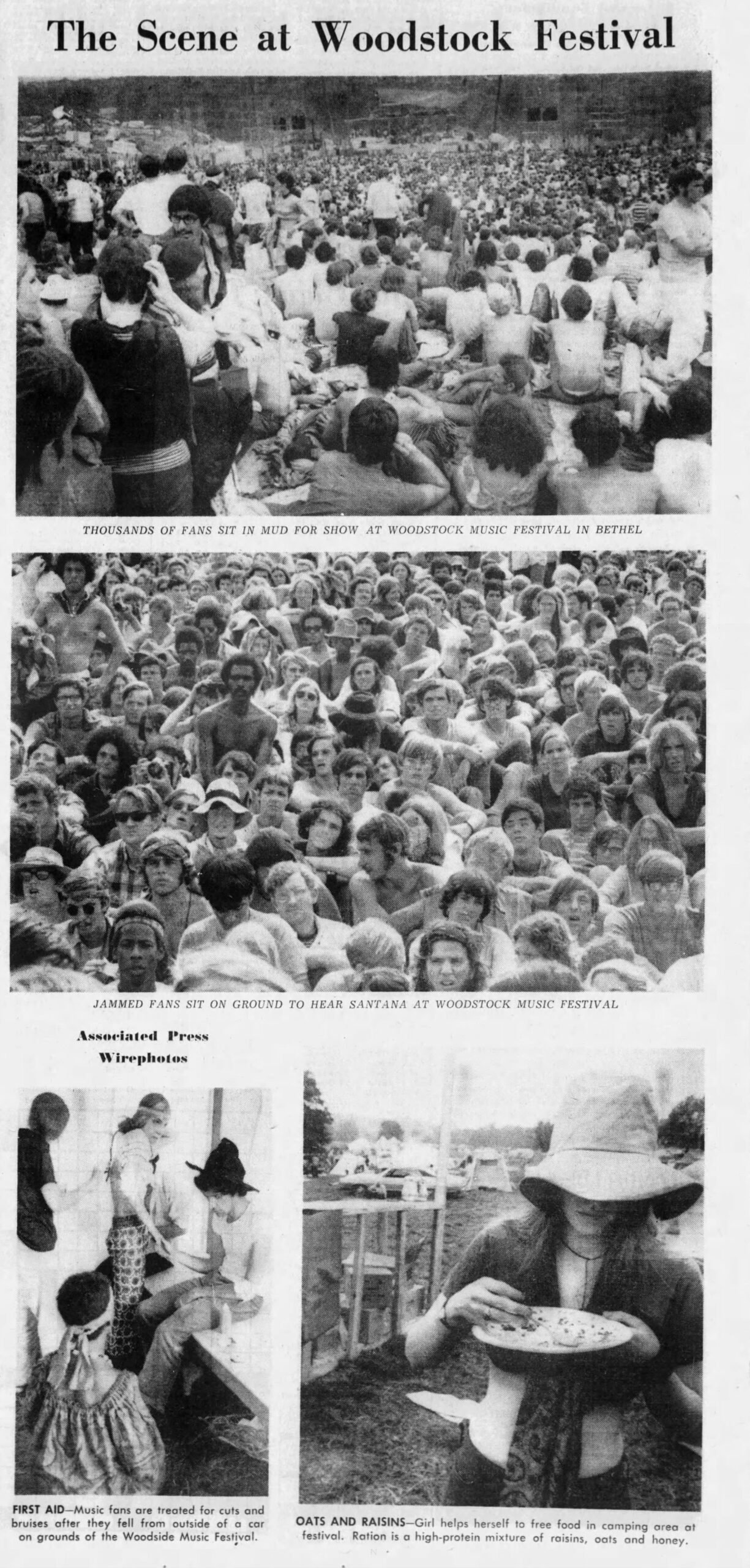
Woodstock was more than a festival—it was a turning point in American culture. Over three days in August 1969, an estimated 400,000 people gathered on a dairy farm in Bethel, New York, for what would become a symbol of peace, love, and music. Legendary performances by Jimi Hendrix, Janis Joplin, Santana, and The Who helped cement the event’s mythic status. Hendrix’s wild, electric rendition of “The Star-Spangled Banner” became a defining moment of protest and freedom, echoing the chaos and hope of the era. Santana’s fiery set, played while the band was reportedly under the influence of psychedelics, is still considered one of the festival’s highlights. The festival’s peaceful atmosphere, despite logistical chaos, remains the subject of documentaries, books, and academic research. In 2019, the New York Times reported on how Woodstock’s legacy continues to inspire new generations seeking change through music and unity.
Daft Punk – Coachella (2006)
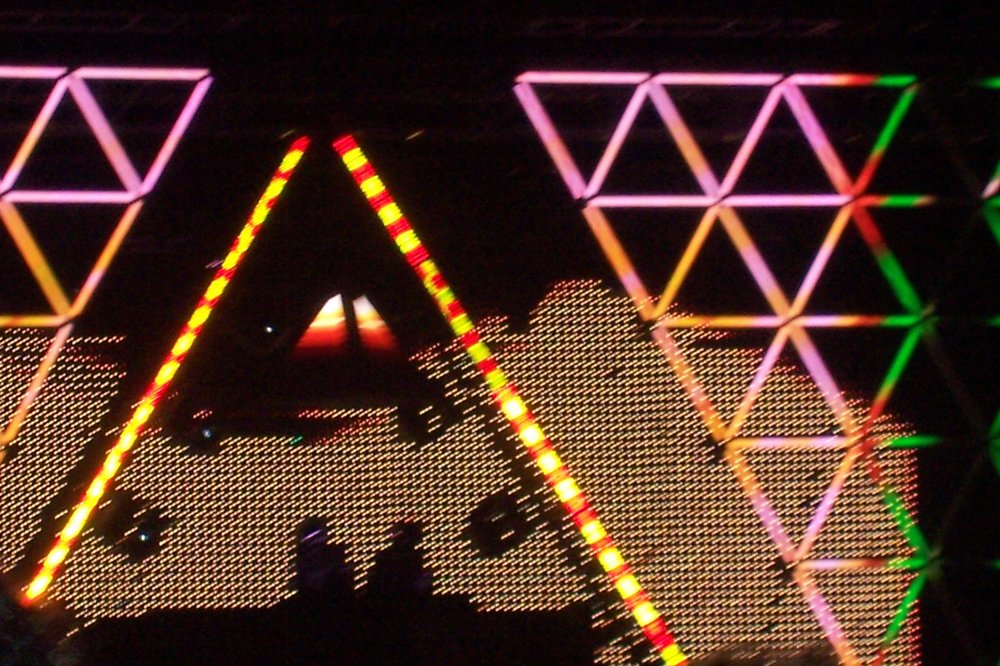
When Daft Punk took the stage at Coachella in 2006, nobody was prepared for how much it would change live electronic music. The duo performed inside a glowing, futuristic pyramid—a stage design that has since become legendary. Their mix of “One More Time,” “Harder, Better, Faster, Stronger,” and “Around the World” was accompanied by a dazzling light show and visuals that left the 60,000-strong crowd stunned. Before this night, electronic music was rarely the main event at huge festivals in the U.S. Afterward, everything changed: electronic acts became headliners, and the standard for visual spectacle was raised dramatically. Billboard magazine declared Daft Punk’s Coachella set a game-changer, and artists like Skrillex and Deadmau5 have said it inspired them to push their own live shows further. The performance is still discussed as the moment when electronic music truly went mainstream in America.
The Rolling Stones – Altamont Free Concert (1969)
The Rolling Stones’ Altamont Free Concert on December 6, 1969, started as an idealistic West Coast answer to Woodstock but quickly descended into chaos. Held at the Altamont Speedway in California, the event drew more than 300,000 fans. The Hells Angels motorcycle gang had been hired as security, and violence erupted almost immediately, culminating in the death of a concertgoer during the Stones’ set—a moment captured in the documentary “Gimme Shelter.” This dark episode shocked both the band and the public, becoming synonymous with the end of the 1960s’ peace-and-love era. Despite the tragedy, historic performances by Jefferson Airplane and Santana also took place that day. The Altamont concert remains a cautionary tale about crowd control and the unpredictable nature of massive live events, forever marking a loss of innocence in rock history.
David Bowie – Hammersmith Odeon (1973)
David Bowie’s show at London’s Hammersmith Odeon on July 3, 1973, is etched in music legend for its dramatic twist. Midway through the Ziggy Stardust tour, Bowie stunned the sold-out crowd by announcing, “Not only is it the last show of the tour, but it’s the last show that we’ll ever do.” Fans were blindsided—they thought Bowie was quitting music entirely, but he was retiring his Ziggy Stardust persona. The concert itself was pure theater: wild costumes, elaborate lighting, and Bowie’s magnetic charisma. The announcement added a layer of shock and sadness, making the performance unforgettable for those in attendance. In a 2016 Guardian retrospective, critics called it one of the most iconic moments in glam rock. This night marked a pivotal point in Bowie’s career, as he closed one chapter and began exploring new musical frontiers.
The Beatles – Rooftop Concert (1969)
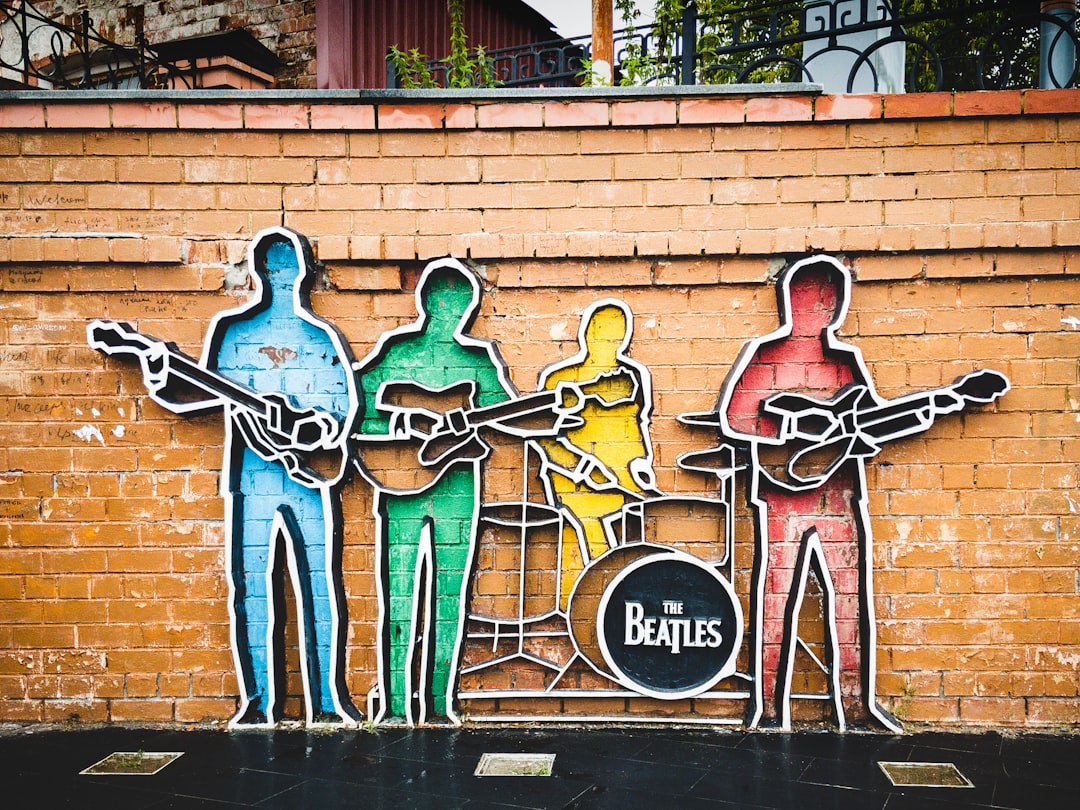
The Beatles’ unannounced rooftop concert atop the Apple Corps offices in London on January 30, 1969, is the stuff of rock-and-roll legend. As the band played songs like “Get Back,” “Don’t Let Me Down,” and “I’ve Got a Feeling,” surprised office workers and pedestrians gathered below, blocking traffic and craning their necks for a glimpse. The spontaneous vibe and cheeky rebellion of the show perfectly captured The Beatles’ innovative spirit. It was their last public performance together, and its raw, unpolished energy was captured in the documentary “Let It Be.” Police eventually shut down the performance, adding to its mystique. In a 2021 Rolling Stone feature, the rooftop gig was called one of the most memorable moments in music, with fans and critics alike still marveling at the band’s ability to surprise the world right to the end.
Beyoncé – Coachella (2018)
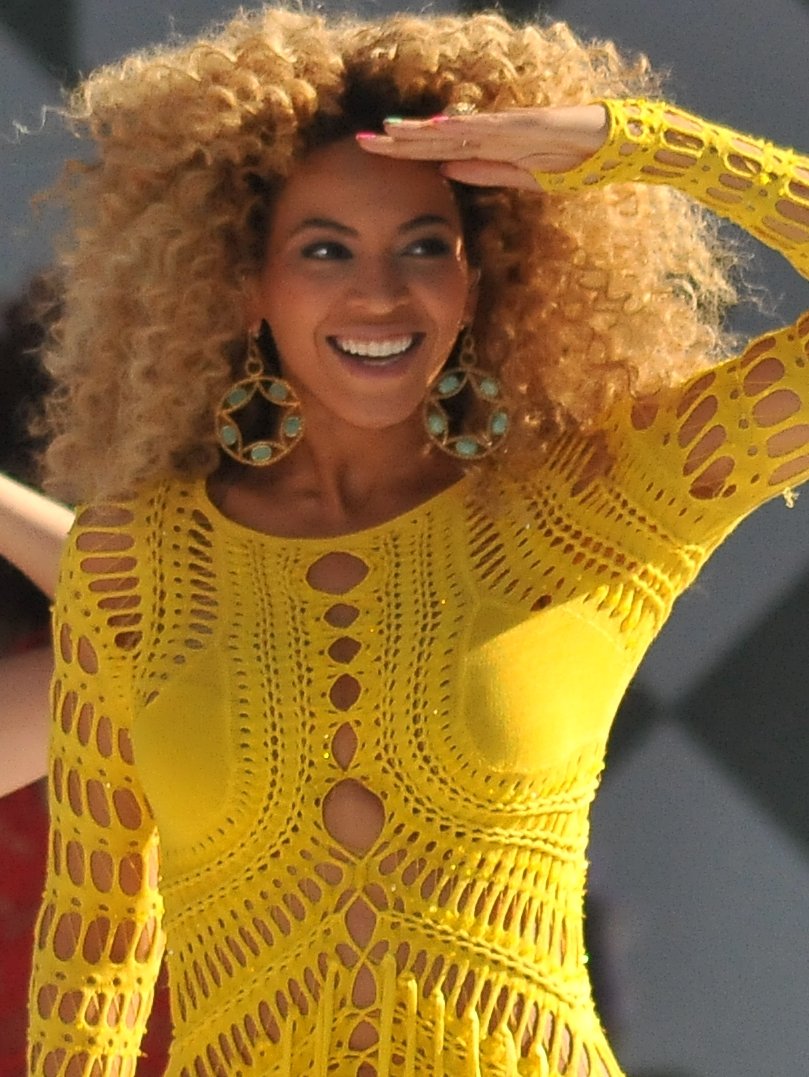
Beyoncé’s headlining show at Coachella in April 2018—instantly dubbed “Beychella”—was more than a concert, it was a cultural phenomenon. As the first Black woman to headline the festival, Beyoncé delivered a meticulously choreographed performance featuring a full marching band, more than 100 dancers, and guest appearances from Destiny’s Child. The show celebrated historically Black colleges and universities (HBCUs), with step teams and a drumline providing a dazzling visual spectacle. Beyoncé’s setlist wove together hits like “Crazy in Love,” “Formation,” and “Single Ladies,” while her powerful vocals and commanding stage presence left the 100,000-plus audience in awe. Variety called it a “landmark moment in live music,” and the performance was later immortalized in the Netflix documentary “Homecoming.” Beyoncé’s Coachella set redefined what it means to headline a major festival and set a new standard for live performance.
Pink Floyd – The Wall Live Tour (1980–1981)
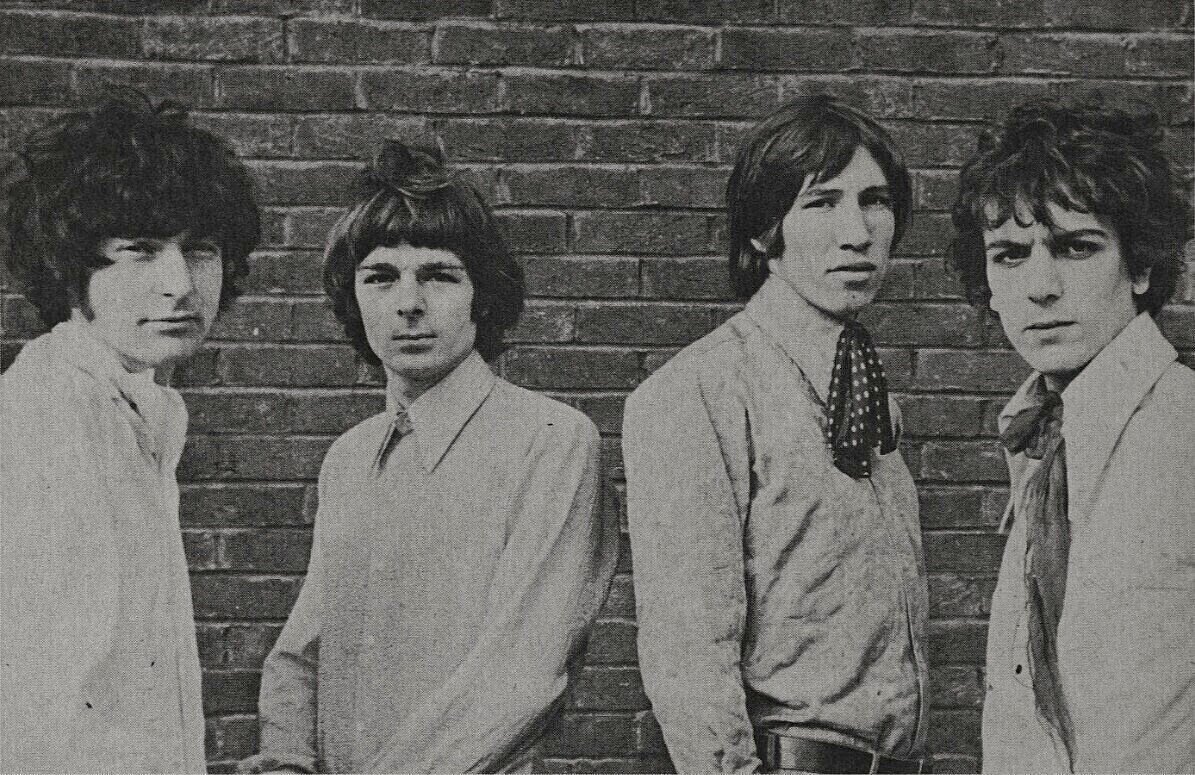
Pink Floyd’s “The Wall” live tour was so ambitious that only a handful of cities ever witnessed it. Between 1980 and 1981, the band performed just 31 shows in total, each featuring a giant wall built brick by brick between the band and the audience. The spectacle included elaborate puppets, animations, and breathtaking lighting effects, with the wall itself being torn down dramatically at the end. Roger Waters’ concept and production pushed the boundaries of what a rock concert could be, blending theater, political commentary, and music. Fans still talk about the emotional impact of the show, especially during songs like “Comfortably Numb” and “Hey You.” In a 2020 BBC feature, members of the audience described the experience as “mind-blowing” and “unlike anything before or since.” The Wall’s live tour remains a high-water mark for concert production and artistic ambition.
Bruce Springsteen – Born in the U.S.A. Tour (1984–1985)
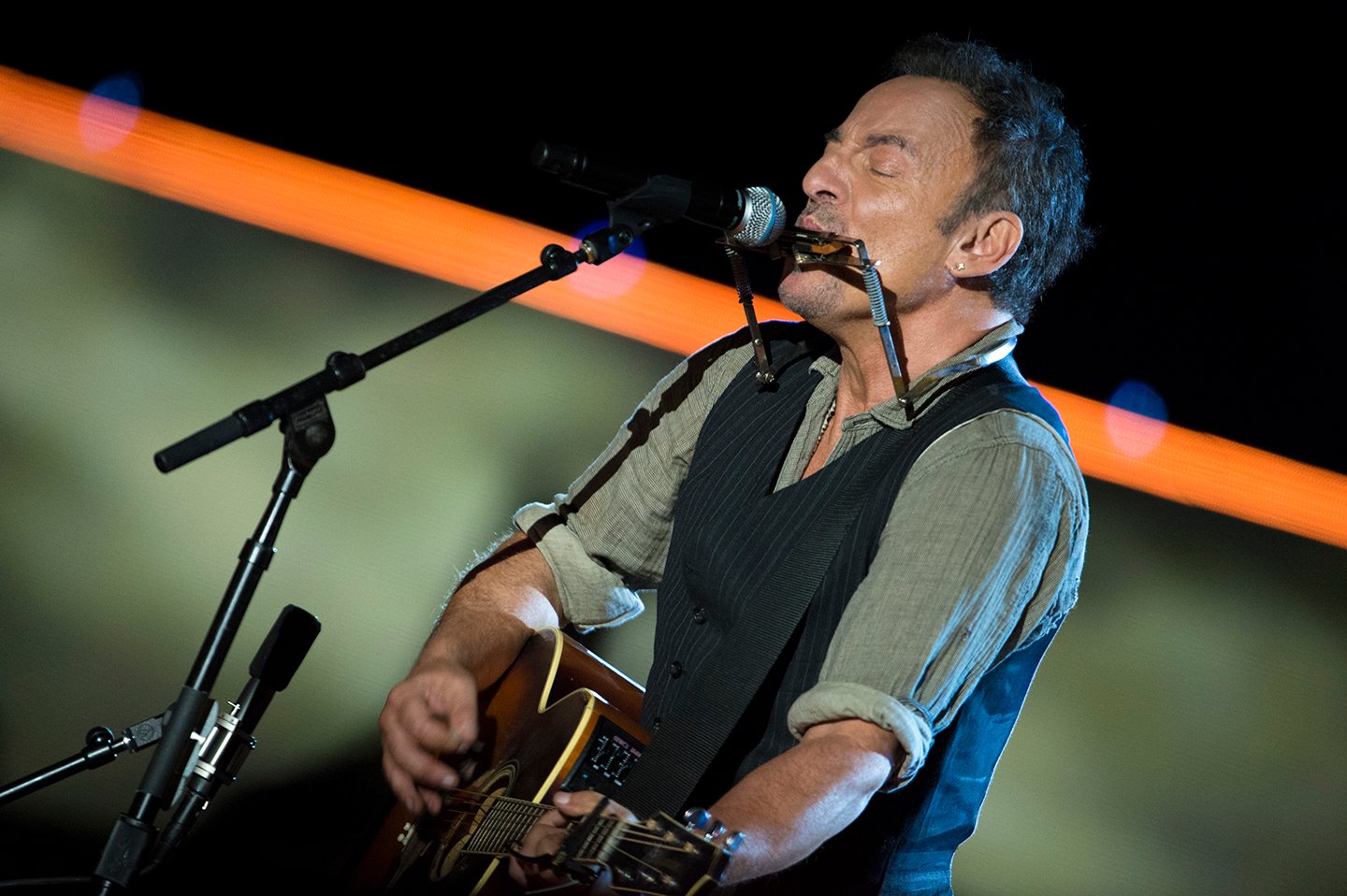
Bruce Springsteen’s “Born in the U.S.A.” tour, which ran from 1984 to 1985, delivered marathon performances that left fans exhilarated and exhausted in equal measure. Springsteen, known for his boundless energy, regularly played shows lasting over three hours, with setlists that sometimes reached 30 songs. At the July 1985 Meadowlands concert in New Jersey, he played for nearly four hours—one of the longest shows of his career. The energy in the arena was electric as Springsteen led the E Street Band through anthems like “Dancing in the Dark” and “Born to Run.” Critics praised the tour for its mix of stadium-sized spectacle and intimate storytelling. According to Billboard, Springsteen’s relentless performances became the stuff of legend, cementing his reputation as one of the greatest live acts in history.
U2 – Live at Red Rocks (1983)
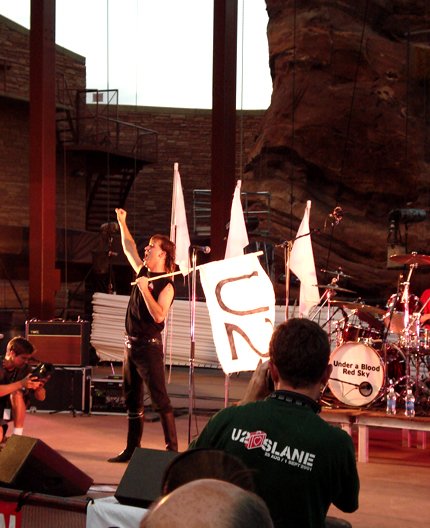
U2’s concert at Red Rocks Amphitheatre in Colorado on June 5, 1983, is still considered one of the most iconic outdoor performances ever. Battling rain and fog, Bono and the band turned the adversity to their advantage, creating a moody, unforgettable atmosphere. The show was filmed and released as “Under a Blood Red Sky,” which helped catapult U2 to international fame. Bono’s passionate performance of “Sunday Bloody Sunday” against the dramatic red rocks backdrop became a defining image of the band’s early years. Fans and critics point to the Red Rocks concert as the moment U2 truly arrived as a live force. In a recent Rolling Stone article, the show was described as “the concert that made U2 stars,” underscoring its enduring significance.
Prince – Super Bowl XLI Halftime Show (2007)
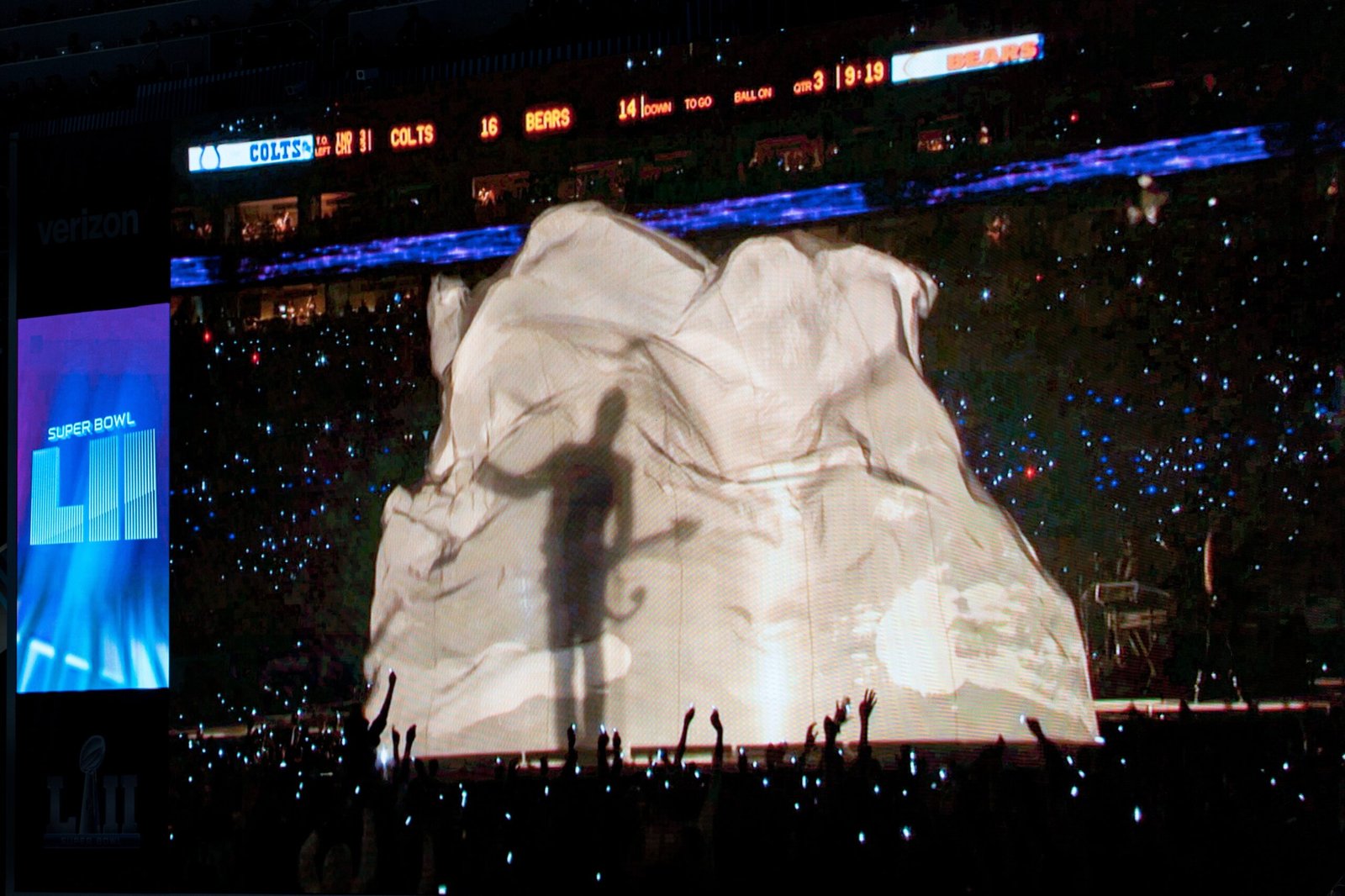
Prince’s Super Bowl XLI halftime show in 2007 is widely considered the greatest in the event’s history. Performing in a downpour, Prince delivered a flawless, electrifying set that included hits like “Let’s Go Crazy,” “Purple Rain,” and a cover of Foo Fighters’ “Best of You.” The rain only seemed to enhance the performance, especially during the climactic finale—“Purple Rain”—with purple lights illuminating the falling rain. More than 140 million viewers watched live as Prince’s artistry and charisma wowed both football fans and music lovers alike. In a 2021 NFL poll, fans voted Prince’s halftime show as their all-time favorite, and Billboard called it “perfection from start to finish.” The performance remains a shining example of how live music can transform even the most unlikely moments into legend.

Christian Wiedeck, all the way from Germany, loves music festivals, especially in the USA. His articles bring the excitement of these events to readers worldwide.
For any feedback please reach out to info@festivalinside.com
