


- The Surprising Benefits of Reading Books in Their Original Languages - September 19, 2026
- Top 10 Demanded Houseplants In The US – And How To Treat Them - September 19, 2026
- Jane Austen’s Timeless Masterpieces: Celebrating 250 Years of Literary Brilliance - September 19, 2026
The Theory That Changed How We See Skirts and Stocks

Imagine a world where the length of a skirt could whisper secrets about the stock market. Sounds wild, right? That’s exactly what economist George Taylor proposed in 1926. He suggested that when times are good, skirts get shorter, and when the economy stumbles, hemlines fall. It’s a theory that’s as charming as it is controversial, and it’s captured imaginations for nearly a century. From the Roaring Twenties’ flapper dresses to the long, somber skirts of the Great Depression, fashion has often seemed to sway in step with bank balances. For anyone who loves the drama of both Wall Street and the runway, the Hemline Index is a captivating lens on how we dress when the world feels flush—or fraught.
Flappers, Freedom, and Financial Booms
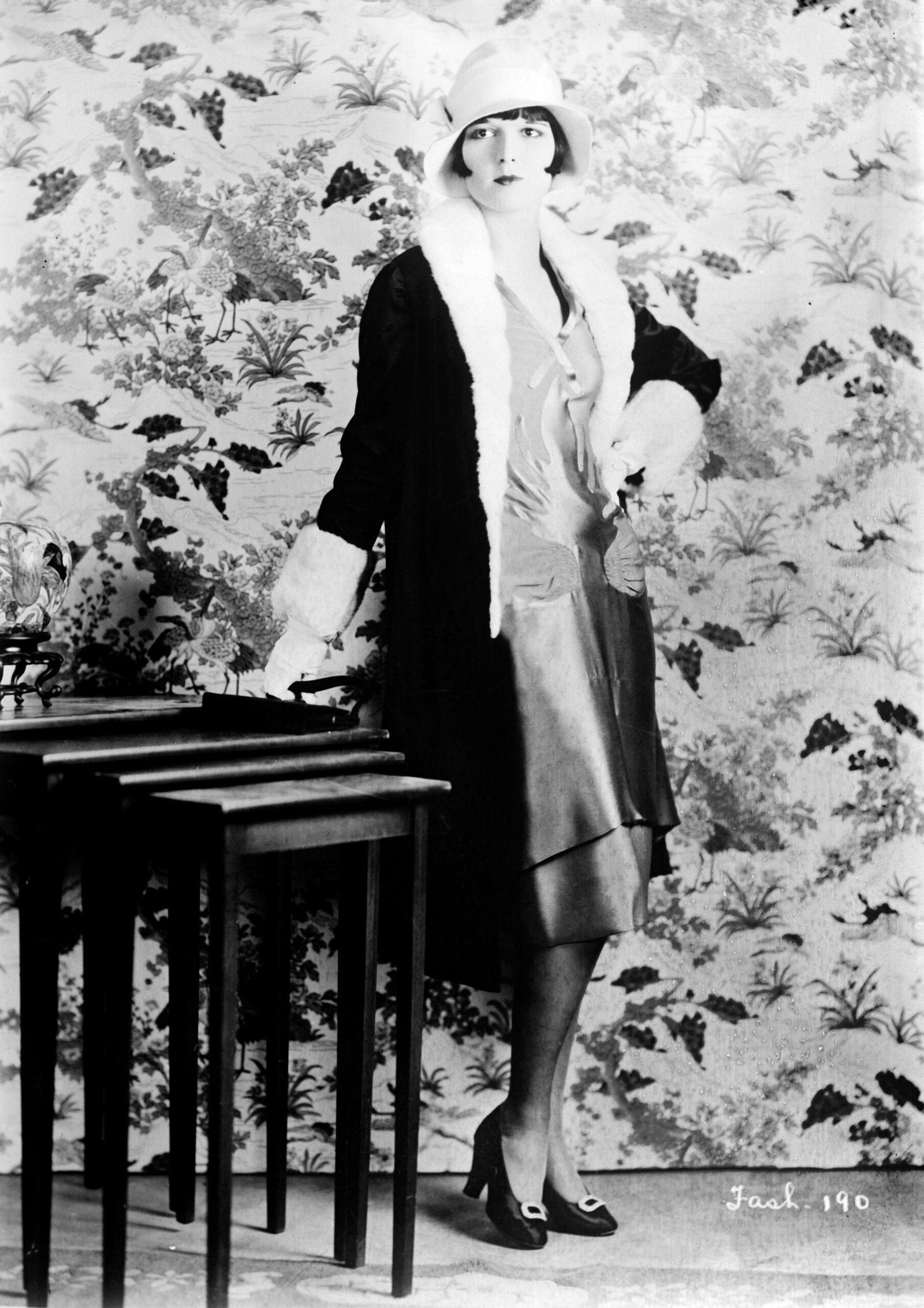
The 1920s were electric. Jazz spilled out of every corner, and women, newly empowered, danced in shorter skirts that felt like a rebellion. This wasn’t just about style—it was about confidence, independence, and a sense that anything was possible. As the stock market soared, so did hemlines, with the flapper look becoming a symbol of prosperity and progress. Fashion magazines and department stores couldn’t keep up with the demand for daring, knee-baring looks. The Hemline Index found its first proof in these years, forever linking fashion’s boldest moments with economic optimism. Even today, the flapper’s legacy is more than just a pretty dress—it’s a reminder of how style and spirit rise together.
When Skirts Sweep the Floor: Fashion in Tough Times

Fast forward to the 1930s, and the story took a somber turn. The Great Depression rolled in, and suddenly, the playful spirit of the previous decade faded. Hemlines dropped dramatically, sometimes brushing the ankles. Longer skirts became a kind of silent protest—a nod to caution, frugality, and the need for resilience. It was as if fabric itself became a shield against uncertainty. When money was tight, extravagance felt out of place, and fashion mirrored that mood. The Hemline Index’s logic seemed undeniable: as wallets thin, so does the willingness to take risks, even in what we wear to work or to the store.
Maxi Madness in 2025: Are We Dressing for a Downturn?
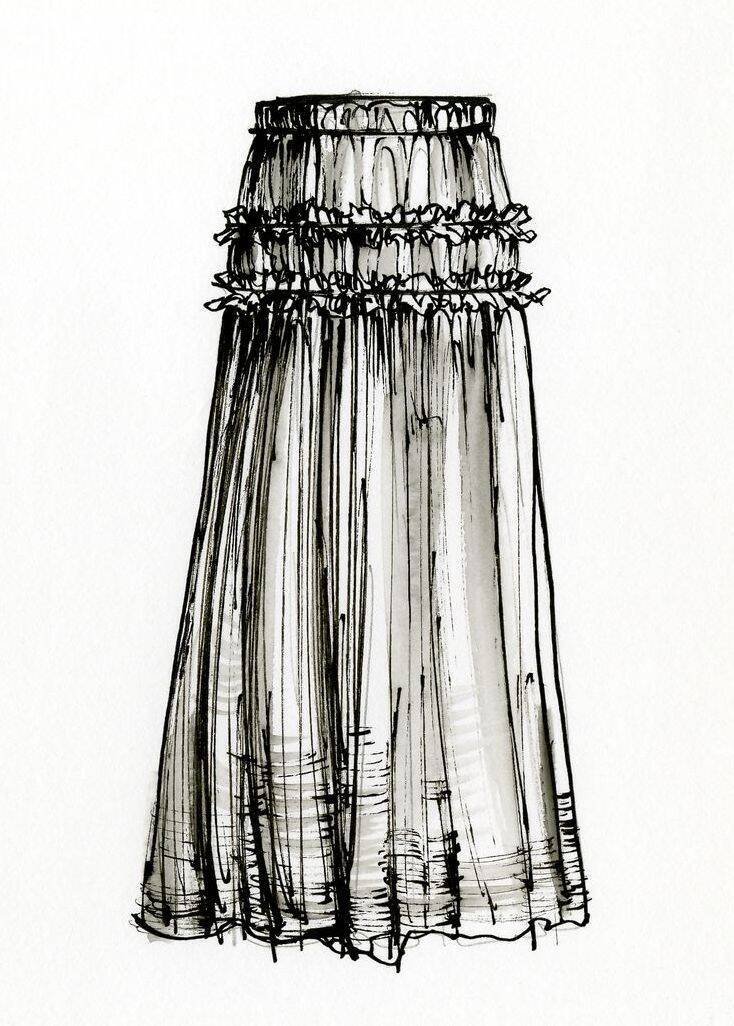
Walk into a boutique or scroll through your favorite shopping app in 2025, and you’ll notice something unmistakable: long skirts are everywhere. Global brands like Chanel and Prada have sent full-length skirts down the runway, while fast-fashion giants are selling affordable maxis at record rates. This isn’t just nostalgia—it’s part of a broader shift toward comfort, practicality, and maybe even a little armor against economic anxiety. Many shoppers are choosing flowy, versatile silhouettes that promise both ease and elegance. For some, longer hemlines are a way to feel prepared for anything, blending style with the reassurance that comes from being covered and comfortable.
Luxury in a Tube: The Lipstick Index Phenomenon

When the economy wobbles, it’s not just skirts that tell a story. Enter the Lipstick Index—a theory that says when times get tough, people splurge on small luxury items, like designer lipstick. The idea is simple: even when you’re cutting back, a little treat can lift your spirits. Beauty counters often see sales spike during recessions, as people seek affordable indulgence. It’s a quiet rebellion against austerity, a way to hold on to a sense of joy and normalcy. This tells us that even when big dreams seem out of reach, a swipe of red can make a world of difference.
Why Fashion Never Follows Just One Rule

It’s tempting to believe in a simple formula: short skirts mean boom times, long skirts mean bust. But fashion, like the economy, is rarely that straightforward. Trends are shaped by so many forces—art, culture, politics, and the whims of tastemakers. Sometimes, a long skirt is just a long skirt, chosen for comfort or style, not as a statement on GDP. Designers are inspired by everything from street art to climate change, and their choices ripple through wardrobes everywhere. As much as we crave easy answers, the truth is always a little more complicated—and that’s what keeps fashion endlessly fascinating.
The Culture Factor: How Movements Reshape the Runway
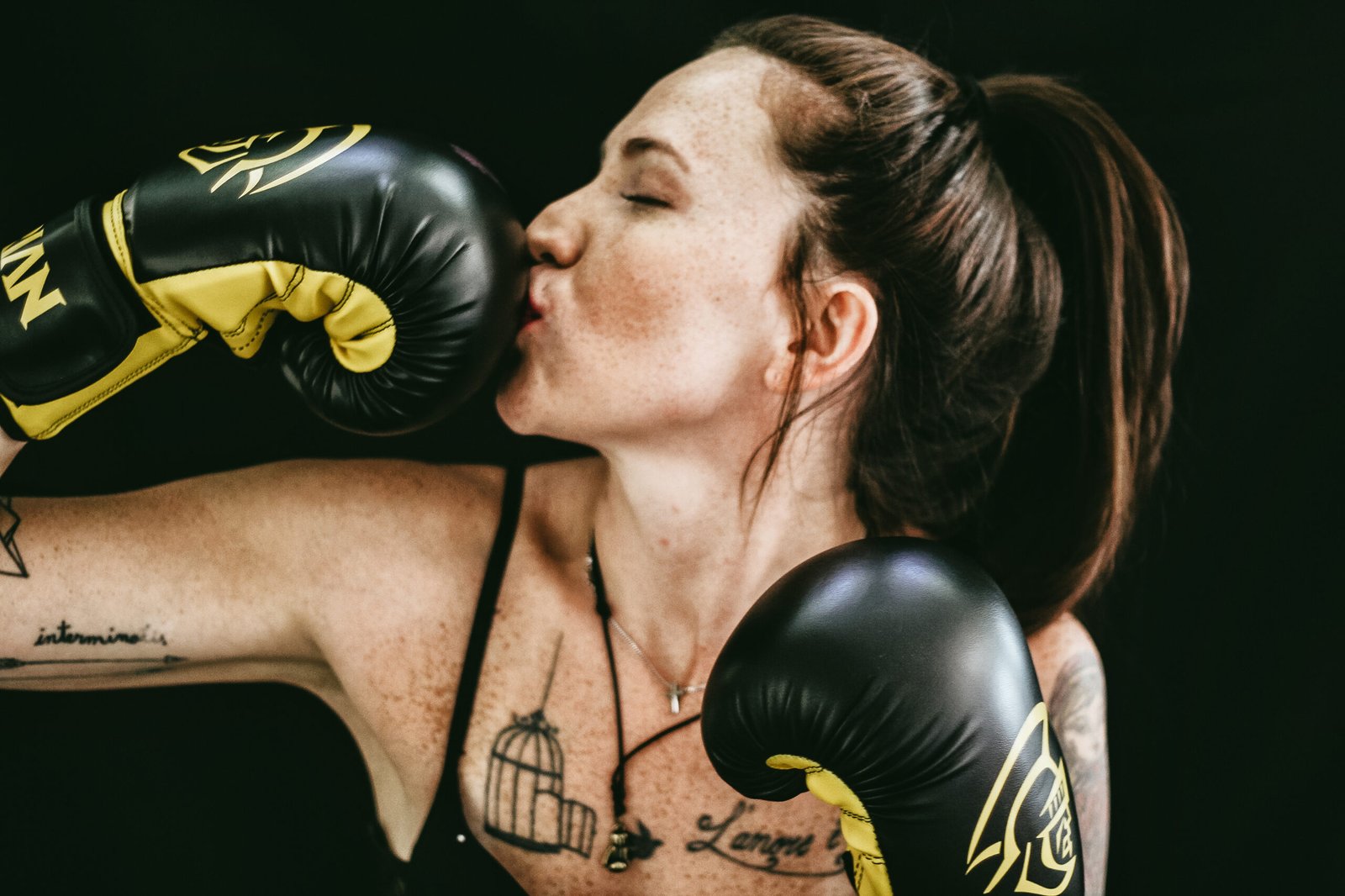
Culture is a powerful engine in the world of style. Think about the impact of the women’s movement, or the push for body positivity. These shifts have opened doors for all kinds of expressions—oversized silhouettes, midi lengths, and everything in between. The embrace of longer skirts in 2025 isn’t just about money; it’s about values, identity, and self-respect. Designers are increasingly tuned in to these cultural conversations, creating collections that reflect the diversity and dynamism of real life. Fashion is storytelling, and every hemline change is a new chapter.
Social Change: Sustainability and the New Style Code
In 2025, fashion isn’t just about looking good—it’s about doing good. The rise of sustainability and ethical fashion has changed what people buy and why. Shoppers are asking tough questions about where their clothes come from and how they’re made. Longer skirts often use more fabric and can be upcycled or styled in countless ways, making them a favorite for those who value longevity. Fast fashion is still around, but conscious consumers are pushing brands toward better practices. The skirt you buy today might be designed to last for years, not just a season.
Personal Style: The Power of Choice
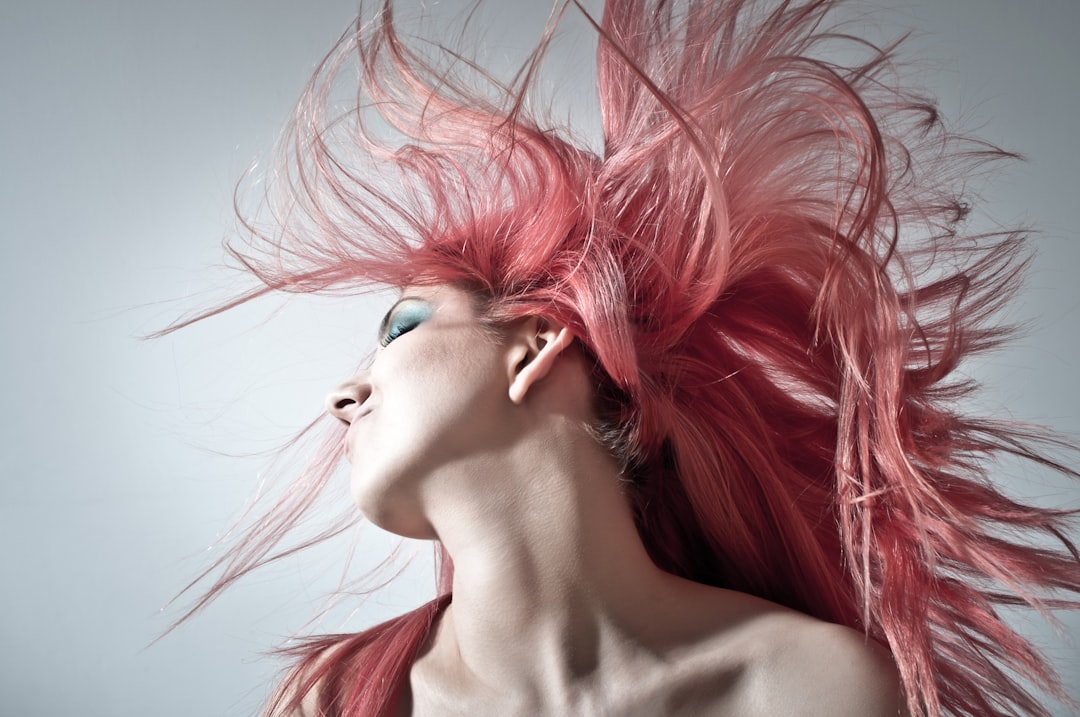
At the end of the day, no index or theory can fully predict what you’ll wear tomorrow. Fashion is fiercely personal. Some people love the drama of a sweeping maxi; others feel most alive in a playful mini. What matters most is how clothes make you feel—confident, creative, comfortable. The Hemline Index may offer clues, but it can’t account for the joy of finding a dress that just feels right. Our closets are as diverse as our personalities, and that’s what makes getting dressed each day an act of self-expression.
The Future of Fashion and the Hemline Index
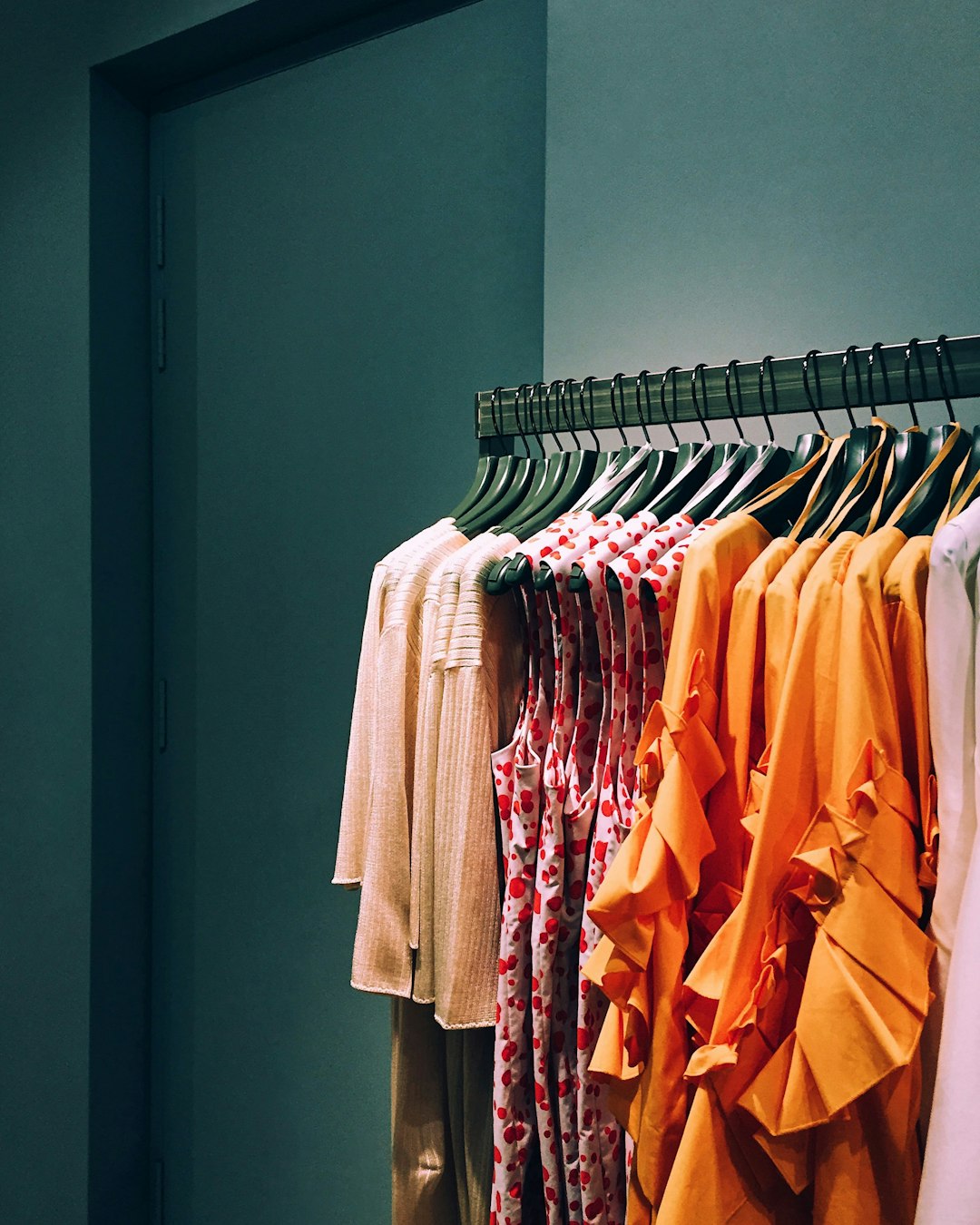
Looking ahead, the relationship between fashion and the economy will always be full of twists and surprises. As technology, culture, and creativity collide, new trends will emerge that defy every old rule. The Hemline Index remains a fascinating mirror, but it’s only one piece of a much bigger puzzle. In 2025 and beyond, style will keep evolving—sometimes following the headlines, sometimes forging its own bold path.

Besides founding Festivaltopia, Luca is the co founder of trib, an art and fashion collectiv you find on several regional events and online. Also he is part of the management board at HORiZONTE, a group travel provider in Germany.
