


For any feedback please reach out to info@festivalinside.com
- These 10 Books Will Challenge Everything You Thought You Knew About History. - August 12, 2026
- 13 Top Trending Songs on Instagram Reels in 2026 - August 12, 2026
- The Best Rock Music Was Made When Nobody Was Watching - August 12, 2026
Pride and Prejudice
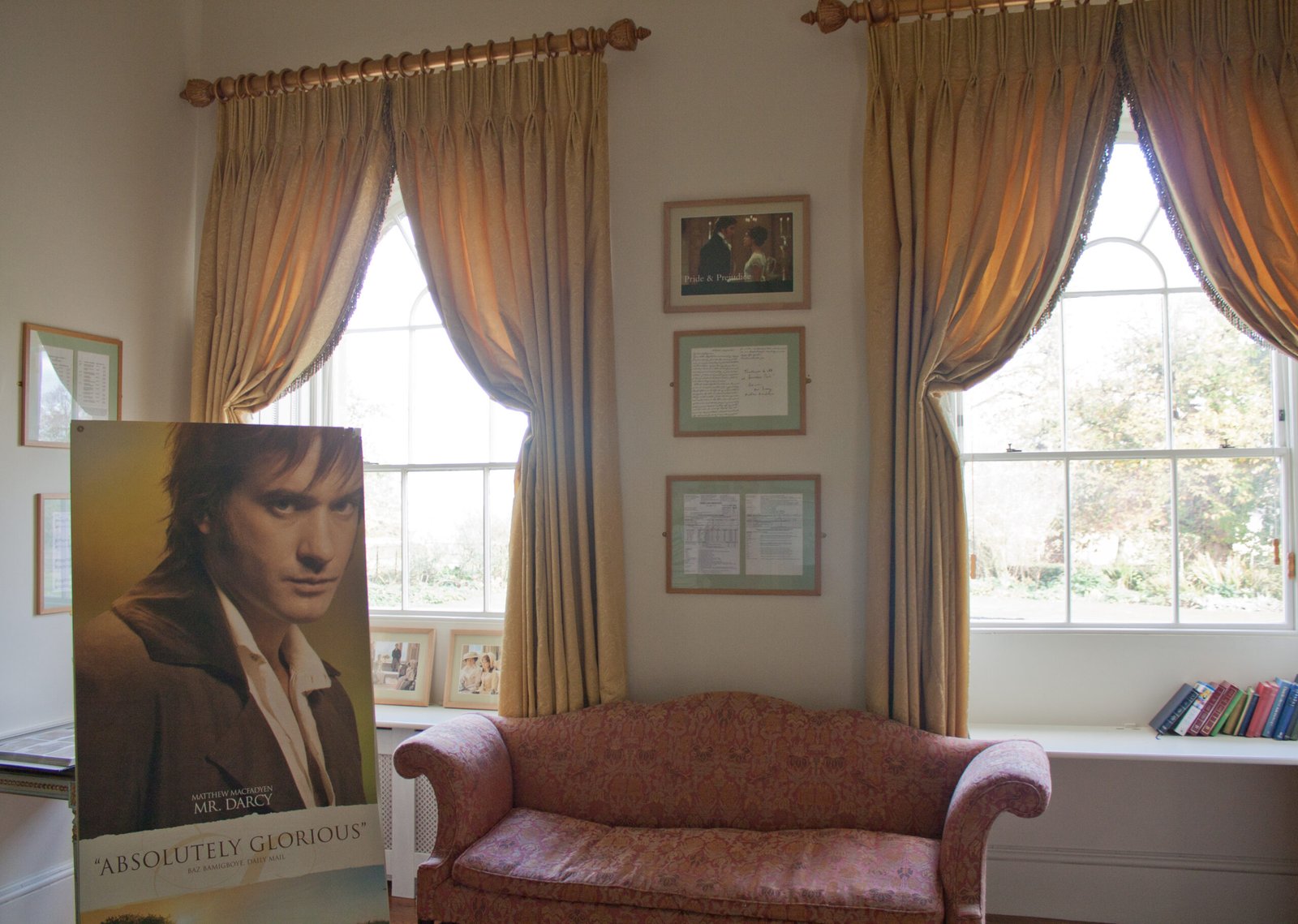
When Joe Wright brought Jane Austen’s “Pride and Prejudice” to cinemas in 2005, audiences were swept away by the film’s breathtaking visuals and palpable chemistry. The rolling English hills, captured in golden sunlight, felt almost like characters themselves—mirroring the restrained passion between Elizabeth Bennet and Mr. Darcy. Keira Knightley and Matthew Macfadyen’s performances radiated an intensity that leapt off the screen, amplifying the tension and yearning of Austen’s original novel. The score, composed by Dario Marianelli, soared and dipped alongside the lovers’ journey, adding layers that only music can provide. This adaptation illuminated the social pressures and unspoken desires of the Regency era in a way that words alone could not. Critical acclaim followed, with the film earning four Academy Award nominations and cementing its place as a modern romantic classic. Fans continue to revisit this version, drawn to its lush storytelling and electric performances.
The Notebook

Few films have etched themselves into the collective romantic imagination quite like “The Notebook.” Adapted from Nicholas Sparks’ 1996 novel, the 2004 film starring Ryan Gosling and Rachel McAdams transformed a sentimental story into a cultural touchstone. Their on-screen chemistry was so intense, it’s become legendary—sparking rumors of off-screen romance and inspiring countless memes and proposals. The film’s structure, jumping between the couple’s youthful courtship and their later years, adds a bittersweet depth that resonates deeply with viewers. Its emotional impact is reflected in its continued popularity; after two decades, “The Notebook” remains a go-to for romantic movie nights and has influenced everything from wedding vows to anniversary gifts. The film’s dialogue and rain-soaked kiss have become iconic, cited again and again in pop culture. Box office numbers speak for themselves: the film grossed over $115 million worldwide, a testament to its universal appeal. It’s proof that sometimes, when it comes to love, the movie can outshine the book.
Call Me by Your Name

André Aciman’s 2007 novel “Call Me by Your Name” is a meditation on first love and longing, but its 2017 film adaptation elevated those emotions to new heights. Set against the sun-drenched landscapes of Northern Italy, the film is a feast for the senses—every peach, every sunbeam, every bicycle ride radiates with possibility and desire. Timothée Chalamet’s portrayal of Elio earned him an Academy Award nomination, and critics praised his raw vulnerability and authenticity. The onscreen chemistry between Chalamet and Armie Hammer is palpable, making the heartbreak and joy of their summer romance feel intensely real. Director Luca Guadagnino’s focus on subtle gestures and silences allows the story’s emotions to simmer and explode in a way only film can achieve. “Call Me by Your Name” won the Oscar for Best Adapted Screenplay and became a touchstone for LGBTQ+ representation, illustrating how the right director and cast can transform a literary love story into a cinematic masterpiece.
Romeo + Juliet
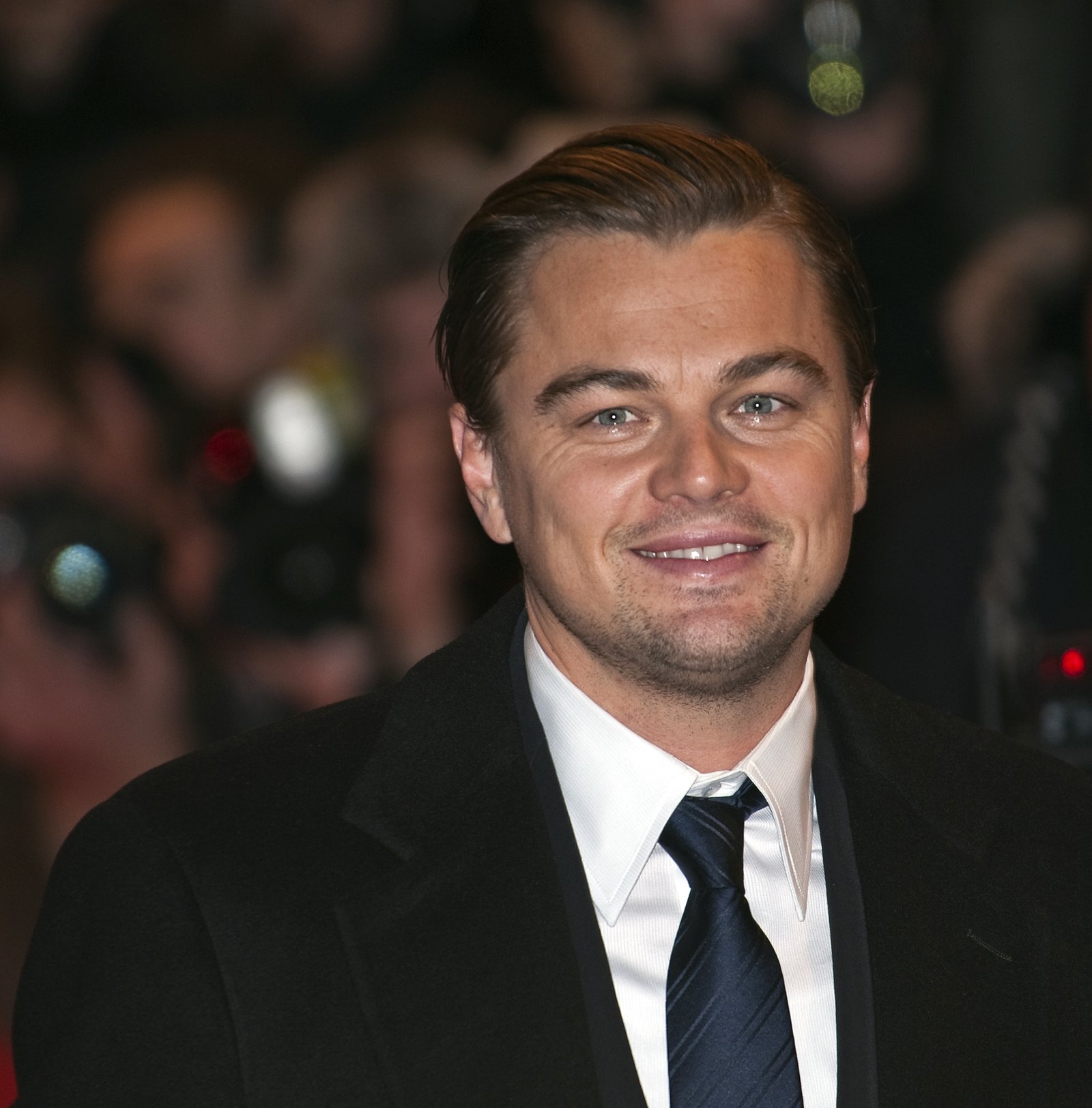
Baz Luhrmann’s 1996 “Romeo + Juliet” didn’t just adapt Shakespeare’s classic—it exploded it into the modern era, bringing the star-crossed lovers to life in a way that electrified a new generation. By keeping the original dialogue but setting the action in a neon-lit, gun-toting Verona Beach, Luhrmann made centuries-old poetry feel urgent and alive. Leonardo DiCaprio and Claire Danes, both in their teens at the time, delivered performances brimming with youthful intensity and vulnerability. The film’s bold visuals, fast-paced editing, and rock-and-roll soundtrack made Shakespeare’s tragedy accessible, even exhilarating, for audiences who might otherwise have found the play daunting. “Romeo + Juliet” grossed nearly $150 million worldwide and continues to influence everything from fashion to music videos. Teachers still use it to introduce students to Shakespeare, and its impact on pop culture is undeniable. This adaptation proved that even the oldest love stories can be reborn on the big screen.
Atonement
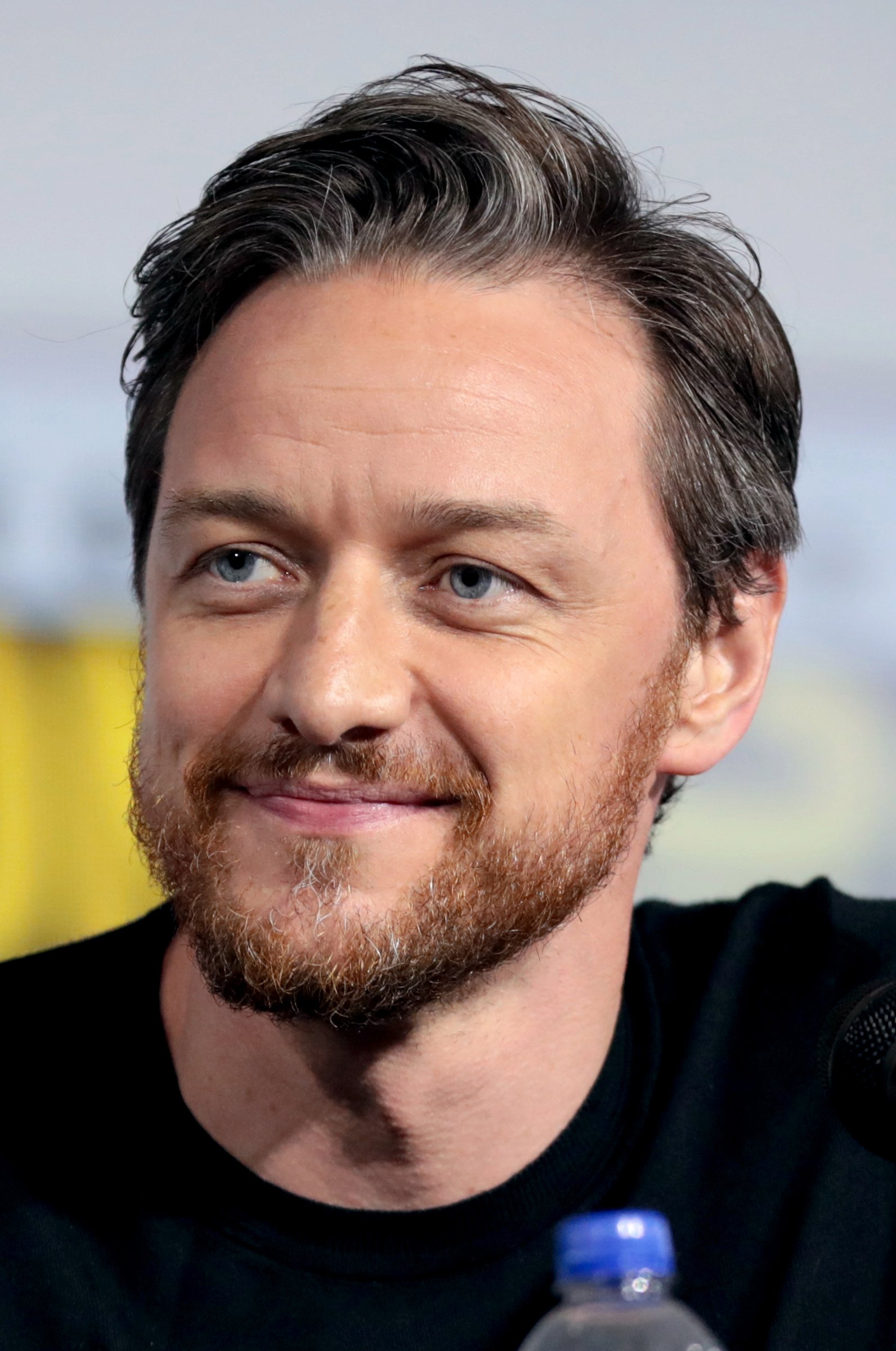
Ian McEwan’s “Atonement” is a novel of regret and longing, but Joe Wright’s 2007 film adaptation turned it into a visual and emotional tour de force. The film’s most famous sequence—a five-minute, unbroken tracking shot of the Dunkirk evacuation—became an instant classic, symbolizing the chaos and heartbreak of war. Keira Knightley and James McAvoy’s performances as doomed lovers Cecilia and Robbie pulse with tension and tenderness, making their separation all the more devastating. The haunting score by Dario Marianelli, featuring typewriter keys as a motif, weaves the themes of memory and guilt into the very fabric of the film. “Atonement” received seven Oscar nominations and won for Best Original Score, a recognition of its power to move audiences. The film’s visual storytelling, from sweeping landscapes to intimate close-ups, amplifies the heartbreak and hope at the novel’s core. It stands as a testament to how cinema can transform written words into unforgettable images.
Titanic
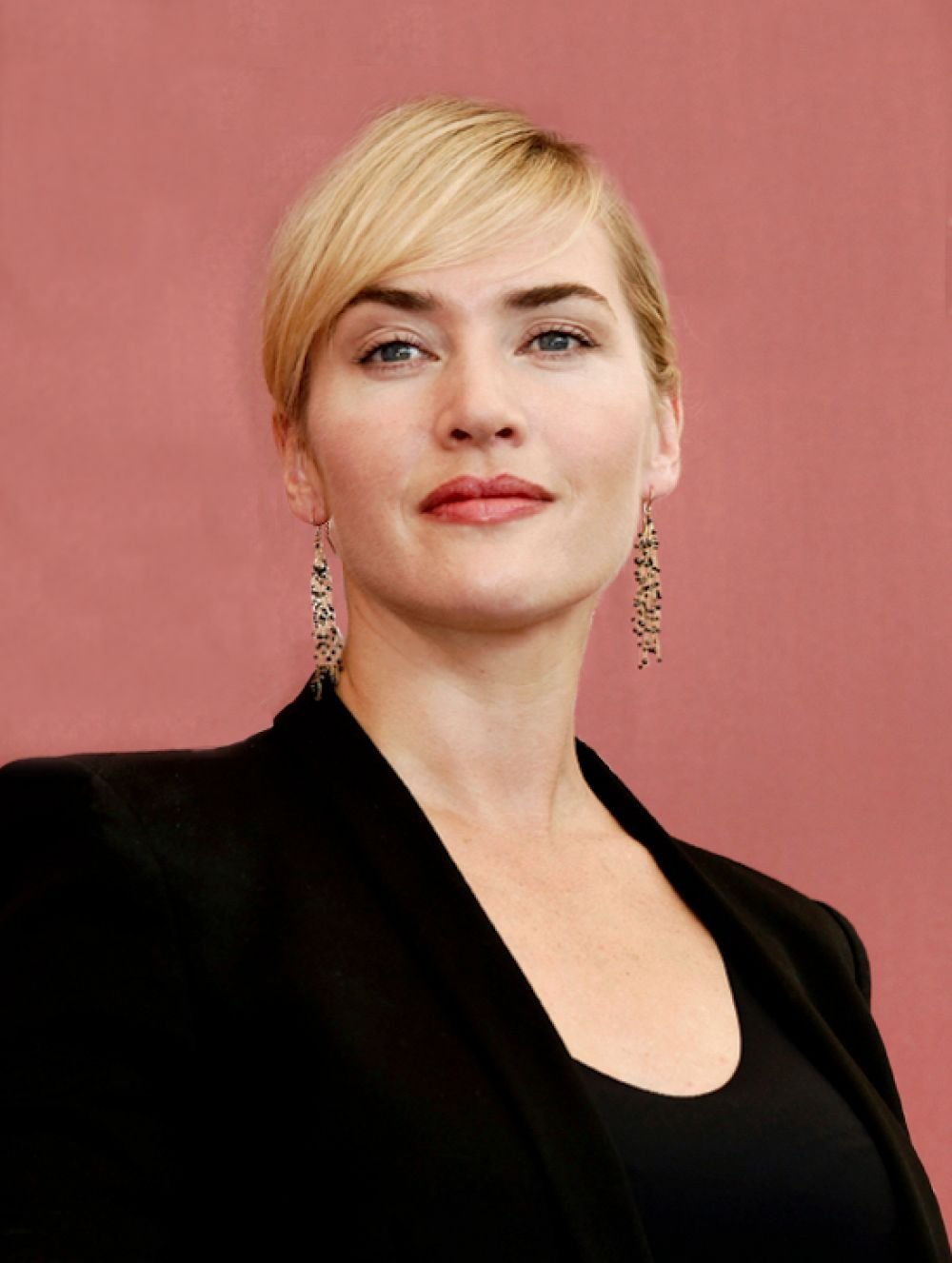
James Cameron’s “Titanic” is more than just a disaster movie—it’s a sweeping romance that became a cultural juggernaut when it sailed into theaters in 1997. Inspired by real events, the film’s fictional love story between Jack Dawson and Rose DeWitt Bukater captured the imagination of millions. Leonardo DiCaprio and Kate Winslet’s chemistry is legendary, creating moments that have become etched in cinematic history—from the iconic “I’m flying!” scene to the heart-wrenching finale. “Titanic” grossed over $2.2 billion worldwide, making it one of the highest-grossing films of all time, and it won 11 Academy Awards, including Best Picture. The grandeur of the ship, the looming tragedy, and the passionate romance combine to create a film experience that feels both epic and deeply personal. To this day, lines like “Draw me like one of your French girls” and Celine Dion’s “My Heart Will Go On” are instantly recognizable. The film’s emotional impact continues to ripple through popular culture.
The Fault in Our Stars
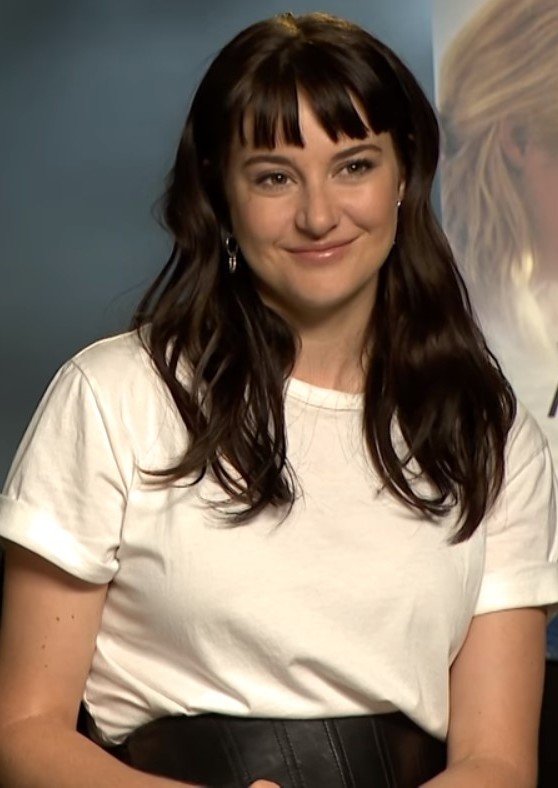
Bringing John Green’s bestselling novel “The Fault in Our Stars” to the big screen in 2014 was a gamble that paid off emotionally and financially. The story of Hazel and Gus, two teens with cancer who fall in love, is both heartbreaking and uplifting. Shailene Woodley and Ansel Elgort’s nuanced performances anchor the film, capturing the raw vulnerability and humor that endeared the book to millions. The movie’s honest depiction of illness, love, and loss resonated with audiences of all ages, grossing over $307 million worldwide. Critics lauded the adaptation for its sincerity, and young viewers in particular saw themselves reflected in the film’s unflinching portrayal of hope and heartbreak. The movie’s dialogue and iconic Amsterdam bench scene have become cultural touchstones. “The Fault in Our Stars” proves that when a film adaptation is crafted with care, it can amplify the emotional power of its source material.
Out of Africa
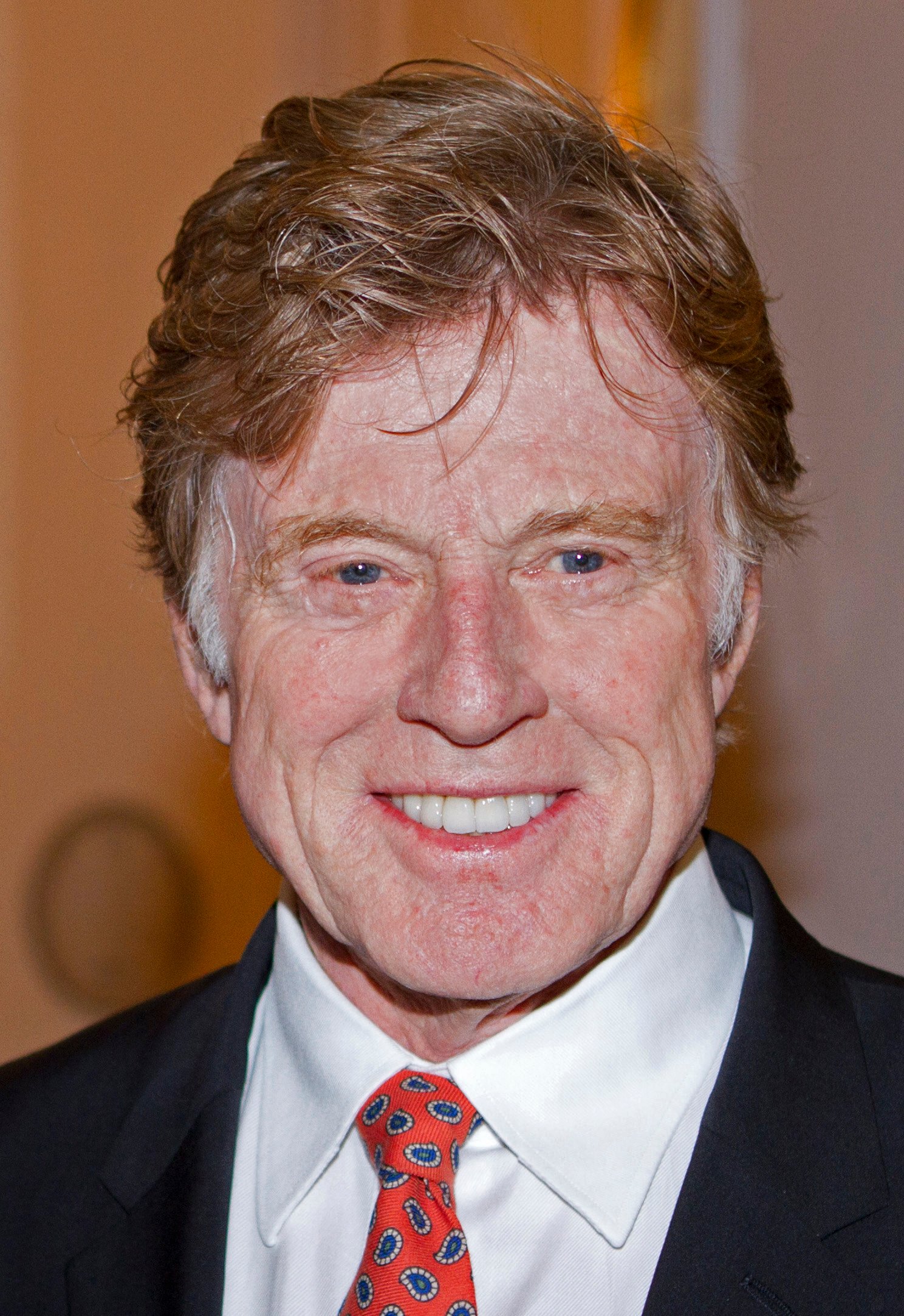
“Out of Africa,” adapted from Isak Dinesen’s (Karen Blixen) memoir, is a sweeping cinematic love story that immerses viewers in the beauty and wildness of early 20th-century Kenya. Sydney Pollack’s 1985 film captured the grandeur of the African landscape, with vast plains and golden sunsets serving as a dramatic backdrop to the romance between Karen (Meryl Streep) and Denys (Robert Redford). The film’s majestic score by John Barry is often cited among the most beautiful in movie history, enhancing the sense of longing and adventure. Streep and Redford’s understated yet powerful performances bring out the complexities of love, independence, and loss. Winning seven Academy Awards, including Best Picture, the film is praised for making the memoir’s quiet yearning visually and emotionally epic. The adaptation’s rich visuals and emotional depth have ensured its place as a timeless love story that lingers long after the credits roll.
Brokeback Mountain
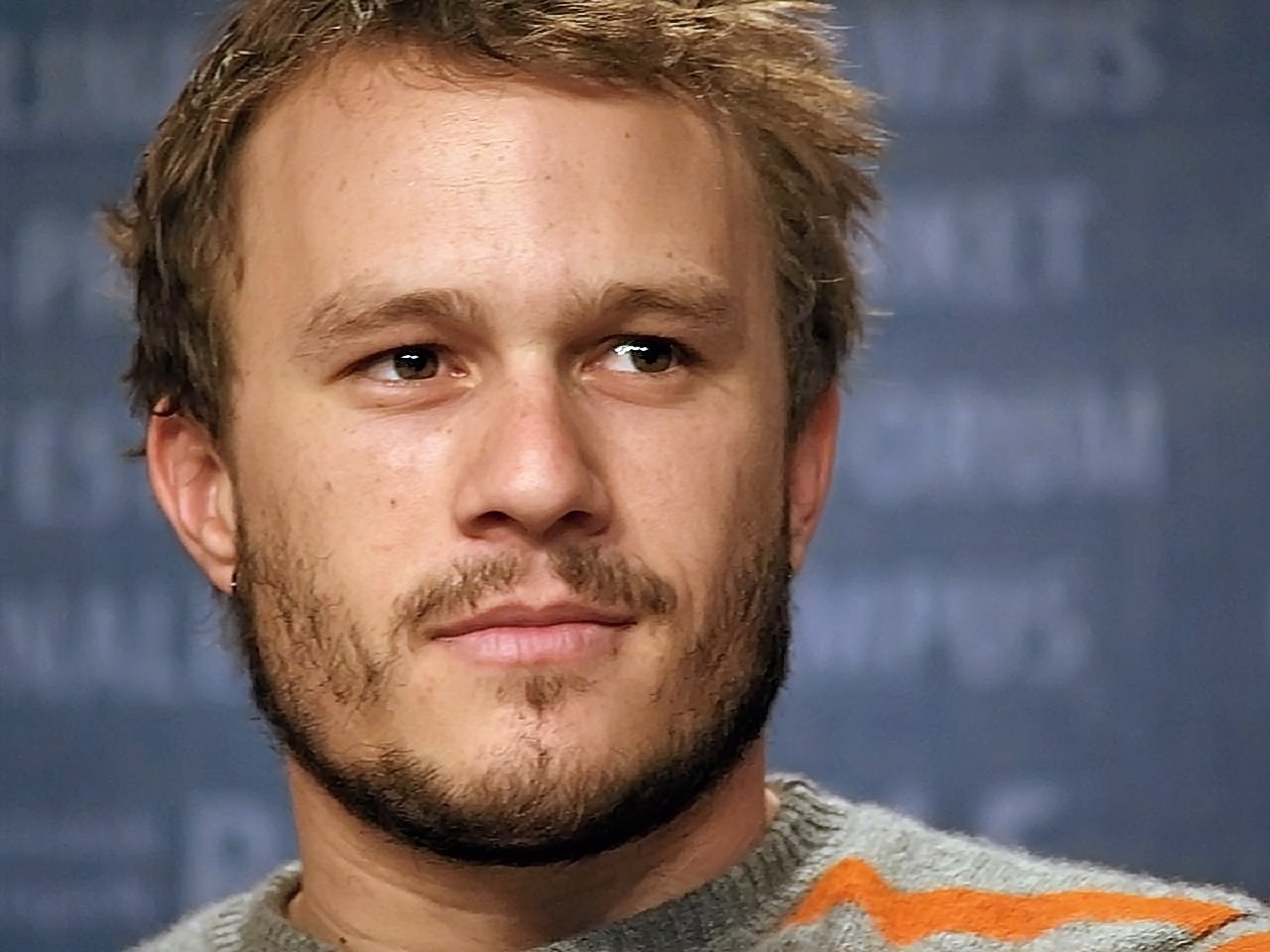
“Brokeback Mountain” took Annie Proulx’s spare short story and transformed it into a landmark film that broke hearts and barriers. Directed by Ang Lee in 2005, the movie tells the story of Ennis and Jack, two cowboys who fall in love in 1960s Wyoming and navigate decades of longing and repression. Heath Ledger and Jake Gyllenhaal’s performances are searing in their intensity, with Ledger’s quiet anguish drawing particular acclaim. The film’s sweeping mountain vistas echo the emotional landscapes the characters traverse, and Gustavo Santaolalla’s plaintive score heightens the mood of bittersweet yearning. “Brokeback Mountain” won three Academy Awards, including Best Director, and became a milestone for LGBTQ+ representation in mainstream cinema. Its impact is still felt today, as it opened doors for more nuanced and honest storytelling about queer love. The film’s legacy is one of courage, heartbreak, and the enduring power of love.
Jane Eyre

The 2011 adaptation of “Jane Eyre” distilled Charlotte Brontë’s gothic novel into a tightly wound, emotionally charged film. Directed by Cary Fukunaga, the movie captures the bleak beauty of the English moors and the brooding atmosphere of Thornfield Hall. Mia Wasikowska’s portrayal of Jane is quietly powerful, embodying both vulnerability and steely resolve, while Michael Fassbender’s Mr. Rochester is enigmatic and magnetic. The film’s moody visuals and haunting score immerse viewers in a world of secrets, longing, and forbidden passion. Critics praised the adaptation for remaining faithful to the spirit of the novel while offering a fresh, cinematic perspective. The film’s focus on emotional intimacy, rather than melodrama, brings a new depth to the story’s central romance. This “Jane Eyre” stands out for its artistry and its ability to make a nearly two-century-old love story feel both immediate and timeless.

Christian Wiedeck, all the way from Germany, loves music festivals, especially in the USA. His articles bring the excitement of these events to readers worldwide.
For any feedback please reach out to info@festivalinside.com
