

There is something endlessly fascinating about the relationship between music and literature. Both are storytelling arts, but they operate on different frequencies. One gives you silence between the lines. The other gives you a melody to carry those lines home. Throughout history, musicians have quietly reached into the pages of classic novels, poems, and short stories to find the emotional raw material that fueled some of their most iconic work.
What makes this connection so compelling is how invisible it often is. You can love a song for years without ever knowing it began its life inside a dog-eared paperback on a tour bus or a bedroom bookshelf. The literary roots don’t diminish the music. Honestly, they make it richer. So let’s dive in.
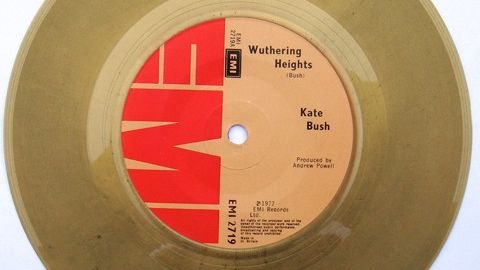
“Wuthering Heights” by Kate Bush – Emily Brontë’s Timeless Gothic Romance
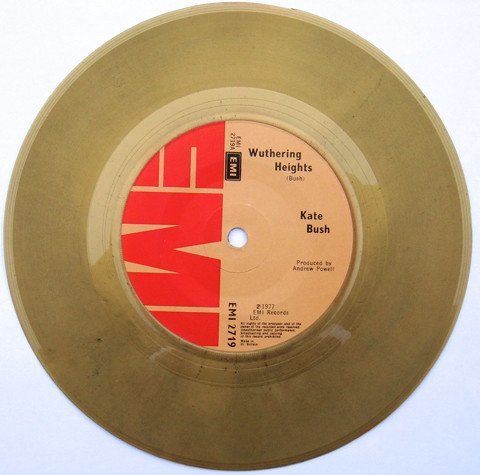
Few songs have a more stunning literary origin story than this one. An 18-year-old Kate Bush wrote her breakout song after seeing just 10 minutes of Wuthering Heights on TV in 1977. That brief glimpse of Brontë’s dark Victorian romance was apparently enough to ignite something extraordinary in her.
Kate Bush’s debut single finds its inspiration in the classic novel written by Emily Brontë, and Bush sings from the point of view of ghostly heroine Catherine, calling out for her beloved Heathcliff from beyond the grave. The vocal performance is haunting precisely because it mirrors Catherine’s restless, anguished spirit.
One of the most famous literary-influenced pop songs, young Kate’s adaptation of Emily Brontë’s dark romance from 1847 made the UK Number One spot in 1978, and Kate chose the song because she realised that she shared a birthday with the writer: 30 July. That personal connection clearly meant something. It’s hard not to feel like fate played a hand in the whole story.
“Sympathy for the Devil” by The Rolling Stones – Bulgakov’s The Master and Margarita
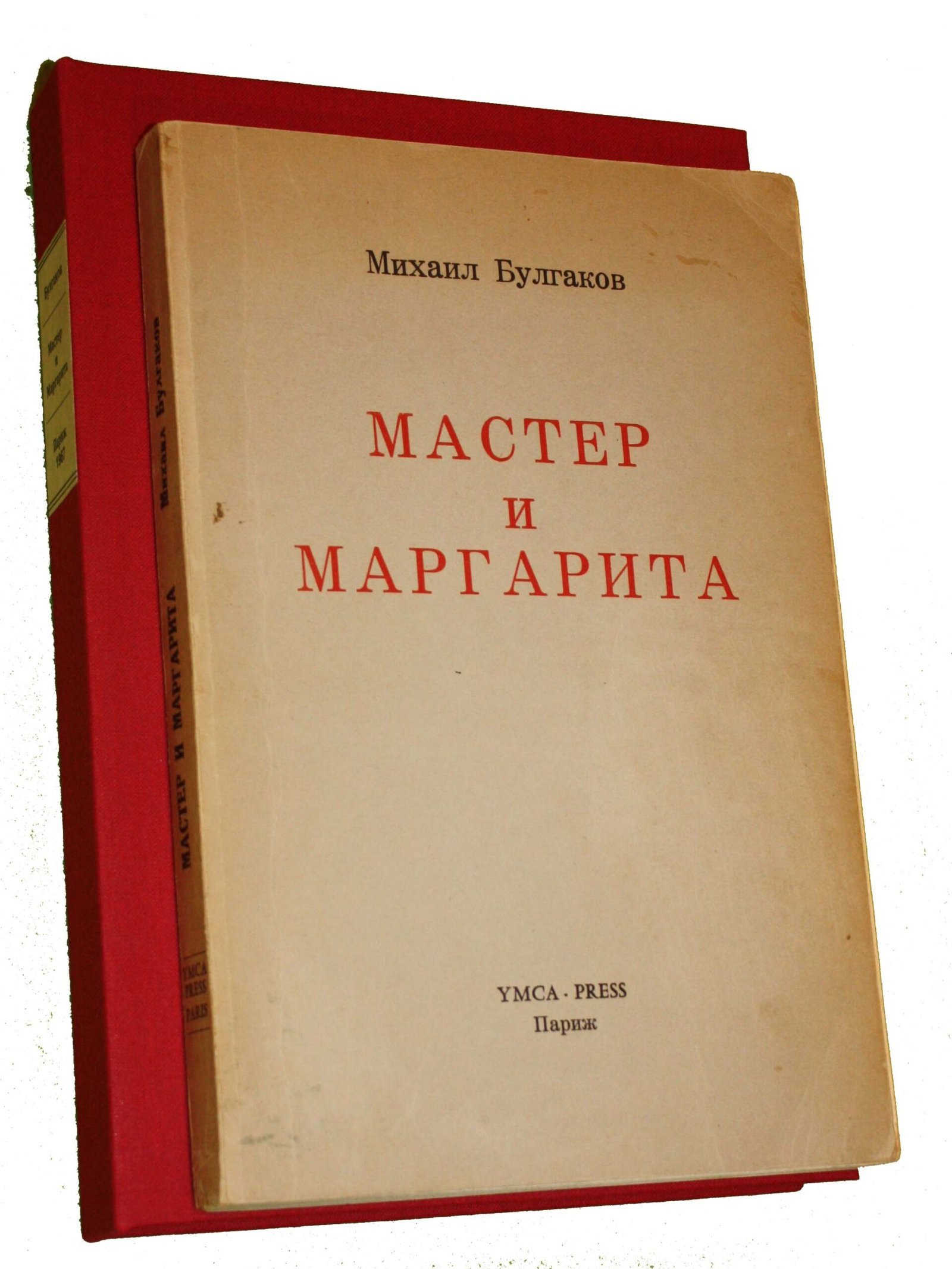
Here’s one that genuinely surprises people. One of rock’s most swaggering anthems turns out to have been born from a dense Russian novel. An evil-minded leader provided the focus for Mikhail Bulgakov’s novel The Master and Margarita, which imagined what would happen when the Devil paid a visit to the Soviet Union. At least one result was The Rolling Stones’ “Sympathy For The Devil,” whose lyrics were penned by Mick Jagger after Marianne Faithfull gave him a copy of the book.
The tale centers around the devil paying a visit to atheist Russia during the reign of the communist Soviet Union. The song is told from his perspective, and includes references to the book itself, including when he “Stuck around St. Petersburg.” The song also gives a nod to the book’s second interwoven plot by referencing Jesus and his executioner, Pontius Pilate. Think about that next time you’re singing along to one of the most recognizable choruses in rock history. You’re essentially singing Bulgakov’s Satan.
“Don’t Stand So Close to Me” by The Police – Nabokov’s Lolita
This one is perhaps the most explicit literary reference on the list, because The Police didn’t even try to hide it. Sting explained “Don’t Stand So Close to Me” was written about sexuality in the classroom, and where else to draw inspiration from than arguably the most famous book about an inappropriate relationship ever written, Lolita? It’s a bold creative choice, and it worked.
The song even directly references the novel, and in that track, they spoke from the perspective of the older man, likening his desire to that of Nabokov’s narrator. The literary nod makes the song darker and more layered than a straightforward pop track would ever be. It’s essentially a character study wrapped in a new wave groove, and it remains one of the cleverest literary lifts in pop history. That takes a certain kind of audacity.
“White Rabbit” by Jefferson Airplane – Lewis Carroll’s Alice’s Adventures in Wonderland
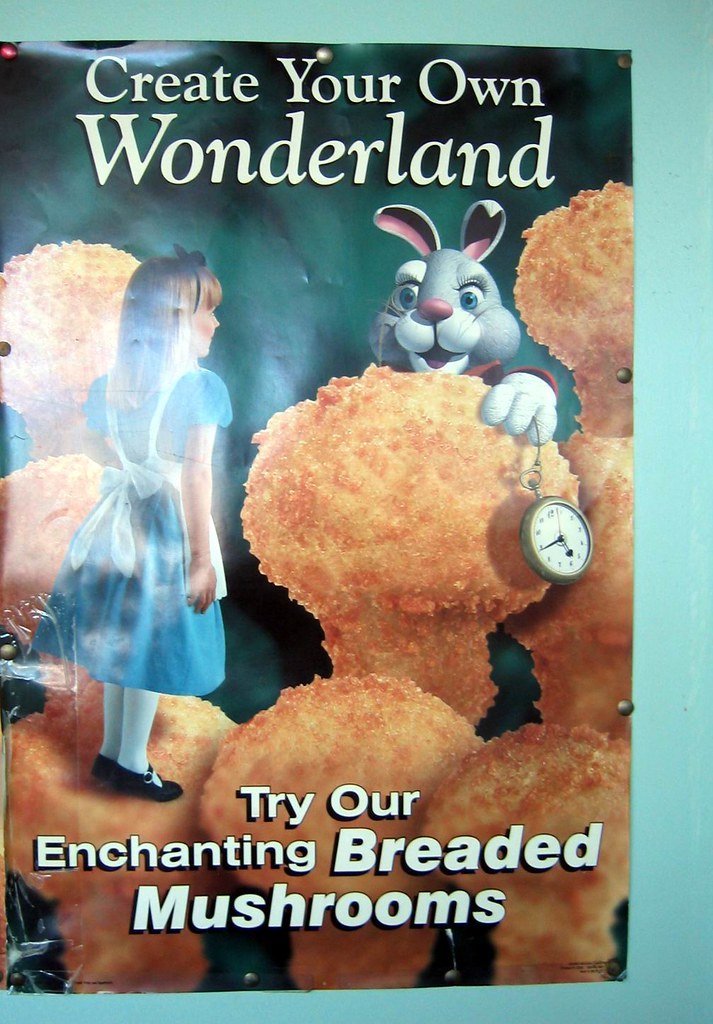
Grace Slick turned Lewis Carroll’s beloved children’s classic into something altogether more psychedelic, and the result became one of the defining songs of the 1960s counterculture. Released in 1967, “White Rabbit” is a tribute to Lewis Carroll’s Alice’s Adventures in Wonderland. The lead singer follows her curiosity into a land where “one pill makes you larger, and one pill makes you small,” and references like hookah-smoking caterpillars and mushrooms are directly pulled from Alice’s own adventures in the book.
Grace Slick got the idea for this song after taking LSD, basing the lyrics on Lewis Carroll’s book Alice In Wonderland, and although it became a huge hit for Jefferson Airplane, Slick actually wrote the song and performed it when she was in her previous band The Great Society. White Rabbit plays with some of the colorful imagery from the book, and many read into the song as a long-form metaphor for the effects of hallucinogenic drugs, while others read it as a protest song about the Vietnam War. Carroll probably had no idea his nonsense poetry would one day soundtrack a generation’s rebellion.
“1984” by David Bowie – George Orwell’s Nineteen Eighty-Four
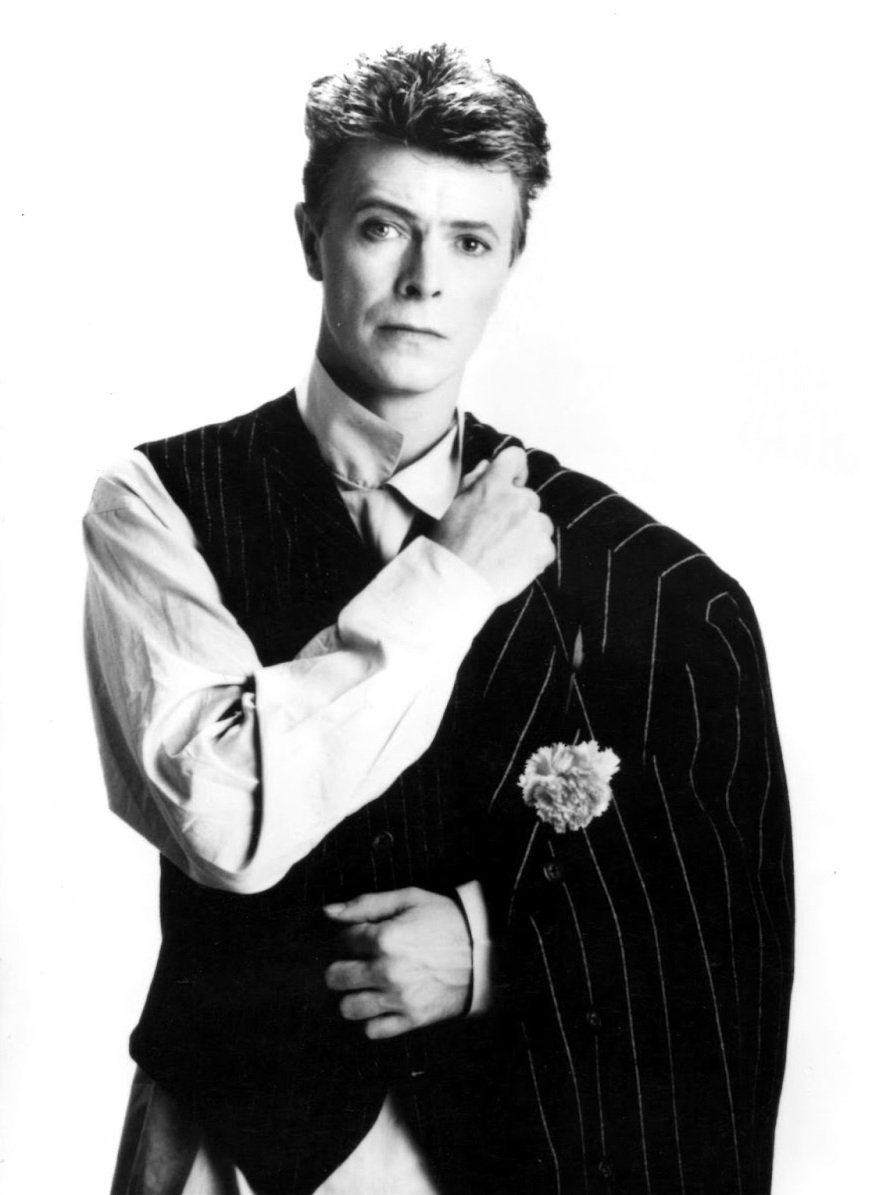
David Bowie’s obsession with George Orwell’s dystopian masterpiece runs deeper than most people realize. David Bowie was so compelled by George Orwell’s 1984 that he wanted to mount a musical adaptation of it for the stage. However, after being denied the rights by Orwell’s estate, Bowie decided to include some of the numbers he had already written on his album Diamond Dogs instead. That’s a remarkable origin story. A blocked stage musical gave the world a legendary rock album.
In the song “Big Brother,” Bowie’s lyrics encompass the insidious power that the propaganda figure held over Orwell’s imaginary dystopian society, as the citizens beg for Big Brother’s authority and guidance. Meanwhile, the track “1984” itself directly warns against surveillance and thought control. This song, along with many others from the same album Diamond Dogs, was actually intended for a musical based on George Orwell’s dystopian novel, and Bowie scrapped the project after Orwell’s widow raised objections. Honestly, the world of music came out richer for that rejection.
“For Whom the Bell Tolls” by Metallica – Ernest Hemingway’s War Epic
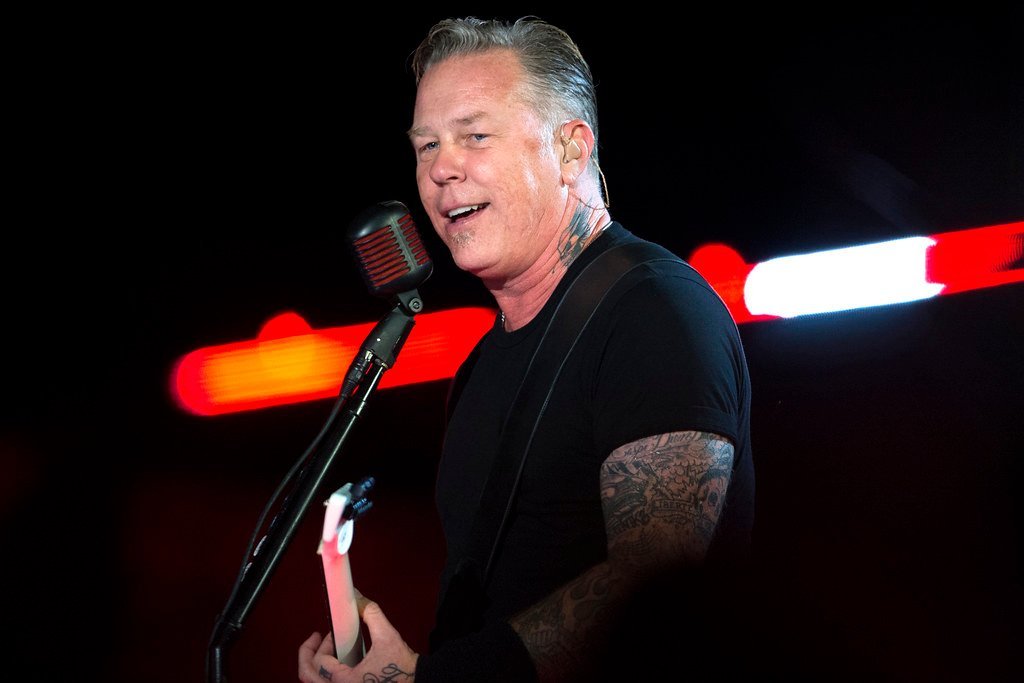
Metallica and Hemingway might sound like an unlikely pairing, but it works in a way that feels almost inevitable. Hemingway’s 1940 classic tells the tale of Robert Jordan, an idealistic young American who finds himself signing up to the International Brigades in the Spanish Civil War, and the novel was listed as a favourite book by people as different as Fidel Castro and Barack Obama. It’s that kind of universally resonant story.
Metallica rejected the heroic central narrative in favour of telling the story of peripheral characters, El Sordo and his quartet of soldiers who stage a bloody attack against the advancing fascists on a hillside in a valiant, albeit futile last stand. The madness of war strips away all of them except “the will to be,” and makes for one of Metallica’s most powerful political statements. Hemingway’s book in turn is based on a John Donne poem from 1623, and the late Cliff Burton’s bass playing at the beginning of the song is often mistaken for an electric guitar lead. That’s three layers of art feeding one another, which is genuinely extraordinary.
“Rocket Man” by Elton John – Ray Bradbury’s The Illustrated Man

Most people assume “Rocket Man” is simply a song about space and loneliness. It is, but the inspiration goes far deeper than a vague concept. Songwriter Bernie Taupin, who famously worked with Elton John throughout the performer’s career, had a penchant for sci-fi. He especially loved Ray Bradbury’s short story collection, The Illustrated Man, and one story in particular, “The Rocket Man,” served as inspiration behind John’s top 10 hit by the same name.
Bradbury’s “The Rocket Man” tells the story of a young boy whose father travels to Mars for months at a time, leaving him and his mother behind. Bernie Taupin and Elton John tell the story from the father’s perspective. The song distills Bradbury’s themes of longing, distance, and the cost of ambition into something almost unbearably emotional. This selection is only the tip of the iceberg when it comes to songs inspired by great works of literature. It just goes to show how a simple line of poetry or a paragraph of prose can be transformed into a musical masterpiece. Rocket Man proves that as well as any song ever written.
The Bookshelf Behind the Beat
What all seven of these songs share is something more than a clever reference or a borrowed title. They each demonstrate that great literature does not end on the final page. It travels. It lodges itself in the minds of artists who are working in completely different forms and emerges transformed, wearing a new costume but carrying the same soul.
Going back to the dawn of civilization, stories were songs: Homer’s celebrated epics, The Iliad and The Odyssey, were initially performed to the lute and serve as the bedrock of the oral tradition. By then, songwriters had widened their scope, moving away from religious mythology to retell folk stories. As rock music came of age, so its ambitions grew, with big ideas in literature influencing big ideas on record. The relationship is ancient, even if the electric guitars are relatively new.
I think there’s something quietly hopeful about all of this. It means classic literature is never truly buried under time. Somewhere, a musician is reading Brontë on a tour bus, or discovering Bulgakov for the first time in a secondhand bookshop, and quietly changing what a song can be. Next time a track grabs you somewhere deep and inexplicable, consider that a novelist might be the one truly responsible. What book do you think should be turned into a song next? Tell us in the comments.

Besides founding Festivaltopia, Luca is the co founder of trib, an art and fashion collectiv you find on several regional events and online. Also he is part of the management board at HORiZONTE, a group travel provider in Germany.
