
Critics have often greeted bold new directions in art with hesitation or outright dismissal. Experimental approaches can feel jarring when they depart from an artist’s established style, leaving reviewers focused on what seems missing rather than what is emerging.
Over time those same pieces frequently gain recognition as essential contributions. The stories of seven well known figures show how initial resistance gave way to deeper appreciation once the work had room to settle into the broader conversation.
Pablo Picasso’s Final Decades
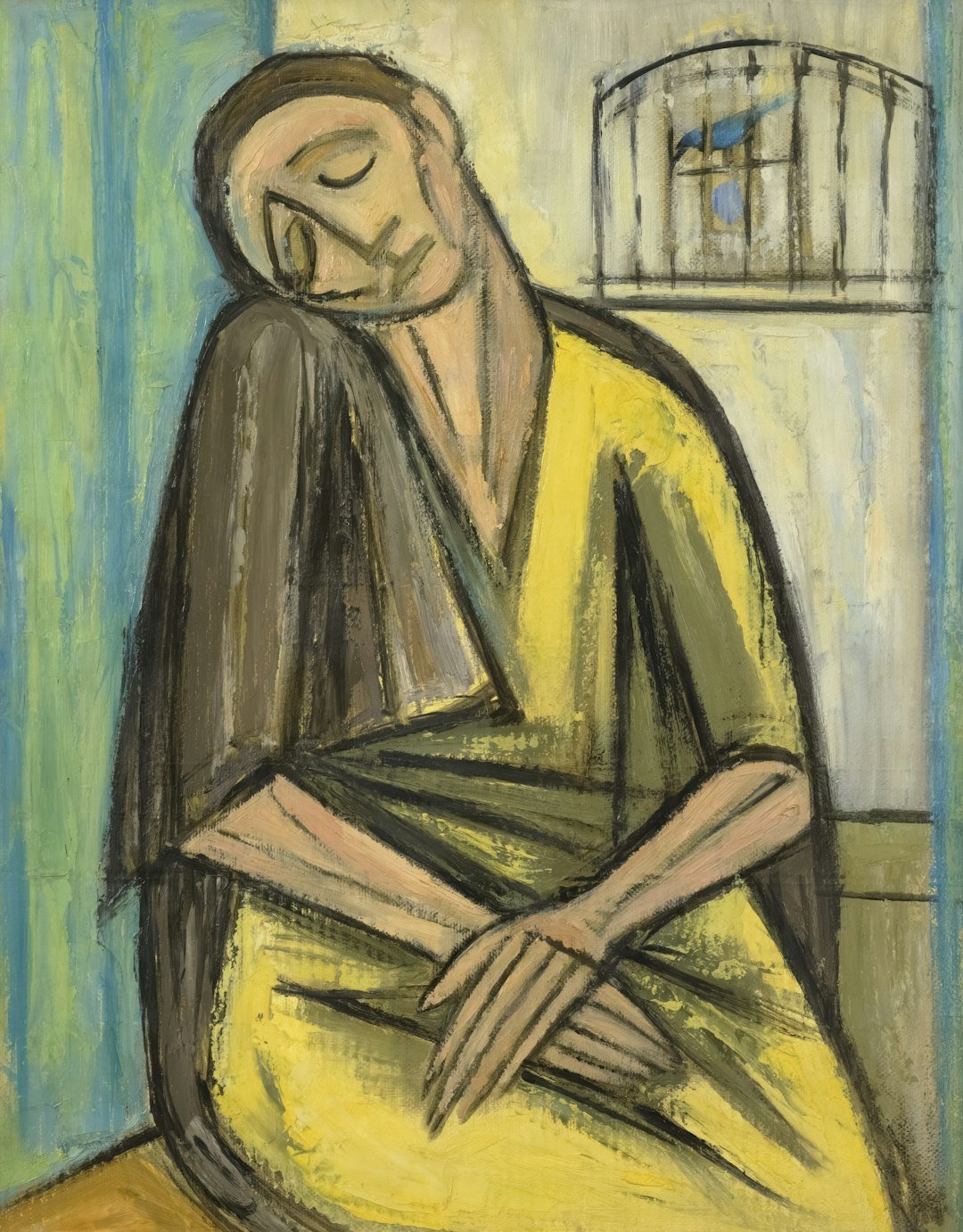
Picasso spent his last twenty years painting large canvases filled with musketeers, lovers, and simplified figures. These works drew from earlier periods yet carried a raw, almost childlike energy that surprised many viewers.
Reviewers at the time called the paintings repetitive and even sloppy, suggesting the artist had lost his edge. Today those same canvases are valued for their directness and for the way they strip painting down to its most basic impulses, revealing a restless mind that refused to repeat past successes.
Claude Monet and the Water Lily Murals
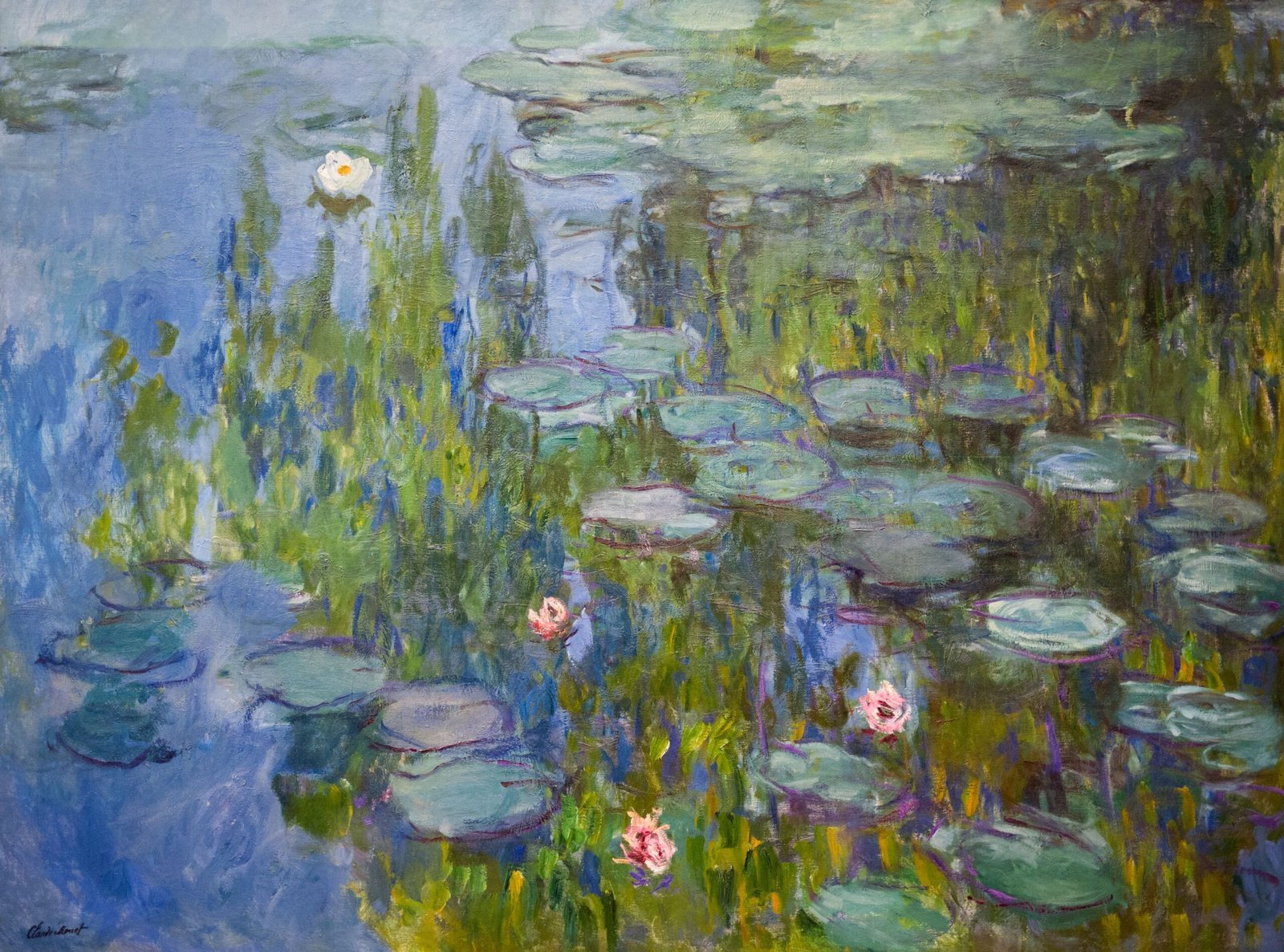
Monet devoted his final years to enormous panels of water lilies that filled entire rooms. The surfaces shimmer with loose strokes of color that dissolve any clear sense of edge or depth.
Contemporary critics found the paintings formless and overly personal, as if the artist had simply stopped trying to finish them. Museums now treat the late water lily series as one of the great achievements of modern painting, recognizing how the blurred forms anticipated later abstract art.
Henri Matisse and His Paper Cut Outs
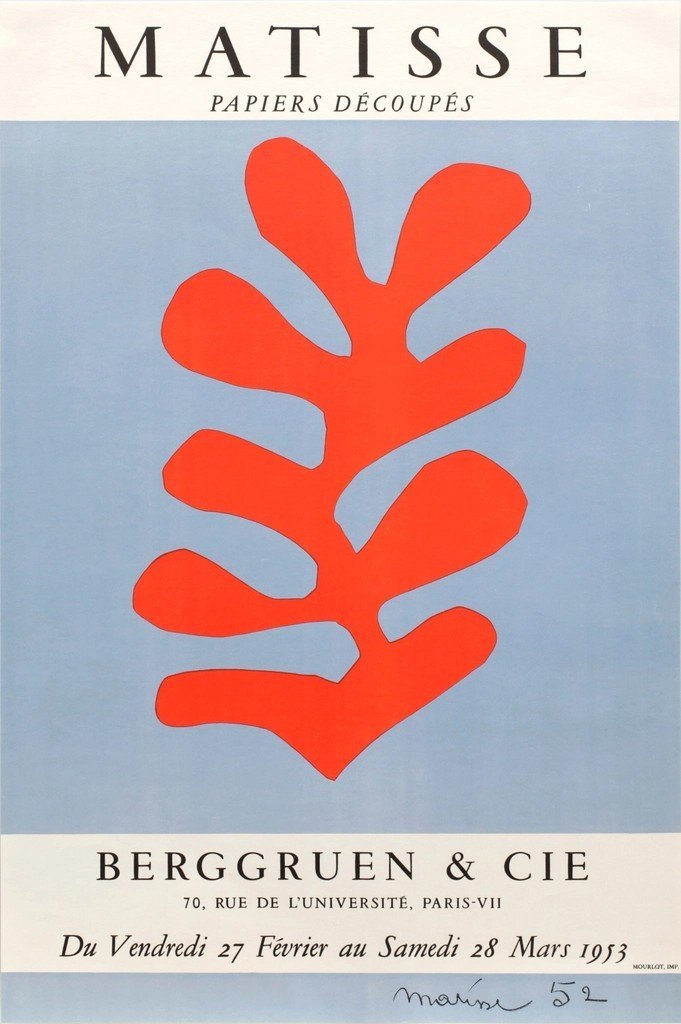
After illness limited his ability to paint, Matisse turned to cutting shapes from colored paper and arranging them into large compositions. The results included the famous Jazz series and the monumental Snail.
Many observers in the 1940s and 1950s dismissed the cut outs as decorative craft rather than serious art. Later generations have come to see them as a radical simplification that freed color and shape from traditional drawing, influencing generations of artists who followed.
J. M. W. Turner’s Late Seascapes
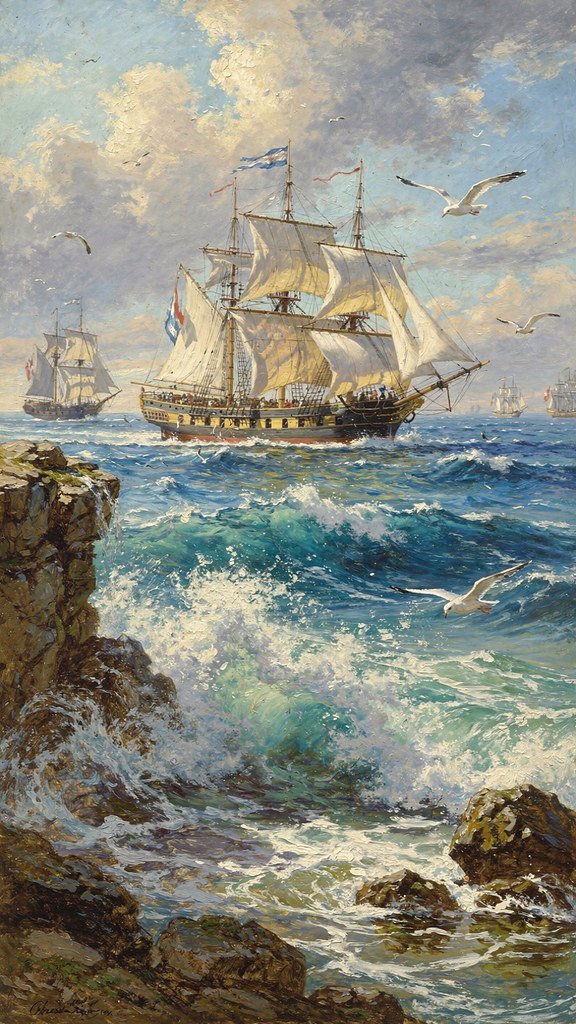
Turner spent his final years producing swirling canvases of sea and sky where recognizable forms nearly disappear into light and vapor. Works such as Snow Storm and the late whaling scenes pushed color and brushwork to extremes.
Victorian reviewers complained that the paintings looked unfinished and lacked proper detail. Current scholarship regards these canvases as prophetic, linking them to the birth of abstraction and praising the way they capture the overwhelming power of nature.
Mark Rothko’s Dark Final Paintings
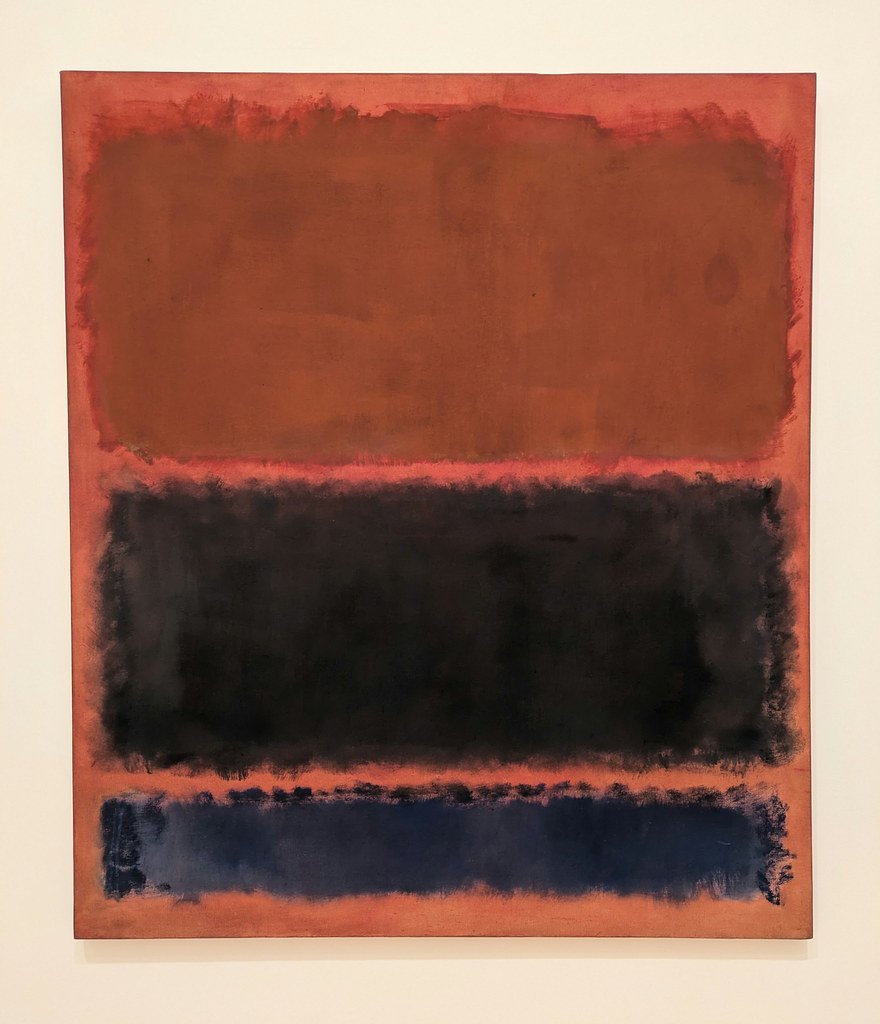
In the last years of his life Rothko created large canvases dominated by deep blacks, browns, and muted reds. The surfaces feel heavy and almost airless compared with his earlier glowing fields of color.
Critics at the time described the work as gloomy and self indulgent, a sign of personal decline. Museums and scholars now view these paintings as a profound meditation on mortality, essential to understanding the full emotional range of Rothko’s career.
Andy Warhol’s Later Collaborations
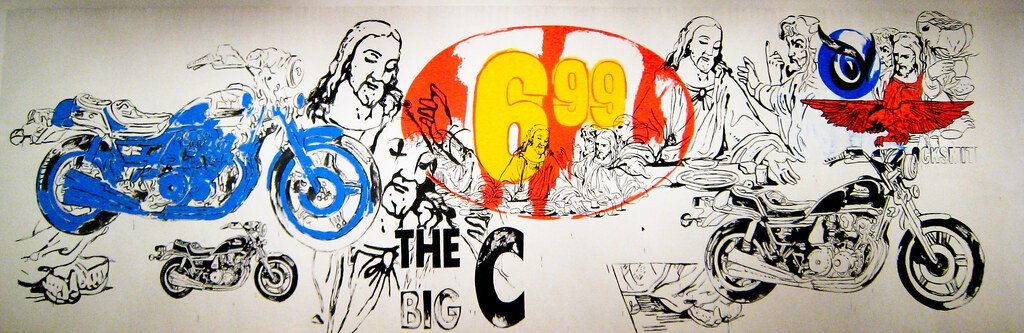
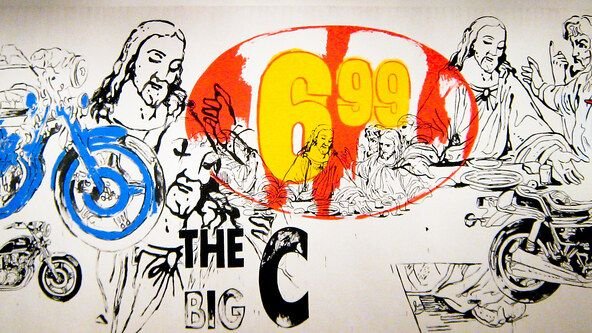
Warhol continued making art into the 1980s, often working with younger artists on series that mixed religious imagery, camouflage patterns, and commercial motifs. The Last Supper paintings and the stitched photographs are typical examples.
Many reviewers saw these pieces as commercial products rather than genuine artistic statements. Recent exhibitions have placed them firmly within Warhol’s lifelong interest in fame, repetition, and the blurred line between high art and popular culture.
Salvador Dalí’s Postwar Explorations
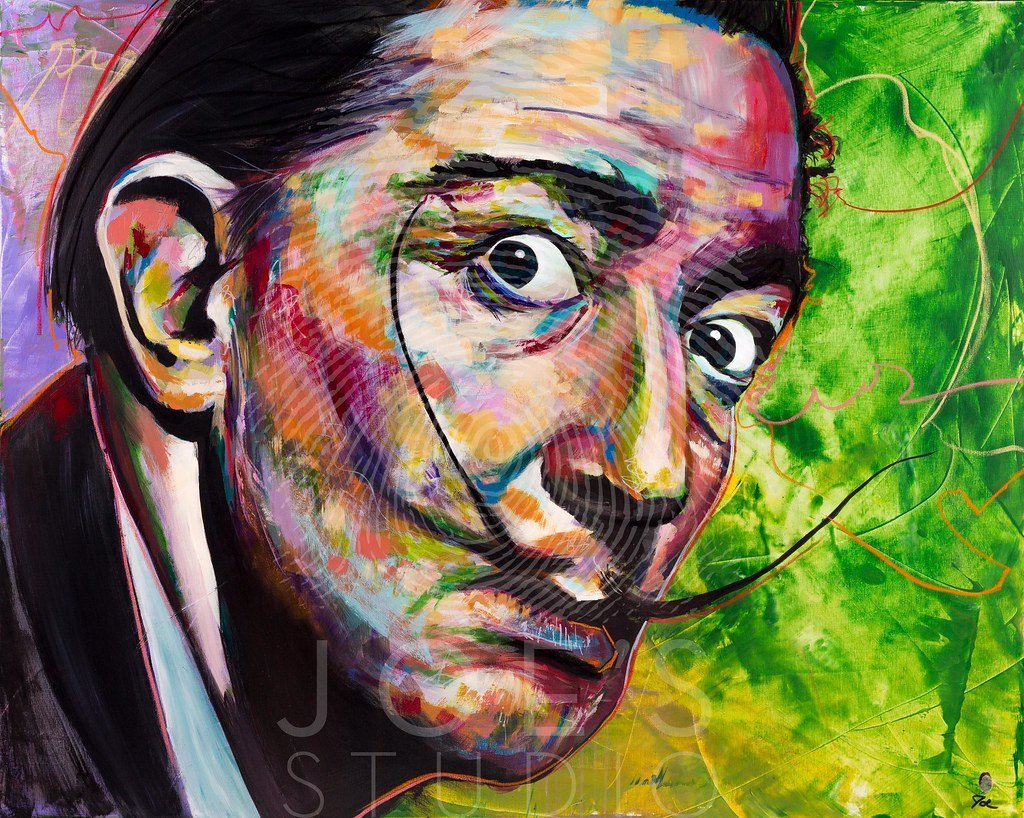
Dalí spent decades after World War II painting religious scenes, scientific diagrams, and elaborate still lifes that mixed old master techniques with surreal elements. The style remained highly detailed yet the subjects grew more conventional.
Critics accused him of repeating himself for the market and losing the edge of his earlier surrealist years. Today those later canvases are studied for their technical skill and for the way they extend surrealist ideas into new territories of science and faith.
Changing Perspectives in Art Criticism
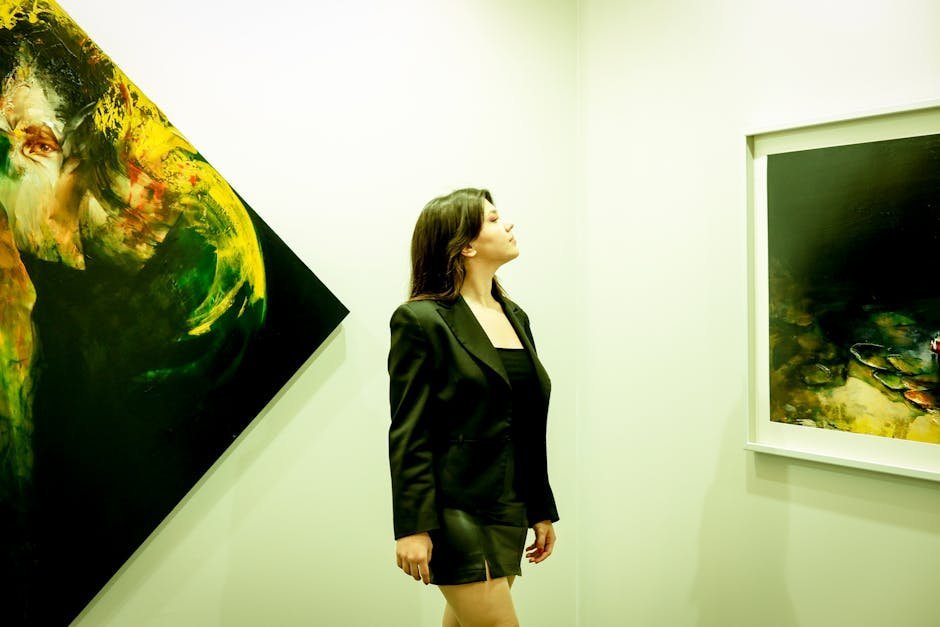
Each of these artists faced reviews that measured new work against earlier successes and found it lacking. The pattern repeats because critics work within the expectations of their moment, while artists often move ahead of those expectations.
Time allows distance from immediate reactions and reveals connections that were not obvious at first. What once looked like decline or repetition can later appear as necessary evolution, reminding us that judgment in art is rarely final.

- 37 Songs From the ’60s and ’70s With Meanings No One Caught the First Time - August 31, 2026
- 12 Legendary Concert Venues That Witnessed Unforgettable Musical Moments - August 31, 2026
- 10 Iconic Speeches That Dramatically Shaped Modern History - August 31, 2026

