

For any feedback please reach out to info@festivalinside.com
- 12 Literary Feuds So Intense, They Changed the Course of Literature - August 11, 2026
- 10 Mysterious Disappearances of Famous Figures That Still Puzzle Experts - August 11, 2026
- 10 Foods We Thought Were American But Were Actually Invented Somewhere Else. - August 11, 2026
Musical evolution often leaves behind instruments that once shaped entire genres. Shifts toward louder, more versatile designs in orchestras and bands pushed many historical tools aside. These changes favored projection in larger venues and easier playability for new styles.
Yet their unique timbres defined medieval chants, Renaissance consorts, Baroque operas, and early electronic experiments. Rediscovering them reveals how innovation both builds and buries musical legacies.[1][2]
Hurdy-Gurdy
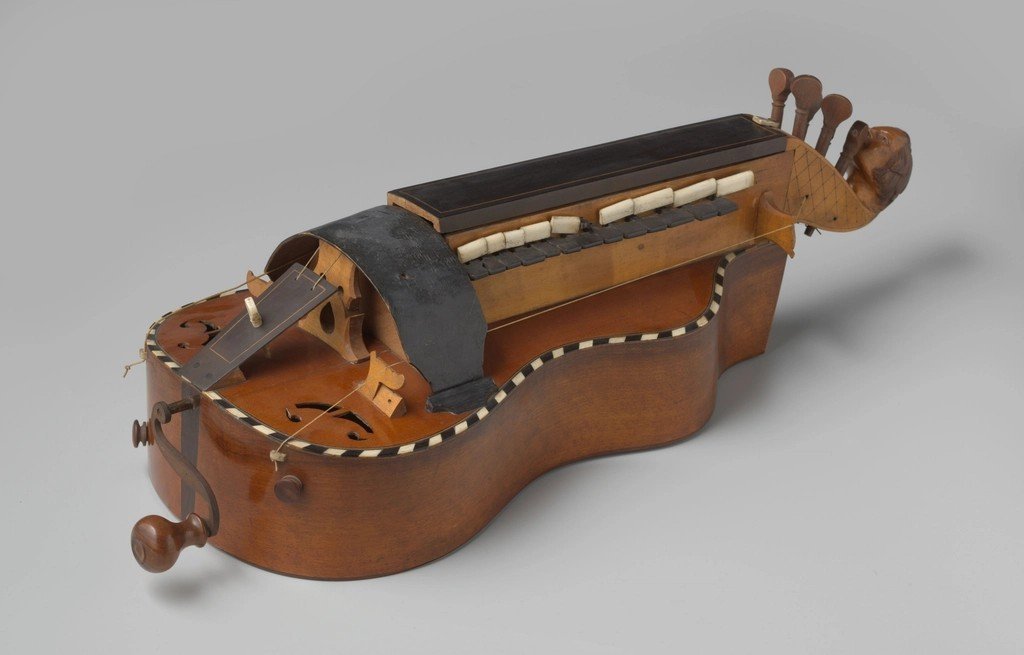
A hand-cranked wheel rubs against rosined strings to produce continuous tones, much like a bow on a violin. Tangents from a keyboard press the strings for melody notes, while drone strings add a bagpipe-like hum. A buzzing bridge on the trompette string creates rhythmic effects.
Popular from the 10th century in medieval church music and Renaissance folk dances, it graced French Rococo courts too. Tastes shifted to complex polyphony by the late 17th century, demoting it to peasant use. Traditions endure in Eastern Europe, with modern players like Nigel Eaton blending it into world fusion.[1]
Sackbut
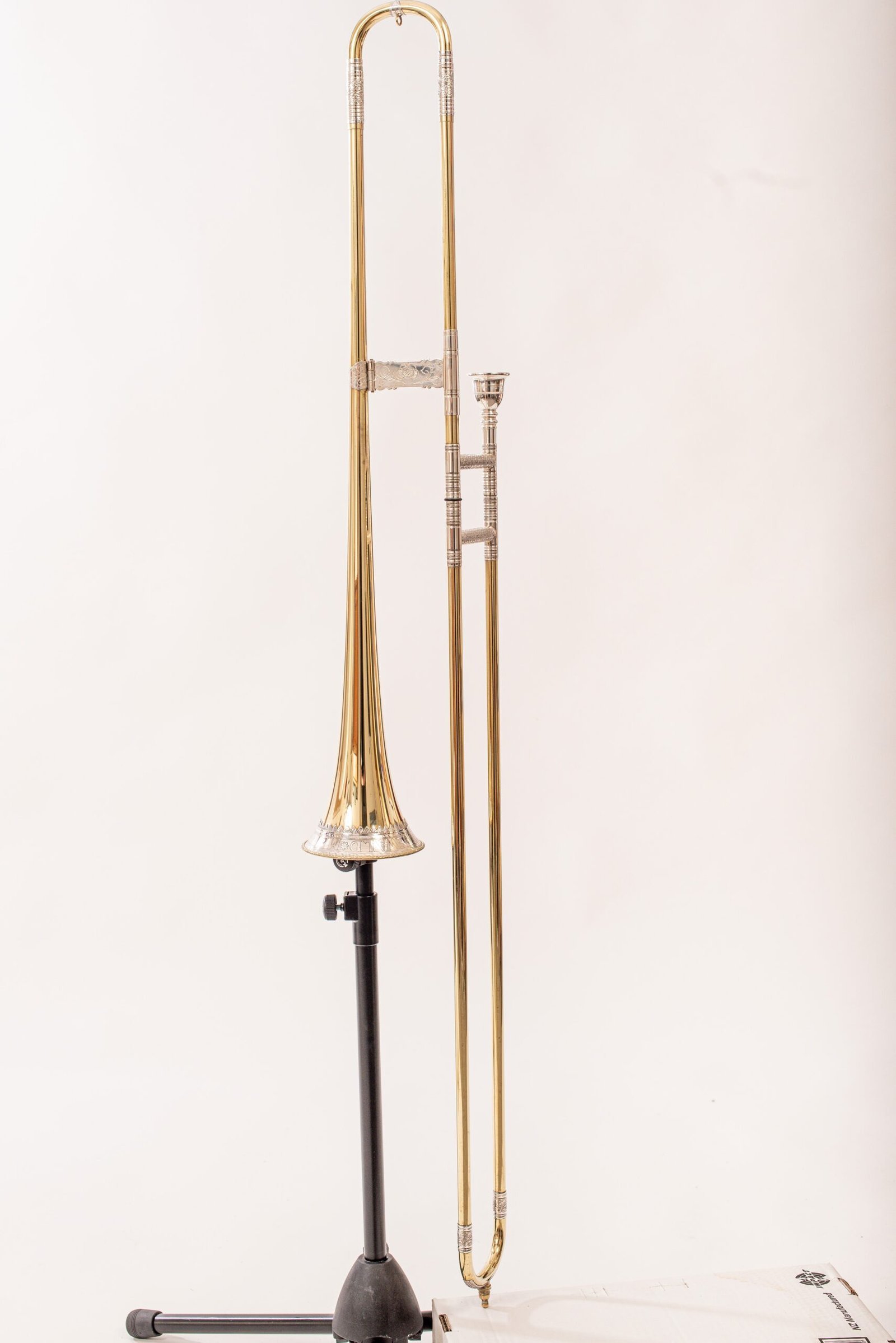
This early trombone uses a sliding U-shaped tube to adjust pitch, with a narrow bore for a mellow blend. Lip vibration into the cup mouthpiece yields a covered tone perfect for voices and winds. Its smaller bell keeps the sound intimate.
From mid-15th-century Renaissance bands to Baroque polychoral works by Gabrieli and Monteverdi, it anchored sacred and operatic music. Wider bores and valves in the 18th century made modern trombones take over. Replicas now shine in early music groups like the Gabrieli Consort.[2]
Serpent
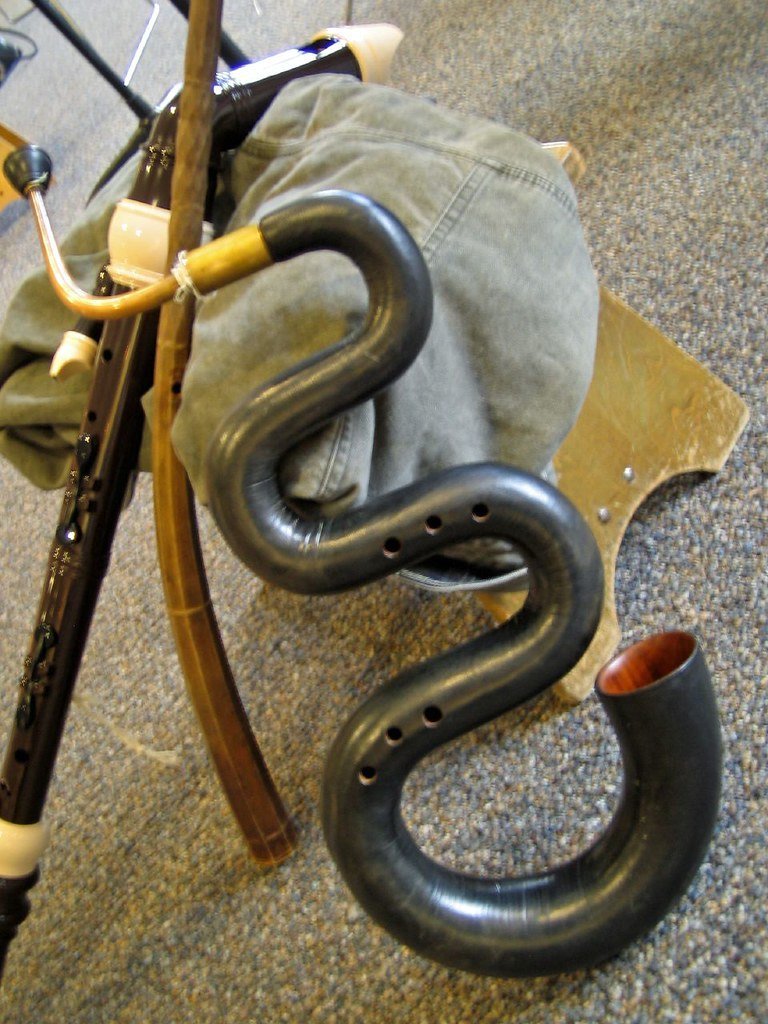
Wooden with leather covering forms a conical bore, fingered via six holes and lipped like a brass. The upright position between the knees aids control over its two-and-a-half octave range. Challenging fingerings prioritize reach over perfect intonation.
Late 16th-century France birthed it for church bass lines, later in Handel’s fireworks and Berlioz symphonies. Ophicleides and tubas offered better range by the 19th century. Revived mid-20th century, it appears in jazz and game scores today.[3])
Theorbo
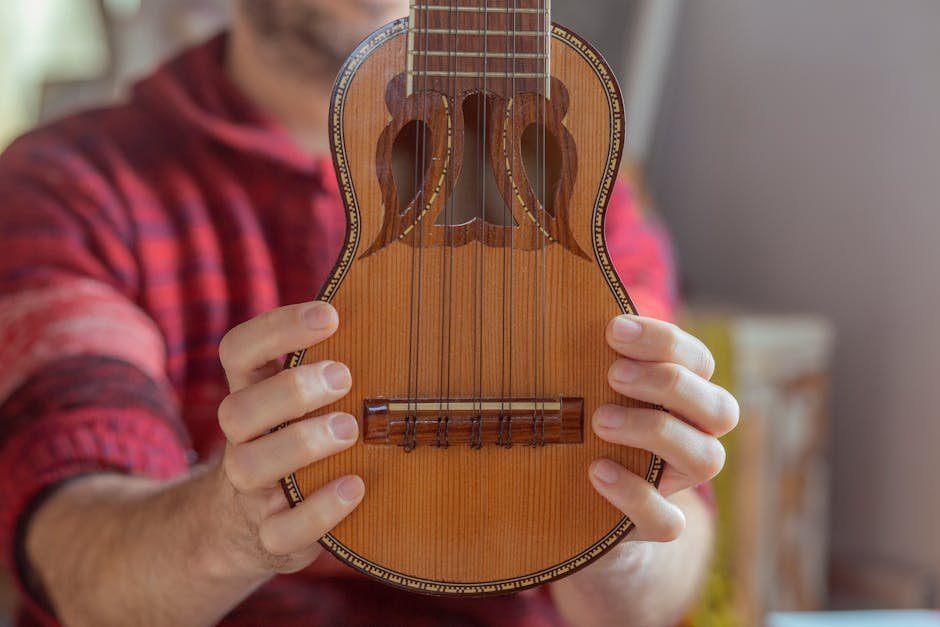
Plucked like a lute, its extended neck holds extra bass strings tuned lower for continuo depth. The re-entrant tuning allows cello-like range from a compact body. Thumb and fingers alternate for bass and melody.
Late 16th-century Italian opera demanded it, defining Baroque chamber and continuo roles with Monteverdi. Size and tuning mismatched Classical simplicity post-1750. Early music stars like Paul O’Dette now champion its solo repertoire.[4]
Crwth
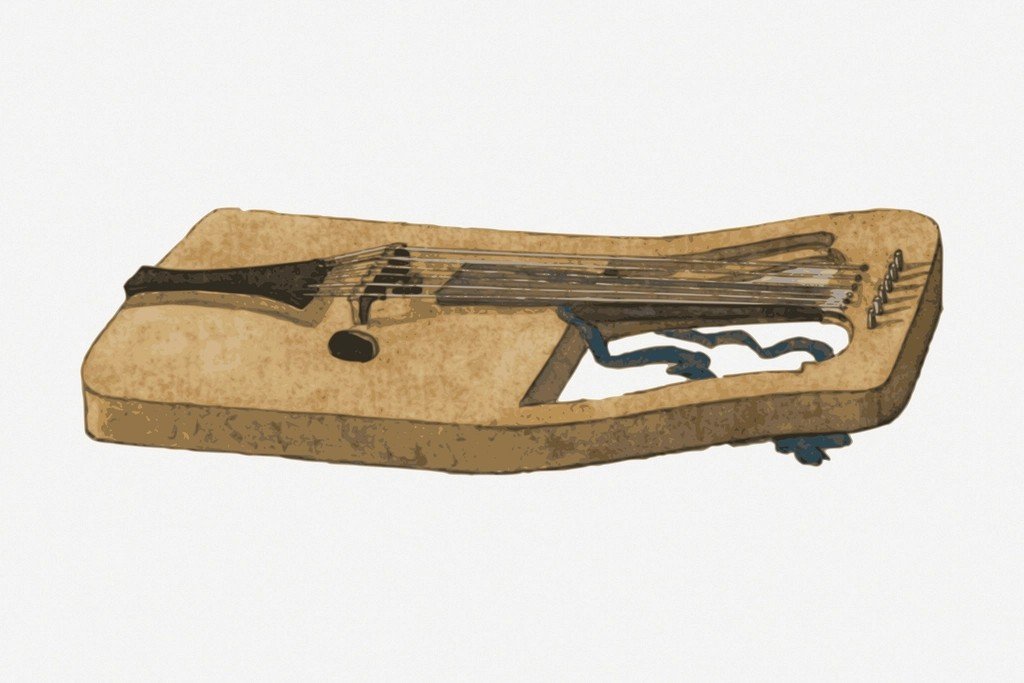
Bowed lyre with six strings, two as thumb-plucked drones, yields a soft, rough timbre. Gut strings over a box body and horsehair bow create octave melodies. Fretted fingerboard guides precise intonation.
Medieval Welsh folk elevated it beside the harp, bridging lyres to fiddles. Violins offered more versatility by the modern era. Folk revivalists like Cass Meurig record new takes on ancient tunes.[5]
Nyckelharpa
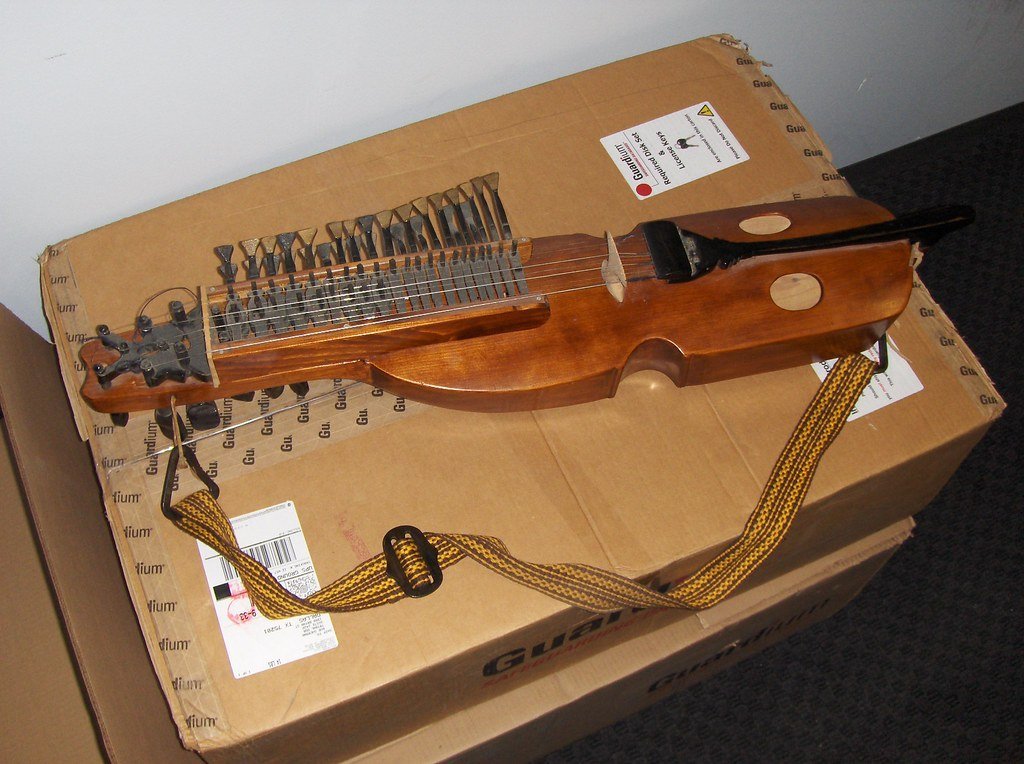
Keys press tangents on bowed strings for melody, drones hum constantly, and sympathetic strings resonate. Underarm hold with a sling frees bowing motion. Chromatic versions expand folk possibilities.
Medieval churches depicted it, peaking in 17th-century Swedish folk with spelmän. Violins overshadowed its sound by the 1600s. 1960s innovators like Eric Sahlström sparked a boom, now in Eurovision and film scores.[6]
Glass Harmonica
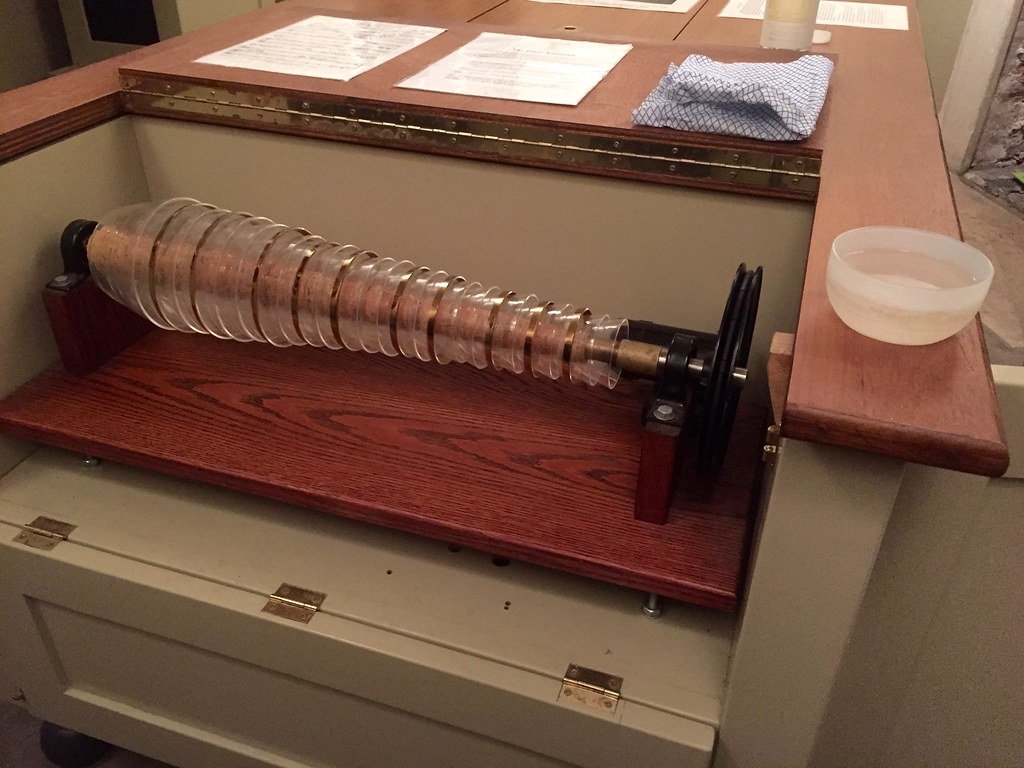
Foot pedal spins glass bowls on a spindle; wet fingers rub rims for friction tones. Pressure swells volume, colors mark pitches. Up to ten notes sound at once.
Franklin’s 1761 invention suited Empfindsamkeit, inspiring Mozart and Beethoven. Fragility and quietness faded it by 1830 amid louder orchestras. Quartz replicas fuel modern operas and pop experiments.[7]
Ondes Martenot
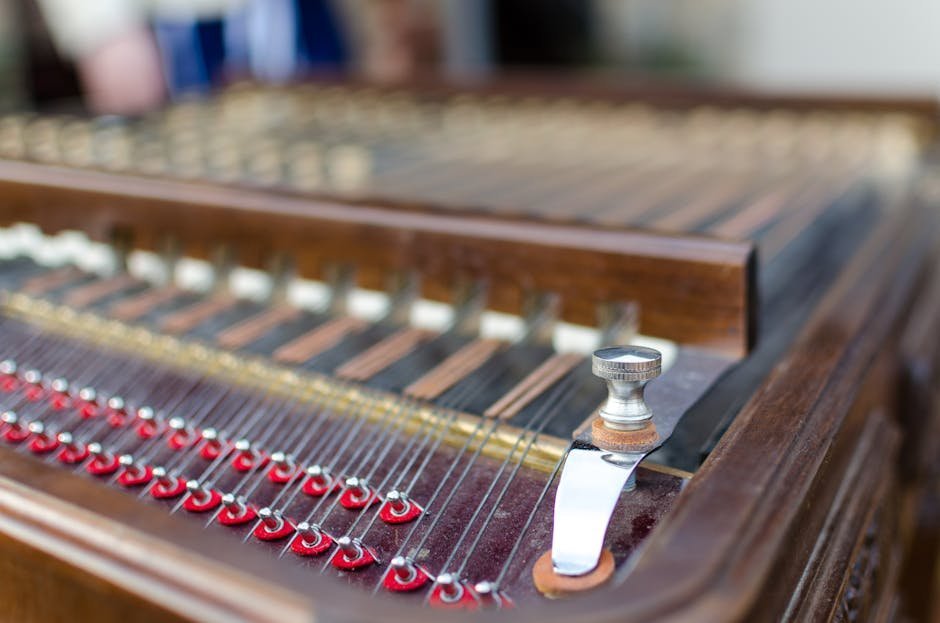
Wire ring glides for pitch, drawer controls timbre via oscillators and filters. Special speakers add gong or chime effects. Keyboard aids vibrato.
1928 debut shaped French electronic classical, like Messiaen’s symphonies. Custom builds limited spread post-1980s. Replicas grace Radiohead albums and Adès operas now.[8]
Theremin
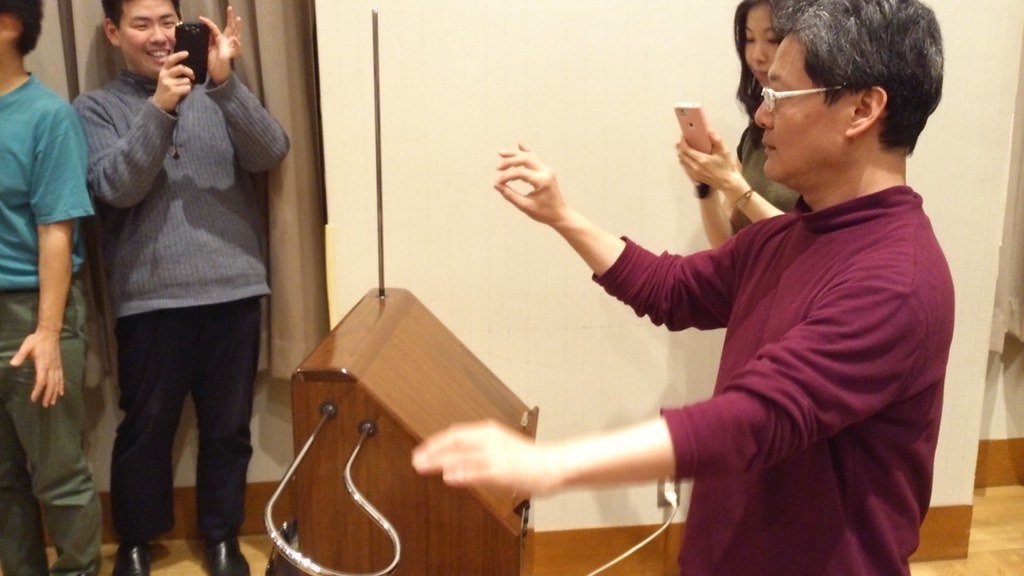
Hand proximity to antennas alters oscillators for pitch and volume via capacitance. No touch needed, pure gesture control. Heterodyne beats yield eerie tones.
1920 Soviet birth defined sci-fi scores and Varèse experiments. Easier synths sidelined it after WWII. Moog kits and players like Carolina Eyck keep it alive in rock and concertos.[9]
Trautonium
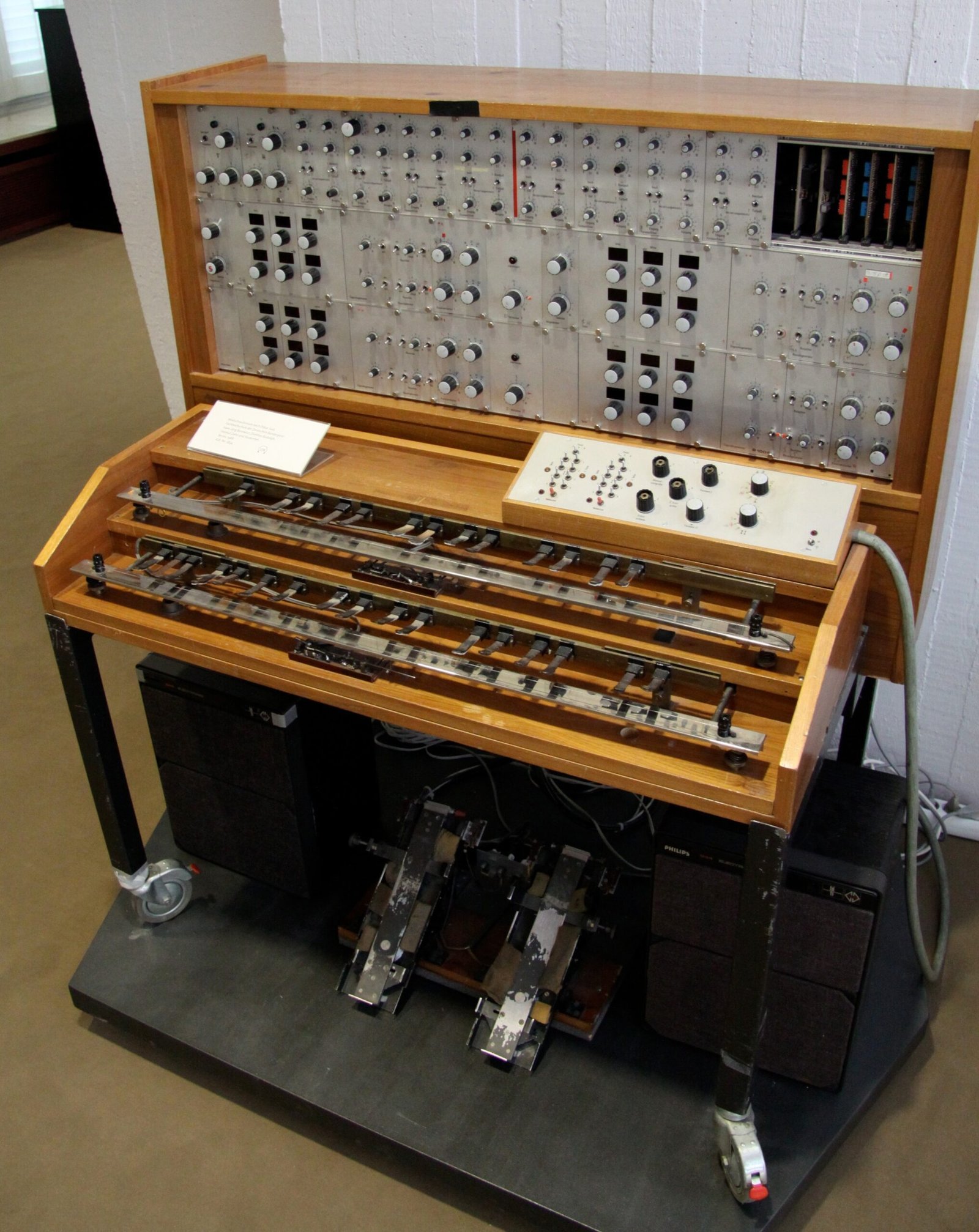
Finger presses wire over plate for pitch, pressure sets volume; filters shape sawtooth waves. Foot pedals mix timbres. Glissandi enable microtones.
1930 Berlin launch fit Hindemith concertos and Strauss effects. Niche production halted by 1935. Oskar Sala’s Mixtur version influences Obel albums today.[10]
Crumhorn
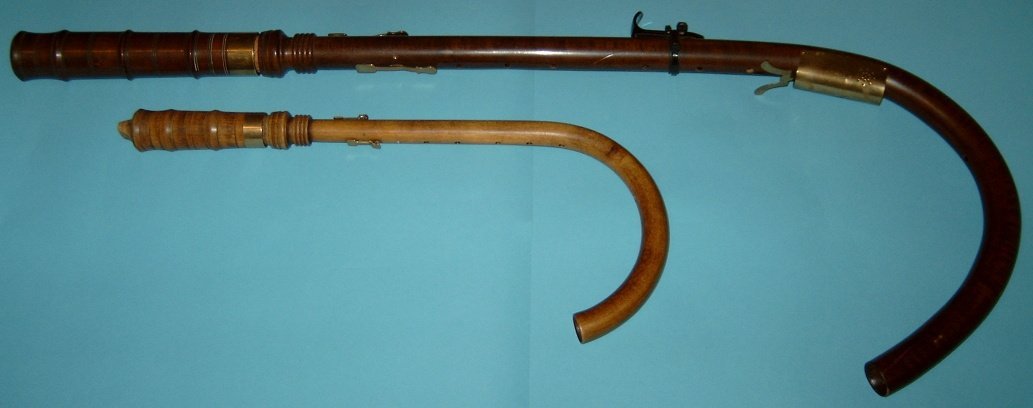
Capped double reed in windcap buzzes through finger holes for a limited ninth range. J-curve bell adds visual flair. Underblowing drops pitch.
Renaissance consorts of soprano to bass defined dance and sacred polyphony. Post-Renaissance winds eclipsed it. 1960s early music boom brought replicas to life.[11]
Shawm
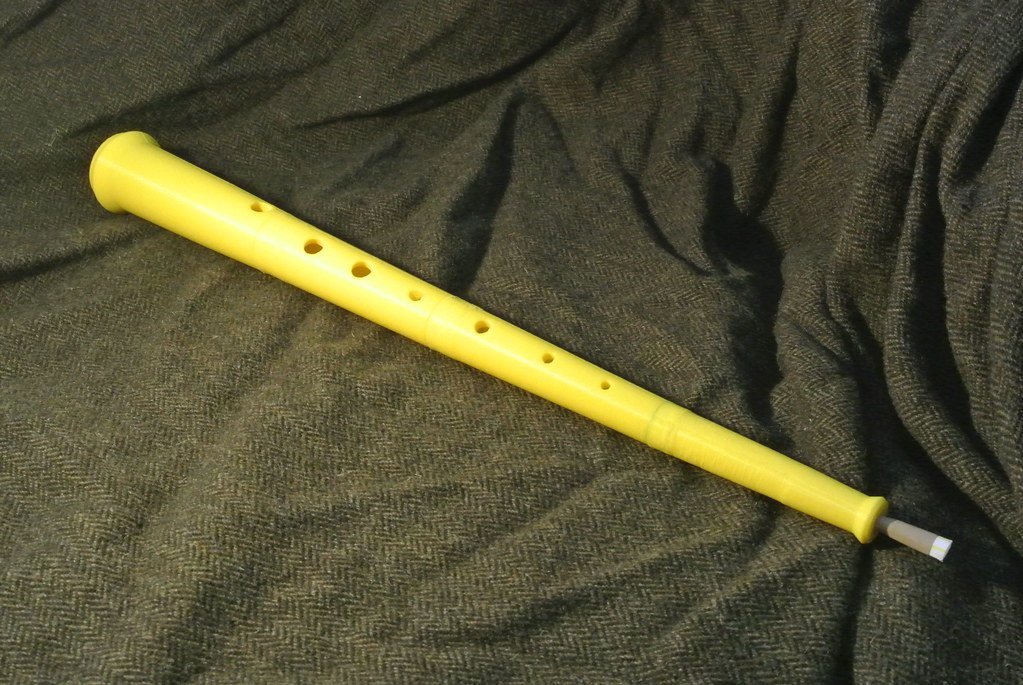
Double reed in conical bore with pirouette yields piercing outdoor calls. Flared bell amplifies power. Limited dynamics suit parades.
12th-century Crusades import starred in medieval town bands and Maya rituals. Oboes refined control by 1700. Ensembles like Piffaro revive it for dances.[12]
Viola da Gamba
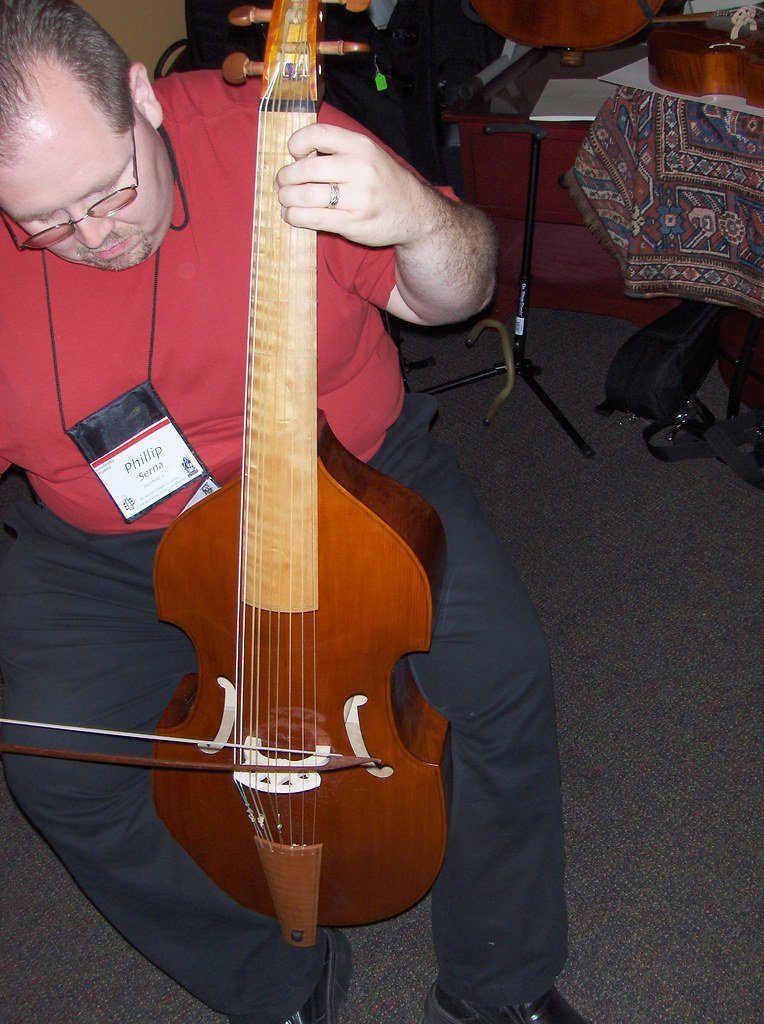
Fretted bowed strings in fourths tuning, underhand grip on leg-held body. Gut frets ensure purity. Softer than violin family.
15th-century vihuela spawn ruled Renaissance consorts and French Baroque solos. Larger halls demanded violin projection by 1750. Dolmetsch revival fills festivals with Fretwork today.[13]
Ophicleide
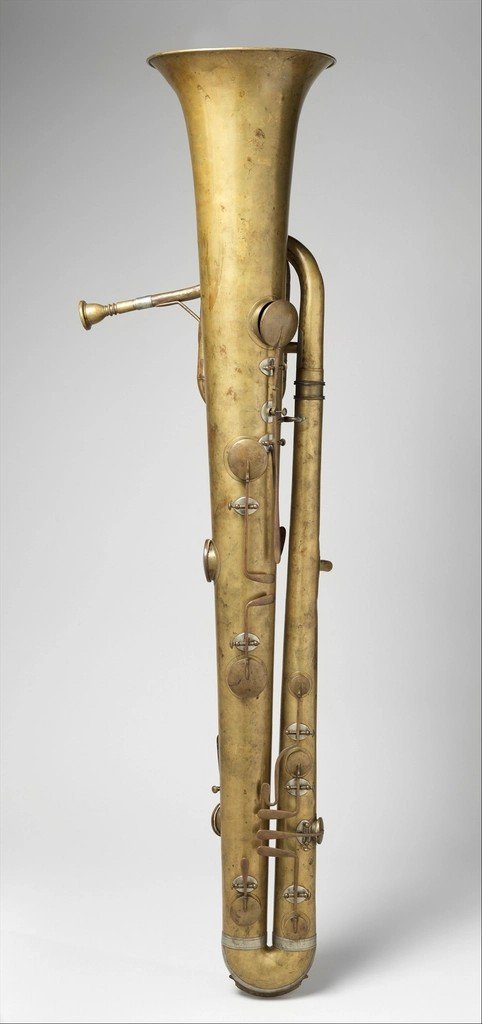
Keyed conical brass with cup mouthpiece; levers open holes for notes. Embouchure hits partials. Upright serpent kin.
Early 19th-century France powered Berlioz and Verdi bass lines. Tubas improved valves ended its run. British ensembles premiere new concertos now.[14]
Dulcian
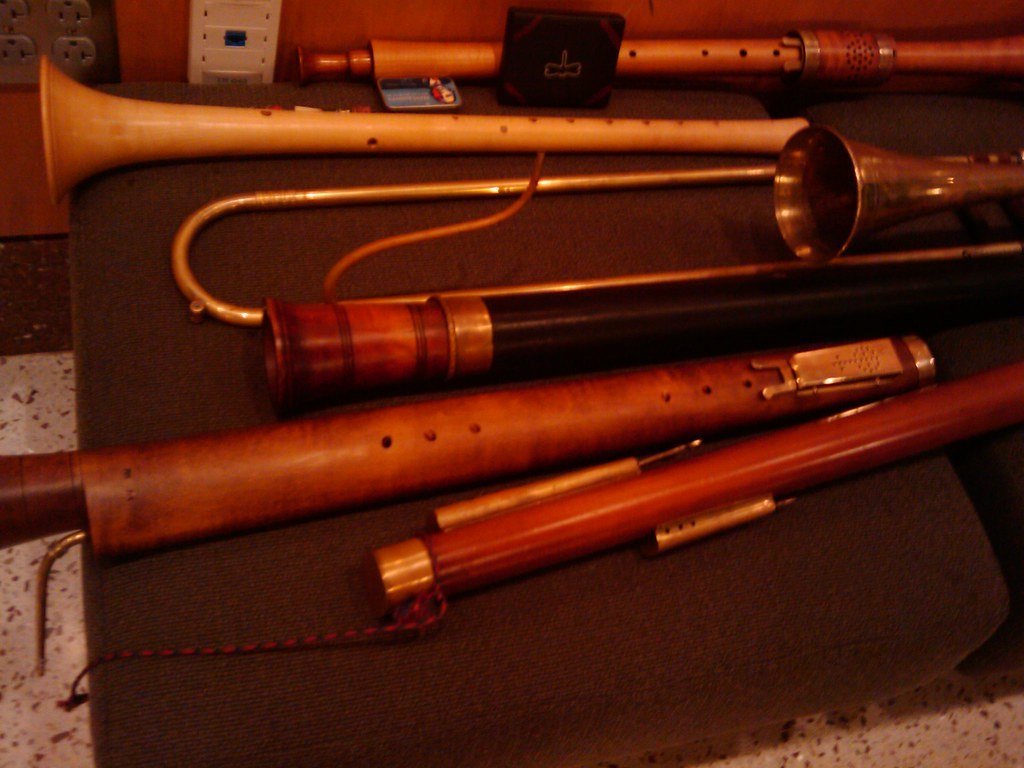
Double reed on folded conical bore from single maple block. Exposed reed allows nuance. Bass to soprano sizes.
1550-1700 Renaissance chamber and choirs favored it pre-bassoon. Baroque bassoon refined the design. Copies aid modern polychoral revivals.[15]
Rediscovering Forgotten Sounds
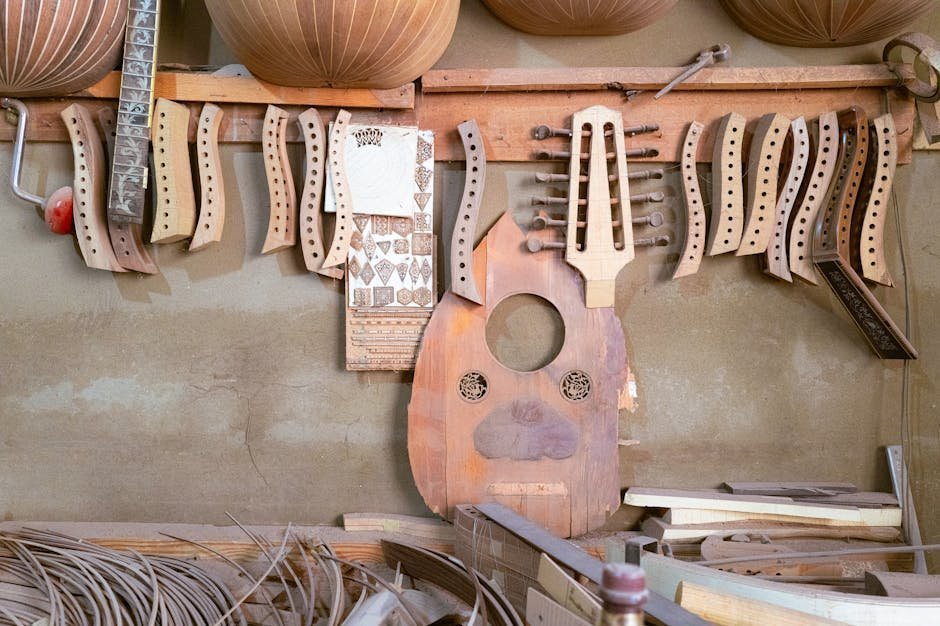
These instruments remind us that music progresses by layering old tones into new contexts. Revivalists rebuild replicas and compose afresh, bridging eras.
Preserving them honors the ingenuity behind classic sounds. In a digital age, their tactile quirks offer fresh paths forward.[6]

Christian Wiedeck, all the way from Germany, loves music festivals, especially in the USA. His articles bring the excitement of these events to readers worldwide.
For any feedback please reach out to info@festivalinside.com
