

- 8 Gardening Hacks That Will Make Your Roses Bloom Like Never Before - August 11, 2026
- 8 Incredible Beaches Around the World You Won’t Believe Are Real - August 11, 2026
- 10 Classical Music Masterpieces That Will Transport You Through Time - August 11, 2026
Board games gather people around a table, turning idle evenings into arenas of choice and consequence. Players learn decision-making through calculated moves, where one misstep can shift the entire game. Social bonds strengthen amid laughter, rivalries, and the occasional heated debate over rules.
These classics do more than entertain. They weave in strategic thinking and life lessons, often without players noticing until years later.
Monopoly
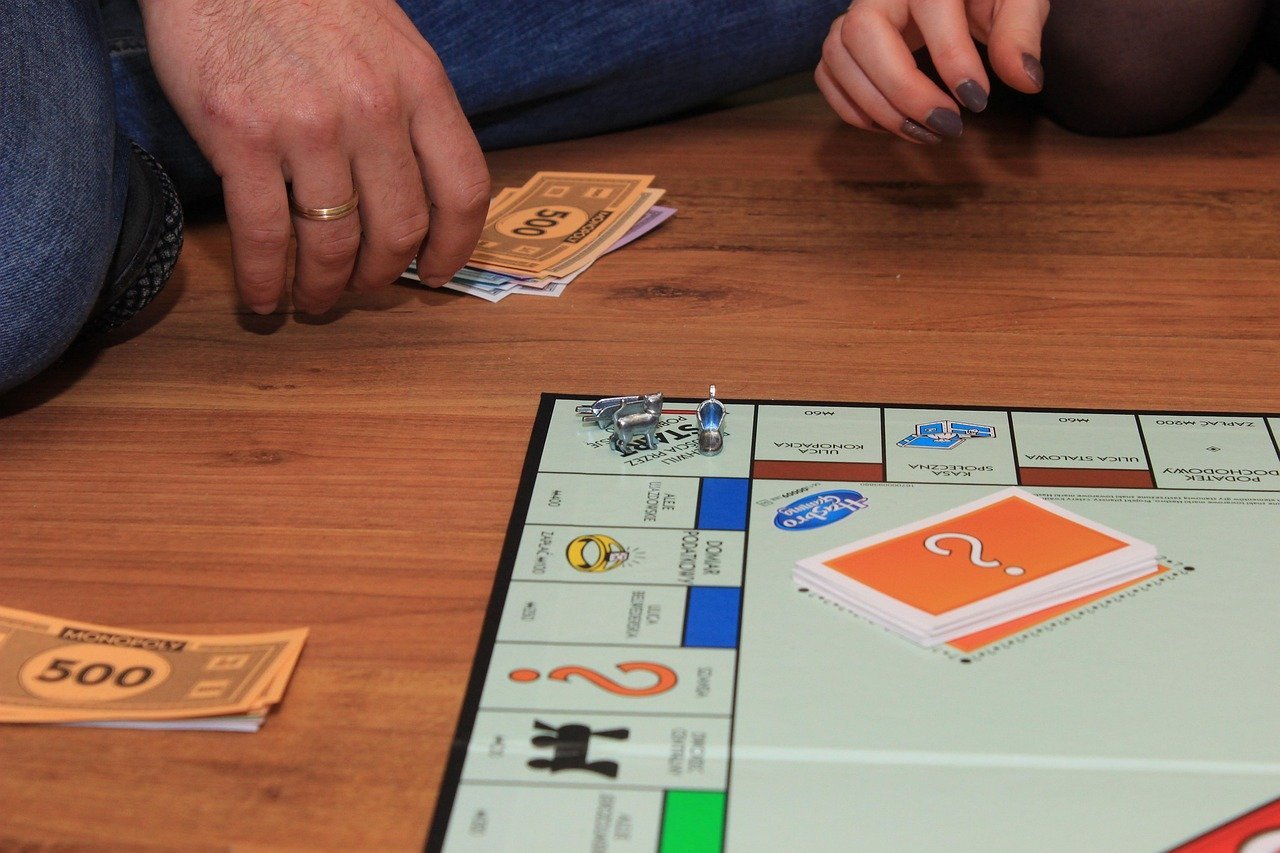
Players circle a board buying properties, building houses, and collecting rent from opponents who land on their spaces. Dice dictate movement, but smart trades and hotel investments turn small fortunes into empires. Bankruptcy looms for the careless, forcing constant adaptation to others’ strategies.
The game mirrors real estate risks and cash flow management. It teaches negotiation as players haggle over deals, revealing how alliances form and break. Patience pays off, since rushing into debt often leads to downfall, much like impulsive life choices.
Chess

Two players command armies on an 8×8 grid, maneuvering pawns, knights, bishops, rooks, queens, and kings toward checkmate. Each piece moves uniquely, demanding foresight several turns ahead. Sacrifices open paths to victory, balancing attack with defense.
Strategic depth builds foresight and adaptability. Players anticipate rivals’ plans, learning to pivot when threats emerge. This echoes life’s need for long-term planning amid uncertainty, where protecting your position proves as vital as advancing.
Checkers
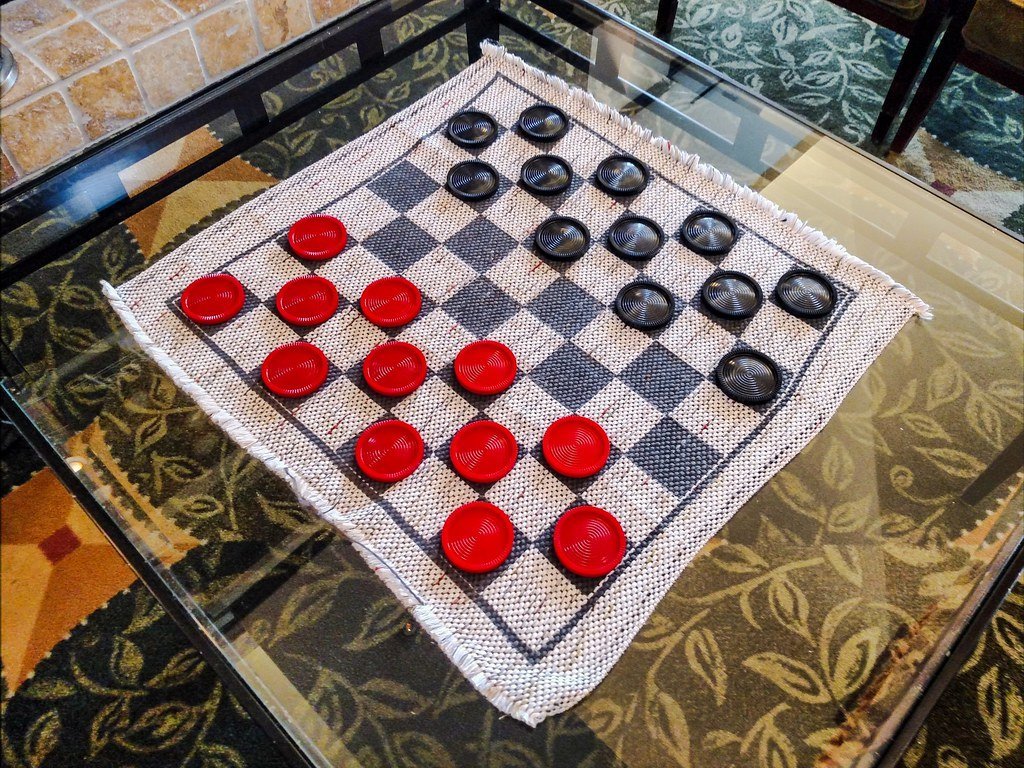
Twelve pieces per player jump diagonally across a checkered board, capturing foes by landing beyond them. Kings gain backward movement for greater power. Simple rules hide layers of positioning and timing.
Forced captures teach commitment to opportunities. Controlling the board’s center offers advantages, stressing territorial awareness. It instills resilience, as comebacks from early losses show steady play often trumps early leads.
Scrabble
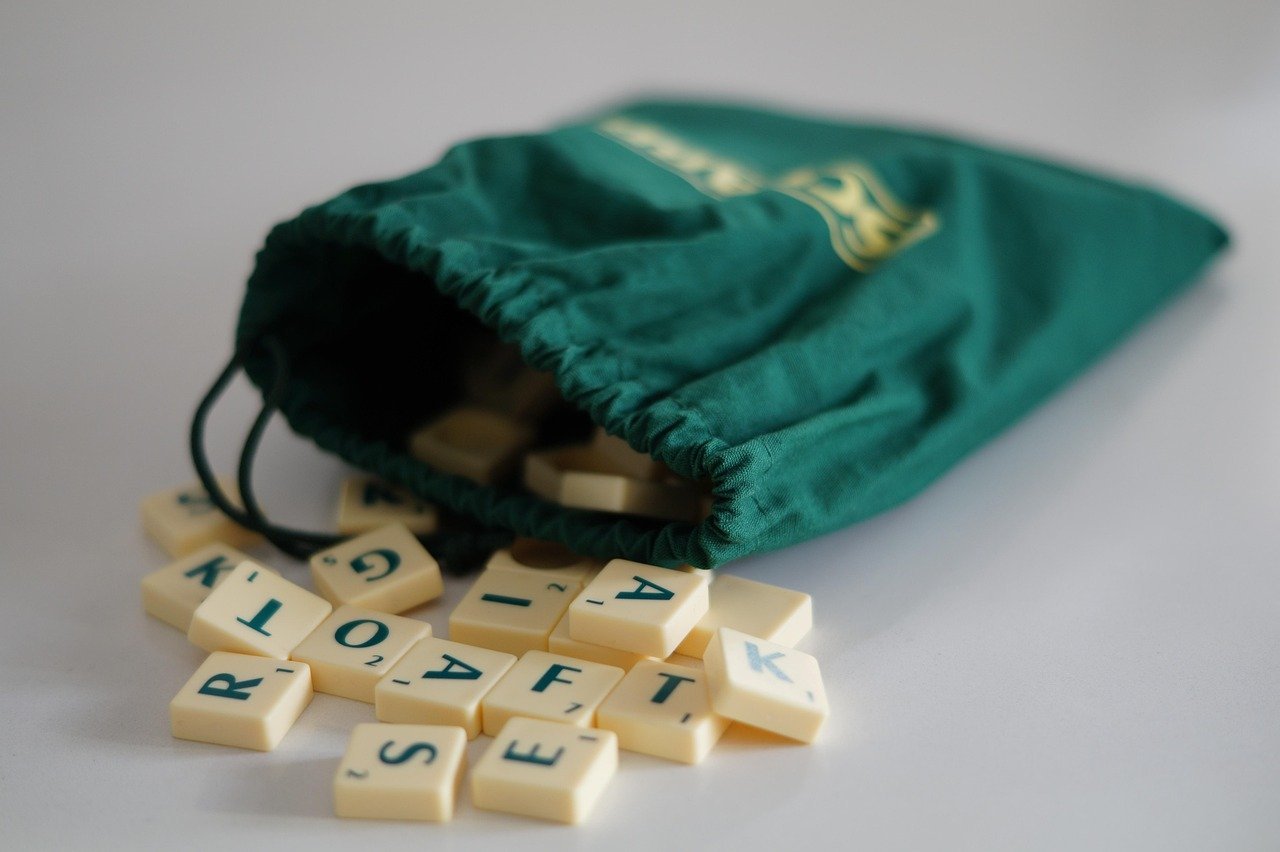
Players form words from letter tiles on a grid, scoring via length, placement, and bonus squares. Limited tiles force vocabulary choices and board positioning. Challenges to invalid words add tension.
Resource management shines, balancing high scores against blocking opponents. Creativity under constraints fosters innovative thinking. Life parallels emerge in leveraging strengths, like turning obscure knowledge into unexpected wins.
Clue

Suspects, weapons, and rooms hide a murder mystery solved by deduction. Players roll dice to move, peek at cards, and make secret notes. Accusations test gathered clues against possibilities.
Bluffing and misinformation sharpen observation skills. Eliminating impossibilities hones logical reasoning. It reflects real-world investigations, where piecing evidence demands patience and avoiding premature conclusions.
Risk
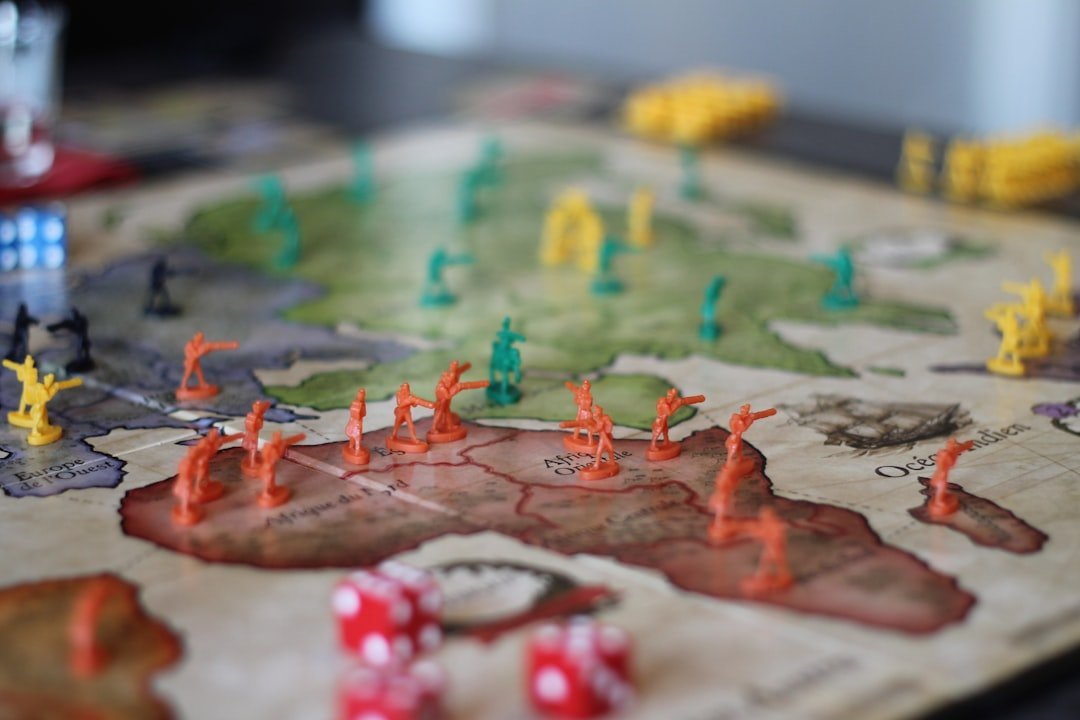
Armies clash over a world map, with players fortifying territories and attacking neighbors via dice battles. Alliances shift as continents yield bonus troops. Elimination crowns the conqueror.
Territorial control teaches risk assessment in assaults. Diplomacy proves fleeting, mirroring fragile partnerships. Spreading forces too thin invites defeat, underscoring focused priorities in pursuits.
Battleship
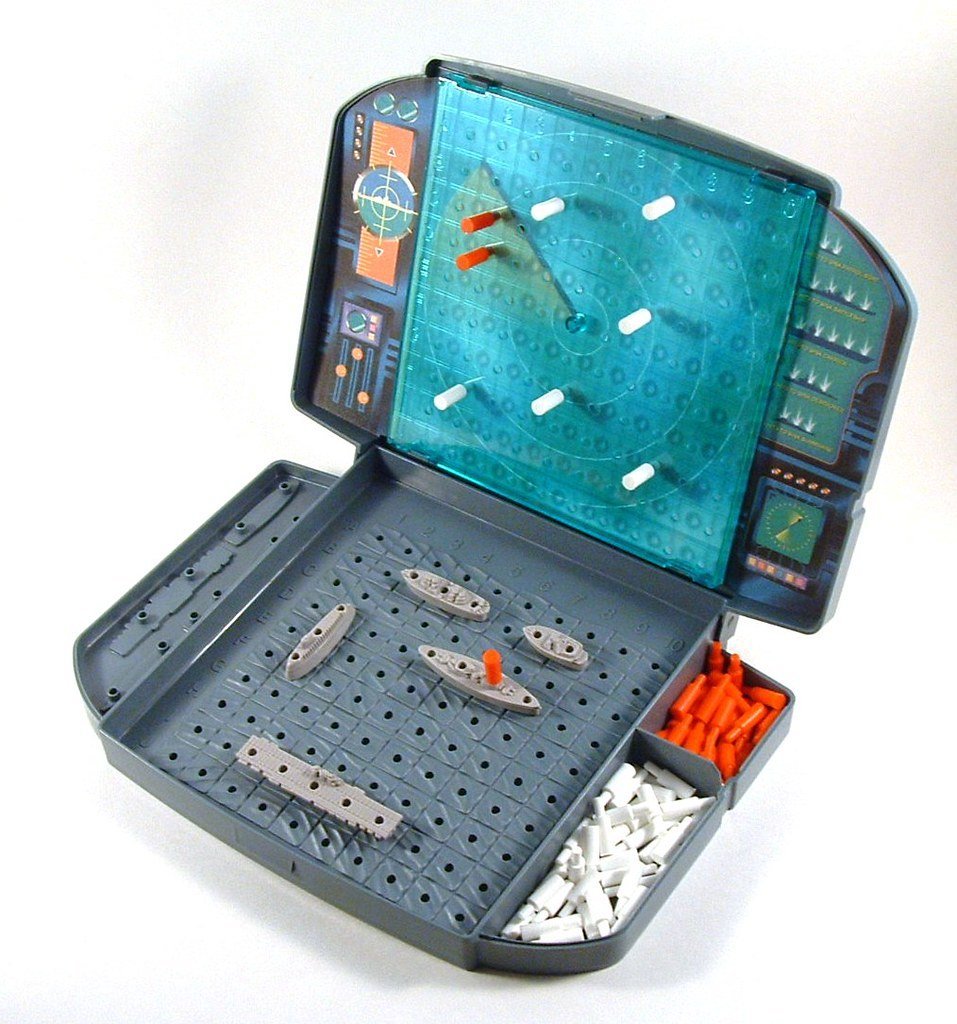
Hidden fleets occupy grids, struck by coordinate guesses from opponents. Sinking all five ships wins, with hits prompting follow-ups. Salvo rules speed hunts in variants.
Pattern recognition uncovers enemy layouts efficiently. Probability guides shots toward likely spots. This builds methodical persistence, akin to problem-solving where hunches refine into strategies.
The Game of Life
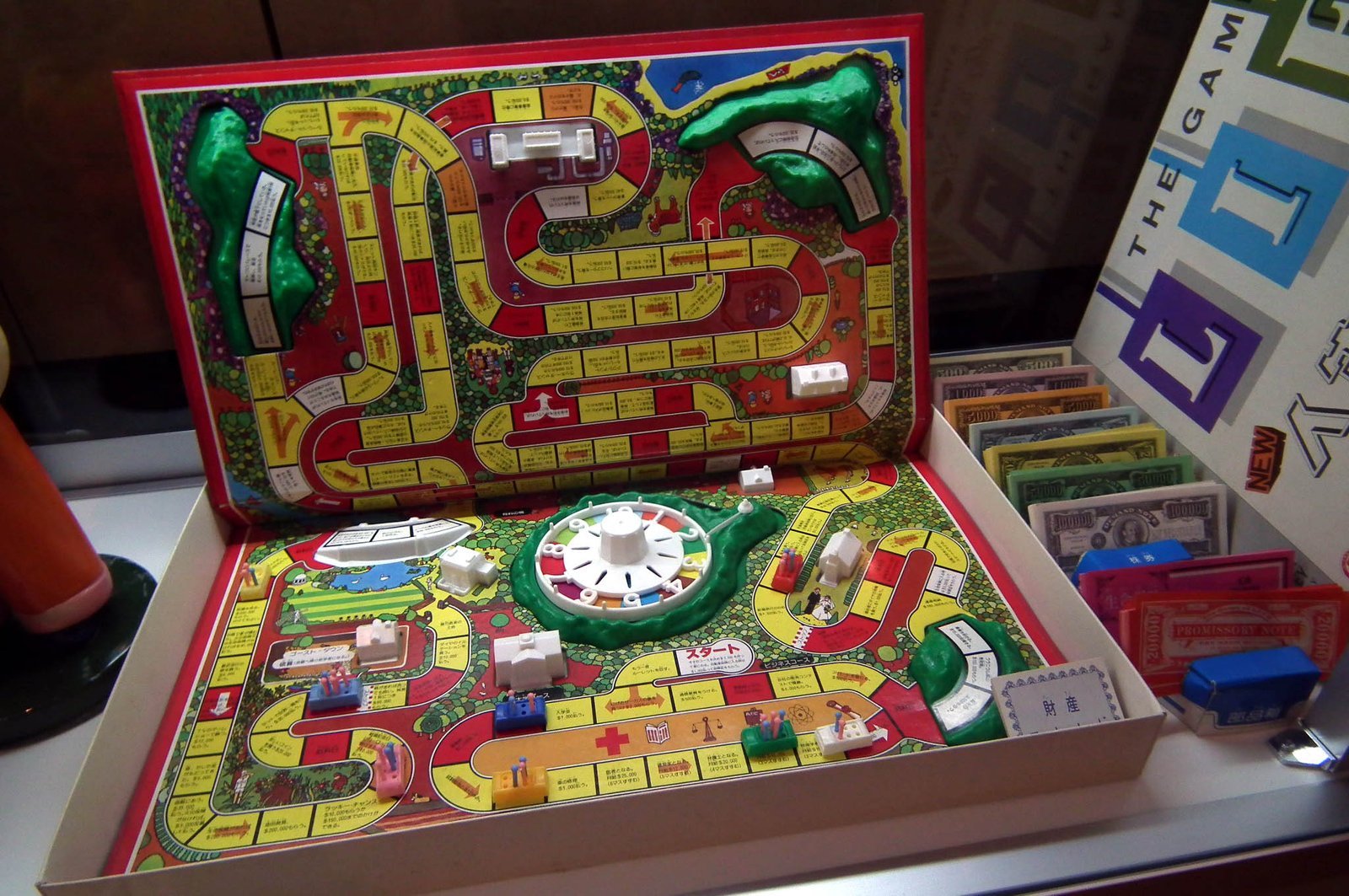
Spinners advance cars through career choices, family decisions, and financial pitfalls. Paydays balance investments like stocks or real estate. Retirement tallies net worth.
Random events highlight life’s unpredictability. Diverse paths show multiple roads to success, not just wealth. It encourages weighing family versus fortune, fostering balanced perspectives.
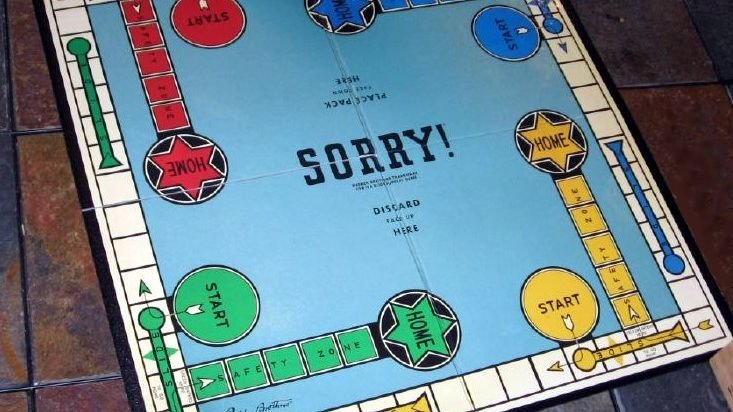
Sorry!
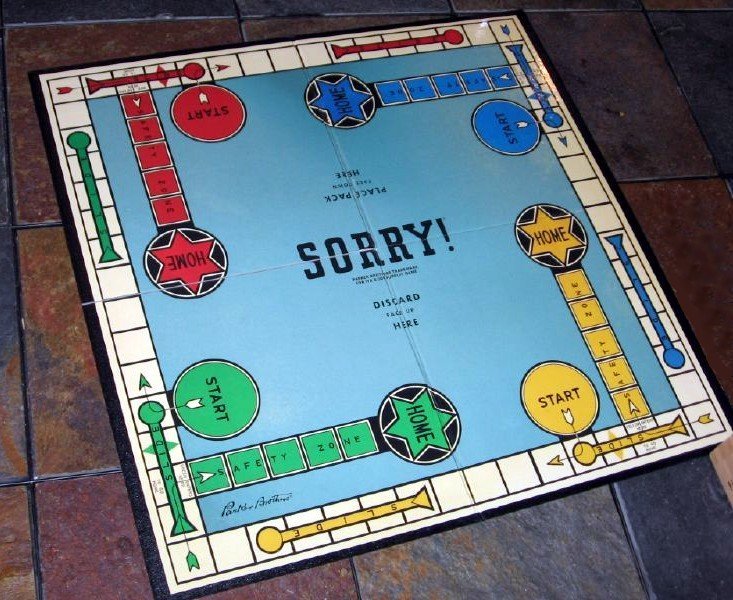
Pawns race home via cards dictating moves, bumps sending rivals back to start. Safety zones offer refuge near the end. Four players heighten collisions.
Sabotage without mercy teaches competitive edge. Timing slides and swaps demands opportunism. Recovery from setbacks builds grit, reflecting life’s need to rebound from disruptions.
Backgammon

Dice propel checkers around a triangular board, with captures and bar entries adding hurdles. Doubling cubes raise stakes on strong positions. Bearing off completes the race.
Probability blends with positioning for dynamic play. Blot-hitting risks retaliation, teaching calculated aggression. Flexibility in adapting rolls parallels navigating chance in endeavors.
Connect Four

Discs drop into columns on a vertical grid, aiming for four in a row horizontally, vertically, or diagonally. Gravity stacks pieces, blocking foes. Space fills quickly.
Threat creation forces defensive responses. Center control maximizes options, emphasizing prime positioning. It cultivates endgame vision, where traps spring from patient builds.
Candy Land
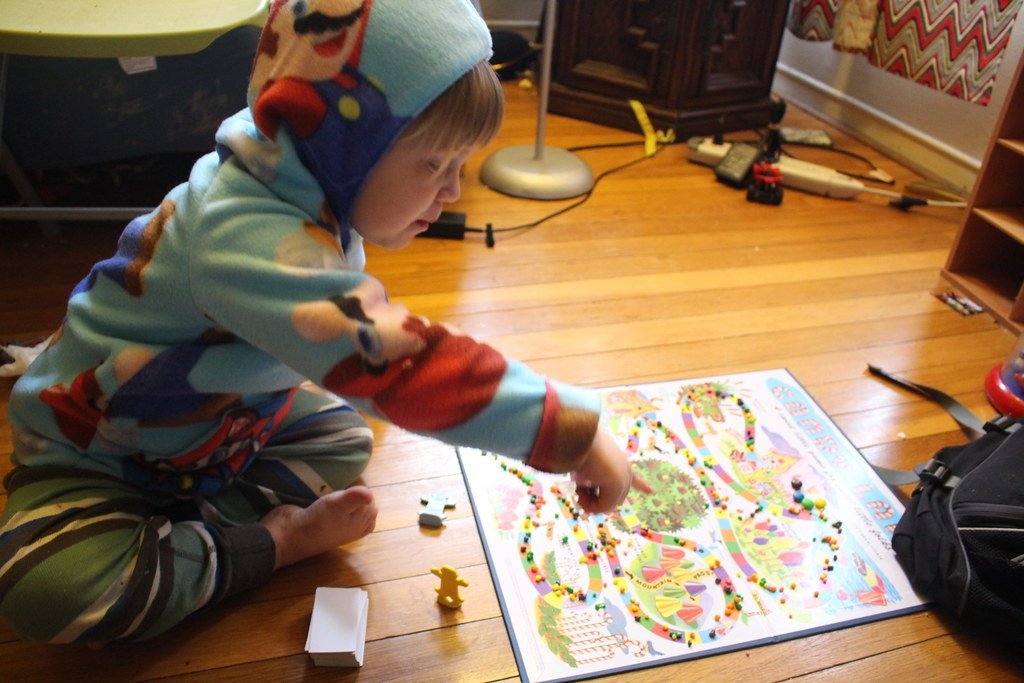
Draw cards match colors or pictures to advance a path to the candy castle. No choices intervene; pure luck dictates progress. Double moves speed leaders.
Even in chance-driven games, patience tempers frustration from setbacks. Waiting turns teaches sharing spotlight. It subtly instills acceptance of uncontrollable twists, a core life skill.
Conclusion

These board games linger in memory, their mechanics shaping how we approach challenges. Strategy emerges from repetition, turning play into practice for tougher arenas.
Next time a game unfolds, notice the quiet wisdom unfolding too. Play on; the lessons endure.

Besides founding Festivaltopia, Luca is the co founder of trib, an art and fashion collectiv you find on several regional events and online. Also he is part of the management board at HORiZONTE, a group travel provider in Germany.
