

For any feedback please reach out to info@festivalinside.com
- 15 Forgotten TV Show Theme Songs That Are Still Incredibly Catchy - August 31, 2026
- Every Masterpiece Holds a Secret Story of Its Creation Within Its Depths. - August 31, 2026
- 10 Groundbreaking Scientific Discoveries That Revolutionized Daily Life - August 31, 2026
Songwriters often weave layers of symbolism into their words, turning simple phrases into puzzles that listeners unravel differently. What sounds like a straightforward sentiment can hide deeper metaphors about life, loss, or society. This ambiguity sparks endless debate, as fans latch onto surface meanings while missing the poet’s true intent.
These hidden depths keep songs alive across generations. Symbolism invites personal projection, yet it frequently leads to widespread confusion over what the artist really meant.[1]
“Every new beginning comes from some other beginning’s end” from Closing Time by Semisonic
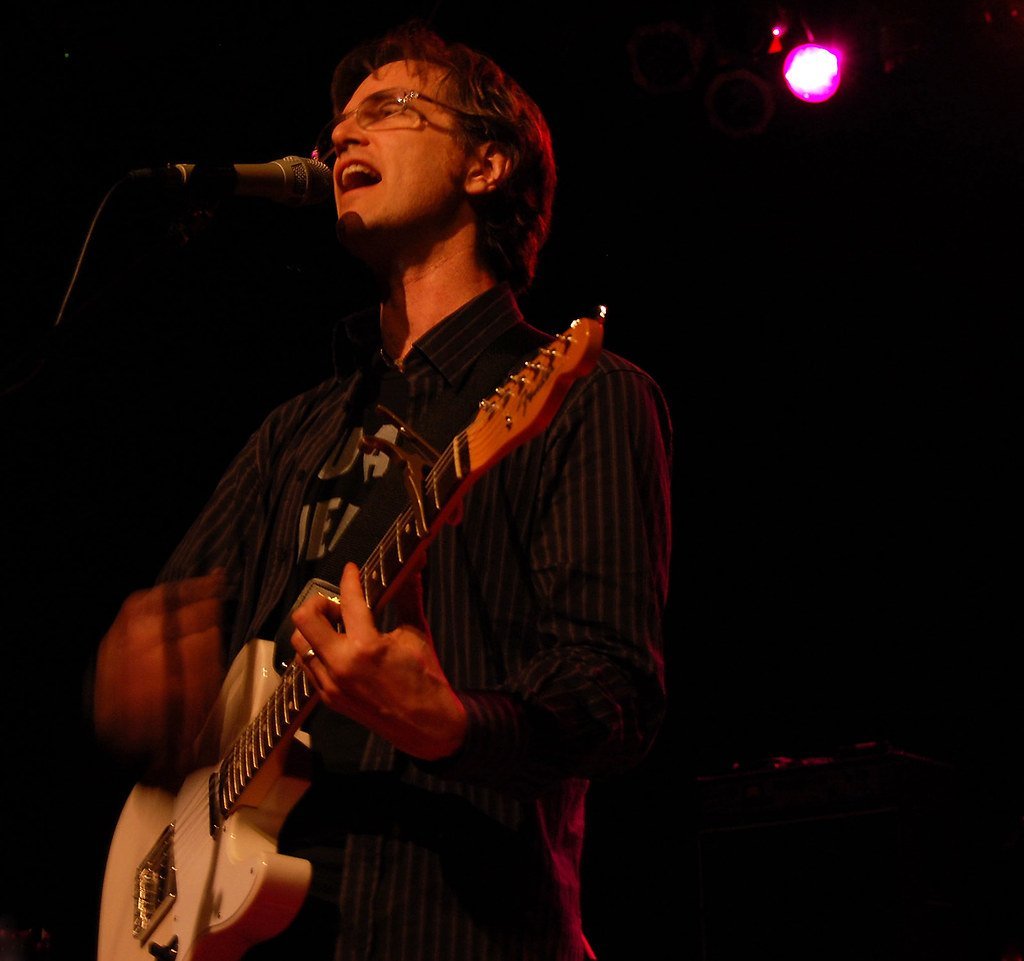
Listeners often take this line as a bartender’s cue to clear out the last stragglers at closing time. It fits the weary end-of-night vibe perfectly in bars and clubs. Many picture a neon sign flickering off, signaling one party’s finish.
The real symbolism points to childbirth, where every new life emerges from another’s end. Frontman Dan Wilson drew from his newborn experience, framing birth’s miracle amid hospital chaos. This twist recasts the song as a parental anthem, not a drinking ditty.[1]
“Imagine no possessions, it’s easy if you try” from Imagine by John Lennon
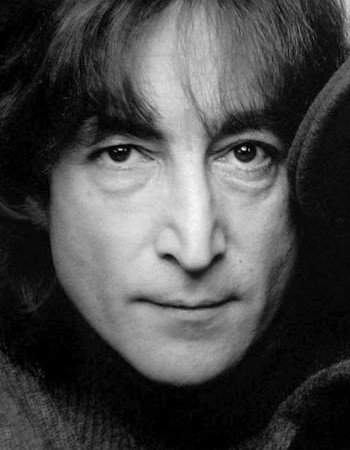
Fans embrace this as a dreamy call for global unity and shared harmony. It inspires peace rallies and feels like pure optimism. The vision of no countries or religions strikes many as idealistic brother- and sisterhood.
Lennon actually layered in communist ideas, calling it a sugarcoated Communist Manifesto. He aimed to challenge materialism head-on, urging radical wealth redistribution. This political edge sharpens the lyric’s bite beyond feel-good vibes.[1]
“Turn around, bright eyes” from Total Eclipse of the Heart by Bonnie Tyler
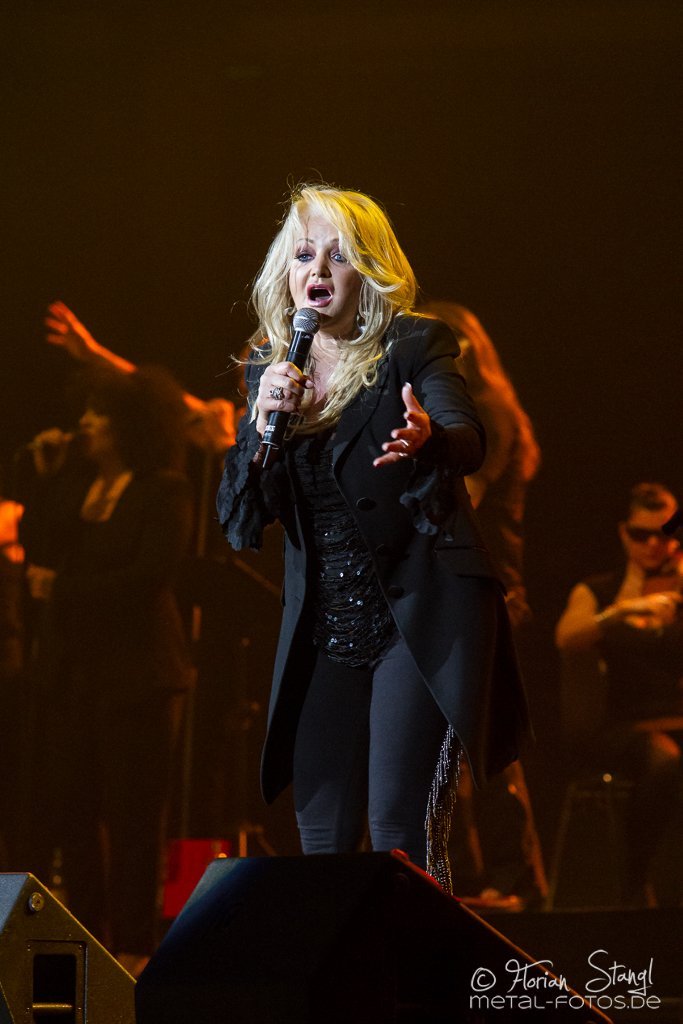
Most hear heartbreak in this soaring plea, a desperate grasp at fading love. The drama suits endless breakup playlists. It evokes emotional burnout under dramatic skies.
Stein wrote it as a vampire romance tale, full of nocturnal longing and supernatural pull. “Bright eyes” symbolizes otherworldly allure amid darkness. This gothic layer transforms the ballad into something far more shadowy.[1]
“Like a virgin, touched for the very first time” from Like a Virgin by Madonna
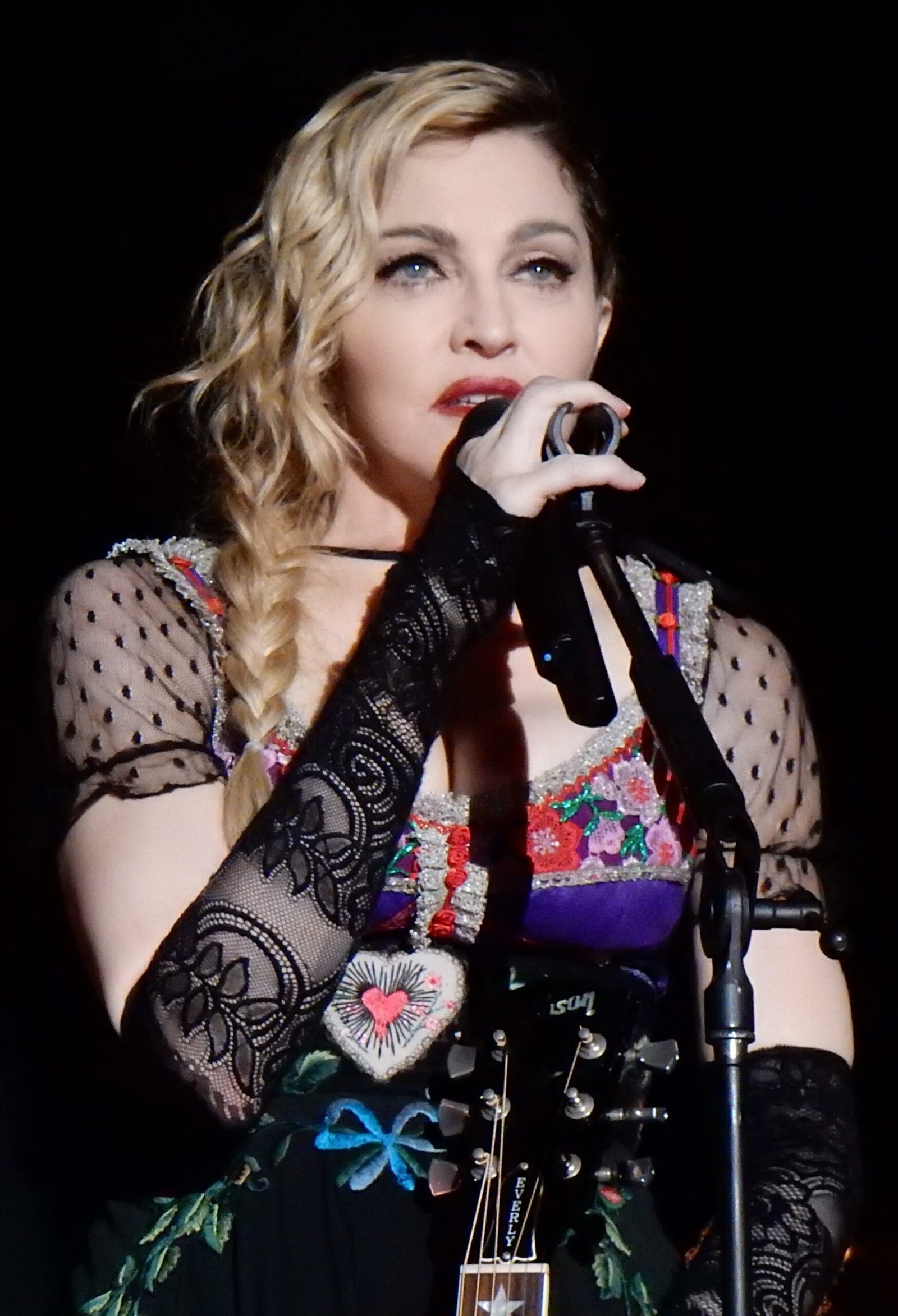
The phrase screams literal innocence lost, fueling Madonna’s sex-symbol image. Teens blush at the bedroom implications. It became shorthand for first encounters.
Steinberg intended emotional renewal in love, healing old scars like a fresh start. The “virgin” feeling captures rediscovering joy after pain. Symbolism here prioritizes heart over body.[1]
“Those were the best days of my life” from Summer of ’69 by Bryan Adams
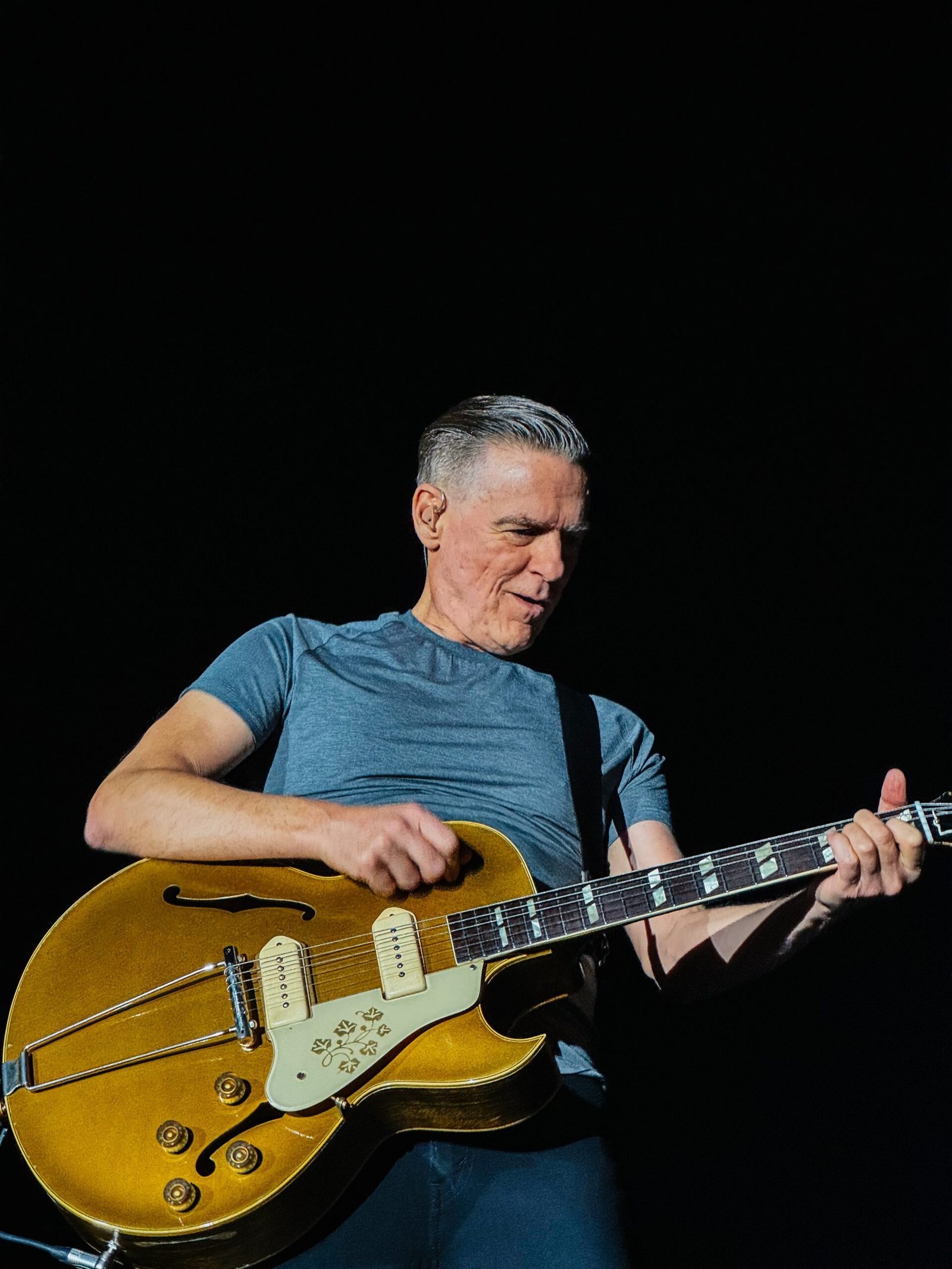
Nostalgia for 1969’s rock era dominates interpretations, with Woodstock vibes. Listeners reminisce about youth’s golden summer. It paints carefree teen adventures.
Adams nodded to the ’69 sexual position, blending slang with guitar-playing memories. The double meaning slyly elevates bedroom romps to peak life moments. This cheeky symbolism flips innocent recall upside down.[1]
“This one goes out to the one I love” from The One I Love by R.E.M.
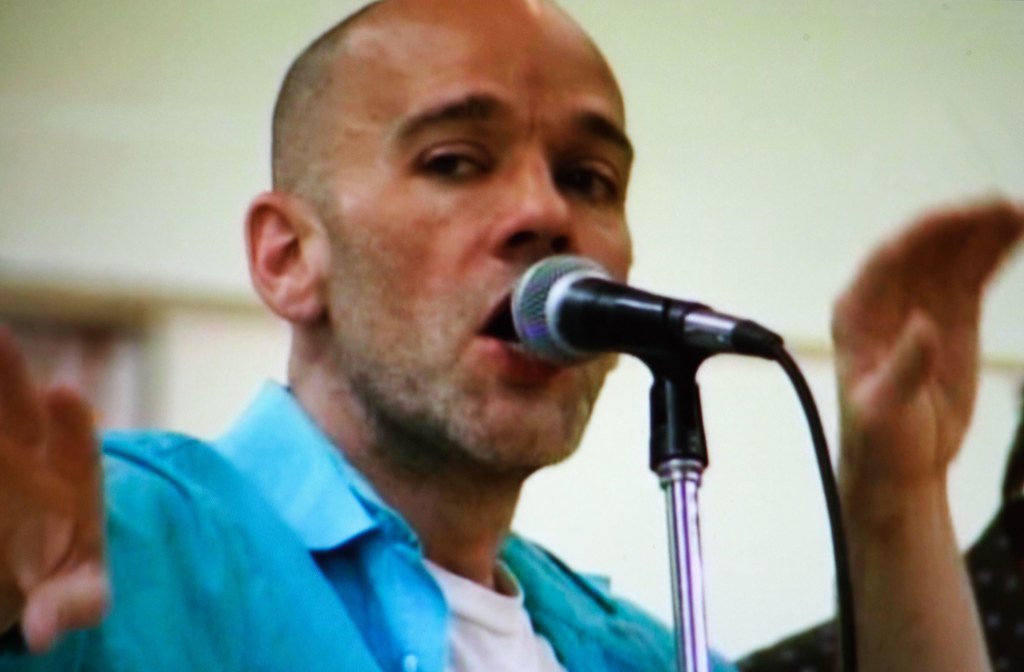
Radio dedications treat it as sweet romance, swaying couples everywhere. Fans slow-dance to its tender hook. It seems like pure devotion.
Stipe crafted a savage takedown, portraying the “one” as a mere shield or fool. Lyrics twist into anti-love violence, shocking live crowds. Symbolism unmasks obsession’s dark underbelly.[1]
“Doing crystal myth, will lift you up until you break” from Semi-Charmed Life by Third Eye Blind
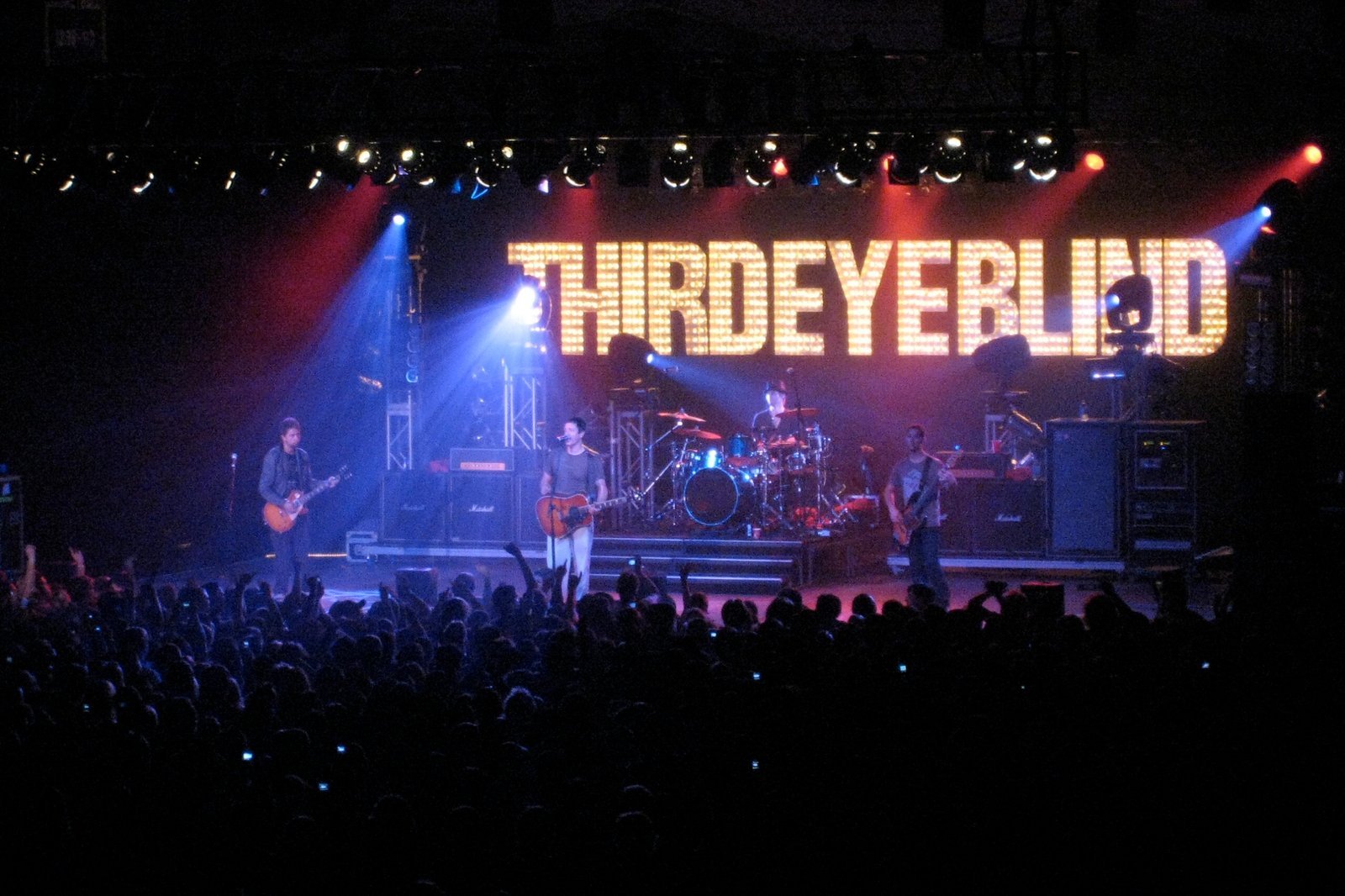
The sunny melody screams carefree joy, party staple supreme. Upbeat hooks mask no warnings. It fuels feel-good drives.
Jenkins hid meth addiction’s spiral, with “doin’ crystal myth” as the drug nod. Euphoric highs crash into despair, symbolized by frantic whispers. This duality stings once decoded.[1]
“Born in the U.S.A.” from Born in the U.S.A. by Bruce Springsteen
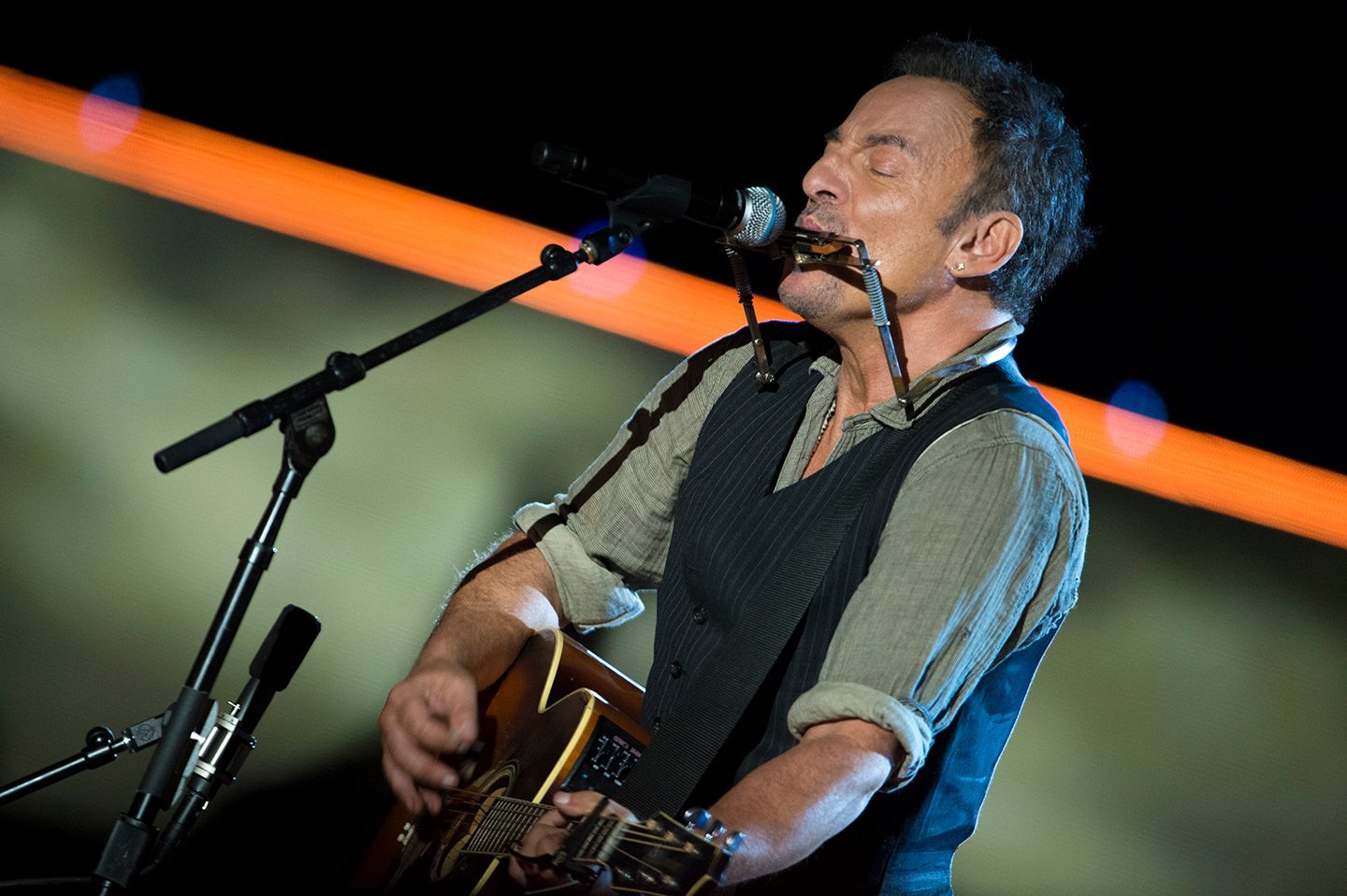
Politicians wave it as red-white-and-blue pride, arena fist-pumps galore. Choirs belt it at rallies. Patriotism pours from every chorus.
Springsteen raged against Vietnam vets’ neglect, channeling working-class fury. The refrain mocks empty homeland boasts amid betrayal. Symbolism indicts systemic failure, not celebrates it.[1]
“Blackbird singing in the dead of night” from Blackbird by The Beatles
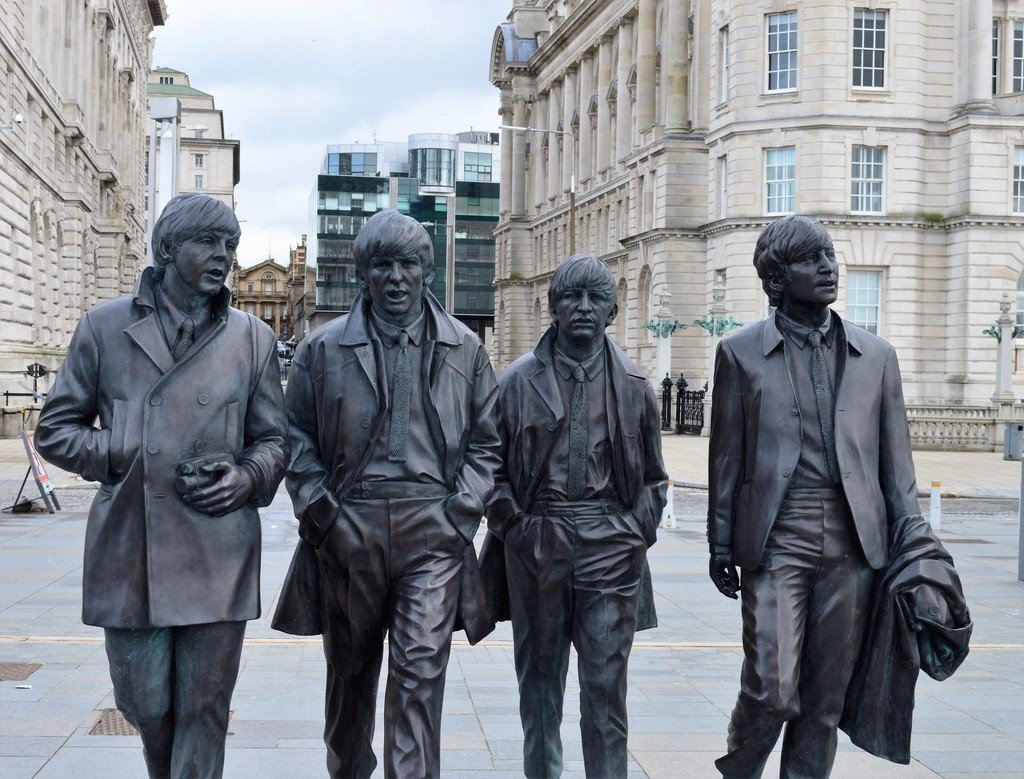
A wounded bird’s lament feels tender, nature’s quiet hope. Acoustic beauty soothes. It whispers resilience.
McCartney symbolized Black Americans’ civil rights fight, inspired by Little Rock integration. “Take these broken wings” urges rising against oppression. This civil metaphor flies deeper than feathers.[1]
“It’s something unpredictable, but in the end it’s right” from Good Riddance (Time of Your Life) by Green Day
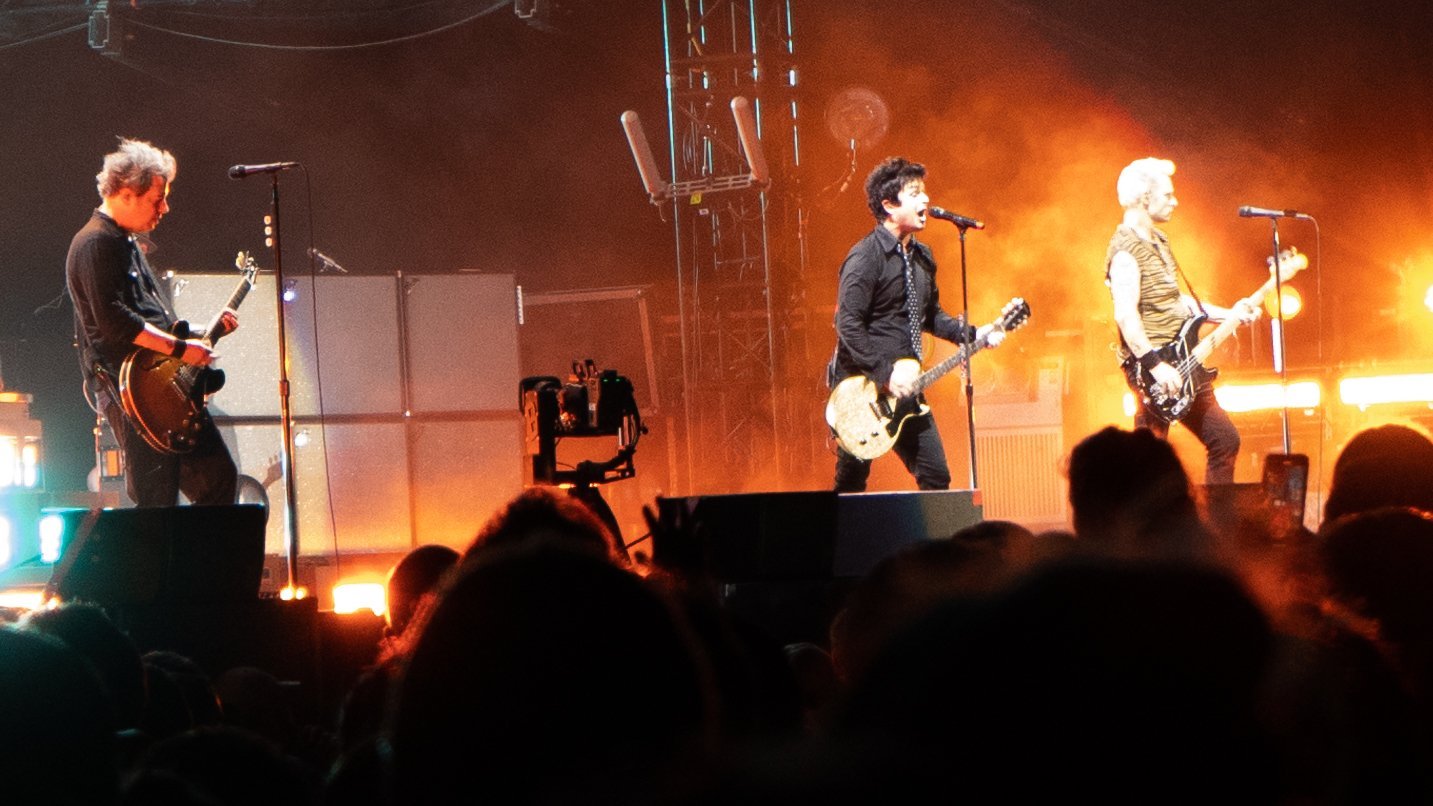
Graduations claim it as bittersweet farewell, prom kings and queens unite. Sentimental toasts abound. Closure wraps every verse.
Armstrong vented girlfriend breakup blues as she fled to Ecuador. Frustration fuels the “riddance,” not fond memories. Symbolism sours the nostalgia trip.[1]
“Shake it like a Polaroid picture” from Hey Ya! by OutKast
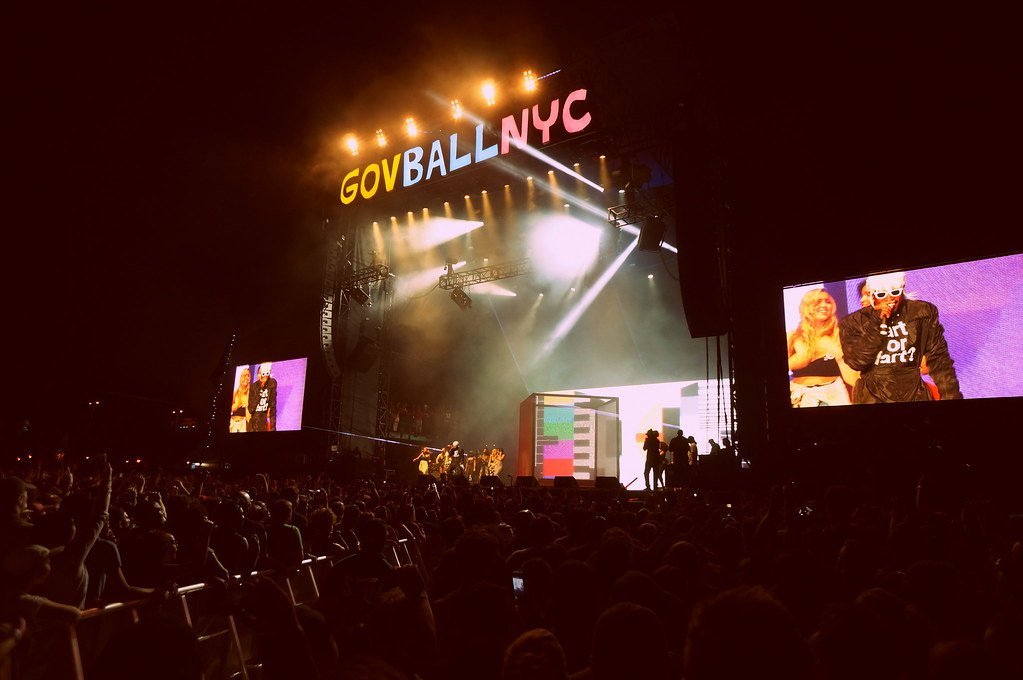
Dance floors erupt, pure party command. Shaking fixes everything fun. Energy explodes outward.
Andre 3000 mourned doomed modern love, fearing loneliness over passion. “Hi” hides relational cracks. Symbolism shakes out relationship rot.[1]
“You’re beautiful, it’s true” from You’re Beautiful by James Blunt
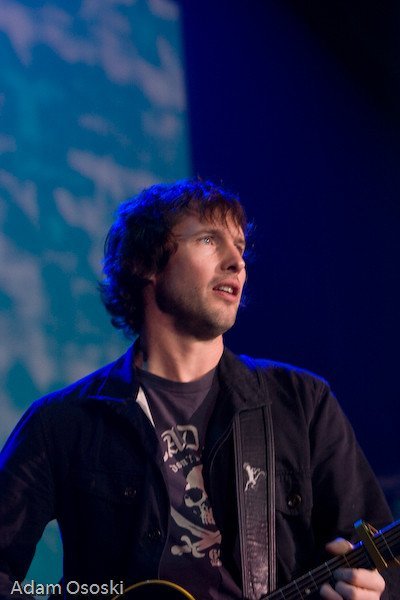
Sappy serenades abound, hopeless romantics swoon. Beauty saves the day. Hearts melt universally.
Blunt hallucinated on coke about a subway stranger, spiraling to suicide. Fleeting vision crushes him. Symbolism veers from sweet to suicidal.[1]
“I can see clearly now the rain is gone” from I Can See Clearly Now by Johnny Nash
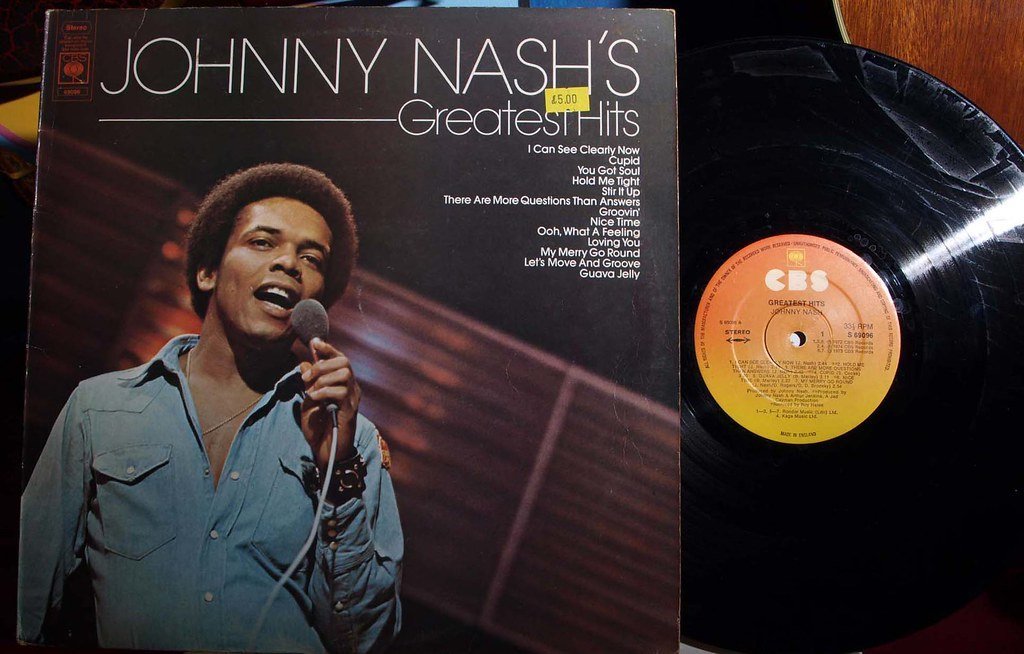
Optimism shines through storms, rainbow chaser’s creed. Troubles melt away. Hope clears every cloud.
Beyond weather, it symbolizes overcoming personal hardships like blindness or jail time. Nash drew from life’s obstacles vanishing. This broader metaphor lifts spirits genuinely.[2]
The Complexity of Songwriting

These examples reveal how songwriters pack dense symbolism into catchy lines, inviting misreads. Layers demand active listening beyond hooks. Misunderstandings endure because vagueness sparks connection.
Yet that same complexity fuels timeless appeal. Songs evolve with each ear, blending artist intent and listener truth. In the end, the richest lyrics thrive on this beautiful confusion.

Christian Wiedeck, all the way from Germany, loves music festivals, especially in the USA. His articles bring the excitement of these events to readers worldwide.
For any feedback please reach out to info@festivalinside.com
