
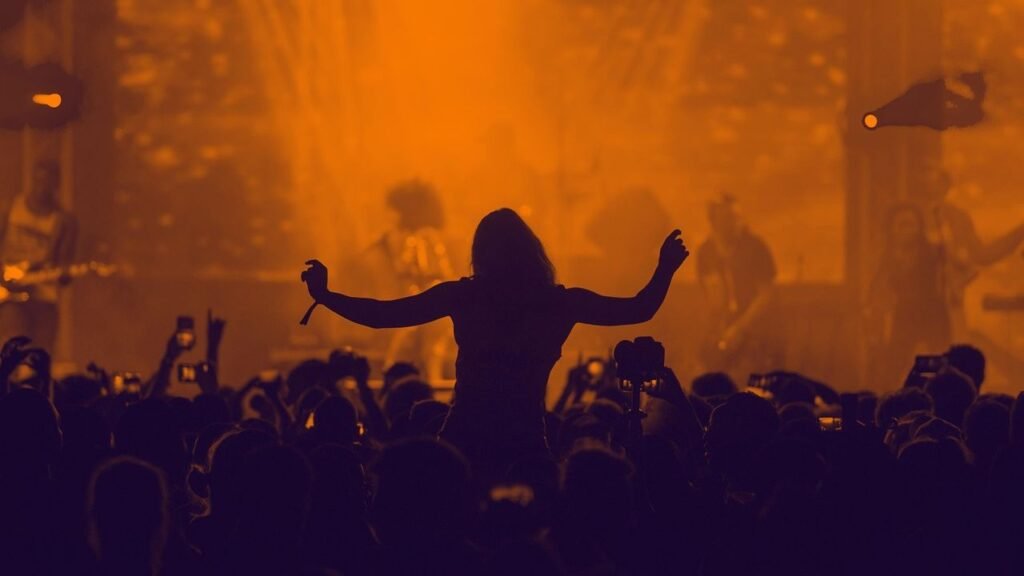
The late 1960s and early 1970s marked a wild explosion in music festivals that captured the raw spirit of a generation hungry for change. Think muddy fields packed with hundreds of thousands, where rock, soul, and psychedelia collided amid the haze of counterculture dreams. These events weren’t just concerts; they were seismic shifts that blended music with social upheaval, peace rallies, and a defiant youth movement.
Monterey Pop kicked it off in 1967, paving the way for Woodstock’s chaos in 1969 and massive gatherings like Isle of Wight in 1970. They turned unknown acts into legends overnight and etched moments into history that still echo today. Let’s dive into the performances that lit the fuse.
Jimi Hendrix Sets Monterey Ablaze in 1967
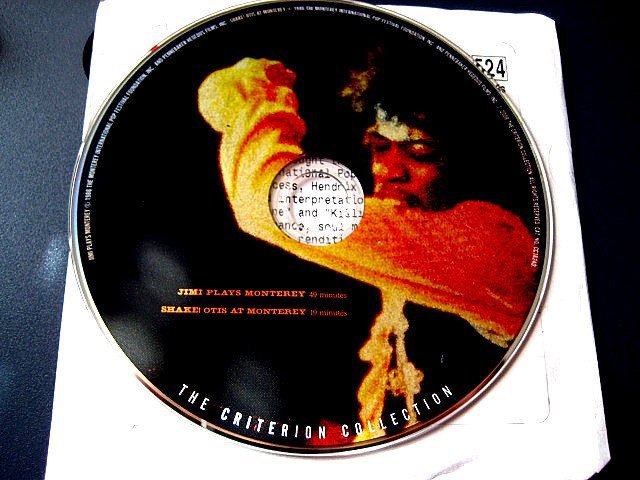
The Monterey International Pop Festival in June 1967 was the spark for the Summer of Love, drawing top acts to California’s fairgrounds. Jimi Hendrix, fresh from UK success but obscure stateside, unleashed his Jimi Hendrix Experience on Sunday night. His set dripped with feedback, vibrato, and sheer innovation, ending with “Wild Thing” where he doused his guitar in lighter fluid, set it aflame, and smashed it to bits.
The crowd went berserk, mouths agape as flames lit the night. Fellow musicians like Pete Townshend urged him to top The Who’s destruction, cementing Hendrix’s rep as a guitar god. That fiery chaos skyrocketed his US fame, influencing generations of shredders and defining festival spectacle forever.[1][2]
The Who Smash Their Way to Stardom at Monterey
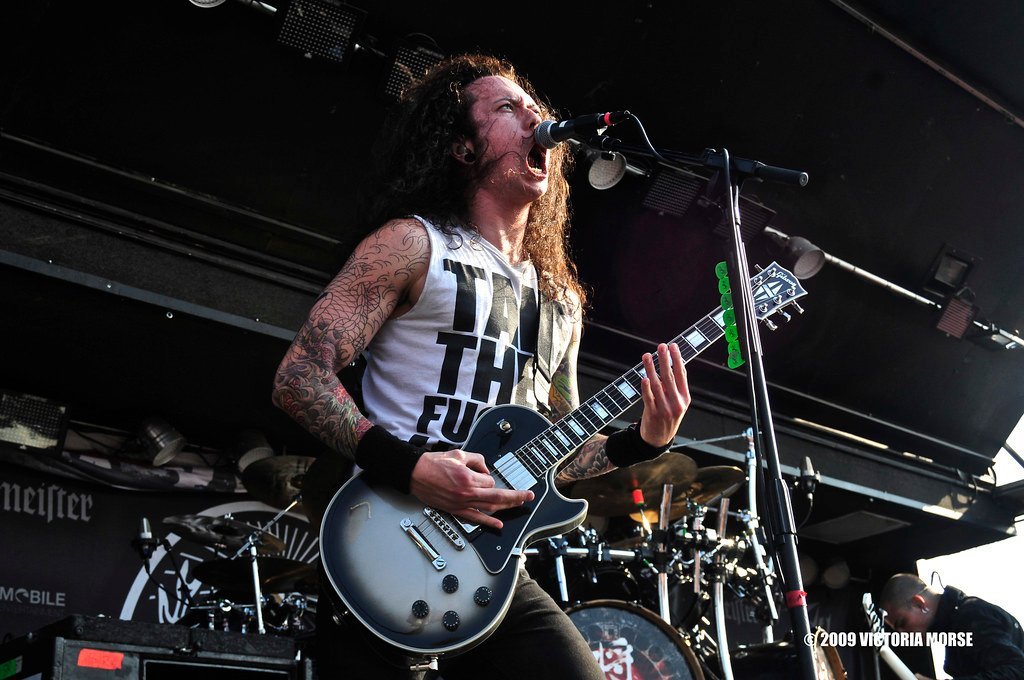
Right before Hendrix, The Who stormed the Monterey stage on that same Sunday, already UK heroes but US unknowns. Their 26-minute frenzy included “My Generation,” peaking in Pete Townshend’s guitar-smashing fury and Keith Moon toppling drums amid smoke bombs. The sheer violence of it all shocked the flower-power crowd into stunned silence then roars.
Audience members and peers alike were floored, with the destruction becoming instant legend. It cracked open the American market for them, launching Tommy and arena rock dominance. Festivals would never be polite again after that raw power display.[1][2]
Janis Joplin Wails Her Way into Hearts at Monterey
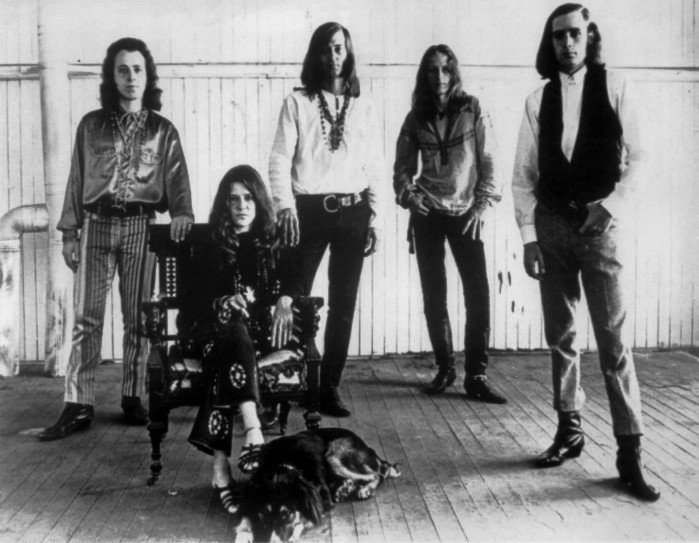
photo front
photo back
eBay item used for comparison-identical photo
identical photo, Public domain)
Big Brother and the Holding Company, with Janis Joplin out front, hit Monterey’s Saturday slot as San Francisco psych unknowns. Her gut-wrenching “Ball and Chain” had the crowd on its feet, swaying to blues so raw it hurt. Filmmakers captured every sweat-drenched note, turning it into pure gold.
That vulnerability amid the haze left fans transformed, begging for more. The set snagged them a Columbia deal, propelling Joplin toward solo stardom and Woodstock glory. Her voice became the era’s heartbroken howl, echoing in every festival diva since.[1][2]
Otis Redding Conquers Rock Crowds at Monterey
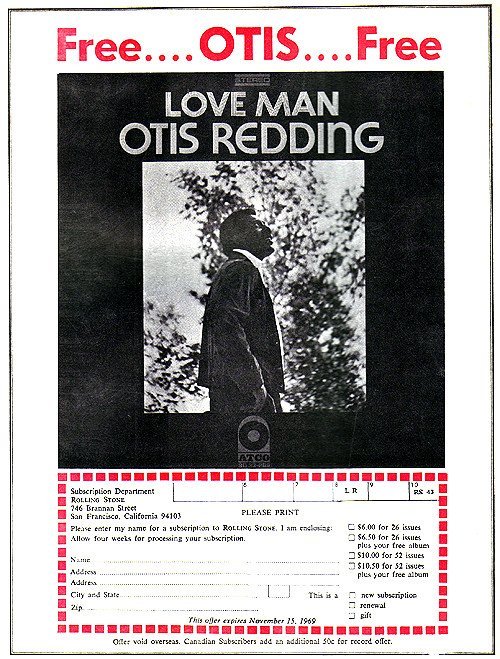
Saturday night at Monterey brought soul king Otis Redding, backed by Booker T. & the M.G.’s, to a mostly white rock audience. He tore through “Respect,” “Satisfaction,” and “Try a Little Tenderness” with electric passion that bridged soul and rock. Joking about Aretha “stealing” his hit, he owned the stage completely.
The crowd, new to his fire, erupted in love, widening his reach just months before his tragic plane crash. It proved soul’s power in the psych-rock world, inspiring crossovers for decades. Redding’s triumph lingers as a beacon of musical unity.[1][2]
Jimi Hendrix Closes Woodstock with Anthem Fireworks
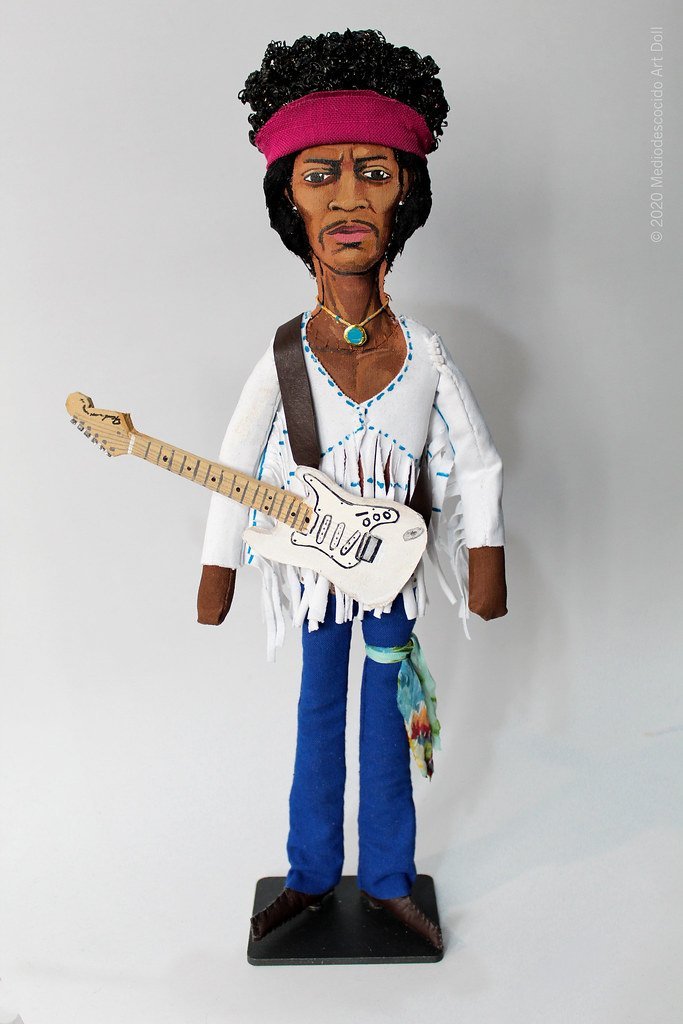
Woodstock 1969’s muddy dawn on Monday saw Jimi Hendrix and Gypsy Sun & Rainbows wrap four days of chaos for a weary 30,000 holdouts. His two-hour jam hit “Purple Haze” and “Hey Joe,” but “Star-Spangled Banner” stole it – wailing feedback mimicking bombs and turmoil. It captured the era’s hope and rage perfectly.
Stragglers woke to the distorted patriotism, jaws dropped in awe. That improvised national cry defined Woodstock’s counterculture soul, replayed endlessly in films and lore. Hendrix’s exit left an indelible mark on festival finales.[3][4]
Santana’s Latin Fury Ignites Woodstock
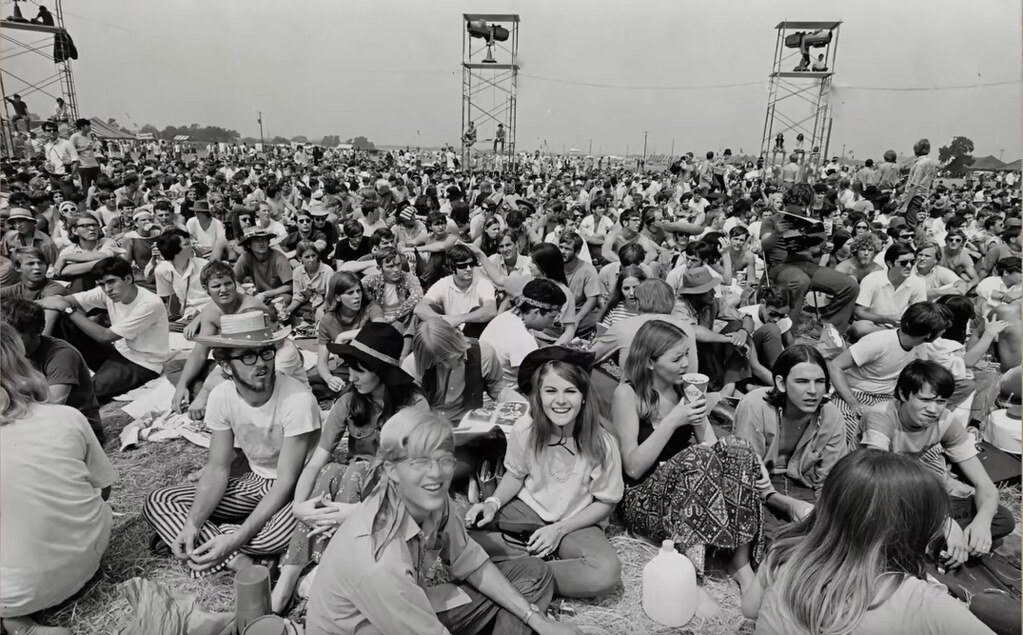
Relative nobodies Santana grabbed a Saturday afternoon Woodstock slot amid the farm’s growing madness. Carlos, tripping on mescaline, fused Latin rock in “Soul Sacrifice,” with Michael Shrieve’s epic drum solo sealing the trance. The crowd, baked and muddy, found pure escape in the rhythm.
It sparked a sensation, turning them into stars overnight – their debut album soared. That fusion breakthrough blended worlds, paving funk-rock paths forever. Festivals craved that multicultural heat after.[3][5]
The Who Rage Through Woodstock’s Dawn
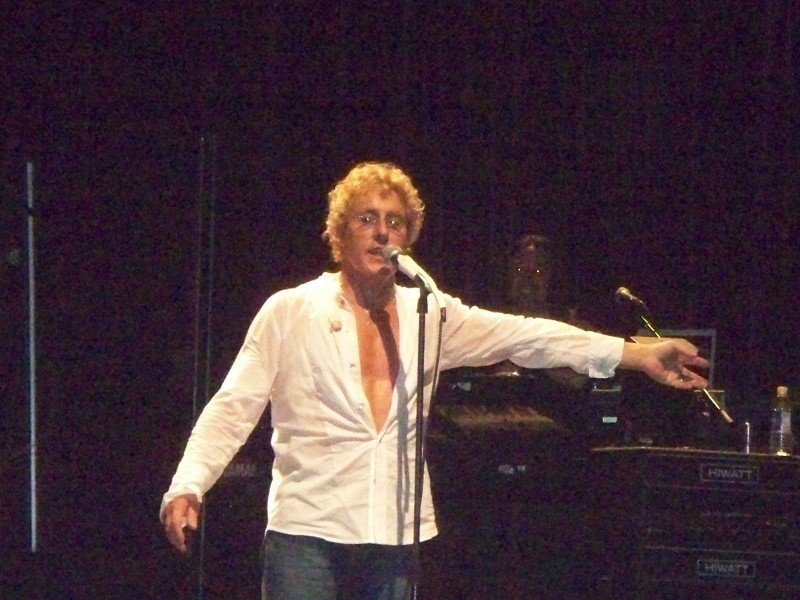
Sunday morning at Woodstock, The Who blasted an hour-long set including chunks of Tommy after a rain-soaked night. Pete Townshend clocked activist Abbie Hoffman mid-rant, yelling him offstage, then scorched “My Generation.” The delirious half-million crowd fed off the fury.
It defied the peace vibe with brutal honesty, waking everyone up. Their raw edge became Woodstock’s rock pinnacle, boosting the opera’s legend. No festival set matched that combative thrill since.[3][5]
Joe Cocker Soulifies Beatles at Woodstock
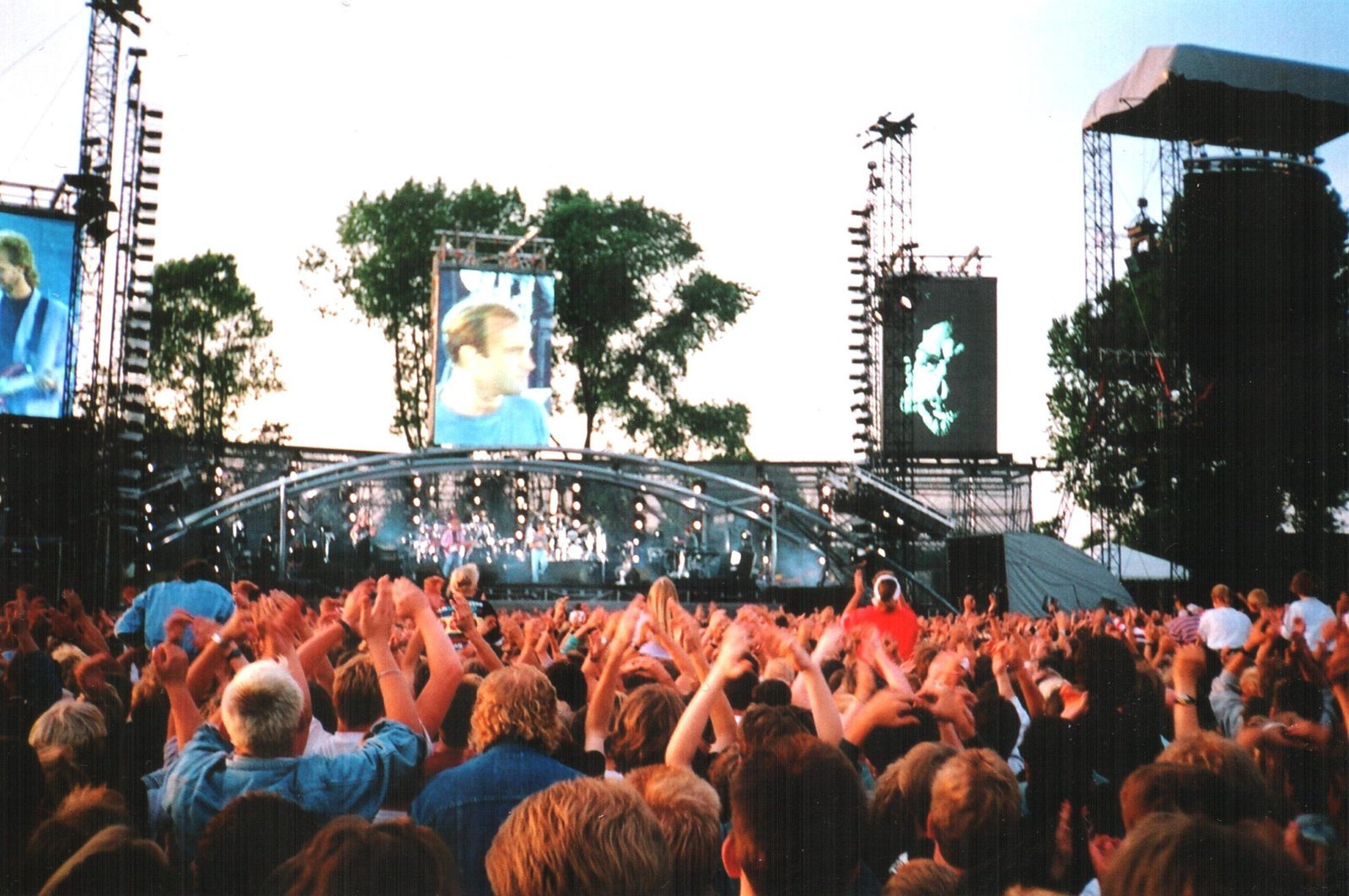
Helicoptered into Woodstock’s Sunday pre-storm slot, Joe Cocker and his Grease Band delivered gritty soul covers. His spasmodic “With a Little Help from My Friends” twisted the Beatles hit into raw emotion, alongside Dylan and Ray Charles tunes. The massive throng hung on every quiver.
It lifted spirits amid the mud, making Cocker a global name. That interpretive fire reshaped covers, influencing soul-rock hybrids. Woodstock’s heart beat through his voice.[3][5]
Sly & Family Stone Energize Rainy Woodstock
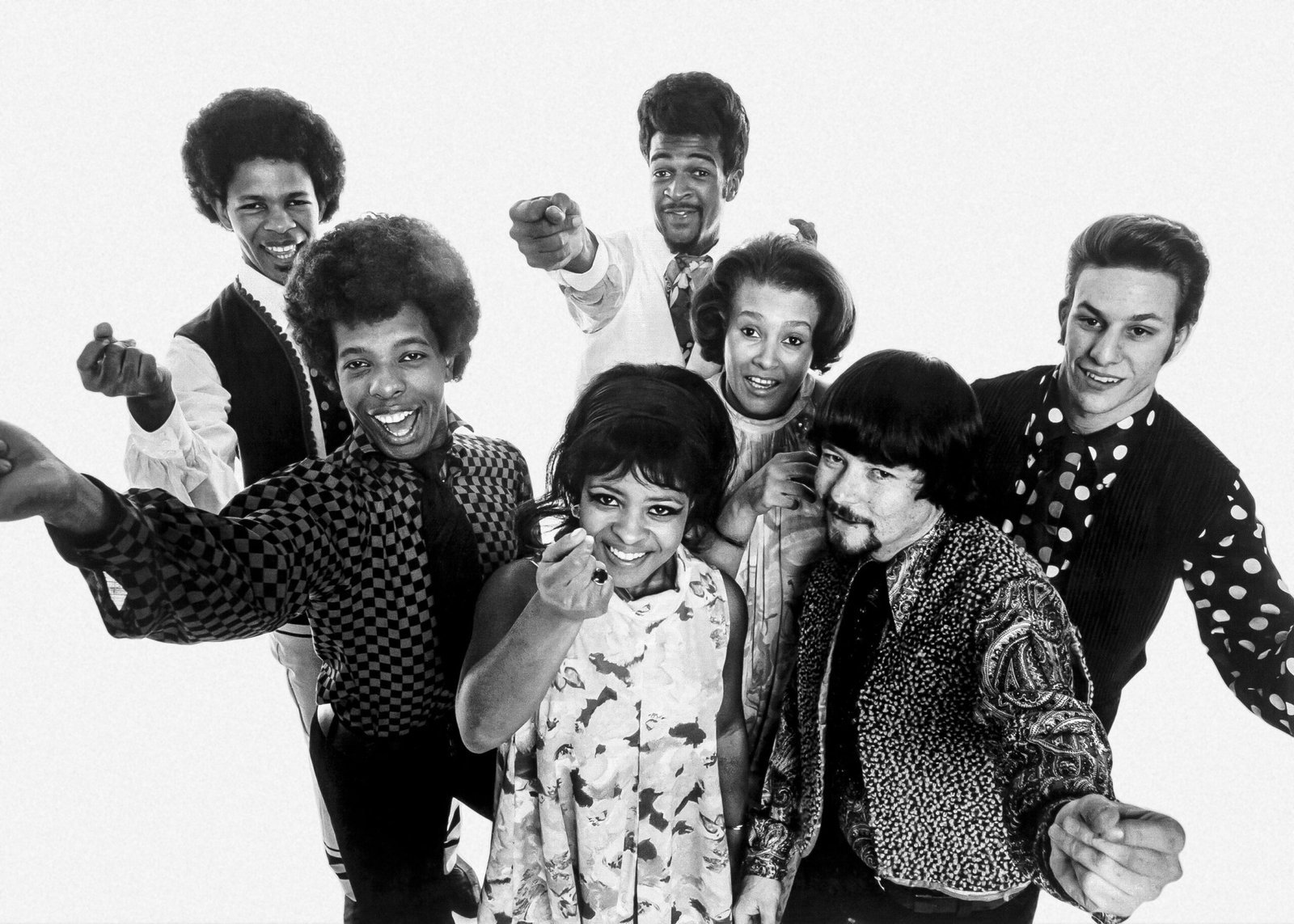
Original source: A scan of a signed copy of the original publicity photo can be seen at Heritage Auctions and in the upload history below to verify the lack of valid copyright notice as originally published.
Instant source: High-res, cropped scan via RollingStone.com (retrieved March 20, 2021). Cropped and retouched by uploader; see unretouched original in upload history below., Public domain)
At 3:30 a.m. Sunday in Woodstock’s downpour, Sly & the Family Stone brought funk uplift with “Everyday People” and “I Want to Take You Higher.” Their mixed-race, mixed-gender vibe embodied unity for the exhausted crowd. Hits from Stand! flowed like sunshine.
Beleaguered fans danced through the wet, recharged by the groove. It symbolized ’60s ideals, boosting Sly’s peak influence. Funk found its festival home there.[3][5]
Ten Years After Blues-Rock Woodstock Peak
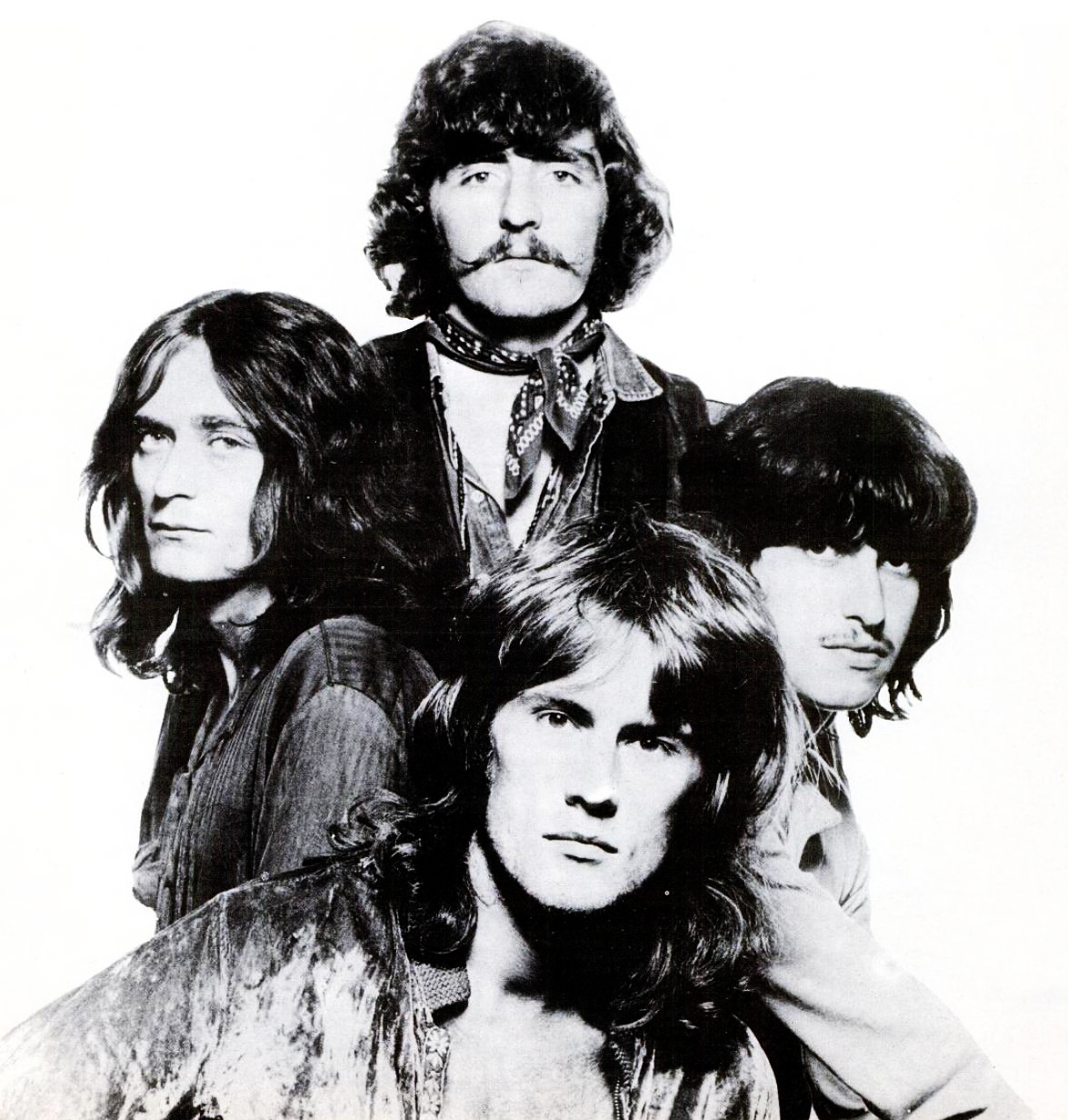
UK bluesmen Ten Years After hit Woodstock Saturday, riding US festival buzz with Alvin Lee’s fleet fingers. “I’m Going Home” closed their full-tilt set, a whirlwind of speed and sweat. The crowd surfed the energy wave.
It catapulted them mainstream, featured in the doc for eternity. That blues revival set the bar for high-octane jams. Alvin’s licks still inspire axe heroes.[3]
Jimi Hendrix’s Final Isle of Wight Blaze
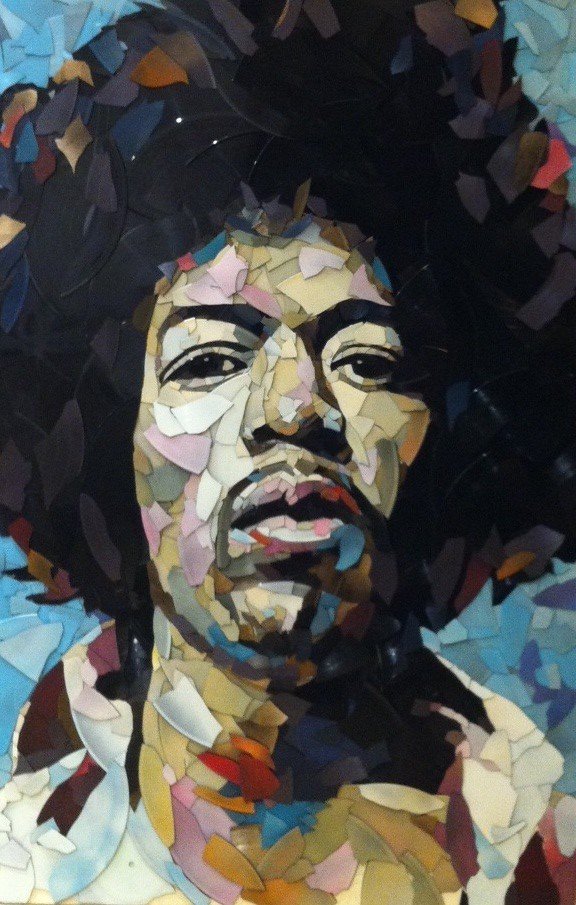
Isle of Wight 1970 drew bigger than Woodstock, and Jimi Hendrix closed it amid tech glitches on August 31. “Machine Gun” battled radio interference, but “Foxy Lady” shone through his innovation. The 600,000-strong field felt his last major hurrah.
Fans cherished the raw power despite chaos, later released on live albums. It capped his legacy as festival king, hauntingly prophetic. Jimi’s fire never dimmed.[6]
The Doors Haunt Isle of Wight Darkness
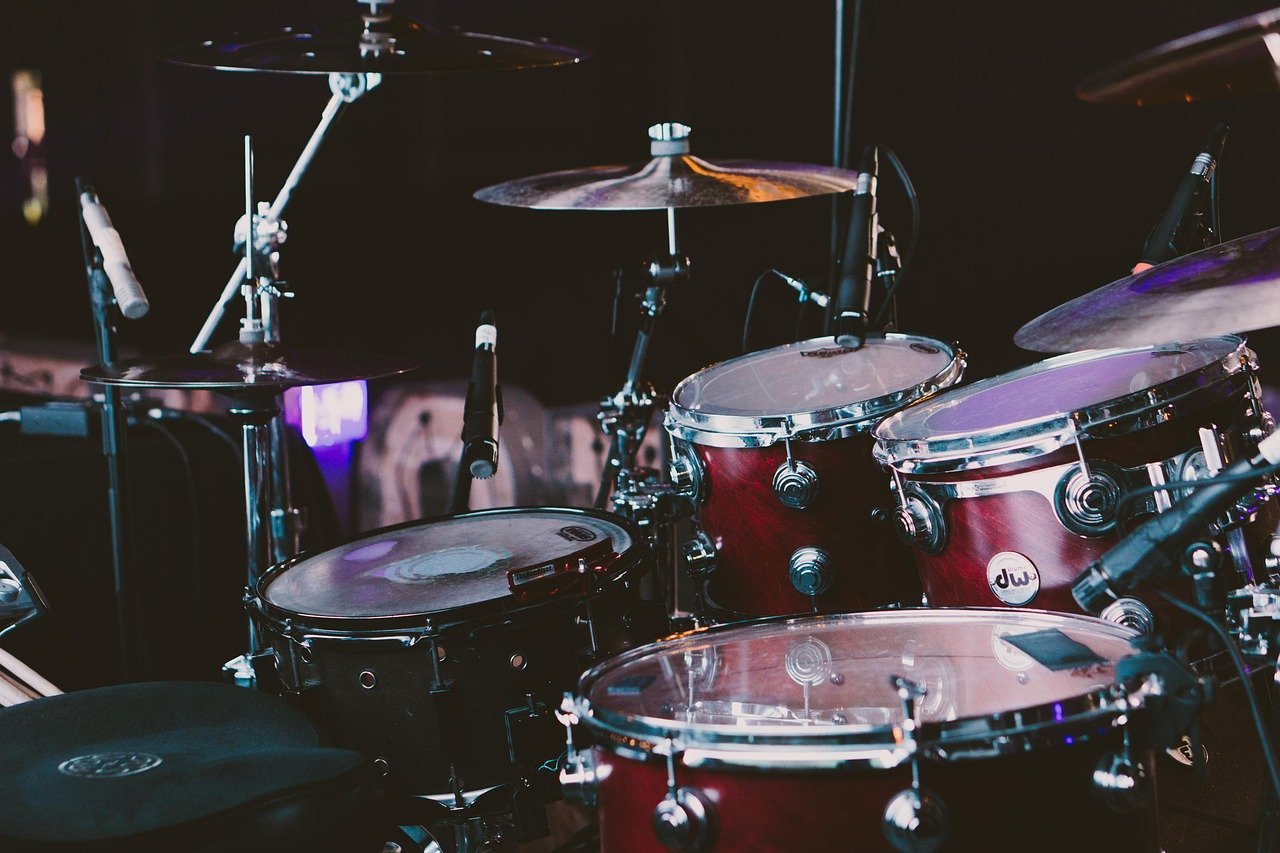
The Doors played Isle of Wight’s 1970 night slot in pitch black, Jim Morrison dodging lights for moody intensity. “The End” and “When the Music’s Over” wove psych drama amid wind and rain. The huge crowd surrendered to the spell.
It amplified their dark allure, captured in films and releases. Morrison’s command pushed boundaries, echoing in goth rock. Festivals gained a shadowy edge.[6]
A Legacy That Still Rocks Us
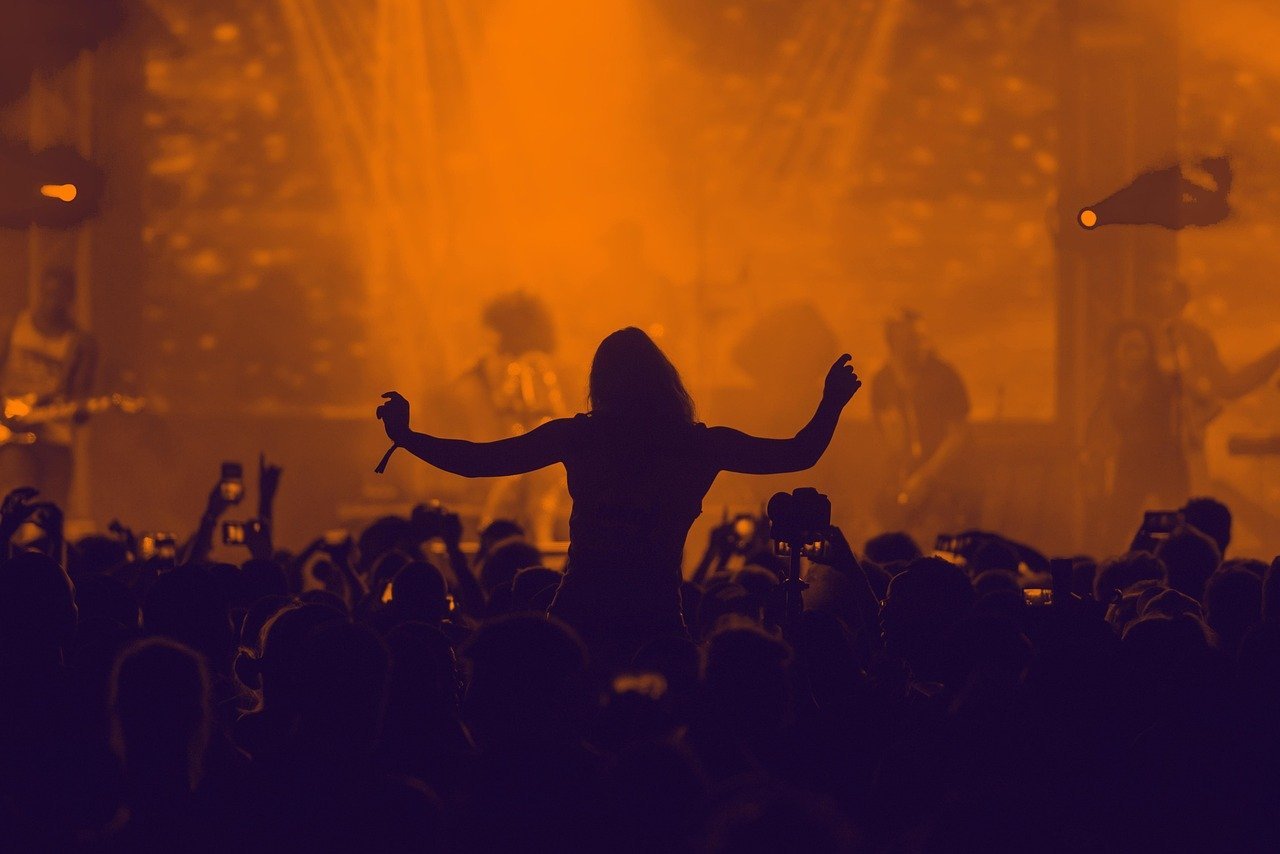
These performances didn’t just entertain; they shattered norms, blending destruction, soul, and fusion into cultural earthquakes. From Monterey’s birth to Isle of Wight’s massive close, they fueled the festival blueprint we chase today.
Honest, they remind us music can move mountains – or at least half a million mud-soaked souls. Which one hits you hardest? Drop your thoughts below.

Besides founding Festivaltopia, Luca is the co founder of trib, an art and fashion collectiv you find on several regional events and online. Also he is part of the management board at HORiZONTE, a group travel provider in Germany.
