

For any feedback please reach out to info@festivalinside.com
- 12 Unexpected Ways Classic Literature Influenced Modern Pop Culture - April 6, 2026
- 15 Literary Hoaxes So Clever, They Fooled the Entire Publishing World - April 6, 2026
- 12 Masterpieces of Architecture That Were Nearly Lost to History - April 6, 2026
Most people think of classic literature as something you wrestle with in school. Required reading. Heavy books. Dense paragraphs. But honestly, the reality is far more fascinating and far less dusty than that. The stories written by Shakespeare, Mary Shelley, George Orwell, and others centuries ago didn’t just survive. They mutated, evolved, and quietly wired themselves into the DNA of nearly every film, song, fashion trend, and television show you love today.
The influence of literature in contemporary culture extends far beyond the pages of books, permeating the visual arts, music, fashion, film, and even digital media. That’s not just a scholarly observation. It’s a reality you can see in a Disney movie, a runway show, or even a reality TV show title. The connections are everywhere once you start looking. And once you see them, you genuinely cannot unsee them. Let’s dive in.
Shakespeare’s Hamlet Became The Lion King

Here’s a fun fact that will change how you watch The Lion King forever. Simba’s royal father is murdered by his evil uncle, who then takes his crown, with Timon and Pumbaa falling into the Rosencrantz and Guildenstern roles. It’s Hamlet. It’s literally Hamlet, just with more singing and a considerably happier ending.
Disney never explicitly stated that the classic is based on Hamlet, but moviegoers and academics alike have been making the connection since the film’s release. Scar is a captivating villain, Timon and Pumbaa inhabit the loveable sidekick role perfectly, and Simba is suitably angst-ridden. I think what makes this adaptation so brilliant is that it never announces itself. It seduces you with a story that feels timeless because, well, it literally is. The transformation from Elizabethan tragedy to animated blockbuster is probably the most elegant literary transplant in Hollywood history.
Romeo and Juliet Was Reborn as West Side Story

Perhaps the most famous of Shakespearean adaptations, West Side Story reimagines the story of Romeo and Juliet in 1950s New York City, with Maria and Tony finding themselves falling in love despite the growing war between two teenage street gangs, the Jets and the Sharks. The genius of this transformation is staggering. Shakespeare’s Verona becomes the streets of Manhattan. Feuding noble families become rival ethnic gangs. The poetic language becomes jazz, dance, and song.
West Side Story was one of the most exciting venues for Shakespeare on film, sitting squarely in the musical genre and doing something entirely new with the source material. The story has been retold multiple times across decades, including Steven Spielberg’s celebrated 2021 film adaptation. The fact that the same core narrative, young forbidden love between rival groups, keeps resonating across generations says everything about the timeless nature of Shakespeare’s original vision. It’s genuinely awe-inspiring.
The Taming of the Shrew Became a 90s Teen Comedy
The 1999 teen romcom 10 Things I Hate About You is a modern adaptation of Shakespeare’s comedy The Taming of the Shrew, starring Julia Stiles as Katarina Stratford, a misanthropic loner and stand-in for Shakespeare’s titular “shrew” Katherina, and Heath Ledger as the rebellious Patrick Verona. Transplanting a 16th-century Elizabethan comedy into an American high school in the late nineties was, let’s be real, an insane idea on paper. It worked spectacularly.
Serving as a big Hollywood breakout for both stars, 10 Things I Hate About You was both critically and commercially successful, pulling in more than $50 million worldwide and spawning a twenty-episode spin-off series for ABC. The film is a perfect example of how literary adaptation doesn’t mean faithfulness to the original setting. Sometimes, the most powerful adaptation finds the emotional core of a story and drops it into an entirely different world. Shakespeare’s battle of wills between a stubborn woman and a cunning suitor was just as relevant in suburban Seattle as it was in Padua.
Hamlet Inspired a Biker Gang Drama
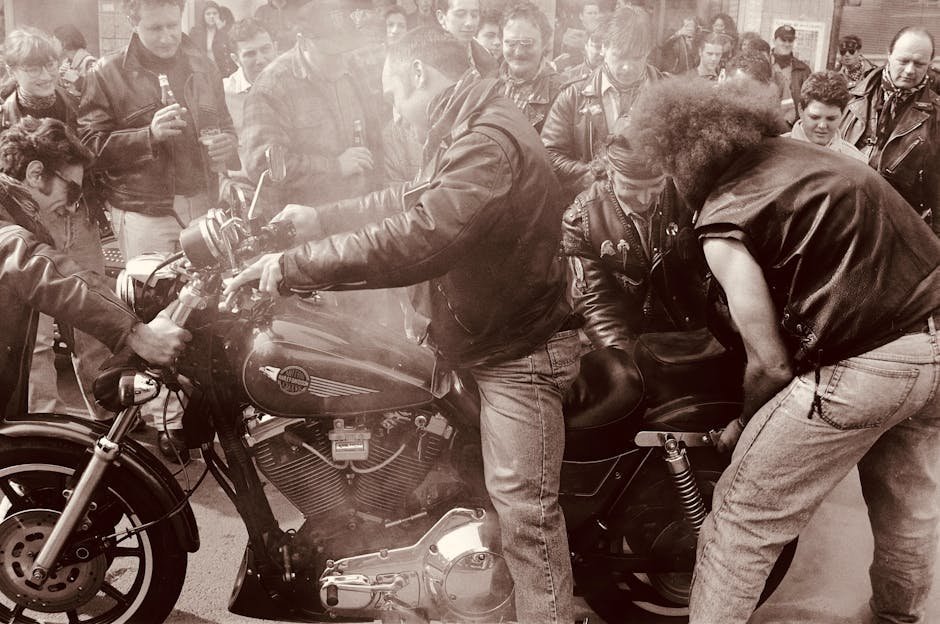
You would not naturally connect motorcycle gangs with Shakespeare’s most brooding prince. Yet the FX series Sons of Anarchy did exactly that, and the result was one of the most compelling dramas of its era. Sons of Anarchy creator Kurt Sutter has said his series, following a biker gang in the town of Charming, California, was heavily inspired by Shakespeare’s Hamlet. The moral paralysis, the murdered father, the corrupted family structure. All of it tracks perfectly.
With young Jax as Prince Hamlet, whose own father died at the hands of his mother and her lover, the character does his own mental gymnastics as he wrestles with how that knowledge affects his life. It’s a tightly woven combination that demonstrates the extent to which the playwright’s works can be used to entertain and interrogate challenging ethical and political questions of the present. It’s almost poetic, really. A play about a Danish prince who can’t decide whether to act or not finds perfect new life in a lawless Californian biker world where every action carries devastating consequences.
King Lear Became a Hip-Hop Dynasty Drama
Think Shakespeare belongs only in theaters with velvet seats? Think again. Drawing inspiration from both Shakespeare’s King Lear and James Goldman’s 1966 play The Lion in Winter, Lee Daniels’ musical drama series Empire follows the Lyons, a wealthy family fighting for control of Empire Entertainment, an entertainment and production company founded by the ailing family patriarch, hip-hop mogul Luscious Lyon. The parallels are unmistakable. An aging patriarch, a fight over inheritance, and children tearing each other apart.
What is particularly remarkable about these looser adaptations is how diverse they are in terms of genre. Shakespeare has found a home in drama, political thrillers, and, perhaps most surprisingly, hip-hop family sagas. Empire was a cultural phenomenon, blending modern music, family melodrama, and Shakespearean power dynamics into primetime television gold. The show proved that themes of legacy, betrayal, and ambition never go out of style. They just find new costumes to wear.
George Orwell’s 1984 Rewrote the English Language
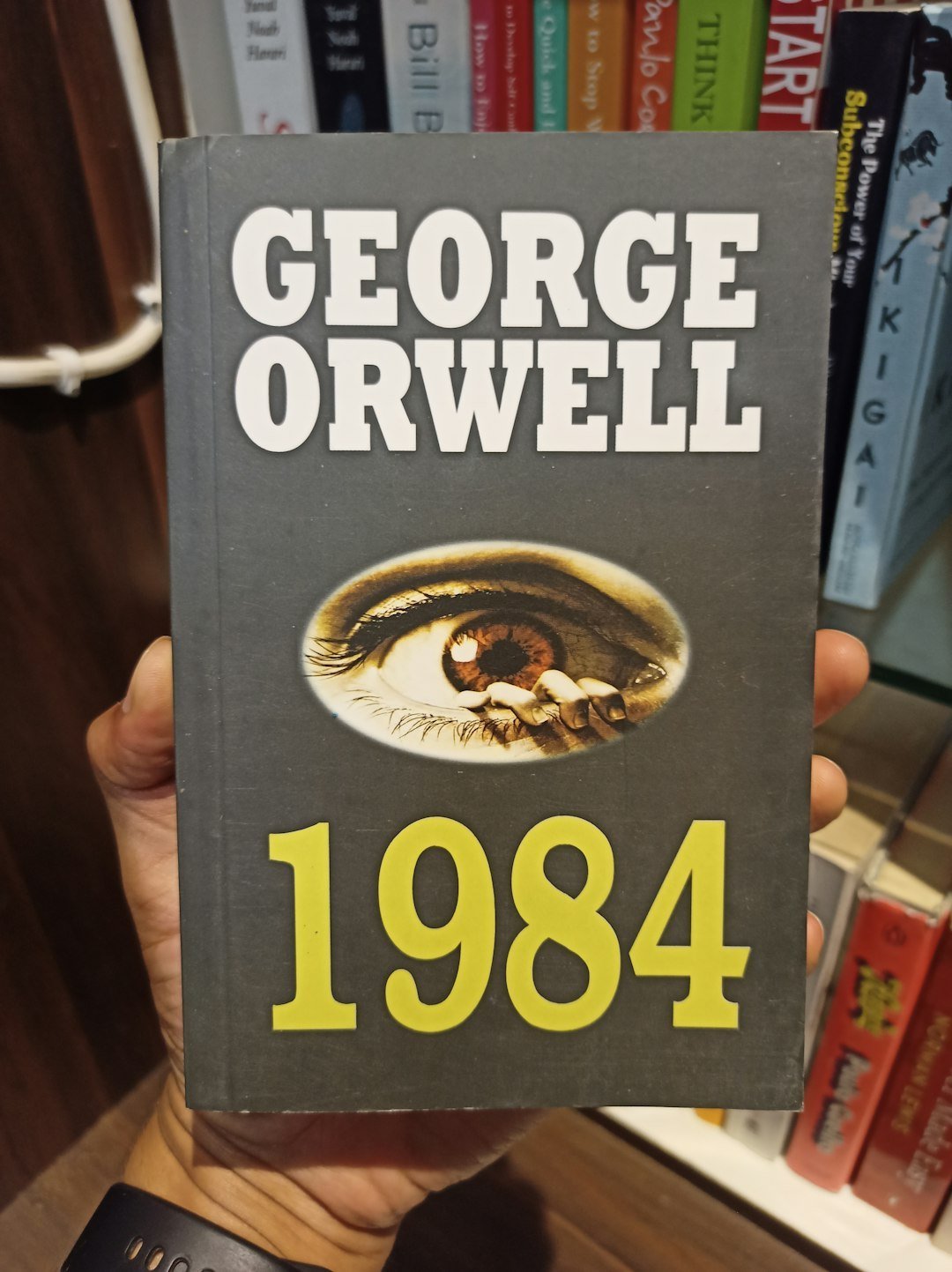
Here’s the thing: you probably use Orwellian concepts every single day without realizing it. Nineteen Eighty-Four popularized “Orwellian” as an adjective, and many terms used in it have entered common usage, including “Big Brother,” “doublethink,” “Thought Police,” “thoughtcrime,” and “Newspeak,” as well as the expression “2 + 2 = 5.” These words are now part of everyday political and cultural discourse, used by people who have never read a single page of the novel.
A protean text for political, intellectual, and underground movements, 1984 has resonated deeply in popular culture, with its myriad artistic interpretations explored extensively. The novel inspired television shows, films, plays, a David Bowie album, and even a “Victory gin” based on the grim spirits described in the novel. Most remarkably, “Big Brother” is now a long-running reality TV show, which is either profoundly ironic or darkly brilliant. Orwell wrote a terrifying warning about surveillance and control. The culture turned it into entertainment.
Mary Shelley’s Frankenstein Sparked Bioethics Debates and Fashion

Mary Shelley’s novel Frankenstein and the famous character of Frankenstein’s monster have influenced popular culture for at least a hundred years. The work has inspired numerous films, television programs, video games and derivative works. The character of the monster remains one of the most recognized icons in horror fiction. Not bad for a story written by a teenager during a stormy summer in 1816.
The reach goes far beyond horror movies. Both of Prada’s womenswear and menswear 2019 Fall collections referenced the story of Frankenstein and The Bride of Frankenstein, putting romance and horror together with lace, flowers, and glitter contrasting from intense black tones and gothic utilitarian details. Meanwhile, Frankenstein’s monster has become a symbol of scientific hubris and ethical debate in bioethics, AI, cloning, and genetic engineering. Mary Shelley was not just writing horror. She was asking questions that humanity is still desperately trying to answer today.
Dracula Invented an Entire Vampire Pop Culture Universe
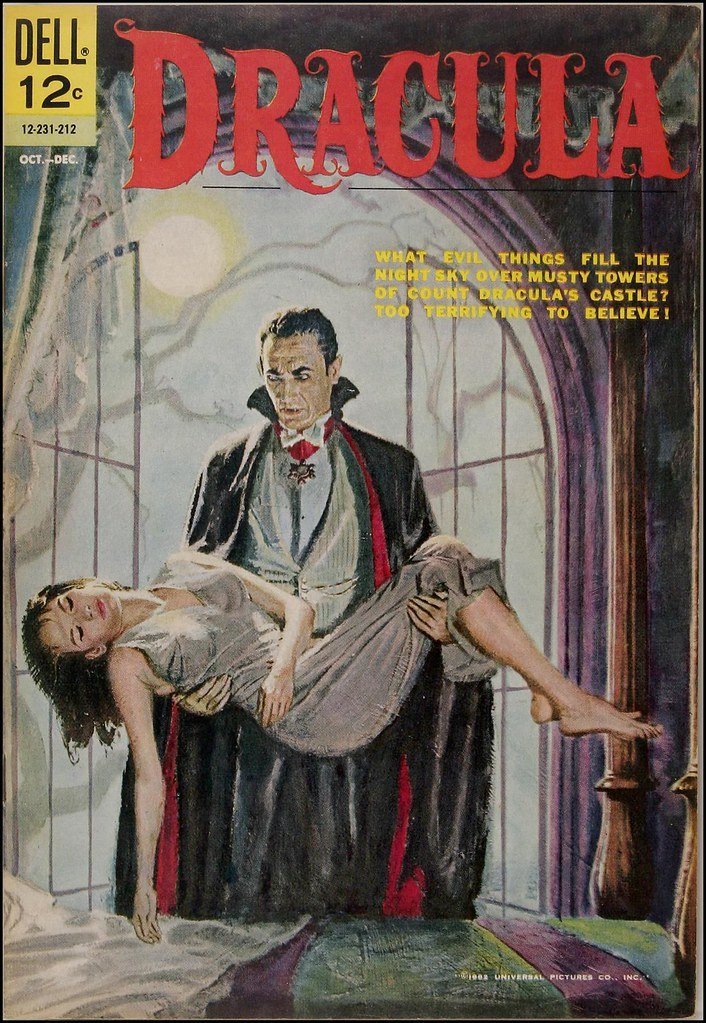
Before Bram Stoker’s Dracula, there was no universal template for the vampire. After it, there was almost nothing else. Dracula codified the modern vampire novel and shaped the popular image of the vampire as aristocratic, seductive, and anxiously foreign. Everything from Anne Rice’s Interview with the Vampire to the Twilight saga to True Blood owes a direct debt to Stoker’s 1897 novel.
Dracula became an archetypal vampire shaping film, television, fashion, and popular imagination, serving as a metaphor for sexuality, disease, and aristocratic menace, with massive genre offspring including countless films, novels, and TV series. Like Frankenstein, Dracula has inspired many literary tributes and parodies, including Stephen King’s Salem’s Lot and Kim Newman’s Anno Dracula. Stoker handed culture an endlessly flexible monster. One that can symbolize whatever a given era fears most, whether that’s disease, foreign invasion, sexuality, or simply death itself.
The Great Gatsby Keeps Reshaping Fashion and Visual Culture
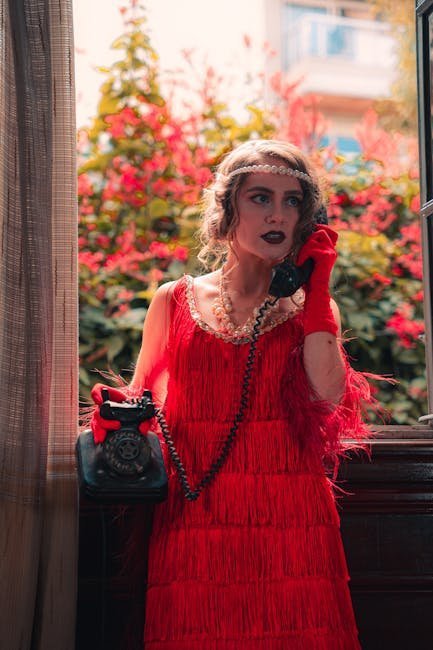
It’s hard to overstate how deeply F. Scott Fitzgerald’s 1925 novel has embedded itself into aesthetic culture. The decadent and refined world of The Great Gatsby has had a huge impact on fashion, with the revival of 1920s styles full of beading, fringe, and shimmering fabrics featuring on many runways and collections over the years. Fashion shows inspired by the novel’s period have captured the elegance and luxury of the era, while also reflecting the modern desire to relive the golden age of glamour.
Think about how many times you’ve seen a “Great Gatsby themed” party. The flapper dresses, the champagne towers, the overblown opulence. Fitzgerald created not just a novel but an aesthetic universe that pop culture keeps raiding. Classic literature continues to leave its mark on popular culture and media, with references to iconic characters, scenes, and quotes appearing in everything from television shows and commercials to memes and social media posts. The timeless appeal of characters like Elizabeth Bennet and Jay Gatsby shapes the narratives and imagery that define our collective imagination. Gatsby is essentially the patron saint of aspirational excess.
Wuthering Heights and Victorian Gothic Fashion
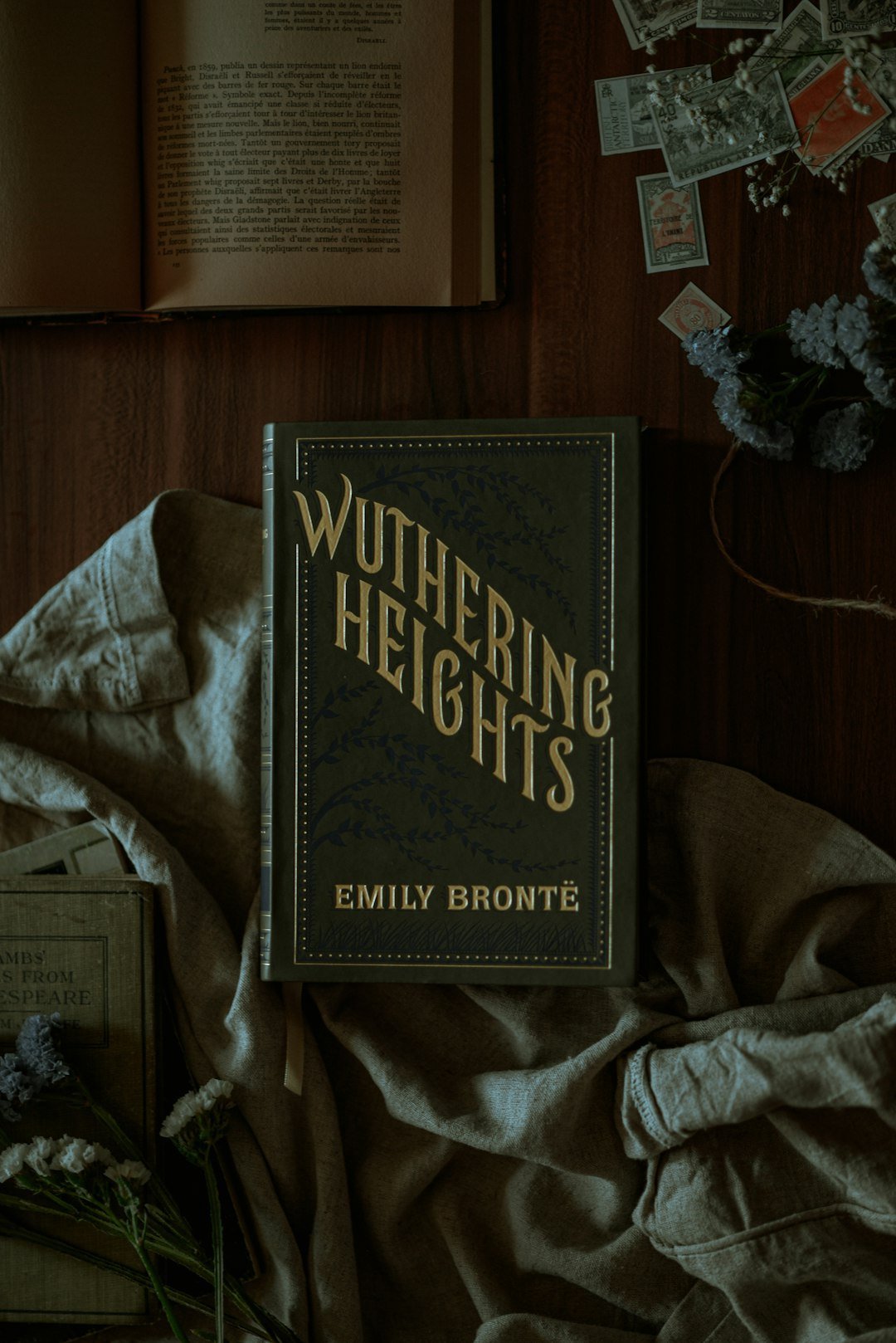
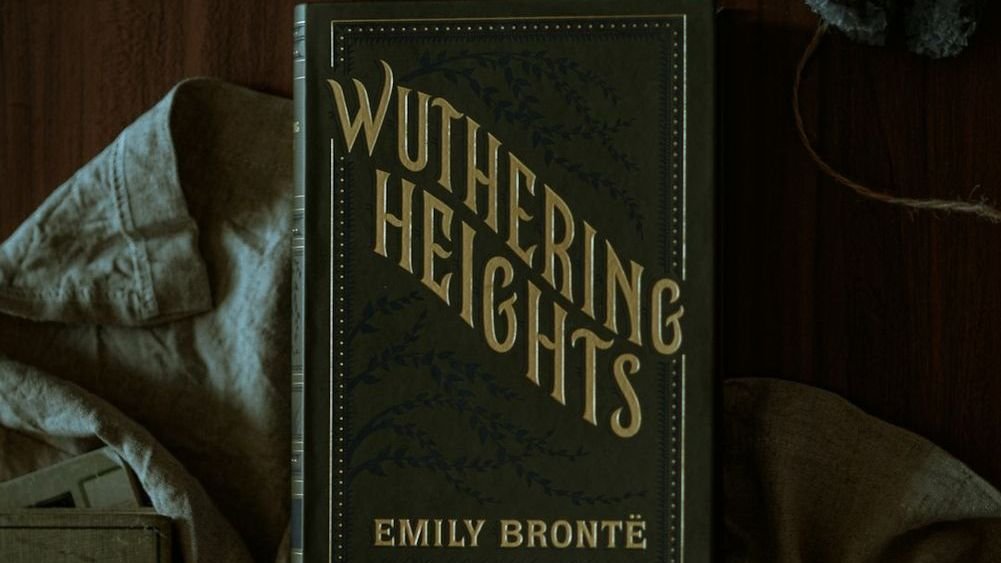
Emily Brontë’s brooding masterpiece never really left the cultural conversation. Victorian Romanticism continues to influence contemporary fashion, with designers drawing inspiration from works such as Emily Brontë’s Wuthering Heights. The gothic and dramatic style, with its elements of darkness and passion, has been reinterpreted in collections featuring heavy fabrics, dramatic silhouettes, and intricate details, reflecting the emotional turmoil of the novel’s protagonists.
Beyond fashion, the novel’s core emotional formula, obsessive love, wild landscapes, and doomed passion, echoes through countless modern romance narratives and gothic fantasy novels. Think of how many tortured anti-heroes in contemporary fiction essentially channel Heathcliff’s dangerous intensity. The brooding, morally ambiguous male love interest who makes terrible decisions because of overwhelming passion? That archetype essentially starts at Wuthering Heights and runs through nearly every contemporary young adult paranormal romance ever written. Brontë built a template that keeps getting borrowed.
Sherlock Holmes Became a Modern Cultural Franchise
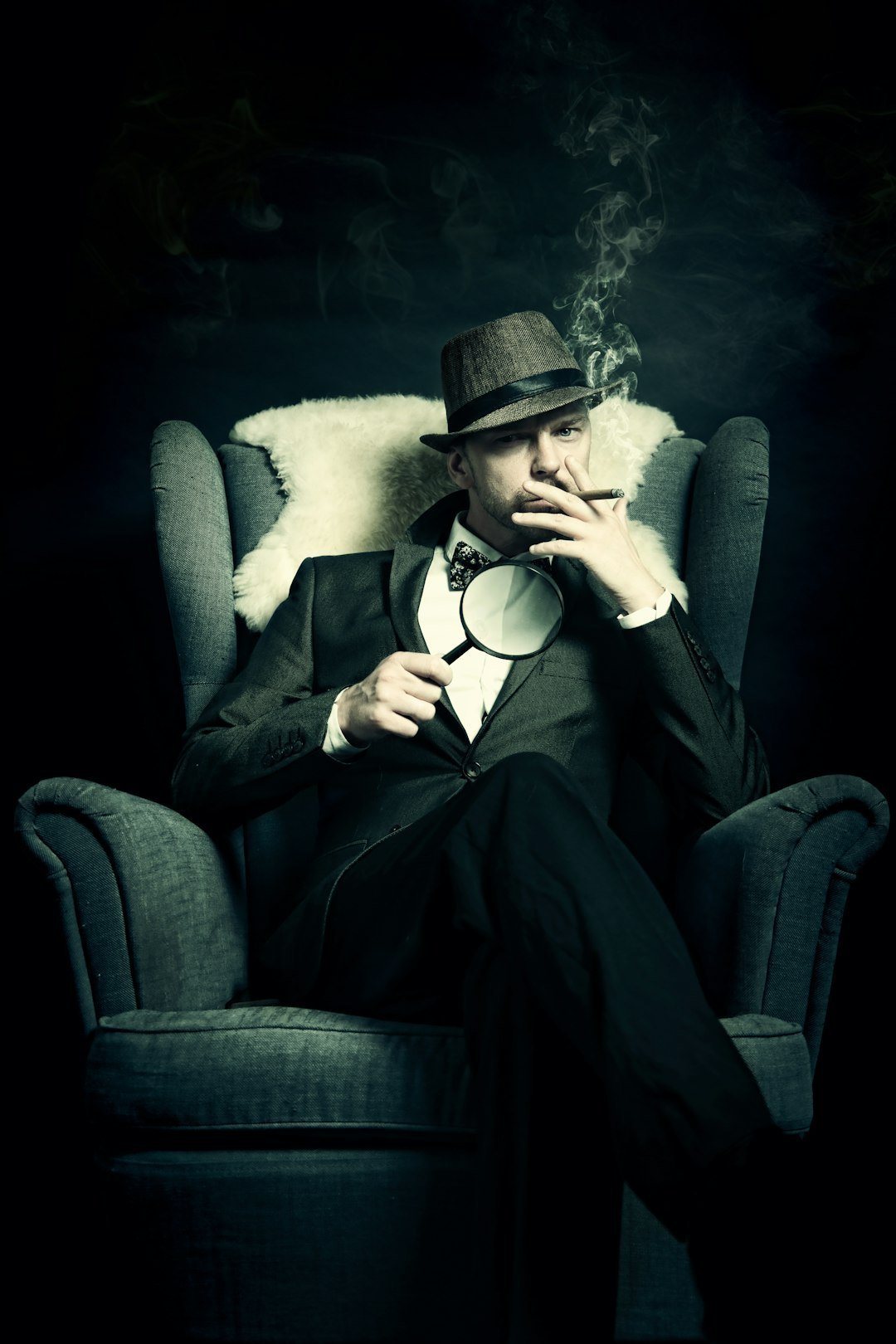
In the realm of TV shows, Sir Arthur Conan Doyle’s Sherlock Holmes was brilliantly adapted into the contemporary BBC series Sherlock, showcasing the timeless appeal of the original narrative. The show starred Benedict Cumberbatch and Martin Freeman and became a global sensation, proving that a Victorian detective story could feel urgently contemporary simply by updating the setting and keeping the psychology intact.
The enduring popularity of Sherlock Holmes and characters like Elizabeth Bennet and Jay Gatsby demonstrates how classic literature permeates modern culture, shaping the narratives and imagery that define our collective imagination. Honestly, Holmes might be the most successfully recycled character in all of literature. He has appeared in countless films, cartoons, pastiches, and even a version where he solves crimes as a Victorian consulting detective alongside Benedict Cumberbatch’s genius in modern London. The formula, brilliant but eccentric detective plus loyal steadfast partner, is so universal and resonant that it never seems to age. It’s a kind of storytelling perpetual motion machine.
Classic Literature Gave Rise to Fan Fiction and Online Fan Culture

This one genuinely surprises people. The explosion of modern fan fiction culture, platforms like Archive of Our Own, Wattpad, and Tumblr fandoms, traces its roots not just to modern franchises but to the long tradition of readers reinventing classic stories. The rise of digital storytelling, fan fiction, and e-books has redefined how we engage with literature. Platforms like Wattpad and Reddit allow fans to reimagine classic tales. The impulse to retell, remix, and reimagine a beloved story is as old as literature itself.
Many authors today cite classic literature as a significant influence on their writing. Works by modern authors often reflect and reinterpret ideas presented in classics, creating a continuous dialogue across generations. Jean Rhys’s Wide Sargasso Sea, for instance, serves as a prequel to Charlotte Brontë’s Jane Eyre, offering a fresh perspective on the character of Bertha Rochester. That impulse, to fill in the gaps, to tell the story from the other side, to argue with the original, is the soul of fan culture. Classic literature didn’t just create stories. It created the habit of collaborative storytelling itself.
Conclusion: Stories Don’t Die, They Transform
What emerges from all twelve of these examples is something profound and, I think, deeply hopeful about the way culture works. This influence isn’t just a nostalgic nod to the past; it is an essential part of our present cultural conversation, a testament to the timeless universal themes found in these literary works. The reason these stories keep returning is not mere sentimentality. It’s because they got something fundamentally right about human nature.
Classic literature holds a remarkable place in cultural history and continues to influence various aspects of modern life. These timeless works, characterized by their themes, deep insights into human nature, and compelling storytelling, have shaped our understanding of morality, society, and the human condition. Power, jealousy, love, identity, the fear of death, the hunger for meaning. These themes don’t go stale. They just find new forms.
The next time you watch a superhero film wrestling with questions of responsibility and creation, or a TV show about a brilliant obsessive detective, or a love story between people society insists should not be together, pause for a second. Somewhere in that story, centuries ago, someone else was telling the exact same story in a very different world. Isn’t it remarkable how little has actually changed? What’s your favorite hidden connection between classic literature and modern pop culture? Tell us in the comments.

Christian Wiedeck, all the way from Germany, loves music festivals, especially in the USA. His articles bring the excitement of these events to readers worldwide.
For any feedback please reach out to info@festivalinside.com
