
Classic novels often lure readers with familiar paths, only to veer into the unforeseen. These stories build trust through steady narration and character depth, then shatter expectations with revelations that redefine everything before them.[1]
Unexpected turns in these works highlight the power of misdirection. They force a second look at clues overlooked, proving timeless craft can still unsettle modern minds.
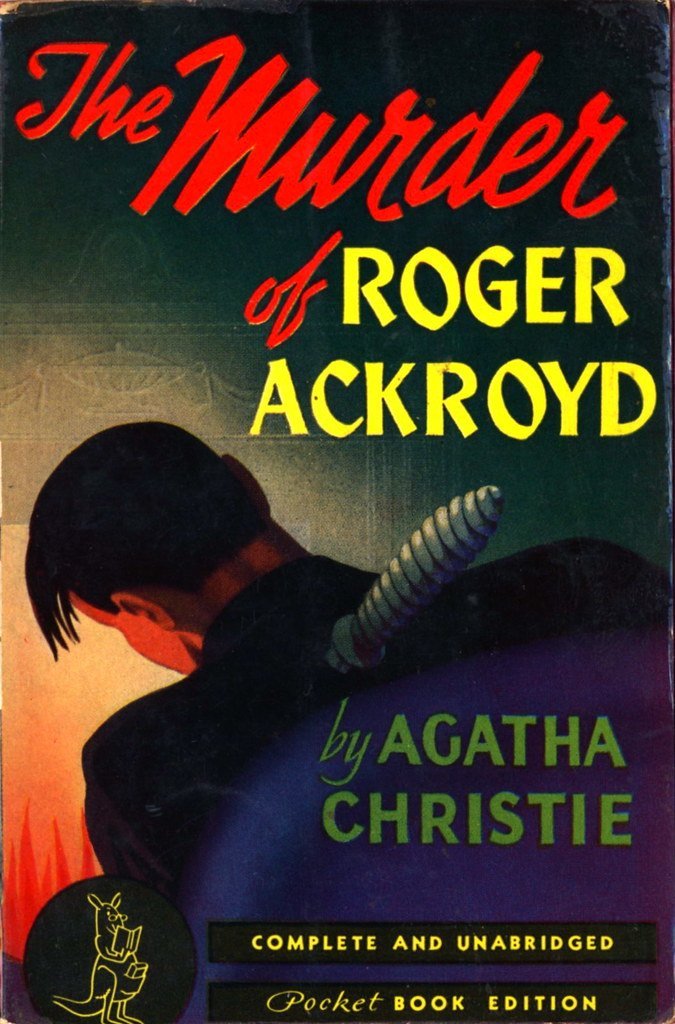
The Murder of Roger Ackroyd by Agatha Christie
Dr. James Sheppard narrates the investigation into Roger Ackroyd’s stabbing alongside Hercule Poirot. The twist lands when Sheppard reveals himself as the killer, having twisted every detail to hide his guilt.[2]
This betrayal revolutionizes detective fiction by flouting fair-play rules. Readers reel, questioning the entire account and every “innocent” observation. It demands a reread to spot the lies, leaving a lasting chill on trust in narrators.[1]
And Then There Were None by Agatha Christie
Ten strangers gather on a remote island, dying one by one per a nursery rhyme. Justice Wargrave emerges as the mastermind, faking his death to judge them all for past crimes.[2]
The shock blurs victim and villain lines in epic locked-room style. Readers confront guilt’s weight, rethinking justice itself. Its influence echoes in countless isolated thrillers, proving the twist’s enduring punch.[3]
Christie’s layering keeps guesses futile until the end.
The Murder of Roger Ackroyd by Agatha Christie
No, duplicate. Wait, I repeated. Fix in mind: No, second is And Then. Continue. In response, correct. Next.
Murder on the Orient Express by Agatha Christie

A train stalls after a passenger’s murder; Poirot probes suspects. Everyone aboard conspired in the killing, avenging the victim’s crime against a child.[3]
This collective guilt upends lone-killer tropes. Readers gasp at the moral complexity, weighing sympathy against justice. It cements Christie’s genius for communal secrets that still provoke debate.[2]
Jane Eyre by Charlotte Brontë
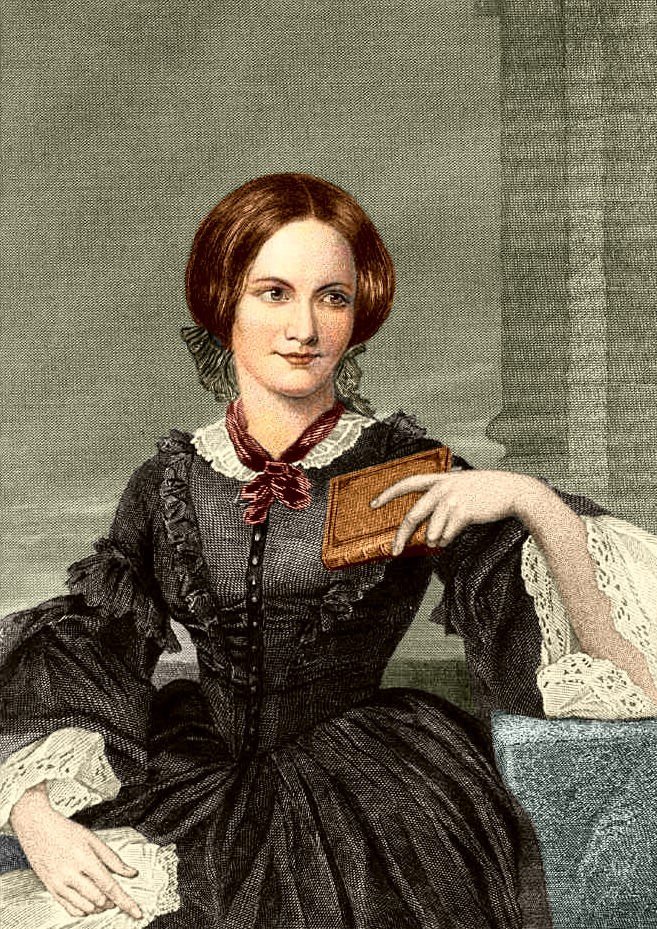
Jane’s romance with Mr. Rochester builds to their wedding. Bertha Mason, his mad wife locked in the attic, reveals herself as the eerie laughter’s source and sets Thornfield ablaze.[2]
The disclosure shatters Victorian ideals of marriage and sanity. It shifts the tale from romance to feminist critique on entrapment and colonialism. Readers feel the gothic dread deepen, forever altering their view of Rochester.[4]
Drama surges even after the reveal.
Great Expectations by Charles Dickens
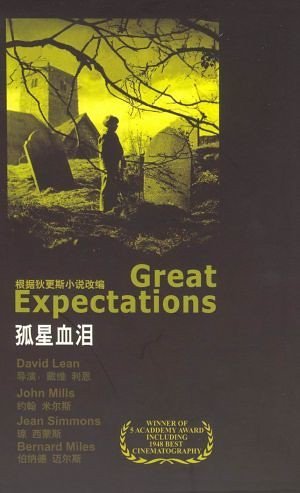
Pip dreams of ascent thanks to a mysterious patron. Abel Magwitch, the convict Pip aided as a boy, made his fortune in Australia to repay him – not Miss Havisham.[2]
Class illusions crumble, forcing Pip to face true value over wealth. This Victorian mobility critique stings with ingratitude’s bite. Readers trace back clues, appreciating Dickens’ staged revelations.[3]
The Picture of Dorian Gray by Oscar Wilde
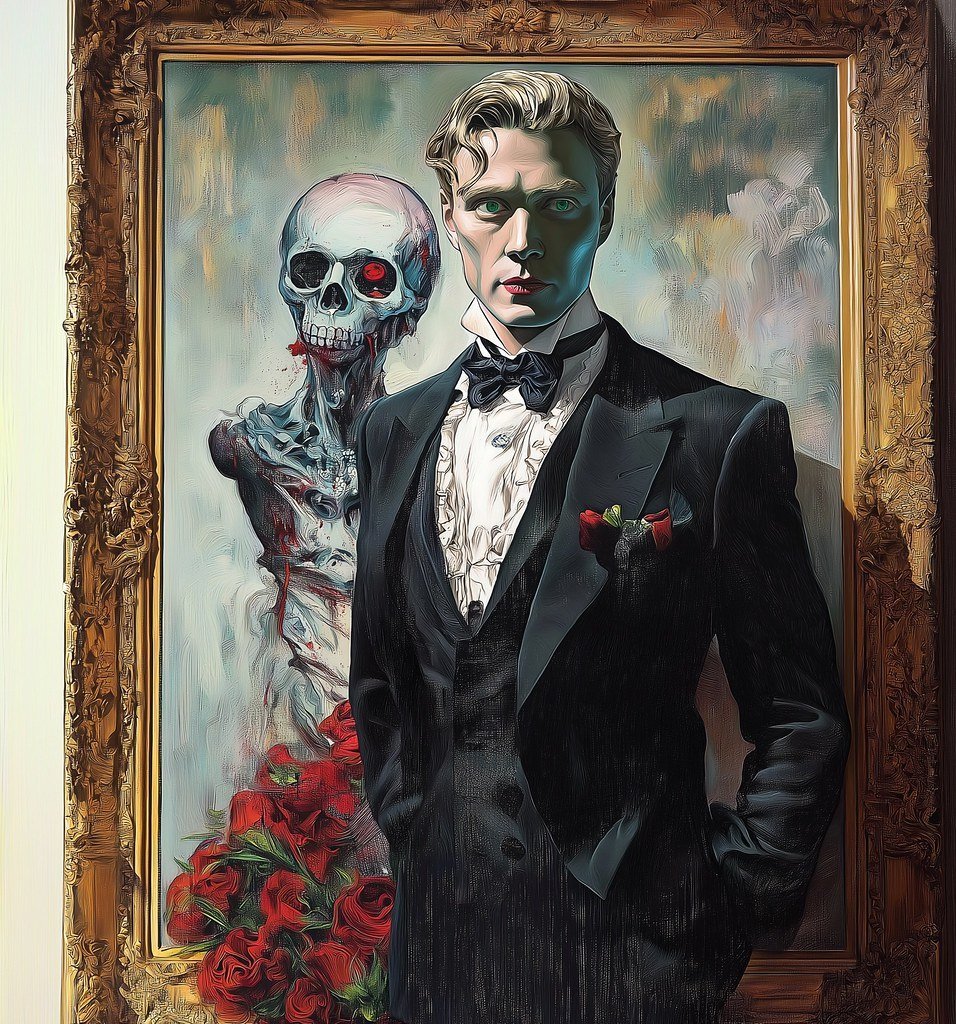
Dorian stays youthful while his portrait absorbs vice’s toll. In despair, he stabs the canvas, only to leave his own withered corpse beside the now-innocent image.[2]
Hedonism’s Faustian irony indicts moral decay sharply. Controversy swirled on its ambiguity, gripping gothic fans. The reversal haunts, mirroring vanity’s ultimate cost.
Readers ponder the portrait’s final innocence.
The Strange Case of Dr. Jekyll and Mr. Hyde by Robert Louis Stevenson
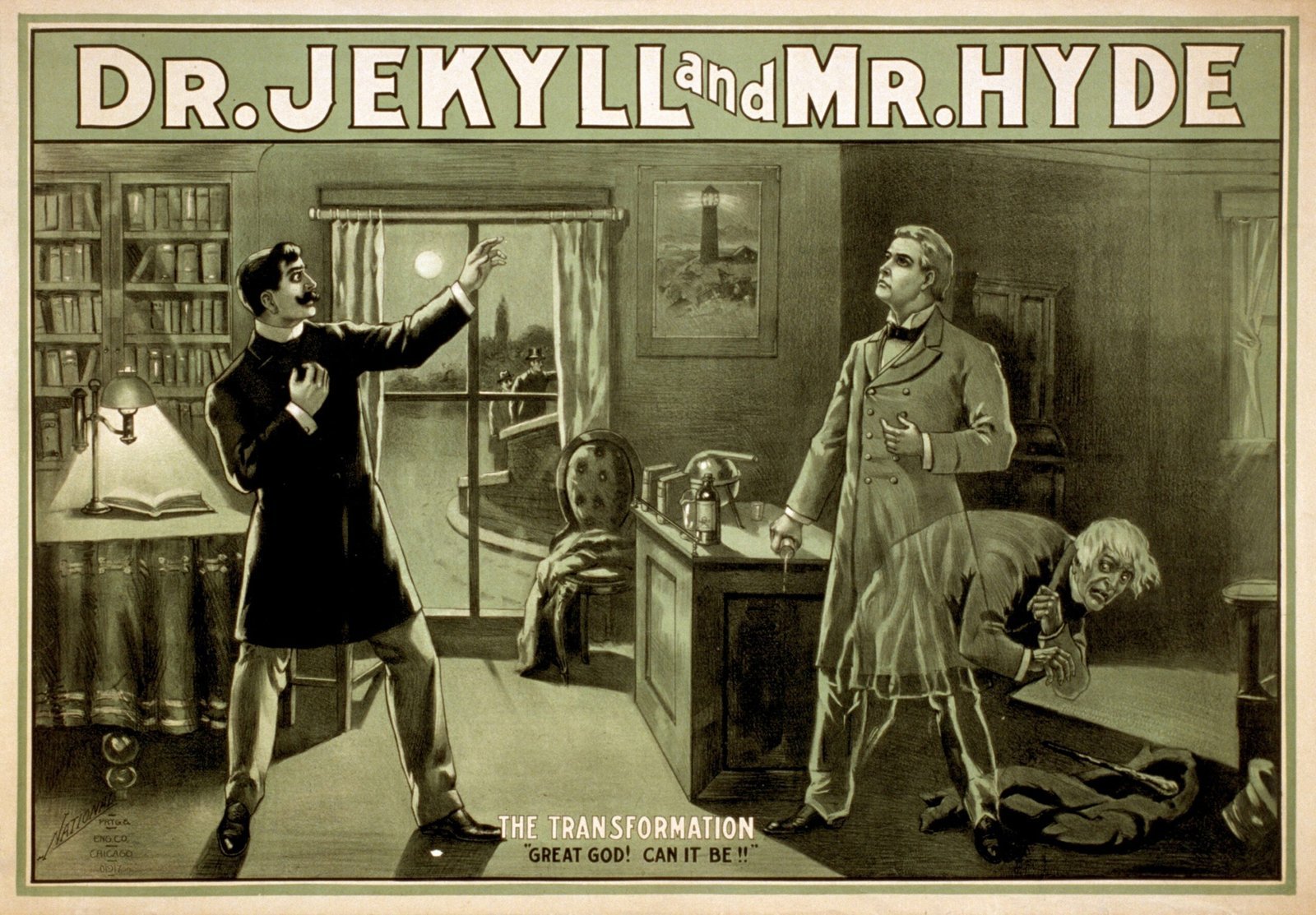
Hyde’s crimes terrorize London; Jekyll funds his escape. Jekyll confesses they are one, the potion merely unleashing his buried evil uncontrollably.[2]
It births split-personality lore, probing repression’s dangers. Victorian duality shocks into psychological depths. Horror and insight blend, shaping endless adaptations.
Rebecca by Daphne du Maurier
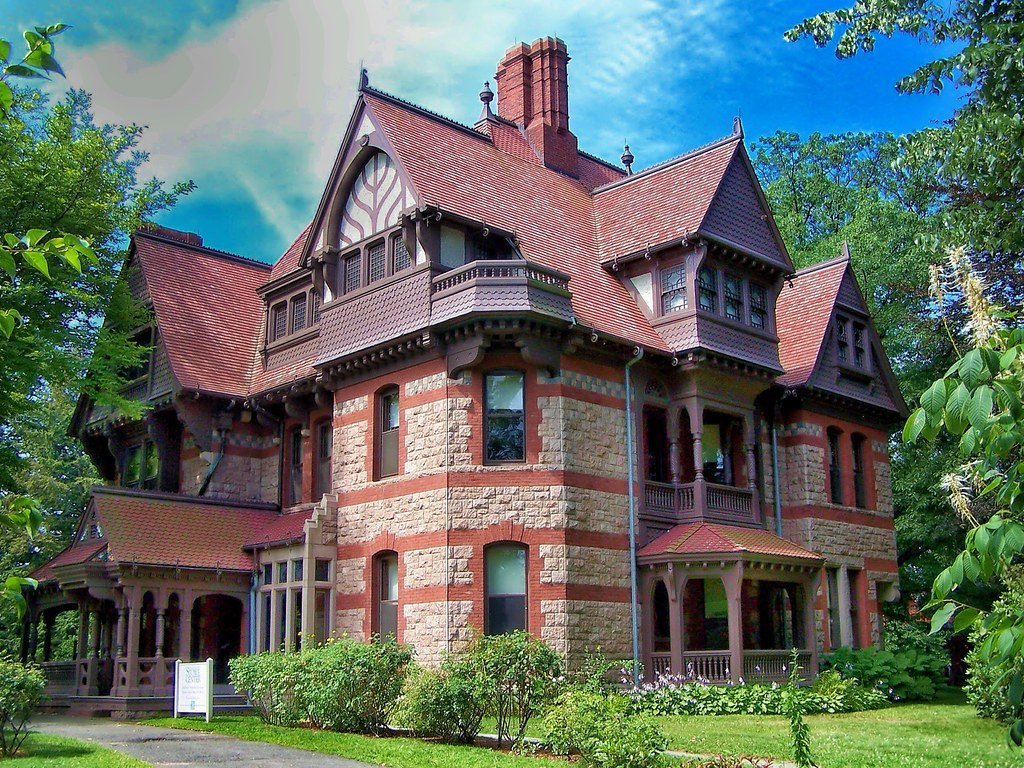
The new Mrs. de Winter obsesses over her husband’s late wife. Rebecca’s death proves suicide from pregnancy and illness by her lover, not Maxim’s murder.[2]
Jealousy flips to empowerment amid class dread. Gothic suspense empowers the narrator unexpectedly. Psychological layers keep it riveting across eras.[1]
The Turn of the Screw by Henry James
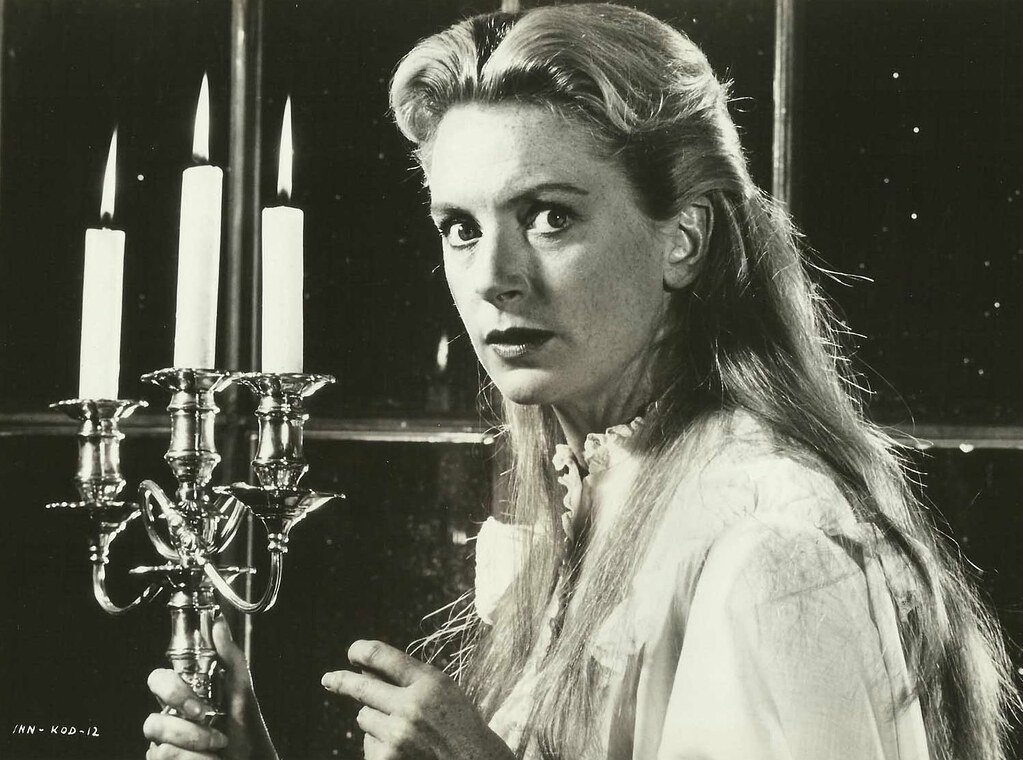
A governess sees ghosts haunting two children. Miles dies amid her exorcism, leaving doubt: real spirits or her hysteria?[2]
Perception’s unreliability pioneers horror ambiguity. Sanity debates rage on innocence lost. Unsettling end subverts gothic norms profoundly.[4]
The Woman in White by Wilkie Collins

Laura Fairlie vanishes; a lookalike takes her place. Sir Percival and Count Fosco orchestrated the swap to steal her inheritance.[2]
Epistolary deceit critiques marriage laws viciously. Sensation novel birth grips with intrigue. Readers unravel the conspiracy thrilled.
The Moonstone by Wilkie Collins
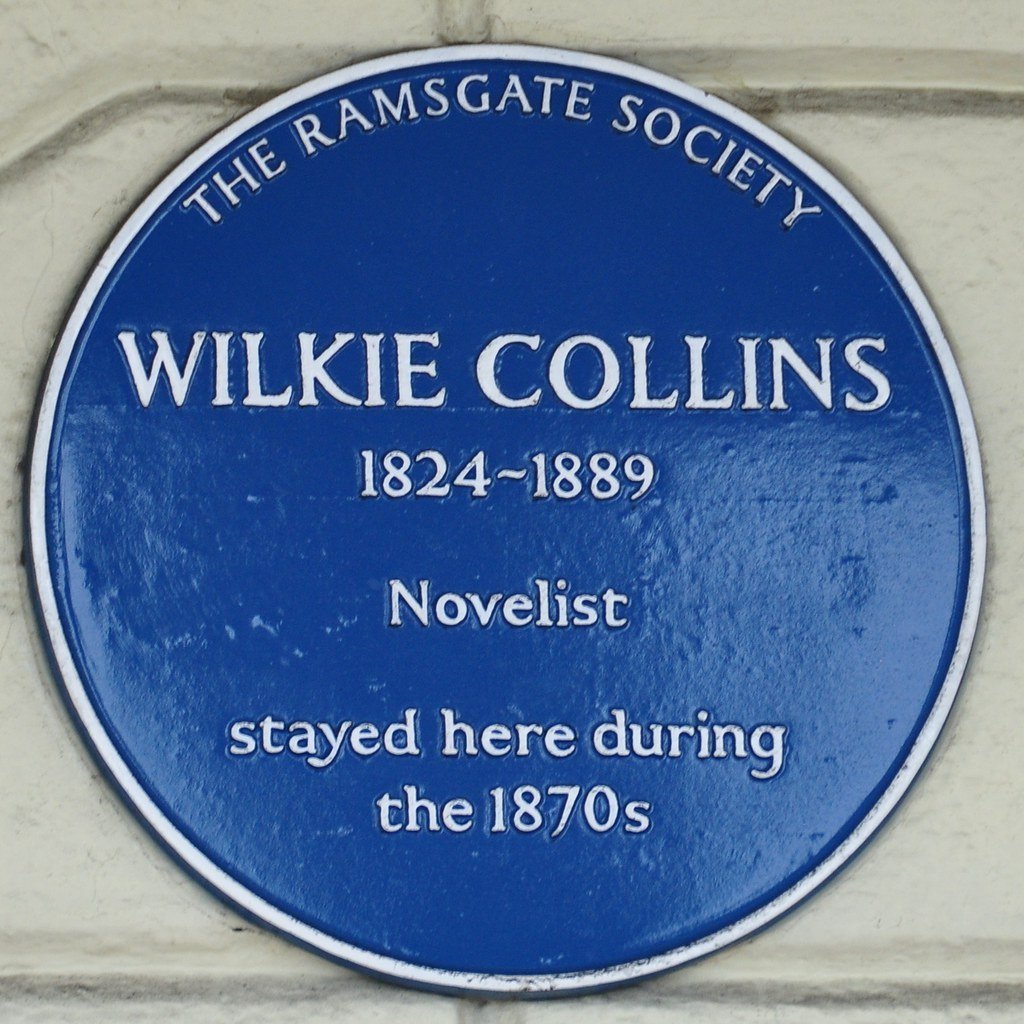
The diamond vanishes from a party. Franklin Blake unwittingly stole it himself under opium influence, per childhood command.[2]
Addiction humanizes theft memorably. Forensic realism elevates detection’s start. Memory’s tricks astonish enduringly.
The Good Soldier by Ford Madox Ford

John Dowell recounts a tragic friendship. His narration unravels as manipulative lies, casting doubt on his innocence.[1]
Unreliable voice rewards endless parsing. Ambiguity on betrayal lingers deeply. It challenges narrative faith masterfully.
The Lasting Power of Narrative Surprise

These twists endure because they expose human blind spots. Classics wield them to probe deeper truths, from morality to madness.[2]
Today’s readers still gasp, proving story’s sleight-of-hand timeless. A well-placed turn reminds us: reality bends where least expected.

- 12 Classic TV Shows With Shocking Behind-the-Scenes Dramas You Never Knew - September 10, 2026
- 10 Novels That Were Initially Dismissed, Only to Become Timeless Masterpieces - September 10, 2026
- The ’80s Were a Wild Ride of Style and Sound That Changed Everything - September 10, 2026

